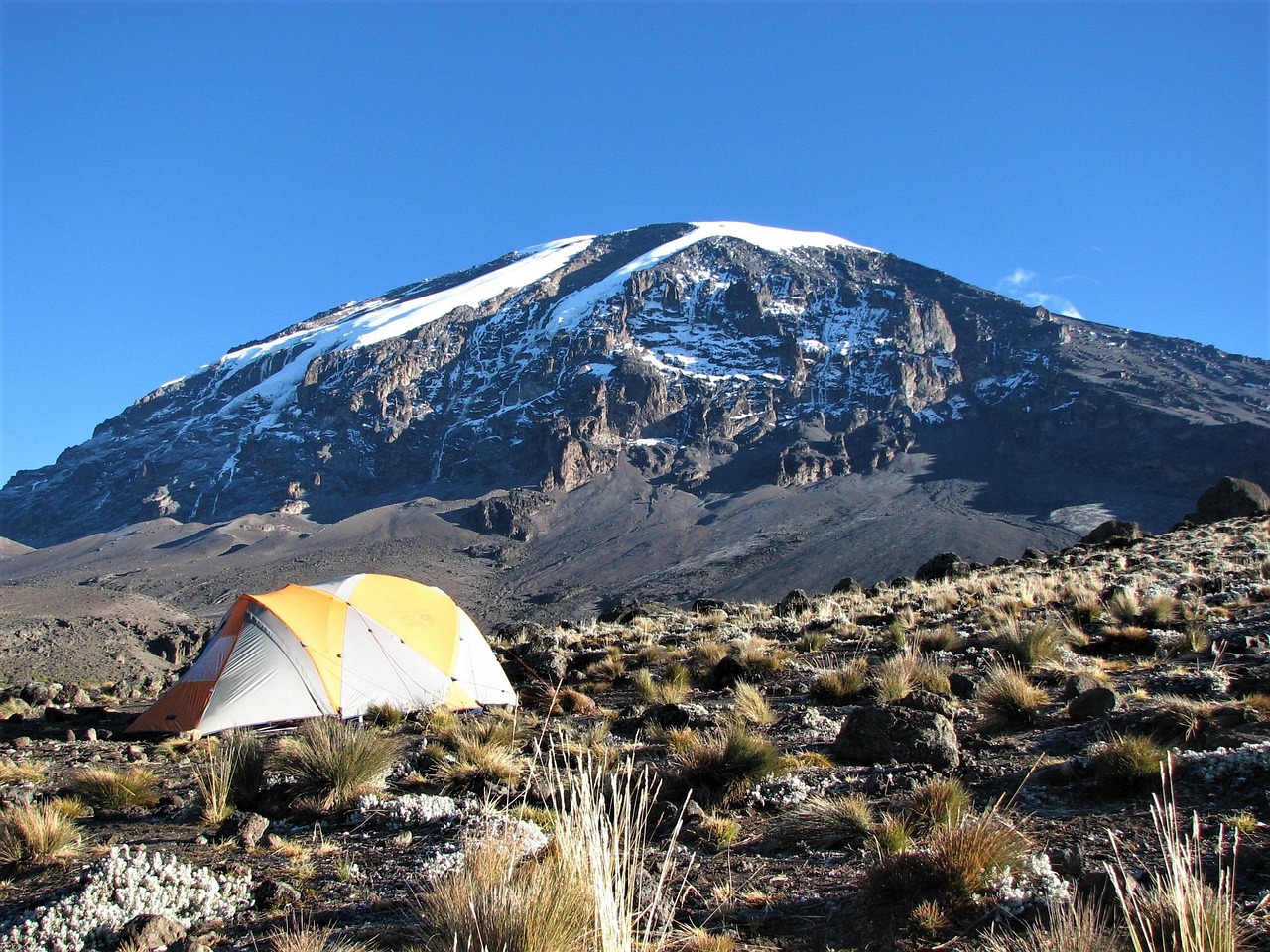
Learn essential Safari Safety and Travel Tips for 2026–2027. Prepare for wildlife encounters, health considerations, and responsible travel during your safari journey.
Safari Safety and Travel Tips 2026–2027 provide essential guidance for travelers preparing to explore East Africa’s wildlife regions. This resource focuses on practical safety awareness, responsible behavior, and smart travel preparation to ensure a smooth, enjoyable, and secure safari experience from arrival to departure.
By following Safari Safety and Travel Tips 2026–2027, travelers learn how to behave around wildlife, follow guide instructions, and respect park regulations designed to protect both visitors and animals. The guide also covers general travel considerations such as health preparation, packing essentials, climate awareness, and cultural etiquette, helping travelers feel confident and informed throughout their journey.
Safari Safety and Travel Tips 2026–2027 include advice on safari vehicle safety, walking safari precautions, accommodation awareness, and responsible photography practices. Ideal for first-time safari guests and returning travelers alike, these tips promote safe exploration while enhancing appreciation for wildlife, local communities, and the natural environments that make safari travel so rewarding.
Safari travel is one of the most exciting and rewarding ways to explore nature, wildlife, and diverse cultures. However, because safaris take place in remote environments and close to wild animals, preparation and awareness are essential. Safari Safety and Travel Tips help travelers enjoy their journey with confidence, comfort, and peace of mind.
Understanding Safari Safety and Travel Tips does not mean limiting adventure. On the contrary, being informed allows travelers to relax and fully appreciate the experience. From wildlife awareness and health preparation to transport safety and cultural respect, this guide covers everything needed for a safe and memorable safari.
Safaris take travelers into national parks, conservation areas, and remote regions where wildlife lives freely. Unlike city travel or resort vacations, safari environments require a different mindset. Safari Safety and Travel Tips help travelers understand how to behave around wildlife, how to stay healthy, and how to adapt to unfamiliar surroundings.
Following proper Safari Safety and Travel Tips ensures personal safety, protects wildlife, and supports responsible tourism. Well-prepared travelers also contribute to smoother safari operations and better conservation outcomes.
One of the most important Safari Safety and Travel Tips is understanding that wildlife areas are not controlled environments. Animals roam freely, weather conditions can change quickly, and distances between facilities can be long.
Accepting the natural rhythm of the safari environment helps travelers remain calm and respectful. Wildlife sightings are never guaranteed, and safety depends on patience, awareness, and following guide instructions at all times.
Selecting a professional and licensed safari operator is one of the most important Safari Safety and Travel Tips. Reputable operators employ trained guides, maintain well-equipped vehicles, and follow park regulations strictly.
A good safari operator prioritizes safety briefings, vehicle maintenance, emergency preparedness, and ethical wildlife practices. Travelers should confirm licenses, reviews, and experience before booking.
Safari guides are highly trained professionals with deep knowledge of wildlife behavior and local conditions. One of the most critical Safari Safety and Travel Tips is to always listen to your guide.
Guides understand animal signals, weather patterns, and safe distances. Ignoring instructions or acting independently can put both travelers and wildlife at risk. Trusting your guide enhances safety and improves wildlife viewing experiences.
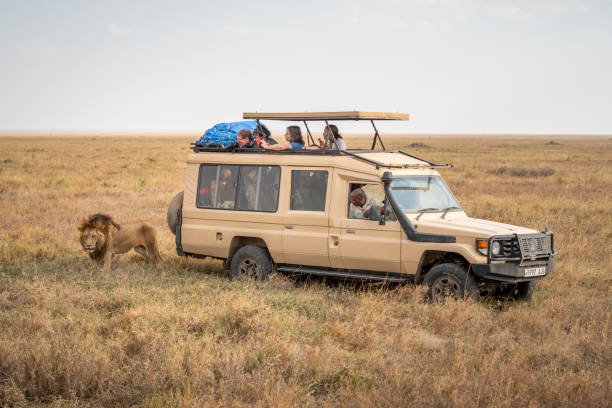
A key Safari Safety and Travel Tip is maintaining appropriate distance from animals. Wild animals can behave unpredictably, especially if they feel threatened or surprised.
Never approach animals on foot unless instructed by your guide. Staying inside the vehicle during game drives is essential unless the guide confirms it is safe to exit.
Sudden movements and loud noises can startle animals. Safari Safety and Travel Tips emphasize remaining calm, quiet, and still during wildlife encounters.
Speaking softly and following vehicle etiquette helps keep animals relaxed and ensures safer viewing conditions.
Feeding wildlife is strictly prohibited and unsafe. One of the most important Safari Safety and Travel Tips is to never feed animals under any circumstances.
Feeding disrupts natural behavior, creates dependency, and can lead to dangerous interactions for both humans and animals.
Safari vehicles are designed for wildlife viewing and safety. Remaining seated, keeping limbs inside the vehicle, and following guide instructions are essential Safari Safety and Travel Tips.
Standing up or leaning out of vehicles can be dangerous, especially near predators or large animals. Vehicles provide protection when used correctly.
Walking safaris offer incredible experiences but require strict safety discipline. Safari Safety and Travel Tips for walking safaris include staying close to the guide, walking in single file, and maintaining silence.
Guides assess wind direction, animal presence, and terrain before proceeding. Following instructions without hesitation is essential during walking activities.
Wildlife often moves freely through safari camps. One of the most important Safari Safety and Travel Tips is to remain alert at night.
Use a torch or escort when moving after dark, stay on designated paths, and never walk alone without guidance.
Animals such as monkeys and birds are attracted to food and shiny objects. Safari Safety and Travel Tips include keeping tents zipped, windows closed when necessary, and personal items secured.
This prevents unwanted wildlife encounters and protects belongings.
Health preparation is a vital part of Safari Safety and Travel Tips. Travelers should consult medical professionals regarding recommended vaccinations and malaria prevention before travel.
Carrying personal medication and a basic medical kit is strongly advised, especially in remote areas.
Safari days often involve long hours outdoors. Safari Safety and Travel Tips emphasize staying hydrated, wearing sun protection, and dressing appropriately for heat and exposure.
Reusable water bottles, hats, sunscreen, and lightweight clothing are essential safari items.
Safari lodges and camps generally maintain high hygiene standards. However, Safari Safety and Travel Tips suggest drinking only treated or bottled water and washing hands regularly.
Being mindful of food hygiene helps prevent illness during travel.
Ensuring valid travel documents is a key Safari Safety and Travel Tip. Passports should have sufficient validity, and visa requirements should be checked in advance.
Keeping digital and physical copies of important documents adds an extra layer of security.
Safari Safety and Travel Tips recommend carrying limited cash, using secure storage at lodges, and avoiding display of valuables.
Most safari camps offer safes or secure storage for important items.
Respect for local culture is an important aspect of Safari Safety and Travel Tips. Understanding customs, dressing modestly when visiting communities, and asking permission before taking photographs shows respect.
Cultural awareness promotes positive interactions and enhances the overall travel experience.
Road conditions in safari regions may differ from urban roads. Safari Safety and Travel Tips include wearing seatbelts where available, avoiding night driving, and trusting experienced drivers.
Travel times may be longer than expected due to terrain and wildlife movement, so patience is essential.
Many safaris involve light aircraft flights. Safari Safety and Travel Tips include following baggage weight limits, listening to pilot briefings, and wearing seatbelts during flights.
Light aircraft are safe and efficient when operated by licensed pilots and reputable companies.
Weather conditions can change rapidly in safari regions. Safari Safety and Travel Tips encourage travelers to pack layers, rain protection, and remain flexible with schedules.
Being adaptable enhances safety and enjoyment.
Reputable safari operators have emergency protocols in place. Safari Safety and Travel Tips include understanding evacuation options, insurance coverage, and emergency communication procedures.
Travel insurance that includes medical evacuation is strongly recommended for safari travel.
Safari Safety and Travel Tips extend beyond personal protection to include conservation responsibility. Staying on designated tracks, respecting park rules, and minimizing environmental impact help protect ecosystems.
Responsible behavior ensures that safari destinations remain safe and sustainable for future visitors.
Safari Safety and Travel Tips for solo travelers emphasize choosing guided activities, joining small groups, and maintaining communication with guides and camp staff.
Solo travelers benefit greatly from structured safari programs that prioritize safety and support.
Families traveling on safari should follow Safari Safety and Travel Tips specific to children. This includes close supervision, choosing family-friendly lodges, and following age guidelines for activities.
Many safari camps are well-equipped to accommodate families safely.
Safari travel requires patience, flexibility, and openness. Safari Safety and Travel Tips include preparing mentally for long drives, changing plans, and unpredictable wildlife behavior.
A calm and respectful mindset enhances both safety and enjoyment.
Safari Safety and Travel Tips help travelers avoid common mistakes such as ignoring guide instructions, approaching wildlife independently, underestimating distances, or overpacking.
Learning from experienced operators reduces risk and improves comfort.
The most effective Safari Safety and Travel Tips come from awareness rather than fear. Safaris are safe when travelers understand their environment, follow rules, and trust professional guidance.
Experience, preparation, and respect create safe and enriching safari journeys.
Safari safety continues to evolve with improved guiding standards, better medical support, and stronger conservation practices. Safari Safety and Travel Tips reflect these advancements, ensuring travelers are better prepared than ever before.
Responsible tourism and education play key roles in improving safari safety worldwide.
Safari Safety and Travel Tips are essential for anyone planning a safari adventure. They ensure personal safety, protect wildlife, and enhance the overall travel experience. From choosing the right operator to understanding wildlife behavior and health preparation, safety awareness transforms a safari into a confident and unforgettable journey.
By following trusted Safari Safety and Travel Tips, travelers can fully embrace the magic of the wild while respecting nature and local communities. A safe safari is not only more enjoyable—it is the foundation of responsible and meaningful travel.
African Trek & Travel is a leading Tanzania tour operator in Moshi and Arusha for 2026–2027, specializing in Kilimanjaro treks, safaris, and tailor-made adventures. With deep local expertise and a strong commitment to safety and quality, we deliver unforgettable travel experiences across East Africa.
Discover popular Safaris, Serengeti Migration, Kilimanjaro Climbing & Zanzibar Beach Holidays. Plan your perfect adventure today!
 Popular
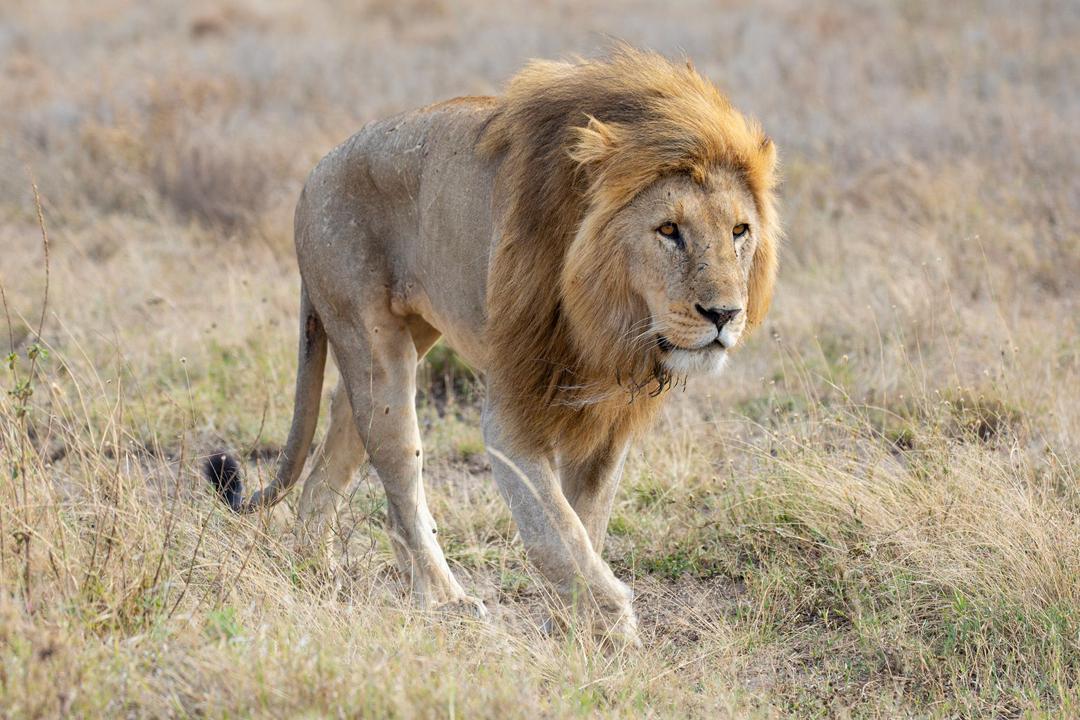
Experience the wildebeest migration across the vast Serengeti and Ngorongoro plains. Perfect for wildlife lovers and photography enthusiasts.
Book Now New
New
Climb Africa’s highest peak via scenic routes with expert guides and safe treks. Experience adventure with full support and accommodation included.
Book Now Popular
Relax in paradise with pristine white beaches, spice tours, and cultural charm. Ideal for families and honeymooners seeking luxury and tranquility.
Book Now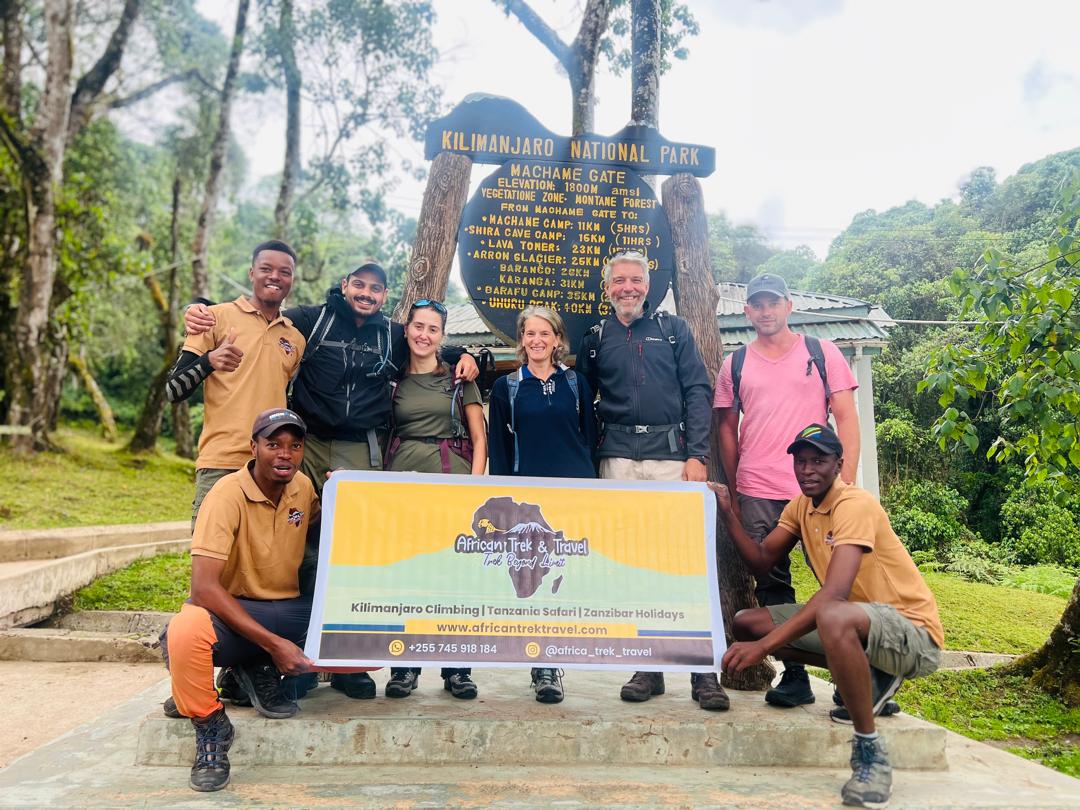

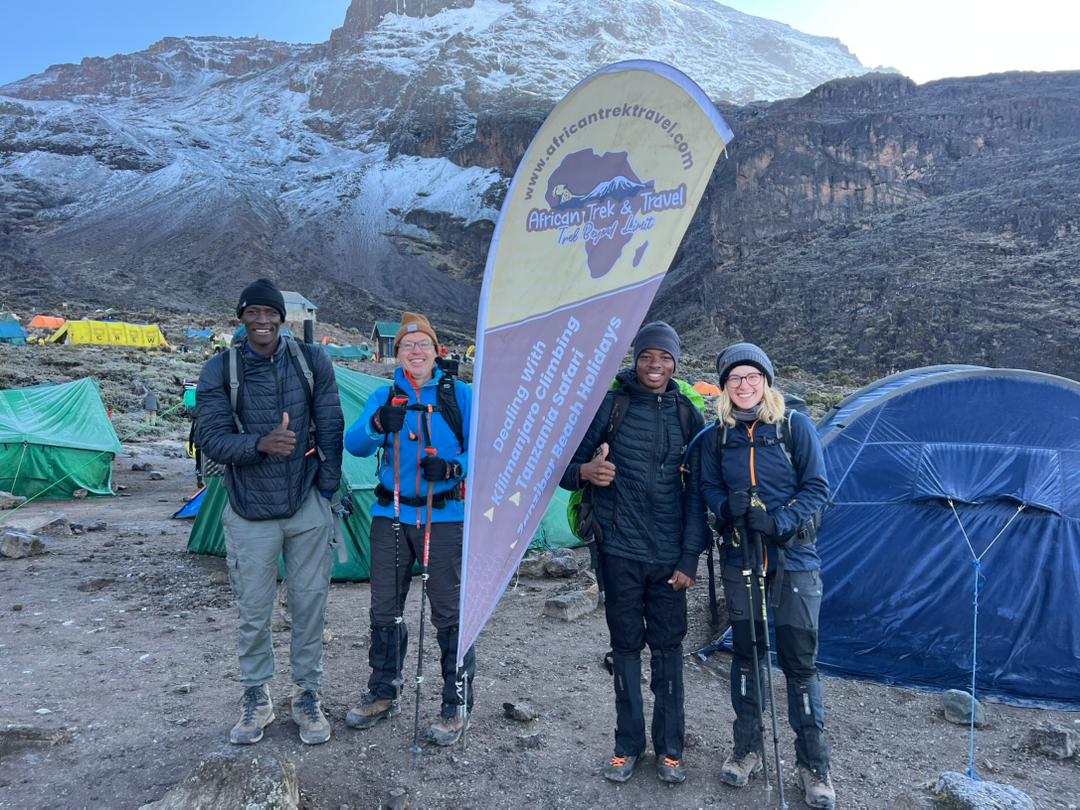
We collaborate with top tour operators to provide the best experiences for Kilimanjaro treks, safaris, and adventures.