Learn about the Safety of Domestic Flights in Tanzania for 2026–2027. Understand airline standards, aircraft quality, pilot training, and essential safety tips for travelers.
The Safety of Domestic Flights in Tanzania 2026–2027 guide provides travelers with clear, updated information on the reliability and safety of flying within the country. Domestic flights are the most efficient way to reach remote safari parks and coastal destinations, and Tanzania’s aviation sector continues to maintain improved safety standards, trained personnel, and regulated flight operations.
During the Safety of Domestic Flights in Tanzania 2026–2027, travelers benefit from strict oversight by the Tanzania Civil Aviation Authority (TCAA), which enforces international safety requirements for all domestic carriers. Reputable airlines such as Coastal Aviation, Auric Air, Regional Air, and Flightlink operate modern fleets, conduct regular aircraft maintenance, and employ professionally trained pilots with extensive bush-flying experience. Flights typically run between major hubs like Arusha, Dar es Salaam, Zanzibar, and key safari regions including the Serengeti, Ruaha, Selous (Nyerere National Park), and Lake Manyara.
The Safety of Domestic Flights in Tanzania 2026–2027 guide includes practical safety tips such as understanding luggage limits, choosing certified airlines, following crew instructions, checking weather patterns, and arriving early for security checks. Ideal for safari travelers, families, and first-time visitors, this guide provides reassurance and clarity—ensuring smooth, safe, and reliable flying experiences throughout Tanzania’s stunning landscapes.

Understanding the safety of domestic flights in Tanzania is essential for travelers planning safaris, business trips, island vacations, or multi-park itineraries. Tanzania is a large country with remote national parks, coastal islands, rural regions, and long driving distances. Domestic flights—including bush planes, regional airlines, and scheduled carriers—play a critical role in connecting travelers safely and efficiently across the country.
Whether traveling from Arusha to the Serengeti, Dar es Salaam to Ruaha, Zanzibar to Pemba, or connecting major cities through domestic hubs, the safety of domestic flights in Tanzania is shaped by strict aviation regulations, experienced pilots, well-maintained aircraft, and structured operational procedures.
This guide provides a complete overview of aviation safety standards, airline practices, passenger expectations, weather patterns, aircraft types, safety tips, and what travelers can expect during 2026–2027.
As Tanzania becomes one of Africa’s top safari and beach destinations, travelers want reassurance about:
Safety of small aircraft used on safari routes
Reliability of domestic airlines
Quality of pilot training
Aircraft maintenance standards
Government aviation regulations
Weather impacts on flight schedules
Experience with short or dirt airstrips
Emergency procedures and communication
The safety of domestic flights in Tanzania is an important topic for first-time safari visitors, families, honeymooners, photographers, and groups traveling to remote national parks.
Domestic aviation in Tanzania operates through two major systems:
These serve larger hubs such as:
Dar es Salaam Julius Nyerere International Airport (DAR)
Kilimanjaro International Airport (JRO)
Arusha Airport (ARK)
Mwanza Airport
Zanzibar International Airport
Flights between these airports use well-maintained turboprop aircraft with strict operational protocols.
Light aircraft connect travelers to:
Serengeti (multiple airstrips)
Ngorongoro / Ndutu
Tarangire
Lake Manyara
Ruaha
Selous/Nyerere
Katavi
Mahale
Mikumi
Saadani
These flights use smaller planes but follow robust safety procedures designed for remote operations.
Both systems contribute to the excellent record of safety of domestic flights in Tanzania.
Several structural and regulatory factors make domestic aviation in Tanzania reliable and safe.
The TCAA regulates:
Pilot licensing
Air operator certifications
Aircraft maintenance requirements
Airstrip inspections
Operational standards
Safety audits
Flight crew training
TCAA follows internationally recognized aviation guidelines, ensuring the safety of domestic flights in Tanzania across all airlines.
Domestic carriers follow regimented maintenance schedules including:
Daily pre-flight and post-flight inspections
Routine servicing
Engine checks
Structural inspections
Avionics testing
Emergency equipment verification
Maintenance facilities in Dar es Salaam, Arusha, and Kilimanjaro support light aircraft and regional turboprops alike.
Pilots flying domestic routes—especially to national parks—are trained extensively in:
Short-runway takeoffs and landings
Terrain awareness
Weather interpretation
Remote communication procedures
Wildlife-near-airstrip awareness
Emergency readiness
Bush pilots undergo ongoing proficiency checks, reinforcing the safety of domestic flights in Tanzania.
Common aircraft types include:
Cessna 208B Grand Caravan (most popular bush plane)
Dash-8
ATR 42 and ATR 72
Beechcraft King Air
Pilatus PC-12
These are globally recognized for reliability, fuel efficiency, and performance in hot climates and rugged environments.
Most safari parks maintain structured airstrips such as:
Seronera
Kogatende
Lobo
Ndutu
Manyara
Kuro (Tarangire)
Ruaha
Selous/Nyerere
Airstrips are inspected regularly for:
Runway condition
Wildlife presence
Windsock visibility
Surface stability
Safety signage
All these contribute to the strong safety of domestic flights in Tanzania.
Different airlines operate different types of domestic flights, all with strong safety standards.
Examples include:
Precision Air
Air Tanzania
Regional Air Services
These airlines use larger turboprops or jets and follow strict commercial aviation procedures.
Professional multi-crew operations
Dedicated maintenance facilities
Stringent crew training
Standardized safety briefings
Weather-based decision protocols
These carriers offer strong reliability and are widely used by locals and visitors.
Examples include:
Coastal Aviation
Auric Air
Safari Air Link
ZanAir
Regional Air
These airlines specialize in transporting travelers through national parks.
Aircraft designed for short airstrips
Pilots experienced in bush operations
Frequent safety inspections
Strict load limits
Mandatory weather checks
Bush aviation is one of Tanzania’s most trusted travel systems.
Used for:
Luxury safari itineraries
Remote destinations
Small group travel
Filming and photography projects
Charters follow the same regulatory oversight as scheduled bush flights.
Weather is a key operational factor, but aviation protocols ensure risk-free decision-making.
Most stable flying conditions
Few delays
Excellent visibility
Occasional storms
Pilots avoid dangerous weather through careful route planning
Airstrips remain operational
Some regions become muddy
A few remote airstrips may temporarily close
Flights continue with adjusted schedules
Understanding weather patterns helps travelers appreciate how airlines maintain the safety of domestic flights in Tanzania year-round.
Travelers should be aware of the following:
Most bush flights enforce:
15–20 kg limit per passenger
Soft bags only
Strict enforcement for aircraft balance
Seats often operate on a first-come basis.
Expect earthy airstrips in wildlife areas.
Pilots personally address passengers before takeoff.
Cabins are smaller but safe and well-managed.
All these factors contribute to the overall safety of domestic flights in Tanzania.
Pilots undergo recurrent checks every few months.
Airlines track:
Wind patterns
Cloud density
Storm movement
Visibility conditions
Flights are monitored and supported by ground teams.
Rangers clear runways of wildlife before landing.
Flights follow international fuel safety reserves.
These systems ensure safe, smooth operations for all domestic passengers.
Travelers can also contribute to their comfort and confidence while flying domestically.
Small aircraft experience occasional light bumps.
Runways may have wildlife.
They are trained to prioritize safety above schedule pressures.
Fast
Efficient
Extremely safe
Avoid long, bumpy roads
Ideal for remote parks
Takes significantly more time
Exposed to wildlife crossings
Road conditions vary
Fatigue can affect long drives
For many travelers, flying is the safer and more comfortable choice.
Safe and convenient for children on longer routes.
Avoid long road journeys and reduce fatigue.
Easier coordination with bush flights.
Fast and scenic connections to Zanzibar or the Serengeti.
Bush flights are widely used by all age groups with high satisfaction.
Truth: They are designed specifically for remote airstrips and operate under strict procedures.
Truth: Pilots prioritize safety and regularly cancel or delay flights for weather concerns.
Truth: They are professionally maintained and inspected regularly.
Travelers often feel reassured once they experience their first flight.
Key reasons include:
Growing investment in aviation infrastructure
Continued regulatory oversight
Fleet modernization
Increasing pilot training programs
Expanding tourism routes requiring high safety standards
Domestic aviation will remain a core component of safari logistics.
Whether flying from Arusha to the Serengeti, Dar es Salaam to Ruaha, Zanzibar to Mafia Island, or connecting through major airports, travelers can trust the safety of domestic flights in Tanzania.
With strong aviation regulations, experienced pilots, well-maintained aircraft, reliable airstrips, and comprehensive operational standards, domestic flights are one of the safest, fastest, and most enjoyable ways to explore Tanzania.
For 2026–2027, domestic aviation remains a highly secure travel choice—making it easy for visitors to access national parks, islands, and regional hubs with confidence, comfort, and breathtaking views.
African Trek & Travel is a leading Tanzania tour operator in Moshi and Arusha for 2026–2027, specializing in Kilimanjaro treks, safaris, and tailor-made adventures. With deep local expertise and a strong commitment to safety and quality, we deliver unforgettable travel experiences across East Africa.
Discover popular Safaris, Serengeti Migration, Kilimanjaro Climbing & Zanzibar Beach Holidays. Plan your perfect adventure today!
 Popular
Experience the wildebeest migration across the vast Serengeti and Ngorongoro plains. Perfect for wildlife lovers and photography enthusiasts.
Book Now New
New
Climb Africa’s highest peak via scenic routes with expert guides and safe treks. Experience adventure with full support and accommodation included.
Book Now Popular
Relax in paradise with pristine white beaches, spice tours, and cultural charm. Ideal for families and honeymooners seeking luxury and tranquility.
Book Now

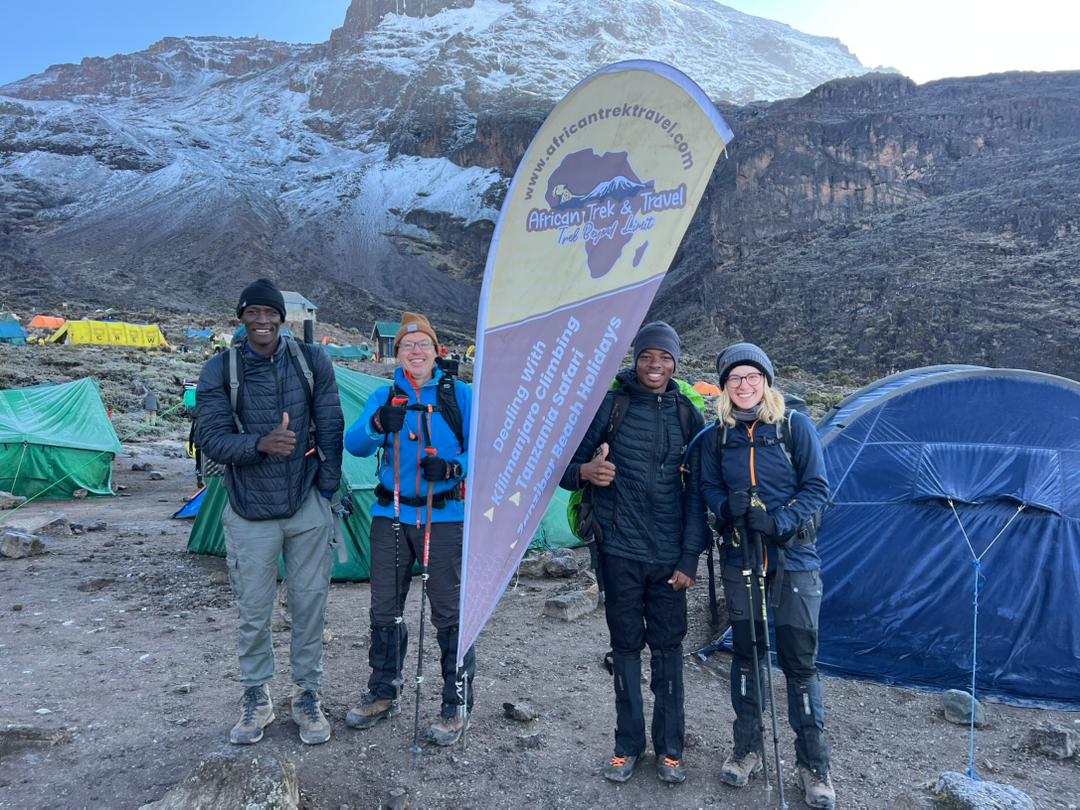
We collaborate with top tour operators to provide the best experiences for Kilimanjaro treks, safaris, and adventures.