Title:
Self-Driving in Tanzania: Pros and Cons You Should Know Before Renting a Car
Meta Description:
Self-driving in Tanzania explained in depth. Learn the advantages and disadvantages of self-drive car rental, road conditions, safety, costs, rules, and whether self-driving in Tanzania is right for you.
Introduction to Self-Driving in Tanzania
Self-driving in Tanzania has become an increasingly popular option for travelers, residents, and business visitors who want flexibility and control over their journeys. With vast landscapes, wildlife-rich national parks, growing road networks, and expanding urban centers, Tanzania offers many opportunities for independent road travel.
However, self-driving in Tanzania is not for everyone. While it provides freedom and independence, it also comes with challenges such as road conditions, traffic behavior, navigation, and local driving laws. Understanding both the advantages and disadvantages of self-driving in Tanzania is essential before deciding whether to rent a car and drive yourself.
This detailed guide explores the pros and cons of self-driving in Tanzania, covering everything from costs and safety to road quality, fuel availability, and suitability for different types of travelers.
What Self-Driving in Tanzania Means
Self-driving in Tanzania refers to renting a vehicle and driving it yourself without a hired driver. This option is available in major cities such as Dar es Salaam, Arusha, Zanzibar, and Mwanza, as well as near safari hubs and airports.
Self-drive vehicles range from small city cars to SUVs and 4x4 vehicles suitable for long-distance travel and rough terrain. Many travelers choose self-driving in Tanzania for city use, coastal trips, and independent exploration, while others consider it for safari travel.
Pros of Self-Driving in Tanzania
Self-driving in Tanzania offers several benefits, especially for confident drivers who enjoy independence.
Freedom and Flexibility
One of the biggest advantages of self-driving in Tanzania is freedom. You can set your own schedule, change plans at any time, and stop wherever you like along the road. This flexibility is ideal for travelers who prefer spontaneous travel and personalized itineraries.
Self-driving in Tanzania allows you to explore destinations at your own pace without being restricted by public transport schedules or guided tour timetables.
Cost Control
Self-driving in Tanzania can be more affordable than hiring a car with a driver, especially for short-term rentals or city travel. By choosing self-drive, you avoid daily driver fees, accommodation costs for drivers, and tips.
For budget-conscious travelers, self-driving in Tanzania offers better control over transport expenses.
Privacy and Comfort
Self-driving in Tanzania provides privacy that shared transport and guided tours cannot offer. You travel only with your chosen companions, enjoy quiet journeys, and manage your personal space.
This is particularly beneficial for families, couples, and business travelers who value comfort and confidentiality.
Ideal for Urban and Coastal Travel
In cities and along the coast, self-driving in Tanzania is often convenient. Roads are generally paved, fuel stations are available, and distances between destinations are manageable.
Self-driving works well for:
-
City errands
-
Airport transfers
-
Beach travel
-
Short road trips
Sense of Adventure
For many travelers, self-driving in Tanzania adds excitement and adventure. Navigating new roads, interacting with locals, and discovering hidden places creates a deeper connection with the country.
Cons of Self-Driving in Tanzania
Despite its advantages, self-driving in Tanzania also has notable drawbacks that should be carefully considered.
Road Conditions Can Be Challenging
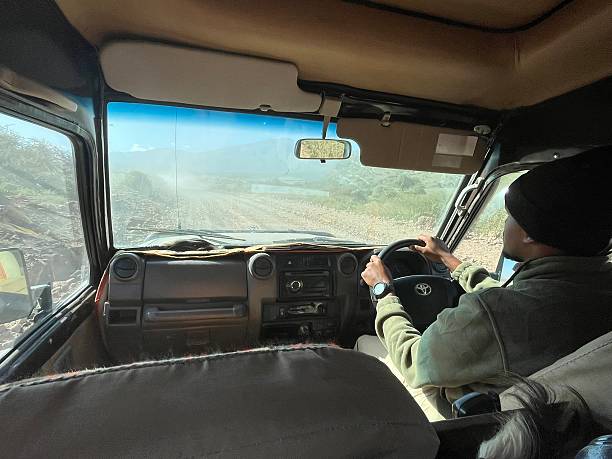
While major highways are generally in good condition, many rural roads in Tanzania are rough, unpaved, or poorly maintained. During the rainy season, some roads become muddy, flooded, or impassable.
Self-driving in Tanzania requires confidence in handling uneven surfaces, potholes, and changing road conditions.
Traffic and Driving Culture
Traffic in major cities such as Dar es Salaam can be chaotic, congested, and unpredictable. Driving habits may differ from what international travelers are used to.
Common challenges include:
-
Aggressive driving
-
Limited lane discipline
-
Frequent overtaking
-
Pedestrians and cyclists sharing the road
Self-driving in Tanzania demands patience, alertness, and defensive driving skills.
Navigation Difficulties
Although navigation apps are useful, road signage in Tanzania can be inconsistent, especially outside major towns. Some roads are poorly marked, and destinations may not be clearly indicated.
Self-driving in Tanzania may require asking for directions, understanding local landmarks, and adapting to changing routes.
Police Checkpoints and Regulations
Police checkpoints are common throughout Tanzania. Drivers are expected to stop and present valid documents, including driving licenses, insurance papers, and rental agreements.
For visitors, self-driving in Tanzania may feel stressful if unfamiliar with local procedures and documentation requirements.
Limited Support in Remote Areas
In remote regions, roadside assistance may be limited. Vehicle breakdowns can take time to resolve, especially far from major towns.
Self-driving in Tanzania requires basic problem-solving skills and preparation for unexpected situations.
Road Rules and Legal Requirements for Self-Driving in Tanzania
Understanding the legal framework is essential for safe and lawful self-driving in Tanzania.
Driving Side and Road Rules
-
Driving is on the left-hand side
-
Seat belts are mandatory
-
Mobile phone use while driving is restricted
-
Speed limits vary by location
Ignoring traffic rules can lead to fines or delays.
Driving License Requirements
To legally practice self-driving in Tanzania, you need:
-
A valid national driving license
-
An international driving permit is strongly recommended
-
A temporary Tanzanian driving permit may be required for longer stays
Always confirm requirements with the rental company.
Vehicle Choice for Self-Driving in Tanzania
Choosing the right vehicle is critical for a positive self-driving experience.
Small Cars for City Driving
Suitable for:
-
Urban travel
-
Short distances
-
Good tarmac roads
These vehicles are economical but not ideal for rural travel.
SUVs and 4x4 Vehicles
The most popular choice for self-driving in Tanzania.
Ideal for:
-
Long-distance travel
-
Rural roads
-
Mixed road conditions
A 4x4 vehicle is strongly recommended for travel outside major towns.
Vans and Family Vehicles
Best for:
-
Group travel
-
Family road trips
-
Extra luggage space
Self-Driving in Tanzania for Safari Travel
Safari travel presents unique challenges for self-driving in Tanzania.
Advantages of Self-Drive Safaris
-
Flexible itinerary
-
Personal wildlife viewing pace
-
Lower cost than guided safaris
Disadvantages of Self-Drive Safaris
-
Navigation challenges in parks
-
Strict park rules
-
Wildlife safety concerns
-
Limited assistance in emergencies
For many visitors, guided safaris remain the safer and more practical option.
Fuel Availability and Planning
Fuel planning is an important aspect of self-driving in Tanzania.
Fuel Stations
-
Common in cities and towns
-
Limited in rural areas
Drivers should refuel whenever possible during long journeys.
Fuel Types
-
Petrol
-
Diesel
Always confirm the correct fuel type for your vehicle.
Safety Considerations for Self-Driving in Tanzania
Safety is a key concern when choosing self-driving in Tanzania.
Road Safety Tips
-
Avoid night driving
-
Drive slowly in villages
-
Watch for animals and livestock
-
Keep doors locked
Personal Safety
-
Do not leave valuables visible
-
Park in secure areas
-
Stay alert at traffic stops
Costs Associated with Self-Driving in Tanzania
Understanding costs helps you budget accurately.
Rental Costs
-
Vary by vehicle type
-
Higher for SUVs and 4x4s
-
Seasonal price changes
Additional Expenses
-
Fuel
-
Insurance upgrades
-
Park fees
-
Temporary driving permits
Self-driving in Tanzania can be affordable but requires careful budgeting.
Insurance for Self-Driving in Tanzania
Insurance is essential when self-driving in Tanzania.
Basic Insurance
Usually includes:
-
Third-party coverage
-
Limited damage protection
Additional Coverage
Optional add-ons may include:
-
Collision damage waiver
-
Theft protection
-
Tire and windscreen cover
Always understand what the insurance covers and excludes.
Best Time of Year for Self-Driving in Tanzania
Seasonal conditions affect self-driving experiences.
Dry Season
-
Better road conditions
-
Higher traffic
-
Increased rental demand
Rainy Season
-
Challenging rural roads
-
Reduced visibility
-
Lower rental rates
Who Should Choose Self-Driving in Tanzania
Self-driving in Tanzania is best suited for:
-
Confident and experienced drivers
-
Travelers familiar with African road conditions
-
Those staying mainly in urban or coastal areas
-
Long-term visitors and residents
Who Should Avoid Self-Driving in Tanzania
Self-driving in Tanzania may not be ideal for:
-
First-time visitors
-
Short-term tourists on safari
-
Nervous drivers
-
Travelers unfamiliar with left-hand driving
Self-Driving in Tanzania vs Hiring a Driver
Comparing both options helps in decision-making.
Benefits of Self-Driving
-
Lower cost
-
Privacy
-
Independence
Benefits of Hiring a Driver
-
Local knowledge
-
Reduced stress
-
Safer long-distance travel
Common Mistakes to Avoid When Self-Driving in Tanzania
-
Underestimating travel time
-
Ignoring insurance details
-
Driving at night
-
Choosing the wrong vehicle type
Environmental Responsibility
Responsible self-driving in Tanzania supports conservation.
-
Stay on designated roads
-
Respect wildlife
-
Follow park regulations
Final Thoughts on Self-Driving in Tanzania
Self-driving in Tanzania offers freedom, flexibility, and a sense of adventure, but it also requires preparation, awareness, and realistic expectations. Understanding the pros and cons of self-driving in Tanzania helps travelers make informed decisions that match their comfort level, budget, and travel goals.
For some, self-driving in Tanzania is a rewarding way to explore the country independently. For others, hiring a driver provides peace of mind and convenience. By weighing the advantages and disadvantages carefully, you can choose the option that ensures a safe, enjoyable, and memorable experience in Tanzania.