Discover Sustainable Travel in Tanzania in 2026–2027. Explore eco-friendly experiences, support local communities, and enjoy responsible tourism in Tanzania’s natural and cultural wonders.
Sustainable Travel in Tanzania 2026–2027 is designed for travelers who want to explore the country responsibly while minimizing environmental impact and supporting local communities. This approach combines adventure, cultural immersion, and conservation efforts to create a meaningful travel experience.
During Sustainable Travel in Tanzania 2026–2027, visitors can enjoy eco-lodges, community-based tours, wildlife conservation activities, and guided nature walks. Highlighted experiences include visiting national parks responsibly, participating in wildlife protection initiatives, and learning about traditional Tanzanian cultures. Travelers can also enjoy low-impact activities such as cycling tours, kayaking, and guided hikes through scenic landscapes.
Sustainable Travel in Tanzania 2026–2027 emphasizes environmentally conscious accommodation, ethical wildlife encounters, and supporting local economies. Packages often include eco-friendly lodging, locally sourced meals, guided educational tours, and transportation with minimal carbon footprint. Perfect for conscious travelers, families, and solo adventurers, this travel style ensures that your Tanzanian journey is not only memorable but also responsible and enriching.
Sustainable travel in Tanzania is becoming increasingly important as the country’s rich biodiversity and vibrant cultures face growing pressure from tourism. Responsible tourism practices ensure that future generations can enjoy Tanzania’s unique wildlife, pristine landscapes, and cultural heritage. Sustainable travel in Tanzania emphasizes minimizing environmental impact, supporting local communities, and promoting ethical wildlife interactions.
Sustainable travel in Tanzania revolves around several key principles that every traveler should consider:
Conservation of Wildlife and Nature: Protecting national parks, reserves, and marine ecosystems.
Support for Local Communities: Choosing locally-owned accommodations, guides, and services.
Cultural Respect: Honoring traditions, customs, and local lifestyles.
Responsible Tourism Practices: Minimizing plastic use, reducing energy consumption, and avoiding activities that harm the environment or wildlife.
By following these principles, travelers contribute positively to Tanzania’s natural and cultural landscapes.
Sustainable travel in Tanzania often starts with choosing eco-friendly accommodations. Many lodges, camps, and hotels now implement sustainable practices:
Eco-lodges in Tanzania are designed with minimal environmental impact. They use renewable energy, recycle waste, and source food locally. Staying in eco-lodges supports sustainable tourism and allows travelers to enjoy comfort while reducing their ecological footprint.
Community-based lodges are owned and operated by local communities. Choosing these accommodations ensures that tourism benefits local residents and supports economic development. Travelers can also learn about traditional practices and engage directly with local culture.
For adventure travelers, sustainable campsites offer a low-impact way to experience Tanzania’s natural beauty. These sites follow strict guidelines for waste management, water conservation, and habitat preservation, making them ideal for eco-conscious travelers.
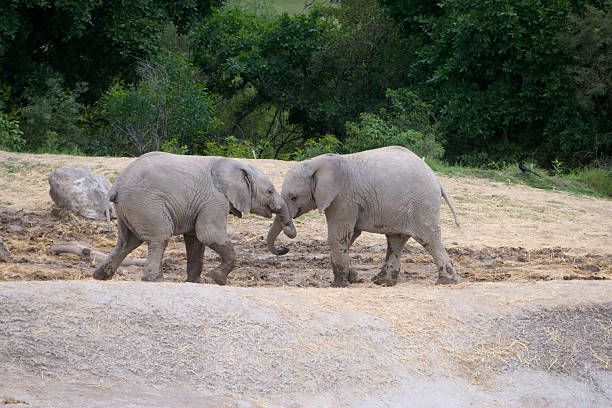
Tanzania is home to some of Africa’s most iconic wildlife, including lions, elephants, rhinos, and giraffes. Sustainable travel in Tanzania requires responsible wildlife interactions:
When going on safari, choose tour operators that prioritize animal welfare. Avoid tours that allow close contact with wildlife, support hunting, or promote animal exploitation. Guided game drives with trained rangers ensure safety and minimize disturbance to animals.
Many travelers participate in conservation initiatives, such as anti-poaching programs or wildlife research. Supporting these projects through donations or volunteering directly contributes to protecting Tanzania’s natural heritage.
Avoid activities that harm animals, such as elephant rides, lion cub interactions, or keeping wild animals as pets. Sustainable travel in Tanzania respects the natural behavior and habitat of wildlife.
Sustainable travel in Tanzania extends beyond the environment to local communities. Travelers can make a positive impact by respecting cultural traditions and engaging ethically:
Tourists can visit Maasai villages or other local communities to learn about traditional lifestyles. Always ask for permission, respect privacy, and avoid taking photos without consent.
Purchase crafts, clothing, and souvenirs directly from local artisans. This practice supports livelihoods and preserves traditional skills while reducing exploitation by middlemen.
Engaging in traditional dances, cooking classes, or farming experiences allows travelers to connect meaningfully with Tanzanian culture. These activities enrich the travel experience while promoting sustainable tourism.
Tanzania offers a variety of eco-friendly activities for responsible travelers:
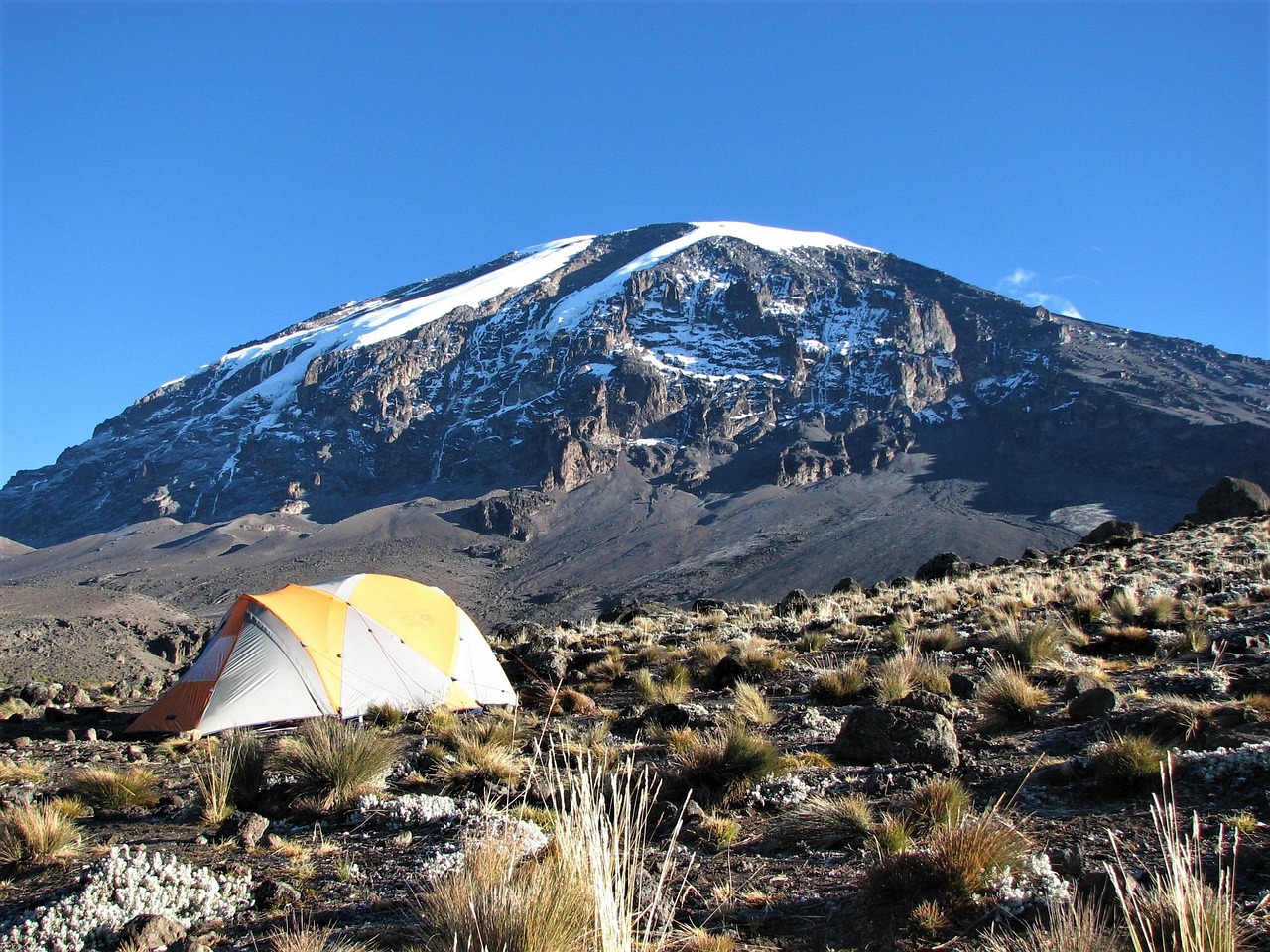
Hiking in national parks like Mount Kilimanjaro, Mount Meru, or the Usambara Mountains can be done sustainably by sticking to marked trails, avoiding litter, and using local guides.
Some safari operators offer community-based programs that combine wildlife viewing with cultural engagement. These tours ensure that tourism revenue benefits local communities and promotes conservation awareness.
Visiting Zanzibar, Pemba, or Mafia Island offers opportunities to participate in sustainable marine tourism. Activities such as snorkeling or diving with responsible operators support coral reef preservation and marine biodiversity.
Travelers can volunteer with conservation organizations, wildlife sanctuaries, or community development projects. Sustainable travel in Tanzania often includes giving back to the local environment and society.
Solo or group travelers can follow practical guidelines to reduce their impact:
Carry reusable water bottles, shopping bags, and food containers. Avoid single-use plastics whenever possible.
Take short showers, turn off lights and electronics when not in use, and opt for eco-friendly accommodations that prioritize renewable energy.
Keep a safe distance from animals, avoid disturbing habitats, and stick to designated trails during hikes and safaris.
Buy food, crafts, and services from local vendors. Choose tours and accommodations that employ local staff and contribute to community development.
Learning about Tanzania’s environmental challenges and cultural practices enhances your understanding and ensures responsible travel decisions.
Sustainable travel offers numerous advantages for both travelers and the country:
Environmental Protection: Reduces pollution, conserves wildlife, and protects ecosystems.
Cultural Preservation: Promotes respect for local traditions and heritage.
Economic Benefits: Supports local communities and encourages ethical tourism.
Enhanced Travel Experience: Responsible practices allow travelers to engage more deeply with the destination.
By embracing sustainable travel in Tanzania, tourists can leave a positive legacy while enjoying memorable experiences.
While sustainable travel is rewarding, travelers may face some challenges:
Limited Eco-Friendly Options: Some remote areas have few environmentally-conscious accommodations.
Higher Costs: Sustainable lodges or tours may be more expensive than conventional options.
Balancing Convenience and Responsibility: Travelers must plan carefully to maintain eco-friendly practices while enjoying the journey.
Being aware of these challenges helps travelers make informed choices and maintain a sustainable approach.
Planning is key to successful sustainable travel in Tanzania:
Look for tour operators and accommodations with verified sustainability practices. Certifications like Ecotourism Kenya or local environmental awards are good indicators.
Visiting during off-peak seasons can reduce environmental pressure on popular destinations. Dry seasons are ideal for safaris, while wet seasons offer lush landscapes with fewer tourists.
Bring reusable items, eco-friendly toiletries, and clothing suited for minimal environmental impact. Avoid buying products that exploit wildlife or harm ecosystems.
Opt for shared transportation when possible, walk or cycle locally, and reduce unnecessary travel to lower your carbon footprint.
Join eco-conscious safaris in Serengeti National Park, where operators focus on low-impact vehicles and responsible wildlife viewing.
Climb Kilimanjaro with guides who emphasize environmental stewardship, including waste management and trail preservation.
Explore Zanzibar’s beaches, spice farms, and coral reefs with sustainable operators who protect marine life and support local communities.
Participate in community-based tourism programs around Ngorongoro Crater that fund education, healthcare, and conservation efforts.
Sustainable travel in Tanzania allows travelers to experience the country’s beauty while minimizing negative impacts. By choosing eco-friendly accommodations, supporting local communities, and engaging responsibly with wildlife and nature, tourists contribute to preserving Tanzania for future generations.
Travelers who embrace sustainable travel in Tanzania gain not only unforgettable experiences but also a deeper connection with the land, culture, and people. Each mindful decision, from the tour operator chosen to the souvenirs purchased, shapes a positive and lasting impact.
Sustainable travel in Tanzania is more than a trend—it is a commitment to protecting the environment, empowering communities, and enjoying tourism responsibly. Make every journey count and leave Tanzania better than you found it.
African Trek & Travel is a leading Tanzania tour operator in Moshi and Arusha for 2026–2027, specializing in Kilimanjaro treks, safaris, and tailor-made adventures. With deep local expertise and a strong commitment to safety and quality, we deliver unforgettable travel experiences across East Africa.
Discover popular Safaris, Serengeti Migration, Kilimanjaro Climbing & Zanzibar Beach Holidays. Plan your perfect adventure today!
 Popular
Experience the wildebeest migration across the vast Serengeti and Ngorongoro plains. Perfect for wildlife lovers and photography enthusiasts.
Book Now New
New
Climb Africa’s highest peak via scenic routes with expert guides and safe treks. Experience adventure with full support and accommodation included.
Book Now Popular
Relax in paradise with pristine white beaches, spice tours, and cultural charm. Ideal for families and honeymooners seeking luxury and tranquility.
Book Now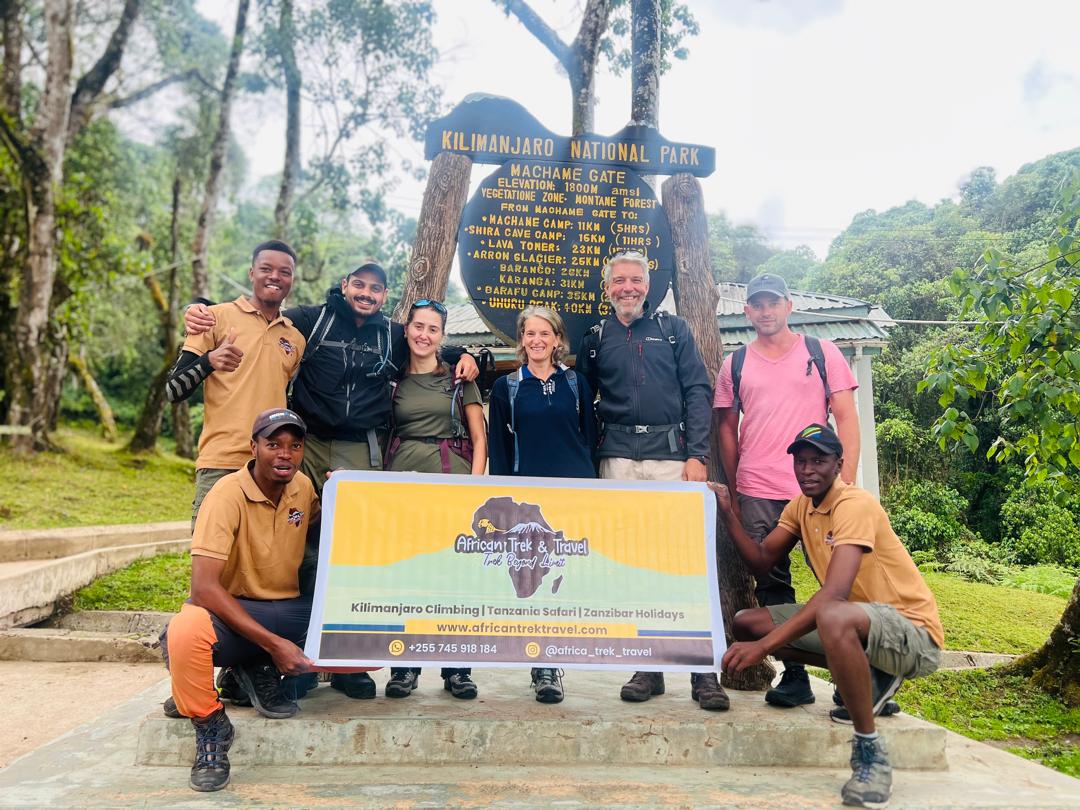


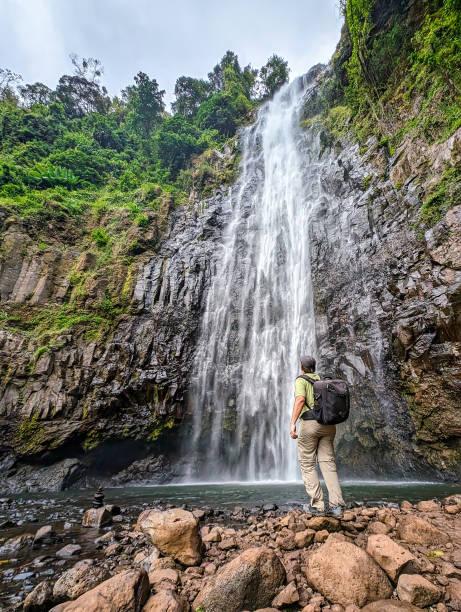
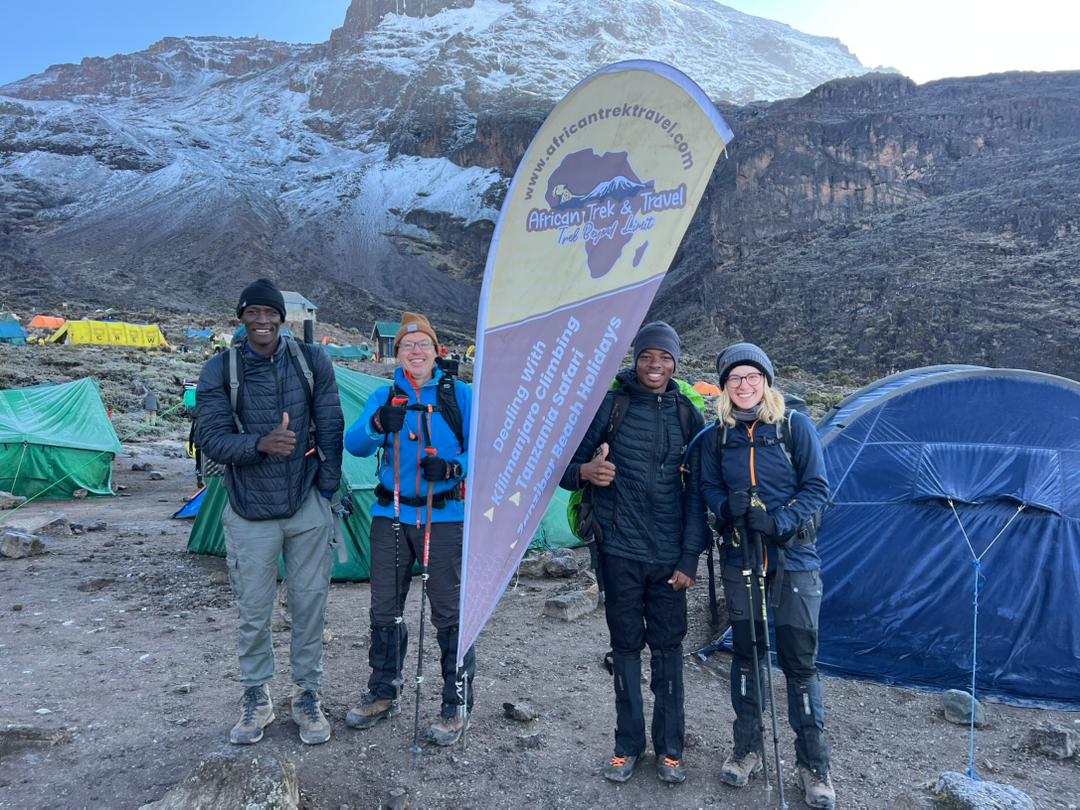
We collaborate with top tour operators to provide the best experiences for Kilimanjaro treks, safaris, and adventures.