Transport Rules in Zanzibar 2026–2027. Understand driving laws, taxi regulations, permits, safety rules, and transport guidelines for visitors.
Transport Rules in Zanzibar 2026–2027 helps visitors travel legally, safely, and confidently while exploring the island. Whether using taxis, renting a car or scooter, or joining tours, understanding local transport regulations ensures a smooth and trouble-free experience.
During Transport Rules in Zanzibar 2026–2027, drivers are required to follow left-hand driving, obey speed limits, and carry valid licenses and permits. Visitors renting vehicles must obtain a temporary Zanzibar driving permit, usually arranged by rental agencies. Taxis typically operate on fixed or agreed fares rather than meters, and passengers are encouraged to confirm prices before starting the journey.
The Transport Rules in Zanzibar 2026–2027 guide also covers helmet requirements for scooters, seatbelt use in cars, restrictions on night driving in some areas, and rules for ferry and boat travel. Travelers should use licensed transport providers and follow instructions from drivers and authorities. By respecting transport rules in Zanzibar, visitors can enjoy safe, lawful, and comfortable travel throughout the island.
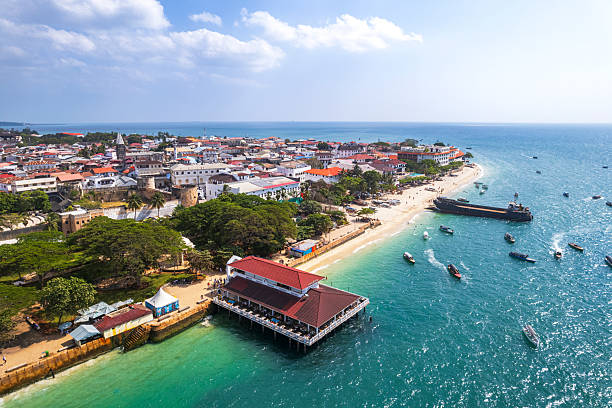
Understanding transport rules in Zanzibar is essential for travelers who plan to use taxis, private drivers, rental cars, scooters, boats, ferries, or tour transport while visiting the island. Zanzibar follows Tanzanian transport laws, with additional local regulations shaped by safety needs, cultural norms, and island infrastructure. Visitors are expected to follow these rules just like residents, and ignorance of the law is not accepted as an excuse.
This comprehensive guide explains transport rules in Zanzibar in detail, covering road laws, taxi regulations, rental rules, marine transport regulations, passenger responsibilities, penalties, cultural expectations, and what travelers should know for 2026–2027. Whether you are a tourist, honeymooner, family traveler, or long-stay visitor, this guide helps you stay compliant, safe, and stress-free while moving around Zanzibar.
Transport rules in Zanzibar exist to:
Improve road and marine safety
Reduce accidents involving pedestrians and tourists
Protect passengers and drivers
Preserve public order in busy areas
Respect cultural and environmental standards
Following transport rules helps travelers avoid fines, delays, disputes, and safety risks.
Transport rules in Zanzibar are enforced by:
Traffic Police
Road safety officers
Port and maritime authorities
Tourism and municipal authorities
Officers have the authority to:
Stop vehicles
Check documents
Issue fines
Restrict unsafe transport activities
Compliance is mandatory for locals and visitors alike.
Driving is on the left-hand side
Overtaking is done on the right
Speed limits are strictly enforced in towns and villages
Villages, schools, and markets have reduced speed zones.
While signage may be limited, general rules apply:
Urban and village areas: Low speed
Open roads: Moderate speed
Near schools and markets: Very low speed
Speeding is one of the most common causes of fines.
Seatbelts are mandatory for drivers and front-seat passengers
Children should be seated safely and securely
Police may stop vehicles to check compliance.
Using a mobile phone while driving is not allowed
Hands-free use is strongly advised
Violations can result in fines.
To drive legally in Zanzibar:
You must carry a valid home-country driving license
A temporary Zanzibar driving permit is required
This permit is usually arranged through:
Car rental companies
Local traffic offices
Driving without proper authorization can lead to fines or vehicle confiscation.
Minimum driving age applies
Rental companies may require prior driving experience
Always confirm eligibility before renting.
Key rules include:
Valid driving permit required
Vehicle insurance must be active
Vehicles must not be used off-road unless permitted
No driving under the influence of alcohol
Renters are responsible for:
Traffic violations
Damage to the vehicle
Proper use of the car
Scooters are popular but heavily regulated.
Valid driving license required
Helmet use is mandatory for rider and passenger
No more than one passenger allowed
Police frequently stop scooter riders
Tourists are often fined for missing permits or helmets
Scooters are not recommended for inexperienced riders.
Taxis must be licensed
Unofficial taxis are not permitted
Travelers should:
Use hotel-recommended taxis
Avoid unmarked vehicles
Taxis are not metered
Prices must be agreed before the journey
Overcharging disputes are common if prices are not confirmed
Written confirmation via phone message is helpful.
Daladalas are local minibuses.
Rules to know:
They are licensed but overcrowded
Not designed for tourist comfort or luggage
No fixed timetables
Daladalas are not recommended for tourists due to safety and convenience concerns.
All boats used for:
Tours
Snorkeling
Island transfers
Must be:
Licensed
Registered
Operated by trained crews
Avoid unlicensed beach operators.
Life jackets must be available for all passengers
Children must have properly sized jackets
Passengers have the right to request life jackets
Refuse travel if safety equipment is missing.
Boats must not exceed approved passenger capacity
Overloading is illegal and dangerous
Licensed operators follow capacity rules strictly.
For ferries:
Valid ticket required
Boarding only through official terminals
Security screening is mandatory
Passengers must:
Follow crew instructions
Remain seated where directed
Respect emergency procedures
At night:
Driving speeds must be reduced
Headlights must be used at all times
Pedestrians and animals may be on roads
Travelers should avoid self-driving at night when possible.
Driving under the influence of alcohol is illegal
Zero tolerance is often applied in enforcement
Penalties may include:
Heavy fines
License suspension
Arrest
Avoid alcohol entirely when driving or riding.
During festivals:
Temporary road closures may apply
Police control traffic flow
Unauthorized parking is fined
Always follow:
Roadblocks
Detours
Police instructions
Zanzibar enforces environmental protections.
Rules include:
No driving on beaches unless authorized
No damage to mangroves or coral areas
Restricted access in protected zones
Violations can lead to serious penalties.
Passengers are expected to:
Wear seatbelts where available
Follow driver and crew instructions
Respect local customs
Avoid disruptive behavior
Passenger misconduct can lead to removal from transport.
Driving without local permit
Riding scooters without helmets
Ignoring speed limits in villages
Using phones while driving
Boarding unlicensed boats
These violations often result in fines.
Penalties may include:
On-the-spot fines
Court summons
Vehicle impoundment
Always request:
Official receipts
Clear explanation of violations
Do not attempt to argue aggressively or offer bribes.
Transport behavior should respect local culture:
Drive calmly and patiently
Avoid loud music in villages
Yield to pedestrians and livestock
Show courtesy at checkpoints
Respectful behavior reduces problems.
Licensed tour operators must:
Use registered vehicles
Carry insurance
Employ qualified drivers
Follow passenger safety regulations
Booking through licensed operators adds protection.
Insurance is mandatory for:
Rental vehicles
Tour transport
Boats
Travelers should:
Confirm insurance coverage
Understand liability limits
Insurance protects both parties.
Expected developments include:
Stricter enforcement of helmet and seatbelt laws
Better regulation of taxis and boats
Improved road signage
Increased penalties for repeat violations
Compliance will become more important, not less.
Yes, with a valid license and local driving permit.
Yes, but only with proper license, permit, and helmet.
Yes, especially for licensed tour operators.
Understanding transport rules in Zanzibar helps travelers:
Avoid fines and delays
Stay safe on roads and water
Respect local laws and culture
Enjoy a smoother travel experience
Following the rules protects you and others.
Transport rules in Zanzibar are designed to keep roads, seas, and communities safe for everyone. From driving permits and speed limits to boat safety requirements and taxi regulations, travelers are expected to follow local laws just as residents do.
By understanding and respecting transport rules—using licensed providers, wearing seatbelts and helmets, avoiding night self-driving, and following police instructions—visitors can move around Zanzibar confidently and responsibly. For 2026–2027 and beyond, enforcement is becoming stricter, making knowledge of transport rules in Zanzibar more important than ever for a safe, enjoyable, and trouble-free journey.
African Trek & Travel is a leading Tanzania tour operator in Moshi and Arusha for 2026–2027, specializing in Kilimanjaro treks, safaris, and tailor-made adventures. With deep local expertise and a strong commitment to safety and quality, we deliver unforgettable travel experiences across East Africa.
Discover popular Safaris, Serengeti Migration, Kilimanjaro Climbing & Zanzibar Beach Holidays. Plan your perfect adventure today!
 Popular
Experience the wildebeest migration across the vast Serengeti and Ngorongoro plains. Perfect for wildlife lovers and photography enthusiasts.
Book Now New
New
Climb Africa’s highest peak via scenic routes with expert guides and safe treks. Experience adventure with full support and accommodation included.
Book Now Popular
Relax in paradise with pristine white beaches, spice tours, and cultural charm. Ideal for families and honeymooners seeking luxury and tranquility.
Book Now



We collaborate with top tour operators to provide the best experiences for Kilimanjaro treks, safaris, and adventures.