2 Day Kilimanjaro Nature Trek via Marangu Route
The 2 Day Kilimanjaro Nature Trek is designed for travellers who want to experience Mount Kilimanjaro as a natural landscape rather than focusing only on reaching the summit.
The itinerary follows the lower Marangu Route through montane rainforest to Mandara Hut before continuing into higher vegetation on the second day.
Over two days, trekkers can experience changing plant communities, forest sounds, possible wildlife sightings, mountain weather and the transition from dense rainforest toward more open terrain.
2 Day Kilimanjaro Nature Trek at a Glance
- Route: Marangu Route
- Duration: 2 days
- Starting point: Marangu Gate
- Starting elevation: Approximately 1,860 m
- Night 1: Mandara Hut at approximately 2,700 m
- Day 2: Higher nature walk toward Horombo direction
- Main focus: Rainforest, vegetation, scenery and natural mountain habitats
- Wildlife: Possible birds and monkeys
- Accommodation: Mountain hut
- Technical climbing: Normally not required
- Summit attempt: No
- Finish: Marangu Gate and return to Moshi
What Is a 2 Day Kilimanjaro Nature Trek?
A nature trek on Kilimanjaro is a walking experience designed around the mountain's landscapes, vegetation and ecological zones.
Instead of rushing through the lower route as part of a longer summit climb, the two day format gives visitors time to appreciate the rainforest and continue into higher terrain on the second day.
The trek is ideal for travellers interested in natural scenery, plant life, photography and the changing environments found on Africa's highest mountain.
Nature Trek Highlights
- Walk through Kilimanjaro montane rainforest
- See ferns, mosses and dense forest vegetation
- Possible monkey sightings
- Possible birdlife along the trail
- Stay overnight at Mandara Hut
- Experience changing vegetation on Day 2
- Walk toward more open higher terrain
- Possible distant mountain views
- Professional Kilimanjaro guide
- Return to Moshi after two days
2 Day Kilimanjaro Nature Trek Itinerary
DAY
01
RAINFOREST NATURE EXPERIENCE
Moshi to Marangu Gate and Mandara Hut
The 2 Day Kilimanjaro Nature Trek normally begins with morning transport from Moshi to Marangu Gate.
Arrive at approximately 1,860 metres and complete the required Kilimanjaro National Park entry procedures.
Meet your professional guide and begin walking into the montane rainforest.
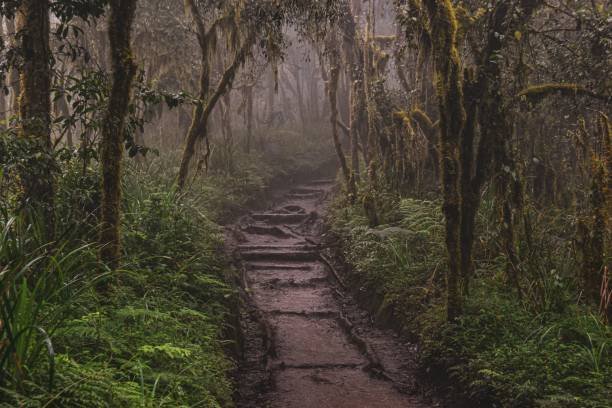
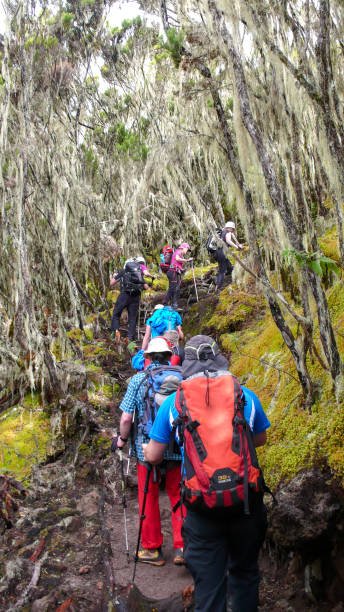
The lower Marangu Route is surrounded by dense vegetation including tall trees, large ferns, mosses and thick forest undergrowth.
The humid forest environment can feel very different from the open landscapes found higher on the mountain.
Bird calls may be heard along the trail, and monkeys can occasionally be seen moving through the trees, although wildlife sightings cannot be guaranteed.
Continue gradually uphill toward Mandara Hut at approximately 2,700 metres.
The route gains roughly 800 metres between Marangu Gate and Mandara.
After reaching Mandara, settle into the hut accommodation and enjoy the quieter evening atmosphere on Kilimanjaro.
When time and conditions allow, a short nature walk around the Mandara area may be possible before the evening meal.
Day 1 Nature Highlights
- Marangu Gate
- Montane rainforest
- Ferns and moss covered vegetation
- Possible birdlife
- Possible monkey sightings
- Mandara Hut
- Overnight inside Kilimanjaro National Park
Start
Marangu Gate at approximately 1,860 m.
Overnight
Mandara Hut at approximately 2,700 m.
Ecological Focus
Montane rainforest, vegetation and possible wildlife.
DAY
02
CHANGING MOUNTAIN HABITATS
Mandara toward Horombo Direction, Return to Marangu Gate
After breakfast at Mandara Hut, continue higher along the Marangu Route.
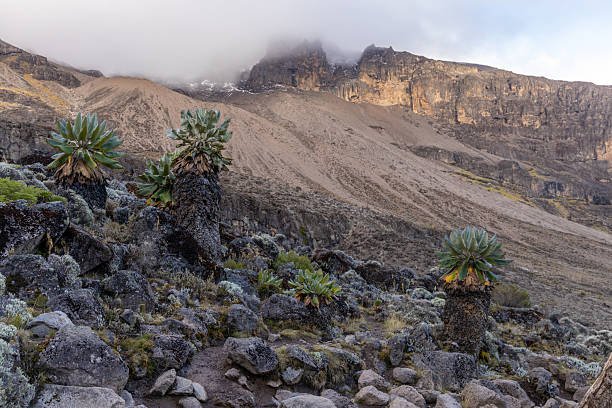
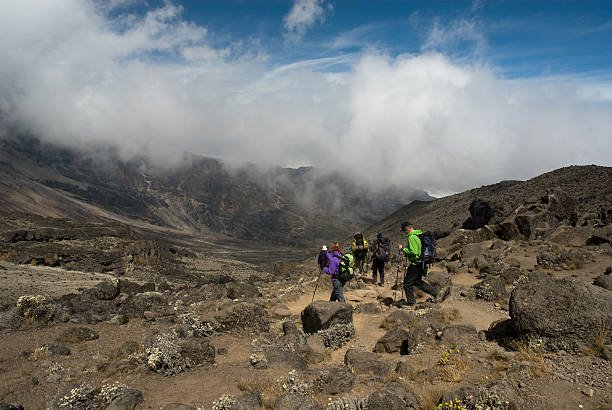
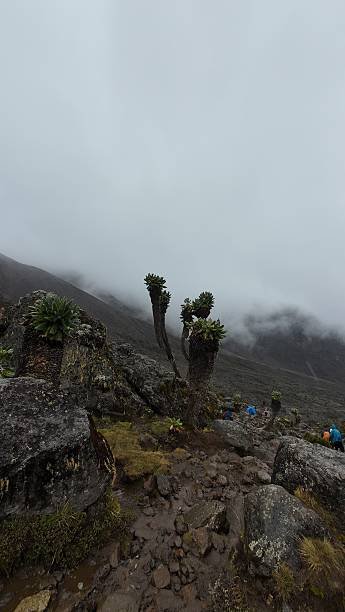
As elevation increases, the dense rainforest gradually begins to thin and the vegetation becomes more open.
This transition is one of the most interesting parts of the two day nature trek because visitors can observe how Kilimanjaro's plant communities change with elevation.
The walk continues in the direction of Horombo, but the final turnaround point remains flexible.
Walking speed, weather, trail conditions, altitude response, participant fitness and available daylight all influence how far the group should continue.
Arrival at Horombo Hut should therefore not be guaranteed on the standard two day trek.
After reaching an appropriate point, begin descending toward Mandara and return through the rainforest.
Complete the park exit procedures at Marangu Gate and continue by vehicle to Moshi.
Day 2 Nature Highlights
- Higher morning walk
- Changing vegetation zones
- Transition toward more open mountain terrain
- Possible wider landscape views
- Walk toward Horombo direction
- Flexible turnaround point
- Return through rainforest
- Marangu Gate and Moshi return
Morning Start
Mandara Hut at approximately 2,700 m.
Nature Objective
Explore higher vegetation toward the Horombo direction.
Finish
Marangu Gate followed by return transport to Moshi.
Kilimanjaro Rainforest Ecology
The rainforest is one of the most biologically rich environments encountered during the trek.
Moist conditions support dense tree cover, ferns, mosses and a wide variety of smaller plants.
The forest also provides habitat for different bird species and monkeys.
The exact plants and wildlife seen vary with location, season and natural movement.
Why the Rainforest Feels Different
The lower Marangu Route can be humid, shaded and cool beneath the forest canopy.
Mist and rain are common, creating damp conditions that support mosses and lush vegetation.
The forest trail can also become muddy, especially after rainfall.
Good hiking footwear and waterproof clothing are therefore important even on a nature focused itinerary.
Birdlife on the Kilimanjaro Nature Trek
Bird activity can be encountered throughout the lower forest.
Some birds may be visible close to the trail while others are more often heard from within the canopy.
Visitors interested in birdlife should remain observant and keep noise levels low where practical.
Specific species sightings cannot be guaranteed.
Monkey Sightings
Monkeys may occasionally be encountered in Kilimanjaro's forest zone.
They can move through trees away from the trail or appear briefly as hikers pass through suitable habitat.
Because the animals are wild and free moving, sightings depend entirely on natural conditions.
Wildlife Is Never Guaranteed
Kilimanjaro is a natural mountain ecosystem rather than a wildlife enclosure. Birds and monkeys may be seen during the trek, but the experience should be valued for the complete forest and mountain environment rather than any guaranteed animal sighting.
Changing Vegetation with Altitude
One of the main advantages of a two day nature trek is the opportunity to see how vegetation changes with elevation.
Day 1 is dominated by dense rainforest.
On Day 2, the forest gradually opens as trekkers continue higher toward the heath and moorland environment.
The exact transition seen depends on how high the group progresses before turning around.
Mountain Flowers and Smaller Plants
Kilimanjaro's lower and middle environments support a variety of plants adapted to changing moisture, temperature and elevation.
The vegetation encountered can vary through the year.
The trek is particularly rewarding for visitors who enjoy looking closely at smaller details rather than focusing only on distant mountain scenery.
Mandara Hut and the Natural Environment
Mandara Hut sits within the transition area above much of the lower rainforest.
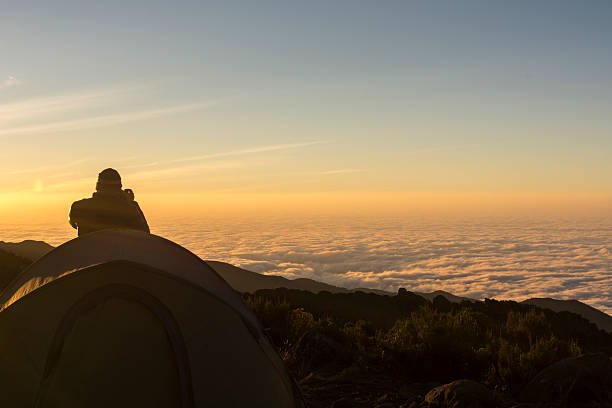
The overnight gives travellers time to experience Kilimanjaro during the quieter evening and early morning periods.
This adds an element that is missing from a one day nature hike, where visitors normally leave the mountain before evening.
Possible Maundi Crater Exploration
Depending on time, weather and the confirmed program, a short walk toward the Maundi Crater area may be possible while based around Mandara.
The area can provide more open scenery than the enclosed rainforest.
Any extension should remain flexible and subject to guide assessment.
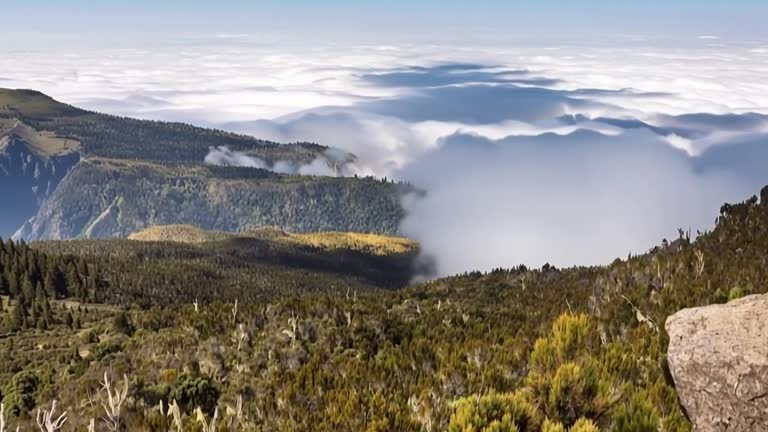
Possible Mountain Views
Views on Kilimanjaro depend heavily on cloud conditions.
The rainforest itself often limits long distance visibility because of the dense canopy.
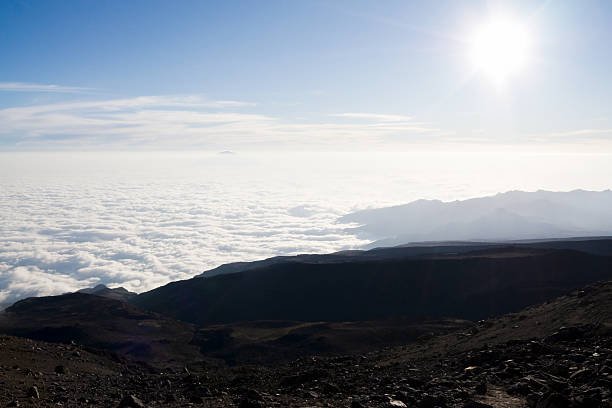
More open sections above Mandara can sometimes provide broader views toward the higher mountain when skies are clear.
Kibo visibility should never be guaranteed.
Nature Photography on Kilimanjaro
The trek provides opportunities for landscape, forest and detail photography.
Interesting subjects can include moss covered trees, ferns, mist, mountain trails, hut surroundings and changing vegetation.
Wildlife photography opportunities depend on natural sightings and should be treated as a bonus rather than the main expectation.
Does the Nature Trek Reach Horombo?
The second day follows the route toward Horombo, but the standard itinerary should not guarantee arrival at Horombo Hut.
The group must still descend all the way to Marangu Gate on the same day.
The guide therefore determines an appropriate turnaround point according to pace, weather, participant condition and available daylight.
Does the Nature Trek Reach Uhuru Peak?
No.
This itinerary focuses on Kilimanjaro's natural environments rather than a summit attempt.
It does not reach Kibo Hut, Gilman's Point or Uhuru Peak.
A summit climb requires a suitable multi day itinerary with much more time for altitude progression and acclimatisation.
Nature Trek, Not Summit Expedition
The 2 Day Kilimanjaro Nature Trek is designed to explore rainforest, changing vegetation and the lower mountain environment. It should not be confused with a shortened Uhuru Peak climbing itinerary.
How Difficult Is the 2 Day Nature Trek?
The trek involves two consecutive days of walking and is more demanding than a simple nature walk at low elevation.
Day 1 includes a steady ascent of roughly 800 metres to Mandara.
Day 2 combines additional uphill walking with a long descent.
A reasonable level of fitness is recommended.
Is the Nature Trek Suitable for Beginners?
Reasonably fit beginners can normally consider the itinerary.
No technical mountaineering experience is required for the standard route.
The guide can adjust the higher Day 2 objective according to participant condition and mountain conditions.
Altitude During the Trek
The trek reaches elevations where participants may begin to notice the effects of thinner air.
Responses vary from person to person.
Headache, dizziness, nausea or unusual weakness should be reported to the guide.
The nature experience should never become a reason to continue higher when a participant is not feeling well.
Professional Kilimanjaro Guide
A professional guide accompanies the trek and helps interpret the route, natural surroundings and changing mountain environment.
The guide also manages timing, walking pace, park procedures and the Day 2 turnaround decision.
Guide assessment remains important even on a non summit trek because weather and altitude can change quickly.
Private 2 Day Nature Trek
The trek can be organised privately for solo travellers, couples, families and small groups.
A private departure gives the travelling party more control over pace and time spent observing the surroundings.
This can be particularly useful for photographers and travellers interested in plants or birdlife.
Group Nature Trek
A shared departure may be possible when travellers have compatible dates and the same itinerary.
Participants can share selected guide and transport logistics while completing the same nature focused route.
Availability should be confirmed for the requested dates.
Meals During the Trek
Mountain meals can be arranged according to the confirmed package.
The itinerary can include meals during Day 1, dinner at Mandara, breakfast before the higher Day 2 walk and other meals specified in the tour.
Dietary requirements should be communicated before departure.
What to Pack for the Nature Trek
- Hiking boots with good grip
- Comfortable trekking trousers
- Base layers
- Warm fleece
- Insulating jacket
- Waterproof jacket
- Waterproof trousers
- Warm hat
- Sun hat
- Light gloves
- Sunglasses
- Sunscreen
- Suitable sleeping bag
- Headlamp
- Reusable water bottles
- Small daypack
- Trekking poles if preferred
- Camera or binoculars if desired
- Personal toiletries
- Personal medication
Why Waterproof Clothing Matters
The rainforest can receive rain during any period of the year.
Weather can also change quickly as elevation increases.
A waterproof jacket and suitable lower body rain protection make the trek more comfortable and help protect warmer layers.
Equipment Rental
Selected trekking equipment may be available for rental where required.
Possible items can include a sleeping bag, trekking poles or outer layers depending on the confirmed arrangement.
Rental should be arranged before departure rather than assumed to be included.
Typical 2 Day Kilimanjaro Nature Trek Inclusions
- Kilimanjaro National Park charges stated in the confirmed package
- Professional Kilimanjaro guide
- Moshi to Marangu Gate transfer
- Marangu Gate to Moshi return transfer
- Mandara Hut accommodation as confirmed
- Mountain meals stated in the itinerary
- Drinking water arrangements as specified
- Guided two day nature trek
Typical Nature Trek Exclusions
- International flights
- Tanzania visa
- Travel and medical insurance
- Guide and crew tips
- Personal trekking equipment unless specified
- Equipment rental unless included
- Moshi hotel accommodation unless stated
- Airport transfers unless included
- Personal expenses
- Safari extensions unless included
- Zanzibar extensions unless included
2 Day Nature Trek vs 1 Day Nature Hike
1 Day Nature Hike: Marangu Gate → rainforest → Mandara area → return to Marangu Gate on the same day.
2 Day Nature Trek: Marangu Gate → rainforest → Mandara overnight → higher ecological exploration → return to Marangu Gate.
The second day gives travellers a better opportunity to observe how Kilimanjaro's vegetation and landscape change with altitude.
Nature Trek vs Full Kilimanjaro Climb
A full Kilimanjaro summit climb continues much higher and requires several additional days.
It includes higher altitude huts or camps, extended logistics and a summit attempt.
The nature trek is designed for mountain ecology and scenery rather than reaching Uhuru Peak.
Best Time for a Kilimanjaro Nature Trek
The Marangu Route can be visited during much of the year.
January to early March and approximately June through October are commonly selected periods for Kilimanjaro trekking.
The rainforest remains naturally moist and rain can occur during any season.
Different weather conditions can also create different nature experiences, including misty forest scenery and clearer higher views.
Combine the Nature Trek with a Tanzania Safari
The two day Kilimanjaro nature trek can be combined with a wildlife safari for a broader Tanzania nature experience.
Popular safari destinations include Tarangire National Park, Lake Manyara, Ngorongoro Crater and Serengeti National Park.
This combination allows travellers to experience both mountain ecosystems and Tanzania's famous wildlife landscapes.
Frequently Asked Questions
What is a 2 Day Kilimanjaro Nature Trek?
It is a short overnight Kilimanjaro trek focused on rainforest, vegetation, scenery and changing mountain habitats rather than a summit attempt.
Which route is used?
The standard itinerary commonly uses the Marangu Route because it provides rainforest access and Mandara Hut accommodation.
Where do we sleep?
The normal overnight location is Mandara Hut at approximately 2,700 metres.
Can we see monkeys?
Monkeys may be encountered in the rainforest, but wildlife sightings cannot be guaranteed.
Is there birdlife on the trail?
Yes, the forest supports birdlife, although the species and number of sightings vary naturally.
Does Day 2 reach Horombo?
The route continues toward Horombo, but reaching Horombo Hut should not be guaranteed because the group must descend to Marangu Gate on the same day.
Does the nature trek reach Uhuru Peak?
No. This is a short nature focused trek. Uhuru Peak requires a properly planned multi day summit itinerary.
Is it suitable for beginners?
Yes. Reasonably fit beginners can normally consider the trek if they are comfortable with two consecutive days of mountain walking.
Do I need technical climbing experience?
No technical climbing experience is normally required for the standard two day Marangu nature trek.
Do I need a sleeping bag?
A suitable sleeping bag is normally recommended for the overnight stay unless the confirmed package states otherwise.
Can equipment be rented?
Selected trekking equipment may be available for rental depending on the confirmed arrangement.
Is this trek good for photography?
Yes. The route offers rainforest, vegetation, mountain trail and landscape photography opportunities, although weather and wildlife sightings remain unpredictable.
Can the nature trek be combined with a safari?
Yes. The trek can be combined with Tarangire, Lake Manyara, Ngorongoro Crater, Serengeti or another suitable Tanzania safari itinerary.
Plan Your 2 Day Kilimanjaro Nature Trek
Share your preferred trekking dates and number of travellers to receive your 2 Day Kilimanjaro Nature Trek itinerary, confirmed inclusions, exclusions and complete quotation.
Plan Your Kilimanjaro Nature Trek