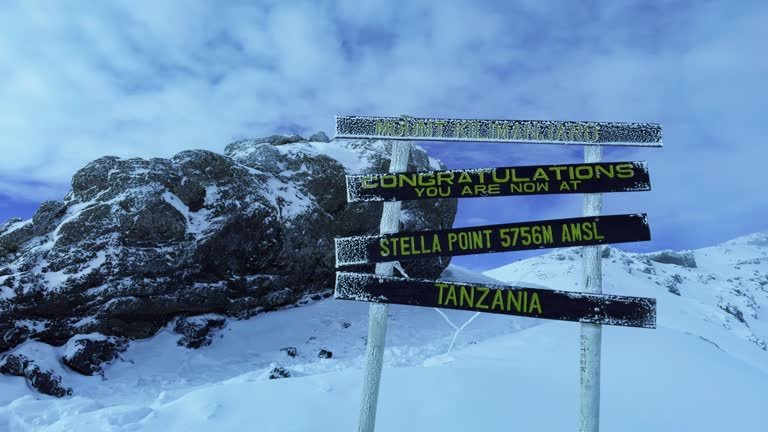
3 Day Kilimanjaro Itinerary
The 3 Day Kilimanjaro Itinerary is a compact non summit mountain journey designed for travellers who want more than a Kilimanjaro day hike but do not have enough time for a complete summit expedition.
The itinerary commonly uses the Marangu Route because its established mountain hut stages create a practical progression from Marangu Gate to Mandara Hut and then from Mandara to Horombo Hut before the full descent on Day 3.
Over three consecutive days, travellers move from Kilimanjaro's humid montane rainforest into heath and open moorland, spend two nights on the mountain and reach a substantially higher environment around Horombo before returning safely to Marangu Gate.
This itinerary is important to understand correctly. It is not a shortened summit expedition. Horombo is the planned high stage, and the trek returns from there rather than continuing toward Kibo Hut, Gilman's Point, Stella Point or Uhuru Peak.
The result is a genuine short Kilimanjaro experience that combines sustained mountain walking, changing vegetation, altitude exposure, mountain accommodation and a complete three day route structure without creating unrealistic summit expectations.
3 Day Kilimanjaro Itinerary at a Glance
- Duration: 3 days / 2 mountain nights
- Route: Marangu Route
- Starting point: Marangu Gate
- Day 1: Marangu Gate → Mandara Hut
- Mandara elevation: Around 2,700 metres
- Day 2: Mandara Hut → Horombo Hut
- Horombo elevation: Around 3,700 metres
- Day 3: Horombo → Mandara → Marangu Gate
- Mountain nights: 2
- Accommodation style: Marangu mountain huts according to booking
- Main environments: Rainforest, heath and moorland
- Main physical challenge: Day 2 ascent and Day 3 long descent
- Technical climbing: Not required for this itinerary
- Summit attempt: No
Who Is the 3 Day Kilimanjaro Itinerary For?
The itinerary can suit travellers who want a meaningful multi day Kilimanjaro experience but are not planning a full summit climb.
This Short Kilimanjaro Itinerary Can Appeal To
- Travellers with limited time in Tanzania
- Beginners wanting a multi day mountain experience
- Couples
- Solo travellers
- Families where age and fitness are suitable
- Friends who want two nights on Kilimanjaro
- Travellers combining Kilimanjaro with safari
- Visitors who want to experience Horombo without attempting the summit
Why Use the Marangu Route for Three Days?
The Marangu Route creates a logical short itinerary because Mandara and Horombo form established overnight stages on the mountain.
A traveller can therefore spend the first night around Mandara, continue substantially higher on Day 2 and spend the second night around Horombo before completing the full return on Day 3.
This is different from a one day hike, which remains in the lower mountain, and a two day trek, which normally has less time available for progression toward Horombo.
What Makes Three Days Different From Two?
The Extra Day Allows
- A full Day 1 trek to Mandara
- A complete overnight at Mandara
- A dedicated Day 2 ascent toward Horombo
- A second mountain night
- Greater exposure to heath and moorland
- More meaningful altitude experience
- A complete Day 3 descent instead of compressing the higher trek and return into one day
Is This a Kilimanjaro Summit Itinerary?
No. This point should be completely clear before booking.
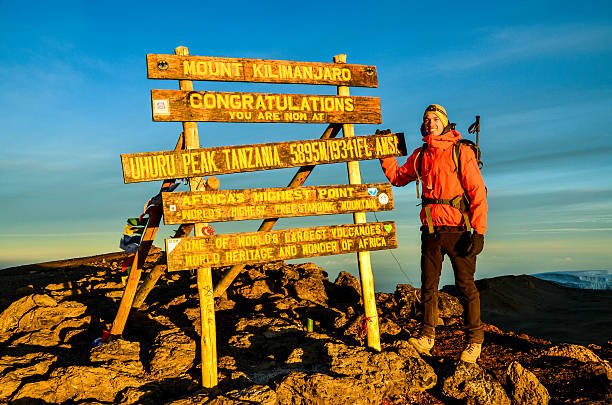
The three day route described here reaches the Horombo area as its planned high stage and then descends. A complete summit program requires additional mountain stages, additional nights and a different acclimatization strategy.
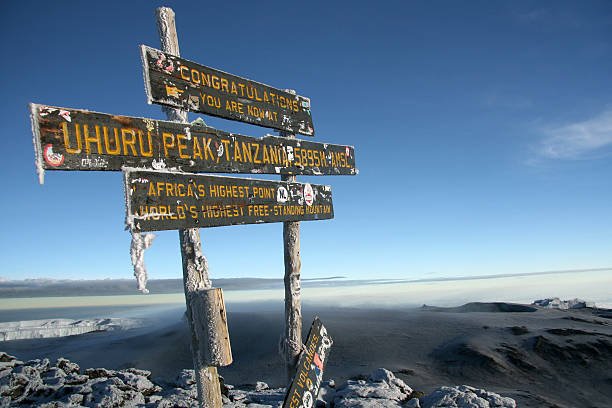
This 3 Day Kilimanjaro Itinerary Does Not Reach
- Kibo Hut
- Gilman's Point
- Stella Point
- Uhuru Peak
Before Day 1 – Trek Briefing and Equipment Check
A good three day itinerary begins before arriving at the gate. Travellers should understand the route, confirm their equipment and know what will be carried personally versus handled according to the crew arrangement.
Pre Trek Preparation
Meet the Mountain Guide
Meet the guide responsible for the route, pacing and professional mountain decisions.
Review the Three Day Route
Understand Mandara on Day 1, Horombo on Day 2 and the full descent on Day 3.
Discuss Fitness
Tell the guide about normal exercise, hiking experience and any concerns about consecutive walking days.
Discuss Previous Altitude Experience
Mention previous trips to higher elevation where relevant.
Check Hiking Boots
Make sure footwear is comfortable before beginning three consecutive trekking days.
Check Waterproof Clothing
Rain protection should remain accessible rather than buried inside overnight luggage.
Check Warm Layers
Prepare for substantially cooler conditions around Horombo.
Check Sleeping Equipment
Confirm whether an appropriate sleeping bag is included, rented or brought personally.
Check Personal Medication
Carry medication that needs to remain accessible in your own daypack.
Day 1 – Transfer to Marangu Gate
Day 1 normally begins with transportation from the confirmed pickup location toward Marangu Gate.
Where travellers are staying in Moshi, the morning transfer provides a straightforward connection between town accommodation and Kilimanjaro's eastern trailhead.
Day 1 Morning – Road Transfer
Pickup From the Confirmed Location
Begin from the hotel, lodge or meeting point written into the booking.
Load Mountain Equipment
Take only equipment needed for the trek according to the luggage arrangement.
Travel Toward Marangu
Leave the starting town and approach the eastern side of Mount Kilimanjaro.
Possible Mountain Views
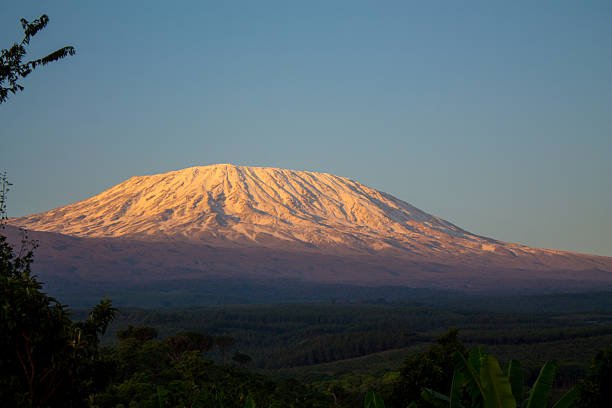
Kilimanjaro may appear during clear conditions, but cloud can hide the mountain completely.
Arrive at Marangu Gate
Reach the trailhead and prepare for mountain procedures.
Day 1 – Marangu Gate Procedures
The trek does not begin immediately after stepping from the vehicle. Applicable mountain procedures, equipment organization and crew preparation need to be completed first.
Prepare to Enter the Trail
Complete Applicable Entry Arrangements
Complete the required procedures according to the confirmed booking.
Organize the Daypack
Keep drinking water, rainwear, warm layers, personal medication and important items accessible.
Organize Overnight Luggage
Separate other equipment according to the confirmed porter and crew arrangements.
Confirm Meal Arrangements
Understand which meals are provided during the three days.
Confirm Water Arrangements
Understand how drinking water is handled during the itinerary.
Final Weather Check
Make waterproof or warm layers accessible according to current conditions.
Begin Slowly
The first kilometre should establish a sustainable mountain pace rather than become a race.
Day 1 Principle
Do not exhaust yourself simply because the first overnight is lower than Horombo. Day 2 requires substantially more elevation gain, so Day 1 should establish a comfortable rhythm.
Day 1 – Marangu Gate to Mandara Hut
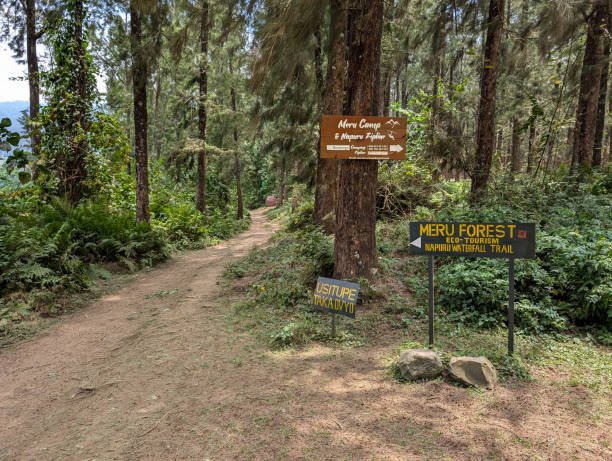
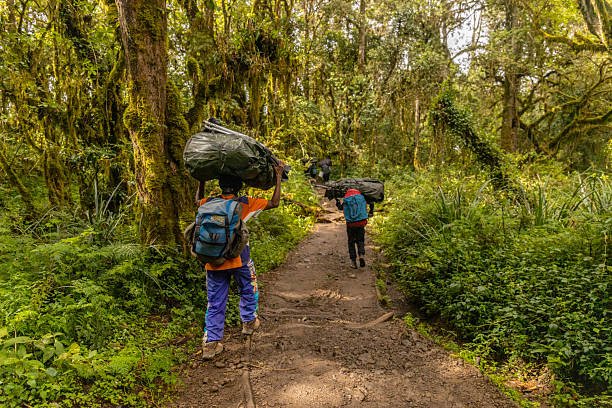
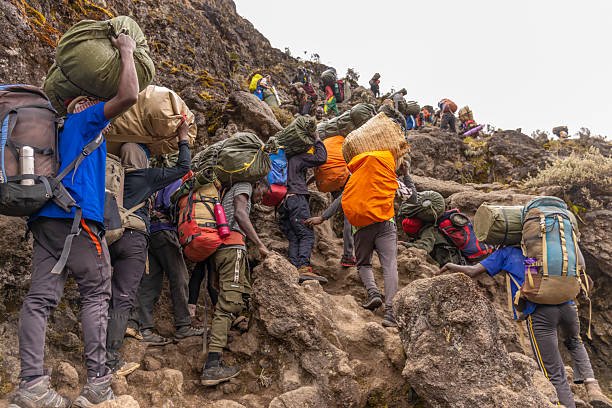
After leaving Marangu Gate, the itinerary enters Kilimanjaro's montane rainforest. This is the greenest and most enclosed stage of the three day trek.
The trail climbs steadily through humid forest and can become muddy or slippery during wet conditions.
Day 1 Rainforest Trek
Enter Dense Montane Forest
Walk beneath Kilimanjaro's lush lower mountain canopy.
Begin Sustained Uphill Hiking
The route climbs rather than remaining a flat nature walk.
Walk on Natural Trail
Expect earth, rocks, roots, steps and uneven ground.
Possible Rain
The forest can become wet even when nearby towns remain sunny.
Possible Mud
Wet conditions can slow the hiking pace.
Possible Slippery Roots
Use careful foot placement rather than rushing.
Possible Mist
Cloud can move through the forest and change visibility quickly.
Possible Wildlife
Birds, monkeys or other forest wildlife may occasionally be encountered, but sightings cannot be guaranteed.
Continue Hydrating
Maintain sensible fluid intake throughout the climb.
Take Practical Rest Stops
Rest where needed without allowing breaks to become unnecessarily long.
Reach Mandara Hut Area
Complete the main Day 1 hiking objective around 2,700 metres where conditions permit.
Day 1 Main Experience
The first day introduces Kilimanjaro through rainforest trekking and finishes with the first mountain overnight at Mandara rather than returning to town.
What Is Mandara Hut?
Mandara is the first main overnight stage used in this three day Marangu itinerary.
Its elevation of roughly 2,700 metres provides a practical transition between the lower forest and the higher terrain visited on Day 2.
Does Marangu Use Tents?
The standard Marangu Route is associated with mountain hut accommodation rather than the tent based camps used on several other Kilimanjaro routes.
Do You Still Need a Sleeping Bag?
Potentially. A hut does not automatically provide every part of the sleeping system. Confirm whether the package includes an appropriate sleeping bag or whether one needs to be rented or brought personally.
Optional Day 1 – Maundi Crater
Where time, weather, fitness and guide judgment permit, the itinerary may include an additional walk in the Mandara area toward Maundi Crater.
Maundi Crater Decision
Check Arrival Time
Do not force an optional excursion after a late arrival.
Check Energy
Day 2 requires substantially more climbing.
Check Weather
Cloud or rain can reduce visibility.
Explore Where Appropriate
A suitable short walk can provide a contrast to the dense forest.
Possible Wider Views
Clear conditions may reveal a broader landscape, but views cannot be guaranteed.
Return to Mandara
Allow enough time for food, hydration and proper rest.
Is Maundi Crater Guaranteed?
No. Maundi should remain an optional addition rather than being forced regardless of trail timing or traveller condition.
Day 1 Evening at Mandara
First Mountain Night Routine
Settle Into the Confirmed Accommodation
Use the sleeping arrangement specified in the booking.
Change Damp Clothing
Move into dry layers after trekking where necessary.
Add Warm Clothing
Temperatures can become cooler after active hiking stops.
Dinner Where Included
Eat according to the confirmed meal plan.
Continue Hydrating
Prepare for greater altitude on Day 2.
Tell the Guide How You Feel
Discuss headache, unusual fatigue or other concerns honestly.
Prepare Day 2 Layers
The second day's terrain becomes more open and exposed.
Rest
The Mandara to Horombo climb is the main uphill stage of the itinerary.
Do Not Judge Day 2 by How Easy Day 1 Felt
The second day climbs substantially higher and spends more time in exposed terrain. Feeling strong at Mandara does not mean travellers should abandon a controlled pace.
Day 2 – Mandara Hut to Horombo Hut
Day 2 is the defining stage of the three day itinerary.
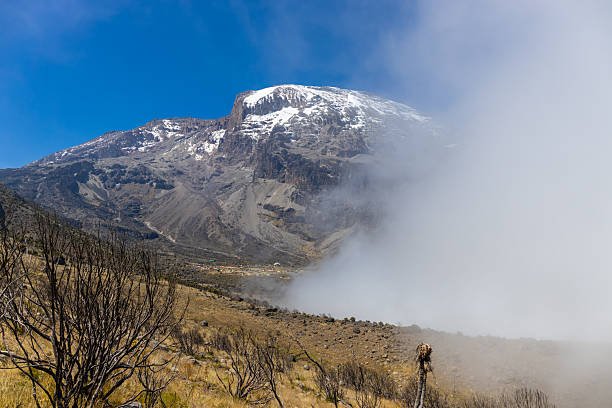
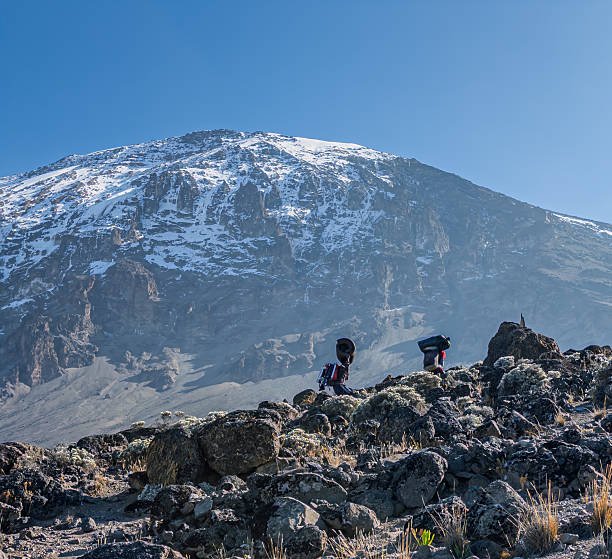
The route leaves the dense rainforest, enters heath and then continues through open moorland toward Horombo at approximately 3,700 metres.
The combination of greater distance, higher elevation and more exposed conditions makes pacing particularly important.
Day 2 Morning – Wake at Mandara
Wake on Mount Kilimanjaro
Begin the second day already inside the mountain environment.
Check How You Slept
Tell the guide about unusual headache, nausea, dizziness, weakness or poor sleep where relevant.
Check Weather
The trail becomes increasingly exposed during Day 2.
Breakfast Where Included
Eat according to the confirmed mountain meal arrangement.
Prepare the Daypack
Carry water, rainwear, warm clothing, sun protection and personal medication.
Begin Slowly
Start with a pace that can be maintained over the full climbing stage.
Altitude on Day 2
The itinerary reaches substantially higher elevation on Day 2, and individual altitude response can vary even among people with similar fitness.
Communicate Promptly About
- Unusual or worsening headache
- Nausea
- Vomiting
- Dizziness
- Unusual weakness
- Poor coordination
- Any rapidly worsening condition
Can Fit People Experience Altitude Problems?
Yes. Physical fitness can make hiking more comfortable, but it does not guarantee how an individual will respond to increasing elevation.
Can the Guide Turn the Group Around?
Yes. Professional mountain decisions should take priority over the desire to reach a planned point.
Day 2 – Leave the Rainforest
Climb Above Mandara
Continue farther along the Marangu Route.
Watch the Vegetation Change
Tall dense forest begins giving way to lower vegetation.
Enter Heath
The landscape gradually opens and feels more exposed.
Continue Toward Moorland
The route begins to offer broader mountain perspectives where cloud permits.
Adjust Layers
Add or remove clothing according to sun, cloud, wind and temperature.
Use Sun Protection
Open terrain offers less shade than the Day 1 forest.
Keep Rainwear Accessible
Weather can change rapidly.
Continue at a Sustainable Pace
Avoid unnecessary bursts of speed.
Day 2 Landscape Highlight
The transition from enclosed rainforest to open heath and moorland is one of the strongest reasons to choose three days rather than stopping after a shorter Mandara experience.
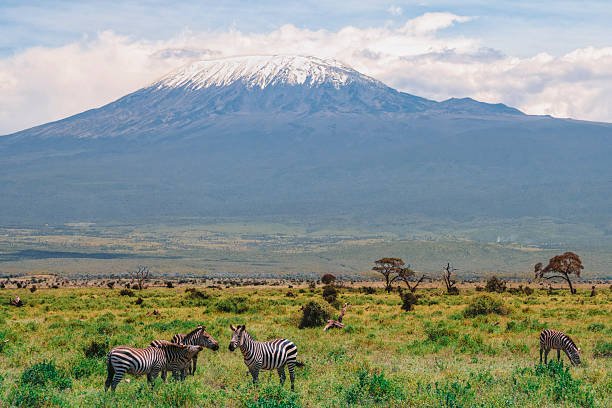
Possible Kibo Views
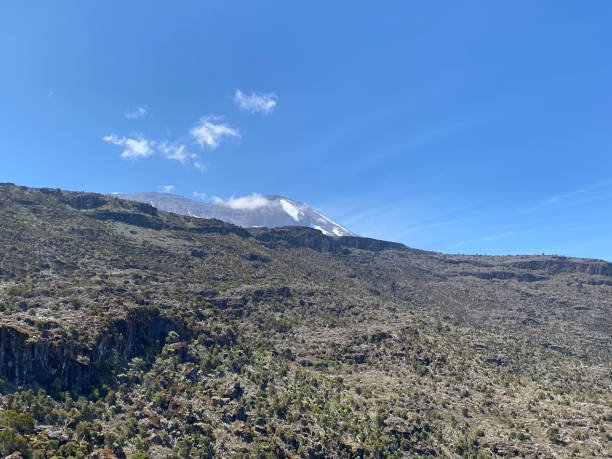
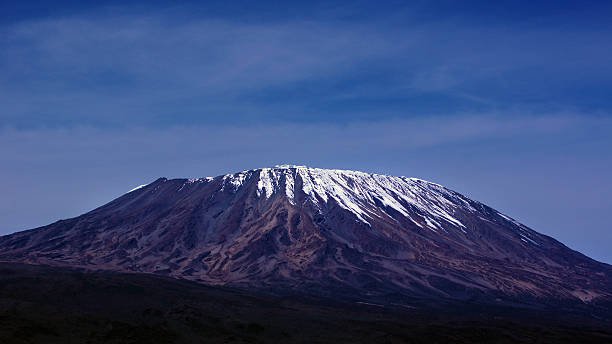
Clear weather can provide views toward Kibo from suitable sections of the higher route.
These views should never be guaranteed because cloud can hide the mountain completely.
Possible Mawenzi Views
Mawenzi may also become visible from suitable sections when weather and visibility permit.
Can Weather Change During Day 2?
Yes. Travellers can experience combinations of sun, cloud, wind, mist and rain during the same hiking day.
Day 2 – Main Moorland Trek
Continue Through Open Terrain
Walk through a mountain environment very different from the Day 1 rainforest.
Maintain Hydration
Continue drinking appropriately throughout the ascent.
Use Practical Breaks
Rest where useful without repeatedly cooling the body for long periods.
Monitor Energy
Keep enough energy for the final approach to Horombo.
Monitor Altitude Response
Tell the guide about changes in how you feel.
Protect Against Wind
Add suitable layers where exposed conditions become uncomfortable.
Continue Toward Horombo
Progress gradually toward the second mountain overnight.
Day 2 – Final Approach to Horombo Hut
Reaching the Highest Planned Stage
Maintain the Same Controlled Pace
Do not accelerate simply because the day's destination feels close.
Report New Symptoms
Altitude concerns remain relevant until the ascent has finished.
Approach Horombo
Continue through the open mountain environment.
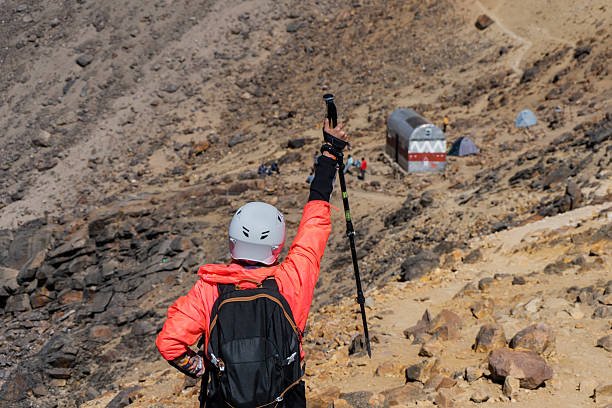
Reach Horombo Hut Area
Arrive around 3,700 metres where health and mountain conditions permit.
End the Upward Progression
This three day itinerary stops at Horombo rather than continuing toward Kibo.
Highest Planned Point: Horombo
Horombo is the main high altitude objective of this short itinerary. Reaching it provides a meaningful middle mountain experience without pretending that three days are enough for a responsible summit climb.
Is Horombo Guaranteed?
No. Weather, altitude response, health, pace and professional guide decisions can require the planned itinerary to change.
Is Horombo the Summit?
No. Horombo remains far below the summit stages of Kilimanjaro.
Can You Continue to Kibo Because You Feel Strong?
Not within the standard three day itinerary described here.
Feeling strong does not transform a short non summit program into a properly structured summit itinerary.
Day 2 Afternoon at Horombo
Recover After the Main Ascent
Rest
Allow the body to recover from the Day 2 climb.
Change Into Dry Clothing
Avoid remaining in damp hiking layers.
Add Warm Layers
Horombo can feel considerably colder than Mandara.
Continue Hydrating
Maintain sensible fluid intake.
Eat According to the Package
Use the confirmed meal plan for the second mountain night.
Discuss Health With the Guide
Report any change in altitude related symptoms.
Enjoy the Setting Where Conditions Allow
Clear weather may provide impressive mountain views, but visibility remains unpredictable.
Can You Add an Afternoon Walk at Horombo?
Only where it forms part of the confirmed plan and the guide considers time, weather, fitness and traveller condition suitable.
There is no need to add unnecessary distance simply because the group arrives early.
Day 2 Evening – Second Mountain Night
Prepare for the Final Day
Dinner Where Included
Eat according to the confirmed mountain meal plan.
Stay Warm
Use dry insulating layers during the evening.
Prepare Trekking Poles
Poles can be particularly useful during the prolonged Day 3 descent.
Prepare Rainwear
The group eventually returns into the potentially wet rainforest.
Prepare Dry Socks
Foot comfort becomes important during several hours of downhill walking.
Charge With Your Power Bank
Do not depend on reliable mountain charging.
Review Day 3
Understand that the descent continues all the way to Marangu Gate rather than ending at Mandara.
Rest
Day 3 can be physically tiring despite losing elevation.
Why the Second Night Matters
The Horombo overnight makes this a genuine three day mountain itinerary rather than a lower mountain trek stretched across additional calendar time.
Day 3 – Horombo Hut to Marangu Gate
The third day reverses the route and completes the entire mountain descent.
Although travellers are moving downhill, the distance, tired legs and changing trail surfaces can make Day 3 physically demanding.
Day 3 Morning at Horombo
Prepare for the Long Descent
Wake for the Final Mountain Day
Begin from the highest overnight point of the itinerary.
Check Health
Tell the guide about remaining altitude symptoms, blisters, sore knees or other concerns.
Check Weather
Conditions can change significantly as the group descends.
Breakfast Where Included
Eat before beginning the final trekking day.
Adjust Clothing
The route can move from cool exposed terrain into warmer humid forest.
Prepare Rainwear
Keep waterproof layers accessible throughout the descent.
Begin at a Controlled Pace
Do not run simply because the trail points downhill.
Day 3 – Horombo to Mandara
Descend Through Moorland and Heath
Leave Horombo
Begin moving downward through the open mountain landscape.
Possible Final Kibo Views
Clear conditions may provide another view of the upper mountain.
Possible Mawenzi Views
Mawenzi may remain visible from suitable sections before lower terrain obscures it.
Control Downhill Speed
Use shorter stable steps rather than rushing.
Use Trekking Poles Where Helpful
Poles can support balance and help manage prolonged downhill movement.
Monitor Knees and Feet
Tell the guide about developing pain or blisters.
Continue Hydrating
The group remains physically active despite descending.
Return to Mandara
Pass again through the first mountain overnight area.
Why Can Descending Feel Hard?
Downhill hiking places repeated load on the thighs, knees and ankles.
After two previous mountain days, this can make the final stage tiring even though breathing may feel easier as elevation decreases.
Day 3 – Mandara to Marangu Gate
Return Through the Rainforest
Leave Mandara
Continue toward the lower trailhead.
Reenter Dense Forest
Return beneath the montane canopy experienced on Day 1.
Expect Possible Rain
Lower mountain weather can differ completely from Horombo.
Expect Possible Mud
Wet trail can make the final descent slippery.
Watch Roots and Rocks
Fatigue makes careful foot placement increasingly important.
Continue at a Sustainable Pace
Do not rush to satisfy an unrealistic road or flight schedule.
Reach Marangu Gate
Complete the three day Kilimanjaro trekking itinerary.
3 Day Kilimanjaro Itinerary Complete
You have trekked from Marangu Gate through rainforest to Mandara, climbed through heath and moorland to Horombo, spent two nights on Mount Kilimanjaro and completed the full descent to the trailhead.
Day 3 – Exit Procedures and Return Transfer
After Reaching Marangu Gate
Complete Applicable Exit Procedures
Finish the required mountain arrangements.
Collect Overnight Luggage
Reorganize personal equipment after the trek.
Separate Rental Equipment
Return rented items according to the operator's arrangement.
Meet the Confirmed Vehicle
Where transportation is included, meet the arranged road transfer.
Return to the Confirmed Destination
Travel toward Moshi, the hotel or another agreed location.
Allow Flexible Timing
Hiking pace, weather, mountain procedures and road traffic can affect final arrival.
Can You Fly Immediately After Day 3?
An unnecessarily tight same evening flight is not recommended.
The itinerary requires a full mountain descent before the road transfer begins, and final timing can vary according to trail conditions, group pace and other operational factors.
Can You Return Directly to the Airport?
Potentially where a direct airport transfer is specifically arranged in advance.
Can You Return to Arusha?
Potentially where an Arusha drop off is included or separately arranged.
How Difficult Is the 3 Day Kilimanjaro Itinerary?
The trek requires genuine physical effort but does not involve technical climbing in the itinerary described here.
Main Physical Challenges
- Three consecutive hiking days
- Sustained Day 1 rainforest ascent
- Greater Day 2 elevation gain
- Altitude around Horombo
- Possible mud and slippery terrain
- Wind and cooler conditions in open moorland
- Long Day 3 descent
- Tired knees and legs during downhill walking
Is the 3 Day Kilimanjaro Itinerary Suitable for Beginners?
Potentially for reasonably fit beginners who understand that this is a genuine multi day mountain trek rather than a casual three day sightseeing trip.
Preparation through regular walking, hills, stairs and cardiovascular activity can improve comfort.
Do You Need Previous Hiking Experience?
Not necessarily, although previous experience with longer walks can help travellers understand pacing, footwear and personal comfort.
Do You Need Technical Climbing Experience?
No technical climbing is part of the three day Marangu itinerary described here.
Should You Train?
Yes, basic preparation can improve the experience even though the itinerary does not reach the summit.
Weather During the 3 Day Kilimanjaro Itinerary
Possible Conditions
- Humid rainforest
- Rain
- Mud
- Mist
- Warm sunshine
- Exposed moorland
- Wind
- Cooler mountain evenings
- Rapid visibility changes
Can Kibo Views Be Guaranteed?
No.
Can Mawenzi Views Be Guaranteed?
No.
Can Sunrise Be Guaranteed?
No.
Can Wildlife Be Guaranteed?
No. Wildlife may occasionally be encountered in the lower forest, but the trek should not be sold around guaranteed animal sightings.
3 Day Kilimanjaro Itinerary Packing List
Recommended Mountain Essentials
- Comfortable hiking boots
- Hiking socks
- Trekking trousers
- Breathable hiking shirts
- Warm fleece or mid layer
- Additional insulated layer for Horombo
- Waterproof jacket
- Waterproof trousers
- Warm hat
- Sun hat
- Warm gloves
- Personal daypack
- Overnight luggage according to porter arrangement
- Suitable sleeping bag where required
- Headlamp
- Personal toiletries
- Personal medication
- Water according to package arrangements
- Snacks where useful
- Sunglasses
- Sun protection
- Trekking poles
- Phone or camera
- Power bank
- Waterproof protection for electronics and dry clothes
- Required travel and mountain documents
Do You Need a Tent?
Not normally for the standard hut based Marangu itinerary described here.
Do You Need a Sleeping Bag?
Potentially. Confirm whether an appropriate sleeping bag is supplied, rented or brought personally.
Do You Need Trekking Poles?
They can be particularly useful during the long Day 3 descent.
Do You Need Gaiters?
They may be useful during wet or muddy conditions but are not automatically essential for every departure.
Do You Need a Headlamp?
A headlamp is useful during mountain overnights.
Can You Charge a Phone on the Mountain?
Do not rely on reliable mountain charging. Carry a suitable power bank.
What Can Be Included in the 3 Day Kilimanjaro Itinerary?
Core Services to Confirm
- Professional mountain guide
- Applicable mandatory mountain related charges
- Pickup from the confirmed location
- Transfer to Marangu Gate
- Day 1 guided trek to Mandara
- Mandara mountain accommodation
- Day 2 guided trek to Horombo
- Horombo mountain accommodation
- Day 3 guided descent
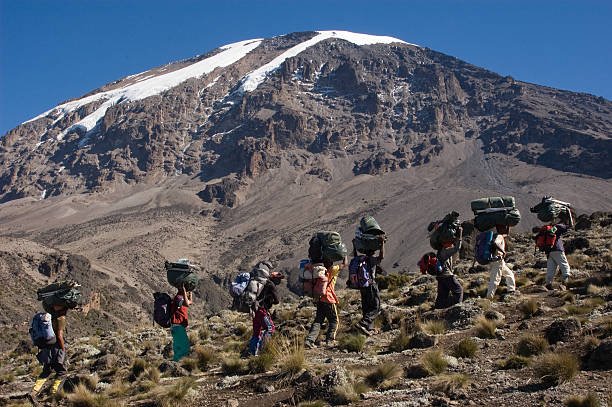
- Porter services where included
- Crew services according to package
- Meals specifically listed in the itinerary
- Drinking water according to package
- Return transfer from Marangu Gate
Possible Exclusions
- International flights
- Domestic flights
- Visa expenses
- Travel insurance
- Personal trekking clothing
- Sleeping bag unless confirmed
- Rental equipment unless confirmed
- Pre trek hotel unless confirmed
- Post trek hotel unless confirmed
- Airport transfers unless confirmed
- Private vehicle unless confirmed
- Exclusive mountain accommodation unless confirmed
- Private portable toilet unless confirmed
- Tips where separate
- Personal expenses
- Safari or Zanzibar extensions unless included
Does the Itinerary Include a Professional Guide?
Only services specifically stated in the package should be considered included. A properly organized Kilimanjaro trek should clearly identify its professional guide arrangement.
Are Porters Included?
Only where porter services are specifically listed in the package.
Are Meals Included?
Only meals written into the confirmed itinerary should be considered included.
Is Drinking Water Included?
Only where the package specifically confirms it.
Are Hotels Included?
Not automatically.
Are Airport Transfers Included?
Not automatically.
Can the Trek Be Private?
Yes where a private booking arrangement is specifically confirmed.
Can It Be Group Joining?
Potentially where a suitable three day departure is available.
Does Private Mean Private Mountain?
No.
Does Private Mean Private Huts?
No.
Does Private Mean Private Vehicle?
Not automatically.
Does Private Mean Private Toilet?
No. A private portable toilet should only be considered included where specifically confirmed.
Can Solo Travellers Book?
Potentially through a private arrangement or suitable group joining departure.
Can Couples Book?
Yes.
Can Families Book?
Potentially, subject to age, fitness, applicable mountain requirements and individual suitability.
Can Older Travellers Join?
Potentially where health, mobility and fitness are appropriate for three consecutive mountain days.
Can the 3 Day Kilimanjaro Itinerary Be Combined With Safari?
Yes. The itinerary can fit naturally before or after a Northern Tanzania safari where adequate transfer and recovery time is provided.
Can You Add Tarangire?
Yes.
Can You Add Ngorongoro?
Yes.
Can You Add Serengeti?
Yes.
Can You Continue to Zanzibar?
Yes as part of a wider Tanzania itinerary.
3 Day Kilimanjaro Itinerary Booking Checklist
Confirm Before Booking
- Exact trekking dates
- Number of travellers
- Private or group joining arrangement
- Marangu Route confirmation
- Pickup location
- Transfer to Marangu Gate
- Professional mountain guide
- Applicable mandatory mountain related charges
- Day 1 Marangu Gate to Mandara itinerary
- Mandara overnight arrangement
- Maundi option where applicable
- Day 2 Mandara to Horombo itinerary
- Horombo overnight arrangement
- Day 3 full descent
- Sleeping bag arrangement
- Porter services
- Luggage allowance
- Day 1 meals
- Day 2 meals
- Day 3 meals
- Drinking water
- Rental equipment
- Return transfer
- Final drop off location
- Pre trek hotel where applicable
- Post trek hotel where applicable
- Airport transfers where applicable
- Private portable toilet where requested
- Total package price
- Written inclusions
- Written exclusions
- Deposit requirement
- Balance due date
- Cancellation conditions
- Rescheduling conditions
Common 3 Day Kilimanjaro Itinerary Mistakes
Avoid These Common Mistakes
- Thinking three days are enough for a standard summit climb
- Trying to continue from Horombo toward Kibo
- Walking too quickly on Day 1
- Underestimating the Day 2 elevation gain
- Ignoring altitude symptoms
- Assuming strong fitness prevents altitude problems
- Expecting guaranteed Kibo views
- Expecting guaranteed wildlife
- Packing only for warm weather
- Not carrying waterproof clothing
- Not confirming sleeping equipment
- Assuming porters are automatically included
- Assuming hotels are automatically included
- Assuming airport transfers are automatically included
- Assuming private means private huts
- Assuming private toilet is included
- Underestimating the Day 3 descent
- Booking an unnecessarily tight flight after Day 3
Mistake: Treating Day 1 Like a Race
Reaching Mandara quickly does not improve the itinerary. A controlled Day 1 preserves energy for the more demanding second day.
Mistake: Hiding Altitude Symptoms
Tell the professional guide how you actually feel. Reaching Horombo is not more important than responsible mountain decisions.
Mistake: Thinking Horombo Means the Summit Is Near
Horombo is an important mountain stage, but a summit itinerary still requires substantial additional progression.
Mistake: Underestimating Day 3
The final day includes the complete descent from Horombo to Marangu Gate. It can be long and physically tiring even though elevation is decreasing.
3 Day Kilimanjaro Itinerary FAQs
What is the standard 3 Day Kilimanjaro Itinerary?
A practical non summit version follows Marangu Gate to Mandara on Day 1, Mandara to Horombo on Day 2 and Horombo through Mandara to Marangu Gate on Day 3.
Which route is used?
The itinerary described here uses the Marangu Route.
Where does Day 1 start?
At Marangu Gate after the applicable mountain procedures.
Where does Day 1 finish?
At Mandara Hut area where conditions and the confirmed itinerary permit.
How high is Mandara?
Around 2,700 metres.
Where does Day 2 go?
From Mandara toward Horombo Hut.
How high is Horombo?
Around 3,700 metres.
What happens on Day 3?
The group completes the full descent from Horombo through Mandara to Marangu Gate.
How many nights are spent on Kilimanjaro?
Two mountain nights.
Do we sleep in huts?
The standard Marangu itinerary uses mountain hut accommodation.
Do we need tents?
Not normally for the standard Marangu hut itinerary described here.
Do we need sleeping bags?
Potentially. Confirm whether a suitable sleeping bag is included or rented separately.
Can we visit Maundi Crater?
Potentially where Day 1 timing, weather, fitness and guide judgment allow.
Is Maundi guaranteed?
No.
Does the trek reach Kibo Hut?
No.
Does it reach Gilman's Point?
No.
Does it reach Stella Point?
No.
Does it reach Uhuru Peak?
No.
Can I summit Kilimanjaro in this three day itinerary?
No. The itinerary described here is deliberately non summit.
Is Horombo guaranteed?
No.
Can the guide turn us around?
Yes where health, weather, altitude or safety requires it.
Can altitude affect us at Horombo?
Yes.
Can fit people experience altitude symptoms?
Yes.
Should I report headache?
Yes, particularly unusual or worsening headache.
Should I report nausea?
Yes.
Is it suitable for beginners?
Potentially for reasonably fit beginners.
Do I need previous trekking experience?
Not necessarily.
Do I need technical climbing skills?
No technical climbing is part of this itinerary.
Should I train?
Regular walking, hills, stairs and cardiovascular exercise can improve comfort.
Can the rainforest be wet?
Yes.
Can the trail be muddy?
Yes.
Can Horombo be cold?
Yes.
Can it be windy?
Yes, particularly in exposed moorland.
Can I see Kibo?
Potentially during clear conditions.
Can I see Mawenzi?
Potentially from suitable higher sections.
Are mountain views guaranteed?
No.
Can I see wildlife?
Potentially in the forest, but no sighting is guaranteed.
Do I need waterproof clothing?
Suitable waterproof protection is recommended.
Do I need warm clothing?
Yes, especially for the Horombo overnight.
Do I need trekking poles?
They can be especially useful on the long Day 3 descent.
Do I need gaiters?
They may be useful during muddy conditions.
Do I need a headlamp?
A headlamp is useful for mountain overnights.
Can I charge my phone?
Do not depend on reliable mountain charging; carry a power bank.
Can I rent equipment?
Potentially where suitable rental equipment is available.
Are porters included?
Only where specifically stated in the package.
Are meals included?
Only meals listed in the confirmed itinerary should be considered included.
Is drinking water included?
Only where specifically confirmed.
Are mountain related charges included?
Only where stated in the written quotation.
Are gate transfers included?
Only where the package specifically includes them.
Are hotels included?
Not automatically.
Are airport transfers included?
Not automatically.
Can the trek be private?
Yes where specifically arranged.
Can it be group joining?
Potentially where a suitable departure is available.
Does private mean private huts?
No.
Does private mean private trail?
No.
Does private mean private vehicle?
Not automatically.
Does private mean private toilet?
No. Confirm a private portable toilet separately where required.
Can solo travellers book?
Potentially, yes.
Can couples book?
Yes.
Can families book?
Potentially, subject to age, fitness and applicable mountain requirements.
Can older travellers book?
Potentially where health, fitness and mobility are appropriate.
Can I combine the itinerary with safari?
Yes.
Can I add Tarangire?
Yes.
Can I add Ngorongoro?
Yes.
Can I add Serengeti?
Yes.
Can I continue to Zanzibar?
Yes as part of a wider Tanzania itinerary.
Should I fly immediately after Day 3?
Avoid an unnecessarily tight onward flight because final mountain and road timing can vary.
What is the biggest misunderstanding about a 3 Day Kilimanjaro Itinerary?
The biggest misunderstanding is assuming that every Kilimanjaro itinerary must lead to Uhuru Peak. A well designed three day itinerary has a different objective. Day 1 introduces the rainforest and first mountain overnight at Mandara. Day 2 takes travellers into higher heath and moorland and reaches the Horombo stage where conditions permit. Day 3 completes the entire descent. This allows travellers to experience two mountain nights and several ecological zones without pretending that the normal summit progression can be compressed responsibly into only three days.
Why choose this 3 Day Kilimanjaro Itinerary?
The itinerary provides a useful middle ground between a day hike and a full summit expedition. A one day visitor experiences only the lower mountain, while three days allow a genuine overnight progression from Mandara to Horombo. Travellers experience rainforest on Day 1, the transition into heath and moorland on Day 2 and the complete return through those changing environments on Day 3. Two mountain nights also provide a much stronger understanding of Kilimanjaro's daily trekking rhythm than a same day excursion.
Is the 3 Day Kilimanjaro Itinerary worth considering?
For travellers who want a serious short trek without committing to a full summit climb, the itinerary can be a strong option. It provides more altitude, more hiking time and more ecological variety than a day or simple overnight trek. The Horombo objective gives the journey a clear destination while maintaining an honest non summit structure. It can also fit efficiently into a larger Tanzania holiday involving safari or Zanzibar.
So what is the complete 3 Day Kilimanjaro Itinerary?
The complete 3 Day Kilimanjaro Itinerary is a guided non summit journey on the Marangu Route that provides two mountain nights and a progression from Kilimanjaro's lower rainforest to the higher Horombo moorland. Day 1 begins with pickup from the confirmed location and transportation toward Marangu Gate where applicable. After completing the required mountain procedures, travellers organize their daypacks and overnight luggage according to the guide, crew and porter arrangements stated in the booking. The hiking section begins through Kilimanjaro's montane rainforest. The route climbs steadily over natural terrain that can contain earth, stones, steps, roots, mud and slippery sections. Rain or mist may occur even when surrounding towns are sunny. Birds, monkeys and other forest wildlife may occasionally be encountered, but sightings cannot be guaranteed. The main Day 1 objective is Mandara Hut around 2,700 metres. After reaching Mandara, travellers settle into the confirmed mountain accommodation, change into dry and warm clothing, take the meals included in the package and prepare for the higher second day. A short additional walk toward Maundi Crater may be possible where the itinerary, time, weather, fitness and guide judgment permit, but it should remain optional. Day 2 begins with breakfast where included and a direct discussion with the guide about how each traveller feels. The route then climbs above Mandara as dense rainforest gradually changes into heath and open moorland. This ecological transition gives the second day a dramatically different visual character. Clear weather may provide views toward Kibo, Mawenzi or surrounding landscapes, although cloud can hide all of them. Travellers continue at a controlled pace because elevation increases substantially. Headache, nausea, dizziness, unusual weakness and other concerning symptoms should be communicated honestly. The planned destination is Horombo Hut around 3,700 metres where health and mountain conditions allow. Horombo is the highest intended point of this three day itinerary and marks the second mountain overnight. The route deliberately stops there instead of progressing toward Kibo. After arrival, travellers recover, change into warm dry clothing, continue hydrating and prepare for the final descent. Day 3 begins at Horombo and follows the Marangu Route downhill through open moorland and heath toward Mandara. Clear conditions may provide final views toward Kibo or Mawenzi before lower vegetation and cloud obscure the upper mountain. The route then reenters Kilimanjaro's rainforest. Mud, wet roots, rocks and tired legs can make the final section demanding even though the group is losing altitude. Controlled downhill movement and trekking poles can be helpful. After reaching Marangu Gate, travellers complete the applicable exit procedures, reorganize mountain luggage and meet the transportation stated in the booking. The trek then finishes at the agreed hotel, Moshi, Arusha or another specifically confirmed destination. Because walking pace, weather, mountain procedures and road travel can affect final arrival, an unnecessarily tight same day flight should be avoided. The three day itinerary does not reach Kibo Hut, Gilman's Point, Stella Point or Uhuru Peak and should never be represented as a compressed summit expedition. Professional guiding, applicable mountain related charges, Mandara and Horombo accommodation, porter services, meals, drinking water, transfers, sleeping equipment, rental gear, hotels, airport transfers and private services should all be confirmed through the written quotation. The defining value of the itinerary is its clear and realistic progression: Marangu Gate to Mandara on Day 1, Mandara to Horombo on Day 2 and Horombo all the way back to Marangu Gate on Day 3.
Experience Kilimanjaro in Three Complete Mountain Days
Trek through rainforest to Mandara, continue through heath and moorland to Horombo, spend two nights on Mount Kilimanjaro and complete the full descent on Day 3.
Book Your 3 Day Kilimanjaro Itinerary