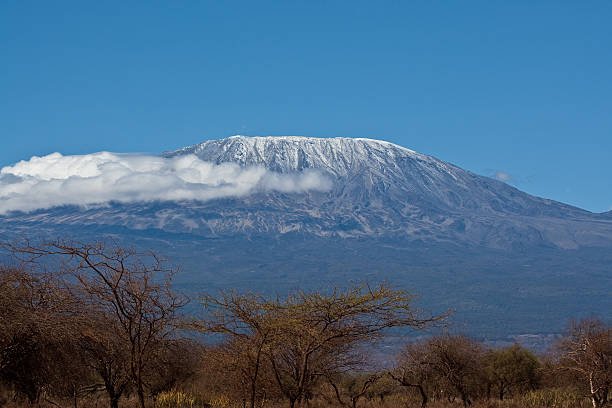
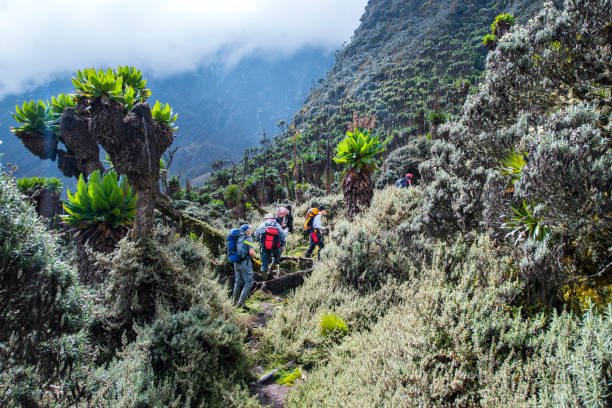
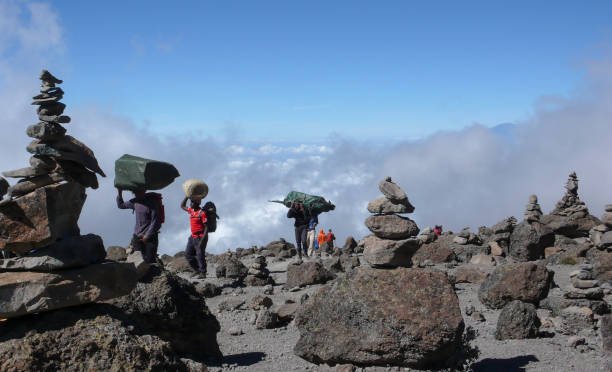
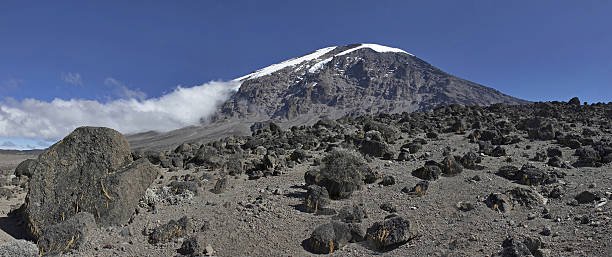
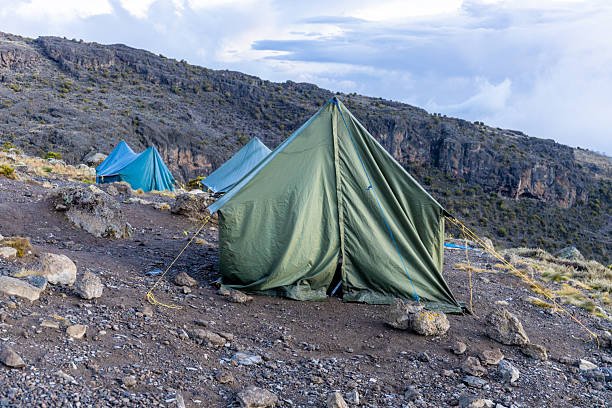
5 Day Kilimanjaro Climb
The 5 Day Kilimanjaro Climb is a complete summit expedition using the Marangu Route, one of Mount Kilimanjaro's established climbing routes and the route associated with mountain hut accommodation at Mandara, Horombo and Kibo.
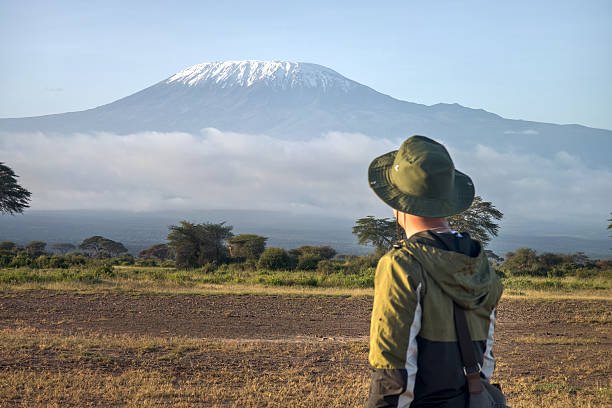
Unlike the shorter non summit trekking experiences, this itinerary progresses all the way toward Kibo, includes an overnight summit departure and attempts to reach Uhuru Peak at 5,895 metres, the highest point on Mount Kilimanjaro and the highest point in Africa.
The route normally follows Marangu Gate to Mandara Hut on Day 1, Mandara to Horombo Hut on Day 2, Horombo to Kibo Hut on Day 3, Kibo to Gilman's Point and potentially Uhuru Peak during the Day 4 summit stage, followed by descent to Horombo. Day 5 completes the descent through Mandara toward Marangu Gate.
Five days is a fast Kilimanjaro summit schedule. There is no separate acclimatization day at Horombo in this standard structure, making pacing, hydration, preparation and honest communication about altitude symptoms especially important.
Reaching Uhuru Peak can never be guaranteed. Weather, altitude response, trail conditions, individual health and professional guide decisions can all determine how far a climber safely progresses.
5 Day Kilimanjaro Climb at a Glance
- Mountain: Mount Kilimanjaro
- Country: Tanzania
- Duration: 5 mountain days
- Route: Marangu Route
- Accommodation: Mountain huts
- Day 1: Marangu Gate → Mandara Hut
- Day 2: Mandara Hut → Horombo Hut
- Day 3: Horombo Hut → Kibo Hut
- Day 4: Kibo Hut → Gilman's Point → Uhuru Peak where conditions allow → Horombo Hut
- Day 5: Horombo Hut → Mandara area → Marangu Gate
- Highest objective: Uhuru Peak, 5,895 metres
- Summit attempt: Yes
- Technical climbing: Normally no technical rock climbing
- Main challenge: Altitude, rapid itinerary and summit night
5 Day Kilimanjaro Climb Route Summary
Day 1 – Marangu Gate to Mandara Hut
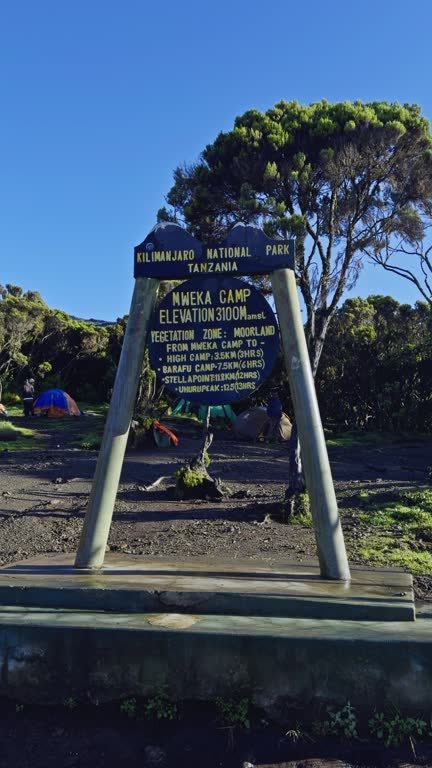
Enter Kilimanjaro's montane rainforest and climb steadily toward the first mountain hut around 2,700 metres.
Day 2 – Mandara Hut to Horombo Hut
Leave the rainforest, cross heath and open moorland and continue toward Horombo around 3,700 metres.
Day 3 – Horombo Hut to Kibo Hut
Cross increasingly sparse high altitude terrain and the broad Kibo Mawenzi Saddle toward Kibo Hut around 4,700 metres.
Day 4 – Summit Day
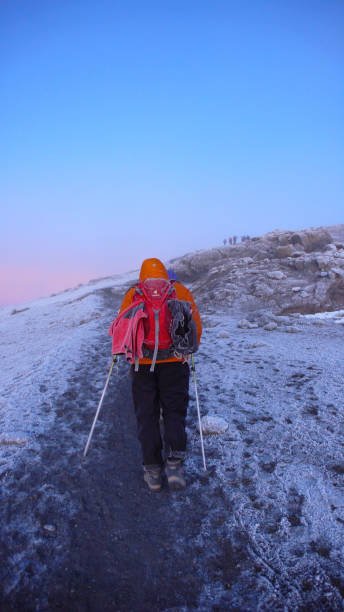
Depart around midnight, climb toward Gilman's Point on the crater rim and continue toward Uhuru Peak where health, weather and guide decisions permit. Descend to Kibo and continue to Horombo.
Day 5 – Horombo Hut to Marangu Gate
Complete the long descent through moorland, Mandara and rainforest before returning to the gate.
Why Is the 5 Day Marangu Route Popular?
The Marangu Route offers a direct and easily understood mountain progression. Instead of sleeping in tents, climbers use established mountain huts during the standard route.
Its five day version is also one of the shortest commonly used schedules for attempting the summit of Kilimanjaro.
Does Shorter Mean Easier?
No. A shorter itinerary can actually make altitude management more demanding because the body has less time to adjust before reaching Kibo and beginning the summit stage.
Important: Five Days Is a Fast Summit Schedule
- Day 1 reaches Mandara
- Day 2 reaches Horombo
- Day 3 reaches Kibo
- Summit departure begins that night
- There is no separate Horombo acclimatization day
- Altitude gain happens quickly
- Strong fitness does not guarantee altitude tolerance
- Professional guide decisions remain more important than the planned schedule
5 Day vs 6 Day Marangu Route
Both itineraries can use the same main Marangu mountain stages, but the six day version commonly provides an additional acclimatization day around Horombo before continuing toward Kibo.
Travellers choosing between the two should consider more than price or available vacation days. The amount of acclimatization time is an important part of a Kilimanjaro summit itinerary.
Who Should Consider the 5 Day Kilimanjaro Climb?
- Fit trekkers comfortable with consecutive hiking days
- Travellers specifically wanting the Marangu Route
- Travellers who prefer huts instead of tents
- Climbers with limited time who understand the shorter acclimatization schedule
- Private climbing groups
- Group joining climbers where a matching departure exists
- Solo travellers joining a suitable expedition or booking privately
Who Should Consider a Longer Route?
Travellers who want additional acclimatization time, prefer a slower progression or are concerned about the fast five day schedule may wish to compare longer Marangu, Machame, Lemosho or other suitable Kilimanjaro itineraries.
Before the Climb – Pre Trek Briefing
The briefing is an important preparation stage before a summit climb.
What to Review Before Day 1
The Complete Five Day Route
Understand Mandara, Horombo, Kibo, summit night and the final descent.
Altitude Strategy
Discuss the importance of slow pacing and honest symptom reporting.
Summit Clothing
Confirm that cold weather layers are adequate before entering the mountain.
Hiking Boots
Use suitable boots that have already been tested.
Waterproof Clothing
Rain jacket and waterproof trousers should be available.
Sleeping Bag
Confirm whether it is included, rented or brought personally.
Headlamp
A dependable headlamp is essential for the overnight summit stage.
Trekking Poles
Poles can assist with both ascent and prolonged descent.
Daypack
Know which essential items remain with you while porters handle the confirmed overnight luggage.
Meals and Water
Confirm the mountain meal and drinking water arrangements.
Day 1 – Marangu Gate to Mandara Hut
The climb begins at Marangu Gate, where the group completes the applicable mountain procedures before entering the lower rainforest.
Day 1 Goal
Begin conservatively, establish a sustainable trekking pace and reach Mandara with enough energy for the substantially higher stages ahead.
Marangu Gate to Mandara
Enter Montane Rainforest
Begin beneath Kilimanjaro's dense lower mountain vegetation.
Walk Steadily Uphill
Avoid using unnecessary energy early in the expedition.
Expect Natural Trail
Roots, stones, earth and uneven sections can occur.
Expect Possible Rain and Mud
The rainforest can remain damp even when higher parts of Kilimanjaro are dry.
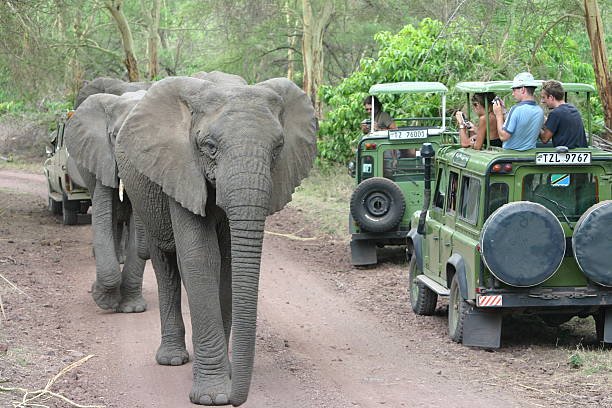
Possible Wildlife
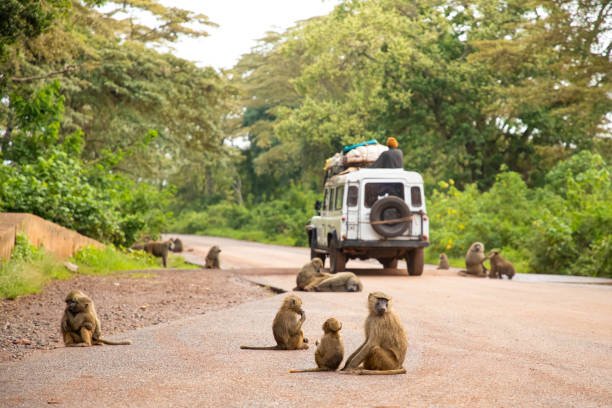
Forest wildlife may occasionally be seen or heard, but sightings are not guaranteed.
Reach Mandara Hut
Complete the first mountain stage around 2,700 metres where conditions permit.
Night 1 – Mandara Hut
Mandara provides the first night of mountain accommodation and the first opportunity to evaluate how the body feels after leaving the lower altitude around Moshi or Marangu.
Optional Maundi Crater Area Walk
Where arrival time, weather, energy and guide judgment allow, a short additional walk around the Mandara or Maundi Crater area may be possible.
Because this is already a fast summit itinerary, optional extra walking should never interfere with rest and recovery.
Day 2 – Mandara Hut to Horombo Hut
Day 2 leaves the rainforest and introduces increasingly open high mountain terrain.
Day 2 Landscape Changes
- Dense forest becomes lower vegetation
- Heath replaces rainforest
- Open moorland becomes dominant
- Wind exposure increases
- Sun exposure can increase
- Kibo may become visible
- Mawenzi may become visible
- Altitude becomes increasingly important
Possible Kibo and Mawenzi Views
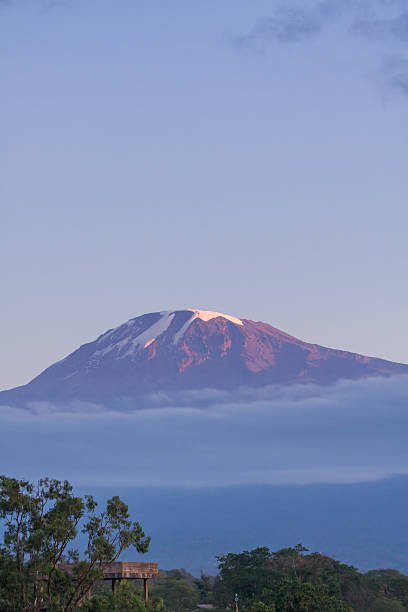
Clear conditions can provide increasingly dramatic perspectives toward Kibo and Mawenzi, but cloud may hide either mountain feature for long periods.
Views are an opportunity, not a guarantee.
Day 2 – Altitude Becomes More Noticeable
The planned overnight elevation rises to around 3,700 metres at Horombo. Climbers should therefore pay attention to how they feel throughout the day.
Report Concerning Symptoms
- Unusual or worsening headache
- Nausea
- Vomiting
- Dizziness
- Unusual weakness
- Poor coordination
- Confusion
- Unusual breathing difficulty
- Rapidly worsening symptoms
Does Excellent Fitness Prevent Altitude Problems?
No. Fitness can help somebody walk efficiently, but it does not guarantee acclimatization.
Day 2 – Reach Horombo Hut
Where health and mountain conditions permit, the group reaches Horombo and prepares for the next day's progression toward Kibo.
Night 2 – Horombo Hut
Important Horombo Evening
Change Into Warm Dry Clothing
Higher elevation can make the evening considerably colder.
Eat According to the Meal Plan
Maintain energy for Day 3.
Continue Hydrating
Follow appropriate guidance without forcing excessive water intake.
Report Symptoms
The next stage climbs significantly higher, so concealment of symptoms is particularly unhelpful.
Prepare Kibo Clothing
The environment becomes colder and more exposed.
Rest
There is no dedicated acclimatization day in the standard five day structure.
Day 3 – Horombo Hut to Kibo Hut
Day 3 is a major transition into Kilimanjaro's high altitude environment.
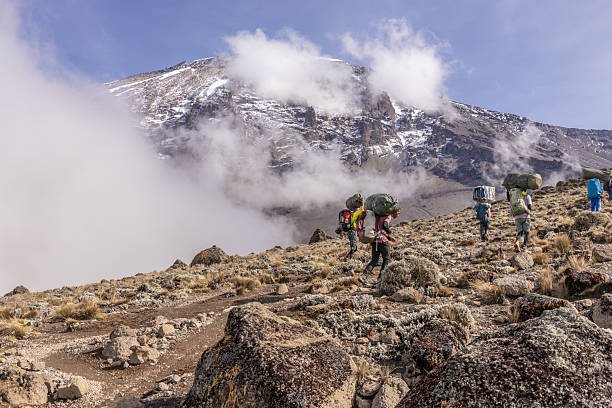
Vegetation becomes increasingly sparse as climbers move toward the broad high terrain between Kibo and Mawenzi.
Day 3 Goal
Reach Kibo without unnecessary exertion, preserve energy for summit night and communicate honestly about altitude response throughout the ascent.
The Kibo Mawenzi Saddle
The route crosses an increasingly barren high altitude landscape between the main Kibo cone and rugged Mawenzi.
This open terrain can feel dramatically different from the forests and moorland of the first two days.
Why Day 3 Can Feel Difficult
- Higher elevation
- Lower oxygen availability
- Open sun exposure
- Cold wind
- Dry high altitude conditions
- Accumulated fatigue
- Knowledge that summit night begins only hours later
Why You Should Walk Slowly Toward Kibo
Arriving early is less valuable than arriving in the best condition reasonably possible.
Rushing toward Kibo can waste energy needed for the most demanding stage of the climb.
Day 3 – Reach Kibo Hut
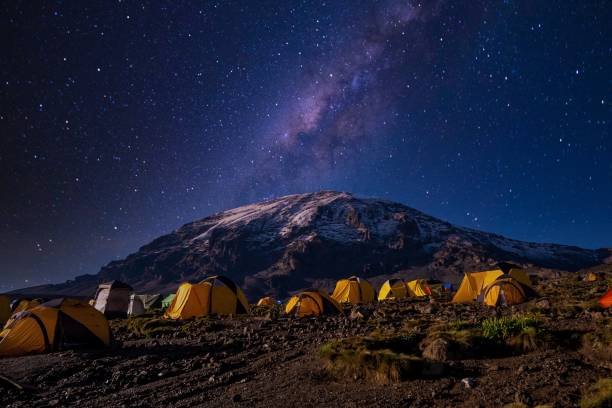
Kibo Hut sits around 4,700 metres and serves as the summit base for the Marangu Route.
The group normally arrives with only part of the day remaining before preparations begin for the overnight summit departure.
Night 3 – Kibo Hut and Summit Preparation
Prepare Before Trying to Sleep
- Organize base layers
- Prepare insulating layers
- Prepare waterproof or wind protection
- Prepare warm gloves
- Prepare warm hat or balaclava
- Prepare headlamp and batteries
- Prepare water
- Prepare snacks
- Prepare trekking poles
- Keep personal medication accessible
- Confirm summit departure time
- Rest as much as possible
Why Summit Night Begins Around Midnight
The Marangu summit stage is long. Starting overnight provides enough time to climb toward the crater rim, potentially reach Uhuru Peak and then complete the long descent toward Horombo during the same mountain day.
Can You Sleep Well at Kibo?
Some climbers sleep only briefly because of altitude, anticipation and the early departure. Even without perfect sleep, rest remains valuable.
Day 4 – Summit Night Begins
The summit stage normally begins late at night or around midnight after climbers dress in their warmest mountain layers.
Before Leaving Kibo
Complete the Final Health Assessment
Tell the guide honestly about headache, nausea, dizziness, breathing concerns or unusual weakness.
Dress in Layers
The summit stage can be extremely cold compared with lower mountain days.
Check Headlamp
The first hours are walked in darkness.
Check Gloves
Hands can become cold quickly at high elevation.
Prepare Water and Snacks
Keep them accessible according to the guide's instructions.
Start Slowly
Summit night is about endurance rather than speed.
Kibo Hut to Gilman's Point
This is one of the most demanding parts of the Marangu Route.
The ascent becomes steep and slow as climbers progress toward the crater rim through cold, dark and increasingly thin air.
Why the Pace Becomes Very Slow
At extreme altitude, even simple movement can require substantial effort.
The guide may intentionally use a very slow rhythm so climbers conserve energy and remain together.
What Makes Summit Night Difficult?
- Very high altitude
- Cold temperatures
- Darkness
- Steep terrain
- Loose ground depending on conditions
- Possible wind
- Accumulated fatigue
- Limited sleep
- Long duration
- Need to descend a substantial distance afterward
Gilman's Point
Gilman's Point is reached on the crater rim and is a major milestone on the Marangu summit route.
Reaching Gilman's Point does not automatically mean every climber should continue farther. Health, weather, energy, available time and guide judgment still matter.
Gilman's Point to Uhuru Peak
Climbers who remain in suitable condition may continue along the crater rim toward Uhuru Peak.
Although this section is not the same steep ascent used below Gilman's, the altitude is even higher and progress can remain slow.
Uhuru Peak – 5,895 Metres
Uhuru Peak is the highest point on Mount Kilimanjaro and the highest point in Africa.
Reaching it is the objective of the five day climb, but no responsible itinerary should describe the summit as guaranteed.
Summit Success Is Always Conditional
The planned objective is Uhuru Peak, but the professional guide can stop or turn around a climber at any stage when health, altitude, weather, trail conditions or another safety concern requires it.
Is Sunrise at the Summit Guaranteed?
No. Departure timing is designed around the summit schedule, but weather, walking pace and turnaround decisions can affect where sunrise is experienced.
Are Glacier Views Guaranteed?
No. Visibility varies with cloud, weather and the actual point reached.
How Long Can You Stay at Uhuru Peak?
Summit time is generally limited because climbers are still at extreme elevation and have a very long descent remaining.
Day 4 – Descend Back to Kibo Hut
After reaching the highest safe point for the individual, the group descends toward Kibo.
Descending can feel faster than climbing, but tired legs and loose ground require controlled movement.
Does Summit Day End at Kibo?
No. In the standard five day Marangu structure, climbers rest briefly and then continue descending toward Horombo.
Kibo Hut to Horombo Hut
This additional descent makes Day 4 especially demanding.
A climber may already have spent many hours ascending and descending before beginning the long walk across lower high altitude terrain toward Horombo.
Why Summit Day Is More Than the Summit
- Overnight ascent begins from Kibo
- Climb toward Gilman's Point
- Potential continuation to Uhuru Peak
- Descend back toward Kibo
- Short rest where appropriate
- Continue down toward Horombo
- Complete one of the longest days of the expedition
Night 4 – Horombo Hut
After the summit stage, Horombo provides the final mountain overnight.
Descending to lower elevation can feel relieving, but climbers are often physically tired and should focus on food, hydration and rest.
Day 5 – Horombo Hut to Marangu Gate
The final day completes the journey through the lower mountain environments.
Day 5 Goal
Descend steadily through moorland, Mandara and rainforest while protecting tired knees and feet after the previous day's summit effort.
Horombo to Mandara
The route retraces the earlier stages through moorland and heath.
Clear weather may provide final views toward Kibo or Mawenzi before vegetation becomes denser.
Mandara to Marangu Gate
After passing Mandara, climbers reenter montane rainforest.
The final trail can be muddy or slippery, and tired legs mean careful foot placement remains important until the gate is reached.
Why the Final Descent Should Not Be Rushed
The summit may already be behind you, but the climb is not complete until the group safely reaches Marangu Gate.
After Reaching Marangu Gate
End of the Mountain Expedition
Complete Applicable Exit Procedures
Follow the relevant park and operator arrangements.
Collect Overnight Luggage
Reorganize personal equipment after five days.
Return Rental Equipment
Follow the confirmed rental return arrangements.
Meet the Transfer Vehicle
Use the transportation included in the package where confirmed.
Return to Moshi, Arusha or Another Confirmed Location
The road journey begins only after the mountain descent is completed.
Should You Fly Immediately After Day 5?
Avoid an unnecessarily tight onward flight.
The final day still involves a substantial descent, exit procedures and a road transfer after leaving the mountain.
Accommodation on the 5 Day Marangu Route
Standard Mountain Nights
- Night 1: Mandara Hut
- Night 2: Horombo Hut
- Night 3: Kibo Hut with short rest before summit departure
- Night 4: Horombo Hut after summit day
Are Marangu Huts Hotels?
No. They are practical mountain accommodation and should not be compared with private hotels or lodges.
Do You Need a Tent?
Not normally for the standard Marangu Route itinerary.
Do You Need a Sleeping Bag?
Yes, an appropriate mountain sleeping bag is normally required even when sleeping in huts. Confirm whether it is provided, rented or brought personally.
Altitude on the 5 Day Kilimanjaro Climb
Approximate Progression
- Marangu Gate: Lower mountain trailhead
- Mandara: Around 2,700 m
- Horombo: Around 3,700 m
- Kibo: Around 4,700 m
- Gilman's Point: Above 5,600 m on the crater rim
- Uhuru Peak: 5,895 m
Why Acclimatization Matters
The body needs time to respond to progressively lower oxygen availability as elevation increases.
The five day Marangu itinerary progresses rapidly, which is why climbers should not assume that good fitness alone is enough preparation.
Can You Predict Who Will Get Altitude Sickness?
Not reliably. Previous experience can provide useful information, but no climber should assume immunity.
Can the Guide Tell You to Descend?
Yes. Professional mountain safety decisions override the desire to reach the summit.
5 Day Kilimanjaro Climb Difficulty
The route does not normally require technical climbing skills, but that does not make it easy.
The Main Difficulties Are
- Five consecutive mountain days
- Rapid altitude progression
- No separate acclimatization day
- Cold high altitude conditions
- Summit night darkness
- Steep ascent toward the crater rim
- Potential sleep disruption at Kibo
- Long summit day
- Long final descent
Training for a 5 Day Kilimanjaro Climb
- Regular cardiovascular exercise
- Long walks
- Hill hiking
- Stair climbing
- Walking with a loaded daypack
- Consecutive hiking days
- Long downhill sessions
- Testing hiking boots well before departure
- Practising with trekking poles
Do You Need Technical Mountaineering Experience?
The normal Marangu Route is primarily a high altitude trekking challenge rather than a technical rock climbing expedition.
Conditions can still become difficult, and all decisions should follow professional guidance.
Weather During the 5 Day Kilimanjaro Climb
Prepare for Several Mountain Climates
- Warm lower mountain weather
- Humid rainforest
- Rain and mud
- Strong sunshine
- Moorland wind
- Cold Horombo evenings
- Dry or windy Kibo conditions
- Very cold summit night temperatures
- Possible snow or ice depending on current conditions
- Rapid cloud and visibility changes
5 Day Kilimanjaro Climb Packing List
Essential Personal Equipment
- Suitable hiking boots
- Multiple hiking socks
- Base layers
- Trekking trousers
- Warm fleece or mid layers
- Insulated summit jacket
- Waterproof jacket
- Waterproof trousers
- Warm summit hat
- Sun hat
- Warm gloves
- Additional hand protection where appropriate
- Personal daypack
- Duffel or porter bag according to booking
- Suitable sleeping bag
- Headlamp with reliable batteries
- Trekking poles
- Sunglasses
- Sun protection
- Water carrying system
- Personal medication
- Personal toiletries
- Snacks where useful
- Power bank
- Waterproof internal packing
- Required travel and trekking documents
What Must Stay in the Daypack?
- Water
- Rainwear
- Warm layers
- Gloves and hat as elevation increases
- Sun protection
- Sunglasses
- Personal medication
- Snacks
- Phone or camera
- Small personal valuables
Can Equipment Be Rented?
Potentially where suitable rental equipment is available. Rental requirements should be confirmed before the climb rather than left until the mountain departure.
Common Rental Items
- Sleeping bag
- Trekking poles
- Gaiters
- Duffel bag
- Insulated jacket
- Waterproof jacket
- Waterproof trousers
Can You Charge Electronics on Kilimanjaro?
Do not depend on reliable charging at mountain huts. Carry sufficient power bank capacity for the five day expedition.
Is Mobile Internet Reliable?
Do not depend on continuous network or internet coverage during the climb.
What Can Be Included in a 5 Day Kilimanjaro Climb?
Core Services to Confirm in Writing
- Professional licensed mountain guide
- Assistant guides according to group requirements
- Porter and mountain crew services
- Applicable compulsory park and mountain charges
- Marangu Gate transportation
- Mandara Hut accommodation
- Horombo Hut accommodation
- Kibo Hut accommodation
- Summit guidance
- Meals listed in the itinerary
- Drinking water according to the package
- First aid and mountain safety equipment where confirmed
- Return transfer after Marangu Gate
Possible Exclusions
- International flights
- Domestic flights unless confirmed
- Visa expenses
- Travel insurance
- Personal trekking clothing
- Sleeping bag unless included
- Rental equipment unless included
- Pre climb hotel unless included
- Post climb hotel unless included
- Airport transfers unless included
- Private road transportation unless confirmed
- Private portable toilet unless confirmed
- Tips where separate
- Personal expenses
- Safari unless included
- Zanzibar extension unless included
Does “All Inclusive” Mean Everything?
No. Even an all inclusive mountain package should define what the phrase covers. International flights, visa, travel insurance, tips, personal equipment and post climb travel should never be assumed without written confirmation.
Can the 5 Day Kilimanjaro Climb Be Private?
Yes where specifically arranged.
Does Private Mean a Private Mountain?
No. Kilimanjaro trails and mountain facilities can be shared with other climbers.
Does Private Mean Private Huts?
No.
Can the Climb Be Group Joining?
Potentially where a matching scheduled departure is available.
Can Solo Travellers Join?
Potentially through a group joining departure or a private climb.
Can Couples Climb Privately?
Yes where a private arrangement is offered.
Can Beginners Attempt the 5 Day Marangu Route?
Some first time high altitude trekkers attempt Marangu, but the five day schedule should not be called beginner easy. The fast elevation progression and summit night require appropriate preparation and realistic expectations.
5 Day Kilimanjaro Climb Booking Checklist
Confirm Before Paying
- Exact departure date
- Number of climbers
- Private or group joining arrangement
- 5 day Marangu Route
- Marangu Gate starting point
- Mandara Hut night
- Horombo Hut night
- Kibo Hut night
- Summit attempt structure
- Return to Horombo after summit day
- Final Day 5 descent
- Professional guide structure
- Assistant guide arrangements
- Porter and crew structure
- Luggage allowance
- Applicable compulsory mountain charges
- Mountain meals
- Drinking water arrangement
- Safety equipment
- Sleeping bag arrangement
- Rental equipment
- Gate transfers
- Pre climb hotel where applicable
- Post climb hotel where applicable
- Airport transfers where applicable
- Luggage storage where applicable
- Private portable toilet where requested
- Travel insurance responsibility
- Tips guidance
- Total price
- Deposit requirement
- Remaining balance
- Payment method
- Cancellation terms
- Rescheduling terms
Common 5 Day Kilimanjaro Climb Mistakes
Avoid These Mistakes
- Assuming the shortest summit itinerary is the easiest
- Ignoring the lack of a separate acclimatization day
- Walking too fast toward Horombo
- Rushing across the Kibo Mawenzi Saddle
- Hiding altitude symptoms
- Believing fitness prevents altitude sickness
- Eating too little before summit night
- Packing inadequate summit clothing
- Using an unreliable headlamp
- Bringing untested hiking boots
- Forgetting waterproof protection
- Using all energy reaching Gilman's Point
- Assuming reaching Gilman's guarantees Uhuru Peak
- Ignoring a guide turnaround decision
- Forgetting the long descent after the summit
- Assuming huts provide hotel comfort
- Depending on reliable mountain charging
- Booking an unnecessarily tight flight after Day 5
Mistake: Saving Time at the Expense of Acclimatization
A five day itinerary can fit a limited travel schedule, but climbers should understand the tradeoff. Fewer mountain days mean less time for gradual altitude adaptation.
Mistake: Treating Summit Night Like a Race
Fast walking is not the goal. The summit ascent rewards patience, energy conservation and following the guide's pace.
Mistake: Thinking Reaching Uhuru Ends the Day
Uhuru Peak is only the high point. Climbers must still descend from the crater rim to Kibo and continue substantially farther toward Horombo.
5 Day Kilimanjaro Climb FAQs
What route is used for a 5 Day Kilimanjaro Climb?
The standard five day summit itinerary described here uses the Marangu Route.
Does a 5 Day Kilimanjaro Climb reach the summit?
The itinerary attempts Uhuru Peak, but reaching the summit is not guaranteed.
How high is Uhuru Peak?
5,895 metres above sea level.
Is Uhuru Peak the highest point in Africa?
Yes.
Where do we sleep on Day 1?
Mandara Hut.
Where do we sleep on Day 2?
Horombo Hut.
Where do we sleep before summit night?
Kibo Hut.
Where do we sleep after summit day?
Horombo Hut in the standard five day itinerary.
Does Marangu use tents?
The standard Marangu Route uses mountain huts.
Do I need a sleeping bag?
Yes. Confirm whether it is included, rented or brought personally.
Is there an acclimatization day?
Not in the standard five day structure described here.
Is a 6 day Marangu climb slower?
It commonly includes additional acclimatization time around Horombo.
Is the 5 day route easy?
No.
Do I need technical climbing skills?
The normal route is primarily a high altitude trek rather than a technical rock climb.
Can beginners climb it?
Some first time climbers attempt it, but the rapid schedule requires strong preparation and realistic expectations.
When does summit night start?
It commonly begins around midnight, subject to the guide's plan and mountain conditions.
What is Gilman's Point?
It is a major point on Kilimanjaro's crater rim reached during the Marangu summit ascent.
Does reaching Gilman's guarantee Uhuru?
No.
Can the guide stop my summit attempt?
Yes where health, altitude, weather or another safety concern requires it.
Is sunrise guaranteed at Uhuru Peak?
No.
Are glacier views guaranteed?
No.
Can altitude affect very fit people?
Yes.
Should I hide a headache?
No. Report concerning symptoms promptly.
Can I charge my phone?
Do not depend on reliable mountain charging. Carry a power bank.
Do I need a headlamp?
Yes. It is essential for the overnight summit stage.
Do I need trekking poles?
They can be very useful, particularly during long descents.
Can equipment be rented?
Potentially where suitable rental equipment is available.
Are guides required?
Kilimanjaro climbing is undertaken through licensed guided operations.
Can I climb alone?
No independent solo trekking should be assumed; the climb must be organized through the required guided structure.
Are porters included?
Only where the written package confirms porter services.
Are meals included?
Only meals stated in the confirmed itinerary should be treated as included.
Are park charges included?
Only where the written quotation confirms the applicable compulsory charges.
Are hotels included?
Not automatically.
Are airport transfers included?
Not automatically.
Can the climb be private?
Yes where specifically arranged.
Does private mean private huts?
No.
Can I join a group?
Potentially where a suitable scheduled departure exists.
Can solo travellers join?
Potentially through group joining or private arrangements.
Can I add safari after Kilimanjaro?
Yes.
Can I add Tarangire?
Yes.
Can I add Ngorongoro?
Yes.
Can I add Serengeti?
Yes.
Can I continue to Zanzibar?
Yes as part of a wider Tanzania itinerary.
Should I fly immediately after Day 5?
Avoid an unnecessarily tight onward flight because the final mountain descent and road transfer must happen first.
What is the hardest part of the 5 Day Kilimanjaro Climb?
For many climbers, the hardest part is the combination of rapid altitude progression and summit night. Day 3 reaches Kibo at around 4,700 metres and the summit attempt begins only hours later. Climbers then ascend through darkness toward the crater rim, potentially continue to Uhuru Peak and afterward descend all the way toward Horombo. This creates a very long mountain day at the end of an already fast itinerary.
Why would someone choose six days instead of five?
The six day Marangu itinerary commonly creates additional acclimatization time around Horombo before moving to Kibo. Travellers who value a slower altitude progression may therefore prefer six days even though the main route and mountain huts are similar.
Can a 5 Day Kilimanjaro Climb guarantee the summit?
No Kilimanjaro itinerary should guarantee that an individual will reach Uhuru Peak. The planned route can be correct and the climber can be well prepared while altitude, weather, illness or another safety issue still requires an earlier turnaround. The professional guide's decision takes priority over the summit objective.
So what is the complete 5 Day Kilimanjaro Climb?
The complete 5 Day Kilimanjaro Climb is a fast full summit expedition on the Marangu Route. Preparation begins before entering the national park with a briefing, equipment inspection and confirmation of the complete mountain program. Climbers should arrive with suitable hiking boots, waterproof protection, multiple warm layers, summit gloves, an insulated jacket, sleeping equipment, trekking poles, headlamp, daypack and any necessary personal medication. Day 1 travels to Marangu Gate and begins through Kilimanjaro's montane rainforest. The trail climbs across natural ground toward Mandara Hut at approximately 2,700 metres. Rain, mud and humid forest conditions are possible, while wildlife may occasionally be seen or heard without any guarantee. Climbers spend the first night at Mandara and prepare for the substantially higher Day 2 stage. Day 2 leaves the forest and climbs through heath into increasingly open moorland. Kibo and Mawenzi can become visible when weather permits. The planned destination is Horombo Hut at approximately 3,700 metres. Altitude becomes increasingly relevant during this stage, and climbers should immediately communicate concerning symptoms instead of trying to hide them. The second night is spent at Horombo, but the five day itinerary does not include a separate acclimatization day here. Day 3 therefore continues directly toward Kibo. Vegetation becomes sparse as the trail reaches high altitude terrain and crosses the broad landscape between Kibo and Mawenzi. Walking should remain slow because climbers need to conserve energy for the summit attempt. Kibo Hut at approximately 4,700 metres becomes the third mountain base. After arriving, climbers eat, hydrate, organize their warmest clothing, prepare headlamps, gloves, trekking poles, water and snacks and attempt to rest before the overnight departure. Summit night generally begins around midnight. The route climbs gradually and then more steeply toward Kilimanjaro's crater rim. Darkness, cold, loose ground, fatigue and very high elevation make this the most demanding part of the itinerary for many climbers. The pace becomes deliberately slow. Where health and conditions permit, climbers reach Gilman's Point on the crater rim. From there, those who remain in suitable condition can continue toward Uhuru Peak at 5,895 metres. Uhuru is the highest point on Mount Kilimanjaro and in Africa, but reaching it can never be guaranteed. The guide may stop a climber before Gilman's Point, at Gilman's Point or anywhere farther along the summit route when altitude, health, weather, timing or another safety consideration requires it. After reaching the highest safe point, the group begins descending toward Kibo. Summit day is far from finished. After a brief rest where appropriate, climbers continue descending toward Horombo and spend their fourth mountain night there. Day 5 completes the expedition by descending through moorland, heath, Mandara and finally montane rainforest toward Marangu Gate. The long downhill stage can be demanding on tired legs, knees and feet, particularly after the previous day's summit effort. Once the group reaches Marangu Gate, applicable exit procedures are completed and the road transfer begins according to the written package. Professional guides, assistant guides, porters, mountain crew, mandatory park charges, hut accommodation, meals, drinking water, safety equipment, sleeping bags, rental gear, gate transfers, hotel nights and airport transportation should each be confirmed in the final quotation rather than assumed. The defining feature of the 5 Day Kilimanjaro Climb is its direct progression from Marangu Gate to Mandara, Horombo and Kibo before a full summit attempt. It provides a complete Kilimanjaro experience in one of the shortest standard summit schedules, but that compact structure makes preparation, pacing, acclimatization awareness and professional guide decisions especially important.
Climb Kilimanjaro via the 5 Day Marangu Route
Trek through rainforest to Mandara, climb through Horombo to Kibo and begin the overnight summit ascent toward Gilman's Point and Uhuru Peak before completing the full descent.
Book Your 5 Day Kilimanjaro Climb