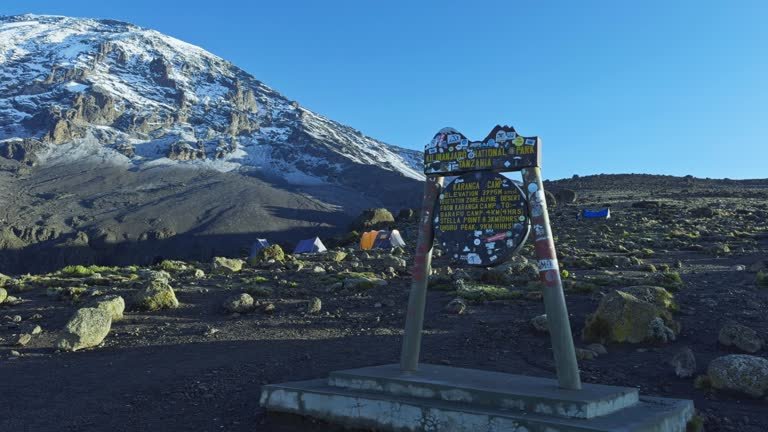
4 Day Kilimanjaro Camping Trek
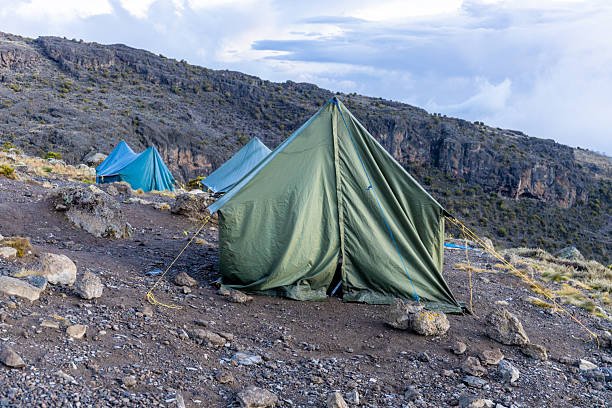
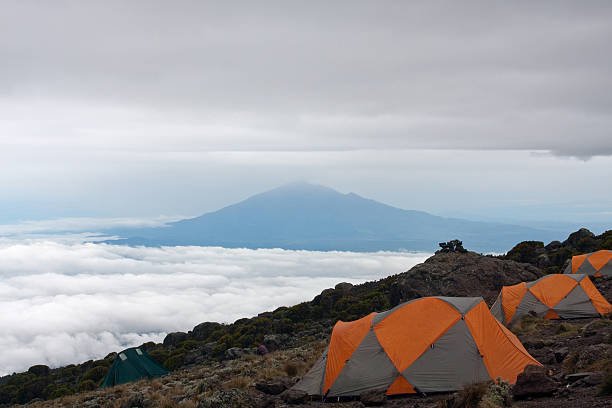
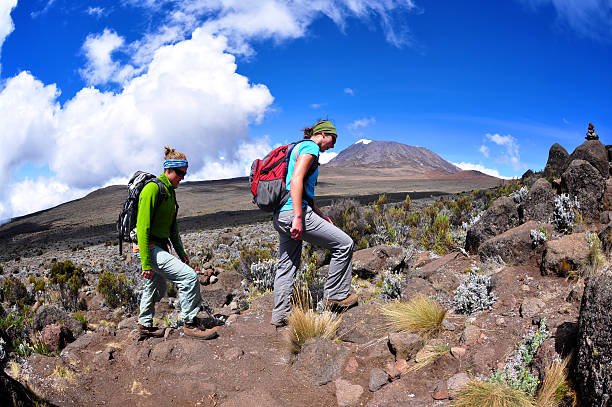
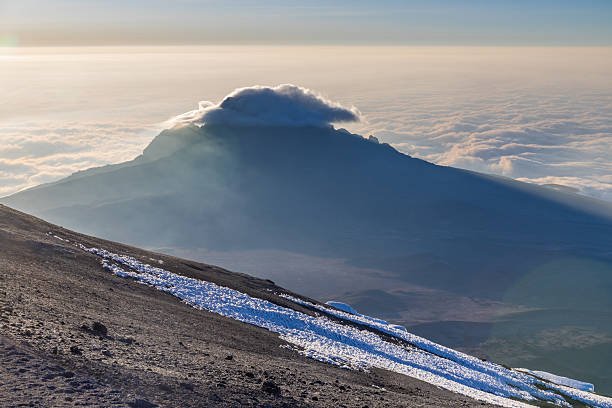
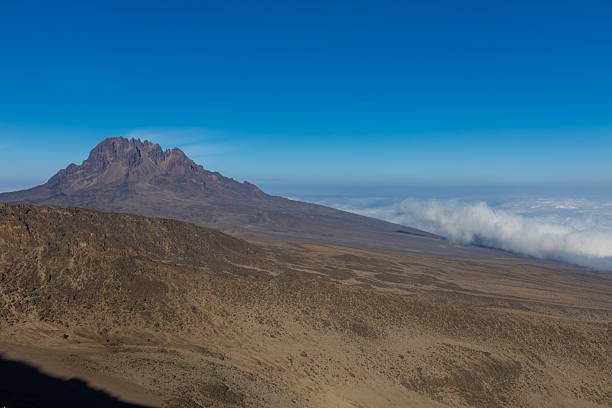
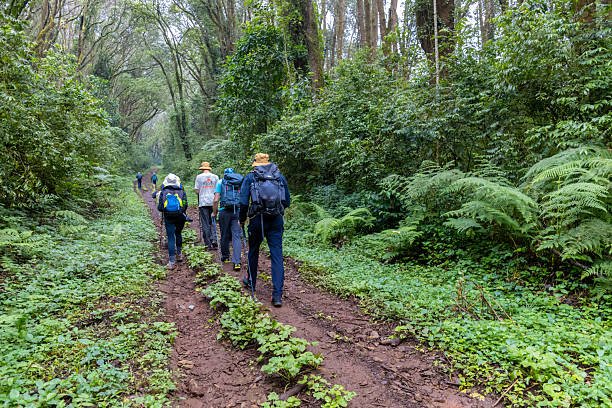
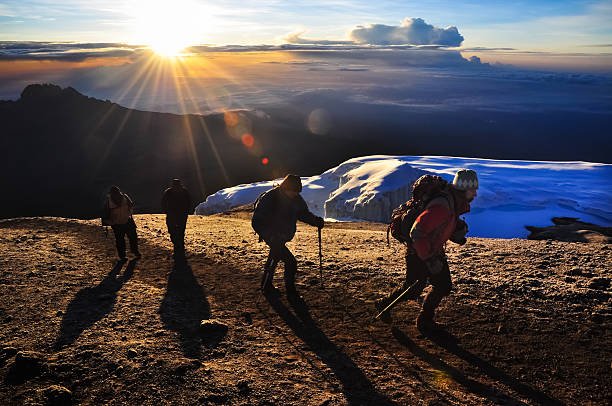
The 4 Day Kilimanjaro Camping Trek is a short guided non summit adventure designed for travellers who want to sleep in tents, experience the open landscapes of Mount Kilimanjaro and spend several consecutive days inside a genuine mountain camp environment.
Because this itinerary is specifically a camping trek, it uses the western Shira Plateau rather than presenting Marangu's hut system as a tent camping experience.
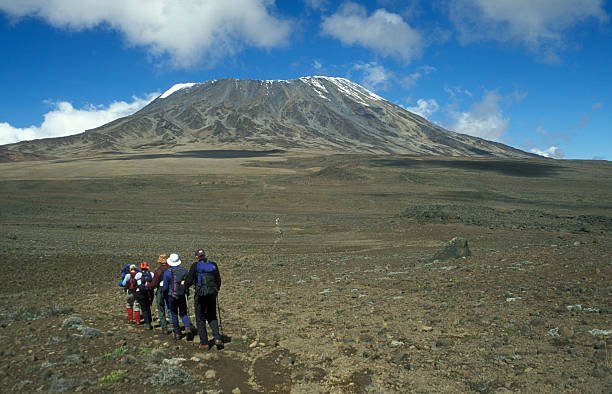
The journey commonly approaches Kilimanjaro from the Londorossi side before continuing by suitable mountain road toward a higher western trailhead. From there, hikers enter the Shira Plateau environment and begin a four day program combining trekking, three tent nights, volcanic scenery, high altitude moorland and controlled exploration.
A practical short structure can use the Shira 1 and Shira 2 areas, with Day 3 dedicated to additional plateau exploration before Day 4 returns toward the western vehicle access. The exact camps and walking objectives should always follow the confirmed itinerary, campsite availability, road conditions, weather and professional guide decisions.
This is intentionally a non summit trek. It is not a four day shortcut to Uhuru Peak.
4 Day Kilimanjaro Camping Trek at a Glance
- Duration: 4 mountain days / 3 camping nights
- Area: Western Kilimanjaro and Shira Plateau
- Access: Commonly Londorossi side
- Accommodation: Mountain tents at confirmed campsites
- Day 1: Western access → high trailhead → Shira camping area
- Day 2: Trek across Shira Plateau toward the next confirmed campsite
- Day 3: Higher Shira Plateau exploration → return to confirmed camp
- Day 4: Return trek toward vehicle access → descend from the mountain
- Main landscape: High altitude moorland and volcanic plateau
- Main challenge: Rapid initial altitude gain
- Technical climbing: No
- Summit attempt: No
Why Does a Kilimanjaro Camping Trek Use the Shira Plateau?
The phrase Kilimanjaro camping trek should describe a real tent based mountain experience.
Marangu is associated with mountain huts, while the western Shira environment naturally supports a camping style itinerary. Using Shira therefore keeps the product description consistent with the actual accommodation experience.
What Makes Shira Suitable for a Short Camping Trek?
- Western mountain access
- Vehicle access to considerably higher elevation where road conditions permit
- Open high altitude terrain
- Established camping areas
- Wide volcanic plateau landscapes
- Possible Kibo views
- Possible Shira Ridge views
- Several options for short guided exploration
- Ability to camp for multiple nights without undertaking a summit expedition
Is This the Same as a Full Shira Route Summit Climb?
No.
A complete Shira summit expedition continues beyond the plateau into additional high mountain stages. The four day camping trek described here deliberately remains a short non summit experience.
This Short Camping Trek Does Not Automatically Include
- Lava Tower
- Barranco Camp
- Barranco Wall
- Karanga Camp
- Barafu Camp
- Stella Point
- Uhuru Peak
- A summit attempt
What Is Special About Camping on Mount Kilimanjaro?
Camping changes the character of a mountain trip.
Instead of ending each day inside permanent hut accommodation, travellers arrive at a mountain campsite where tents, sleeping systems, meals, crew logistics and overnight organization become part of the experience.
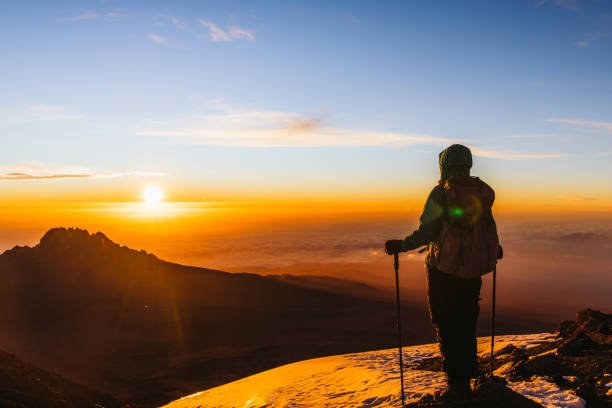
The open Shira landscape can make the campsite feel closely connected to the surrounding mountain environment.
Three Mountain Camping Nights
The exact campsite pattern should be confirmed for the individual booking. A short four day structure can commonly use:
- Night 1: Shira 1 area or another confirmed western campsite
- Night 2: Shira 2 area or another confirmed plateau campsite
- Night 3: Confirmed Shira campsite following Day 3 exploration
Why Are Exact Campsites Important?
A campsite name should not be assumed merely from the tour title.
The written itinerary should identify the planned sleeping locations because walking distance, elevation, crew movements and Day 3 objectives can change depending on the exact campsite sequence.
The Main Challenge: Starting High
One of the biggest differences between a Shira camping trek and lower starting routes is the rapid increase in elevation created by western vehicle access.
Instead of spending the first mountain day gradually climbing through low rainforest, travellers can reach a high trailhead before substantial trekking begins.
High Starting Elevation Changes the Trek
- Walking may begin above 3,000 metres
- Altitude can be noticeable on the first day
- A slow initial pace becomes especially important
- Hikers should communicate symptoms early
- The itinerary should not be treated as easy simply because vehicle access saves lower mountain walking
- Previous altitude exposure can be relevant
Is the 4 Day Kilimanjaro Camping Trek Easy?
No tour on a high mountain should be described as effortless.
The walking may be non technical, but the combination of high starting elevation, changing weather, three tent nights, uneven volcanic ground and consecutive hiking days still requires preparation.
Who Is This Camping Trek Suitable For?
- Travellers who specifically want tent camping
- Hikers who do not need to summit
- Travellers interested in Shira Plateau scenery
- Couples
- Friends
- Solo travellers where a suitable arrangement is available
- Private groups
- Travellers combining Kilimanjaro with safari
- People who have some understanding of high altitude hiking
- Travellers wanting a wilderness style experience rather than hut accommodation
Is It Suitable for Complete Beginners?
Potentially, but the high starting elevation deserves particular consideration.
A beginner with reasonable walking fitness may be physically capable of the trail, yet altitude response cannot be predicted from fitness alone.
Should You Have Previous Altitude Experience?
Previous altitude experience can be useful because the Shira approach begins high, but it does not guarantee how somebody will respond on Kilimanjaro.
Pre Trek Briefing
Preparation is especially important before a camping itinerary because hikers need both walking equipment and a complete overnight sleeping system.
What to Confirm Before Leaving for Shira
Review the Four Day Route
Understand the western access, planned camps, Day 3 exploration and Day 4 exit plan.
Discuss Altitude
Understand that vehicle access can bring the group rapidly to high elevation.
Check Hiking Boots
Use comfortable footwear that has already been tested.
Check Waterproof Clothing
Mountain rain and wind can occur even on an open plateau.
Check Warm Clothing
High altitude evenings can feel cold once the sun disappears.
Confirm the Sleeping Bag
A tent without an appropriate sleeping bag is not a complete sleeping system.
Confirm the Sleeping Mat
Check whether an appropriate mat is supplied.
Confirm the Tent Arrangement
Understand whether tents are shared or single occupancy according to the booking.
Confirm Porter Luggage Arrangements
Know which bag is carried by the crew and which items remain in your daypack.
Confirm Meals and Water
Understand exactly what the mountain package supplies.
Day 1 – Travel to Western Kilimanjaro
The first day usually begins with road transportation toward the western side of Mount Kilimanjaro.
Depending on the confirmed operation, procedures may be completed around the Londorossi side before a suitable mountain vehicle continues higher toward the Shira access point.
Day 1 Morning – Western Access
Pickup From the Confirmed Location
Begin from Moshi, Arusha or another agreed location according to the booking.
Travel Toward Londorossi
Approach Kilimanjaro from the western side.
Complete Applicable Mountain Procedures
Follow the guide and confirmed operator arrangements.
Organize Crew and Luggage
Separate daypack items from overnight camping luggage.
Continue Toward the Higher Trailhead
Vehicle access may continue farther onto the western mountain where road and operating conditions permit.
Begin Monitoring Altitude
The elevation can increase rapidly before substantial hiking begins.
Can the Vehicle Always Reach the Same Shira Starting Point?
Not necessarily.
Rain, road condition, operational decisions and current access arrangements can affect the practical vehicle endpoint. The guide should adapt the walking plan to the actual starting point.
Day 1 – Arriving at High Altitude
The transition from road travel to high mountain walking can feel surprisingly sudden.
Travellers may step from the vehicle into cool, open terrain at an elevation far above Moshi.
Do Not Confuse Vehicle Access With Easy Altitude
Driving higher reduces lower mountain walking, but it also means the body has had less time to adapt gradually. The first hours on Shira should therefore be calm and controlled.
Day 1 – First Trek Across the Shira Plateau
Begin the Camping Trek
Start Slowly
Allow the body time to respond to the sudden elevation change.
Enter Open Moorland
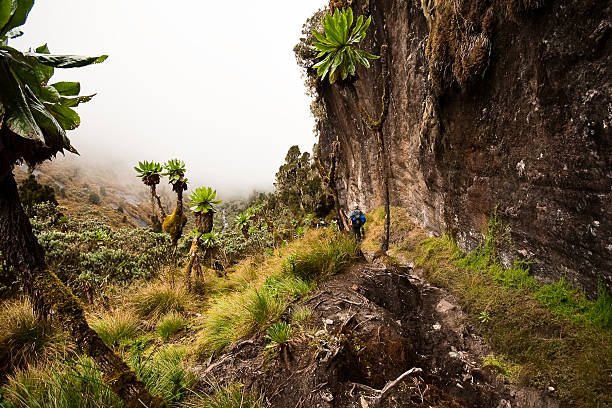
Unlike lower rainforest routes, the Shira environment can feel open almost immediately.
Observe Volcanic Terrain
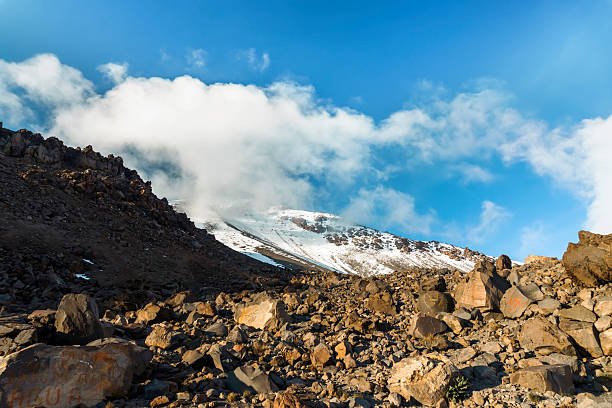
The plateau reveals the ancient volcanic character of Kilimanjaro.
Possible Shira Ridge Views
Clear weather can reveal surrounding western mountain features.
Possible Kibo Views
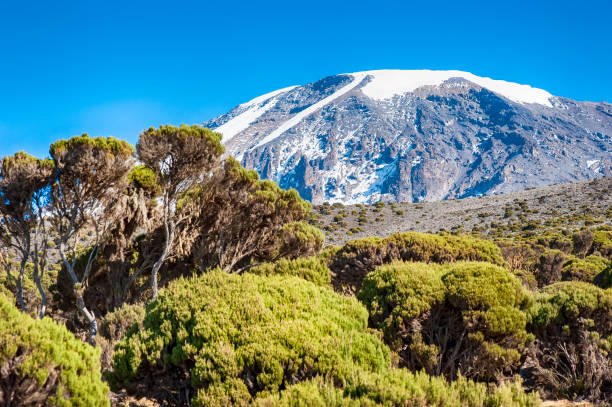
Kibo may dominate the horizon when cloud permits, but views are never guaranteed.
Take Controlled Breaks
Use stops for water, clothing adjustment and health communication.
Continue Toward the Confirmed Campsite
Reach the first overnight area according to the actual route plan.
Night 1 – First Kilimanjaro Camping Experience
The first evening introduces the routines that make a camping trek different from a hut route.
At the First Shira Camp
Locate Your Tent
Use the tent assigned according to the confirmed occupancy arrangement.
Organize the Sleeping Mat
Check that the sleeping surface is correctly arranged.
Prepare the Sleeping Bag
Set up before temperatures fall further.
Change Into Dry Warm Layers
Camping comfort depends heavily on staying dry and warm.
Eat According to the Confirmed Meal Plan
Meals should follow the services stated in the package.
Continue Hydrating
Maintain sensible fluid intake at altitude.
Report How You Feel
The first evening is an important time to discuss altitude response with the guide.
Prepare for a Cold Night
Temperatures can feel considerably colder than in town.
What Does Sleeping in a Kilimanjaro Tent Feel Like?
Tent camping is simple mountain accommodation rather than lodge comfort.
Wind, fabric movement, colder air and a compact sleeping space are normal parts of the experience.
Is the Tent Private?
Only where single tent occupancy is specifically confirmed.
A private trekking booking does not automatically mean that each traveller receives an individual tent.
Is the Campsite Private?
No. Other trekking parties may use the same established camping area.
Does a Tent Include a Sleeping Bag?
Not automatically. Tent, sleeping mat and sleeping bag are separate components and should each be confirmed.
Day 2 – Wake Up on the Shira Plateau
The second morning begins already at high altitude.
Before walking, the guide should consider how each traveller slept and whether anybody developed symptoms overnight.
Day 2 Morning Camp Routine
Assess Sleep
High altitude can affect sleep quality.
Assess Headache or Nausea
Tell the guide about concerning changes rather than hiding them.
Pack Sleeping Equipment
Follow the crew arrangement for overnight luggage.
Prepare Warm Layers
Morning temperatures can be cool before sunshine strengthens.
Eat Breakfast Where Included
Use the confirmed meal plan.
Prepare Drinking Water
Follow the package water arrangement.
Begin at a Controlled Pace
Day 2 remains a high altitude trekking day even when terrain appears gentle.
Day 2 – Trek Across the Shira Plateau
Day 2 provides more time to appreciate the scale of the plateau.
The route can cross broad moorland toward the next confirmed camping area, with the exact line adapted to the itinerary.
Day 2 Plateau Trekking
Walk Through Open High Country
Experience broad terrain with little of the enclosed feeling associated with rainforest routes.
Notice Volcanic Formations
The Shira landscape reflects Kilimanjaro's ancient volcanic history.
Possible Kibo Views
Clear weather may reveal Kibo prominently ahead.
Possible Shira Ridge Views
Western geological features can become visible during clear conditions.
Manage Sun Exposure
Open terrain provides limited natural shade.
Manage Wind
A warm layer or shell may be needed even during daylight.
Monitor Altitude Response
Do not confuse relatively open terrain with low physical stress.
Reach the Second Campsite
Complete the planned Day 2 objective according to the confirmed itinerary.
Day 2 Scenic Character
The Shira Plateau is less about dense vegetation and more about space, volcanic landforms, changing cloud, long mountain horizons and the possibility of Kibo appearing dramatically above the campsite.
Can Day 2 Include Shira Cathedral?
Potentially where the exact route, campsite plan, weather, group fitness and guide judgment make it suitable.
Shira Cathedral should not be advertised as guaranteed unless it is specifically included in the confirmed itinerary.
What Is Shira Cathedral?
Shira Cathedral is a prominent feature associated with the western plateau and ancient Shira volcanic landscape.
For a short camping trek, it can provide an attractive exploration objective where the route permits.
Night 2 – Camping Deeper on the Plateau
Second Mountain Camp
Arrive at the Confirmed Campsite
Follow the specific sleeping location in the itinerary.
Settle Into the Tent
Organize sleeping gear before the evening becomes colder.
Change Into Dry Layers
Keep the sleeping system as dry as possible.
Eat According to the Package
Use the meal arrangement provided by the confirmed trek.
Continue Hydrating
Prepare for Day 3 exploration.
Discuss Health With the Guide
Altitude awareness remains central to the short Shira itinerary.
Prepare Day 3 Equipment
The following day can involve higher or longer exploration depending on conditions.
Can You See Stars From Shira Camp?
Clear nights can provide impressive skies, but stars, moonlight and visibility are weather dependent and cannot be guaranteed.
Can You See Sunrise?
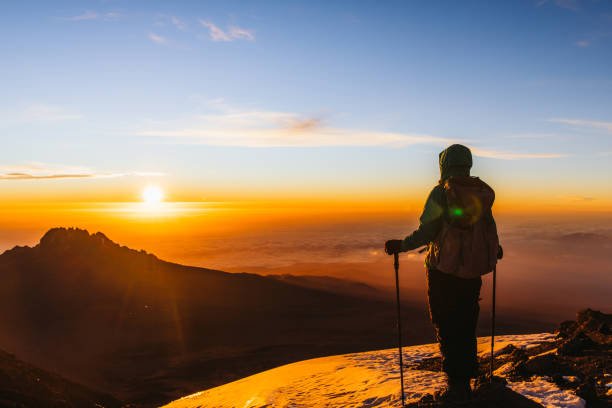
Potentially during clear morning conditions, but a clear sunrise should not be promised.
Day 3 – Higher Shira Plateau Exploration
The third day provides the main exploration opportunity of the four day camping trek.
Rather than continuing into the normal summit route, hikers use the day to explore an appropriate section of the Shira Plateau and return to a confirmed camping base.
Day 3 Principle: Explore Without Turning the Trek Into a Summit Route
- Begin from the confirmed Shira campsite
- Complete a morning health assessment
- Carry a practical daypack
- Explore selected plateau terrain
- Potentially visit a Shira geological objective where confirmed
- Gain additional hiking experience at altitude
- Follow the guide selected turnaround point
- Return toward the confirmed overnight camp
- Sleep in tents for the third night
Why Is Day 3 Useful?
A four day camping trek should provide more than simply stretching a shorter trip by adding another night.
Day 3 creates additional time for walking, photography, geological exploration and high altitude experience while remaining inside the scope of a non summit trek.
Day 3 Morning Health Check
Before Additional Altitude Exposure
Assess Sleep
Tell the guide if the previous night was unusually difficult.
Assess Headache
Report unusual or worsening symptoms.
Assess Nausea and Appetite
Changes can be important at altitude.
Assess General Energy
Day 3 objectives can be adjusted when necessary.
Prepare Water
Follow the confirmed water arrangement.
Pack Warm and Waterproof Layers
Open plateau weather can change quickly.
Confirm the Turnaround Plan
Understand that the group returns rather than continuing indefinitely eastward.
What Altitude Symptoms Should Be Reported?
- Unusual or worsening headache
- Nausea
- Vomiting
- Dizziness
- Unusual weakness
- Poor coordination
- Confusion
- Unusual breathing difficulty
- Any rapidly worsening condition
Can Fit People Experience Altitude Problems on Shira?
Yes. Fitness and altitude tolerance are different.
Should You Hide Symptoms to Avoid Missing Day 3?
No. The guide can only make informed decisions when travellers communicate honestly.
Day 3 – Explore Volcanic Kilimanjaro
High Plateau Hiking
Leave Camp at a Controlled Pace
Do not begin fast simply because overnight luggage is left with the camp operation.
Cross Open Moorland
Experience wide landscapes and changing mountain light.
Explore Volcanic Ground
Notice ridges, rock formations and the plateau's ancient geological character.
Possible Kibo Views
Clear weather may provide striking views toward the main Kibo cone.
Possible Shira Ridge Views
Western features can provide another strong scenic element.
Possible Shira Cathedral Exploration
This may form part of the day where specifically planned and conditions permit.
Monitor Weather
Open terrain can expose hikers quickly to wind, rain or cloud.
Monitor Altitude Response
Report meaningful changes to the guide.
Reach the Planned Turnaround Point
The objective is exploration rather than pushing toward the summit route.
Does Day 3 Reach Lava Tower?
Not in the standard short camping trek described here.
Lava Tower belongs farther into the normal high mountain progression and should not be inserted simply to make the four day itinerary sound more extreme.
Does the Trek Reach Barranco Camp?
No in this short non summit structure.
Does the Trek Climb Barranco Wall?
No.
Does the Trek Reach Barafu?
No.
Does the Trek Reach Stella Point?
No.
Does the Trek Reach Uhuru Peak?
No.
Can You Decide to Summit Because You Feel Strong?
No. A four day plateau camping itinerary should not be converted spontaneously into a summit expedition.
Day 3 – Return to Camp
Complete the Exploration Loop
Turn Around at the Guide Selected Point
Do not continue farther simply because additional trail exists.
Return Across the Plateau
Experience the landscape from another direction.
Watch Weather Changes
Cloud can move quickly across open terrain.
Continue Hydrating
Maintain the day's fluid routine.
Return to the Confirmed Campsite
Complete the third hiking day at the overnight base.
Night 3 – Final Night Camping on Kilimanjaro
The third night is the final opportunity to experience the plateau campsite before returning toward vehicle access the following day.
Final Camping Evening
Change Into Warm Dry Clothing
Protect warmth after the Day 3 hike.
Organize the Tent
Prepare equipment for an efficient departure the following morning.
Eat According to the Meal Plan
Use the services stated in the confirmed package.
Continue Hydrating
Prepare for the final hiking day.
Check Feet and Legs
Address blisters or soreness before Day 4.
Prepare Rainwear
The final day can still experience changing weather.
Review the Vehicle Meeting Plan
Understand where the walking section is expected to finish.
Day 4 – Final Shira Plateau Trek
The fourth morning begins with breaking the final camp and preparing to return toward the western road access.
The precise route depends on where the group slept on Night 3 and where current vehicle access allows the mountain section to finish.
Day 4 Morning – Leave the Final Camp
Wake at High Altitude
Begin the final day after three tent nights.
Complete a Health Check
Report remaining symptoms or physical concerns.
Pack the Sleeping System
Follow the crew luggage arrangement.
Breakfast Where Included
Eat before beginning the final walk.
Prepare the Daypack
Keep water, rainwear and personal essentials accessible.
Begin the Return Trek
Follow the guide toward the confirmed vehicle access point.
Day 4 – Walk Back Across the Western Mountain
Final Plateau Experience
Leave the Campsite Behind
Begin returning through open Shira terrain.
Possible Final Kibo View
Clear weather may provide another look toward Kibo.
Possible Final Shira Ridge View
Western landmarks may remain visible during the return.
Control Downhill Sections
Do not rush merely because the trek is nearing completion.
Continue Hydrating
Physical effort remains significant until the walking stage ends.
Approach the Vehicle Access
Follow the confirmed exit plan and actual road conditions.
The Trek Ends When the Mountain Walking Ends
After several days of open plateau hiking and tent camping, meeting the vehicle marks the transition from mountain trekking back to road travel.
Day 4 – Vehicle Descent From Western Kilimanjaro
Where the itinerary uses vehicle access onto Shira, the final mountain exit can combine walking with road descent from the western side.
The exact pickup point should not be assumed in advance because mountain road conditions can affect where the vehicle can practically reach.
Can the Trek Finish in Moshi?
Yes where the package includes transportation back to Moshi.
Can It Finish in Arusha?
Potentially where an Arusha transfer has been arranged.
Can You Go Directly to Kilimanjaro International Airport?
Potentially where airport transportation and realistic timing are confirmed.
Should You Book a Tight Flight After Day 4?
Avoid an unnecessarily tight flight.
Final timing depends on the walking stage, mountain road conditions, vehicle access, procedures and road transportation after leaving Kilimanjaro.
Camping Equipment for the 4 Day Trek
Camping Components to Confirm Separately
- Sleeping tent
- Tent occupancy
- Sleeping mat
- Sleeping bag
- Dining tent where included
- Tables and chairs where included
- Cooking equipment
- Crew tents and camp logistics
- Portable toilet where specifically included
Does “Camping Included” Mean Sleeping Bag Included?
No. Always check separately.
Does It Mean Sleeping Mat Included?
Only where confirmed.
Does It Mean a Single Tent?
No. Tent occupancy must be confirmed.
Does a Private Trek Mean a Private Campsite?
No. Established campsites can be shared with other trekking parties.
Does Private Mean a Private Tent?
Not automatically. Single tent occupancy should be specifically requested and confirmed.
Does the Camping Trek Include a Private Toilet?
Only where a private portable toilet is specifically listed in the package.
What Is Camp Life Like?
Camp life follows a practical routine built around weather, food, rest and the next day's trekking plan.
Typical Evening Routine
- Arrive at camp
- Locate your tent
- Collect overnight luggage
- Change into warm dry layers
- Organize sleeping equipment
- Eat according to the confirmed meal plan
- Hydrate
- Discuss health with the guide
- Receive the following day's briefing
- Prepare clothing and daypack
- Rest
Can You Shower at Camp?
Do not expect hotel style shower facilities unless a specific service is confirmed.
Can You Charge Electronics at Camp?
Do not depend on reliable mountain charging. Carry an appropriate power bank.
Is There Mobile Network on Shira Plateau?
Do not depend on consistent mobile connectivity. Mountain coverage can be unreliable or unavailable depending on location and conditions.
Weather on a Shira Camping Trek
Open plateau camping exposes travellers more directly to mountain weather than a hut based experience.
Prepare for Changing Conditions
- Strong sunshine
- Cloud
- Mist
- Rain
- Wind
- Cold mornings
- Cold evenings
- Rapid temperature changes
- Rapid visibility changes
Is Kibo Visible Every Day?
No. Cloud can completely hide Kibo even when the group is camping directly on the Shira Plateau.
Is Sunset Guaranteed?
No. Weather determines visibility.
Is Sunrise Guaranteed?
No.
Is Snow Guaranteed?
No. This short plateau itinerary should not be marketed around guaranteed snow encounters.
4 Day Kilimanjaro Camping Trek Packing List
Recommended Personal Trekking Equipment
- Comfortable hiking boots
- Hiking socks
- Trekking trousers
- Breathable shirts
- Warm fleece or mid layer
- Insulated jacket
- Waterproof jacket
- Waterproof trousers
- Warm hat
- Sun hat
- Warm gloves
- Personal daypack
- Duffel or overnight bag according to porter arrangement
- Appropriate sleeping bag where not supplied
- Headlamp
- Personal medication
- Personal toiletries
- Drinking water according to package arrangements
- Snacks where useful
- Sunglasses
- Sun protection
- Trekking poles
- Power bank
- Waterproof internal packing
- Required travel and mountain documents
What Should Stay in the Daypack?
- Water
- Waterproof jacket
- Waterproof trousers
- Warm layer
- Gloves where required
- Sun protection
- Sunglasses
- Personal medication
- Snacks where useful
- Phone or camera
- Small personal valuables
Can Trekking Equipment Be Rented?
Potentially where suitable rental equipment is available.
Possible Rental Items
- Sleeping bag
- Trekking poles
- Gaiters
- Duffel bag
- Warm jacket
- Waterproof jacket
- Waterproof trousers
What Can Be Included in the Camping Trek?
Core Services to Confirm in Writing
- Professional mountain guide
- Applicable mandatory mountain related charges
- Western Kilimanjaro road transfers
- Suitable mountain vehicle access where required
- Four days of guided trekking
- Three mountain tent nights
- Sleeping tents
- Sleeping mats where confirmed
- Dining tent where included
- Tables and chairs where included
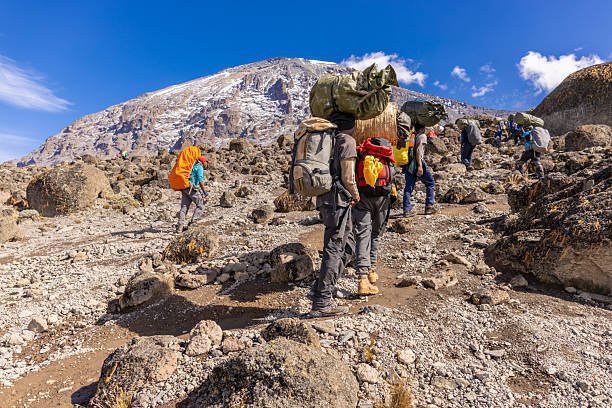
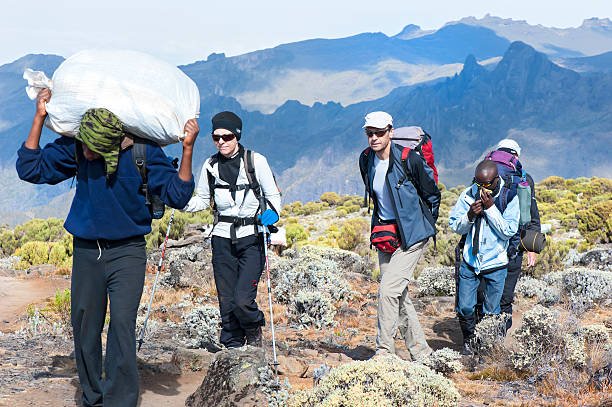
- Guide, cook and porter services according to the package
- Meals listed in the itinerary
- Drinking water according to the package
- Return transportation after Day 4
Possible Exclusions
- International flights
- Domestic flights
- Visa expenses
- Travel insurance
- Personal trekking clothing
- Sleeping bag unless specifically included
- Rental equipment unless specifically included
- Single tent unless confirmed
- Private portable toilet unless confirmed
- Pre trek hotel unless confirmed
- Post trek hotel unless confirmed
- Airport transfers unless confirmed
- Tips where separate
- Personal expenses
- Safari unless included
- Zanzibar arrangements unless included
Are Porters Included?
Only where porter services are specified in the booking.
Is a Cook Included?
Only where cook services are confirmed as part of the camping package.
Are Meals Included?
Only meals specifically stated in the itinerary should be treated as included.
Is Drinking Water Included?
Only where the package confirms the mountain water arrangement.
Is a Dining Tent Included?
Only where listed in the package.
Are Tables and Chairs Included?
Only where specifically stated.
Can the Camping Trek Be Private?
Yes where a private booking is confirmed.
Can It Be Group Joining?
Potentially where a suitable scheduled four day camping departure exists.
Does Private Mean Nobody Else Will Be at the Campsite?
No.
Can Solo Travellers Book?
Potentially through a private arrangement or suitable group departure.
Can Couples Book?
Yes.
Can Families Book?
Potentially subject to age, fitness, altitude suitability and applicable mountain requirements.
4 Day Camping Trek vs Marangu Hut Trek
Main Differences
Camping Trek: Western Shira setting, tents, mobile camp logistics, high starting elevation and open plateau scenery.
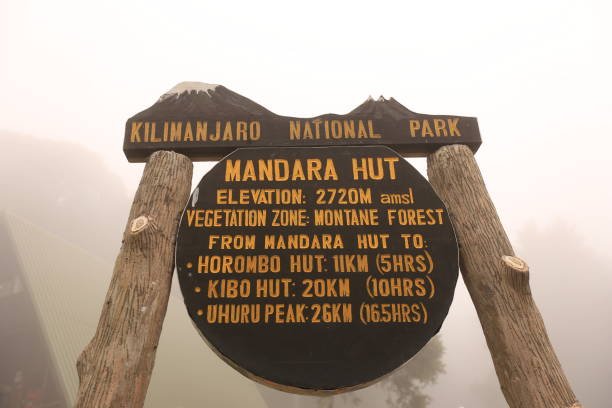
Marangu Short Trek: Lower rainforest start, Mandara and Horombo hut accommodation and a more gradual initial elevation profile.
Which Is Better for Camping Lovers?
The Shira based format is the clearer choice when sleeping in tents is an important part of the travel experience.
Which Has More Rainforest Hiking?
A lower starting Marangu itinerary spends more trekking time inside rainforest. The Shira approach uses vehicle access to reach higher terrain and therefore emphasizes open plateau environments.
Which Has Faster Altitude Gain?
The Shira approach typically introduces travellers to high elevation much more rapidly.
Can the Trek Combine With Safari?
Yes. A four day Kilimanjaro camping experience can fit before or after a Northern Tanzania safari when enough transfer and recovery time is allowed.
Can You Add Tarangire?
Yes.
Can You Add Ngorongoro?
Yes.
Can You Add Serengeti?
Yes.
Can You Continue to Zanzibar?
Yes as part of a wider Tanzania itinerary.
4 Day Kilimanjaro Camping Trek Booking Checklist
Confirm Before Booking
- Exact trekking dates
- Number of travellers
- Private or group joining arrangement
- Western Shira itinerary
- Starting pickup location
- Londorossi side transfer
- Mountain vehicle arrangement
- Exact Day 1 trailhead
- Night 1 campsite
- Day 2 route
- Night 2 campsite
- Day 3 exploration objective
- Whether Shira Cathedral is specifically included
- Night 3 campsite
- Day 4 walking route
- Day 4 vehicle meeting point
- Professional mountain guide
- Applicable mandatory mountain related charges
- Porter services
- Cook services
- Luggage allowance
- Sleeping tent
- Tent occupancy
- Sleeping mat
- Sleeping bag
- Dining tent
- Tables and chairs where applicable
- Private portable toilet where requested
- Meals
- Drinking water
- Rental equipment
- Return transportation
- Final drop off location
- Pre trek hotel where applicable
- Post trek hotel where applicable
- Airport transfers where applicable
- Travel insurance responsibility
- Tips guidance
- Total price
- Deposit requirement
- Balance due date
- Payment method
- Cancellation conditions
- Rescheduling conditions
Common 4 Day Kilimanjaro Camping Trek Mistakes
Avoid These Mistakes
- Using a Marangu hut itinerary and calling it camping
- Assuming the Shira start is low altitude
- Underestimating rapid elevation gain
- Walking too fast immediately after leaving the vehicle
- Ignoring altitude symptoms
- Assuming fitness guarantees altitude tolerance
- Expecting a fixed vehicle endpoint regardless of road conditions
- Assuming Shira Cathedral is guaranteed
- Trying to reach Lava Tower unnecessarily
- Trying to convert the trek into a summit route
- Assuming the campsite is private
- Assuming a private booking includes a single tent
- Assuming a tent automatically includes a sleeping bag
- Not confirming the sleeping mat
- Packing insufficient warm clothing
- Packing insufficient waterproof protection
- Depending on reliable mountain charging
- Expecting guaranteed Kibo views
- Booking an unnecessarily tight flight after Day 4
Mistake: Thinking Driving Higher Makes the Trek Easier in Every Way
Vehicle access reduces lower mountain walking, but rapid elevation gain can make altitude adaptation more challenging. The route should therefore be approached slowly.
Mistake: Packing for a Hotel Instead of a Tent
Three nights in a mountain tent require proper warm clothing, a suitable sleeping system, organized waterproof packing and realistic expectations about comfort.
Mistake: Assuming “Private” Means an Empty Campsite
A private trekking party can still share established mountain camping areas with other groups.
Mistake: Trying to Reach the Summit Because Kibo Looks Close
Mountain scale can be deceptive. Seeing Kibo from the plateau does not mean the summit is a reasonable extension of a four day camping itinerary.
4 Day Kilimanjaro Camping Trek FAQs
What is a 4 Day Kilimanjaro Camping Trek?
It is a short non summit Kilimanjaro itinerary using tent accommodation and western Shira Plateau trekking over four mountain days.
Which side of Kilimanjaro does it use?
The itinerary described here uses western Kilimanjaro.
Does it use the Marangu Route?
No. A camping focused short itinerary is better structured around the western Shira area rather than Marangu's hut system.
Does it use the Shira Plateau?
Yes.
Does the trip go through Londorossi?
Western access commonly uses the Londorossi side, subject to the confirmed operating plan.
Do we drive onto the mountain?
The Shira approach commonly uses suitable vehicle access toward a higher western trailhead where conditions permit.
Can the vehicle endpoint change?
Yes. Road and mountain conditions can affect practical access.
Does hiking start at high altitude?
Yes. The Shira approach generally begins trekking at considerably higher elevation than lower starting routes.
What is the main difficulty?
Rapid altitude exposure is one of the most important challenges.
How many nights do we camp?
Three.
Do we sleep in tents?
Yes in the camping itinerary described here.
Is the tent included?
Only where specifically included in the package.
Is the sleeping mat included?
Only where confirmed.
Is a sleeping bag included?
Not automatically.
Can I rent a sleeping bag?
Potentially where suitable rental equipment is available.
Do I get my own tent?
Only where single tent occupancy is specifically confirmed.
Is the campsite private?
No.
Can other groups camp nearby?
Yes.
Is a dining tent included?
Only where specified in the booking.
Are tables and chairs included?
Only where confirmed.
Is a private portable toilet included?
Only where specifically confirmed.
Are porters included?
Only where porter services are written into the package.
Is a cook included?
Only where specifically confirmed.
Are meals included?
Only meals listed in the confirmed itinerary should be expected.
Is drinking water included?
Only where specified in the package.
What happens on Day 1?
The group travels toward western Kilimanjaro, continues toward the high Shira trailhead where conditions permit and begins trekking toward the first campsite.
What happens on Day 2?
The trek crosses more of the Shira Plateau toward the next confirmed camping area.
What happens on Day 3?
Day 3 is used for additional guided plateau exploration before returning to the confirmed campsite.
Can Day 3 include Shira Cathedral?
Potentially where specifically planned and conditions permit.
Is Shira Cathedral guaranteed?
No.
What happens on Day 4?
The group returns toward the western vehicle access before descending from Kilimanjaro by the confirmed transport arrangement.
Does the trek reach Lava Tower?
Not in the standard short non summit structure described here.
Does it reach Barranco?
No.
Does it climb Barranco Wall?
No.
Does it reach Karanga?
No.
Does it reach Barafu?
No.
Does it reach Stella Point?
No.
Does it reach Uhuru Peak?
No.
Is this a summit trek?
No.
Can I turn it into a summit trek after starting?
Not within the standard four day itinerary described here.
Can I see Kibo?
Potentially during clear conditions.
Are Kibo views guaranteed?
No.
Can I see Shira Ridge?
Potentially from suitable sections when visibility allows.
Is sunrise guaranteed?
No.
Are stars guaranteed?
No. Cloud and weather can limit night sky visibility.
Can it rain on Shira Plateau?
Yes.
Can it be windy?
Yes. Open plateau terrain can be exposed.
Can nights be cold?
Yes.
Do I need waterproof clothing?
Suitable waterproof protection is recommended.
Do I need warm clothing?
Yes.
Do I need hiking boots?
Suitable trekking footwear is strongly recommended.
Do I need trekking poles?
They can be useful on uneven or downhill terrain.
Do I need a headlamp?
Yes, a headlamp is useful during tent camping nights.
Can I charge my phone?
Do not depend on reliable mountain charging. Carry a power bank.
Can altitude affect me on Day 1?
Yes. The Shira approach introduces hikers to high elevation rapidly.
Can fit hikers get altitude symptoms?
Yes.
Should I report a headache?
Yes, particularly if it is unusual, worsening or accompanied by other concerning symptoms.
Should I report nausea or dizziness?
Yes.
Can the guide shorten Day 3?
Yes where health, weather, timing or another professional consideration requires it.
Can the guide change a campsite?
Operational adjustments can sometimes be necessary according to mountain conditions and the permitted arrangements.
Can beginners book?
Potentially, but they should understand the rapid altitude exposure and prepare appropriately.
Can solo travellers book?
Potentially, yes.
Can couples book?
Yes.
Can families book?
Potentially subject to age, fitness, altitude suitability and applicable requirements.
Can the trek be private?
Yes where specifically arranged.
Can it be group joining?
Potentially where a suitable departure exists.
Does private mean a private campsite?
No.
Does private mean a single tent?
Not automatically.
Are hotels included?
Not automatically.
Are airport transfers included?
Not automatically.
Can the trek start from Moshi?
Yes where transportation from Moshi is included.
Can it start from Arusha?
Potentially where an Arusha transfer is arranged.
Can I add a safari?
Yes.
Can I add Tarangire?
Yes.
Can I add Ngorongoro?
Yes.
Can I add Serengeti?
Yes.
Can I continue to Zanzibar?
Yes as part of a wider Tanzania itinerary.
Should I fly immediately after Day 4?
Avoid an unnecessarily tight onward flight because walking, mountain road and transfer timing can vary.
Why choose a 4 Day Kilimanjaro Camping Trek instead of a hut tour?
Travellers who specifically want the experience of sleeping in tents and living inside a mountain camp may prefer the Shira based camping format. The itinerary exchanges Marangu's lower rainforest and hut nights for western vehicle access, open high altitude moorland, volcanic scenery and three nights in tents. Camp routines, sleeping equipment, crew logistics and exposed plateau weather become a more central part of the experience.
Why is altitude such an important subject on the Shira Plateau?
Western vehicle access can move travellers from relatively low elevation to well above 3,000 metres in a comparatively short period. This saves time but reduces the gradual lower mountain approach used on routes that begin near the rainforest. Hikers should therefore begin slowly, hydrate sensibly, communicate honestly about symptoms and allow the professional guide to modify the day's objective where necessary. Strong fitness does not guarantee altitude tolerance.
What is the best part of the camping experience?
Different travellers value different aspects. Some prefer waking inside a tent to an open view of the plateau. Others enjoy the broad volcanic landscapes, the feeling of being away from permanent accommodation, evening camp routines, possible views toward Kibo or the quieter rhythm of spending several days with the same trekking crew. No single view or weather condition can be guaranteed, but camping itself provides the defining character of the itinerary.
So what is the complete 4 Day Kilimanjaro Camping Trek?
The complete 4 Day Kilimanjaro Camping Trek is a short guided non summit adventure designed around western Kilimanjaro and the Shira Plateau rather than Marangu's mountain huts. Before departure, travellers should complete an equipment check that covers hiking boots, rain protection, warm layers, daypack organization and the entire sleeping system. Tent, sleeping mat and sleeping bag should each be confirmed separately because one does not automatically include the others. Day 1 normally begins with pickup from the confirmed location and transportation toward the Londorossi side of Kilimanjaro. After the applicable mountain procedures, a suitable mountain vehicle may continue higher toward the Shira access point where current road and operating conditions permit. This vehicle ascent is one of the most important characteristics of the itinerary because travellers can arrive at high altitude before substantial trekking begins. The walking therefore starts slowly. Open moorland, volcanic ground and broad Shira Plateau scenery replace the dense lower rainforest associated with other routes. Kibo and the Shira Ridge may become visible when weather permits, but cloud can hide the mountain completely. The group continues toward the first confirmed camping area. At camp, travellers move into their assigned tents, organize sleeping mats and sleeping bags, change into dry warm clothing, eat according to the confirmed meal plan and discuss altitude response with the professional guide. Night 1 introduces the reality of mountain camping: colder air, wind, compact sleeping space and a direct connection with the outside environment. Day 2 begins with a health assessment before the group continues across more of the Shira Plateau. The landscape remains open and high, with volcanic formations, changing cloud, strong sunlight and possible wind. The guide maintains a controlled pace because apparently gentle terrain can still be demanding at elevation. Depending on the exact route plan, the group may move toward a Shira 2 style camping area and may incorporate additional exploration such as the Shira Cathedral direction where specifically planned. The second evening is spent in tents again, with warm layers, hydration, food and equipment preparation becoming part of the established camp routine. Day 3 provides the main exploration opportunity. After assessing how everybody responded to the previous nights at altitude, the guide selects an appropriate plateau objective. Overnight camp equipment can remain with the main operation while travellers use daypacks containing water, waterproof clothing, warm layers, sun protection and personal medication. The group walks through higher or more remote sections of the plateau, experiencing volcanic ground and potentially dramatic perspectives toward Kibo or the western ridge during clear weather. A Shira Cathedral exploration may be incorporated where the confirmed itinerary and mountain conditions allow. The objective is not to force progress toward Lava Tower, Barranco or the summit route. The professional guide determines the appropriate turnaround point, and the group returns to the confirmed camping area for its third mountain night. Day 4 begins with the final camp breakdown and a health check before travellers start trekking back toward the western vehicle access. The precise walking route and vehicle meeting point depend on the campsite sequence, current road conditions and confirmed operation. Hikers should continue at a controlled pace even though the mountain journey is almost complete. After reaching the vehicle, the experience transitions from trekking back to road transportation and continues toward the final destination included in the booking. The four day itinerary does not include Lava Tower, Barranco Camp, Barranco Wall, Karanga, Barafu, Stella Point or Uhuru Peak and should not be promoted as a summit shortcut. Professional guiding, applicable mountain charges, vehicle access, porters, cook services, sleeping tents, tent occupancy, sleeping mats, sleeping bags, dining equipment, meals, drinking water, private portable toilet, hotel accommodation, airport transfers and rental equipment should each be confirmed through the written quotation. The defining value of the 4 Day Kilimanjaro Camping Trek is its combination of real tent camping and high plateau hiking: travelling into western Kilimanjaro, entering the Shira landscape at altitude, spending three nights under canvas, exploring open volcanic terrain over several days and returning from the mountain without turning a short camping experience into an unrealistic summit expedition.
Camp on Kilimanjaro's Shira Plateau
Spend four mountain days exploring western Kilimanjaro, sleep three nights in tents, cross open volcanic moorland and experience the Shira Plateau without undertaking a full summit expedition.
Book Your 4 Day Kilimanjaro Camping Trek