6 Day Kilimanjaro Summit Trek via Machame Route
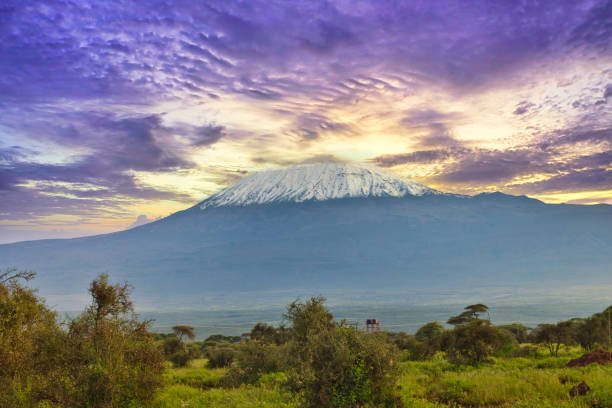
The 6 Day Kilimanjaro Summit Trek follows the Machame Route, one of Mount Kilimanjaro's most recognised trekking trails. The route approaches the mountain from the southwest and crosses several ecological zones before reaching Barafu Camp for the final ascent toward Uhuru Peak.
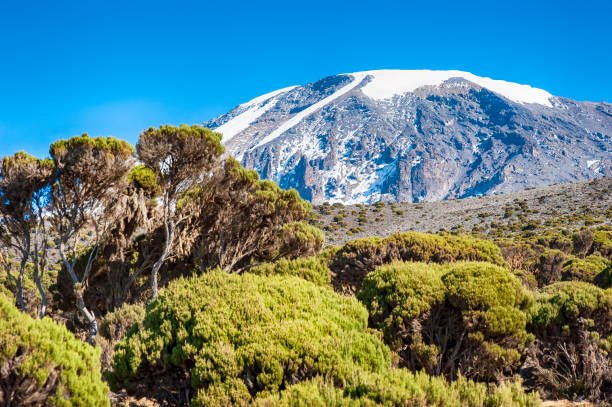
During the six mountain days, climbers experience rainforest, heath and moorland, alpine desert and the extreme high altitude environment near the summit. Important locations include Shira Plateau, Lava Tower, Barranco Wall, Karanga Valley, Barafu Camp, Stella Point and Uhuru Peak at 5,895 metres.
6 Day Kilimanjaro Summit Trek at a Glance
- Day 1: Machame Gate to Machame Camp
- Day 2: Machame Camp to Shira Camp
- Day 3: Shira Camp to Lava Tower and Barranco Camp
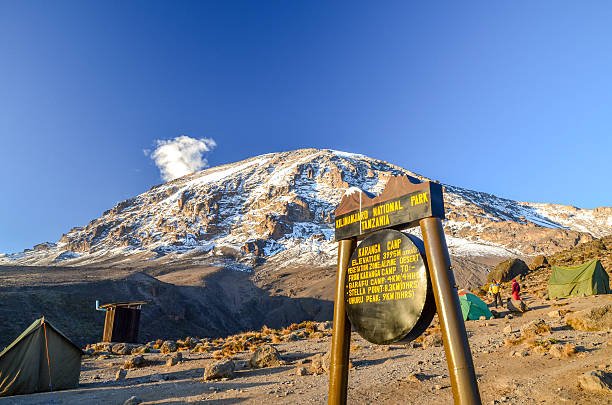
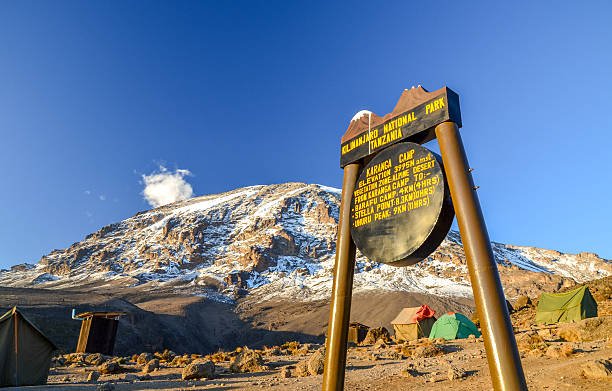
- Day 4: Barranco Camp through Karanga to Barafu Camp
- Day 5: Barafu Camp to Uhuru Peak and Mweka Camp
- Day 6: Mweka Camp to Mweka Gate
What to Expect on the 6 Day Kilimanjaro Summit Trek
The six day Machame itinerary is a demanding trekking program that combines dramatic scenery with significant altitude gain. It includes the important Lava Tower acclimatisation stage but provides less overall adjustment time than the 7 day Machame Route.
Day 4 is particularly demanding because climbers travel from Barranco through Karanga and continue to Barafu Camp on the same day. The following night begins the final summit attempt toward Stella Point and Uhuru Peak.
Complete 6 Day Kilimanjaro Summit Trek Itinerary
DAY
01
MACHAME GATE
Machame Gate to Machame Camp
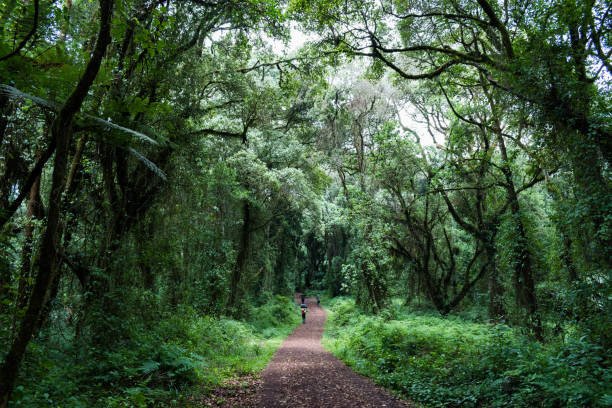
Your Kilimanjaro summit adventure begins with transportation from Moshi to Machame Gate. After completing registration and organising the mountain crew, you enter Kilimanjaro National Park and begin trekking through the rainforest.
The trail climbs gradually through dense vegetation, tall trees, moss and ferns. Rain can occur within this ecological zone, so waterproof clothing should remain easily accessible.
Your guide establishes a slow and steady walking pace from the beginning. Conserving energy and allowing your body to adjust gradually are important throughout the climb.
After several hours of hiking, you reach Machame Camp for dinner and your first overnight stay on Mount Kilimanjaro.
Day Highlights
- Machame Gate registration
- Rainforest trekking
- Gradual altitude gain
- First mountain camp
Accommodation
Machame Camp in mountain tents.
Meals
Lunch and dinner.
Terrain
Humid mountain rainforest with a steadily ascending trail.
DAY
02
SHIRA PLATEAU
Machame Camp to Shira Camp
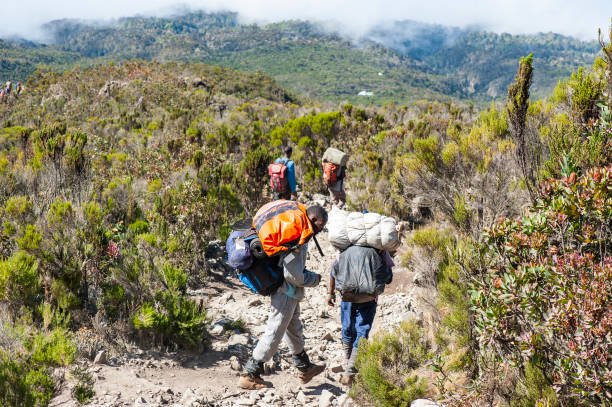
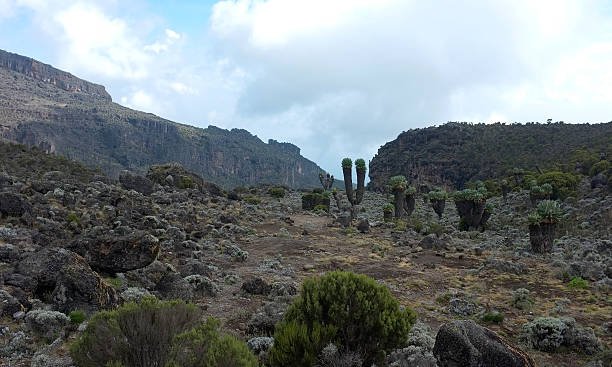
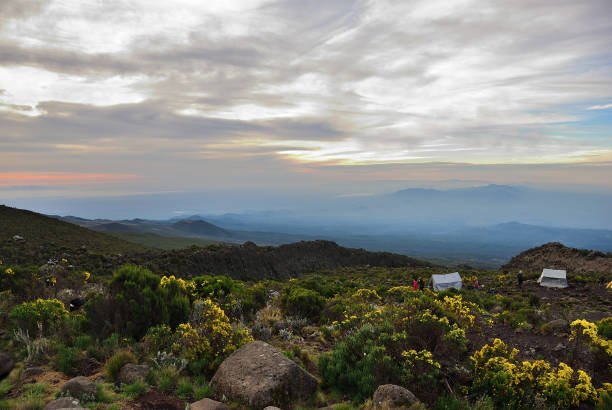
After breakfast, continue climbing as the rainforest gradually disappears. The route enters the heath and moorland zone, where vegetation becomes lower and the mountain landscape opens.
The trail climbs over rocky ridges toward Shira Plateau. On clear days, climbers may enjoy impressive views toward Kibo and distant Mount Meru.
Altitude becomes more noticeable during this stage, making a slow walking pace increasingly important. Your guide will continue monitoring the group while encouraging regular hydration.
You later arrive at Shira Camp, where your mountain crew prepares your tents and evening meal.
Day Highlights
- Leave the rainforest
- Heath and moorland scenery
- Shira Plateau
- Possible views toward Kibo
Accommodation
Shira Camp in mountain tents.
Meals
Breakfast, lunch and dinner.
Environment
Heath, moorland and open high altitude landscape.
DAY
03
LAVA TOWER
Shira Camp to Lava Tower and Barranco Camp
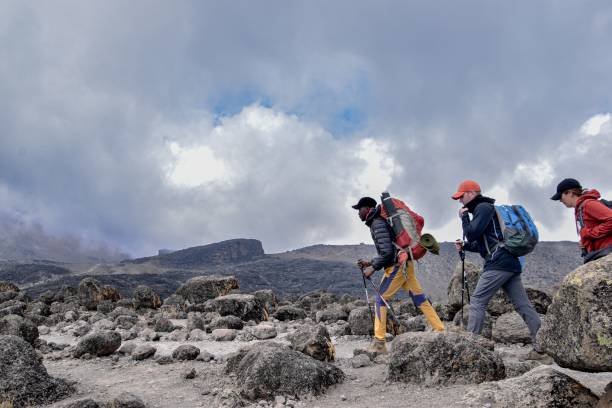
Day three is one of the most important acclimatisation stages of your Kilimanjaro summit trek. After breakfast, the route climbs toward Lava Tower at approximately 4,600 metres.
The environment becomes increasingly dry as you enter the alpine desert. Reduced oxygen may make the walking feel more demanding even when the trail is not extremely steep.
After reaching the Lava Tower area, climbers normally rest and eat before descending into Barranco Valley.
Reaching a higher altitude before sleeping lower at Barranco Camp supports acclimatisation. The camp provides dramatic views of Barranco Wall and the surrounding high mountain landscape.
Day Highlights
- Major acclimatisation stage
- Lava Tower at approximately 4,600 metres
- Alpine desert trekking
- Climb high and sleep lower profile
- Barranco Wall views
Accommodation
Barranco Camp in mountain tents.
Meals
Breakfast, lunch and dinner.
Acclimatisation
Climb toward Lava Tower before descending to sleep at Barranco Camp.
DAY
04
BARRANCO WALL
Barranco Camp to Karanga Valley and Barafu Camp
After breakfast, begin climbing the famous Barranco Wall. The wall appears dramatic from camp, but the recognised trail follows a series of rocky sections that do not normally require technical climbing equipment.
Some sections require careful movement and the use of your hands for balance. After reaching the top, the trail continues across ridges before descending into Karanga Valley.
You then climb out of the valley and continue through the Karanga area toward Barafu Camp. On the 6 day itinerary, Karanga is not normally used as a separate overnight camp.
After reaching Barafu, your guides provide the final summit briefing. Warm clothing, headlamps, water and other essential items are organised before an early dinner and short period of rest.
Day Highlights
- Barranco Wall ascent
- Karanga Valley
- Long high altitude trekking day
- Arrival at Barafu Camp
- Final summit briefing
Accommodation
Barafu Camp in mountain tents.
Meals
Breakfast, lunch and dinner.
Preparation
Summit equipment check, guide briefing and early rest.
DAY
05
UHURU PEAK
Barafu Camp to Uhuru Peak and Mweka Camp
The summit trek normally begins around midnight. After a light meal and final preparation, you leave Barafu Camp and begin climbing slowly through the darkness.
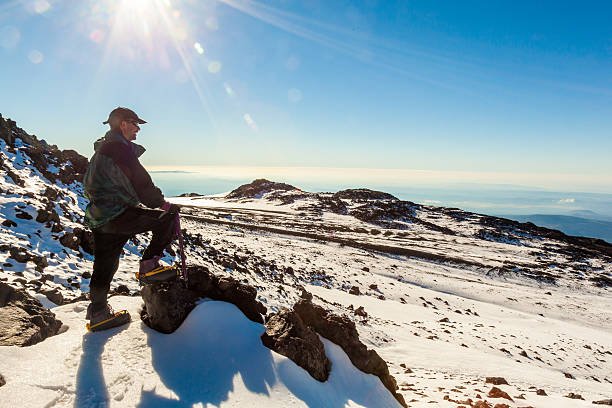
This is the most physically demanding section of the expedition. Cold temperatures, steep terrain, fatigue and reduced oxygen make slow and controlled movement essential.
Your professional mountain guide maintains the trekking pace while monitoring your condition throughout the ascent. The route gradually climbs toward Stella Point on Kilimanjaro's crater rim.
From Stella Point, continue along the crater rim toward Uhuru Peak at 5,895 metres, the highest point on Mount Kilimanjaro and the highest point in Africa.
After reaching the summit and taking photographs, you begin descending toward Barafu Camp. Following rest and food, continue farther down the mountain toward Mweka Camp.
Summit day is extremely long, but descending to Mweka brings you to a lower elevation where temperatures are usually warmer and breathing can feel easier.
Day Highlights
- Midnight summit departure
- Stella Point
- Uhuru Peak at 5,895 metres
- Possible sunrise from the upper mountain
- Long descent to Mweka Camp
Accommodation
Mweka Camp in mountain tents.
Meals
Meals according to summit timing and the trekking program.
Highest Point
Uhuru Peak at 5,895 metres above sea level.
DAY
06
FINAL DESCENT
Mweka Camp to Mweka Gate
After breakfast, begin the final stage of your Kilimanjaro summit trek. The trail descends through increasingly dense vegetation as you return to the rainforest.
Temperatures become warmer as elevation decreases. The forest environment provides a strong contrast with the barren alpine terrain experienced during the previous mountain days.
You eventually arrive at Mweka Gate, where Kilimanjaro National Park exit procedures are completed and your six day mountain expedition officially finishes.
After meeting your transfer vehicle, you return to Moshi or your confirmed accommodation. Additional hotel nights, airport transportation, Tanzania safari extensions or Zanzibar travel can be arranged according to your onward plans.
Day Highlights
- Final rainforest descent
- Arrival at Mweka Gate
- Completion of the Kilimanjaro summit trek
- Transfer back to Moshi
Accommodation
No mountain accommodation. Hotel stay depends on your confirmed package.
Meals
Breakfast and lunch according to the trekking program.
Transfer
Road transfer from Mweka Gate to Moshi or your confirmed destination.
6 Day Kilimanjaro Summit Trek Highlights
Main Trekking Experiences
- Machame rainforest
- Shira Plateau
- Lava Tower acclimatisation
- Barranco Valley
- Barranco Wall
- Karanga Valley
- Barafu summit camp
- Stella Point
- Uhuru Peak at 5,895 metres
- Mweka rainforest descent
Kilimanjaro Summit Preparation
Preparing for summit night begins before reaching Barafu Camp. Climbers should organise warm clothing, headlamps, water, gloves, snacks and other essential equipment before resting.
The summit climb is completed slowly because of altitude, darkness and cold temperatures. Listening carefully to your mountain guide and maintaining a controlled pace are important during this stage.
Altitude and Acclimatisation
Altitude is the main challenge of the 6 Day Kilimanjaro Summit Trek. The Machame Route includes an important ascent toward Lava Tower before descending to Barranco Camp, supporting the climb high and sleep lower principle.
However, six mountain days still provide less acclimatisation time than longer Kilimanjaro itineraries. Climbers should walk slowly, drink enough water, eat regularly and report symptoms to their guide.
Important Altitude Tips
- Maintain a slow walking pace.
- Drink water regularly.
- Eat even when your appetite decreases.
- Rest whenever possible.
- Keep warm at higher elevations.
- Report headaches, nausea, dizziness or unusual fatigue to your guide.
How Difficult Is the 6 Day Kilimanjaro Summit Trek?
The 6 day Machame Route is physically demanding. Climbers complete several consecutive trekking days, a long Day 4 from Barranco through Karanga to Barafu and an extremely demanding summit day.
Technical climbing experience is not normally required on the standard route, but good physical preparation, appropriate equipment and careful altitude management are important.
Camping Accommodation
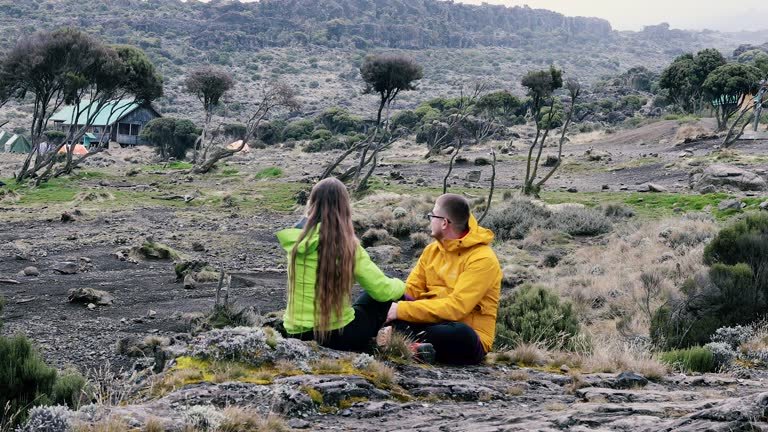
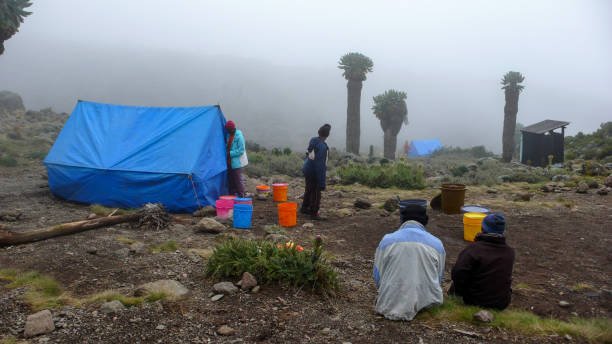
The Machame Route uses mountain tents rather than huts. Climbers normally camp at Machame, Shira, Barranco, Barafu and Mweka.
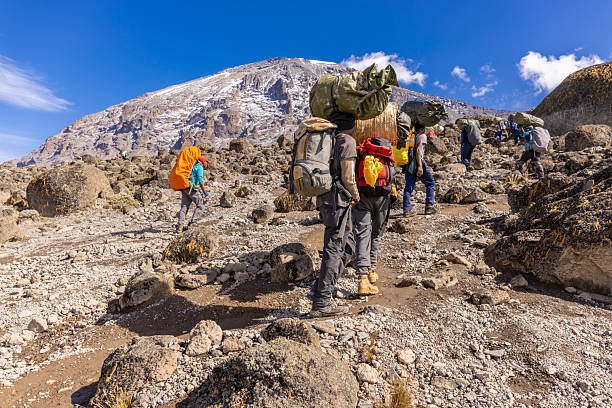
The mountain crew transports and prepares shared camping equipment while trekkers carry a smaller day bag containing water, waterproof clothing, personal medication, snacks and other essentials required during the day's walk.
Meals During the Kilimanjaro Trek
A mountain cook prepares meals throughout the expedition. Breakfast, lunch and dinner are normally provided during the trekking days, with the schedule adjusted around the summit attempt.
Dietary requirements should be communicated before the mountain trek so appropriate arrangements can be made where possible.
What to Pack for the Summit Trek
- Waterproof hiking boots
- Warm base layers
- Fleece or insulated mid layers
- Warm insulated summit jacket
- Waterproof jacket and trousers
- Warm gloves
- Warm hat and sun hat
- Cold weather sleeping bag
- Headlamp with spare batteries
- Trekking poles
- Sunglasses and sunscreen
- Reusable water bottles or hydration system
- Personal medication
- Small trekking day bag
6 Day Kilimanjaro Summit Trek Inclusions
- Professional Kilimanjaro mountain guide
- Assistant guides according to group size
- Mountain cook
- Porter services
- Kilimanjaro National Park fees according to the confirmed quotation
- Camping fees according to the confirmed package
- Rescue related park charges according to the quotation
- Mountain tents
- Meals during the mountain trek
- Drinking water during the climb
- Mountain gate transfers when specified
6 Day Kilimanjaro Summit Trek Exclusions
- International flights
- Tanzania visa fees
- Travel and medical insurance
- Tips for guides, porters and cooks
- Personal trekking equipment unless specified
- Equipment rental unless included
- Personal expenses
- Additional hotel accommodation unless listed
- Airport transfers unless specifically included
- Tanzania safari or Zanzibar extensions unless confirmed
Kilimanjaro Safety and Mountain Support
Professional mountain guides play an essential role during the climb. They manage the daily pace, monitor climber wellbeing and make important decisions based on altitude, weather and physical condition.
Climbers should always communicate symptoms openly. Headaches, nausea, dizziness, unusual fatigue, difficulty walking or other concerning symptoms should be reported immediately.
Reaching the summit is an important objective, but health and safe descent remain the priority throughout the expedition.
Best Time for a Kilimanjaro Summit Trek
Mount Kilimanjaro can be climbed during much of the year. Many trekkers prefer generally drier periods because trail conditions and mountain visibility may be more favourable.
Weather remains unpredictable at altitude, and climbers should prepare for rain, strong wind, freezing temperatures and possible snow or ice around the summit regardless of season.
Frequently Asked Questions
Which route is used for the 6 Day Kilimanjaro Summit Trek?
This itinerary follows the Machame Route, beginning at Machame Gate and descending to Mweka Gate after the summit.
When is the summit attempt?
The final summit attempt normally begins around midnight from Barafu Camp on Day 5.
How high is Uhuru Peak?
Uhuru Peak stands at 5,895 metres above sea level and is the highest point on Mount Kilimanjaro.
Is the 6 day summit trek difficult?
Yes. It includes significant altitude gain, several consecutive trekking days, a long Day 4 and a demanding summit climb followed by a long descent.
Do I need technical climbing experience?
Technical mountaineering experience is not normally required for the standard Machame Route, but good fitness and mountain preparation are important.
Where do climbers sleep?
The Machame Route uses designated mountain camps, with climbers sleeping in trekking tents throughout the expedition.
What is the main acclimatisation stage?
The trek toward Lava Tower before descending to Barranco Camp is one of the most important acclimatisation stages of the 6 day Machame itinerary.
Are guides and porters included?
Professional guides and porter services are normally part of a complete Kilimanjaro trekking package according to the confirmed group size and quotation.
Can trekking equipment be rented?
Common Kilimanjaro trekking equipment can normally be rented when arranged before the climb. Confirm the required items and rental terms before departure.
Can the summit trek be combined with a Tanzania safari?
Yes. After Kilimanjaro, travellers can continue to Serengeti, Ngorongoro, Tarangire or other safari destinations, or combine the climb with a Zanzibar beach holiday.
Plan Your 6 Day Kilimanjaro Summit Trek
Share your preferred climbing dates, number of trekkers and travel requirements to receive a personalised 6 Day Kilimanjaro Summit Trek with complete itinerary details, inclusions and quotation.
Request Your Kilimanjaro Summit Trek