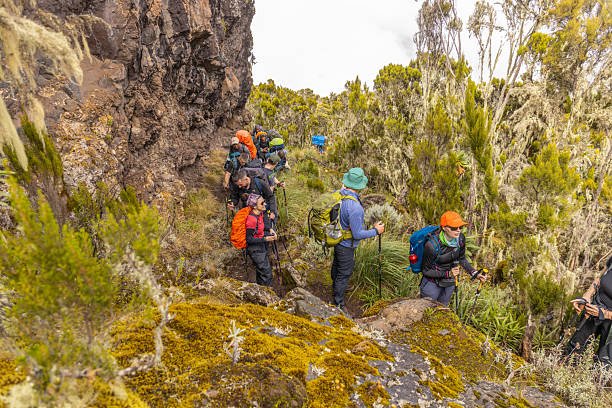
6 Day Rongai Route Itinerary
The 6 Day Rongai Route Itinerary is a scenic Mount Kilimanjaro expedition approaching the mountain from its northern side before crossing toward Kibo and descending through Marangu Gate.
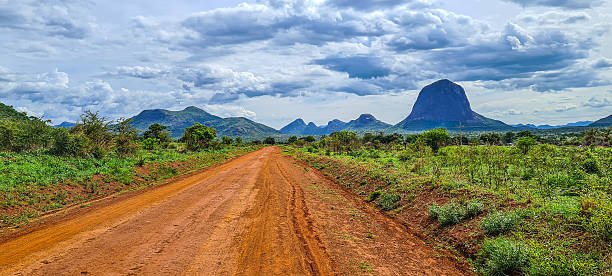
Rongai follows a different ascent corridor from routes such as Machame and Lemosho and gives travellers an opportunity to experience northern Kilimanjaro landscapes before meeting the higher Marangu side of the mountain.
The itinerary normally includes camping at Simba Camp, the Kikelewa area and Mawenzi Tarn before reaching Kibo for the summit attempt.
After the summit section, climbers descend toward Horombo before completing the trek through Marangu Gate.
Professional guides, porters, cooks, mountain meals and camping logistics support the expedition throughout the six trekking days.
6 Day Rongai Route at a Glance
- Mountain: Mount Kilimanjaro, Tanzania.
- Route: Rongai Route.
- Duration: 6 trekking days.
- Approach: Northern side of Kilimanjaro.
- Accommodation: Mountain camping for most of the ascent.
- High camp: Kibo area.
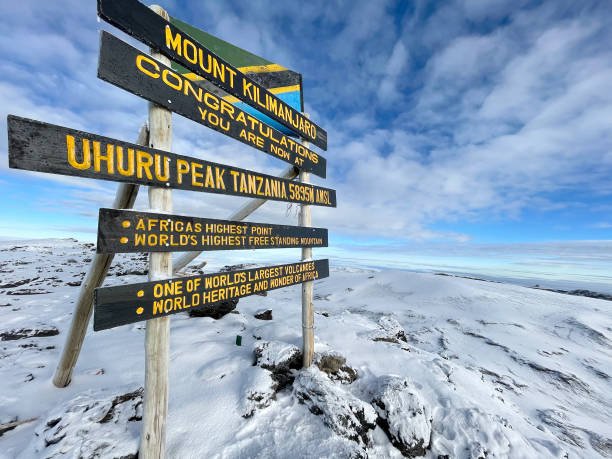
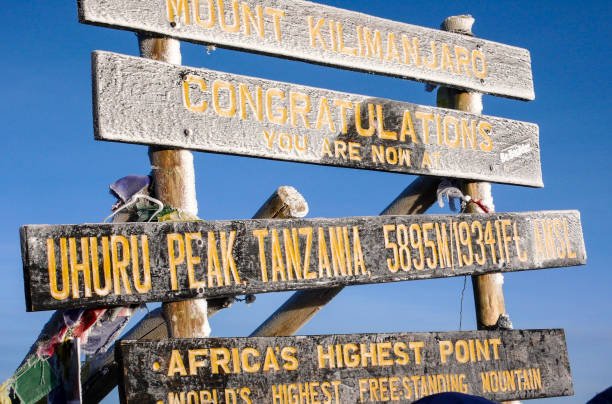
- Summit: Uhuru Peak.
- Exit: Marangu Gate.
Why Choose the 6 Day Rongai Route?
Rongai offers a different perspective of Mount Kilimanjaro by beginning on the northern side rather than using one of the more common western or southern approaches.
The route passes through open landscapes and provides dramatic views toward Mawenzi before crossing toward Kibo.
Its route design also means climbers ascend one side of the mountain and descend through another, creating more varied scenery across the complete expedition.
Rongai Route Highlights
- Northern Kilimanjaro approach
- Open moorland scenery
- Simba Camp
- Second Cave area
- Kikelewa landscapes
- Mawenzi Tarn scenery
- High altitude traverse toward Kibo
- Uhuru Peak summit attempt
- Descent through Horombo and Marangu Gate
Complete 6 Day Rongai Route Itinerary
DAY
01
NORTHERN APPROACH
Moshi to Rongai Gate to Simba Camp
The expedition begins with morning transport from Moshi toward the northern side of Mount Kilimanjaro.
Because Rongai begins farther from Moshi than some other Kilimanjaro routes, the road transfer forms an important part of the first day's logistics.
After arrival at the trailhead, the mountain team completes the required entry procedures and organizes expedition luggage.
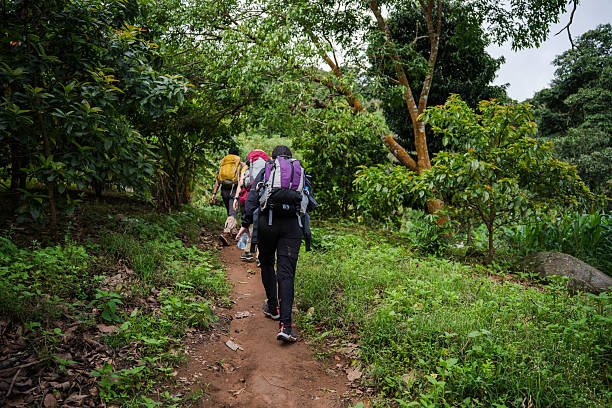
The trek then begins through the lower mountain environment toward Simba Camp.
The first day gives climbers time to settle into the trekking rhythm while the guide introduces the slow and controlled pace that will be used throughout the expedition.
After reaching camp, the mountain crew organizes tents and prepares the evening meal.
Overnight: Simba Camp.
DAY
02
MOORLAND
Simba Camp to Second Cave and Kikelewa Area
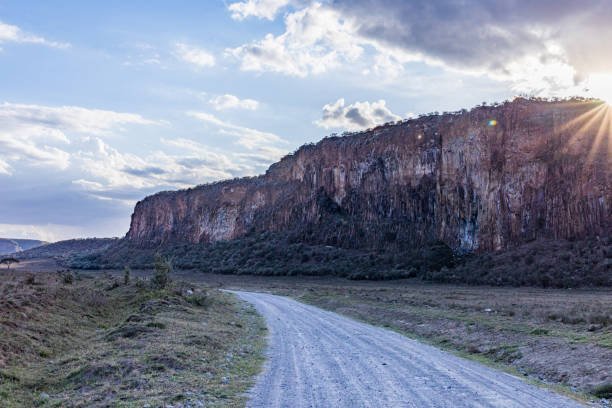
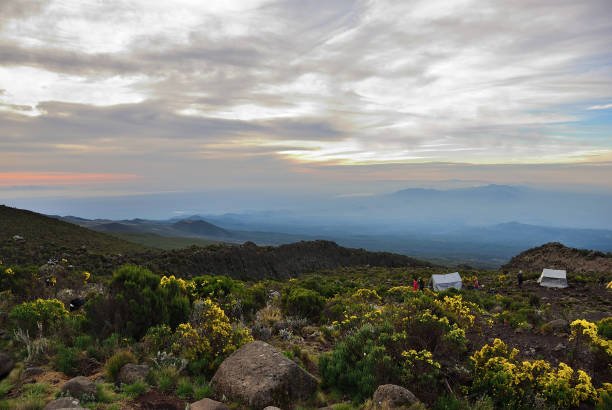
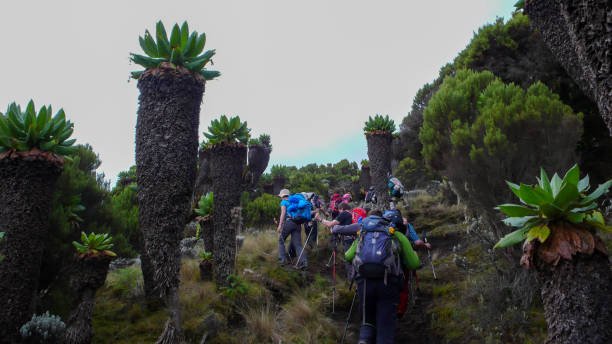
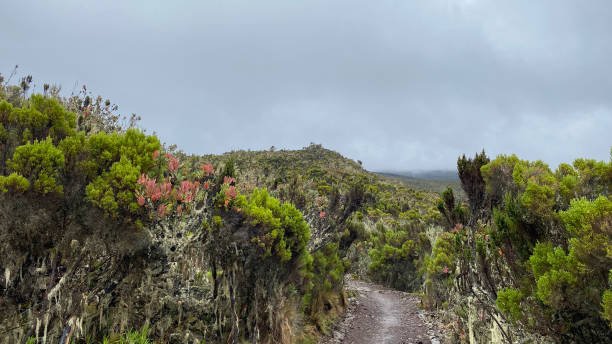
After breakfast, the route continues upward through increasingly open moorland terrain.
The group gradually gains altitude while passing through the Second Cave area before continuing toward Kikelewa.
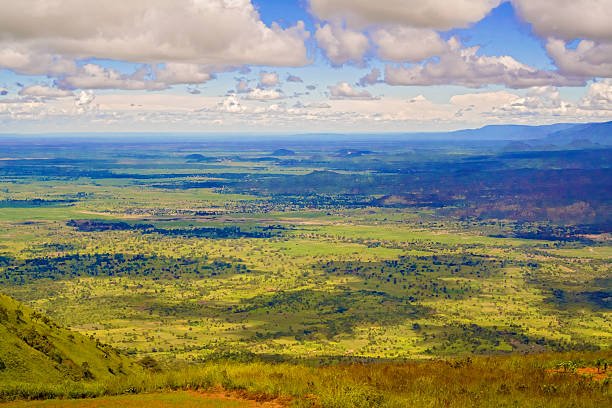
The landscape becomes broader and more exposed, giving climbers a clearer sense of Kilimanjaro's northern highlands.
On clear days, views toward Mawenzi and other parts of the mountain can become increasingly dramatic.
The guide maintains a steady pace and monitors how each climber is responding as the elevation increases.
Overnight: Kikelewa area.
DAY
03
MAWENZI
Kikelewa Area to Mawenzi Tarn
Day 3 takes the expedition toward one of the most dramatic areas of the Rongai Route.
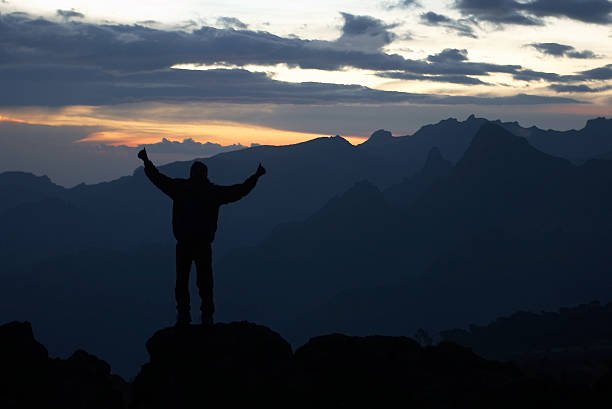
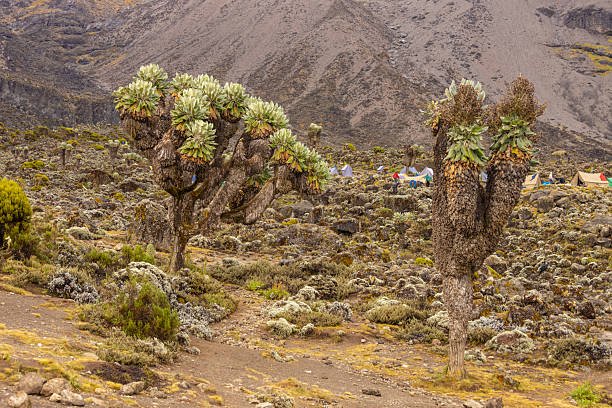
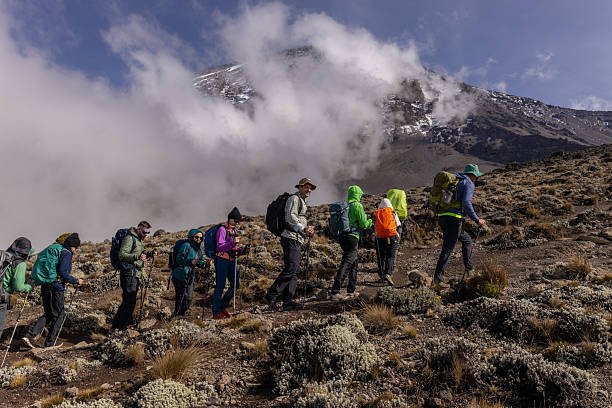
The trail climbs through increasingly rugged high altitude scenery as the jagged shape of Mawenzi becomes more prominent.
The group continues toward Mawenzi Tarn, where the surrounding landscape can provide a striking contrast between steep mountain formations and open alpine terrain.
This stage introduces climbers to significantly higher altitude and should be walked slowly.
Hydration, rest and honest communication about symptoms become increasingly important.
Overnight: Mawenzi Tarn area.
Mawenzi Is One of Rongai's Scenic Highlights
The Mawenzi section gives the 6 day Rongai Route a distinct visual character compared with Kilimanjaro approaches that spend more time on the western or southern slopes.
Weather can change quickly at altitude, so views are never guaranteed, but clear conditions can provide dramatic high mountain scenery.
DAY
04
HIGH ALTITUDE
Mawenzi Tarn to Kibo Hut
The route leaves Mawenzi and crosses broad, exposed high altitude terrain toward the Kibo side of Mount Kilimanjaro.
Vegetation becomes increasingly limited and the landscape takes on a dry alpine desert appearance.
The group walks at a deliberately controlled pace because conserving energy is important before summit night.
After reaching Kibo, climbers organize warm clothing, headlamps, water and other equipment needed for the summit attempt.
The guide provides a detailed briefing explaining the expected conditions and the planned departure time.
Climbers then eat and rest before beginning the final ascent later that night or very early the following morning.
Overnight: Kibo area before summit departure.
Crossing from Mawenzi to Kibo
The Mawenzi to Kibo stage is one of the characteristic sections of the Rongai Route.
The trail crosses an increasingly open high altitude landscape between two major parts of Kilimanjaro.
Exposure to sun, wind and cold can change quickly, so climbers should keep waterproof and insulating layers accessible in their daypack.
The guide normally keeps the walking pace deliberately slow to conserve energy for the summit attempt.
DAY
05
SUMMIT DAY
Kibo to Uhuru Peak to Horombo
Summit day normally begins during the night or very early morning when temperatures can be extremely cold.
The guide establishes a slow pace while the group climbs toward the crater rim.
This section can be physically and mentally demanding because of the altitude, cold and long hours of continuous movement.
Climbers who remain in suitable condition can continue toward Uhuru Peak according to professional guide assessment.
After the summit section, the group descends back toward Kibo for a short rest before continuing lower toward Horombo.
The large amount of ascent and descent makes this the longest trekking day for many climbers.
Overnight: Horombo area.
Summit Success Is Never Guaranteed
The objective is Uhuru Peak, but individual health and altitude response remain more important than reaching the summit.
Professional guides may recommend stopping or descending when continuing is considered unsafe.
DAY
06
DESCENT
Horombo to Marangu Gate and Return to Moshi
The final day continues downward through progressively lower vegetation toward the Marangu side of Mount Kilimanjaro.
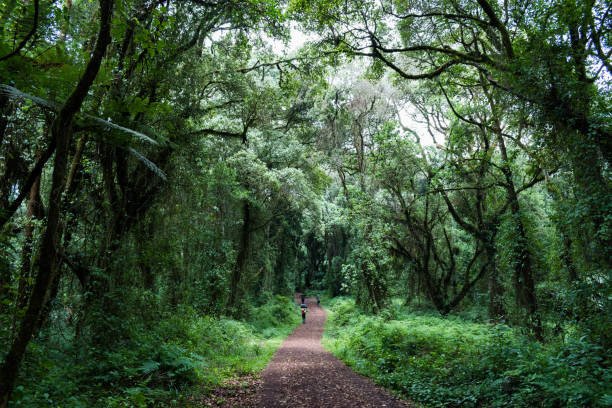
As the group descends, the landscape changes from open high altitude terrain toward moorland and eventually greener lower mountain vegetation.
The trail can become wet or slippery depending on conditions, so careful walking remains important even on the final day.
After completing the required exit procedures at Marangu Gate, transport can return climbers to Moshi.
Travellers can then continue to a hotel, safari, airport or another destination according to their Tanzania itinerary.
6 Day Rongai Route Camps
- Simba Camp: First overnight on the northern side.
- Kikelewa Area: Higher overnight after passing the Second Cave section.
- Mawenzi Tarn: Scenic high altitude camp near Mawenzi.
- Kibo: High altitude base before the summit attempt.
- Horombo: Overnight after summit day during descent.
Camping Accommodation on Rongai
The Rongai Route uses mountain camping during much of the ascent.
Sleeping tents and group camping equipment can be included within the climbing package.
The mountain support team transports and organizes the camping equipment between overnight locations.
Travellers should bring or rent a suitable sleeping bag because night temperatures can become cold as altitude increases.
Single Tent Option
Travellers who prefer more privacy can ask about a single mountain tent.
The arrangement should be confirmed in advance because an additional tent can affect porter and equipment logistics.
Private Toilet Option
A portable private toilet can be arranged for selected Rongai expeditions.
This is generally an optional service unless clearly listed within the confirmed package.
Professional Kilimanjaro Guides
Professional guides lead the Rongai expedition from the northern trailhead through the summit section and descent toward Marangu Gate.
The guide team manages route leadership, pace, daily briefings, altitude monitoring and summit preparation.
Assistant guides can be added according to group size and expedition requirements.
Guide Responsibilities
- Leading the Rongai Route
- Managing walking pace
- Providing daily briefings
- Monitoring climber wellbeing
- Coordinating the mountain crew
- Preparing climbers for summit night
- Making safety decisions
- Coordinating descent when required
Porter Support
Porters carry tents, food, cooking equipment, group supplies and permitted climber luggage between camps.
Climbers normally carry only a smaller daypack containing water, clothing layers and personal items needed while trekking.
The number of porters depends on group size and total expedition equipment.
Mountain Cook and Meals
A camping expedition normally includes meal preparation throughout the route.
Food must be planned and transported across the complete six day itinerary.
Travellers should communicate vegetarian requirements, allergies or other dietary restrictions before departure.
Altitude and Acclimatization
Altitude is one of the main challenges on the 6 day Rongai Route.
The itinerary gradually progresses from the northern side toward Mawenzi and Kibo, but individual acclimatization responses still vary.
A slow walking pace, regular hydration and honest communication about symptoms remain important throughout the climb.
Good fitness helps with trekking demands but does not determine how well someone will acclimatize.
Daily Health Monitoring
Professional guides can carry out regular health assessments during the expedition.
They consider symptoms, overall condition and the climber's response to altitude.
Monitoring equipment may support assessment where used, but professional decisions should consider the complete condition of the climber rather than relying on one isolated measurement.
Communicate Altitude Symptoms Early
Climbers should report headaches, nausea, dizziness, unusual fatigue, breathing difficulty or other concerning symptoms to the guide.
Early communication helps the guide team monitor changes and make appropriate mountain decisions.
Summit Night from Kibo
Summit night is normally the most demanding section of the Rongai expedition.
The ascent begins from the Kibo side during the night or very early morning.
Climbers move slowly through cold and high altitude conditions while the guide team monitors their condition.
Warm layers, gloves, suitable boots, head protection and a reliable headlamp are especially important.
Those who remain in suitable condition can continue toward Uhuru Peak according to guide assessment and mountain circumstances.
Physical Preparation
The Rongai Route is a demanding multi day high altitude trek even though standard trekking does not normally require technical mountaineering skills.
Preparation can include hiking, walking, stair climbing, cardiovascular training and leg strengthening.
Longer practice hikes carrying a daypack can help climbers prepare for consecutive trekking days.
Training should focus on endurance and consistency rather than only short intense workouts.
Recommended Rongai Equipment
- Well fitted trekking boots
- Waterproof jacket
- Waterproof trousers
- Warm base layers
- Warm mid layers
- Insulated jacket
- Warm gloves
- Warm hat
- Suitable sleeping bag
- Headlamp
- Trekking poles
- Daypack
Equipment Rental in Moshi
Selected trekking equipment can be rented in Moshi according to size and availability.
A pre climb equipment check gives travellers time to identify missing or unsuitable items before travelling to the Rongai trailhead.
Rental options can include sleeping bags, trekking poles, gaiters and selected mountain clothing.
Pre Climb Briefing
Before departure, climbers meet the mountain guide for a detailed expedition briefing.
The briefing can cover the Rongai itinerary, camping arrangements, altitude, luggage, meals, clothing and summit preparation.
Health information, food allergies and dietary requirements should also be discussed before departure.
Transport from Moshi to Rongai
Transport is especially important on Rongai because the expedition begins from the northern side of Kilimanjaro.
The climbing group travels from Moshi toward the trailhead before beginning the trek.
After completing the mountain through Marangu Gate, return transport can bring the group back to Moshi.
This means the start and finish transfers use different sides of Mount Kilimanjaro.
Moshi Hotel Before and After the Climb
A pre climb hotel night in Moshi provides time to rest after international travel, meet the guide and complete the equipment check.
A post climb hotel gives travellers time to recover after returning from Marangu Gate.
Hotel accommodation can be included in the complete package or arranged separately.
Airport Transfers
Airport transfers between Kilimanjaro International Airport and Moshi can be arranged according to confirmed flight details.
Travellers should verify whether arrival and departure transfers are included in their selected package.
Typical 6 Day Rongai Route Inclusions
- Professional Kilimanjaro mountain guides
- Assistant guides according to group requirements
- Mountain porters
- Mountain cook
- Transport from Moshi toward the Rongai trailhead
- Return transport from Marangu Gate
- Applicable mountain arrangements according to package
- Camping accommodation
- Mountain meals
- Camping tents where included
- Mountain water arrangements
- Rescue fee arrangements according to package
- Pre climb briefing
Typical 6 Day Rongai Route Exclusions
- International flights
- Visa related expenses
- Travel and medical insurance
- Personal trekking equipment unless included
- Equipment rental unless listed
- Additional hotel nights
- Airport transfers unless included
- Single tent unless included
- Portable private toilet unless included
- Mountain crew tips
- Personal expenses
Private 6 Day Rongai Route
The Rongai Route can be organized privately for solo travellers, couples, families and groups.
A private expedition keeps the booking party together with its own guide team and allows greater flexibility with the departure date.
The exact crew arrangement depends on group size and mountain logistics.
Group Joining 6 Day Rongai Route
Group joining departures can also be available on selected dates.
Because Rongai can have fewer scheduled group departures than some other routes, travellers should confirm availability before making fixed travel plans.
When a departure is available, solo travellers and couples can reserve places and share the expedition with other climbers.
6 Day Rongai Route for Solo Travellers
Solo travellers can choose a private expedition or join a scheduled group when a suitable departure exists.
Private climbing provides more flexibility, while group joining can offer a shared mountain experience.
6 Day Rongai Route for Couples
Couples can arrange their own private Rongai climb or join an available group departure.
The expedition can also be combined with Moshi accommodation, airport transfers and a safari after Kilimanjaro.
6 Day Rongai Route for First Time Climbers
Some first time Kilimanjaro climbers choose Rongai because it provides a different route experience and a comparatively gradual northern approach.
However, the expedition remains a demanding high altitude trek.
Physical preparation, suitable equipment and careful altitude monitoring remain essential regardless of previous trekking experience.
6 Day Rongai Route Cost
The final package price depends on the number of climbers, private or group arrangement and services included.
The northern starting location also affects transport logistics compared with some routes that start closer to Moshi.
Hotels, airport transfers, rental equipment, single tents and other services can change the complete trip cost.
6 Day Rongai Route with Safari
A northern Tanzania safari can be added after completing the Rongai Route.
Possible destinations include Tarangire, Lake Manyara, Ngorongoro and Serengeti.
The safari can begin after a recovery night in Moshi or according to the wider Tanzania itinerary.
Rongai Route and Tarangire Safari
Tarangire can provide a shorter wildlife extension after Kilimanjaro.
Possible wildlife sightings include elephants, giraffes, zebras, buffalo and antelopes depending on natural wildlife movement.
Rongai Route and Ngorongoro Safari
Ngorongoro can be added after the climb for travellers who want to include a crater wildlife experience.
The itinerary can also be combined with additional northern circuit destinations.
Rongai Route and Serengeti Safari
Travellers with additional days can continue to Serengeti National Park.
This creates a broader Tanzania itinerary combining Kilimanjaro trekking and wildlife safari.
6 Day Rongai Route with Zanzibar
Zanzibar can be added after Kilimanjaro or after a combined climb and safari itinerary.
This allows travellers to combine mountain trekking, wildlife and coastal relaxation within one Tanzania journey.
Responsible Rongai Route Trekking
Responsible Climber Guidelines
- Follow professional guide instructions.
- Respect guides, porters and cooks.
- Stay on designated trails.
- Respect campsite rules.
- Avoid leaving litter.
- Communicate health symptoms honestly.
- Walk at a controlled pace.
- Prioritize mountain safety over summit ambition.
Frequently Asked Questions
How many days is the Rongai Route?
Rongai can be organized over different durations, and the 6 day itinerary is one commonly used option.
Where does the 6 Day Rongai Route start?
The route approaches Kilimanjaro from the northern side and begins from the Rongai trailhead area.
Where does the route finish?
The standard descent normally finishes at Marangu Gate.
Does Rongai use tents?
Yes. Mountain camping is used during most of the ascent.
Which camps are used on the 6 day itinerary?
The itinerary commonly includes Simba Camp, Kikelewa, Mawenzi Tarn, the Kibo area and Horombo during descent.
Does Rongai pass Mawenzi?
Yes. The 6 day itinerary commonly travels toward Mawenzi Tarn before crossing higher terrain toward Kibo.
Where does summit night begin?
The summit attempt normally begins from the Kibo side of Kilimanjaro.
Is Rongai a technical climb?
Standard Rongai trekking normally does not require technical mountaineering skills, but it remains a demanding high altitude expedition.
Can beginners climb Rongai?
Some first time Kilimanjaro climbers choose Rongai, but physical preparation and careful altitude management remain essential.
Can Rongai be climbed privately?
Yes. Private expeditions can be arranged for solo travellers, couples and groups.
Can I join a Rongai group?
Group departures can be available on selected dates and should be confirmed according to current schedules.
Are professional guides included?
Professional Kilimanjaro guides are normally included within an organized Rongai expedition.
Are porters included?
Porter support is normally included according to group size and expedition requirements.
Is a mountain cook included?
Camping expeditions normally include meal preparation support throughout the route.
Can vegetarian meals be arranged?
Yes. Vegetarian and other dietary requirements can normally be considered when communicated before the climb.
Can I request a single tent?
A single tent can sometimes be arranged according to availability and package conditions.
Can I request a private toilet?
A portable private toilet can be arranged as an optional service on selected camping expeditions.
Can equipment be rented in Moshi?
Yes. Selected trekking equipment can normally be rented according to size and availability.
Are Moshi hotels included?
Some packages include pre climb and post climb hotel nights while others arrange them separately.
Are airport transfers included?
Airport transfers can be included or offered separately according to the confirmed package.
Is summit success guaranteed?
No. Reaching Uhuru Peak depends on altitude adaptation, health, weather, physical condition and professional guide safety decisions.
Can safari be added after Rongai?
Yes. Tarangire, Lake Manyara, Ngorongoro and Serengeti can be added according to the traveller's available time.
Can Zanzibar be added after the climb?
Yes. Zanzibar can be added after Kilimanjaro or after a combined climb and safari itinerary.
Plan Your 6 Day Rongai Route Itinerary
Approach Kilimanjaro from the northern side through Simba, Kikelewa and Mawenzi before crossing toward Kibo and the summit attempt to Uhuru Peak.
Choose a private or available group expedition and add Moshi accommodation, airport transfers, equipment rental, safari or Zanzibar according to your Tanzania travel plans.
Plan Your 6 Day Rongai Climb