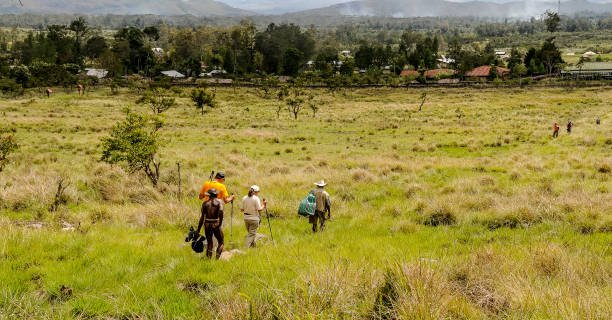
6 Day Rongai Route Summit Trek
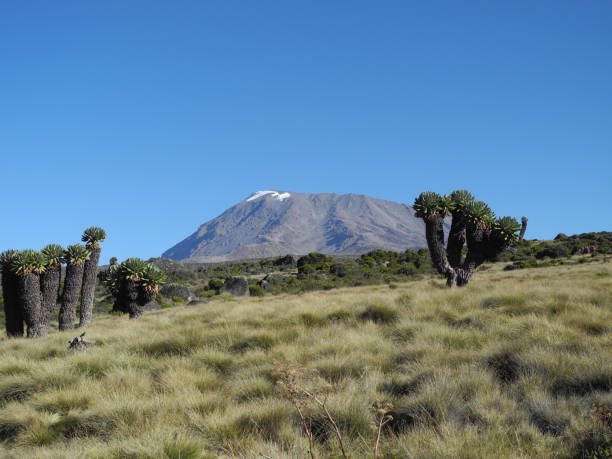
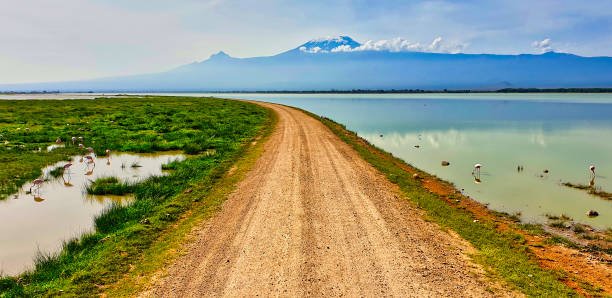
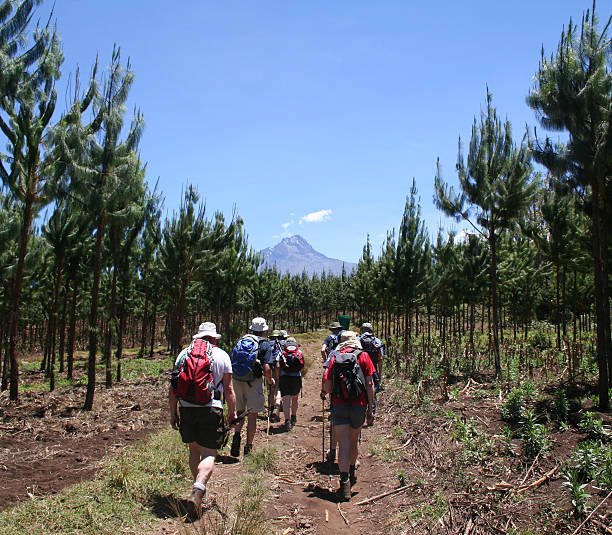
The 6 Day Rongai Route Summit Trek is a scenic Mount Kilimanjaro adventure approaching the mountain from its northern side before crossing toward Kibo for the summit attempt.
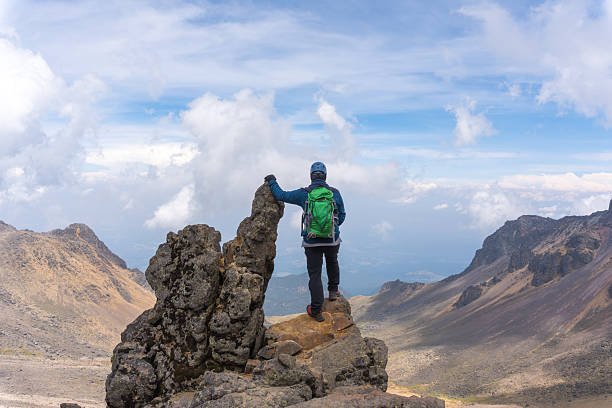
The Rongai Route offers a different perspective from the busier southern approaches, passing through forest, heath, moorland and alpine desert while providing memorable views toward Mawenzi and the northern plains.
The six day itinerary normally includes overnight stops at Simba Camp, Kikelewa Camp, Mawenzi Tarn and the Kibo area before the summit attempt.
After reaching the crater rim, climbers who remain healthy and are assessed as safe can continue toward Uhuru Peak at approximately 5,895 metres.
The descent follows the Marangu side of Kilimanjaro toward Horombo before finishing at Marangu Gate.
6 Day Rongai Route Summit Trek at a Glance
- Duration: 6 trekking days and 5 mountain nights.
- Route: Rongai Route.
- Approach: Northern side of Mount Kilimanjaro.
- Starting point: Rongai or Nalemuru Gate area.
- Finishing point: Marangu Gate.
- Accommodation: Mountain camping on the ascent with descent accommodation according to the confirmed itinerary.
- Highest point: Uhuru Peak, approximately 5,895 metres.
- Day 1: Rongai Gate to Simba Camp.
- Day 2: Simba Camp via Second Cave to Kikelewa Camp.
- Day 3: Kikelewa Camp to Mawenzi Tarn.
- Day 4: Mawenzi Tarn to Kibo.
- Day 5: Kibo to Uhuru Peak and descend toward Horombo.
- Day 6: Horombo to Marangu Gate.
Why Choose the 6 Day Rongai Route Summit Trek?
The Rongai Route gives climbers an opportunity to experience a different side of Mount Kilimanjaro.
The journey approaches from the north, passes beneath Mawenzi and later crosses the broad alpine Saddle toward Kibo.
It also uses a different descent route, allowing climbers to finish through the greener Marangu side of the mountain.
Rongai Summit Trek Highlights
- Northern Kilimanjaro approach
- Forest and moorland trekking
- Second Cave area
- Kikelewa Valley
- Mawenzi Tarn scenery
- Views of Mawenzi Peak
- Crossing the high altitude Saddle
- Kibo summit approach
- Midnight summit attempt
- Gilman’s Point crater rim
- Opportunity to reach Uhuru Peak
- Descent through the Marangu side
Detailed 6 Day Rongai Route Summit Trek Itinerary
DAY
01
RONGAI GATE – SIMBA CAMP
Begin the Northern Kilimanjaro Approach
Your 6 Day Rongai Route Summit Trek begins with transfer toward the Rongai or Nalemuru Gate area on the northern side of Mount Kilimanjaro.
Meet the professional mountain team and complete the required Kilimanjaro National Park registration procedures.
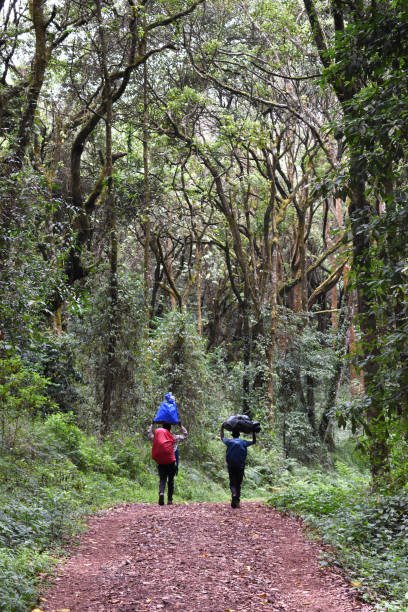
Begin trekking gradually through forest and open vegetation toward Simba Camp.
The first day provides a relatively gentle introduction to the mountain while the guide establishes a slow and controlled trekking pace.
Day 1 Trek Details
- Starting elevation: approximately 1,950 to 2,200 metres depending on the gate approach
- Simba Camp elevation: approximately 2,600 metres
- Approximate distance: around 7 to 8 kilometres
- Typical trekking time: approximately 3 to 5 hours
- Main environment: forest and heath
Arrive at Simba Camp for dinner and your first mountain camping night.
Accommodation
Simba Camp.
Environment
Forest and heath.
DAY
02
SIMBA CAMP – SECOND CAVE – KIKELEWA CAMP
Trek Across the Northern Moorland
After breakfast, continue climbing through open heath and moorland.
The route passes through the Second Cave area before continuing toward Kikelewa Camp.
As vegetation becomes more open, the northern plains and Mawenzi can become increasingly visible in clear conditions.
Day 2 Trek Details
- Starting elevation: approximately 2,600 metres
- Second Cave area: approximately 3,450 metres
- Kikelewa Camp elevation: approximately 3,600 metres
- Approximate distance: around 12 to 15 kilometres
- Typical trekking time: approximately 6 to 8 hours
- Main environment: heath and moorland
The day includes substantial elevation gain, so a slow pace and regular hydration remain important.
Arrive at Kikelewa Camp for dinner and overnight camping.
DAY
03
KIKELEWA CAMP – MAWENZI TARN
Climb Toward Mawenzi Tarn
Leave Kikelewa Camp and climb steadily toward the dramatic slopes of Mawenzi.
The trail becomes steeper as climbers move into higher altitude terrain.
Mawenzi Tarn is positioned beneath the rugged Mawenzi massif and provides one of the most distinctive camp settings on the Rongai Route.
Day 3 Trek Details
- Starting elevation: approximately 3,600 metres
- Mawenzi Tarn elevation: approximately 4,300 metres
- Typical trekking time: approximately 4 to 5 hours
- Main environment: high moorland and alpine terrain
After arriving at camp, rest and continue monitoring how your body is responding to the altitude.
Mawenzi Tarn Experience
This stage brings climbers close to Mawenzi's dramatic rocky peaks while reaching a significant sleeping altitude.
Any headache, nausea, dizziness or unusual fatigue should be reported immediately to the mountain guide.
DAY
04
MAWENZI TARN – KIBO
Cross the Kilimanjaro Saddle to Kibo
After breakfast, leave the Mawenzi area and trek across the broad high altitude Saddle between Mawenzi and Kibo.
The environment becomes increasingly dry and barren as the route enters the alpine desert.
The open Saddle offers a dramatic sense of scale as climbers approach the Kibo summit cone.
Day 4 Trek Details
- Starting elevation: approximately 4,300 metres
- Kibo elevation: approximately 4,700 metres
- Approximate distance: around 8 to 10 kilometres depending on the exact route
- Typical trekking time: approximately 5 to 7 hours
- Main environment: alpine desert
Arrive in the Kibo area and prepare warm summit clothing, headlamp, water and other essential equipment.
Preparing for Summit Night
The mountain guide reviews the planned departure time, weather, clothing, pace and health of each climber.
Rest is important because the summit attempt normally begins around midnight.
DAY
05
KIBO – UHURU PEAK – HOROMBO
Rongai Route Summit Day
Day five is the longest and most demanding stage of the 6 Day Rongai Route Summit Trek.
The summit attempt normally begins around midnight from the Kibo area.
Climb slowly through darkness and freezing temperatures toward Gilman’s Point on Kilimanjaro's crater rim.
Summit Day Route
- Depart Kibo around midnight
- Climb toward Gilman’s Point at approximately 5,681 metres
- Continue along the crater rim when safe
- Attempt Uhuru Peak at approximately 5,895 metres
- Descend toward Kibo
- Continue down the Marangu side toward Horombo
Gilman’s Point is a recognised summit point on Mount Kilimanjaro's crater rim.
Climbers who remain strong enough and are assessed as safe may continue toward Uhuru Peak.
After the summit attempt, descend back toward Kibo for a short rest before continuing to Horombo.
Summit Safety Comes First
Reaching Uhuru Peak cannot be guaranteed. Altitude symptoms, illness, weather, exhaustion or injury may require a climber to stop or descend.
Mountain guide safety decisions always take priority over reaching the highest point.
DAY
06
HOROMBO – MARANGU GATE
Final Descent Through the Marangu Route
After breakfast, begin the final descent toward Marangu Gate.
The route passes through moorland, heath and eventually dense montane rainforest as elevation decreases.
Day 6 Trek Details
- Starting elevation: approximately 3,720 metres
- Marangu Gate elevation: approximately 1,860 metres
- Approximate distance: around 20 kilometres
- Typical trekking time: approximately 5 to 7 hours
- Main environment: moorland and rainforest
Complete the required Kilimanjaro National Park exit procedures at Marangu Gate.
Eligible climbers receive the applicable summit certificate according to the highest officially recognised summit point reached.
Transfer toward Moshi or another agreed destination after completing the trek.
Rongai Route Mountain Accommodation
The Rongai Route primarily uses mountain camping during the northern ascent.
Sleeping tents and mattresses are normally arranged as part of a complete supported trekking package.
Typical Overnight Schedule
- Night 1: Simba Camp
- Night 2: Kikelewa Camp
- Night 3: Mawenzi Tarn
- Night 4: Kibo area
- Night 5: Horombo area on the Marangu descent
A suitable warm sleeping bag remains essential because nights at high altitude can be extremely cold.
Rongai Route Acclimatization
The Rongai Route gains altitude progressively as climbers move from Simba toward Kikelewa, Mawenzi Tarn and Kibo.
The Mawenzi Tarn stage places climbers above 4,000 metres before they cross toward Kibo for summit night.
The six day itinerary is still a relatively compact schedule, so climbers should take pacing, hydration, nutrition and altitude symptoms seriously.
Supporting Acclimatization
- Walk slowly.
- Drink regularly.
- Eat sufficiently.
- Rest whenever possible.
- Avoid unnecessary exertion.
- Report altitude symptoms immediately.
- Follow mountain guide instructions.
6 Day Versus Longer Rongai Route Itineraries
The six day Rongai Route provides a compact northern ascent and summit itinerary.
Longer Rongai itineraries can add additional time at intermediate elevations or around Mawenzi for acclimatization and recovery.
Travellers concerned about altitude adaptation may consider a longer schedule where available.
How Difficult Is the 6 Day Rongai Summit Trek?
The Rongai Route normally does not require technical mountaineering skills under standard trekking conditions.
However, the six day trek remains physically demanding because of high altitude, long walking days, cold temperatures and summit night.
The final climb from Kibo toward Gilman’s Point is particularly challenging because it takes place at night at very high elevation.
Good physical preparation and disciplined pacing are important.
Mawenzi Tarn Experience
Mawenzi Tarn is one of the distinctive highlights of the Rongai Route.
The camp sits beneath the rugged formations of Mawenzi, Kilimanjaro's eastern volcanic peak.
The surrounding high altitude landscape creates a dramatic contrast with the greener lower sections of the trek.
Crossing the Saddle
The Saddle is the broad alpine desert between Mawenzi and Kibo.
Crossing this open terrain provides a clear view of how dramatically Kilimanjaro's landscape changes with altitude.
Wind, strong sunshine and cold temperatures can all occur during this stage, so layered clothing is important.
Professional Kilimanjaro Guides
Professional mountain guides lead the Rongai summit trek and manage daily route decisions, walking pace, health monitoring and summit strategy.
Guide Responsibilities
- Daily route leadership
- Walking pace management
- Altitude monitoring
- Daily health checks
- Pulse oximeter monitoring where applicable
- Summit preparation
- Summit night leadership
- Emergency safety decisions
- Mountain crew coordination
Porters and Mountain Crew
The Rongai Route requires a professional support crew to transport mountain equipment and supplies.
Porters carry communal equipment, food and approved portions of climber luggage.
A mountain cook prepares meals while guides concentrate on route management and safety.
Climbers normally carry a personal daypack containing water, waterproof clothing, warm layers, snacks and important personal items.
Meals and Drinking Water
Mountain meals are prepared throughout the six day trek to support energy and recovery.
- Breakfast
- Lunch or packed lunch depending on the trekking schedule
- Dinner
- Hot drinks where included
- Prepared drinking water
Dietary requirements should be communicated before departure so suitable arrangements can be planned where possible.
Best Time for the Rongai Route Summit Trek
Mount Kilimanjaro can be climbed during different periods of the year.
Mountain weather can change quickly, so climbers should prepare for a wide range of conditions regardless of travel month.
Prepare for Changing Mountain Conditions
- Rain on lower slopes
- Strong sunshine at altitude
- Cold evenings
- Strong wind across exposed terrain
- Freezing summit temperatures
- Possible snow and ice near the summit
What to Pack for the Rongai Route
- Waterproof trekking boots
- Warm sleeping bag
- Thermal base layers
- Warm mid layers
- Insulated summit jacket
- Waterproof jacket
- Waterproof trousers
- Trekking trousers
- Warm gloves
- Warm hat
- Sun hat
- Sunglasses
- Headlamp and spare batteries
- Trekking poles
- Water bottles or hydration system
- Daypack
- Duffel bag
- Sunscreen
- Personal medication
- Personal toiletries
- Power bank
Typical 6 Day Rongai Route Summit Trek Inclusions
- Applicable Kilimanjaro National Park fees
- Applicable camping or mountain accommodation fees
- Applicable rescue fees
- Transfers to the Rongai starting gate and from Marangu Gate
- Professional Kilimanjaro guides
- Assistant guides according to group size
- Mountain cook
- Porters
- Mountain meals
- Prepared drinking water
- Mountain sleeping tents where required
- Sleeping mattress
- Dining facilities where included
- First aid kit
- Emergency oxygen
- Pulse oximeter
- Summit certificate where applicable
Typical Summit Trek Exclusions
- International flights
- Tanzania visa
- Travel insurance
- Personal trekking equipment
- Sleeping bag unless specifically included
- Rental equipment
- Hotels unless specifically included
- Airport transfers unless specifically included
- Personal expenses
- Alcoholic beverages
- Tips for guides, cook and porters
- Optional services not listed in the confirmed package
Kilimanjaro Equipment Rental
Selected trekking equipment may be available for rental before the Rongai trek begins.
Common Rental Items
- Sleeping bag
- Trekking poles
- Duffel bag
- Gaiters
- Waterproof jacket
- Waterproof trousers
- Selected warm summit clothing where available
Private Rongai Route Summit Trek
The six day Rongai Route can be organised privately for solo travellers, couples, families, friends and private groups.
A private trek keeps the climbing party limited to the travellers included in the booking together with their dedicated mountain team.
Group Joining Rongai Route Trek
Group joining departures may be available when travellers have compatible dates and follow the same Rongai itinerary.
Availability can vary because Rongai generally receives fewer climbers than some of Kilimanjaro's more frequently used routes.
Training for the 6 Day Rongai Summit Trek
Physical preparation can improve endurance and comfort during the climb.
Useful Training
- Regular hiking
- Long walks
- Hill climbing
- Stair training
- Cardiovascular exercise
- Leg strengthening
- Core strengthening
- Walking with a daypack
- Consecutive trekking days where possible
Physical fitness supports trekking performance but does not prevent altitude sickness.
Altitude Sickness on the Rongai Route
Altitude can affect climbers regardless of age, fitness or previous mountain experience.
Possible Altitude Symptoms
- Headache
- Nausea
- Dizziness
- Reduced appetite
- Unusual fatigue
- Difficulty sleeping
- Shortness of breath during exertion
Any symptoms should be reported to the mountain guide immediately.
Serious or worsening symptoms may require descent.
Health and Safety
Professional guides monitor climber health throughout the Rongai summit trek.
Health checks may include direct observation, discussions about symptoms and pulse oximeter readings where appropriate.
Emergency oxygen and first aid equipment may be carried as part of the mountain safety arrangements.
Important Summit Trek Safety Rules
- Follow guide instructions.
- Walk slowly.
- Report altitude symptoms immediately.
- Never hide illness or unusual weakness.
- Eat and drink regularly.
- Carry appropriate waterproof and warm clothing.
- Accept descent whenever continuing becomes unsafe.
Travel Insurance for Kilimanjaro
Climbers should arrange suitable travel insurance before travelling to Tanzania.
The policy should be checked carefully for trekking at Mount Kilimanjaro's altitude and suitable emergency medical and evacuation coverage.
Can Uhuru Peak Be Guaranteed?
No responsible Kilimanjaro summit trek can guarantee that every climber will reach Uhuru Peak.
Summit success depends on altitude adaptation, individual health, physical condition, weather and mountain safety decisions.
The six day Rongai itinerary is a high altitude expedition, and turning around should always take priority whenever continuing becomes unsafe.
Why Book the 6 Day Rongai Route Summit Trek?
The 6 Day Rongai Route Summit Trek combines Kilimanjaro's northern approach with Mawenzi scenery, the high altitude Saddle, Kibo and a demanding summit objective.
The journey provides varied landscapes and finishes by descending through the Marangu side of the mountain.
With professional guides, porters, mountain accommodation, meals, prepared drinking water and safety support organised according to the confirmed package, climbers can focus on acclimatization, trekking and their summit attempt.
Frequently Asked Questions
What is the 6 Day Rongai Route Summit Trek?
It is a six day Mount Kilimanjaro climb approaching from the northern side before crossing toward Kibo, attempting the summit and descending through the Marangu Route.
Where does the Rongai Route start?
The route begins on the northern side of Mount Kilimanjaro near the Rongai or Nalemuru Gate area.
Where does the trek finish?
The Rongai Route normally descends through the Marangu side and finishes at Marangu Gate.
Does the Rongai Route use tents?
The northern ascent normally uses mountain camping, with final descent accommodation arranged according to the confirmed itinerary.
What is Mawenzi Tarn?
Mawenzi Tarn is a high altitude camping area beneath the rugged Mawenzi massif and is one of the scenic highlights of the Rongai Route.
What is the Saddle?
The Saddle is the broad alpine desert between Mawenzi and Kibo crossed before climbers reach the final summit camp.
Where does summit night begin?
The summit attempt normally begins around midnight from the Kibo area.
How high is Gilman’s Point?
Gilman’s Point is approximately 5,681 metres above sea level on Kilimanjaro's crater rim.
How high is Uhuru Peak?
Uhuru Peak is approximately 5,895 metres above sea level.
Are guides and porters included?
A complete Rongai package normally includes professional guides, assistant guides where required, porters and a mountain cook according to group size.
Are meals included?
Mountain meals are normally included according to the confirmed summit trekking package.
Is drinking water included?
Prepared drinking water is normally provided during the mountain trek according to the confirmed package.
Do I need a sleeping bag?
Yes. A suitable warm sleeping bag is essential for high altitude mountain nights.
Can trekking equipment be rented?
Selected items such as sleeping bags, trekking poles, gaiters, duffel bags and waterproof clothing may be available for rental.
Can the Rongai trek be private?
Yes. The six day Rongai Route can be organised privately for solo travellers, couples, families, friends and private groups.
Can I join a Rongai group departure?
Group joining departures may be available when other travellers have compatible dates and the same itinerary.
Is the six day Rongai Route suitable for beginners?
Technical climbing experience is normally not required, but climbers still need suitable fitness, preparation and the ability to handle several days of high altitude trekking.
Is reaching Uhuru Peak guaranteed?
No. Summit success depends on altitude adaptation, individual health, physical condition, weather and mountain guide safety decisions.
Plan Your 6 Day Rongai Route Summit Trek
Approach Mount Kilimanjaro from the northern side, trek beneath Mawenzi, cross the high altitude Saddle and continue toward Kibo for your summit attempt.
Confirm your preferred climbing dates, number of travellers, private or group preference and required rental equipment to prepare your Rongai summit trek.
Plan Your Rongai Summit Trek