7 Day Lemosho Route Summit Success
The 7 Day Lemosho Route Summit Success experience is influenced by far more than physical fitness alone. Kilimanjaro is a high altitude mountain, and every climber responds differently as elevation increases.
The seven day Lemosho itinerary gives climbers several days to progress gradually through the mountain's changing environments before reaching the high altitude summit zone.
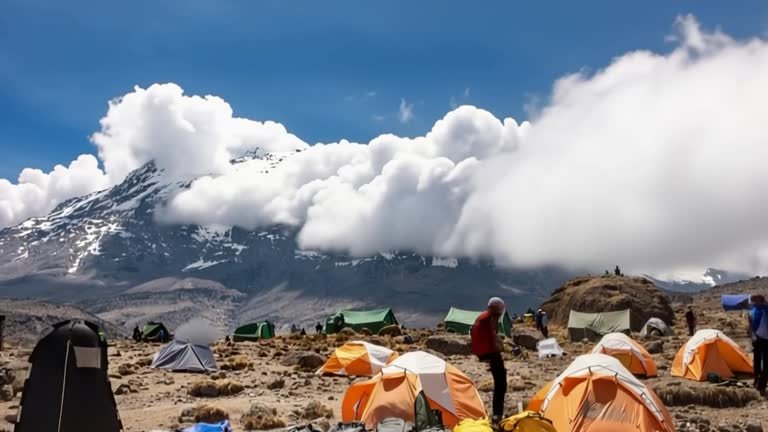
The route normally approaches from the western side, crosses the Shira Plateau and continues toward Lava Tower, Barranco, Karanga and Barafu before the summit attempt.
A responsible approach to summit success focuses on acclimatization, pacing, health monitoring, hydration, nutrition, suitable equipment and following professional guide instructions throughout the trek.
No operator, guide or itinerary can guarantee that every climber will reach Uhuru Peak. Weather, health, altitude response and other mountain conditions can require a climber to turn around even after excellent preparation.
7 Day Lemosho Summit Success at a Glance
- Route: Lemosho Route.
- Mountain duration: 7 days and 6 nights.
- Main challenge: High altitude.
- Key success factors: Acclimatization, pacing, hydration, nutrition and health monitoring.
- Support: Professional mountain guides and crew.
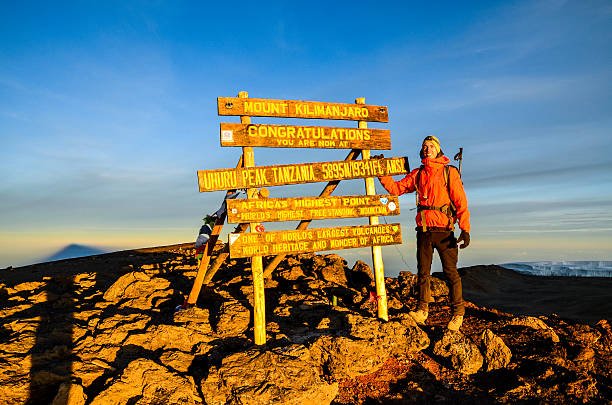
- Summit goal: Uhuru Peak.
- Accommodation: Mountain camping.
- Important: Summit success is never guaranteed.
Why the 7 Day Lemosho Route Can Support Acclimatization
The seven day itinerary provides multiple trekking stages before the summit attempt, giving the body time to experience progressively higher elevations.
This is important because successful high altitude trekking depends on how well the individual adapts as oxygen availability decreases.
The route also includes sections where climbers may trek to a higher elevation during the day before sleeping lower, which can form part of the overall acclimatization pattern.
Additional mountain time does not guarantee success, but avoiding an unnecessarily rushed ascent can provide a more responsible approach to altitude.
Summit Success Is Not Just About Fitness
Strong runners, gym athletes and experienced hikers can still experience altitude problems on Kilimanjaro.
At the same time, climbers with moderate fitness can sometimes progress well when they maintain a controlled pace and respond appropriately to altitude.
This is why Kilimanjaro should not be treated as a competition based on speed or strength.
Major Factors Influencing Summit Success
- Individual altitude response
- Route duration
- Walking pace
- Hydration
- Food intake
- Sleep and recovery
- Physical preparation
- Mental preparation
- Guide support
- Health monitoring
- Weather and mountain conditions
- Appropriate clothing and equipment
7 Day Lemosho Route Itinerary and Acclimatization
The structure of the seven day itinerary gives climbers several opportunities to gain elevation progressively before summit night.
Day 1: Lemosho Trailhead to Forest Camp
The climb begins through the lower forest environment. This first stage provides an introduction to the trekking pace and allows climbers to settle into the mountain routine.
Day 2: Forest Camp to Shira Plateau
As the route rises, the forest gradually gives way to more open terrain. Climbers begin spending more time at increased elevation.
Day 3: Shira to Barranco via Lava Tower
This is an important altitude exposure day. Climbers trek toward Lava Tower before descending toward Barranco for the night.
The higher daytime elevation followed by a lower sleeping elevation can form an important part of the route's acclimatization pattern.
Day 4: Barranco to Karanga
After completing the Barranco Wall, the route continues through high altitude terrain toward Karanga.
Climbers should maintain a slow controlled pace and continue monitoring hydration, appetite and general wellbeing.
Day 5: Karanga to Barafu
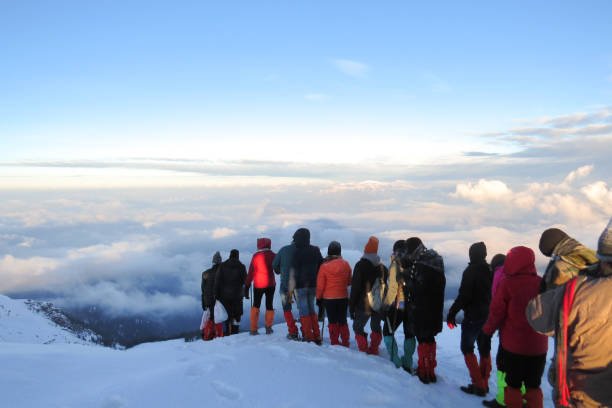
The group continues to Barafu, where climbers prepare for summit night.
Warm clothing, headlamps, water, gloves and other summit equipment are organised before climbers rest.
Day 6: Summit Attempt and Descent
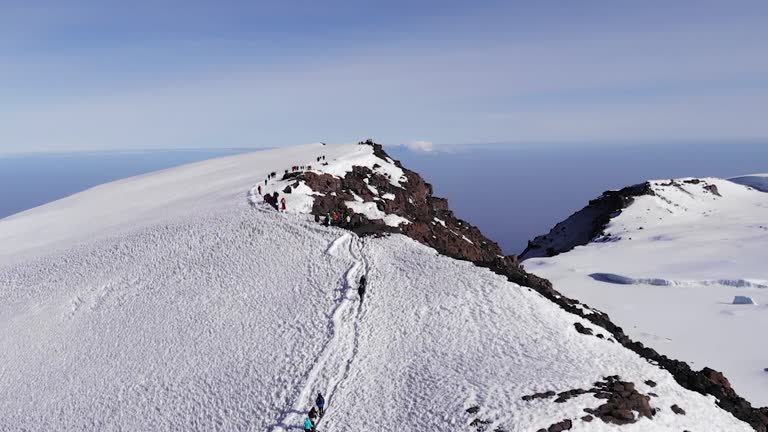
The summit attempt normally begins during the night or early morning.
Climbers move slowly through the high altitude environment under close guide supervision.
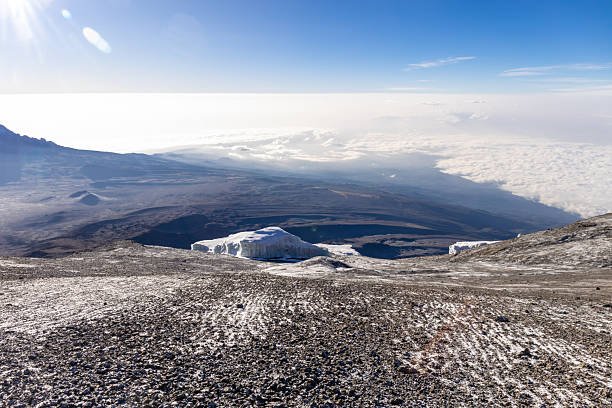
Those who are able to continue safely progress toward the summit area before beginning the long descent to a lower camp.
Day 7: Final Descent
The final day continues through the lower mountain environment toward the exit gate before transportation returns the climbers to Moshi.
The Importance of Walking Slowly
One of the most important principles on Kilimanjaro is maintaining a controlled pace.
Trying to walk faster than necessary does not provide an advantage at altitude and can increase fatigue.
Professional guides commonly encourage climbers to maintain a slow, steady rhythm throughout the trek.
The objective is to conserve energy while allowing the body to adjust progressively to increasing elevation.
Hydration and Summit Preparation
Regular hydration is important throughout the Lemosho Route.
Climbers should follow guide instructions regarding drinking water and should avoid waiting until they feel extremely thirsty before drinking.
Hydration alone cannot prevent altitude illness, but becoming dehydrated can make an already demanding trek more difficult.
Eating Enough on Kilimanjaro
Altitude can reduce appetite, particularly during the higher sections of the trek.
However, the body still requires energy for repeated trekking days and summit night.
Climbers should make a reasonable effort to eat throughout the expedition and communicate with the guide team if appetite decreases significantly.
Professional Guide Support
Professional guides play an important role in helping climbers manage the seven day route responsibly.
They monitor daily pace, observe climber condition, coordinate the mountain crew and make decisions about whether an individual should continue ascending.
Guide Support Can Include
- Daily route management
- Controlled trekking pace
- Health monitoring
- Summit night preparation
- Managing different walking speeds
- Recognising concerning symptoms
- Coordinating descent when necessary
- Emergency response coordination
Daily Health Monitoring
Health monitoring becomes increasingly important as climbers reach higher elevations.
Guides can discuss headache, nausea, appetite, hydration, dizziness, sleep quality, walking ability and general condition.
Pulse oximeter readings may also be used where available as one part of the overall health assessment.
Climbers should report symptoms honestly rather than hiding problems because they are worried about being asked to descend.
Recognising Altitude Symptoms
Mild symptoms can occur as the body adjusts to higher elevations, but symptoms that become severe or worsen require careful assessment.
Climbers should communicate immediately when they experience significant headaches, unusual weakness, severe nausea, difficulty walking, confusion, breathing problems or other concerning changes.
The guide may decide that stopping ascent or descending is necessary.
Why Hiding Symptoms Can Reduce Summit Success
Some climbers worry that reporting symptoms will automatically end their summit attempt.
In reality, hiding symptoms can make responsible decision making more difficult and may allow a condition to worsen.
Early communication gives guides a better opportunity to assess what is happening and respond appropriately.
Physical Training Before the 7 Day Lemosho Route
Physical preparation helps climbers handle repeated trekking days and the long summit attempt.
Training should focus on endurance rather than only short bursts of high intensity exercise.
Useful Kilimanjaro Training
- Regular hiking
- Long walks
- Hill walking
- Stair training
- Cardiovascular exercise
- Leg strengthening
- Core strengthening
- Training with a loaded daypack
Mental Preparation for Summit Night
Summit night requires patience and determination as well as physical endurance.
The combination of darkness, cold, fatigue and high altitude can make progress feel slow.
Climbers should focus on one section at a time rather than becoming overwhelmed by the remaining distance.
Listening to the guide and maintaining a steady rhythm can help conserve energy during the ascent.
Sleep and Recovery
Sleeping at altitude can be more difficult than sleeping at lower elevations.
Climbers may wake frequently or sleep less deeply than usual.
A warm sleeping bag, dry clothing and organised camp routine can improve comfort even when perfect sleep is not possible.
Proper Kilimanjaro Equipment
Inadequate clothing can turn an already demanding summit attempt into a much more difficult experience.
Important Summit Equipment
- Broken in trekking boots
- Base layers
- Warm insulating layers
- Warm summit jacket
- Waterproof outer layers
- Warm gloves
- Warm hat
- Headlamp
- Trekking poles
- Sunglasses
- Suitable socks
- Water bottles or hydration equipment
Keeping Equipment Dry
Dry clothing becomes especially important before summit night.
Climbers should use waterproof packing systems inside their duffel and daypack to protect important layers from rain and moisture.
Wet insulation can reduce comfort and warmth at higher elevations.
Trekking Poles and Energy Conservation
Trekking poles can provide additional balance and can be useful during long ascents and descents.
They can be particularly helpful after the summit attempt when tired legs must manage a significant descent.
Travellers should practise using poles before Kilimanjaro rather than trying them for the first time on summit night.
Summit Night Strategy
Summit night should be approached with patience rather than speed.
Summit Night Priorities
- Follow the guide's pace.
- Keep warm clothing accessible.
- Maintain regular hydration.
- Use small manageable steps.
- Communicate symptoms promptly.
- Avoid competing with other climbers.
- Remain mentally patient.
- Accept a turnaround decision when required for safety.
Does Walking Faster Improve Summit Success?
No. Kilimanjaro is not a race.
A faster pace can increase fatigue and does not force the body to acclimatize faster.
A slow and consistent pace is generally more appropriate for high altitude trekking.
Does Previous Hiking Experience Guarantee Success?
No. Previous hiking experience can improve comfort with long trekking days, uneven terrain and outdoor conditions, but it does not guarantee successful acclimatization.
An experienced hiker should still respect the mountain pace and report altitude symptoms honestly.
Can First Time Hikers Summit the 7 Day Lemosho Route?
First time trekkers can attempt Kilimanjaro when they prepare appropriately and follow a suitable itinerary.
They should train for repeated walking days, become comfortable with trekking equipment and understand the effects of altitude before travelling.
Does Age Determine Summit Success?
Age alone does not determine whether a climber will reach the summit.
General health, physical conditioning, altitude response, preparation and individual circumstances are more important considerations.
Travellers with medical concerns should seek appropriate professional medical advice before undertaking a high altitude trek.
Group Joining and Summit Success
Joining a group does not mean every climber must maintain identical speed.
People acclimatize differently and may require different pacing during summit night.
Guide staffing and mountain conditions determine how different pace groups can be managed.
Private Climb and Summit Success
A private Lemosho climb can provide a more personal trekking environment and dedicated guide attention.
However, private status does not change how the human body responds to altitude.
The same principles of slow pacing, acclimatization, health monitoring and responsible decision making remain important.
What Happens If a Climber Cannot Continue?
If the guide determines that continuing upward is not safe, descent may be required.
Turning around should be treated as a responsible mountain decision rather than a failure.
The mountain will remain, and protecting health should always take priority over reaching the summit.
Emergency and Rescue Support
A professionally organised Lemosho climb should have procedures for illness, injury and emergency descent.
Depending on the confirmed mountain operation, support can include first aid equipment, emergency oxygen, assisted descent and evacuation coordination.
Climbers should also carry appropriate travel insurance covering high altitude trekking and emergency medical situations.
Does Weather Affect Summit Success?
Mountain weather can affect visibility, temperature, trail conditions and the overall difficulty of summit night.
Cold, wind, rain or snow can make the climb more demanding even for well prepared trekkers.
Suitable clothing and following guide instructions remain important when conditions change.
Can Summit Success Be Guaranteed?
No responsible Kilimanjaro operator should treat reaching Uhuru Peak as guaranteed.
The mountain environment remains unpredictable, and individual altitude response cannot be perfectly predicted in advance.
A well organised climb should focus on providing climbers with professional support and responsible decision making rather than promising a particular outcome.
Ways to Prepare for a Strong Summit Attempt
- Train consistently before travelling.
- Use broken in trekking boots.
- Choose a suitable route duration.
- Walk slowly from the beginning.
- Maintain hydration.
- Eat throughout the trek.
- Keep summit clothing dry.
- Communicate health symptoms honestly.
- Follow guide instructions.
- Avoid comparing your pace with other climbers.
- Prepare mentally for cold and fatigue.
- Prioritize safety over the summit.
Typical 7 Day Lemosho Package Inclusions
- 7 day Lemosho mountain itinerary
- Professional mountain guides
- Assistant guides according to group requirements
- Mountain cook and porters
- Mountain camping accommodation
- Mountain meals according to the confirmed package
- Daily guide health monitoring
- Applicable Kilimanjaro fees when stated
- Transportation to the trailhead
- Transfer from the exit gate
- Hotel accommodation when stated
- Airport transfers when stated
Optional Services
- Single hotel room
- Private sleeping tent
- Private portable toilet
- Sleeping bag rental
- Trekking pole rental
- Additional hotel nights
- Airport transfers
- Tanzania safari
- Cultural tour
- Zanzibar extension
Frequently Asked Questions About 7 Day Lemosho Route Summit Success
Does the 7 Day Lemosho Route have good acclimatization opportunities?
The seven day itinerary provides several mountain days and progressive altitude exposure before the summit attempt, which can support a more gradual acclimatization process.
Is summit success guaranteed?
No. Altitude response, health, weather and other mountain conditions can affect whether an individual reaches the summit.
Is seven days better than a rushed Kilimanjaro itinerary?
Additional mountain time can provide a more gradual itinerary than a shorter schedule, but it still cannot guarantee successful acclimatization.
Do I need to be extremely fit?
You should have suitable trekking endurance, but extreme athletic fitness does not guarantee successful adaptation to altitude.
Can first time hikers reach Uhuru Peak?
First time hikers can attempt the route with appropriate training, suitable equipment, professional guides and responsible mountain pacing.
Does previous mountain experience guarantee success?
No. Previous experience can be useful, but altitude response can differ from one trip to another.
Why do guides tell climbers to walk slowly?
A controlled pace can help conserve energy and supports a more gradual approach to increasing altitude.
Does drinking water guarantee acclimatization?
No. Hydration is important for general wellbeing, but it cannot guarantee protection from altitude illness.
What happens at Lava Tower?
The route commonly reaches a higher elevation around Lava Tower before descending toward Barranco, providing additional altitude exposure during the day.
Is Barranco Wall difficult?
Barranco Wall is steep and can require the use of hands for balance, but standard guided itineraries generally treat it as trekking rather than technical rock climbing.
Which day is the summit attempt?
On a standard seven day Lemosho itinerary, the main summit attempt typically takes place during the sixth mountain day before descending to a lower camp.
How difficult is summit night?
It is normally the longest and most physically demanding part of the climb because of high altitude, cold conditions and accumulated fatigue.
Do guides monitor climbers during the trek?
Yes. Professional guides can monitor general wellbeing and discuss altitude related symptoms throughout the route.
Should I report a headache?
Yes. Climbers should report symptoms honestly so the guide can assess the overall situation and monitor any changes.
What happens if the guide tells me to descend?
A descent decision should be followed when the guide determines that continuing upward is not safe.
Can a strong athlete get altitude sickness?
Yes. Strong physical fitness does not make a person immune to altitude related illness.
Does a private climb improve summit success?
A private climb can provide dedicated guide attention and personal pacing, but it cannot guarantee successful acclimatization or reaching the summit.
Can a group split into different walking speeds?
Different pace groups may be managed when guide staffing and mountain conditions allow.
What equipment is important for summit success?
Warm layers, waterproof clothing, gloves, headlamp, suitable boots, trekking poles and appropriate sleeping equipment all contribute to comfort and preparation.
Can I rent equipment?
Selected items such as sleeping bags, trekking poles and other trekking equipment can often be rented according to availability.
Does weather affect summit success?
Yes. Wind, cold, precipitation and trail conditions can make the summit attempt more demanding.
Should I train with my trekking boots?
Yes. Using your planned footwear during training can help identify comfort or fitting problems before the mountain.
Do I need travel insurance?
Travellers should arrange insurance suitable for high altitude trekking and appropriate emergency medical and evacuation situations.
Is turning around considered failure?
No. Turning around when health or mountain conditions require it is a responsible decision that prioritizes safety.
Can I add hotel accommodation?
Yes. Hotel nights can be arranged before and after the seven day Lemosho climb.
Can I add a private toilet?
Yes. A private portable toilet can be arranged for suitable camping packages according to availability.
Can I add a safari after Kilimanjaro?
Yes. Tarangire, Lake Manyara, Ngorongoro and Serengeti can be combined with the Lemosho itinerary according to available travel days.
Can I add Zanzibar?
Yes. Zanzibar can be added after Kilimanjaro with suitable flight and accommodation arrangements.
How do I plan for 7 Day Lemosho Route Summit Success?
Choose a professionally organised seven day itinerary, train consistently, prepare suitable equipment, maintain a controlled pace, communicate health symptoms honestly and follow your guide's instructions throughout the climb.
Prepare for Your 7 Day Lemosho Route Summit Attempt
Plan your 7 Day Lemosho Route with professional mountain guides, responsible pacing, health monitoring, mountain camping and the support needed to approach your Kilimanjaro summit attempt safely and confidently.
Plan Your 7 Day Lemosho Climb

 Kilimanjaro Climb