7 Day Machame Route Daily Schedule
The 7 Day Machame Route Daily Schedule provides a complete day by day plan for climbing Mount Kilimanjaro through the popular Machame Route. The itinerary begins at Machame Gate, climbs through several ecological zones, crosses the Shira Plateau and southern circuit, and reaches Barafu before the final summit attempt toward Uhuru Peak.
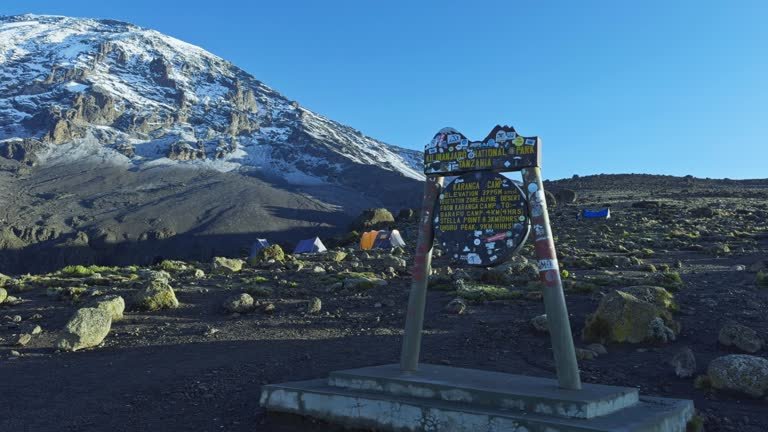
One of the important features of the seven day itinerary is the overnight at Karanga Camp. Instead of combining Barranco, Karanga and Barafu into one demanding stage, the schedule separates these sections and gives climbers another night on the mountain before summit preparation.
The standard Machame Route is a trekking route rather than a technical mountaineering climb, although it remains physically demanding because of altitude, consecutive walking days, cold conditions and the long summit ascent and descent.
7 Day Machame Daily Schedule at a Glance
- Day 1: Machame Gate to Machame Camp.
- Day 2: Machame Camp to Shira 2 Camp.
- Day 3: Shira 2 to Lava Tower and descend to Barranco Camp.
- Day 4: Barranco Camp to Karanga Camp via Barranco Wall.
- Day 5: Karanga Camp to Barafu Camp.
- Day 6: Barafu to Uhuru Peak and descend to Mweka Camp.
- Day 7: Mweka Camp to Mweka Gate and return to Moshi.
Day 1: Machame Gate to Machame Camp
Starting altitude: Approximately 1,640 m
Sleeping altitude: Approximately 2,850 m
Distance: Approximately 11 km
Walking time: Approximately 5 to 7 hours
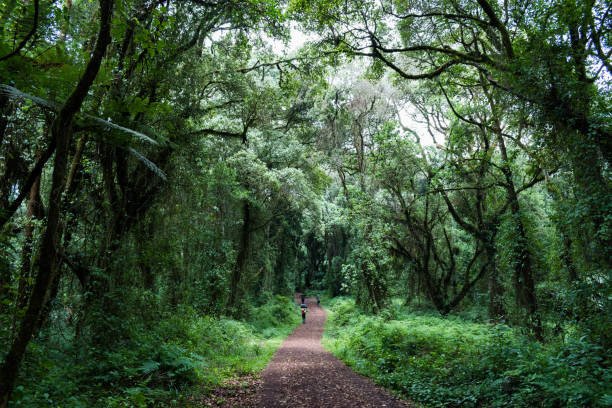
Environment: Montane rainforest
Overnight: Machame Camp
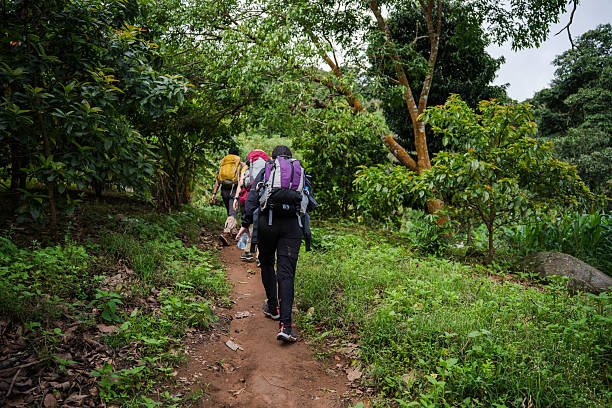
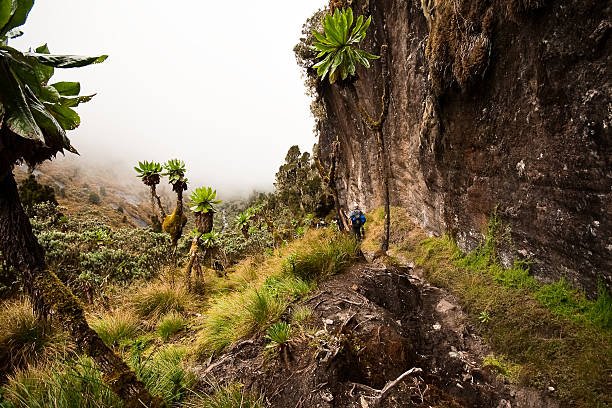
After breakfast, travel to Machame Gate and complete the required mountain entry procedures. Once the mountain crew and trekking equipment are organised, begin walking through Kilimanjaro's dense rainforest.
The trail climbs steadily through a humid forest environment. Conditions can become wet or muddy, particularly after rainfall, so waterproof clothing should remain accessible in your daypack.
Your guide establishes a controlled walking rhythm from the beginning. The first day is not a race. Conserving energy during the lower stages becomes increasingly important as the route reaches higher elevations.
After reaching Machame Camp, change into dry and warm clothing, organise your tent and prepare for dinner and the evening health assessment.
Day 1 Focus: Learn the Mountain Routine
The first day introduces you to the practical rhythm of Kilimanjaro.
You learn how to manage your daypack, rain clothing, water and camp equipment while becoming familiar with your guide's pace.
Keep tomorrow's clothing and equipment organised before going to sleep so mornings become easier as the expedition progresses.
Day 2: Machame Camp to Shira 2 Camp
Starting altitude: Approximately 2,850 m
Sleeping altitude: Approximately 3,810 m
Distance: Approximately 5 km
Walking time: Approximately 4 to 6 hours
Environment: Heath and moorland
Overnight: Shira 2 Camp
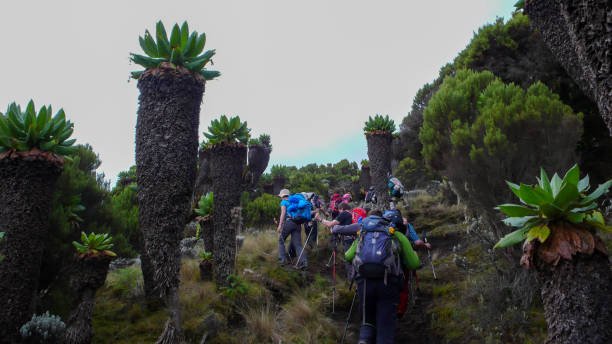
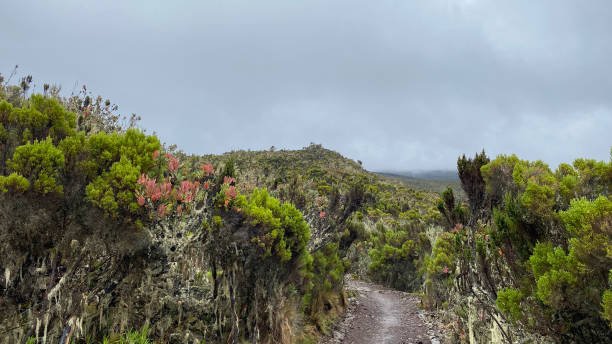
After breakfast, leave the rainforest and continue upward into heath and moorland terrain.
Vegetation becomes shorter and the surrounding landscape opens dramatically. When conditions are clear, the upper mountain becomes increasingly visible.
The distance is shorter than Day 1, but the increase in elevation becomes more noticeable.
Continue with a slow pace, drink regularly and avoid using extra energy simply because the walking distance appears short.
Arrive at Shira 2 Camp, eat, rest and prepare for an important acclimatization stage the following day.
Day 2 Focus: Increasing Altitude
By Shira, climbers are entering a noticeably higher environment.
Some people begin noticing changes in sleep, appetite or breathing.
These changes do not automatically mean something is wrong, but significant symptoms should always be discussed with your guide.
Day 3: Shira 2 to Lava Tower to Barranco Camp
Starting altitude: Approximately 3,810 m
High point: Lava Tower, approximately 4,630 m
Sleeping altitude: Barranco Camp, approximately 3,976 m
Total distance: Approximately 10 km
Walking time: Approximately 6 to 8 hours
Environment: Moorland and alpine desert
Day 3 is one of the most important acclimatization stages of the Machame Route.
Leave Shira and continue eastward toward progressively higher and more barren terrain. The route reaches Lava Tower at approximately 4,630 metres before descending toward Barranco.
The combination of reaching a higher daytime altitude and then sleeping lower is an important feature of the itinerary.
Altitude may become much more noticeable around Lava Tower. Communicate headache, nausea, unusual weakness or other concerning symptoms to your guide.
After the higher section, descend into the Barranco area and settle into camp beneath the dramatic Barranco Wall.
Why Lava Tower Is Important
Lava Tower provides useful higher altitude exposure before the route drops back toward Barranco Camp.
This is often described as a climb high and sleep lower pattern.
It can support the acclimatization process, but it does not guarantee that a climber will avoid altitude symptoms later in the expedition.
Evening at Barranco Camp
Change into warm clothing soon after arriving because temperatures can drop quickly.
Eat properly, drink and rest.
Your guide can also explain the following morning's Barranco Wall section so that climbers know what to expect.
Day 4: Barranco Camp to Karanga Camp
Starting altitude: Approximately 3,976 m
Sleeping altitude: Approximately 3,995 m
Distance: Approximately 5 km
Walking time: Approximately 4 to 5 hours
Major feature: Barranco Wall
Overnight: Karanga Camp
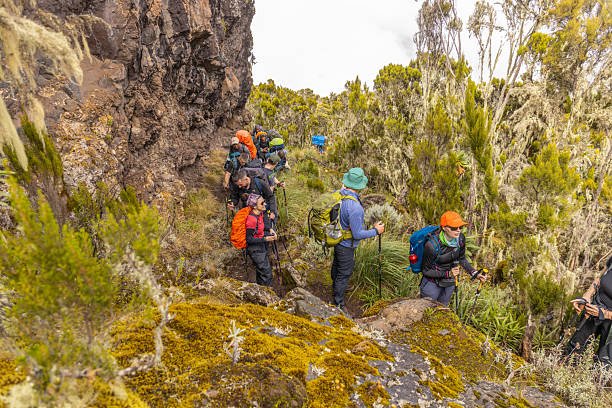
After breakfast, descend briefly toward the base of Barranco Wall and begin the steep ascent.
The wall looks dramatic from camp, but it is normally completed as a trekking and scrambling section rather than technical rock climbing.
You will use your hands for balance in several places. Follow the guide's instructions, move carefully and allow space between climbers.
After reaching the top, continue across a series of valleys and ridges before descending toward Karanga Valley and making the final climb to Karanga Camp.
The separate Karanga overnight is one of the key advantages of the seven day schedule.
Why Karanga Camp Matters
The seven day Machame itinerary keeps Karanga as its own overnight stage instead of continuing directly to Barafu.
This creates a shorter trekking day and allows additional time for eating, drinking, resting and monitoring how each climber is responding to altitude.
It also avoids arriving at Barafu immediately after a long combined Barranco and Karanga stage.
Barranco Wall for First Time Climbers
First time climbers often worry about Barranco Wall after seeing photographs online.
The section is steep, but technical mountaineering equipment is not normally required on the standard Machame trekking route.
Take your time and allow the guide to assist where additional attention is useful.
Day 5: Karanga Camp to Barafu Camp
Starting altitude: Approximately 3,995 m
Sleeping altitude: Approximately 4,673 m
Distance: Approximately 4 km
Walking time: Approximately 4 to 5 hours
Environment: Alpine desert
Overnight: Barafu Camp
Leave Karanga and continue upward toward Barafu Camp.
Although the trekking distance is relatively short, the increasing elevation means the stage should still be taken slowly.
Once you reach Barafu, the priority becomes summit preparation rather than additional activity.
Eat, hydrate, organise your summit clothing and make sure your headlamp, water, snacks, gloves and warm layers are ready before trying to rest.
Your guide completes another health assessment and explains the planned departure time for the summit attempt.
Barafu Summit Preparation
- Prepare all summit clothing before resting.
- Check the headlamp and batteries.
- Prepare water according to guide advice.
- Keep energy snacks accessible.
- Prepare trekking poles.
- Eat even if your appetite is reduced.
- Complete the evening health assessment honestly.
- Try to rest even if sleep is limited.
Day 6: Barafu Camp to Uhuru Peak to Mweka Camp
Starting altitude: Approximately 4,673 m
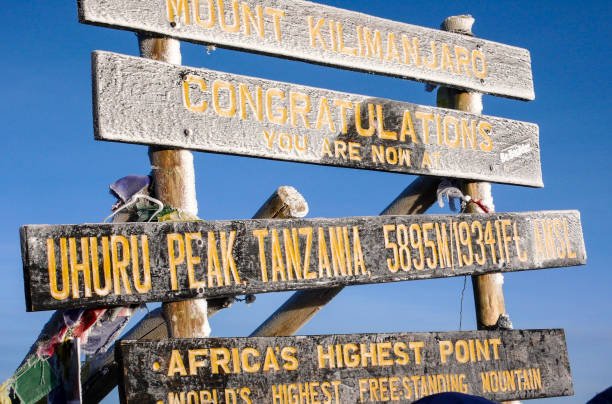
Highest point: Uhuru Peak, approximately 5,895 m
Sleeping altitude: Mweka Camp, approximately 3,068 m
Approximate total distance: Around 17 km
Approximate activity time: Often around 10 to 14 hours or longer depending on pace and conditions
Environment: High alpine and summit zone followed by major descent
Summit day begins during the night and is normally the most demanding stage of the 7 Day Machame Route.
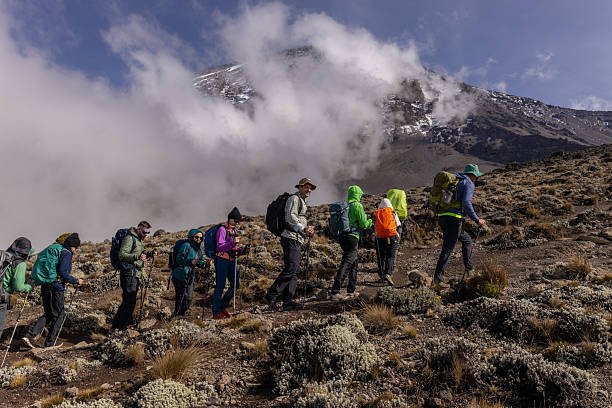
Dress in your warm summit layers, switch on your headlamp and begin moving slowly upward from Barafu.
The pace is deliberately controlled because altitude, cold and fatigue become increasingly important as elevation increases.
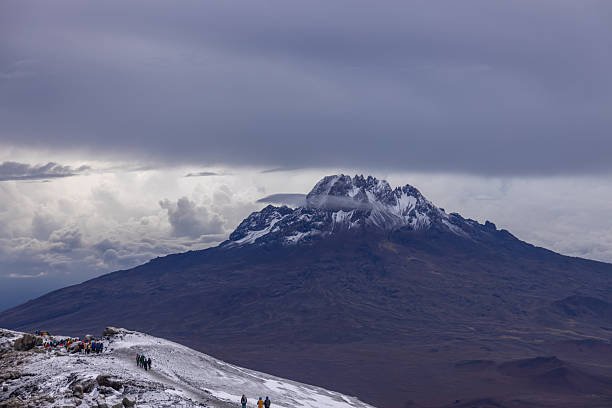
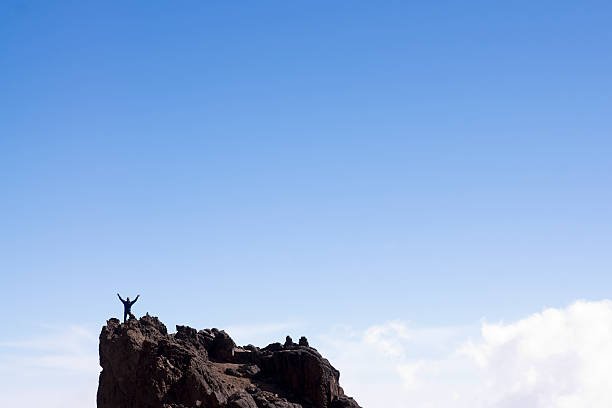
Climbers who remain in suitable condition continue toward the crater rim and onward toward Uhuru Peak at approximately 5,895 metres.
Reaching Uhuru Peak cannot be guaranteed. Individual health, altitude response, weather, trail conditions and guide assessment determine whether continuation is appropriate.
After the summit stage, begin the long descent. Return through the Barafu area and continue substantially lower toward Mweka Camp.
The descent can be tiring on knees and legs, so trekking poles can be particularly useful.
Summit Day Is More Than Reaching the Top
The climb does not finish at Uhuru Peak.
Climbers still need enough energy for a long descent to a much lower camp.
This is one reason conserving energy during the ascent is important.
What If One Climber Cannot Continue?
If a participant develops significant altitude symptoms or another safety concern, the guide may recommend descent.
Where guide staffing and conditions permit, appropriate support can accompany that climber downward while other suitable participants continue.
No one should hide symptoms because they are worried about delaying the group.
Day 7: Mweka Camp to Mweka Gate
Starting altitude: Approximately 3,068 m
Finishing altitude: Approximately 1,640 m
Distance: Approximately 10 km
Walking time: Approximately 3 to 4 hours
Environment: Montane forest
Finish: Mweka Gate
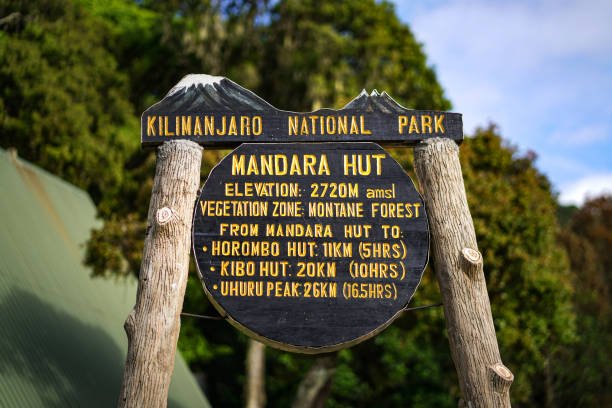
After breakfast, begin the final descent through increasingly dense forest toward Mweka Gate.
Temperatures become warmer as elevation decreases, although wet conditions can make the forest trail slippery.
Complete the required mountain exit procedures at Mweka Gate and meet the arranged vehicle.
Return to Moshi for a shower, meal and rest according to your confirmed post climb arrangements.
Why the 7 Day Machame Schedule Is Different from 6 Days
The most important scheduling difference is the separate overnight at Karanga Camp.
On a common six day itinerary, Barranco to Karanga and Karanga to Barafu are combined into a much longer day.
On the seven day version, climbers stop at Karanga and continue to Barafu the following day.
This gives the expedition additional mountain time and provides a shorter stage immediately before reaching summit camp.
Daily Health Monitoring
Our mountain procedures include regular individual health assessments throughout the seven day trek.
Guides consider headache, nausea, appetite, energy, sleep, breathing and general walking condition.
A pulse oximeter can provide additional information, but its reading is interpreted alongside symptoms and overall condition rather than used as a single universal pass or fail number.
Safety Support during the 7 Day Machame Route
- Professional Kilimanjaro guides
- Controlled trekking pace
- Regular health assessments
- Pulse oximeter monitoring
- Emergency oxygen
- First aid equipment
- Altitude symptom monitoring
- Summit support according to expedition requirements
- Descent assistance when required
Emergency Oxygen
Emergency oxygen forms part of our mountain safety equipment.
It is intended for emergency management rather than as a way for an unwell climber to continue ascending when descent is required.
Safety always takes priority over reaching Uhuru Peak.
Guide Support
Our typical planning uses approximately one guide for every two climbers, with additional summit support organised according to group requirements.
This is important because climbers may move at different speeds during summit night.
Porter Support
Porters carry shared expedition equipment, tents, food and permitted client duffel luggage between mountain camps.
Our standard porter carried personal client luggage allowance is approximately 15 kg per climber.
You carry your own daypack throughout the trekking day.
Mountain Meals throughout the Schedule
A mountain cook prepares meals throughout the expedition.
Breakfast, lunch and dinner are organised according to the day's walking schedule.
Vegetarian and other dietary requirements should be communicated before the climb so supplies can be planned accordingly.
Climbers can also carry familiar energy bars and personal snacks for long trekking stages and summit night.
Camping on the 7 Day Machame Route
The Machame Route uses designated tented camps.
Sleeping tents and mattresses are provided under our standard camping arrangements.
A suitably warm sleeping bag is also essential because temperatures become much colder as the route reaches higher camps.
What to Carry in Your Daypack
- Drinking water
- Waterproof jacket
- Waterproof trousers
- Warm layer
- Gloves and hat
- Sunglasses
- Sunscreen
- Personal snacks
- Personal medication
- Phone or camera
- Headlamp when required
Before Day 1
Plan to arrive in Moshi before the actual mountain departure whenever possible.
This allows time for a pre climb briefing, equipment inspection, rental gear arrangements and recovery after international travel.
Kilimanjaro International Airport pickup and Moshi hotel accommodation can be included according to your package.
After Day 7
After returning to Moshi from Mweka Gate, you can stay overnight, transfer toward Kilimanjaro International Airport or continue with another Tanzania experience.
A safari to Tarangire, Ngorongoro, Serengeti or Lake Manyara can be added after Kilimanjaro.
Zanzibar can also be arranged following the climb or after a mountain and safari combination.
Frequently Asked Questions
What is the 7 Day Machame Route daily schedule?
A common seven day schedule is Machame Gate to Machame Camp, Shira 2, Barranco via Lava Tower, Karanga, Barafu, Uhuru Peak, Mweka Camp and finally Mweka Gate.
Where does the 7 Day Machame Route start?
The mountain trek begins at Machame Gate after transportation from Moshi or another confirmed starting location.
Where does the Machame Route finish?
The standard descent finishes at Mweka Gate before transportation back to Moshi.
Where do we sleep on Day 1?
Day 1 normally finishes at Machame Camp after trekking through the rainforest from Machame Gate.
What happens on Day 3?
The route climbs from Shira toward Lava Tower at approximately 4,630 metres before descending to Barranco Camp.
Which day crosses Barranco Wall?
Barranco Wall is normally crossed on Day 4 while travelling from Barranco Camp toward Karanga Camp.
Do we sleep at Karanga Camp?
Yes. The separate Karanga overnight is a defining feature of the common seven day Machame schedule.
Where do we sleep before summit night?
Barafu Camp is commonly used as the final high camp before the standard Machame summit attempt.
Which day is summit day?
Day 6 is normally summit day on the seven day itinerary, followed by a substantial descent toward Mweka Camp.
How high is Uhuru Peak?
Uhuru Peak is approximately 5,895 metres above sea level.
Do we sleep at Uhuru Peak?
No. Climbers descend substantially after the summit attempt and normally overnight at Mweka Camp.
How long is summit day?
The complete ascent and descent can take many hours, often around 10 to 14 hours or more depending on pace, weather and mountain conditions.
What happens on Day 7?
The final day descends from Mweka Camp through the forest to Mweka Gate before returning by vehicle to Moshi.
Is 7 Day Machame different from 6 Day Machame?
Yes. The common seven day schedule includes a separate Karanga Camp overnight, while a common six day version combines Barranco to Karanga and onward to Barafu into one longer stage.
Are tents provided?
Yes. Sleeping tents are provided under our standard Machame camping arrangements.
Are mattresses provided?
Yes. Sleeping mattresses are provided according to our standard camping arrangements.
Are mountain meals included?
Mountain meals are included when stated in the confirmed package and are prepared according to the trekking schedule.
Are health checks performed?
Our mountain procedures include regular health assessments and pulse oximeter monitoring throughout the trek.
Is emergency oxygen carried?
Yes. Emergency oxygen forms part of our mountain safety equipment.
Does the 7 day schedule guarantee the summit?
No. Additional mountain time can support acclimatization, but summit success depends on individual health, altitude response, weather and mountain conditions.
Can beginners climb the 7 Day Machame Route?
Properly prepared beginners can consider the route because standard Machame is a trekking itinerary rather than a technical mountaineering climb, although it remains physically demanding.
Can airport pickup and Moshi hotels be included?
Yes. Kilimanjaro International Airport transfers and pre or post climb Moshi accommodation can be included according to the selected package.
Can I rent trekking equipment?
Yes. Selected equipment such as sleeping bags, trekking poles and gaiters can be rented subject to size and availability.
Can I add a safari after Day 7?
Yes. Tarangire, Ngorongoro, Serengeti and Lake Manyara can be added according to the number of travel days available after Kilimanjaro.
How do I book the 7 Day Machame Route?
Send your preferred climbing date, number of travellers and whether you prefer a group joining or private departure. Airport pickup, Moshi hotels, equipment rental, single tents, private toilet, safari and Zanzibar can also be added according to your complete Tanzania travel plan.
Follow the Complete 7 Day Machame Schedule
Climb from Machame Gate through Shira, Lava Tower, Barranco and Karanga to Barafu, followed by the Uhuru Peak summit attempt and Mweka descent with professional mountain support.
Request the 7 Day Machame Itinerary

 Kilimanjaro Climb