8 Day Lemosho Route Summit Success
The 8 Day Lemosho Route Summit Success potential is one of the main reasons many travellers consider this longer Mount Kilimanjaro itinerary. Eight mountain days provide additional time for gradual altitude exposure compared with more compressed schedules, while the route also passes through several important acclimatization stages before summit night.
The journey approaches Kilimanjaro from the western side, crosses the Shira landscape and continues toward the southern circuit. Depending on the exact itinerary, climbers can spend additional time around Shira and Moir before continuing toward Lava Tower, Barranco, Karanga and Barafu.
However, a longer route must never be presented as a guarantee of reaching Uhuru Peak. Every climber responds differently to altitude, and weather, health, pacing, hydration, nutrition, sleep and mountain conditions can influence the outcome.
The objective should be to create good conditions for acclimatization and make responsible decisions throughout the expedition rather than focusing only on a summit percentage.
8 Day Lemosho Summit Success at a Glance
- Route: Lemosho Route.
- Mountain duration: 8 days.
- Highest objective: Uhuru Peak at approximately 5,895 metres.
- Accommodation: Mountain camping.
- Main advantage: Additional mountain time for gradual altitude exposure.
- Important acclimatization areas: Shira, Moir where used, Lava Tower and the southern circuit.
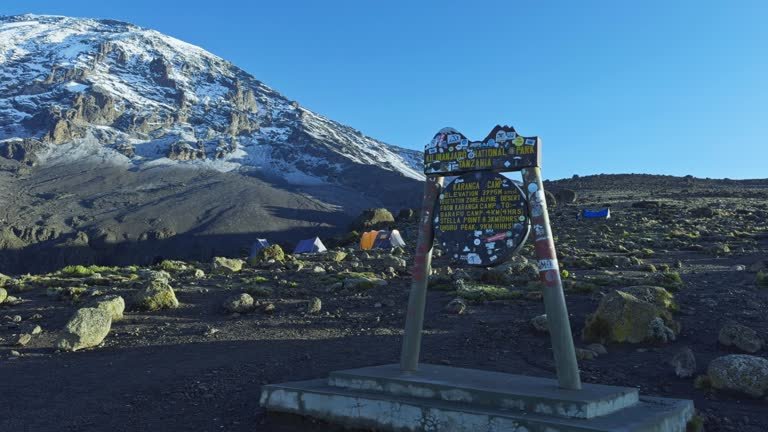
- Summit camp: Barafu on the common standard itinerary.
- Descent: Mweka Route.
- Summit guarantee: No.
What Is the 8 Day Lemosho Summit Success Rate?
Travellers often search for one exact percentage, but Kilimanjaro summit statistics require context.
Historical statistics frequently quoted in the trekking industry reported better overall summit outcomes for longer itineraries than shorter ones. However, old figures grouped climbs by duration rather than providing a modern independently verified percentage specifically for every 8 Day Lemosho operator.
Commercial operators also publish their own success rates, but these figures can differ because companies use different guide teams, health procedures, client populations, itinerary variations and definitions of success.
For this reason, it is more useful to understand why the 8 Day Lemosho Route can provide strong acclimatization opportunities than to treat one percentage as a promise.
Important: No Responsible Summit Guarantee
Reaching Uhuru Peak cannot be guaranteed. Summit outcomes can be affected by:
- Individual acclimatization
- Altitude symptoms
- General health
- Walking pace
- Hydration
- Food intake
- Sleep and recovery
- Weather conditions
- Trail conditions
- Guide safety assessment
Why Eight Days Can Improve Acclimatization Opportunities
Altitude adaptation requires time. Kilimanjaro rises to an elevation where the amount of available oxygen is substantially lower than at sea level.
An eight day Lemosho itinerary spreads the climb across more mountain days than shorter alternatives. This does not make altitude harmless, but it gives the body additional opportunities to experience progressively higher elevations before summit night.
The early Lemosho schedule can also divide the Shira section more gradually, reducing the need to combine some of the western approach into a longer single day.
8 Day versus 7 Day Lemosho for Summit Preparation
| Feature |
7 Day Lemosho |
8 Day Lemosho |
| Mountain days |
7 |
8 |
| Early itinerary |
More compressed |
More gradual |
| Shira section |
Often combined into longer stages |
Can provide additional staged progression |
| Camping |
Yes |
Yes |
| Summit guarantee |
No |
No |
The additional day can be useful for travellers who have enough time and want a less compressed western approach. It should be viewed as an acclimatization advantage rather than a guarantee of success.
Typical 8 Day Lemosho Acclimatization Flow
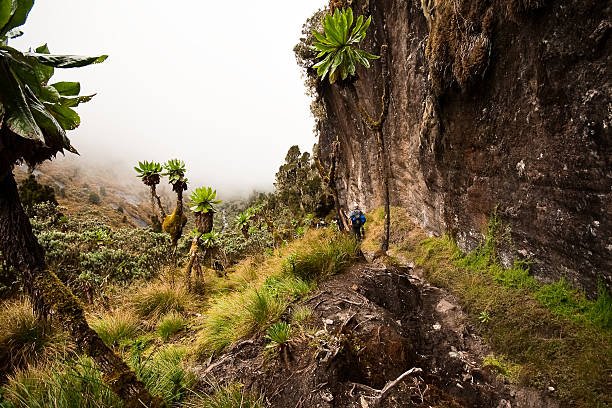
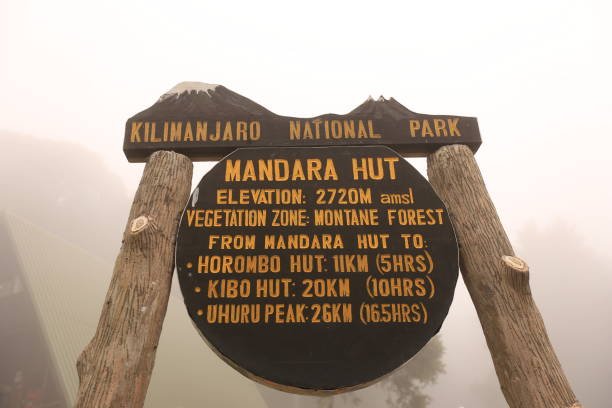
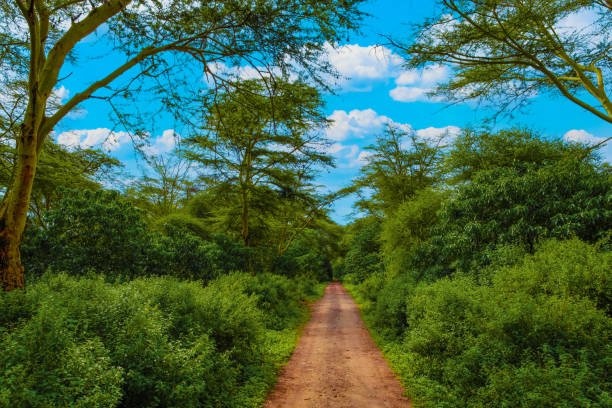
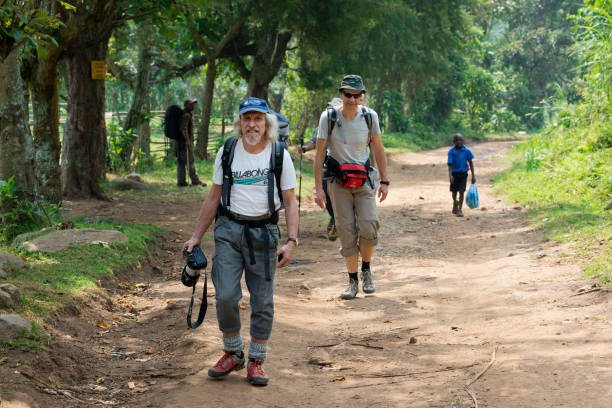
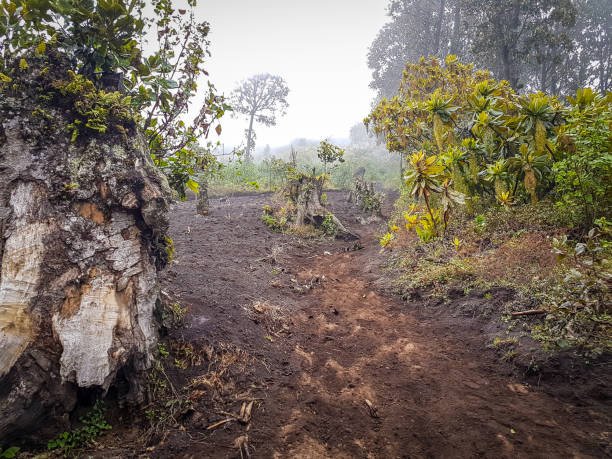
- Day 1: Enter through the western forest and begin gradual altitude exposure.
- Day 2: Continue toward Shira 1 while leaving the forest for higher terrain.
- Day 3: Cross the Shira landscape toward Shira 2 or Moir area according to the itinerary.
- Day 4: Reach higher elevation around Lava Tower before descending toward Barranco.
- Day 5: Cross Barranco Wall and continue toward Karanga.
- Day 6: Progress toward Barafu high camp and prepare for summit night.
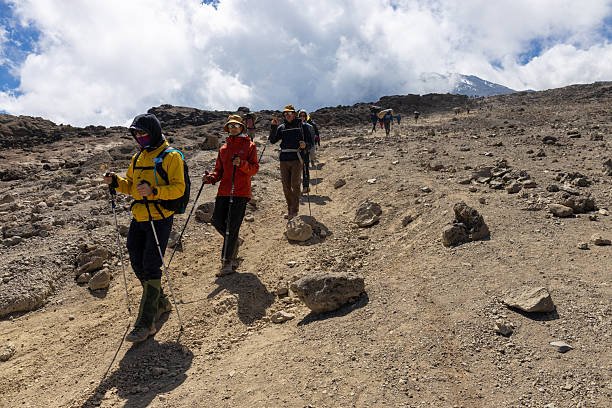
- Day 7: Summit attempt toward Uhuru Peak followed by a major descent.
- Day 8: Complete the Mweka descent and return toward Moshi.
The exact camp sequence can differ between 8 day Lemosho itineraries, so always use the itinerary supplied with your confirmed booking.
The Importance of the Shira Section
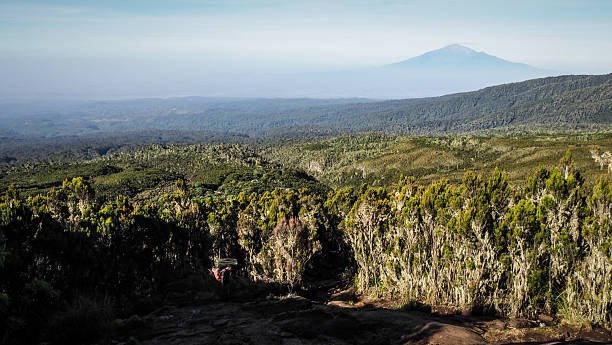
The Shira Plateau provides some of the most distinctive scenery on the Lemosho Route and forms an important part of the gradual western approach.
On an eight day schedule, the early mountain stages can be divided so climbers spend additional time progressing through this environment instead of compressing several sections into fewer days.
Even when you feel strong, continue following the guide's slow pace.
Moir and Additional Altitude Exposure
Some 8 day Lemosho itineraries include the Moir area after crossing the Shira Plateau.
This section can provide additional walking and acclimatization opportunities before the route moves toward Lava Tower and the southern circuit.
The precise camp arrangement should be confirmed because not every operator uses exactly the same eight day sequence.
Lava Tower and “Climb High, Sleep Lower”
Lava Tower is an important stage because climbers commonly reach approximately 4,600 metres during the day before descending to Barranco for the night.
This exposes the body to a higher elevation while allowing recovery at a lower sleeping altitude.
Some climbers experience headaches, reduced appetite or fatigue during this stage. Report symptoms to the guide rather than trying to hide them.
Barranco Wall and Summit Success
Barranco Wall itself is not an altitude shortcut or summit predictor, but successfully managing this steep section requires controlled movement and energy conservation.
The standard route is non technical, although climbers use their hands for balance in some sections.
Avoid wasting energy by trying to climb faster than necessary.
Karanga and Recovery before Barafu
Karanga provides an important stage before the expedition reaches Barafu.
By this point, the objective is not simply to keep climbing. Eating, drinking, resting and honestly assessing how you feel are equally important.
A climber who reaches Barafu exhausted, dehydrated or unable to eat may find summit night substantially harder.
Barafu Camp and Final Summit Preparation
Barafu is commonly the final high camp before the summit attempt.
After arriving, organise your summit equipment before trying to rest.
Prepare Before Summit Night
- Prepare warm base and insulation layers.
- Organise your summit jacket.
- Check gloves and warm hat.
- Check your headlamp and batteries.
- Prepare drinking water.
- Keep personal snacks accessible.
- Prepare trekking poles.
- Complete your guide health assessment honestly.
- Eat before trying to rest.
Summit Night
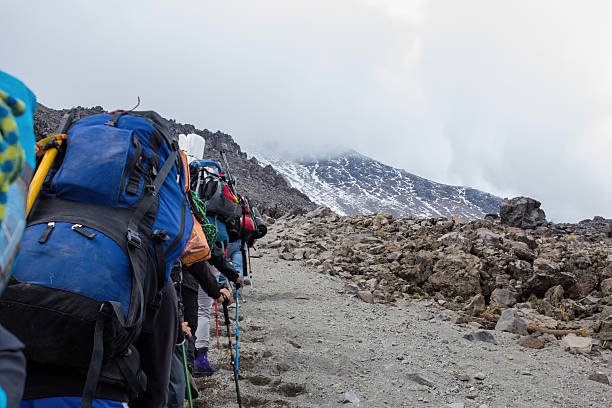
Summit night is generally the most demanding part of the 8 Day Lemosho Route.
Climbers leave high camp during the night and progress slowly through cold, dark and increasingly high altitude terrain.
The walking pace is deliberately controlled. Moving too quickly can waste energy needed for the upper mountain and subsequent descent.
Climbers who remain in suitable condition continue toward the crater rim and then toward Uhuru Peak.
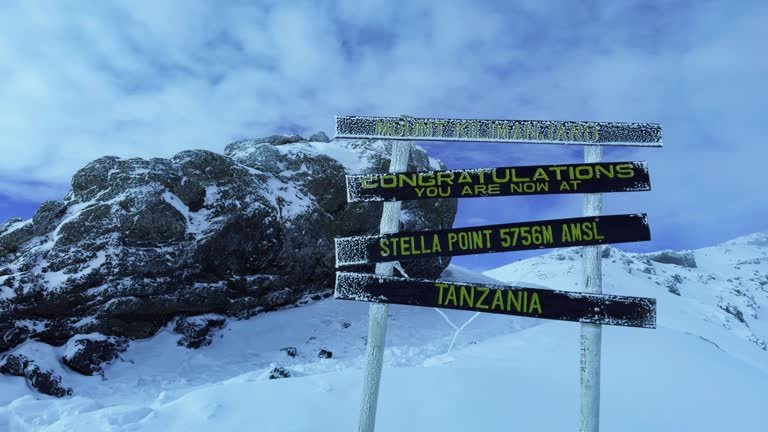
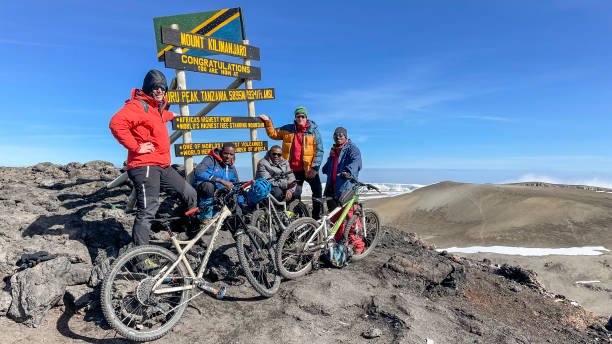
Uhuru Peak at Approximately 5,895 Metres
Uhuru Peak is the principal summit objective of the standard Kilimanjaro climb.
Reaching the summit is a major achievement, but the decision to continue should always depend on individual health and mountain conditions.
A climber may be close to the summit and still need to turn around if continuing becomes unsafe.
Daily Health Monitoring
Good summit preparation begins long before summit night.
Our mountain procedures include regular health assessments throughout the climb.
Guides consider headache, nausea, appetite, fatigue, sleep, breathing and overall walking condition.
Changes across several days can be more informative than trying to judge the entire climb from one moment.
Pulse Oximeter Monitoring
A pulse oximeter can provide additional information during health assessments.
However, one oxygen saturation reading should not be treated as a universal summit permission number.
The guide considers readings together with symptoms, behaviour, walking ability and overall condition.
Mountain Safety Support
- Professional Kilimanjaro guides
- Controlled trekking pace
- Regular individual health assessments
- Pulse oximeter monitoring
- Emergency oxygen
- First aid equipment
- Altitude symptom monitoring
- Summit assistance according to expedition requirements
- Descent assistance when necessary
Emergency Oxygen and Summit Success
Emergency oxygen forms part of our mountain safety equipment, but it should never be viewed as something that guarantees summit success.
Emergency oxygen is intended for emergency management rather than enabling an unwell climber to continue ascending when descent is required.
If descending is the appropriate safety response, the summit objective becomes secondary.
Guide Support on Summit Night
Climbers within the same group do not always move at the same speed on summit night.
Our typical mountain planning uses approximately one guide for every two climbers, with additional summit assistance organised according to expedition structure.
This can provide greater flexibility if one person needs additional support or if climbers naturally separate into different pace groups.
Fitness and Summit Success
Physical fitness matters because climbers need to walk for several consecutive days and complete a demanding summit ascent and descent.
However, fitness does not make a person immune to altitude.
A highly trained athlete can experience altitude problems, while a slower recreational hiker may acclimatize differently.
Train for endurance, but do not assume fitness allows you to ignore mountain pacing or health advice.
Training before the 8 Day Lemosho Route
- Regular walking
- Longer hikes
- Hill walking
- Stair climbing
- Cardiovascular exercise
- Leg strength training
- Core exercises
- Training with your daypack
- Testing hiking boots before travel
- Consecutive hiking days where practical
Walking Pace
One of the simplest summit preparation strategies is avoiding unnecessary speed.
Lower elevations can feel easy, particularly for fit climbers, but using excessive energy during the first days provides little advantage.
Follow the guide's controlled pace and think about the expedition as eight connected mountain days rather than a series of daily races.
Hydration
Regular hydration is important during the trek.
Carry suitable reusable water containers and drink consistently during the walking day.
Your guide will explain mountain water arrangements and summit night considerations.
Nutrition and Appetite
Altitude can reduce appetite, but the body still requires energy.
A mountain cook prepares meals throughout the expedition according to the confirmed package.
Try to continue eating even when portions become more difficult at higher elevations.
Bringing familiar personal snacks can also help during long walking stages and summit night.
Sleep and Recovery
Sleeping at altitude can feel different from sleeping at home.
You may wake frequently or feel that sleep is lighter than usual.
Use camp time for recovery rather than unnecessary physical activity, particularly as the expedition approaches Barafu.
Weather and Summit Success
Kilimanjaro weather can change quickly.
Cold, wind, precipitation and poor trail conditions can increase the physical demands of summit night.
Proper layering, waterproof clothing, gloves and warm summit equipment are therefore part of successful preparation.
Equipment and Summit Preparation
Good equipment cannot guarantee the summit, but unsuitable clothing can create unnecessary problems.
Important Summit Equipment
- Well fitted hiking boots
- Warm base layers
- Insulation layers
- Warm outer jacket
- Waterproof shell
- Warm gloves
- Warm hat
- Headlamp with suitable batteries
- Trekking poles
- Water containers
- Personal snacks
Gear Check in Moshi
Complete an equipment check before travelling to the mountain.
This provides an opportunity to identify missing or unsuitable items while still in Moshi.
Selected items such as sleeping bags, trekking poles and gaiters can be rented subject to availability.
Camping and Recovery
The Lemosho Route uses mountain camping.
Sleeping tents and mattresses are provided according to our standard camping arrangements.
A sufficiently warm sleeping bag is important because good rest becomes more difficult when a climber is unnecessarily cold.
Porter Support and Energy Conservation
Porters carry shared expedition equipment, food, tents and permitted client duffel luggage between camps.
Our standard porter carried allowance for personal client luggage is approximately 15 kg per climber.
This allows you to trek with a lighter daypack rather than carrying all of your eight day mountain equipment yourself.
What You Carry in Your Daypack
- Drinking water
- Waterproof jacket
- Waterproof trousers
- Warm layer
- Gloves
- Hat
- Sunglasses
- Sunscreen
- Personal snacks
- Personal medication
- Phone or camera
- Headlamp when required
Can Beginners Have Good Summit Outcomes on 8 Day Lemosho?
Prepared first time climbers can consider the 8 Day Lemosho Route because technical mountaineering experience is not normally required on the standard trek.
The additional mountain time can be valuable for climbers who have never previously experienced high altitude.
However, beginners still need proper fitness preparation, suitable equipment and realistic expectations.
Does Previous Hiking Experience Guarantee Success?
No. Experienced hikers can benefit from strong legs, established equipment systems and familiarity with long trekking days, but altitude remains an independent challenge.
Previous hiking experience is useful preparation rather than a summit guarantee.
Group Joining versus Private Summit Support
Both group joining and private 8 day Lemosho climbs can provide professional guide support.
A private expedition is organised only around your own party, while a group departure combines travellers who booked the same schedule.
Regardless of booking style, each person's health should be assessed individually.
What If One Climber Needs to Descend?
A person experiencing significant altitude symptoms or another safety issue may need to descend.
When staffing and conditions permit, appropriate guide support can accompany the descending climber while healthy participants continue.
No climber should hide symptoms because they are worried about disappointing the group.
Frequently Asked Questions
What is the 8 Day Lemosho Route summit success rate?
There is no single current official TANAPA percentage specifically for every 8 Day Lemosho operator. Published commercial estimates are often high, while historical park statistics showed stronger outcomes for longer itineraries. These figures should be treated as guidance rather than guarantees.
Is the 8 Day Lemosho Route good for acclimatization?
The longer itinerary provides several days of progressive altitude exposure and can include useful acclimatization stages through Shira, Moir, Lava Tower and the southern circuit.
Is 8 Day Lemosho better than 7 days for acclimatization?
The 8 day version provides an additional mountain day and normally allows a more gradual early itinerary. This can provide additional acclimatization opportunity, although neither itinerary guarantees the summit.
Does the extra day guarantee Uhuru Peak?
No. Additional time can support acclimatization, but individual altitude response, health and mountain conditions remain important.
Why is Lava Tower important?
Lava Tower provides exposure to a higher elevation before the route descends toward Barranco, creating a useful acclimatization stage on the southern circuit.
What is the hardest part of the 8 Day Lemosho Route?
Summit night is normally the most demanding stage because it combines high altitude, cold temperatures, darkness, substantial ascent and a long descent.
Can a very fit person still get altitude sickness?
Yes. Fitness helps with the physical demands of trekking but does not make a climber immune to altitude related illness.
Do you perform health checks?
Our mountain procedures include regular individual health assessments throughout the expedition.
Do you use a pulse oximeter?
Yes. Pulse oximeter readings form one part of the health assessment and are considered alongside symptoms and overall condition.
Is emergency oxygen carried?
Yes. Emergency oxygen forms part of our mountain safety equipment.
Can emergency oxygen help me continue to the summit?
Emergency oxygen is intended for emergency management and should not be used as a reason to continue ascending when descent is the safer decision.
Does walking slowly matter?
Yes. A controlled pace helps conserve energy and is an important part of responsible altitude management.
Does hydration affect the climb?
Regular hydration is an important part of mountain preparation and daily trekking routine, although drinking water alone cannot prevent all altitude problems.
Should I continue eating if altitude reduces my appetite?
Maintaining energy intake is important during a long trek. Communicate significant appetite loss or nausea to your guide because these symptoms can also be relevant to the health assessment.
Can beginners climb the 8 Day Lemosho Route?
Yes. Properly prepared beginners can consider the route because standard Lemosho is a trekking itinerary rather than a technical mountaineering climb.
Do experienced hikers automatically have higher summit success?
Experience can help with endurance, equipment and trekking technique, but it does not guarantee good acclimatization at high altitude.
Is weather important on summit night?
Yes. Cold, wind and changing mountain conditions can increase the difficulty of the summit attempt.
Where does summit night start?
The common standard 8 day Lemosho itinerary uses Barafu as the high camp before the summit attempt.
What happens after reaching the summit?
Climbers descend substantially after the summit attempt rather than staying at Uhuru Peak, commonly continuing toward Mweka Camp before the final descent to Mweka Gate.
What if I need to turn around?
If altitude symptoms or another safety concern make continuation inappropriate, the guide may recommend descent. Turning around can be the correct mountain decision.
Can the rest of the group continue if one person descends?
Where sufficient guide coverage and safe operating conditions remain, other suitable climbers may continue while appropriate support accompanies the descending participant.
Are tents and mattresses provided?
Yes. Sleeping tents and mattresses are provided under our standard Lemosho camping arrangements.
Can I rent a sleeping bag?
Yes. Sleeping bag rental can be arranged subject to size and availability.
Can airport pickup and hotels be included?
Yes. Kilimanjaro International Airport transfers and Moshi hotel accommodation can be included according to the selected package.
How can I improve my preparation for the 8 Day Lemosho summit attempt?
Train before travelling, choose suitable equipment, arrive rested, follow the guide's pace, eat and drink consistently, communicate altitude symptoms honestly and treat every health assessment seriously. These steps support responsible summit preparation without creating a guarantee of reaching Uhuru Peak.
Prepare for Your 8 Day Lemosho Summit Attempt
Use the longer Lemosho itinerary to progress gradually through Kilimanjaro's altitude zones with professional guides, regular health monitoring and a safety first approach to the summit attempt.
Request the 8 Day Lemosho Package

 Kilimanjaro Climb