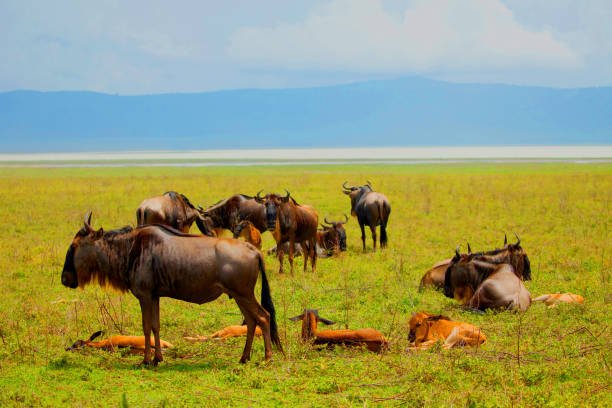
7 Day Tanzania Camping Safari
The 7 Day Tanzania Camping Safari is designed for travellers who want to combine northern Tanzania’s major wildlife destinations with practical campsite accommodation and an outdoor safari experience.
The standard route includes Lake Manyara National Park, Tarangire National Park, Serengeti National Park and Ngorongoro Crater.
The seven day format provides additional Serengeti wildlife time compared with shorter camping safari itineraries.
Lake Manyara introduces groundwater forest, woodland, wetlands and Rift Valley scenery.
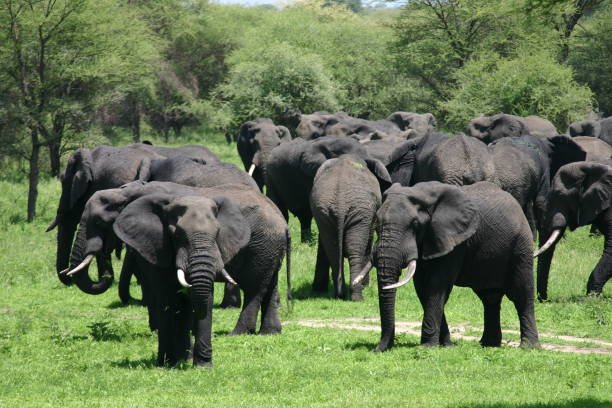
Tarangire contributes giant baobab trees, the Tarangire River ecosystem and strong elephant viewing opportunities.
Serengeti forms the main wildlife focus with several days dedicated to plains wildlife, predators, rocky kopjes and seasonal herd movement.
Ngorongoro Crater completes the route with a final wildlife game drive in an environment containing grassland, wetlands, forest and permanent water.
Overnight accommodation uses designated or public campsites according to the confirmed safari package.
Safari tents, camp meals, camping support and other equipment should be clearly listed in the confirmed quotation before departure.
Wildlife remains natural and free ranging, so no individual animal, predator encounter, Great Migration event, river crossing or black rhino sighting can be guaranteed.
7 Day Tanzania Camping Safari at a Glance
- Duration: 7 safari days
- Safari Style: Camping safari
- Day 1: Lake Manyara National Park
- Day 2: Tarangire National Park
- Day 3: Serengeti National Park
- Day 4: Full Serengeti wildlife game drive
- Day 5: Second full Serengeti wildlife game drive
- Day 6: Serengeti game drive and travel toward Ngorongoro
- Day 7: Ngorongoro Crater wildlife game drive
- Accommodation: Designated or public campsites according to the confirmed package
Complete 7 Day Tanzania Camping Safari Itinerary
DAY
01
LAKE MANYARA NATIONAL PARK
Lake Manyara Wildlife Game Drive and First Camping Night
Your camping safari begins from the confirmed pickup location with a road journey toward Lake Manyara National Park.
Meet your professional safari guide and begin travelling toward the first wildlife destination of the itinerary.
After completing the applicable entrance procedures, enter Lake Manyara National Park and begin the first wildlife game drive.
The park contains groundwater forest, woodland, wetlands and lake influenced habitats beneath the Rift Valley escarpment.
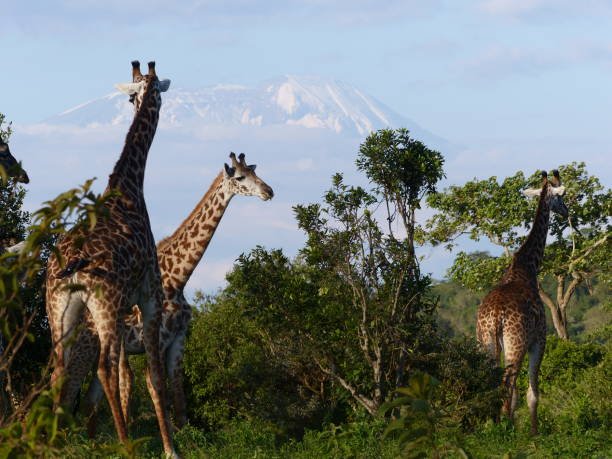
Possible wildlife includes elephants, giraffes, buffalo, zebra, warthogs and several antelope species.
Baboons and blue monkeys may be encountered in the forested areas.
Hippos may be observed around suitable water habitats depending on conditions and the selected game drive route.
Lake Manyara is associated with tree climbing lions, although lions remain free ranging and sightings cannot be guaranteed.
Flamingos and other waterbirds may occur depending on lake conditions, seasonal movement and food availability.
After the wildlife game drive, continue toward the confirmed campsite.
Dinner is prepared according to the camping arrangement before the first overnight in safari tents.
Day 1 Highlights
- Lake Manyara National Park
- Rift Valley scenery
- Elephant opportunities
- Baboons and blue monkeys
- Possible hippo sightings
- Birdwatching opportunities
- First safari tent overnight
DAY
02
TARANGIRE NATIONAL PARK
Elephants, Baobabs and Tarangire Camping Safari
After breakfast at camp, travel toward Tarangire National Park.
After entering the park, begin a wildlife game drive through one of northern Tanzania’s most distinctive landscapes.
Tarangire is recognised for giant baobab trees, grassland, woodland, seasonal wetlands and the Tarangire River ecosystem.
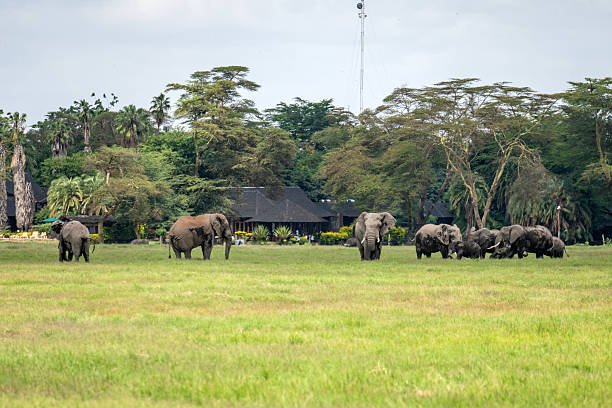
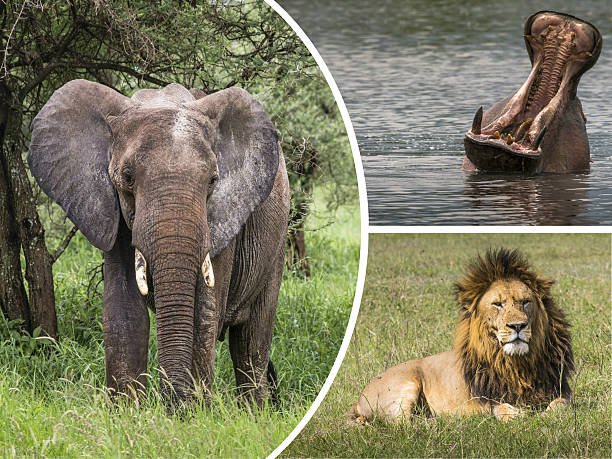
Elephants are among the animals most strongly associated with the park and may be encountered individually or in family groups.
Possible additional wildlife includes giraffes, zebra, wildebeest, buffalo, warthog, impala and other antelope species.
Lions and other predators occur within Tarangire, although their location remains unpredictable.
The Tarangire River can influence wildlife movement, particularly when reliable water becomes important.
A picnic lunch or another confirmed meal arrangement is normally enjoyed during the game drive.
After further wildlife viewing, continue toward the confirmed campsite.
Dinner and the second camping overnight follow according to the confirmed safari arrangement.
Day 2 Highlights
- Tarangire National Park
- Giant baobab trees
- Strong elephant opportunities
- Giraffe, zebra and wildebeest
- Buffalo and antelope possibilities
- Possible predator sightings
- Tarangire River ecosystem
- Second camping overnight
DAY
03
SERENGETI NATIONAL PARK
Journey to Serengeti and Campsite Wildlife Experience
After breakfast, begin the journey toward Serengeti National Park.
The landscapes change as the safari continues toward one of Tanzania’s most extensive wildlife ecosystems.
After completing the applicable entrance procedures, enter Serengeti and begin wildlife viewing.
Serengeti contains open grassland, acacia woodland, rocky kopjes, river corridors and seasonal grazing habitats.
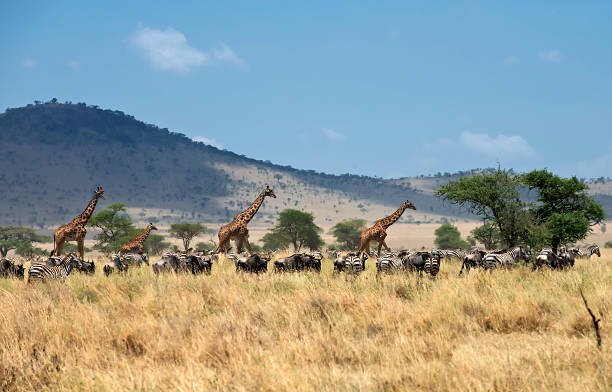
Possible wildlife includes wildebeest, zebra, elephants, giraffes, buffalo, gazelles and other antelope species.
Predator opportunities include lions, cheetahs, leopards and hyenas.
Lions may be encountered around rocky kopjes or resting on the open plains.
Cheetahs may occur across suitable open areas while leopards may use woodland, trees and river related habitats.
Depending on the season and current herd location, wildebeest and zebra associated with the Great Migration may also be encountered.
Continue wildlife viewing before travelling toward the confirmed Serengeti campsite.
Dinner is prepared according to the camping arrangement before the first Serengeti campsite overnight.
Day 3 Highlights
- Serengeti National Park
- Open plains
- Rocky kopjes
- Lion opportunities
- Possible cheetah and leopard sightings
- Wildebeest and zebra
- Possible Great Migration activity
- First Serengeti campsite overnight
DAY
04
SERENGETI NATIONAL PARK
Full Day Serengeti Wildlife Game Drive
After breakfast at camp, begin a full day dedicated to Serengeti wildlife exploration.
The full game drive day provides time to explore different wildlife habitats according to current animal movement and road conditions.
Lion prides may be encountered in open grassland or around rocky kopjes.
Cheetahs may occur in open areas where visibility supports their hunting strategy.
Leopards may use trees, woodland and river corridors but can be difficult to locate because of their secretive behaviour.
Hyenas may be encountered hunting, scavenging, resting or moving between wildlife areas.
Wildebeest, zebra, elephants, giraffes, buffalo and gazelles may provide additional wildlife encounters.
A picnic lunch or another confirmed meal arrangement is normally enjoyed during the wildlife drive.
Continue exploring before returning toward the Serengeti campsite.
Dinner and the second Serengeti camping overnight follow according to the confirmed package.
Day 4 Highlights
- Full Serengeti wildlife game drive
- Lion pride opportunities
- Possible cheetah sightings
- Possible leopard sightings
- Hyenas and other predators
- Wildebeest and zebra
- Elephants, giraffes and buffalo
- Second Serengeti campsite night
DAY
05
SERENGETI NATIONAL PARK
Second Full Day Serengeti Wildlife Safari
Day 5 provides another full day inside Serengeti National Park.
Wildlife distribution changes naturally, so a second full day can provide different sightings from the previous game drive.
Your guide may revisit productive areas or explore another section depending on current wildlife activity.
Lions may be encountered across plains or rocky kopjes.
Cheetahs may move through open habitats while leopards may remain around woodland, trees and river corridors.
Hyenas and other predators may also be encountered depending on natural movement.
Large herbivores including wildebeest, zebra, elephants, giraffes and buffalo can create varied wildlife scenes.
The additional day also provides more opportunities for birdwatching, landscape photography and observing animal behaviour.
Return toward the campsite for dinner and another Serengeti camping overnight.
Day 5 Highlights
- Second full Serengeti wildlife day
- Extended predator opportunities
- Lion pride possibilities
- Possible cheetah and leopard encounters
- Wildebeest and zebra
- Elephants, giraffes and buffalo
- Birdwatching opportunities
- Third Serengeti camping overnight
DAY
06
SERENGETI – NGORONGORO AREA
Final Serengeti Wildlife Drive and Ngorongoro Camping Night
After breakfast at camp, continue wildlife viewing in Serengeti before beginning the journey toward Ngorongoro.
The final Serengeti game drive provides another opportunity to search for animals that may not have been encountered during previous days.
Lions may be encountered around open plains or rocky kopjes.
Cheetahs may occur in suitable open habitats, while leopards may use woodland, trees and river corridors.
Hyenas and other predators may also be encountered depending on natural wildlife activity.
Wildebeest, zebra, elephants, giraffes, buffalo and gazelles may continue to provide wildlife viewing opportunities.
Your guide balances the final Serengeti wildlife viewing with the journey toward the Ngorongoro Conservation Area.
After leaving Serengeti, continue toward the confirmed campsite around the Ngorongoro area.
Temperatures around the highlands can be noticeably cooler than the Serengeti plains, so warm layers are useful.
Dinner and the sixth safari overnight follow according to the confirmed camping arrangement.
Day 6 Highlights
- Final Serengeti wildlife game drive
- Lion opportunities
- Possible cheetah and leopard sightings
- Wildebeest and zebra
- Elephants, giraffes and buffalo
- Journey toward Ngorongoro
- Cooler highland environment
- Ngorongoro area camping overnight
DAY
07
NGORONGORO CRATER
Ngorongoro Crater Wildlife Game Drive and Safari Finish
Begin the final day with breakfast at the confirmed campsite.
Travel toward the Ngorongoro crater rim and complete the applicable entrance procedures before descending into the crater.
The crater floor contains grassland, wetlands, forest sections and permanent water habitats supporting diverse wildlife.
Possible sightings include wildebeest, zebra, buffalo, gazelles and other antelope species.
Lions and hyenas are among the predators that may be encountered.
Elephants may also be observed, including mature bulls moving through suitable habitats.
Hippos occur around suitable permanent water areas and may be visible depending on the game drive route.
Ngorongoro provides opportunities to observe black rhino, although animals may remain far from accessible roads and sightings cannot be guaranteed.
A picnic lunch or another confirmed meal arrangement is normally enjoyed during the crater safari.
After further wildlife viewing, ascend from the crater and begin travelling toward the agreed final destination.
The 7 Day Tanzania Camping Safari concludes after the confirmed final transfer.
Day 7 Highlights
- Ngorongoro Crater descent
- Crater wildlife game drive
- Lion viewing opportunities
- Wildebeest, zebra and buffalo
- Hyenas and hippos
- Elephant opportunities
- Possible black rhino viewing
- Final wildlife photography
What Is a Tanzania Camping Safari?
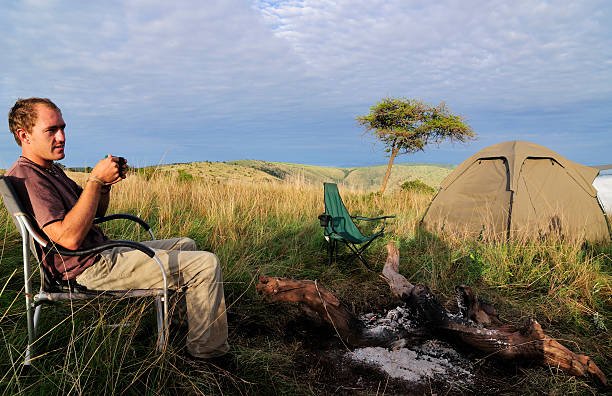
A Tanzania camping safari combines professionally guided wildlife game drives with overnight stays at designated or public campsites.
Travellers use safari tents instead of permanent lodge rooms.
The exact camping style depends on the confirmed package, campsite and equipment arrangement.
Camping creates a practical and outdoor focused way to experience Tanzania’s wildlife destinations while keeping the main emphasis on game drives and natural landscapes.
Typical Camping Safari Experience
- Safari tents according to the confirmed package
- Designated or public campsite nights
- Shared campsite facilities where applicable
- Professional safari guide
- Camping support according to the package
- Prepared safari meals
- 4x4 wildlife game drives
- Outdoor evenings close to nature
- Simpler accommodation than a lodge safari
Camping Safari vs Lodge Safari
The main difference between camping and lodge safaris is the overnight accommodation.
A camping safari uses safari tents and campsite facilities, while a lodge safari uses permanent rooms or established tented properties.
Both safari styles can follow the same wildlife route and game drive schedule.
Camping normally creates a more practical outdoor experience, while lodges generally offer more permanent facilities and additional comfort.
Public and Designated Campsites
The safari may use public or designated campsites according to the confirmed itinerary.
Facilities vary between locations and should not be assumed to be identical at every campsite.
Some campsites provide shared toilet and washing facilities.
Travellers should expect a simpler environment than permanent lodge accommodation.
Safari Tents
Safari tents are used for overnight accommodation according to the confirmed package.
The exact tent size, occupancy and equipment should be confirmed before departure.
Couples or friends should verify their sharing arrangement, while solo travellers should confirm whether a single tent is included.
Sleeping Equipment
The sleeping equipment included can vary between safari packages.
A sleeping mat or mattress may be provided according to the confirmed arrangement.
Sleeping bags should not automatically be assumed to be included unless specifically listed.
Travellers should verify the equipment list before arrival so they know what to bring or rent.
Campsite Toilets and Showers
Public and designated campsites may provide shared toilet and washing facilities.
The exact standard, water availability and shower arrangements vary by campsite.
Camping should therefore be approached as a practical safari experience rather than hotel style accommodation.
Electricity and Charging
Reliable electricity should not be assumed at safari campsites.
Travellers using smartphones, cameras or other electronics should carry suitable power banks or spare batteries.
Important devices should be charged whenever dependable electricity becomes available.
Bring a Power Bank
A seven day camping safari may include several nights without dependable charging access, so a suitable power bank and spare camera batteries can be useful.
Meals on a Tanzania Camping Safari
Meals are prepared according to the confirmed safari package.
Breakfast is normally organised before departure, while picnic lunches can be used during game drive days.
Dinner is normally prepared after arriving at the campsite.
The exact menu varies according to supplies, package design and dietary requirements.
Dietary requirements should be communicated in advance whenever possible.
Lake Manyara National Park
Lake Manyara introduces the safari with forest, wetland and Rift Valley environments.
Possible wildlife includes elephants, giraffes, buffalo, zebra, warthogs, hippos, baboons and blue monkeys.
Birdwatching can also form an important part of the Lake Manyara game drive.
Tarangire National Park
Tarangire provides giant baobab trees, open grassland, woodland and the Tarangire River ecosystem.
The park is particularly associated with elephant viewing opportunities.
Possible additional wildlife includes giraffes, zebra, wildebeest, buffalo, warthogs and antelope.
Elephants in Tarangire
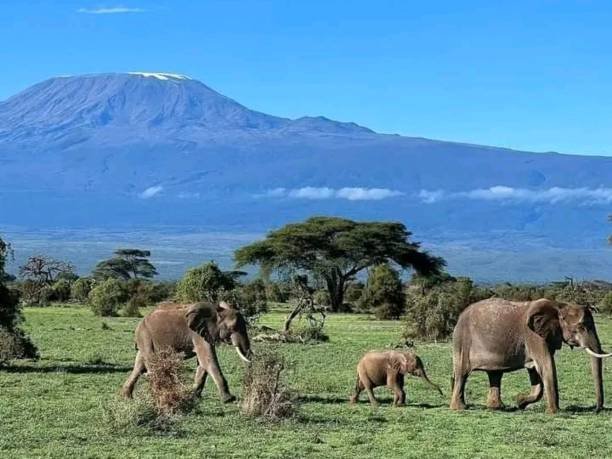
Elephants may occur individually or in family groups.
Water availability and vegetation influence their distribution throughout the park.
The combination of elephants and giant baobabs can provide memorable photography opportunities.
Serengeti National Park
Serengeti forms the main wildlife focus of the seven day camping safari.
The route provides wildlife viewing on Day 3, full game drives on Days 4 and 5, and additional game drive time on Day 6.
This creates more Serengeti wildlife viewing than many shorter camping safari itineraries.
Lions in Serengeti
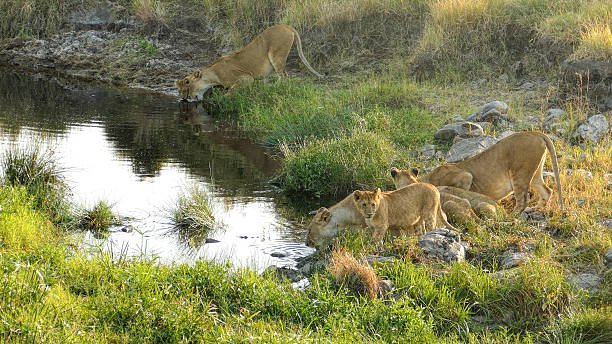
Lions may be encountered in prides, smaller groups or as solitary animals.
They may rest around rocky kopjes, open grassland or areas used by wildebeest, zebra and other prey species.
No particular pride, hunt or close encounter can be guaranteed.
Cheetahs and Leopards
Cheetahs may occur in open plains where visibility supports their hunting strategy.
Leopards may use woodland, trees and river related habitats.
Both species move naturally through the ecosystem and sightings cannot be guaranteed.
Hyenas and Other Predators
Hyenas are an important part of the Serengeti predator and scavenger community.
They may be encountered hunting, scavenging, resting or moving between wildlife areas.
Other smaller carnivores may also be observed depending on habitat and conditions.
Wildebeest and Zebra
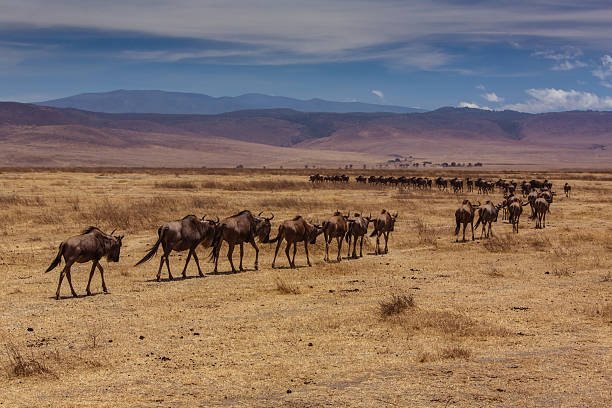
Wildebeest and zebra are central to the Serengeti ecosystem.
Their distribution changes according to rainfall, water availability, fresh grazing and seasonal movement.
They may occur in small groups, scattered populations or large concentrations depending on the time of year.
Great Migration Opportunities
The Serengeti ecosystem is internationally recognised for the seasonal movement of large wildebeest and zebra herds.
The main herd locations change naturally according to rainfall, water availability and fresh grazing.
The migration does not follow an exact fixed calendar.
The seven day camping safari provides substantial Serengeti wildlife time, but this cannot guarantee that the main migration concentration will be located in the particular area visited.
River crossings remain especially unpredictable.
Great Migration Events Remain Natural
Additional Serengeti wildlife time can improve opportunities to search for migrating herds, but rainfall, grazing and natural herd movement determine where wildebeest and zebra concentrations are located.
Ngorongoro Crater
Ngorongoro Crater provides the final wildlife destination of the seven day camping safari.
The crater floor contains grassland, wetlands, forest and permanent water areas.
Possible wildlife includes lions, wildebeest, zebra, buffalo, elephants, hyenas, hippos, gazelles and black rhino.
Black Rhino Opportunities
Ngorongoro provides opportunities to observe black rhino.
Rhinos may remain far from accessible roads, making binoculars useful for distant viewing.
Black rhino sightings cannot be guaranteed.
Can You See the Big Five?
The itinerary provides opportunities to encounter several iconic African wildlife species.
Serengeti and Ngorongoro provide Big Five viewing possibilities, while Tarangire contributes particularly strong elephant opportunities.
Seeing all five species during the safari cannot be guaranteed.
Wildlife Sightings Are Never Guaranteed
All destinations on the route are natural wildlife environments. Weather, water availability, vegetation, road access and animal behaviour determine what is encountered during each game drive.
Professional Safari Guide
A professional safari guide manages transportation, wildlife interpretation, navigation and daily game drive planning.
The guide uses experience and current conditions to select suitable wildlife areas while explaining animal behaviour and ecosystem relationships.
On a camping safari, efficient planning also helps coordinate wildlife game drives with campsite arrival and camp arrangements.
4x4 Safari Vehicle
The safari is normally operated using a 4x4 vehicle suitable for northern Tanzania wildlife viewing according to the confirmed package.
A viewing roof can improve wildlife visibility and photography.
The vehicle may also carry traveller luggage and selected camping equipment, so practical luggage is recommended.
Private Tanzania Camping Safari
A private camping safari provides a dedicated safari vehicle and professional guide for the confirmed travelling party.
This can provide greater privacy and flexibility around wildlife interests while maintaining the practical camping style.
The per person price normally changes according to how many travellers share the vehicle and camping costs.
Group Joining Camping Safari
A group joining camping safari may be available on selected confirmed departure dates.
Travellers share the vehicle, guide and general itinerary with other participants.
The exact group size, tent arrangement, available seats and departure date should be confirmed before booking.
Camping Safari for Solo Travellers
Solo travellers can request a private camping safari or join a compatible confirmed departure where space is available.
A shared safari can provide a different per person cost structure because some operating expenses are divided among several travellers.
Solo travellers should confirm whether a single tent is included or subject to another arrangement.
Camping Safari for Couples
Couples can share safari accommodation according to the confirmed tent arrangement.
They can travel privately or join a compatible shared safari departure.
Camping Safari after Kilimanjaro
The seven day safari can be arranged after a Mount Kilimanjaro climb.
Travellers should remember that a camping safari continues an outdoor accommodation style after the mountain.
Those who prefer more comfort after trekking may choose a lodge safari instead.
Camping Safari before Kilimanjaro
The camping safari can also be arranged before a Kilimanjaro climb.
The final schedule should leave sufficient time for mountain briefing, equipment preparation and rest before trekking begins.
What Is Normally Included?
- Agreed safari transportation according to the confirmed itinerary
- 4x4 safari vehicle with viewing roof according to the package
- Professional safari guide
- Camping support according to the confirmed package
- Safari tents according to the confirmed arrangement
- Campsite accommodation according to the itinerary
- Applicable Lake Manyara park charges according to the confirmed quotation
- Applicable Tarangire park charges according to the confirmed quotation
- Applicable Serengeti park charges according to the confirmed quotation
- Applicable Ngorongoro Conservation Area related charges according to the confirmed quotation
- Applicable crater related charges according to the confirmed package
- Wildlife game drives according to the itinerary
- Meals according to the confirmed arrangement
- Drinking water according to the package
- Final transportation toward the agreed destination
Possible Exclusions
- International flights
- Domestic flights unless specifically included
- Tanzania visa
- Travel insurance
- Sleeping bag unless specifically included
- Personal camping equipment not listed in the package
- Pre safari hotel unless specified
- Post safari hotel unless specified
- Airport transfers unless specifically included
- Alcoholic beverages
- Additional personal drinks
- Personal expenses
- Safari guide and staff tips
- Optional activities outside the confirmed itinerary
7 Day Tanzania Camping Safari Price
The exact price depends on the number of travellers, private or group joining arrangement, campsite logistics, applicable destination charges and transportation costs.
A solo private traveller normally has a different per person cost from a couple or small group because vehicle and camping costs are shared differently.
A group joining camping safari can provide another price structure because transportation, guide and selected camping costs are shared among participants.
No current numerical price should be assumed until safari dates, traveller numbers and the exact camping package are confirmed.
What Affects the Camping Safari Cost?
- Number of travellers
- Private or group joining arrangement
- Campsite arrangements
- Camping equipment included
- Applicable Lake Manyara charges
- Applicable Tarangire charges
- Applicable Serengeti charges
- Applicable Ngorongoro charges
- Applicable crater related charges
- Safari vehicle operation
- Fuel and road distance
- Professional safari guide
- Meals and camp services
- Starting and ending locations
7 Day Camping Safari vs 6 Day Camping Safari
A six day camping safari normally provides one full Serengeti wildlife game drive day.
The seven day itinerary adds another complete Serengeti wildlife day.
This creates additional opportunities for predators, photography, birdwatching and changing wildlife activity.
7 Day Camping Safari vs Lodge Safari
The wildlife route can be similar in both safari styles.
The main difference is the accommodation experience.
Camping uses safari tents and more basic campsite facilities, while lodge safaris provide permanent rooms or established tented properties.
Best Time for a Tanzania Camping Safari
Lake Manyara, Tarangire, Serengeti and Ngorongoro can be visited during different times of year.
Rainfall affects road conditions, vegetation, campsite conditions, water availability and wildlife distribution.
The location of Serengeti migration herds also changes according to rainfall and fresh grazing.
Travellers camping during cooler or wetter periods should prepare suitable warm clothing and rain protection.
What to Bring on a Camping Safari
- Comfortable safari clothing
- Warm layers for early mornings and Ngorongoro highlands
- Rain protection where appropriate
- Sun hat
- Sunglasses
- Sun protection
- Comfortable closed shoes
- Flashlight or headlamp
- Camera or smartphone
- Binoculars if available
- Power bank
- Personal medication
- Personal toiletries
- Compact safari luggage
- Sleeping bag if not included in the confirmed package
How to Compare Tanzania Camping Safari Packages
Camping Safari Booking Checklist
- Which campsites are used?
- Are safari tents included?
- What sleeping equipment is provided?
- Is a sleeping bag included or separate?
- What campsite bathroom facilities are available?
- Who prepares meals at camp?
- Which meals are included?
- Is drinking water included?
- Does the route include Lake Manyara?
- Does it include Tarangire?
- How many Serengeti wildlife days are included?
- Does the itinerary include Ngorongoro Crater descent?
- Are applicable destination charges included?
- Is the safari private or group joining?
- What are the starting and final drop off arrangements?
Frequently Asked Questions
What is the 7 Day Tanzania Camping Safari?
It is a seven day northern Tanzania wildlife safari using campsite accommodation while visiting Lake Manyara, Tarangire, Serengeti and Ngorongoro Crater.
Which destinations are included?
The standard itinerary includes Lake Manyara National Park, Tarangire National Park, Serengeti National Park and Ngorongoro Crater.
Do we sleep in safari tents?
Yes. Safari tents are used according to the confirmed campsite and package arrangements.
Do campsites have bathrooms?
Many public or designated campsites provide shared toilet or washing facilities, but standards and availability vary between locations.
Is a sleeping bag included?
A sleeping bag should not automatically be assumed to be included. Check the confirmed equipment list before departure.
Can I charge my phone at camp?
Reliable charging should not be assumed at campsites. Carrying a power bank is recommended for phones, cameras and other electronics.
How much time is spent in Serengeti?
The route includes Serengeti wildlife viewing on Day 3, full game drives on Days 4 and 5, and additional wildlife viewing on Day 6 before travelling toward Ngorongoro.
Does the safari enter Ngorongoro Crater?
Yes. Day 7 includes descent into Ngorongoro Crater for a wildlife game drive.
Can we see elephants?
Tarangire provides particularly strong elephant opportunities, while elephants may also occur in Lake Manyara, Serengeti and Ngorongoro. Sightings cannot be guaranteed.
Can we see lions?
Lions occur across several destinations on the itinerary, particularly Serengeti and Ngorongoro, but individual sightings cannot be guaranteed.
Can we see cheetahs and leopards?
Both species occur in Serengeti, although their locations change naturally and sightings cannot be promised.
Can we see the Great Migration?
Migration herds may be encountered depending on rainfall, season and current herd location, but their exact position cannot be guaranteed for specific safari dates.
Are river crossings guaranteed?
No. River crossings depend entirely on natural herd movement and cannot be guaranteed.
Can we see black rhino?
Black rhino may be observed in Ngorongoro Crater, although animals may remain distant and sightings cannot be guaranteed.
Is camping cheaper than a lodge safari?
Camping can create a different cost structure because accommodation is simpler, but the final price still depends on destination charges, vehicle operation, traveller numbers, camp logistics and included services.
Is the safari private?
A private camping safari can be arranged. Group joining camping departures may also be available on selected confirmed dates.
Can solo travellers join?
Yes. Solo travellers can request a private camping safari or join a compatible confirmed departure where space is available.
Are meals included?
Meals may be included according to the confirmed camping package. The exact meal plan should be clearly listed in the quotation.
Are park and crater charges included?
Applicable Lake Manyara, Tarangire, Serengeti, Ngorongoro and crater related charges may be included according to the confirmed quotation and should be clearly listed before booking.
Can the safari start from Moshi or Arusha?
Yes. The starting location can be arranged according to the confirmed safari package, although transportation logistics and final pricing may differ.
Are airport transfers included?
Airport transfers are not automatically included unless specifically listed in the confirmed safari package.
Are tips included?
Safari guide and staff tips are normally separate unless the confirmed quotation specifically states otherwise.
How do I book the 7 Day Tanzania Camping Safari?
Provide your preferred safari dates, number of travellers, starting location and private or group preference. A detailed quotation can then confirm the campsites, equipment, itinerary, exact price, meals, inclusions, exclusions and final transportation arrangements.
Plan Your 7 Day Tanzania Camping Safari
Share your preferred safari dates and number of travellers to receive a personalised 7 Day Tanzania Camping Safari covering Lake Manyara, Tarangire, Serengeti and Ngorongoro Crater with professional guiding and practical campsite accommodation.
Request Your Camping Safari