7 Day Lemosho Route for Beginners
The 7 Day Lemosho Route for Beginners offers first time Kilimanjaro climbers a scenic western approach to Africa's highest mountain while providing several days to progress gradually toward the summit.
You do not normally need technical climbing experience to follow the standard Lemosho Route. The trek is primarily hiking, with one notable scrambling section at Barranco Wall where climbers occasionally use their hands for balance.
However, beginners should not confuse non technical with easy. Mount Kilimanjaro rises to approximately 5,895 metres, and the combination of altitude, cold temperatures, camping, consecutive trekking days and summit night makes the expedition physically and mentally demanding.
The seven day itinerary can work well for properly prepared beginners who have reasonable fitness, appropriate trekking equipment and a willingness to walk slowly and follow guide instructions.
7 Day Lemosho for Beginners at a Glance
- Mountain: Mount Kilimanjaro, Tanzania
- Route: Lemosho Route
- Duration: 7 mountain days
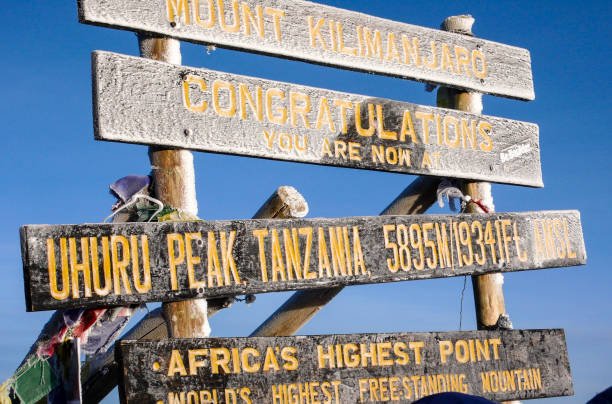
- Summit objective: Uhuru Peak, approximately 5,895 metres
- Technical climbing: Normally not required
- Accommodation: Mountain tents
- Experience: Suitable for prepared beginners and experienced hikers
- Main challenge: High altitude and summit night
- Main preparation base: Moshi
Can a Beginner Climb the 7 Day Lemosho Route?
Yes. Many first time high altitude trekkers choose Lemosho for their Kilimanjaro climb.
You do not need previous experience on Kilimanjaro or technical mountaineering skills, but you should arrive with realistic expectations and reasonable walking fitness.
A beginner should be comfortable walking for several hours, carrying a personal daypack and repeating this routine for consecutive days.
Physical preparation is important, but altitude tolerance cannot be predicted simply from fitness. A strong runner can still experience altitude symptoms, while another climber with moderate fitness may respond differently.
This is why pacing, acclimatization, regular health monitoring and communication with the guide are important throughout the expedition.
You Do Not Need to Be a Mountaineer
Beginners normally do not need previous experience with:
- Technical rock climbing
- Rope climbing
- Ice climbing
- Crampons on the standard trekking route
- Previous African mountains
- Previous Kilimanjaro climbs
- Expedition level mountaineering
What a Beginner Does Need
- Reasonable general fitness
- Comfort walking for several hours
- Properly fitted hiking boots
- Warm mountain clothing
- Waterproof jacket and trousers
- A comfortable daypack
- Mental preparation for difficult days
- Patience with a slow trekking pace
- Understanding that altitude affects everyone differently
- Willingness to communicate symptoms honestly
Why Beginners Choose Lemosho
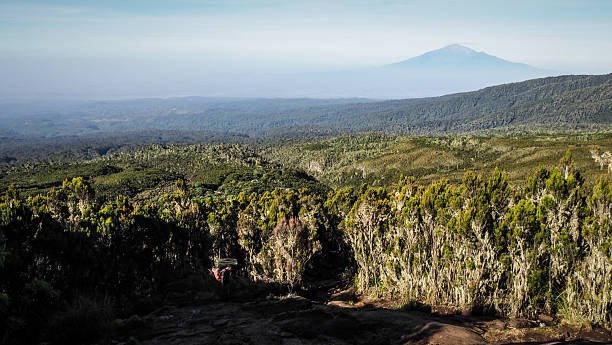
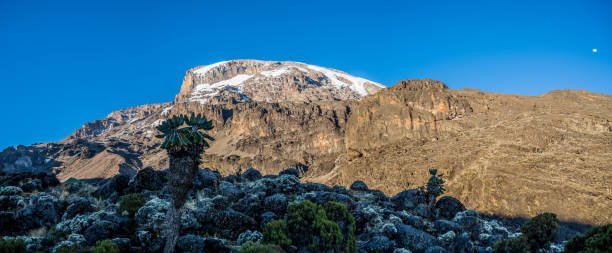
Lemosho starts on western Kilimanjaro and gradually crosses several ecological zones before reaching the southern side of Kibo.
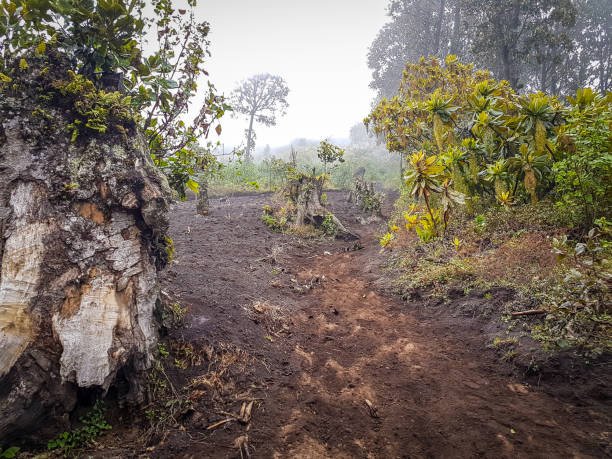
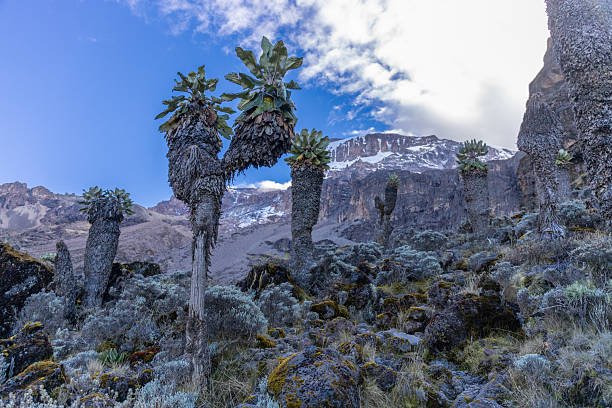
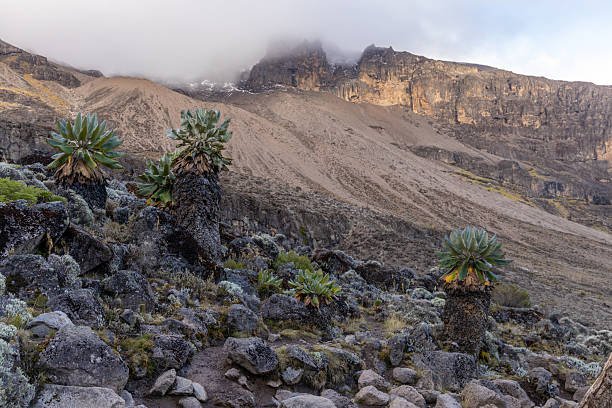
The itinerary passes through forest, heath, the Shira landscape, high alpine terrain and the summit environment.
For first time climbers, the variety makes the expedition interesting while the multi day schedule provides time to become familiar with camping, mountain routines and increasing altitude before summit night.
Why Seven Days Matter
A seven day itinerary gives climbers more mountain time than highly compressed Kilimanjaro schedules.
This provides opportunities for gradual altitude exposure and allows important sections such as Lava Tower to form part of the acclimatization process.
However, simply choosing seven days cannot guarantee successful acclimatization or a successful summit.
Beginners should still walk slowly, drink regularly, eat enough and take health checks seriously.
7 Day versus 8 Day Lemosho for Beginners
| Feature |
7 Day Lemosho |
8 Day Lemosho |
| Mountain time |
7 days |
8 days |
| Schedule |
More compact |
Additional mountain time |
| Accommodation |
Camping |
Camping |
| Technical skills |
Normally not required |
Normally not required |
| Beginner preparation |
Important |
Important |
Beginners with enough travel time can compare both options. The eight day itinerary adds another mountain day, while the seven day version can suit travellers who have prepared properly but have slightly less time.
Typical 7 Day Lemosho Route for Beginners
- Day 1: Western Kilimanjaro trailhead to the first forest camp.
- Day 2: Continue toward and across the Shira landscape.
- Day 3: Higher trekking toward Lava Tower and descend toward Barranco.
- Day 4: Barranco Wall and onward toward Karanga.
- Day 5: Karanga toward Barafu and summit preparation.
- Day 6: Summit attempt toward Uhuru Peak and major descent.
- Day 7: Final descent through Mweka and return toward Moshi.
The precise camp arrangement can vary slightly between seven day itineraries, so your confirmed day by day schedule should always be checked before the trek.
How Difficult Is Lemosho for a Beginner?
The route is more accurately described as physically demanding than technically difficult.
The challenge gradually changes during the expedition. Lower sections require regular hiking, the Shira area introduces more altitude, Lava Tower provides higher elevation exposure, Barranco Wall requires careful scrambling and summit night combines altitude, cold and fatigue.
| Route Section |
Main Beginner Challenge |
| Rainforest |
Learning the trekking pace and potentially muddy trails |
| Shira Plateau |
Long walking and increasing altitude |
| Lava Tower |
Higher altitude exposure |
| Barranco Wall |
Steep scrambling and careful foot placement |
| Karanga to Barafu |
Altitude and summit preparation |
| Summit night |
Cold, darkness, high altitude and long walking hours |
| Mweka descent |
Tired legs and prolonged downhill walking |
Fitness Level for Beginners
You do not need elite fitness, but you should prepare your body for repeated hiking days.
Being able to walk comfortably for several hours is more relevant than being able to sprint or lift very heavy weights.
The goal of training is to build endurance, leg strength and confidence in your trekking equipment.
How Beginners Should Train
Useful Kilimanjaro Training
- Regular walking
- Weekend hiking
- Hill walking
- Stair climbing
- Cardiovascular exercise
- Basic leg strengthening
- Core strengthening
- Walking with a loaded daypack
- Testing your boots on longer walks
- Occasional consecutive hiking days where practical
Train in Your Hiking Boots
Your Kilimanjaro climb should not be the first time you wear your hiking boots for several hours.
Use them during training so you understand the fit, sock combination and any potential pressure or blister areas.
Foot problems that appear during training are much easier to solve at home than halfway through a mountain expedition.
Train with Your Daypack
Porters carry permitted main duffel luggage, but every climber carries a personal daypack.
Your daypack normally contains water, rain clothing, warm layers, personal medication, snacks and other equipment needed before reaching camp.
Practice hiking with a similar load before arriving in Tanzania.
Do Beginners Need High Altitude Experience?
No. Previous high altitude experience is useful but is not a requirement for every beginner attempting Kilimanjaro.
The important point is understanding that you cannot predict altitude tolerance simply from fitness, age or previous hiking ability.
Listen to your body and communicate clearly with the guide as elevation increases.
Understanding Altitude
Altitude is one of the most important challenges on Kilimanjaro.
Beginners may notice changes in breathing, appetite, sleep, energy or general comfort as they climb higher.
Headache, nausea, unusual fatigue or other significant symptoms should be reported rather than hidden.
Trying to appear strong can make mountain health decisions more difficult.
Why Walking Slowly Matters
On Kilimanjaro, walking faster is not automatically better.
Many beginners feel strong at lower elevations and are tempted to walk quickly during the first days.
A slow, controlled pace helps conserve energy for higher sections where the same effort becomes more demanding.
Follow the pace established by your guide rather than treating the trek as a race.
Daily Health Monitoring
Our mountain procedures include regular individual health assessments.
Guides consider symptoms such as headache, nausea, appetite, energy, breathing, sleep quality and general walking condition.
A pulse oximeter can provide additional information, but readings are considered alongside symptoms and general condition rather than being treated as one universal pass or fail number.
Beginner Mountain Safety Support
- Professional Kilimanjaro guides
- Controlled trekking pace
- Regular health assessments
- Pulse oximeter monitoring
- Emergency oxygen
- First aid equipment
- Altitude symptom monitoring
- Additional summit assistance according to expedition needs
- Descent support when necessary
Emergency Oxygen
Emergency oxygen forms part of our Kilimanjaro safety equipment.
Beginners should understand that oxygen is an emergency resource rather than a tool for forcing someone to continue toward the summit.
If descending becomes the appropriate safety response, emergency oxygen does not replace descent.
What If You Cannot Continue?
Not every climber who starts Kilimanjaro reaches Uhuru Peak.
A participant experiencing significant altitude symptoms or another safety concern may need to descend.
Turning around when necessary is part of responsible mountain decision making.
When staffing and conditions allow, appropriate guide support can accompany a descending climber while other healthy participants continue.
Barranco Wall for Beginners
Barranco Wall is one of the sections that first time climbers often worry about before travelling.
It appears steep and dramatic, but the standard trekking route does not normally involve technical rope climbing.
You will use your hands for balance in some places and follow your guide carefully through steeper sections.
There is no reason to rush. Good foot placement, patience and following guide instructions are more important than speed.
What If You Are Nervous about Heights?
Tell your guide during the briefing or before Barranco Wall.
Knowing this in advance allows the guide team to provide appropriate support and explain the difficult looking sections before you move through them.
Practice hiking on uneven ground before travelling if you have limited outdoor experience.
Summit Night for Beginners
Summit night is usually the most demanding stage of the expedition.
Climbers wake during the night, put on several layers and begin walking under headlamp light.
The temperature can be extremely cold and the pace becomes deliberately slow as altitude increases.
Beginners should focus on taking one section at a time rather than thinking continuously about the total distance remaining.
Mental Preparation for Summit Night
- Expect a slow pace.
- Prepare all clothing before trying to sleep.
- Check your headlamp and batteries.
- Keep snacks easily accessible.
- Eat before the summit attempt.
- Do not compare yourself with another climber.
- Focus on your breathing and steady movement.
- Report concerning symptoms immediately.
- Follow your guide's safety decisions.
Is the Summit Guaranteed?
No. The 7 Day Lemosho Route cannot guarantee reaching Uhuru Peak.
Individual acclimatization, health, weather, trail conditions and guide assessment influence whether a climber should continue.
Proper training and a sensible itinerary can improve preparation but cannot eliminate the effects of high altitude.
Beginner Packing Essentials
Important Kilimanjaro Equipment
- Well fitted hiking boots
- Comfortable hiking socks
- Base layers
- Warm mid layers
- Insulated summit jacket
- Waterproof jacket
- Waterproof trousers
- Warm gloves
- Warm hat
- Sun hat
- Sunglasses
- Headlamp
- Warm sleeping bag
- Daypack
- Water bottles or hydration system
- Trekking poles
Gear Rental for Beginners
You do not necessarily need to purchase every item for one Kilimanjaro expedition.
Selected equipment such as sleeping bags, trekking poles and gaiters can be rented in Moshi subject to size and availability.
Hiking boots are different. Whenever possible, beginners should bring their own properly fitted boots that have already been tested during training.
Camping for First Time Trekkers
Lemosho is a camping route.
Sleeping tents and mattresses are provided under our standard camping arrangements.
If you have never camped before, practise organising your sleeping bag and clothing at home so camp routines feel less unfamiliar.
Keeping dry clothing separate from wet equipment becomes particularly important as you move higher.
Single Tent Option
Solo travellers can request a single mountain tent where available.
Some beginners prefer the additional privacy and space for organising equipment, while others are comfortable sharing.
Confirm your preference before the expedition.
Mountain Meals
A mountain cook prepares meals throughout the seven day trek.
Maintaining food intake is important even when altitude reduces your appetite.
Vegetarian and other dietary requirements should be communicated before departure.
Beginners can also bring familiar personal snacks or energy bars that they know they can eat during long trekking stages.
Hydration on Kilimanjaro
Drink regularly during the trekking day and follow your guide's recommendations.
Carry suitable reusable water bottles or a hydration system in your daypack.
Beginners should make drinking part of their routine rather than waiting until they feel very thirsty.
Porter Support for Beginners
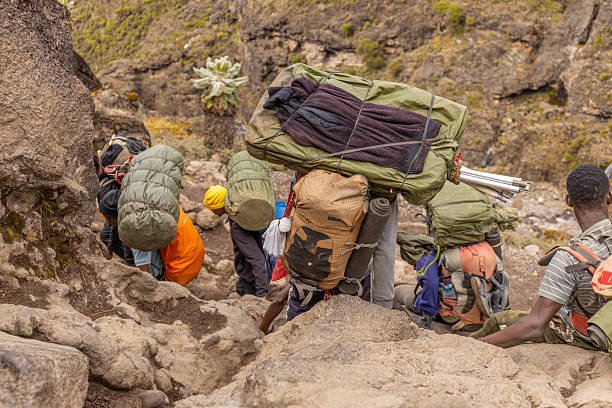
Porters transport tents, food, shared expedition equipment and permitted client duffel luggage between camps.
Our standard porter carried allowance for client personal duffel luggage is approximately 15 kg per climber.
This means beginners do not have to carry their entire seven day mountain luggage while trekking.
What You Carry Yourself
- Drinking water
- Waterproof jacket
- Waterproof trousers
- Warm layer
- Gloves and hat
- Sunglasses
- Sunscreen
- Personal snacks
- Personal medication
- Phone or camera
- Headlamp when required
Solo Beginners
You do not need to find your own climbing partner before travelling.
Solo beginners can join an available scheduled Lemosho group and meet other participants in Moshi.
Airport pickup, a single hotel room and a single mountain tent can also be arranged according to the selected package and availability.
Group Joining for First Time Climbers
Joining a group can be a practical option for a beginner who wants to share mountain logistics with other climbers.
Different fitness levels and walking speeds within a group are normal.
Our typical planning is approximately one guide for every two climbers, with additional summit support arranged according to expedition needs.
Private Lemosho for Beginners
A private expedition can be arranged for solo travellers, couples, families or friends.
Private climbs provide greater flexibility with departure dates and allow the expedition to be organised specifically around your party.
Pre Climb Briefing
The briefing is particularly useful when Kilimanjaro is your first multi day mountain trek.
Your guide explains the itinerary, camp system, luggage arrangements, meals, health monitoring, summit plan and equipment requirements.
Ask questions about anything you do not understand. Beginners are not expected to arrive already knowing every mountain procedure.
Equipment Check
Your trekking equipment can be checked in Moshi before the climb.
This provides time to identify missing or unsuitable items before you enter Kilimanjaro National Park.
Rental equipment can then be arranged where available.
Airport Pickup for First Time Visitors
Kilimanjaro International Airport pickup can be included according to your package.
This can make arrival easier for a beginner visiting Tanzania for the first time.
Provide your airline, flight number, arrival date and scheduled arrival time before travelling.
Moshi Hotel before the Trek
Arrive before your scheduled mountain departure whenever possible.
A pre climb hotel night gives you time to recover from international travel, meet your guide and complete the equipment check.
It also provides useful time if checked baggage is delayed by an airline.
Travel Insurance
Arrange travel and medical insurance suitable for high altitude trekking before travelling.
Check the altitude limits, emergency evacuation conditions and exclusions in the policy rather than assuming every general travel policy covers Kilimanjaro.
Emergency oxygen and mountain safety equipment do not replace personal travel insurance.
Typical Package Inclusions
- Professional Kilimanjaro guides
- Porters according to group requirements
- Mountain cook
- Applicable Kilimanjaro fees listed in the quotation
- Sleeping tents
- Sleeping mattresses
- Mountain meals
- Drinking water arrangements
- Regular health assessments
- Pulse oximeter monitoring
- Emergency oxygen
- First aid equipment
- Pre climb briefing
- Equipment check
- Mountain transfers where stated
- Moshi hotels where included
- Airport transfers where included
Typical Package Exclusions
- International flights
- Visa where required
- Travel and medical insurance
- Personal trekking clothing
- Sleeping bag unless included or rented
- Rental gear unless stated
- Single tent unless confirmed
- Private portable toilet unless included
- Additional hotel nights not listed
- Tips and gratuities
- Personal expenses
- Safari unless specifically booked
- Zanzibar unless specifically booked
Safari after Your First Kilimanjaro Climb
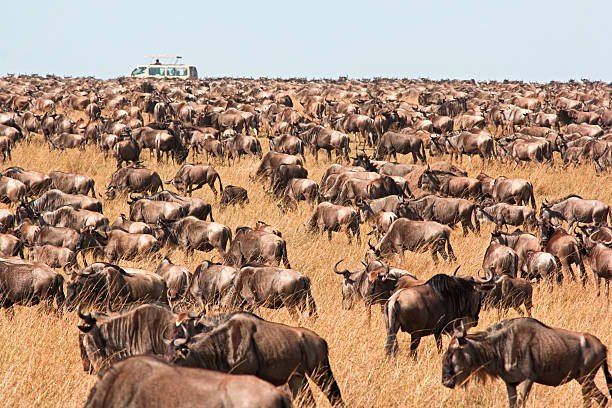
Beginners can add a northern Tanzania safari after finishing Kilimanjaro.
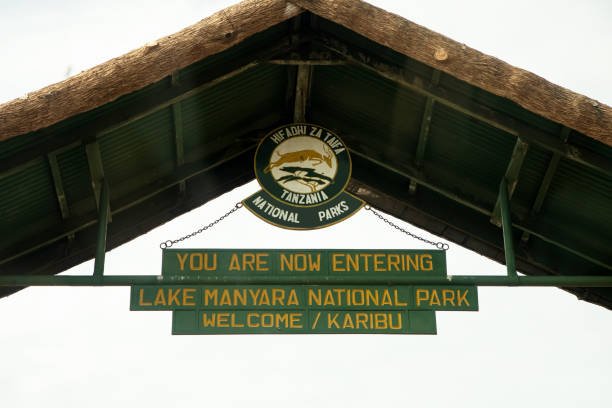
Popular destinations include Tarangire, Ngorongoro, Serengeti and Lake Manyara.
Depending on your schedule, you can rest in Moshi first or continue directly into the safari itinerary.
Zanzibar after Lemosho
Zanzibar can also be added after Kilimanjaro or after a mountain and safari combination.
This gives travellers an opportunity to relax after the physically demanding trek before returning home.
Frequently Asked Questions
Can a complete beginner climb the 7 Day Lemosho Route?
Yes. A properly prepared beginner can attempt Lemosho with reasonable fitness, appropriate equipment, professional guides and realistic expectations about high altitude.
Do I need previous hiking experience?
Previous hiking experience is useful but is not an absolute requirement. Beginners should train before travelling and become comfortable walking for several hours.
Do I need technical climbing experience?
No technical climbing experience is normally required for the standard Lemosho trek.
Is Barranco Wall technical climbing?
No. It is normally a trekking and scrambling section where climbers use their hands for balance in some places rather than technical rope climbing.
Do I need to be extremely fit?
No elite athletic ability is required, but good walking endurance and basic strength make consecutive trekking days more manageable.
How should I train?
Regular walking, hill hiking, stairs, cardiovascular exercise, basic strength work and longer walks with your daypack are useful forms of preparation.
Should I choose 7 or 8 Day Lemosho as a beginner?
Both can be considered. The 8 day option provides additional mountain time, while the 7 day itinerary can suit prepared beginners with a slightly shorter travel schedule.
What is the hardest part for beginners?
Summit night is normally the most demanding part because it combines very high altitude, cold temperatures, darkness and many hours of walking.
Do beginners receive health checks?
Our mountain procedures include regular health assessments throughout the trek.
Do you use a pulse oximeter?
Yes. Pulse oximeter monitoring forms one part of our overall health assessment and is considered together with symptoms and general condition.
Do you carry emergency oxygen?
Yes. Emergency oxygen forms part of our mountain safety equipment.
Does emergency oxygen guarantee I can continue climbing?
No. Emergency oxygen does not replace descent when descending is necessary for safety.
Is the summit guaranteed?
No. Individual acclimatization, health, weather and mountain conditions mean that no responsible Kilimanjaro climb can guarantee reaching Uhuru Peak.
Do I have to carry all my luggage?
No. Porters carry permitted duffel luggage and shared expedition equipment while you carry your personal daypack.
What is the porter carried luggage allowance?
Our standard client duffel allowance for porter carried personal luggage is approximately 15 kg per climber.
Are tents provided?
Yes. Sleeping tents are provided according to our standard Lemosho camping arrangements.
Are sleeping mattresses provided?
Yes. Sleeping mattresses are provided under our standard camping arrangements.
Can beginners rent gear?
Yes. Selected items including sleeping bags, trekking poles and gaiters can be rented subject to size and availability.
Are meals included?
Mountain meals are included when stated in your confirmed package.
Can vegetarian meals be prepared?
Yes. Vegetarian and other dietary requirements should be communicated before departure.
Can a solo beginner join a group?
Yes. Solo beginners can reserve one place on an available scheduled Lemosho group departure.
Can I request a single mountain tent?
Yes. A single tent can be requested subject to availability and the confirmed package.
Can airport pickup be included?
Yes. Kilimanjaro International Airport pickup can be included according to your package and flight information.
Can Moshi hotels be included?
Yes. Pre and post climb accommodation can be included according to the selected package.
Can I add a safari after the climb?
Yes. A Tanzania safari can be arranged after Kilimanjaro according to your available days and preferred destinations.
Can I continue to Zanzibar?
Yes. Zanzibar can be added after Kilimanjaro or after a combined climb and safari itinerary.
How do I book the 7 Day Lemosho Route as a beginner?
Send your preferred climbing dates, number of travellers and any previous hiking experience. You can choose an available group or private departure and add airport pickup, Moshi hotels, rental equipment, a single tent, private toilet, safari or Zanzibar according to your travel plans.
Prepare for Your First Kilimanjaro Climb
Train before travelling, arrive with suitable equipment and climb at a controlled pace with professional support on a seven day Lemosho expedition from western Kilimanjaro toward Uhuru Peak.
Request the 7 Day Beginner Lemosho Package

 Kilimanjaro Climb