Datoga Metalwork Cultural Tour
The Datoga Metalwork Cultural Tour introduces travellers to the craftsmanship of participating Datoga blacksmiths and metalworkers in the Lake Eyasi region of northern Tanzania.
The experience focuses on practical skills, working tools, the forge, metal heating, hammering, shaping and the creation of useful or decorative handmade objects.
Travellers visit a working craft environment with a local guide who can explain the process and help with communication between visitors and the participating craftsperson.
The exact demonstration varies according to the blacksmith's current work, available materials and the activities taking place during the visit.
Not every Datoga household practices blacksmithing or metalwork, so the tour is arranged specifically with craftspeople who are willing to share aspects of their work.
Visitors may see metal being heated, shaped and finished while learning how knowledge and practical skills can be passed between generations and adapted to changing materials and local needs.
The Datoga Metalwork Cultural Tour can be arranged as a focused cultural activity or combined with wider Lake Eyasi community experiences and northern Tanzania safari destinations.
Datoga Metalwork Cultural Tour at a Glance
- Area: Lake Eyasi region and participating nearby Datoga communities.
- Main focus: Blacksmithing, metalwork and local craftsmanship.
- Possible activities: Forge demonstration, heating, hammering, shaping, finishing and craft explanations.
- Duration: Short visit or half day cultural program.
- Activity level: Easy, with limited walking depending on access.
- Safety: Fire, hot metal and working tools require careful supervision.
- Suitable for: Solo travellers, couples, families and small groups.
- Combinations: Hadzabe experience, Lake Eyasi, Karatu, Ngorongoro and Lake Manyara.
Why Choose the Datoga Metalwork Cultural Tour?
The Datoga Metalwork Cultural Tour provides an opportunity to learn about a practical craft directly from participating craftspeople.
Visitors can observe the transformation of metal through heat and manual shaping while learning about tools, working techniques and the uses of finished objects.
The experience can also provide cultural context about livelihoods, trade, craftsmanship and the relationship between inherited knowledge and contemporary community life.
Main Experience Highlights
- Meet a participating Datoga metalworker
- Visit a working blacksmith area
- Learn about blacksmith tools
- Observe forge preparation
- Watch metal being heated
- See hammering techniques
- Observe shaping and finishing
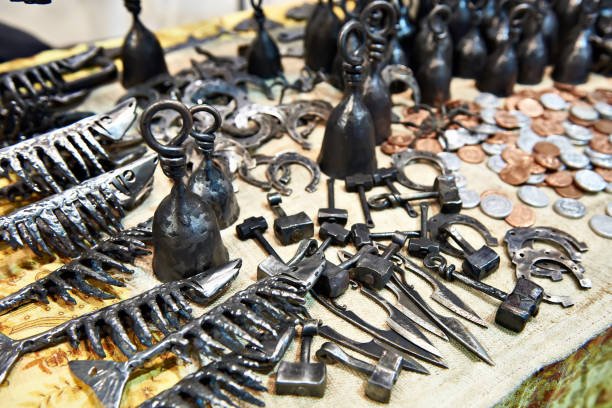
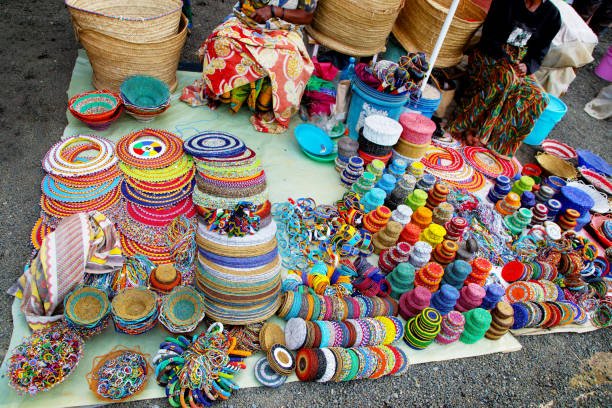
- View handmade metalwork when available
- Learn about craftsmanship and livelihoods
- Hear community stories
- Ask questions through a local guide
- Optional craft purchase when offered
Datoga Metalwork Cultural Tour Itinerary
STEP
01
ARRIVAL
Meet Your Local Guide
Begin your Datoga Metalwork Cultural Tour from Lake Eyasi, Karatu or another agreed starting point.
Meet your guide and continue toward the participating Datoga community and metalworking area according to the confirmed arrangement.
Your guide introduces the host and provides an orientation before entering the workshop area.
Before the Workshop Visit
- Receive a short cultural introduction.
- Discuss photography etiquette.
- Review forge safety.
- Keep children closely supervised.
- Do not touch tools without permission.
- Follow all instructions from the host and guide.
Starting Point
Lake Eyasi, Karatu or another agreed location.
Activity
Cultural introduction and workshop safety briefing.
STEP
02
WORKSHOP
Explore the Metalworking Area
Enter the designated visitor area and observe how the metalworking space is organised.
The blacksmith or guide can explain the equipment, materials and working surfaces used during the craft process.
Every workshop can be different, so the exact equipment and layout vary between craftspeople.
Workshop Features May Include
- Forge or heating area
- Hammers
- Tongs or gripping tools
- Metalworking surfaces
- Raw metal pieces
- Partly finished objects
- Completed metalwork
STEP
03
MATERIALS
Learn About Metal and Materials
The craftsperson or guide can explain the metal currently being worked and how suitable pieces are selected.
The exact source and form of materials vary according to availability and should be explained by the participating blacksmith.
Possible Discussion Topics
- Selecting workable metal
- Preparing metal before heating
- Reusing available materials where appropriate
- Selecting material for different objects
- Adapting techniques to available resources
STEP
04
FORGE
Observe the Forge and Heating Process
Watch from a safe position while the blacksmith prepares or uses the forge when a demonstration is available.
Heating can soften metal sufficiently for further shaping and may be repeated several times during production.
The demonstration depends on the object being produced and the craftsperson's working method.
Important Forge Safety
- Stay within the visitor area.
- Do not touch heated metal.
- Do not pick up tools without permission.
- Keep children under close supervision.
- Keep bags away from the working area.
- Wear secure footwear.
- Follow the host's instructions immediately.
STEP
05
HAMMERING
Watch Metal Being Shaped
Observe the craftsperson using controlled hammering to gradually change the shape of heated metal.
The material may be returned to the heat several times before the intended form is achieved.
What You May Observe
- Hammering movements
- Metal flattening
- Curves being formed
- Edges being shaped
- Repeated heating
- Checking and correcting the developing form
The exact technique depends on the object being produced.
STEP
06
FINISHING
Learn About Finishing Techniques
After the main shaping stages, additional work may be required to finish the object.
The craftsperson may explain how final shaping, surface work or other finishing techniques are used.
Not every object can be completed during one visitor session.
Finishing May Include
- Additional hammering
- Straightening
- Surface finishing
- Edge preparation where appropriate
- Decorative detail
- Final inspection
STEP
07
HANDMADE CRAFTS
View Finished Metalwork
Where available, the blacksmith may show finished examples of metalwork made in the workshop.
The type of objects available varies according to current production and should not be guaranteed before the visit.
Finished Metalwork May Include
- Household objects
- Small farming tools
- Decorative objects
- Personal ornaments where produced
- Other handmade items according to the workshop
If crafts are offered for sale, purchasing is optional.
STEP
08
CULTURAL CONTEXT
Learn About Craftsmanship and Livelihoods
Take time to learn how metalworking relates to the life and livelihood of the participating craftsperson.
Your guide can help discuss how knowledge is learned, how materials have changed and how finished objects may be used or traded.
Possible Cultural Topics
- Learning blacksmith skills
- Knowledge passed between generations
- Practical uses of metalwork
- Local trade
- Changing materials
- Contemporary community livelihoods
- Traditional and modern tools
The experience of one craftsperson should not be presented as representing every Datoga family.
STEP
09
COMMUNITY
Optional Datoga Community Experience
A longer program may include additional community activities when arranged with participating hosts.
Possible Additions
- Village walking
- Livestock discussions
- Household visit when agreed
- Local food
- Additional crafts
- Community stories
All household visits should be based on prior permission and community arrangements.
STEP
10
RETURN
Return to Lake Eyasi or Karatu
After completing the metalworking experience, return to your Lake Eyasi accommodation or continue toward Karatu or another agreed destination.
Travellers with additional cultural activities can continue according to the confirmed schedule.
Final Destination
Lake Eyasi, Karatu or another agreed location.
Transfer
Return transportation according to the confirmed arrangement.
Understanding Datoga Metalworking
The Datoga Metalwork Cultural Tour focuses on participating craftspeople who practice blacksmithing or related metalworking skills.
Visitors can learn through direct observation of tools, materials and working methods.
The exact process varies according to what the craftsperson is producing during the visit.
A Living Craft Tradition
Blacksmithing can combine inherited knowledge with practical adaptation.
Craftspeople may continue established techniques while also adjusting to different tools, materials and local needs.
The tour should therefore present craftsmanship as part of contemporary life rather than as something frozen in the past.
The Working Forge
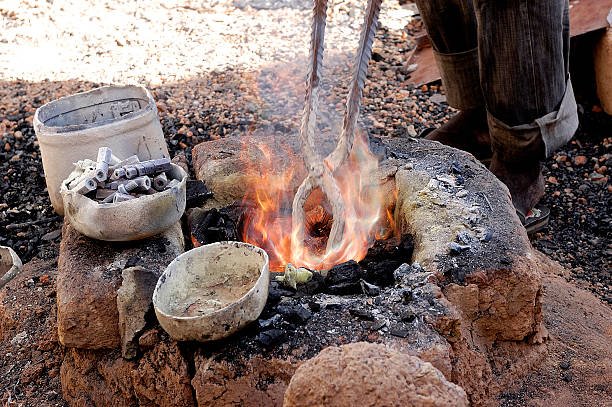
The forge is a central part of many metalworking processes.
Metal is heated before it is shaped and may be returned to the heat several times during production.
Visitors should remain within the designated observation area because the forge contains fire, hot surfaces and heated metal.
Metalworking Tools
The tools used vary between workshops and individual craftspeople.
Visitors may see hammers, gripping tools and working surfaces used to hold and shape metal.
Tools should not be handled without permission.
Heating Metal
Heating allows the craftsperson to work the material more effectively.
The amount of heating and number of heating cycles depend on the item being produced.
The guide can explain the general process while the blacksmith concentrates on the work.
Hammering and Shaping
Hammering gradually changes the form of the metal.
The craftsperson may create flat sections, curves, edges or other shapes depending on the intended item.
The metal may require repeated heating before shaping continues.
Finishing Metalwork
After the main shape has been produced, the blacksmith may perform additional finishing work.
This can involve further shaping, surface preparation or decorative details depending on the piece.
Some items require longer than the duration of a visitor session to finish completely.
Handmade Datoga Metalwork
Finished objects vary according to the workshop, craftsperson and current demand.
Some objects may have practical household or farming uses, while others can be decorative or personal.
Visitors should ask the blacksmith or guide about the specific purpose of each item rather than assuming its use.
Can Travellers Participate?
Hands on participation is not automatically included in the Datoga Metalwork Cultural Tour.
Fire, hot metal and heavy tools make the workshop unsuitable for unsupervised participation.
If the craftsperson offers a simple supervised activity, visitors should follow all instructions exactly.
The host decides what is safe according to the circumstances.
Workshop Safety
Essential Safety Guidelines
- Stay in the designated visitor area.
- Never touch hot or recently worked metal.
- Do not pick up tools without permission.
- Keep children closely supervised.
- Avoid loose clothing near the forge.
- Wear secure footwear.
- Keep bags and personal items away from the working area.
- Do not distract the craftsperson during active work.
- Follow all instructions from your guide and host.
Photography During the Datoga Metalwork Cultural Tour
Photography may be possible during the workshop visit.
Permission should be requested before photographing identifiable people or filming close workshop activity.
Visitors should never step into the active working area to obtain a better camera angle.
Video should only be recorded when the craftsperson agrees.
Buying Handmade Datoga Crafts
Some participating craftspeople may offer metalwork for sale.
Purchasing directly from the craftsperson can provide an opportunity to take home a locally produced item.
Availability varies according to current production and purchases are optional.
Datoga Community Life
A metalworking visit can provide a starting point for learning about wider Datoga community life.
Depending on the program, discussions may include livestock, household livelihoods, local trade, family life and contemporary changes.
Culture should not be treated as fixed, and the experience of one family should not be presented as representative of everyone.
Traditional Knowledge and Contemporary Life
Craft knowledge can be maintained while communities also participate in modern education, technology, transport and changing economic opportunities.
A respectful cultural experience should acknowledge both inherited skills and current realities.
Role of the Local Guide
The local guide coordinates the visit and helps travellers communicate with the participating craftsperson.
The guide can provide cultural context, assist with translation and help visitors understand workshop etiquette.
This allows the blacksmith to continue working without unnecessary interruption.
Short Datoga Metalwork Cultural Tour
A short experience can focus on the workshop, forge, tools and demonstration.
This option can work well for travellers with limited time around Lake Eyasi.
Half Day Datoga Metalwork Cultural Tour
A half day program provides more time for metalwork explanations, community stories and additional cultural activities.
Local refreshments or food can also be included when arranged.
Private Datoga Metalwork Cultural Tour
The Datoga Metalwork Cultural Tour can be arranged privately for one travelling party.
A private experience allows greater flexibility with departure time, questions and additional community activities.
The blacksmith's working schedule still determines the exact demonstration.
Datoga Metalwork Cultural Tour for Solo Travellers
Solo travellers can arrange a private cultural visit with a local guide.
This format can provide more time for questions and direct cultural interpretation.
Datoga Metalwork Cultural Tour for Couples
Couples can arrange a private workshop visit and combine it with Lake Eyasi or Karatu activities.
The schedule can be adapted according to the overall itinerary.
Datoga Metalwork Cultural Tour for Families
Families can visit, but children require close adult supervision around the forge and workshop.
Children should stay away from hot metal, active tools and fire.
The guide and craftsperson determine the safest viewing area.
Tour for Older Travellers
The activity can usually be arranged with limited walking.
Workshop access may include uneven ground, so mobility requirements should be discussed before the visit.
Best Time for the Datoga Metalwork Cultural Tour
The experience can be arranged during different seasons of the year subject to local availability.
Metalworking activities are not directly tied to wildlife seasons, although road conditions around Lake Eyasi can change after rain.
Seasonal Considerations
- Road conditions can vary after rain.
- Workshop availability depends on the host.
- The objects being produced vary.
- Outdoor temperatures change throughout the day.
- Community activities depend on daily schedules.
Combine with a Hadzabe Cultural Experience
The Datoga Metalwork Cultural Tour can be combined with a separate Hadzabe cultural visit in the Lake Eyasi region.
The Datoga and Hadzabe are distinct communities with different histories, traditions and cultural practices.
Each community experience should therefore be treated separately and respectfully.
Combine with Lake Eyasi Cultural Activities
The metalwork experience can form part of a wider Lake Eyasi cultural itinerary.
Additional activities can include community visits, countryside experiences and other locally arranged cultural programs.
Combine with Karatu
Karatu is a convenient base before or after a Lake Eyasi visit.
Travellers can combine the metalwork tour with Iraqw culture, coffee, local markets, farms or village walks.
Combine with Ngorongoro Crater
Ngorongoro can be added before or after the Lake Eyasi experience.
Travellers may see wildebeest, zebras, buffalo, lions, spotted hyenas, hippos, elephants and possible black rhino.
Black rhino sightings cannot be guaranteed and may be distant.
Combine with Lake Manyara Safari
Lake Manyara can be included in a longer cultural and wildlife itinerary.
Travellers may see elephants, buffalo, giraffes, zebras, baboons, monkeys, hippos and varied birdlife.
Tree climbing lion behaviour and large flamingo concentrations cannot be guaranteed.
Combine with Tarangire Safari
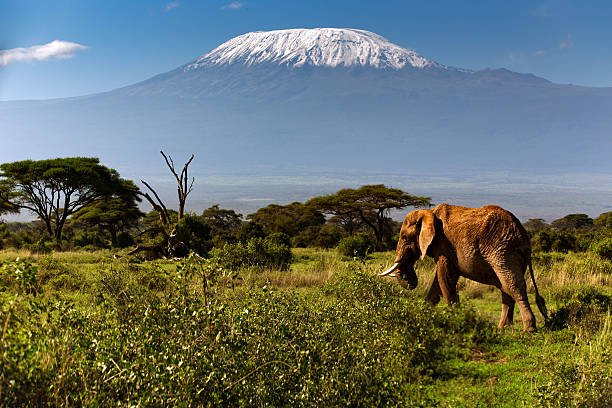
Tarangire can be added for elephant viewing opportunities and baobab landscapes.
Travellers may see elephants, giraffes, zebras, buffalo, wildebeest, antelope and lions.
Wildlife remains free roaming and specific sightings cannot be guaranteed.
Combine with Serengeti Safari
The itinerary can continue through Ngorongoro toward Serengeti.
The Serengeti ecosystem supports wildebeest, zebras, lions, cheetahs, elephants, giraffes, buffalo, spotted hyenas and possible leopards.
Great Migration movements depend on rainfall, water and grazing conditions, and exact herd locations cannot be guaranteed.
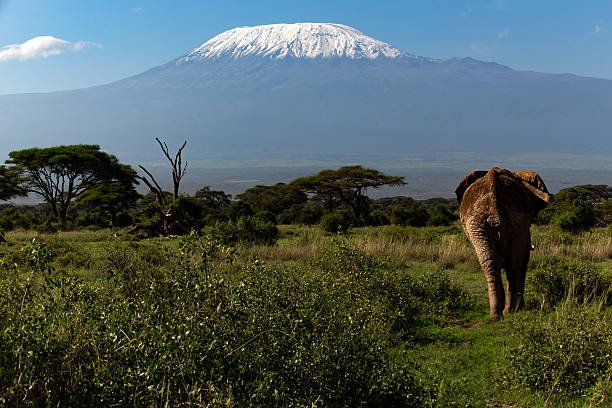
Combine with Kilimanjaro
The metalwork experience can be arranged before or after a Mount Kilimanjaro climb.
Travellers can complete their climb around Moshi before continuing through Karatu toward Lake Eyasi.
Combine with Zanzibar
The experience can form part of a wider Tanzania itinerary ending in Zanzibar.
This creates a journey combining cultural craftsmanship, wildlife, mountain travel and beach experiences.
What to Wear
- Comfortable clothing
- Secure footwear
- Closed shoes where practical
- Sun hat for outdoor sections
- Modest clothing suitable for a community visit
- Light rain protection when appropriate
What to Bring
- Drinking water
- Sunscreen
- Sunglasses
- Camera or phone
- Personal medication
- Small day bag
- Personal spending money if you may purchase crafts
Typical Datoga Metalwork Cultural Tour Inclusions
- Local cultural guide
- Community coordination
- Metalworking workshop visit
- Forge demonstration when available
- Blacksmith tool explanations
- Metal shaping demonstration when available
- Cultural interpretation
- Drinking water according to the confirmed package
- Local transfers when included
Typical Exclusions
- Accommodation unless specifically included
- Meals unless stated
- Personal craft purchases
- Separate Hadzabe experience unless included
- Safari park fees unless part of a combined package
- Airport transfers unless stated
- Alcoholic beverages
- Personal expenses
- Tips
What Affects the Datoga Metalwork Cultural Tour Price?
The price of the Datoga Metalwork Cultural Tour depends on the number of travellers, duration, starting point, transportation and additional cultural activities.
Main Price Factors
- Number of travellers
- Private or shared arrangement
- Short or half day visit
- Lake Eyasi or Karatu starting point
- Transportation
- Local guide arrangements
- Additional Datoga community activities
- Local meal when included
- Hadzabe combination
- Safari extensions
Responsible Cultural Tourism
The Datoga Metalwork Cultural Tour takes place with working craftspeople and community hosts whose time, privacy and working environment should be respected.
Responsible Visit Guidelines
- Follow your guide's instructions.
- Ask permission before photographing people.
- Respect private household areas.
- Do not interrupt active metalworking.
- Do not touch tools or crafts without permission.
- Keep a safe distance from the forge.
- Respect prices if crafts are offered for sale.
- Avoid treating local culture as a performance.
- Remember that experiences vary between families and craftspeople.
Important Information About the Datoga Metalwork Cultural Tour
The Datoga Metalwork Cultural Tour is arranged with participating craftspeople in the Lake Eyasi region.
Not every Datoga household practices metalworking.
The exact host and workshop depend on local arrangements.
The workshop is a real working environment.
The exact objects being produced vary from day to day.
A complete object may not always be produced during the visitor session.
Forge demonstrations depend on the craftsperson's working schedule.
Fire, heated metal and working tools are present.
Visitors must follow safety instructions at all times.
Children require close adult supervision.
Travellers should not touch metal or tools without permission.
Hands on participation is not automatically included.
If participation is offered, the craftsperson decides what is safe.
Photography should only take place with permission.
Visitors should not interrupt active work for photographs or video.
Finished crafts may be available for purchase, but availability cannot be guaranteed.
Purchases are optional.
A Hadzabe experience is a separate cultural visit and should be presented independently.
Road conditions around Lake Eyasi can vary according to weather.
Transportation can be arranged from Lake Eyasi, Karatu or another agreed location.
Ngorongoro, Lake Manyara, Tarangire and Serengeti can be added to a longer itinerary.
Kilimanjaro and Zanzibar can also be included.
Before booking, provide your preferred date, number and ages of travellers, starting point, accommodation, preferred duration and any cultural or safari extensions required.
Why Book the Datoga Metalwork Cultural Tour?
The Datoga Metalwork Cultural Tour provides an opportunity to learn directly from participating local craftspeople near Lake Eyasi.
Travellers can observe the forge, learn about blacksmith tools, see metal being heated and shaped and understand how craftsmanship connects with everyday livelihoods.
The experience can remain focused on metalwork or be combined with additional Lake Eyasi cultural activities.
It also fits naturally into longer northern Tanzania itineraries including Karatu, Ngorongoro, Lake Manyara, Tarangire and Serengeti.
Frequently Asked Questions
What is the Datoga Metalwork Cultural Tour?
It is a guided cultural experience with participating Datoga craftspeople focusing on blacksmithing, metal shaping, tools and handmade objects.
Where does the tour take place?
The experience is normally arranged in participating communities around the Lake Eyasi region of northern Tanzania.
How long does the tour take?
It can be arranged as a short focused visit or a longer half day cultural program.
Do all Datoga people practice metalworking?
No. The tour is arranged specifically with participating blacksmiths and metalworkers.
Will we meet a working blacksmith?
The experience is arranged with participating craftspeople according to local availability.
Will we see a forge?
A forge can normally form part of the workshop experience when the craftsperson is demonstrating or producing metalwork.
Will we see metal being heated?
Metal heating may be demonstrated according to the work taking place at the workshop.
Will we see metal being hammered?
Hammering and shaping may be observed when these stages form part of the craftsperson's current work.
Can we see a complete item made?
Possibly, but some objects require more time than the visitor session, so seeing every stage cannot be guaranteed.
What items might the blacksmith make?
Items vary by workshop and can include practical tools, household objects, decorative metalwork or personal ornaments where produced.
Can we touch the tools?
Only when the craftsperson gives permission and confirms that it is safe.
Can we try blacksmithing?
Hands on participation is not automatically included. If a supervised activity is offered, the blacksmith decides what visitors may safely do.
Is the workshop safe?
The workshop contains fire, heated metal and tools, so visitors must remain within designated areas and follow all safety instructions.
Is the experience suitable for children?
Families can visit, but children require close supervision and should remain away from the forge, hot metal and tools.
What footwear should I wear?
Secure footwear is recommended, with closed shoes preferred where practical around the workshop.
Can we take photographs?
Photography may be possible, but permission should be requested before photographing people or close workshop activity.
Can we record video?
Video may be possible when the host agrees and recording does not interfere with the work.
Can we buy handmade metalwork?
Some craftspeople may offer finished items for sale. Availability varies and purchases are optional.
Is a souvenir included?
A souvenir should only be considered included when it is specifically listed in the confirmed package.
Can we ask questions during the visit?
Yes. The local guide can help coordinate questions and translation without unnecessarily interrupting the blacksmith's work.
Is this a staged performance?
The experience is intended to take place in a real working craft environment with participating local hosts.
Can we visit a Datoga household?
A household visit may be included when arrangements have been made and the participating family has agreed.
Can local food be included?
Local food or refreshments may be added to a longer cultural program when arranged in advance.
Can solo travellers book?
Yes. Solo travellers can arrange a private cultural visit with a local guide.
Can couples book privately?
Yes. Couples can arrange a private Datoga Metalwork Cultural Tour according to local availability.
Can small groups visit?
Yes. Small groups can visit, although workshop space and host preferences may affect group size.
Can older travellers join?
Yes. The experience normally involves limited walking, although workshop access and uneven ground should be considered.
Can the tour be combined with a Hadzabe visit?
Yes. A separate Hadzabe cultural experience can be arranged in the Lake Eyasi area according to timing and local availability.
Are Datoga and Hadzabe culture the same?
No. They are distinct communities with different histories and cultural practices and should be treated as separate experiences.
Can Ngorongoro be added?
Yes. Ngorongoro can be combined with the Lake Eyasi cultural experience as part of a longer itinerary.
Can Lake Manyara be added?
Yes. Lake Manyara can be included before or after Lake Eyasi depending on the travel schedule.
Can Tarangire be added?
Yes. Tarangire can be included for elephant viewing opportunities, baobab landscapes and additional wildlife.
Can Serengeti be added?
Yes. Travellers can continue through Ngorongoro toward Serengeti for a longer northern Tanzania safari.
Can Kilimanjaro be combined with the tour?
Yes. The Datoga Metalwork Cultural Tour can be arranged before or after a Mount Kilimanjaro climb.
Can Zanzibar be added afterward?
Yes. Zanzibar can be added with suitable flights, accommodation and island transfers.
Can transport from Karatu be arranged?
Yes. Transportation between Karatu, Lake Eyasi and the participating community can be arranged according to the confirmed package.
How do I book the Datoga Metalwork Cultural Tour?
Provide your preferred date, number and ages of travellers, starting location, accommodation, preferred duration and whether you would like a Hadzabe visit, local meal or safari extension included.
Request Your Datoga Metalwork Cultural Tour
Meet participating Datoga craftspeople near Lake Eyasi, observe a working forge, learn about traditional metalworking tools, watch metal being heated and shaped and combine the experience with other cultural or safari activities in northern Tanzania.
Book Your Datoga Metalwork Cultural Tour