Easiest Kilimanjaro Route 2026-2027
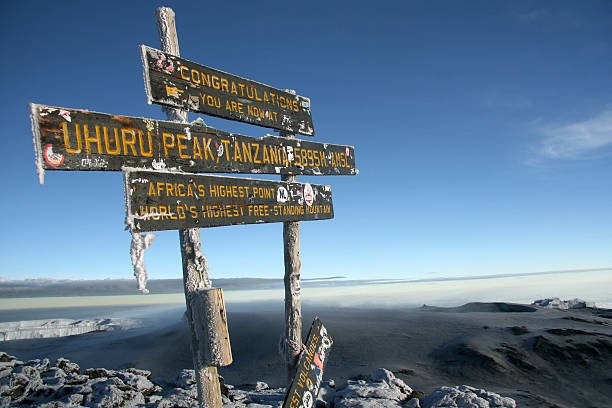
Easiest Kilimanjaro Route 2026-2027 is one of the most common questions asked by first time climbers planning to reach Uhuru Peak at 5,895 metres.
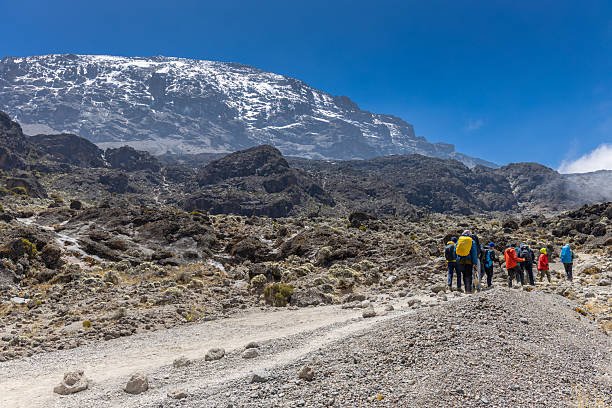
There is no completely easy route on Mount Kilimanjaro because every itinerary eventually reaches very high altitude and includes a demanding summit attempt.
However, some routes can feel easier than others because they provide more trekking days, gradual elevation gain, better acclimatization opportunities and a less compressed daily schedule.
For many travellers, an eight day Lemosho itinerary is one of the strongest choices when the priority is combining good acclimatization with manageable daily trekking and beautiful scenery.
Easiest Kilimanjaro Route at a Glance
- Best overall easy option: 8 Day Lemosho Route
- Best for longer acclimatization: Northern Circuit
- Best hut based option: 6 Day Marangu Route
- Popular scenic option: 7 Day Machame Route
- Quieter northern approach: Rongai Route
- Highest point: Uhuru Peak, 5,895 metres
- Main challenge: High altitude rather than technical climbing
- Best strategy: Choose more acclimatization days instead of the shortest itinerary
Which Is the Easiest Route to Climb Kilimanjaro?
For many first time high altitude trekkers, the 8 Day Lemosho Route can be considered one of the easiest overall Kilimanjaro options because it combines a gradual start with additional time for acclimatization.
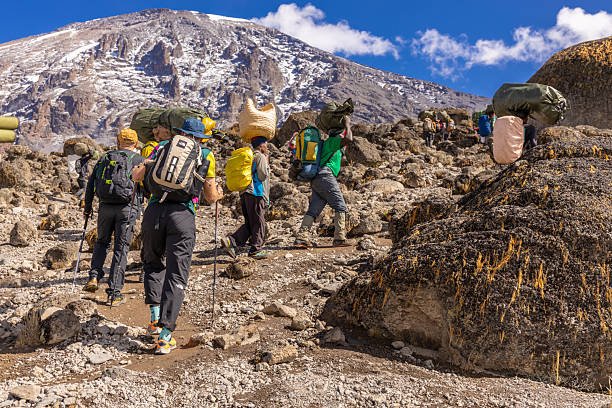
The route begins on the western side of Kilimanjaro and crosses varied landscapes before joining the southern circuit toward Barranco, Karanga and Barafu.
The extra trekking days help reduce pressure to gain elevation too quickly and allow climbers more time to adapt before summit night.
The Northern Circuit also provides a strong acclimatization profile because it is one of the longest routes on the mountain, although the overall trip requires more trekking days.
What Makes a Kilimanjaro Route Easier?
The easiest route is not simply determined by distance.
Several factors influence how physically and mentally manageable a Kilimanjaro itinerary feels.
Factors That Make a Kilimanjaro Route Easier
- More acclimatization days
- Gradual altitude gain
- Reasonable daily walking distances
- Good climb high, sleep low opportunities
- Comfortable camp or hut arrangements
- Professional pacing by guides
- Enough recovery time between trekking days
- Good nutrition and hydration
- Appropriate mountain clothing and equipment
Is Kilimanjaro Easy to Climb?
Kilimanjaro is considered a trekking mountain rather than a technical climbing peak on its standard routes.
Normal itineraries do not generally require ropes, ice climbing techniques or advanced mountaineering skills.
That does not mean Kilimanjaro is easy.
The altitude, cold temperatures, long trekking days and summit night make the climb physically demanding even for people who are fit.
The biggest factor for many climbers is how their body responds to altitude rather than their walking ability at lower elevation.
8 Day Lemosho – One of the Easiest Kilimanjaro Routes
The 8 Day Lemosho Route is one of the most recommended options for climbers who want a gradual itinerary.
Its longer duration provides additional time at altitude and allows the trekking schedule to be spread over more days.
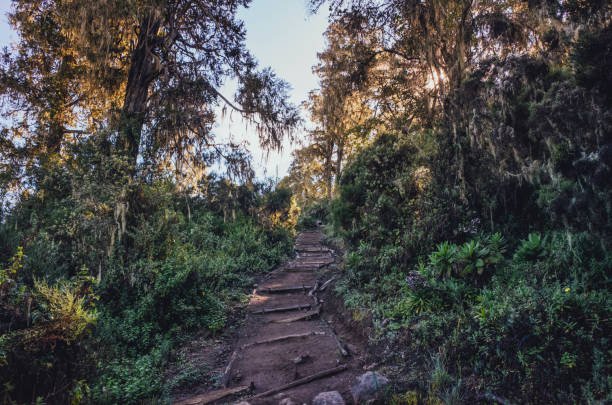
The route begins through forest on the western side of Kilimanjaro before entering the Shira Plateau and eventually joining the southern circuit.
Climbers continue toward Barranco, Karanga and Barafu before beginning the summit attempt.
Why 8 Day Lemosho Can Feel Easier
- Longer acclimatization period
- Gradual western approach
- More time to adapt to altitude
- Strong climb high, sleep low opportunities
- Less compressed itinerary
- Good option for first time high altitude trekkers
- Excellent scenery throughout the trek
Typical 8 Day Lemosho Route
The exact itinerary can vary, but an eight day Lemosho schedule usually provides enough time to cross the western side of Kilimanjaro gradually before approaching the summit.
One of the main advantages is that the itinerary avoids rushing through major elevation changes unnecessarily.
Typical Lemosho Progression
- Day 1: Lemosho trailhead to forest camp
- Day 2: Forest zone toward Shira landscapes
- Day 3: Shira Plateau acclimatization
- Day 4: Lava Tower area and Barranco
- Day 5: Barranco to Karanga
- Day 6: Karanga toward Barafu
- Day 7: Summit attempt and descent
- Day 8: Final descent to the gate
7 Day Lemosho Route Difficulty
The 7 Day Lemosho Route follows much of the same scenic western approach but has one less trekking day than the eight day itinerary.
It can still provide a strong acclimatization profile and remains a good option for travellers who do not have enough time for eight days.
However, climbers whose main priority is making the route as manageable as possible may prefer the additional day.
Northern Circuit – Easiest Route for Acclimatization
The Northern Circuit is one of the longest Kilimanjaro routes and provides excellent opportunities for gradual altitude adjustment.
The route travels around a large portion of Kilimanjaro and uses quieter northern sections before approaching the summit area.
Because more time is spent on the mountain, daily elevation gain can often be spread over a longer period.
For climbers with enough available days, this can make the overall altitude profile easier to manage.
Is the Northern Circuit Easier Than Lemosho?
The Northern Circuit and Lemosho both offer strong acclimatization opportunities.
Northern Circuit is generally longer, which provides additional time on the mountain.
Lemosho, however, may be more practical for travellers who want a strong acclimatization profile without committing to one of the longest itineraries.
For many climbers, eight day Lemosho provides an excellent balance between trekking duration, acclimatization and total travel time.
Is Marangu the Easiest Kilimanjaro Route?
Marangu is sometimes described as the easiest Kilimanjaro route because it uses mountain huts, follows a clear trail and does not require camping.
However, this description can be misleading.
The five day Marangu itinerary gains altitude quickly and offers less acclimatization time than longer alternatives.
A six day Marangu itinerary is generally a better choice because the additional day provides more time to adjust to altitude.
Why Marangu Feels Comfortable
The main comfort advantage of Marangu is the hut accommodation.
Climbers sleep in permanent mountain huts instead of tents, which can be attractive to travellers who do not enjoy camping.
The route also follows the same general corridor for much of the ascent and descent, making its logistics relatively straightforward.
Marangu Advantages
- Mountain hut accommodation
- No camping tents required
- Well established trail
- Five and six day options
- Convenient route logistics
6 Day Marangu vs 5 Day Marangu
If choosing Marangu, the six day itinerary is generally preferable to the five day version for climbers who want a less compressed acclimatization schedule.
The extra day provides additional time before reaching the highest sections of the route.
Although it involves an additional day and therefore a higher package cost, the longer schedule can be worthwhile.
Is Machame an Easy Kilimanjaro Route?
Machame is one of the most popular routes on Kilimanjaro but is not normally considered the easiest in purely physical terms.
The route includes varied terrain and features such as Barranco Wall, while the itinerary involves repeated altitude gain and descent.
However, those same elevation changes can provide useful acclimatization opportunities.
A seven day Machame itinerary is generally more gradual than the six day version and can be a good option for fit first time climbers.
7 Day Machame vs 6 Day Machame
For travellers choosing Machame, seven days can feel more manageable than six days because the itinerary provides additional time on the mountain.
The extra day reduces the need to compress the trekking schedule and can support better acclimatization.
Six day Machame remains popular with travellers who have limited time, but the shorter schedule may be more demanding for some climbers.
Machame Route Highlights
- Rainforest trail
- Shira Plateau
- Lava Tower acclimatization
- Barranco Wall
- Karanga Valley
- Barafu high camp
- Uhuru Peak summit attempt
Is Barranco Wall Difficult?
Barranco Wall can look intimidating when climbers first see it, but it is generally a steep trekking and scrambling section rather than technical rock climbing.
Guides lead climbers carefully through the route, and most trekkers complete it successfully with patience and steady movement.
Climbers who are particularly uncomfortable with scrambling may prefer routes that do not emphasize this section.
Is Rongai an Easy Kilimanjaro Route?
Rongai approaches Mount Kilimanjaro from the northern side and can feel quieter than some of the more heavily used southern routes.
The early sections can be relatively gradual, and the route appeals to travellers who prefer a less crowded environment.
Its difficulty still depends heavily on the number of trekking days and how well the climber acclimatizes.
Choosing a longer Rongai itinerary is generally preferable to compressing the route.
Easiest Kilimanjaro Route for Beginners
First time climbers should focus on route duration and acclimatization rather than simply choosing the shortest or most direct trail.
Eight day Lemosho is particularly attractive because it gives beginners additional time to become comfortable with trekking at altitude.
Seven day Machame and six day Marangu can also be suitable depending on the climber's fitness, experience and personal preferences.
Easiest Kilimanjaro Route for Older Climbers
Age alone does not determine whether someone can climb Kilimanjaro.
Older climbers who are healthy and properly prepared may perform very well on the mountain.
A longer itinerary can be especially attractive because it reduces pressure to gain elevation quickly and allows more recovery time.
Anyone with medical concerns should obtain appropriate professional medical advice before attempting a high altitude trek.
Easiest Kilimanjaro Route for Families
Families should place particular importance on acclimatization, participant ages and trekking experience.
A private climbing arrangement can provide more logistical flexibility than joining a larger scheduled group.
Longer routes may allow a more gradual pace, but every family member must still be monitored carefully for altitude related symptoms.
Easiest Kilimanjaro Route for Solo Travellers
Solo travellers can choose any of the main Kilimanjaro routes.
Those looking for a combination of acclimatization and social experience can join scheduled Lemosho or Machame group departures.
A private climb provides more control over departure dates, while group joining options can reduce the total cost.
Which Kilimanjaro Route Has the Least Steep Terrain?
No route remains completely gentle from beginning to end because every itinerary must eventually reach high elevation.
Marangu is often considered straightforward in terms of trail structure, while Lemosho and Northern Circuit offer longer, more gradual overall altitude profiles.
Machame includes steeper sections such as Barranco Wall, although these are manageable for most prepared trekkers.
Shortest Route vs Easiest Route
The shortest Kilimanjaro route is not necessarily the easiest.
Reducing the number of trekking days can lower the overall distance or trip duration, but it also gives the body less time to adjust to altitude.
This can make a shorter itinerary feel physically harder despite spending fewer days on the mountain.
For most first time climbers, choosing enough acclimatization days is more important than finishing as quickly as possible.
Why Acclimatization Makes Kilimanjaro Easier
As climbers move higher, the amount of available oxygen decreases.
The body needs time to adjust to this changing environment.
Longer itineraries allow this adjustment to occur more gradually and can include opportunities to climb to a higher elevation during the day before sleeping lower.
This approach is one reason routes such as Lemosho and Machame are popular despite having more varied terrain.
Lava Tower and Acclimatization
Lava Tower is an important acclimatization point on several southern Kilimanjaro itineraries.
Climbers can reach a higher elevation during the day and later descend to sleep at a lower camp.
This climb high, sleep low pattern helps the itinerary introduce the body gradually to increasing altitude.
Summit Night Difficulty
Regardless of route, summit night is normally the hardest part of climbing Kilimanjaro.
Climbers begin during the night from high elevation and walk for several hours in cold conditions before reaching the crater rim.
The combination of darkness, altitude, low temperatures and fatigue makes steady pacing essential.
Guides normally encourage climbers to move slowly and conserve energy throughout the ascent.
Does Fitness Make Kilimanjaro Easier?
Good fitness helps climbers handle long walking days, steep sections and fatigue.
However, strong physical fitness does not guarantee that a person will acclimatize well.
Even very fit climbers can experience altitude symptoms.
A successful preparation plan should therefore combine cardiovascular training, long walks, hill training and realistic expectations about altitude.
Training for the Easiest Kilimanjaro Experience
Training makes the trekking days more comfortable and helps climbers maintain energy throughout the route.
Useful Kilimanjaro Training
- Regular walking and hiking
- Long weekend hikes
- Hill and stair training
- Cardiovascular exercise
- Leg strength training
- Walking with a daypack
- Back to back walking days
Walking Pace on Kilimanjaro
Walking slowly is one of the most important strategies on Kilimanjaro.
Guides often encourage a steady pace so that climbers do not use unnecessary energy and gain elevation too quickly.
The goal is not to reach camp as fast as possible.
A controlled pace can make long trekking days much more manageable.
Meals and Hydration
Eating regularly and maintaining hydration can make the mountain experience more comfortable.
Typical meals include porridge, eggs, pancakes, soup, rice, pasta, potatoes, vegetables and other practical trekking foods.
Drinking water is prepared during the trek, and climbers carry reusable bottles or hydration systems in their daypacks.
Dietary requirements such as vegetarian meals can normally be arranged when communicated before the climb.
Mountain Safety and Health Monitoring
Professional guides monitor climbers throughout the trek.
Daily health discussions and pulse oximeter readings can form part of altitude monitoring.
Numbers should never be viewed alone because symptoms, behaviour, energy levels and overall condition are also important.
Typical Mountain Safety Support
- Licensed professional guides
- Daily health monitoring
- Pulse oximeter checks
- Emergency oxygen
- First aid equipment
- Emergency descent planning when required
What Is Included in an Easy Kilimanjaro Climbing Package?
The services included in your package can significantly influence how comfortable the climb feels.
A well organized climb should provide reliable mountain logistics so climbers can concentrate on walking, eating, resting and acclimatizing.
- Licensed mountain guides
- Assistant guides according to group size
- Mountain cook
- Porters
- National park fees
- Camping or hut fees
- Mountain tents where required
- Dining tent, tables and chairs according to package
- Three meals per trekking day
- Drinking water
- Emergency oxygen
- Pulse oximeter
- Basic first aid equipment
- Transfers to and from the mountain gates
- Summit certificate
Kilimanjaro Packing List
Good equipment can make the climb considerably more comfortable, especially during cold, wet or windy conditions.
- Waterproof trekking boots
- Warm insulated jacket
- Waterproof jacket and trousers
- Thermal base layers
- Fleece or insulated mid layer
- Warm gloves
- Warm hat
- Sun hat
- Trekking socks
- Sleeping bag suitable for cold conditions
- Headlamp
- Trekking poles
- Water bottles or hydration system
- Sunglasses
- Sunscreen
- Personal medication
- Daypack
- Duffel bag
- Power bank
Which Route Has the Best Accommodation?
Travellers who prefer not to camp may find Marangu more comfortable because it uses permanent mountain huts.
Lemosho, Machame, Rongai and Northern Circuit generally use tents.
Camping routes can still be comfortable when quality tents, sleeping equipment and organized camp facilities are provided.
Easiest Kilimanjaro Route Without Camping
Marangu is the main Kilimanjaro route for travellers who prefer hut accommodation instead of sleeping tents.
For this reason, it can feel easier from a comfort perspective.
However, travellers should still choose enough days for acclimatization, with the six day Marangu itinerary generally offering a better schedule than the shorter five day version.
Easiest Kilimanjaro Route with the Best Scenery
Lemosho is particularly strong for travellers wanting both a manageable itinerary and varied scenery.
The route includes forest, Shira Plateau landscapes, volcanic terrain, Barranco and high alpine environments before reaching the summit zone.
This combination makes Lemosho one of the most popular choices for travellers who want more than simply the shortest route to the summit.
Easiest Kilimanjaro Route with Fewer Crowds
The Northern Circuit and Rongai can offer quieter sections compared with some heavily used routes.
Lemosho may also feel quieter during its earlier western sections before joining routes used by other climbers.
Crowd levels can vary according to season and departure dates.
Private Climb vs Group Climb
Both private and group climbs can use the easiest Kilimanjaro routes.
A private arrangement can provide more logistical flexibility and can be coordinated exactly around international flights.
Group joining climbs can reduce the per person cost while providing a social trekking experience.
The mountain safety principles and altitude challenges remain the same in both arrangements.
Easiest Kilimanjaro Route Cost 2026-2027
The cost depends on the selected route, number of days, group size, hotel arrangements and overall service level.
Longer routes such as eight day Lemosho and Northern Circuit generally cost more because they require additional park days, meals, staff wages and camping logistics.
The extra cost can be worthwhile for travellers who prioritize acclimatization and a less compressed trekking schedule.
Travellers should compare complete package inclusions instead of selecting a route only according to the lowest price.
Typical Kilimanjaro Package Exclusions
- International flights
- Visa expenses
- Travel insurance
- Personal trekking equipment unless included
- Mountain crew gratuities
- Alcoholic drinks
- Personal expenses
- Additional hotel nights
- Optional activities outside the itinerary
Best Route for First Time High Altitude Climbers
First time high altitude trekkers should prioritize time rather than speed.
A longer route gives the body additional opportunities to adjust and allows guides to observe how climbers respond as elevation increases.
Eight day Lemosho is therefore one of the strongest options for travellers attempting a high altitude trek for the first time.
How to Choose the Easiest Kilimanjaro Route
Begin by deciding how many total days you can dedicate to the mountain.
If your schedule allows, choose a longer itinerary instead of immediately selecting the shortest climb.
Then consider whether you prefer camping or huts, scenic variety, quieter trails, group joining or a private departure.
The final route should balance acclimatization, comfort, available travel days and budget.
Simple Route Recommendation
- Choose 8 Day Lemosho for the best balance of acclimatization, scenery and duration.
- Choose Northern Circuit if you have more time and want an even longer acclimatization schedule.
- Choose 6 Day Marangu if hut accommodation is your priority.
- Choose 7 Day Machame if you want a scenic and popular trekking experience.
- Choose Rongai if you prefer a quieter northern approach.
Booking the Easiest Kilimanjaro Route 2026-2027
To choose the most suitable route, provide your preferred travel dates, available trekking days, number of travellers and previous hiking experience.
It is also useful to explain whether your priority is easier acclimatization, fewer crowds, hut accommodation, scenery or a shorter total trip.
Your itinerary can then be matched to the route that best fits your available time and trekking preferences.
Frequently Asked Questions About the Easiest Kilimanjaro Route
What is the easiest Kilimanjaro route?
For many first time climbers, the 8 Day Lemosho Route is one of the easiest overall options because it provides a longer and more gradual acclimatization schedule.
Is Lemosho easier than Machame?
A longer Lemosho itinerary can feel more manageable because it generally provides additional acclimatization time. Seven day Machame is also a strong route for properly prepared trekkers.
Is Marangu the easiest Kilimanjaro route?
Marangu is comfortable because it uses huts and follows an established trail, but shorter Marangu itineraries can have a faster altitude profile. Six days is generally preferable to five days.
Which Kilimanjaro route is easiest for beginners?
Eight day Lemosho is an excellent option for beginners because it combines a gradual approach, additional acclimatization time and varied scenery.
Which Kilimanjaro route has the best acclimatization?
Longer routes such as Northern Circuit and eight day Lemosho provide strong acclimatization profiles because they allow more time at altitude.
Which Kilimanjaro route requires no camping?
Marangu uses mountain huts and is the main route for travellers who prefer not to sleep in tents.
Is Kilimanjaro technical?
Normal Kilimanjaro trekking routes do not generally require technical mountaineering skills, but altitude and summit night remain physically demanding.
Do beginners need climbing experience?
Technical climbing experience is not normally required on the standard trekking routes, but good physical preparation and realistic training are recommended.
Is Barranco Wall dangerous?
Barranco Wall is steep and requires some scrambling, but professional guides lead climbers carefully through the section and it is not normally treated as technical rock climbing.
What is harder, six day or seven day Machame?
The six day itinerary can feel harder because it provides less time for acclimatization. Seven day Machame is generally the more gradual option.
Is Northern Circuit easier than Lemosho?
Northern Circuit provides more mountain days and excellent acclimatization potential, while eight day Lemosho offers a strong balance between route length, scenery and gradual altitude gain.
Can an unfit person climb Kilimanjaro?
Kilimanjaro requires stamina and preparation. Travellers should train before the climb rather than relying only on selecting an easier route.
Does walking slowly make Kilimanjaro easier?
A slow and steady pace can help climbers conserve energy and avoid unnecessarily rapid altitude gain.
Which route is easiest for older climbers?
A longer route such as eight day Lemosho can be attractive because it provides a more gradual schedule, although individual fitness and health remain more important than age alone.
Which route is best if I dislike camping?
Marangu is the best choice because accommodation is provided in mountain huts instead of camping tents.
Does the easiest route cost more?
Longer routes can cost more because they require additional park days, food and mountain crew support, but the extra days can provide better acclimatization.
How do I book the easiest Kilimanjaro route for 2026-2027?
Provide your preferred climbing dates, available trekking days, number of travellers and previous hiking experience. A suitable route can then be selected according to acclimatization, comfort, budget and preferred trekking style.
Choose Your Easiest Kilimanjaro Route 2026-2027
Choose a Kilimanjaro itinerary with enough acclimatization time, professional mountain support and a daily trekking schedule matched to your experience, available days and comfort preferences.
Find Your Best Kilimanjaro Route

 Kilimanjaro Climb