Tanzania Photography Safari 2026-2027
Tanzania Photography Safari 2026-2027 is a specialized wildlife journey for travellers who want more control over timing, vehicle positioning and the amount of time spent at wildlife sightings.
Tanzania is one of Africa's strongest photography destinations because it combines abundant wildlife, open landscapes, dramatic light, predator activity and seasonal wildlife movements across a large network of protected areas.
Serengeti, Ngorongoro, Tarangire and Lake Manyara are among the most popular destinations, while longer photography itineraries can also include Ndutu, Lake Natron, Ruaha, Nyerere and other regions.
A private photography safari can be planned around sunrise, sunset, wildlife behavior, migration seasons, birdlife and specific photographic interests rather than following a standard sightseeing schedule.
Tanzania Photography Safari at a Glance
- Destination: Tanzania
- Safari style: Private wildlife photography safari
- Popular locations: Serengeti, Ngorongoro, Tarangire, Lake Manyara and Ndutu
- Typical duration: 4 to 14+ days
- Vehicle: Private 4x4 safari vehicle
- Photography focus: Wildlife, migration, predators, birds and landscapes
- Best format: Flexible game drives with longer wildlife viewing stops
- Accommodation: Lodges, tented camps or mobile camps according to route
Why Choose Tanzania for a Photography Safari?
Tanzania offers a wide variety of wildlife habitats within relatively accessible safari circuits.
Photographers can work with open Serengeti plains, volcanic Ngorongoro scenery, Tarangire's baobab landscapes, woodland habitats, wetlands and seasonal migration areas.
The country's wildlife diversity also creates opportunities to photograph everything from large mammals and predators to birds, reptiles, smaller animals and environmental landscapes.
A customized itinerary allows photographers to select destinations according to the subjects and seasons that matter most to them.
Why Tanzania Works Well for Wildlife Photography
- Large wildlife populations
- Excellent predator opportunities
- Wide open landscapes
- Strong sunrise and sunset light
- Seasonal Great Migration activity
- Excellent bird photography
- Private safari vehicle options
- Experienced wildlife guides
- Multiple ecosystems within one itinerary
Private Tanzania Photography Safari
A private safari is usually the most suitable arrangement for serious photographers.
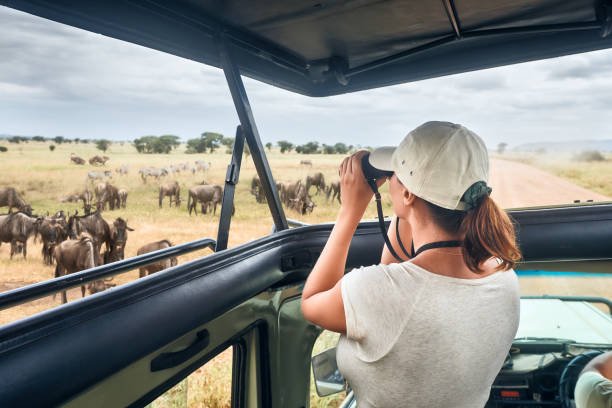
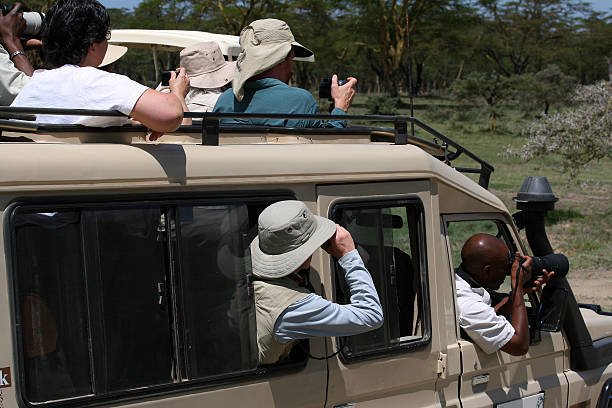
Instead of sharing the vehicle with travellers who may have different priorities, photographers can control how long they stay at a sighting and when they move to another area.
This flexibility is especially useful when waiting for animal behavior, good light, cleaner backgrounds or a better shooting angle.
A private vehicle also provides more space for camera bodies, lenses, bean bags, binoculars and other photographic equipment.
Serengeti Photography Safari
Serengeti National Park is one of Tanzania's most important wildlife photography destinations.
The combination of open plains, predators, herbivores and dramatic skies creates an enormous range of photographic opportunities.
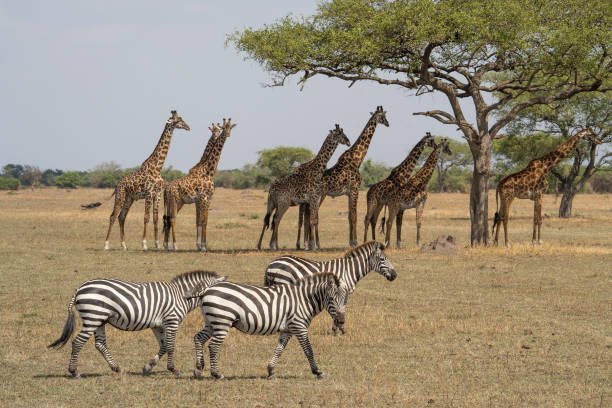
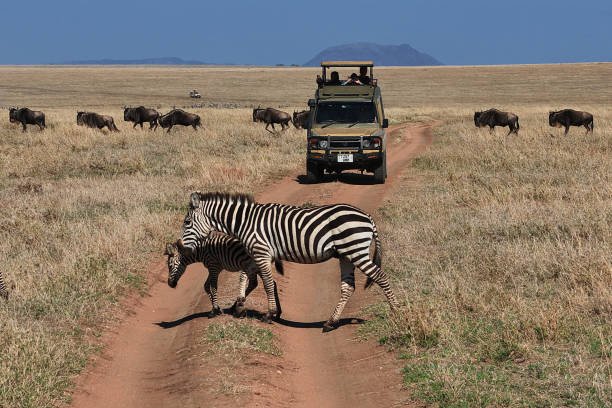
Lions, cheetahs, leopards, elephants, giraffes, wildebeest, zebra, hyenas and many other species can be photographed across different regions of the ecosystem.
Multiple nights are recommended because the Serengeti is large and good photography often requires patience rather than rushing between locations.
Great Migration Photography Safari
The Great Migration attracts photographers from around the world because of the scale of wildlife movement across the Serengeti ecosystem.
The location of the herds changes throughout the year, so photography itineraries should be built around seasonal movement rather than assuming the animals remain in one location.
Different periods can offer calving activity, large moving herds, predator interactions or river crossing opportunities.
Wildlife behavior is natural and cannot be guaranteed, but choosing the correct region for the season improves photographic potential.
Mara River Crossing Photography Safari
Northern Serengeti becomes a major photography destination when migration herds move through the region around the Mara River season.
Photographers may spend extended periods near productive areas waiting for herd movement and river activity.
Crossings do not operate according to a schedule, which means patience is essential.
A private vehicle can be especially valuable because it allows the photographer to remain in the field according to wildlife conditions rather than a fixed group schedule.
Ndutu Calving Season Photography Safari
Ndutu and the southern Serengeti ecosystem can provide excellent photographic opportunities during the green season and migration calving period.
Large concentrations of wildebeest can attract predators and create opportunities to photograph newborn animals, herd behavior and interactions across green landscapes.
The softer seasonal scenery can also create a different visual style from the drier months.
Ngorongoro Crater Photography Safari
Ngorongoro Crater offers a distinctive combination of wildlife and dramatic scenery.
Photographers descend onto the crater floor where several habitat types support a variety of wildlife.
The crater walls can provide dramatic environmental backgrounds, while open areas allow opportunities for photographing mammals and birds.
Early morning access can be especially useful for cooler temperatures and softer light.
Tarangire Photography Safari
Tarangire National Park is well suited to photographers interested in elephants, baobab trees and environmental wildlife compositions.
The park's landscapes are visually different from Serengeti, which helps create greater variety within one photography itinerary.
Elephants can often be photographed against baobabs, riverbeds and open woodland environments.
Tarangire is also a productive destination for bird photography.
Lake Manyara Photography Safari
Lake Manyara provides a compact but varied photography environment.
Forest, wetlands, lake scenery and escarpment views create different backgrounds from the open plains of Serengeti.
The park can also provide opportunities for bird photography and environmental images of wildlife in lush habitats.
Predator Photography in Tanzania
Tanzania is particularly attractive to photographers interested in predators.
Lions, cheetahs, leopards and hyenas are among the most sought after subjects in the northern circuit.
Good predator photography often requires patience because interesting behavior can develop slowly.
Rather than simply photographing an animal and leaving, a photography safari allows time to watch body language, hunting activity, social interaction and movement.
Lion Photography Safari
Lions are among Tanzania's most photographed animals and can be found in several major safari areas.
Photographers can look for portrait opportunities as well as wider compositions showing prides within the surrounding landscape.
Early morning and late afternoon light can create softer colors and stronger detail compared with harsh midday conditions.
Cheetah Photography Safari
Cheetahs are particularly suited to open grassland photography because their habitat can create clean backgrounds and strong environmental images.
Photographers may need to remain patient while animals rest before becoming active.
A flexible private safari makes it easier to stay with a sighting and wait for movement when park regulations and conditions allow.
Leopard Photography Safari
Leopards can be challenging subjects because they are often partially hidden by vegetation or resting in trees.
Experienced guides can help identify likely habitats and search carefully for these elusive cats.
Long lenses can be particularly useful when photographing leopards without needing close vehicle positioning.
Elephant Photography Safari
Elephants provide excellent opportunities for portraits, family behavior and wide landscape compositions.
Tarangire is particularly famous for elephant photography, although they can also be photographed in Serengeti and other Tanzania destinations.
Photographers should look for interaction between adults and calves, dust bathing, feeding and movement through scenic environments.
Bird Photography Safari in Tanzania
Tanzania has exceptional bird diversity and can be highly rewarding for photographers interested in birds as well as large mammals.
Wetlands, forests, savannahs and lakes support a wide variety of species.
Long telephoto lenses are useful for smaller subjects, while fast shutter speeds can help capture birds in flight.
A specialized itinerary can allocate additional time to bird rich areas rather than focusing only on large mammals.
Popular Photography Subjects in Tanzania
- Lions
- Cheetahs
- Leopards
- Elephants
- Wildebeest and zebra
- Giraffes
- Hyenas
- Hippos
- Birdlife
- Sunrise and sunset landscapes
- Great Migration scenes
Landscape Photography in Tanzania
A photography safari does not need to focus only on animals.
Tanzania offers dramatic landscapes including Serengeti plains, Ngorongoro highlands, volcanic scenery, baobab woodlands, lakes and distant mountain views.
Wide angle lenses can be useful for environmental images that place wildlife within its natural surroundings.
Changing weather, clouds and seasonal vegetation can add atmosphere to landscape photography.
Sunrise Photography on Safari
Early mornings can provide some of the most attractive light of the safari day.
Low sunlight creates softer shadows and warm tones while wildlife can also be more active during cooler conditions.
Starting early gives photographers the opportunity to work with both light and animal behavior before temperatures rise.
Sunset Photography on Safari
Late afternoon light can create dramatic opportunities for silhouettes, backlighting and warm landscape images.
Photographers should coordinate with their guide and respect park closing regulations while planning sunset shooting locations.
Open landscapes can be especially useful for combining wildlife with colorful evening skies.
Photography Safari Vehicle Setup
A suitable safari vehicle is one of the most important parts of a photography safari.
Photographers need enough room to move cameras safely, change shooting positions and work with long lenses.
Opening roof sections and side windows can provide different shooting angles depending on the subject and location.
Vehicle setup should be discussed before departure when travellers are carrying large professional equipment.
Photography Friendly Safari Arrangement
- Private 4x4 safari vehicle
- Space for long camera lenses
- Opening roof for flexible angles
- Window access where suitable
- Time to wait at productive sightings
- Flexible morning departures
- Experienced wildlife guide
- Careful equipment storage
Best Camera Lenses for Tanzania Safari
A combination of focal lengths gives photographers the greatest flexibility during safari.
Telephoto lenses are valuable for wildlife portraits and animals positioned farther from the vehicle.
Mid range zoom lenses are useful for larger animals close to the vehicle and environmental scenes.
A wide angle lens can be useful for landscapes, lodge photography and dramatic images showing animals within the broader environment.
Camera Equipment for Tanzania Photography Safari
Photographers should select equipment according to their shooting style while keeping luggage limits and practical field conditions in mind.
Photography Equipment Checklist
- Primary camera body
- Backup camera body if available
- Telephoto lens
- Mid range zoom lens
- Wide angle lens
- Spare batteries
- Multiple memory cards
- Battery chargers
- Lens cleaning equipment
- Dust protection
- Laptop or storage device if required
- Camera bag suitable for vehicle travel
Managing Dust and Camera Equipment
Safari roads can become dusty, especially during dry conditions.
Photographers should keep unused equipment covered and avoid unnecessary lens changes in dusty environments.
Cleaning cloths, blowers and suitable camera protection can help keep equipment functioning properly throughout the trip.
Charging Cameras During Safari
Photographers should plan battery charging carefully because access to electricity can vary between camps and lodges.
Carry multiple charged batteries, suitable adapters and a power bank where practical.
Accommodation charging arrangements should be confirmed when the itinerary includes remote tented camps.
Photography Safari for Beginners
A Tanzania photography safari is not limited to professional photographers.
Beginners can benefit from having more time to practice camera settings, composition and wildlife observation without feeling rushed.
A knowledgeable guide can help predict animal movement and position the vehicle in suitable locations when conditions permit.
Even travellers using smaller cameras can benefit from a photography focused itinerary.
Photography Safari for Professional Photographers
Professional photographers often require additional flexibility, space and planning.
Private vehicles, longer stays in productive wildlife regions and carefully selected accommodation can help maximize time in the field.
Professional travellers should communicate equipment volume, shooting priorities and any special logistical requirements before the safari begins.
Solo Tanzania Photography Safari
Solo photographers can arrange a completely private Tanzania safari.
Although private solo travel normally costs more per person, it provides maximum control over daily photography decisions.
The photographer can spend the entire game drive focusing on personal priorities without compromising with other passengers.
Photography Safari for Couples
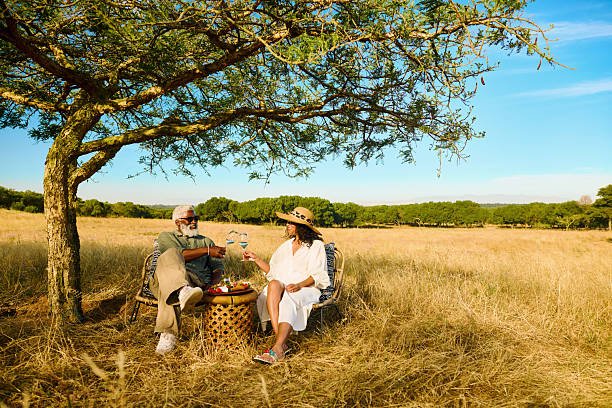
Couples who share an interest in wildlife photography can organize a private vehicle with enough room for both travellers to photograph comfortably.
The itinerary can combine dedicated field time with comfortable lodges and slower evenings.
This format can also be combined with a honeymoon or Zanzibar extension.
Small Group Photography Safari
A small photography group can share operational costs while still maintaining a strong photographic focus.
Group size should remain manageable so each photographer has enough window or roof access and adequate equipment space.
Travellers should confirm vehicle seating arrangements before booking a photography focused group safari.
5 Day Tanzania Photography Safari
A five day safari can provide a focused introduction to Tanzania wildlife photography.
A possible itinerary can combine Tarangire, Serengeti and Ngorongoro while prioritizing early departures and longer game drives.
Photographers with specific Serengeti goals may prefer to reduce the number of destinations and spend more nights in one productive area.
7 Day Tanzania Photography Safari
A seven day photography safari provides a better balance between destination variety and time in the field.
It can include Tarangire, Ngorongoro and several nights in Serengeti.
Additional days reduce the pressure to move constantly between camps and create more opportunities to return to productive wildlife areas.
10 Day Tanzania Photography Safari
A ten day itinerary is suitable for photographers who want deeper coverage of several ecosystems.
The safari can include multiple Serengeti regions depending on season, as well as Ngorongoro, Tarangire and other selected destinations.
Longer journeys improve the chance of experiencing different light, weather and animal behavior during the trip.
Tanzania Photography Safari and Zanzibar
Zanzibar can be added after a wildlife photography safari for relaxation and additional photographic subjects.
Stone Town, beaches, fishing villages, coastal landscapes and Indian Ocean sunsets create a completely different visual environment from the safari circuit.
Couples or individual photographers can therefore combine wildlife and travel photography within one Tanzania journey.
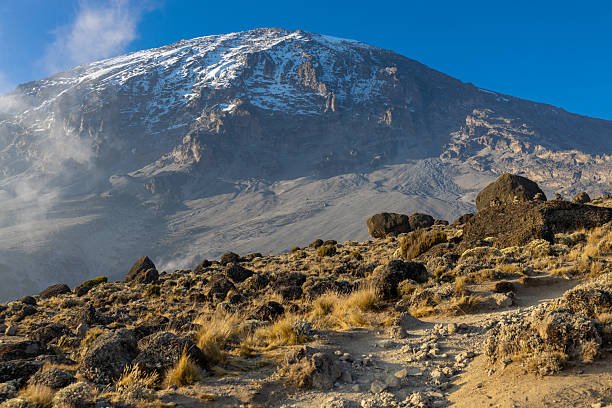
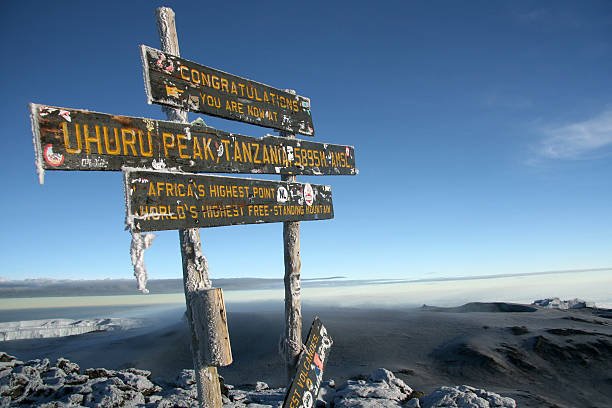
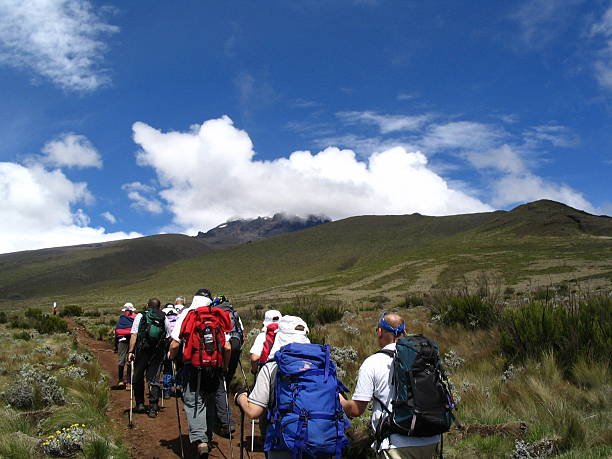
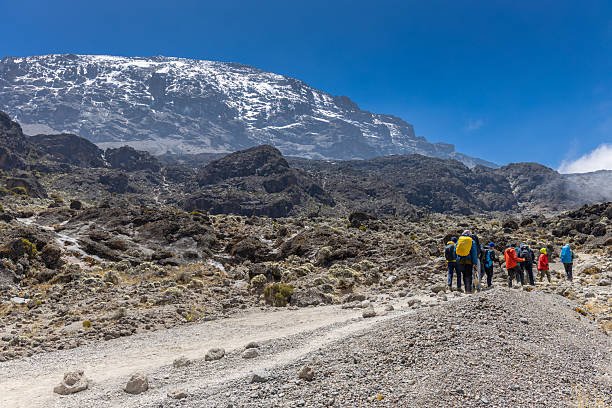
Tanzania Photography Safari and Kilimanjaro
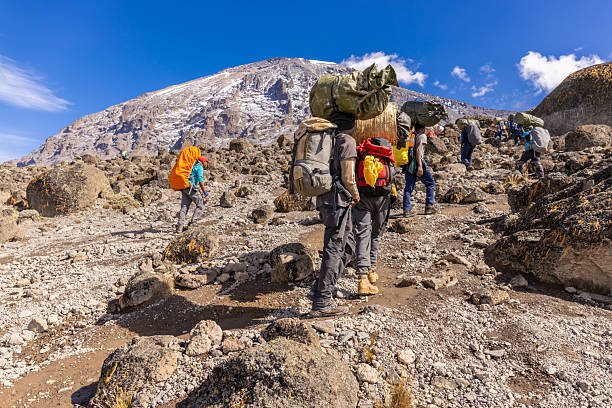
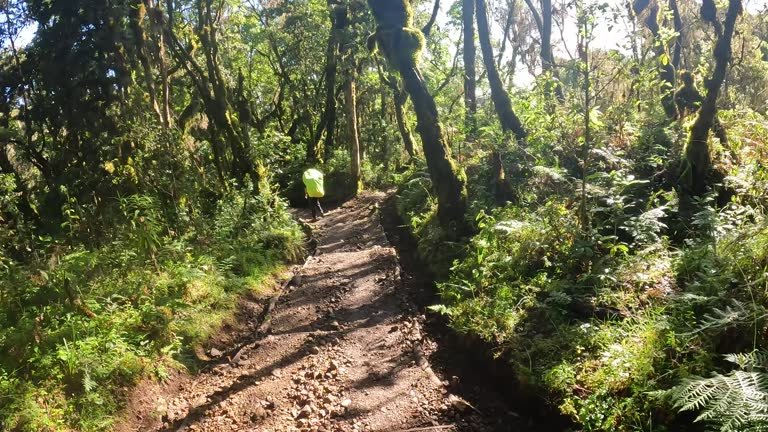
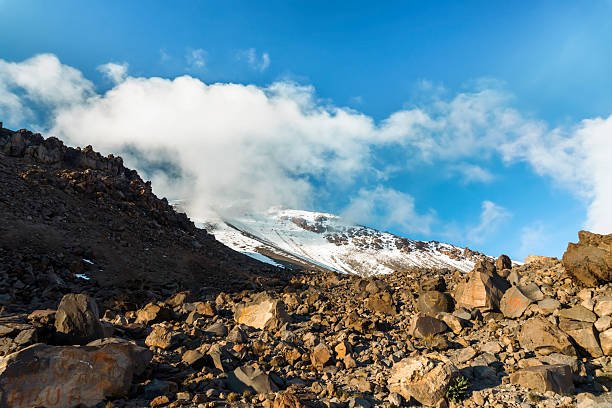
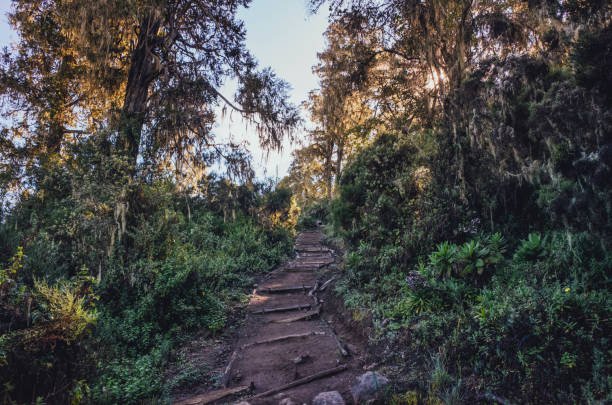
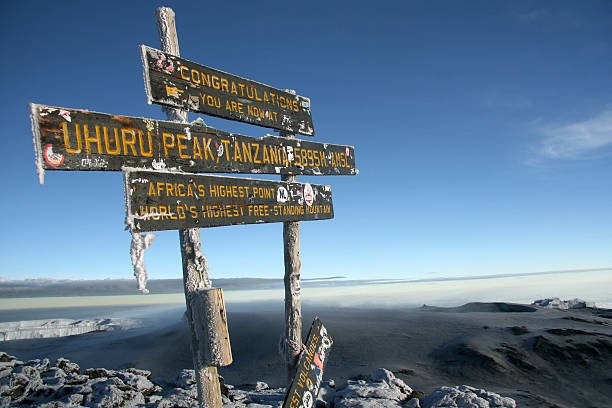
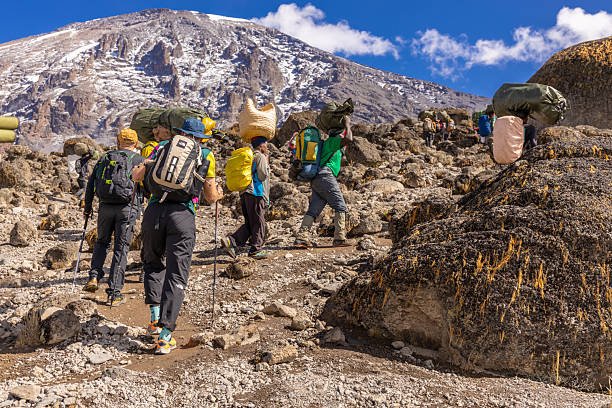
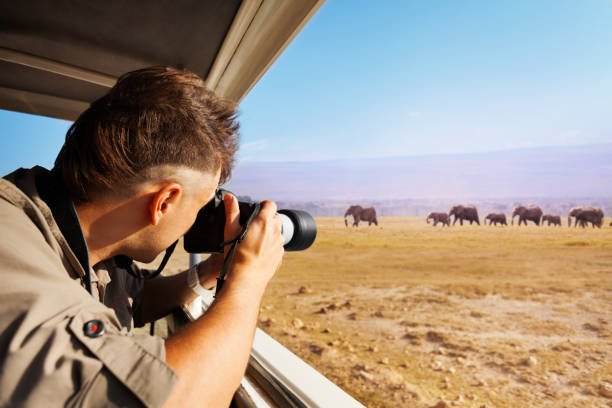
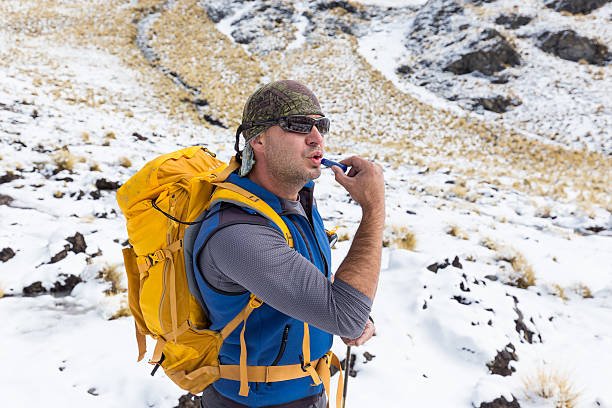
Adventure photographers can combine a Kilimanjaro trek with a wildlife safari.
The climb offers mountain, landscape and trekking photography before the journey continues to Tanzania's national parks.
This combination requires careful luggage planning because mountain equipment and professional camera equipment can create significant baggage volume.
Accommodation for Photography Safaris
Accommodation location is particularly important on a photography safari because long transfers can reduce productive shooting time.
Staying close to productive wildlife areas can allow earlier access in the morning and reduce unnecessary driving.
Lodges and tented camps should therefore be chosen not only for comfort but also according to the photographic goals of the itinerary.
Meals During a Tanzania Photography Safari
Photography schedules can be different from standard safari programmes, especially when travellers want to stay in the field for long periods.
Breakfast or lunch may sometimes be arranged as packed meals when the itinerary includes extended game drives.
Dinner is usually served at the lodge or tented camp after the evening safari programme.
What Is Included in a Tanzania Photography Safari?
A complete photography safari can include transportation, guiding, park fees, accommodation and field logistics throughout the itinerary.
Typical Photography Safari Inclusions
- Private 4x4 safari vehicle
- Professional safari driver guide
- National park fees
- Ngorongoro fees where applicable
- Accommodation according to itinerary
- Meals according to package
- Game drives
- Drinking water in the vehicle
- Airport or hotel transfers when included
- Flexible photography focused safari schedule
Typical Photography Safari Exclusions
- International flights
- Visa expenses
- Travel insurance
- Camera equipment
- Photography guide unless specifically included
- Guide gratuities
- Alcoholic drinks
- Personal expenses
- Balloon safari unless included
- Domestic flights unless specified
Tanzania Photography Safari Cost 2026-2027
The cost of a Tanzania photography safari depends on duration, accommodation level, travel season, destination selection and vehicle arrangements.
Private vehicles generally increase the per person cost compared with group safaris, but they provide much greater flexibility for photography.
Longer stays in Serengeti and specialized seasonal camps can also affect the final price.
Photographers should compare the total field time, accommodation locations and vehicle setup rather than selecting an itinerary only according to the cheapest rate.
Best Time for a Tanzania Photography Safari
Tanzania provides photography opportunities throughout the year, but different months offer different landscapes, wildlife movements and lighting conditions.
Dryer periods can make wildlife easier to locate around water sources, while greener months can provide dramatic skies and lush backgrounds.
Migration photography requires more precise seasonal planning because herd locations change during the year.
The best travel period therefore depends on the photographer's priority subjects rather than one single season being best for every type of photography.
How Many Days Are Best for a Photography Safari?
Photography improves when travellers have enough time to wait for good conditions rather than moving constantly between destinations.
Five days can provide a useful short safari, but seven to ten days often gives photographers greater flexibility.
Specialized migration or predator focused safaris may benefit from spending several consecutive nights in one wildlife area.
Planning a Tanzania Photography Safari 2026-2027
Begin by identifying the wildlife or landscapes you most want to photograph.
Then provide your intended travel dates, total number of safari days, accommodation preference and camera equipment requirements.
The itinerary can then be designed around seasonal wildlife areas, productive photography destinations and enough time in each location.
Photographers carrying professional equipment should also communicate baggage details if domestic flights are part of the itinerary.
Frequently Asked Questions About Tanzania Photography Safari
Is Tanzania good for wildlife photography?
Yes. Tanzania offers abundant wildlife, diverse landscapes, major predator populations and seasonal Great Migration opportunities.
Can I book a private vehicle for photography?
Yes. A private vehicle is strongly suited to photographers because it provides greater control over positioning, timing and the length of wildlife stops.
Which Tanzania park is best for photography?
Serengeti is one of the strongest overall photography destinations, while Tarangire, Ngorongoro and other parks provide additional subjects and landscapes.
Can I photograph the Great Migration?
Yes. Migration photography can be planned according to the expected seasonal movement of the herds within the Serengeti ecosystem.
Can river crossings be guaranteed?
No. Mara River crossings are natural wildlife events and cannot be guaranteed on a specific day or at a specific time.
Is Tanzania good for bird photography?
Yes. Tanzania's wetlands, forests, lakes and savannah habitats support a wide variety of bird species.
Do I need professional camera equipment?
No. Photography safaris are suitable for beginners, enthusiasts and professionals using different types of cameras.
What lens should I bring for Tanzania safari?
A telephoto lens is valuable for wildlife, while a mid range zoom and wide angle lens provide flexibility for closer animals and landscapes.
Can I charge camera batteries on safari?
Charging is available at many lodges and camps, but arrangements vary. Multiple batteries and suitable charging equipment are recommended.
Can solo photographers book a safari?
Yes. Solo photographers can arrange a private vehicle and completely customized Tanzania photography itinerary.
Can photography groups travel together?
Yes. Small photography groups can share vehicles, although group size should allow sufficient shooting space for each participant.
Can I combine photography safari with Zanzibar?
Yes. Zanzibar can add beach, cultural, architecture and coastal photography after the wildlife safari.
Can I combine Kilimanjaro and photography safari?
Yes. Mount Kilimanjaro can be combined with a Tanzania wildlife photography safari for a broader adventure and travel photography itinerary.
How long should a Tanzania photography safari be?
Seven to ten days gives many photographers a good balance of field time and destination variety, although shorter and longer itineraries are possible.
How do I book a Tanzania Photography Safari 2026-2027?
Provide your travel dates, preferred safari length, photography interests, number of travellers and accommodation level. The route, vehicle arrangement and safari schedule can then be planned around your photographic priorities.
Plan Your Tanzania Photography Safari 2026-2027
Photograph Tanzania with a private safari vehicle, flexible game drives, experienced wildlife guides and an itinerary built around wildlife behavior, seasonal movement, landscapes and the best possible time in the field.
Plan Your Tanzania Photography Safari

 Kilimanjaro Climb