Kilimanjaro Climb with Emergency Oxygen
The Kilimanjaro Climb with Emergency Oxygen is designed for travellers who want a professionally supported Mount Kilimanjaro trek with a strong focus on altitude awareness, health monitoring and responsible mountain safety.
Our mountain safety arrangements include emergency oxygen, regular guide health assessments, pulse oximeter monitoring, first aid equipment and experienced mountain guides who observe climbers throughout the trek.
Emergency oxygen is carried as a safety resource for situations where additional support may be required. It is not intended to allow a climber with significant altitude related illness to ignore symptoms and continue ascending.
Climbers can choose routes including Machame, Lemosho, Marangu, Rongai and Northern Circuit according to available time, accommodation preference and preferred acclimatization schedule.
Kilimanjaro Climb with Emergency Oxygen at a Glance
- Mountain: Mount Kilimanjaro.
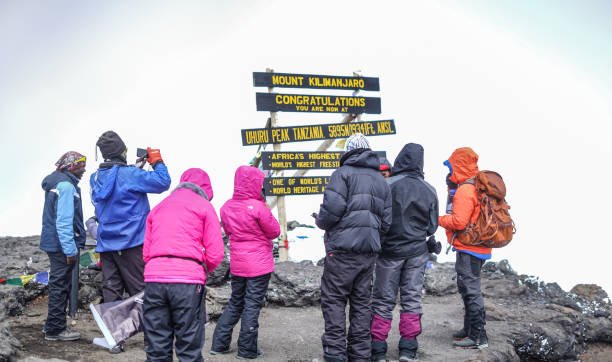
- Highest point: Uhuru Peak at approximately 5,895 metres.
- Safety equipment: Emergency oxygen and first aid equipment.
- Health monitoring: Regular guide assessments and pulse oximeter checks.
- Popular routes: Machame, Lemosho, Marangu, Rongai and Northern Circuit.
- Accommodation: Camping on most routes and mountain huts on Marangu.
- Mountain crew: Professional guides, porters and cook according to the group arrangement.
- Main base: Moshi, Tanzania.
Why Emergency Oxygen Matters on Kilimanjaro
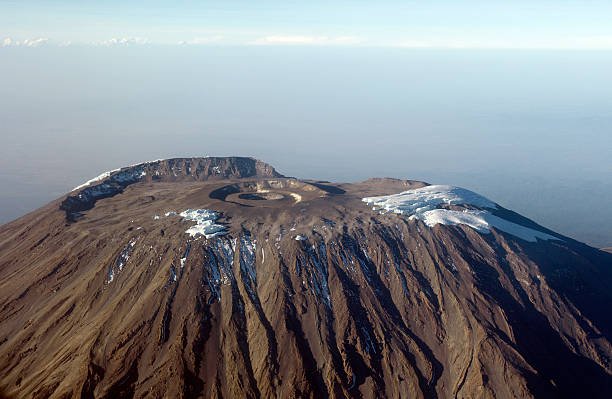
Mount Kilimanjaro rises quickly from relatively low elevations to nearly 5,900 metres, which means climbers experience a substantial reduction in available oxygen as they ascend.
The body requires time to adapt to increasing altitude, and different climbers acclimatize at different rates.
Emergency oxygen provides an additional safety resource if a climber develops concerning symptoms or requires support while descent or evacuation is being organised.
However, oxygen should never create pressure to continue climbing when the safer decision is to stop ascending or descend.
Our Kilimanjaro Safety Support
- Emergency oxygen carried on the mountain
- Regular health assessments
- Pulse oximeter monitoring
- First aid equipment
- Experienced Kilimanjaro guides
- Slow controlled trekking pace
- Daily symptom discussions
- Descent assistance when required
- Evacuation coordination where necessary
Emergency Oxygen Is Not a Summit Shortcut
Emergency oxygen should not be viewed as a performance tool for forcing the body higher when it is not acclimatizing safely.
The purpose is emergency support rather than routine use to keep an unwell climber moving toward the summit.
If the guide determines that descent is necessary, continuing upward simply because oxygen is available would not be an appropriate safety strategy.
The priority is always the climber's condition, safe decision making and the ability to descend when required.
Altitude on Mount Kilimanjaro
Altitude becomes increasingly significant as the route rises through Kilimanjaro's different ecological zones.
Even physically strong climbers can experience altitude symptoms because fitness does not guarantee rapid acclimatization.
The most important approach is to climb gradually, maintain a controlled pace, communicate symptoms honestly and allow your guide to assess your condition throughout the trek.
Common Altitude Symptoms
Altitude symptoms can vary significantly between climbers.
- Headache
- Nausea
- Reduced appetite
- Dizziness
- Unusual fatigue
- Difficulty sleeping
- Reduced exercise tolerance
Any symptoms should be discussed with the guide rather than hidden because you are worried about being asked to stop climbing.
Daily Kilimanjaro Health Checks
Regular health checks help guides understand how each climber is adapting as altitude increases.
The assessment is not based on one number alone.
Your guide can ask about headache, nausea, appetite, sleep, walking ability, breathing, fatigue and other symptoms while also considering the climber's behaviour and overall condition.
Changes over time are often more useful than looking at one isolated measurement.
Pulse Oximeter Monitoring
A pulse oximeter provides an estimate of oxygen saturation and pulse rate.
The reading can be useful as one part of the overall health assessment, but altitude readings naturally become lower as elevation increases and individual responses vary.
For this reason, the guide should interpret readings together with symptoms, trekking performance and the overall condition of the climber.
No single pulse oximeter number should be treated as the only factor determining whether a climber is healthy enough to continue.
What Guides Consider during a Health Check
- Headache
- Nausea or vomiting
- Appetite
- Fatigue
- Walking ability
- Breathing
- Sleep quality
- Mental alertness
- Pulse oximeter readings
- Changes compared with previous checks
When Emergency Oxygen May Be Used
The guide team may use emergency oxygen when a climber develops concerning altitude related symptoms or requires support while further safety action is being organised.
The exact decision depends on the person's symptoms, altitude, physical condition and the practical circumstances on the mountain.
Oxygen use should be managed by trained personnel rather than self administered casually by climbers.
When Descent Becomes More Important than the Summit
Kilimanjaro is a trekking objective, but reaching Uhuru Peak is never more important than returning safely.
If symptoms become concerning, the guide may stop further ascent or begin descent.
Descending to a lower elevation is one of the most important responses when serious altitude illness is suspected.
Emergency oxygen can support the climber during this process, but it does not replace the need to descend when descent is medically appropriate.
Emergency Oxygen and Summit Night
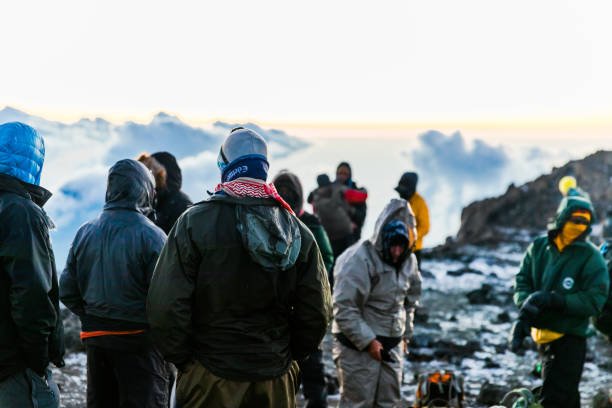
Summit night is the period when climbers reach the highest elevations of the entire trek.
The combination of altitude, darkness, cold temperatures, physical fatigue and a long ascent makes this one of the most closely monitored sections of the expedition.
Guides observe the group's pace, coordination, communication and general condition while progressing toward the crater rim.
If a climber becomes unsafe to continue, the appropriate response may be to turn around rather than continue simply because the summit is close.
Choosing a Route with Good Acclimatization Time
The route and number of climbing days influence the amount of time your body has to adapt before summit night.
Longer schedules generally provide additional altitude exposure and can reduce the pressure created by a very compressed itinerary.
| Route |
Common Duration |
Accommodation |
Safety Planning Consideration |
| Machame |
6 or 7 days |
Camping |
7 day option provides additional time before summit night |
| Lemosho |
7 or 8 days |
Camping |
Longer western approach with additional altitude exposure time |
| Marangu |
5 or 6 days |
Huts |
6 day itinerary includes additional acclimatization time |
| Rongai |
Multi day itinerary |
Camping |
Northern approach with route specific acclimatization planning |
| Northern Circuit |
Longer itinerary |
Camping |
Extended mountain schedule with more gradual progression |
6 Day Machame Climb with Emergency Oxygen
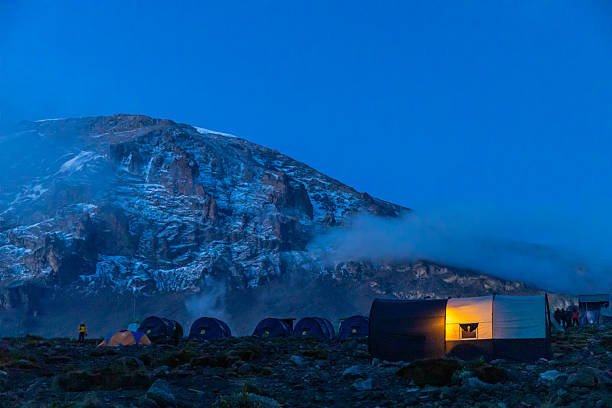
The 6 Day Machame Route is a compact camping itinerary passing through rainforest, Shira, Lava Tower, Barranco and Barafu before the summit attempt.
Because the itinerary is relatively compressed, climbers should take pacing, hydration, nutrition and symptom reporting seriously from the beginning.
Emergency oxygen and regular health monitoring form part of our safety setup throughout the trek.
7 Day Machame Climb with Emergency Oxygen
The 7 Day Machame Route usually adds an overnight around Karanga before proceeding to Barafu.
This provides an additional mountain day compared with the 6 day version.
The route continues through the southern circuit before the summit attempt via Stella Point toward Uhuru Peak.
7 Day Lemosho Climb with Emergency Oxygen
The Lemosho Route begins from western Kilimanjaro and gradually crosses the Shira area before joining the southern circuit.
The itinerary can include Lava Tower, Barranco, Karanga and Barafu before the final summit attempt.
Health monitoring continues throughout the route as sleeping elevation increases.
8 Day Lemosho Climb with Emergency Oxygen
The 8 Day Lemosho itinerary provides additional mountain time and is suitable for travellers prioritising a less compressed ascent.
Emergency oxygen remains part of the safety equipment, but the primary objective is still careful acclimatization and early recognition of concerning symptoms.
6 Day Marangu Climb with Emergency Oxygen
Marangu uses mountain huts rather than sleeping tents and normally follows Mandara, Horombo and Kibo before the summit attempt.
The 6 day itinerary includes additional time compared with the shorter Marangu schedule.
Emergency oxygen, guide monitoring and summit assessment remain important regardless of the accommodation style.
Rongai Climb with Emergency Oxygen
Rongai approaches Kilimanjaro from the northern side and later connects with the higher mountain summit route.
The safety principles remain the same: gradual ascent, controlled pace, hydration, adequate food, honest symptom reporting and descent when required.
Northern Circuit with Emergency Oxygen
The Northern Circuit uses a longer itinerary around Kilimanjaro's northern side before joining the summit approach.
Travellers choosing this route generally have more mountain days available and can experience a less compressed progression in elevation.
Professional Kilimanjaro Guides
The guide team is the most important part of the mountain safety system.
Equipment alone cannot replace experience, observation and appropriate decision making.
Guides manage the pace, monitor the group, discuss symptoms, organise camp routines and determine whether individual climbers remain in suitable condition to continue.
Guide to Climber Support
Our typical mountain arrangements use approximately one guide for every two climbers, with additional summit support organised according to group size and confirmed expedition arrangements.
Smaller guide ratios can be particularly useful when one climber needs to descend while other healthy climbers remain able to continue under separate guide supervision.
First Aid Equipment on Kilimanjaro
Emergency oxygen forms only one component of mountain safety preparation.
The guide team also carries first aid equipment and monitors climbers throughout the trek.
Travellers should still bring their own prescribed medication and personal medical supplies because the operator's first aid kit is not a replacement for personal prescriptions.
Stretcher and Evacuation Support
When a climber cannot safely continue walking, mountain evacuation procedures can involve assistance from guides, porters or available stretcher systems according to location and conditions.
The priority is to move the person toward lower altitude and appropriate further care as safely as possible.
Weather, terrain, route location and the climber's condition can all affect the exact evacuation method.
Helicopter Evacuation
Helicopter evacuation may be an option in certain circumstances, depending on weather, location, availability and the confirmed rescue arrangements.
Travellers should have suitable travel insurance that covers high altitude trekking and emergency evacuation rather than assuming every rescue expense will automatically be included in the climbing package.
Travel Insurance for Kilimanjaro
Travel insurance is strongly recommended for a Kilimanjaro expedition.
The policy should be checked carefully to make sure its trekking altitude limit is suitable for a climb reaching approximately 5,895 metres.
Travellers should also understand their policy procedures for medical treatment, evacuation and reimbursement before leaving home.
Kilimanjaro Safety Is More than Carrying Oxygen
- Choose an appropriate route length.
- Walk slowly.
- Drink regularly.
- Eat enough food.
- Sleep and recover at camp.
- Dress appropriately for weather.
- Report symptoms immediately.
- Allow guides to make safety decisions.
- Use emergency oxygen appropriately when required.
- Descend when continuing upward is unsafe.
Hydration and Altitude
Regular hydration is part of good mountain routine, particularly during long trekking days.
However, drinking water alone cannot prevent altitude illness.
Hydration should be combined with an appropriate ascent schedule, sufficient food, rest and honest symptom monitoring.
Eating Well at Altitude
Some climbers experience reduced appetite as elevation increases.
Maintaining energy intake remains important because climbing Kilimanjaro requires several consecutive days of physical effort.
If nausea becomes persistent or significantly affects the ability to eat or drink, inform the guide so it can be considered as part of the health assessment.
Kilimanjaro Mountain Meals
Our mountain cook prepares meals during the trek according to the selected route and group arrangements.
Breakfast, lunch and dinner are designed to support climbers during long trekking days.
Vegetarian and other dietary requirements should be communicated before the expedition.
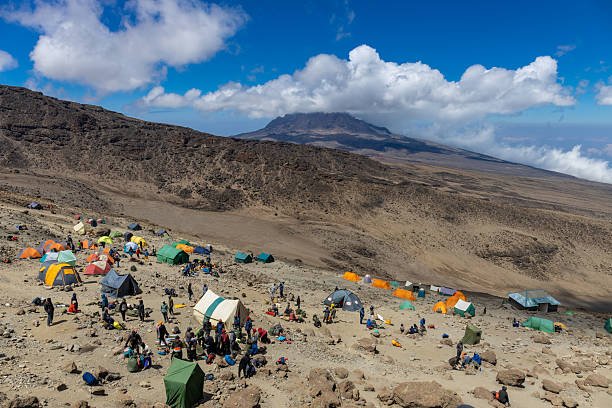
Camping Routes and Safety
Machame, Lemosho, Rongai and Northern Circuit use designated tented camps.
Your crew transports shared equipment and prepares camp while climbers carry their personal daypacks.
At camp, changing into dry clothing, eating, hydrating and resting all form part of preparation for the following day.
Marangu Hut Accommodation
Marangu uses mountain huts rather than tents.
The presence of huts does not reduce the importance of altitude monitoring because the route still reaches the same high summit environment.
What to Carry in Your Daypack
- Drinking water
- Rain jacket
- Waterproof trousers
- Warm layer
- Gloves
- Warm hat
- Sun hat
- Sunglasses
- Sunscreen
- Personal snacks
- Personal medication
- Headlamp when required
- Camera or phone
What to Pack for Summit Night
Summit night requires the warmest and most complete clothing system used during the expedition.
- Base layers
- Warm mid layers
- Insulated jacket
- Waterproof and wind resistant outer layers
- Warm trousers
- Warm socks
- Hiking boots
- Warm hat
- Gloves or mittens
- Headlamp and spare batteries
- Trekking poles
- Water
- Energy snacks
Physical Preparation
Emergency oxygen does not replace physical preparation.
Climbers should prepare for multiple consecutive walking days, steep terrain and a long summit attempt.
Regular hiking, hill walking, stair training, cardiovascular exercise and strength work can help prepare the body for Kilimanjaro.
Mental Preparation
The summit attempt can involve fatigue, cold, darkness and slow progress at high altitude.
Mental preparation means understanding that discomfort can occur while also recognising that serious symptoms should never be ignored simply because you want to reach the summit.
Private Kilimanjaro Climb with Emergency Oxygen
A private climb allows your group to have a dedicated mountain team according to the confirmed arrangement.
The route, departure date, number of trekking days and hotel arrangements can be tailored to your schedule.
Group Joining Kilimanjaro Climb with Emergency Oxygen
Selected group departures can also include the same mountain safety equipment.
Group members may have different acclimatization responses, which is why guides assess climbers individually rather than assuming everyone in the group should make the same decision.
Solo Climbers
Solo travellers can join scheduled groups or arrange private climbs.
Emergency oxygen and guide health monitoring remain relevant regardless of whether the climber travels alone or as part of a larger team.
Airport Pickup and Moshi Hotel
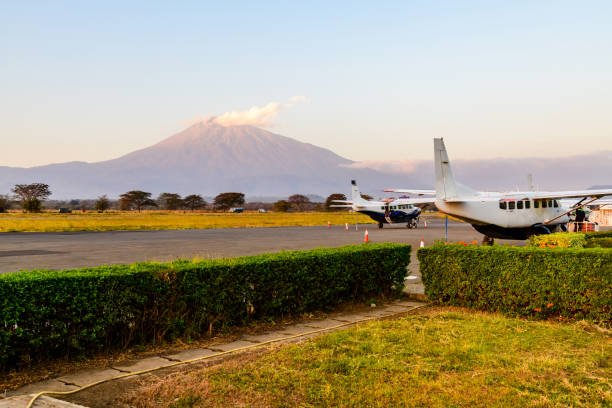
Kilimanjaro International Airport pickup and Moshi accommodation can be included according to the selected package.
A pre climb hotel night provides time to meet the guide, complete the equipment check and discuss health and safety procedures before the mountain departure.
Pre Climb Safety Briefing
The briefing covers the climbing route, camp sequence, daily routine, equipment, meals, altitude awareness and summit plan.
The guide can also explain how health checks are conducted and why climbers should report symptoms early.
Gear Rental
Selected Kilimanjaro trekking equipment can be rented in Moshi subject to size and availability.
Rental items may include sleeping bags, trekking poles, gaiters and selected other equipment according to current stock.
Porter Luggage Allowance
Our standard porter carried client duffel allowance is up to approximately 15 kg per climber.
Your personal daypack is carried separately by you and should contain everything you require during the trekking day.
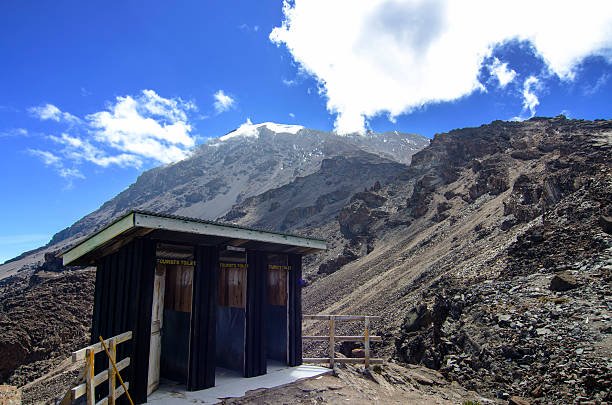
Private Portable Toilet
A private portable toilet can be arranged for suitable camping routes when requested.
It should be specifically listed in your confirmed package because it is not automatically included in every trek.
Safari after Kilimanjaro
A Tanzania safari can begin after completing the mountain and returning to Moshi.
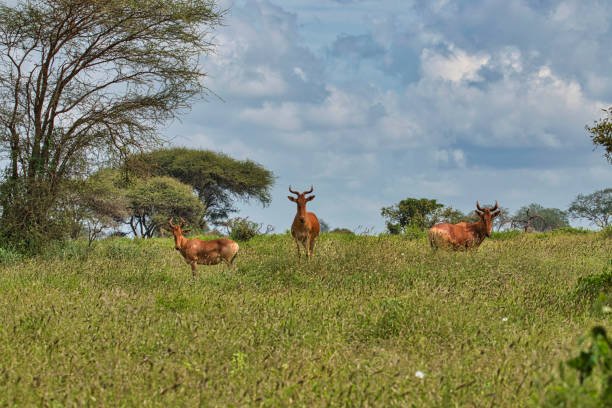
Travellers can continue to Tarangire, Ngorongoro, Lake Manyara or Serengeti depending on the number of days available.
Zanzibar after Kilimanjaro
Zanzibar can be added after the climb or after a Kilimanjaro and safari combination.
This allows travellers to complete the demanding mountain section first and finish their Tanzania journey with time on the coast.
Typical Kilimanjaro Climb with Emergency Oxygen Inclusions
- Professional Kilimanjaro mountain guides
- Mountain cook
- Porters according to group size
- Kilimanjaro fees specifically listed in the quotation
- Camping or hut accommodation according to route
- Mountain meals
- Drinking water arrangements
- Emergency oxygen
- Pulse oximeter monitoring
- Regular health assessments
- First aid equipment
- Mountain gate transfers where included
- Moshi accommodation where listed
- Airport transfers where specifically included
Typical Package Exclusions
- International flights
- Tanzania visa
- Travel and medical insurance
- Personal trekking equipment unless specifically included
- Sleeping bag unless included or rented
- Private portable toilet unless specifically included
- Extra hotel nights not listed
- Gear rental unless included
- Tips and gratuities
- Personal expenses
- Safari or Zanzibar unless specifically booked
Kilimanjaro Climb with Emergency Oxygen Price Factors
The final package cost depends on the climbing route, number of trekking days, group size, private or group arrangement and additional services.
What Affects the Kilimanjaro Package Cost?
- Selected Kilimanjaro route
- Number of trekking days
- Number of climbers
- Private or group joining arrangement
- Mountain crew requirements
- Park and camping or hut fees
- Moshi hotel nights
- Airport transfers
- Gear rental
- Private portable toilet
- Safari or Zanzibar extensions
Why Book a Kilimanjaro Climb with Emergency Oxygen?
The Kilimanjaro Climb with Emergency Oxygen is suitable for travellers who value professional mountain preparation and want to understand the safety systems supporting their expedition.
Emergency oxygen adds an important resource to the guide team's equipment, while regular health assessments help identify potential problems before they become more serious.
The most important safety strategy remains a sensible route, slow pacing, proper acclimatization, honest communication and willingness to descend when required.
Frequently Asked Questions
Do you carry emergency oxygen on Kilimanjaro?
Yes. Emergency oxygen is carried as part of our standard mountain safety equipment.
Is emergency oxygen used routinely?
No. It is carried as an emergency safety resource and is used according to the climber's condition and guide assessment.
Can oxygen help me reach the summit if I am struggling?
Emergency oxygen should not be used simply to push an unwell climber toward the summit. If continuing upward is unsafe, stopping ascent or descending takes priority.
Does carrying oxygen prevent altitude sickness?
No. Carrying emergency oxygen does not prevent altitude illness. Appropriate acclimatization, controlled ascent and symptom monitoring remain essential.
Do you perform daily health checks?
Yes. Our mountain team carries out regular health assessments during the trek.
Do you use a pulse oximeter?
Yes. Pulse oximeter readings are used as one part of our overall health monitoring process.
Is there one oxygen saturation number that decides whether I must descend?
No. Pulse oximeter readings should be interpreted together with symptoms, overall condition, altitude and guide assessment rather than relying on one universal cutoff.
Can fit climbers still get altitude sickness?
Yes. High physical fitness does not make a climber immune to altitude illness.
Should I hide a headache so I can keep climbing?
No. Report symptoms honestly so the guide can assess your condition and make appropriate safety decisions.
What happens if my symptoms become worse?
The guide may stop further ascent, reassess your condition and arrange descent or evacuation when necessary.
Is descent safer than simply using oxygen?
When serious altitude illness is suspected, descent may be essential. Oxygen can support treatment but should not delay necessary descent.
Is first aid equipment also carried?
Yes. Our mountain safety setup includes first aid equipment in addition to emergency oxygen.
Can evacuation be arranged?
Yes. If necessary, the mountain team can coordinate descent or evacuation according to the climber's condition, location, weather and available services.
Do I need travel insurance?
Travel insurance is strongly recommended, and the policy should cover trekking to Kilimanjaro's summit elevation as well as emergency medical and evacuation expenses.
Which Kilimanjaro routes include emergency oxygen?
Emergency oxygen can be carried on our Machame, Lemosho, Marangu, Rongai and other confirmed Kilimanjaro climbing itineraries.
Can I book 6 Day Machame with emergency oxygen?
Yes. Our 6 Day Machame climbing arrangements can include emergency oxygen and regular health monitoring.
Can I book 7 Day Machame?
Yes. The 7 Day Machame option can include the same mountain safety support while providing an additional trekking day.
Can I book 8 Day Lemosho?
Yes. An 8 Day Lemosho climb can include emergency oxygen, regular health monitoring and mountain support.
Can I choose Marangu?
Yes. Marangu uses mountain huts but can still include emergency oxygen and the same health monitoring approach.
Which route gives more acclimatization time?
Longer itineraries generally provide more time for gradual altitude exposure. The best choice depends on your available days and route preference.
Is summit success guaranteed when emergency oxygen is carried?
No. Summit success depends on acclimatization, health, weather, mountain conditions and guide assessment.
Does oxygen make a short route as safe as a longer route?
No. Carrying emergency oxygen does not replace the benefits of an appropriately planned ascent and sufficient acclimatization time.
Do you carry oxygen on summit night?
Emergency oxygen remains part of the mountain safety equipment during the high altitude stages of the trek according to the expedition arrangements.
What happens if one climber must descend but the others are healthy?
Guide and support arrangements can allow an unwell climber to descend while the remaining climbers continue only when sufficient qualified guide coverage and safe conditions allow.
Do I need technical climbing experience?
Technical mountaineering experience is not normally required on the standard trekking routes, but good physical preparation and appropriate equipment are important.
Are mountain meals included?
Mountain meals can be included throughout the climb according to the confirmed package.
Can vegetarian food be arranged?
Yes. Vegetarian and other dietary requests should be communicated before the climb.
Do porters carry my luggage?
Porters carry permitted client duffel luggage and shared mountain equipment while climbers carry their personal daypacks.
What is the porter luggage limit?
Our standard client duffel allowance for porter carried luggage is up to approximately 15 kg per climber.
Can I rent trekking equipment?
Yes. Selected items including sleeping bags, trekking poles and gaiters can be rented subject to size and availability.
Is a private toilet included?
A private portable toilet is optional unless specifically included in your confirmed package.
Can airport pickup be included?
Yes. Kilimanjaro International Airport pickup and transfer to Moshi can be included according to your package.
Can Moshi hotel accommodation be included?
Yes. Pre and post climb hotel nights can be included according to the selected itinerary.
Can solo travellers join?
Yes. Solo climbers can join selected scheduled departures or arrange a private Kilimanjaro climb.
Can I add safari after the climb?
Yes. Tarangire, Ngorongoro, Lake Manyara and Serengeti can be added according to your available travel time.
Can I continue to Zanzibar?
Yes. Zanzibar can be added after Kilimanjaro or after a combined mountain and safari itinerary.
Can the package be customised?
Yes. Route, trekking days, hotel nights, airport transfers, rental equipment, private toilet, safari and Zanzibar can all be customised.
How do I book a Kilimanjaro Climb with Emergency Oxygen?
Provide your preferred climbing dates, number of climbers and route preference. Tell us whether you prefer Machame, Lemosho, Marangu, Rongai or another route and whether you require airport pickup, hotel accommodation, gear rental, private toilet, safari or Zanzibar so the complete climbing package can be prepared around your travel plans.
Plan Your Kilimanjaro Climb with Emergency Oxygen
Climb Kilimanjaro with experienced mountain guides, emergency oxygen, regular health checks, pulse oximeter monitoring and a route planned around responsible acclimatization and safe summit preparation.
Request Your Kilimanjaro Climb with Emergency Oxygen

 Kilimanjaro Climb