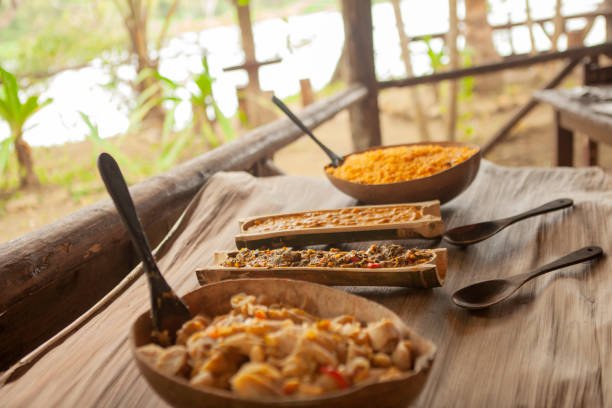
Kilimanjaro Coffee Farm Cycling Tour
The Kilimanjaro Coffee Farm Cycling Tour combines cycling, coffee farming, village landscapes and local culture around Moshi and the wider Kilimanjaro region.
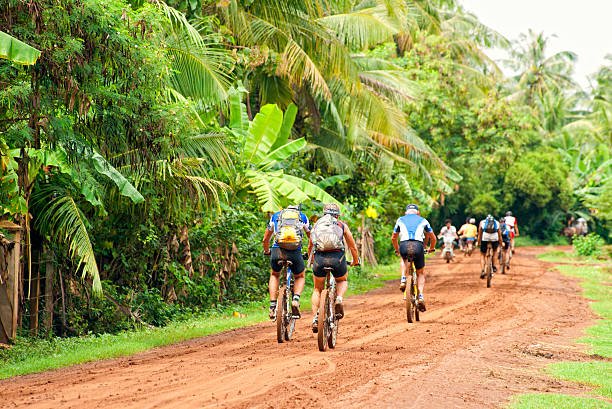
Travellers ride with a local guide through selected roads and village paths leading toward coffee growing areas and mixed farms beneath Mount Kilimanjaro.
The experience can include stops at coffee farms, banana plantations, vegetable gardens, local homes or community areas depending on the confirmed route.
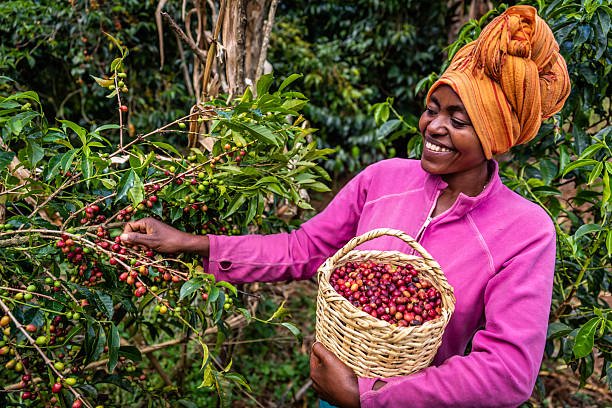
At a suitable coffee farm, travellers can learn how coffee is grown and how the crop contributes to local livelihoods.
Depending on season and the selected farm, the experience may also introduce harvesting, pulping, drying, roasting, grinding or brewing stages.
The cycling portion creates an active way to move between farming and cultural areas while experiencing landscapes more slowly than travelling entirely by vehicle.
The Kilimanjaro Coffee Farm Cycling Tour can be adapted for recreational cyclists as well as more experienced riders through different route lengths and difficulty levels.
Specific coffee activities, farm access and Mount Kilimanjaro views depend on season, weather and local availability.
Kilimanjaro Coffee Farm Cycling Tour at a Glance
- Starting point: Moshi or another agreed nearby location.
- Main activity: Guided cultural cycling.
- Coffee experience: Visit a suitable coffee farm or growing area.
- Possible farm activities: Coffee growing, harvesting, processing or tasting depending on season.
- Landscape: Villages, farms, banana plants and Kilimanjaro countryside.
- Activity level: Moderate and adjustable according to cycling ability.
- Food: Local lunch or refreshments can be included.
- Suitable for: Solo travellers, couples, families and small groups with suitable cycling ability.
- Combination options: Kilimanjaro, safari, cooking, village walks or Moshi cultural activities.
Why Choose the Kilimanjaro Coffee Farm Cycling Tour?
The Kilimanjaro region is strongly associated with both mountain tourism and coffee farming.
A cycling tour provides a way to connect these landscapes with local agriculture, village life and food traditions.
Instead of driving directly from one cultural stop to another, travellers experience the countryside by bicycle and can stop at selected farms and communities along the route.
Main Cycling and Coffee Highlights
- Guided cycling from Moshi
- Coffee growing landscapes
- Banana plantations
- Village roads and agricultural areas
- Local coffee farm visit
- Learn about coffee production
- Possible coffee roasting and tasting
- Local farming explanations
- Cultural interaction
- Optional local lunch
- Possible Mount Kilimanjaro views when conditions are clear
Kilimanjaro Coffee Farm Cycling Tour Itinerary
STEP
01
TOUR START
Meet Your Guide, Bicycle Setup and Safety Briefing
Your Kilimanjaro Coffee Farm Cycling Tour begins at an agreed hotel, meeting point or cycling base in Moshi.
Meet your cycling guide and receive the bicycle arranged for the tour.
Before starting, complete a basic equipment check and receive a briefing about the planned route, terrain, road conditions and safety.
Before the Ride
- Check bicycle size.
- Adjust the seat where possible.
- Check brakes and gears.
- Fit the helmet when included.
- Discuss cycling pace.
- Review hand signals and road safety.
- Confirm drinking water and rest stops.
Starting Point
Moshi or another agreed Kilimanjaro area location.
Activity
Bicycle fitting, equipment check and cycling briefing.
Route
Selected according to rider ability and current road conditions.
STEP
02
COUNTRYSIDE RIDE
Cycle Toward the Kilimanjaro Farming Areas
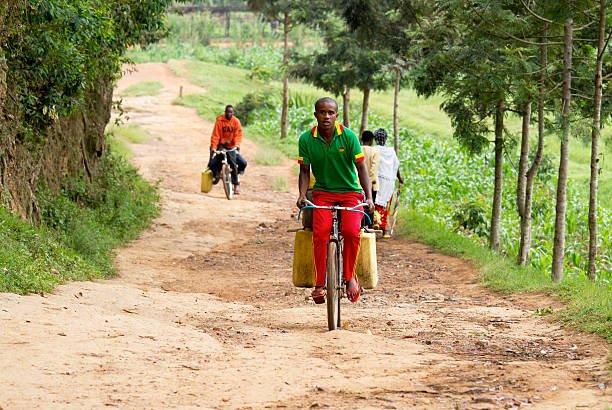
Begin cycling away from the busier parts of Moshi toward selected countryside and village roads.
As the surroundings change, you may pass residential areas, small businesses, farms and local transport routes.
Along the Cycling Route
- Local neighbourhoods
- Village roads
- Banana plants
- Coffee growing areas
- Small farms
- Vegetable plots
- Roadside shops and produce
The cycling pace can be adjusted to allow rest stops and photography where appropriate.
Cycling
Guided ride through selected rural and village roads.
Terrain
Combination of paved and unpaved surfaces depending on route.
STEP
03
COFFEE FARM
Visit a Kilimanjaro Coffee Farm
Arrive at a suitable coffee farm or growing area and meet the local farmer or host.
Learn how coffee plants are grown beneath or alongside other crops in the Kilimanjaro region.
The host can explain the relationship between soil, shade, rainfall, altitude and coffee farming.
Coffee Farm Topics May Include
- Coffee plant growth
- Flowering and coffee cherries
- Shade trees
- Mixed farming
- Harvest seasons
- Coffee quality factors
- Household coffee farming
- Local coffee livelihoods
What can actually be seen depends on the season and the selected farm.
Coffee Experience
Local farm visit with explanations about coffee cultivation.
Seasonality
Coffee cherries, harvesting and processing stages vary by season.
STEP
04
COFFEE PROCESSING
Learn How Coffee Moves from Cherry to Cup
Depending on the farm, season and program, continue with an introduction to coffee processing.
The host may explain how coffee cherries are harvested and how beans are prepared before roasting.
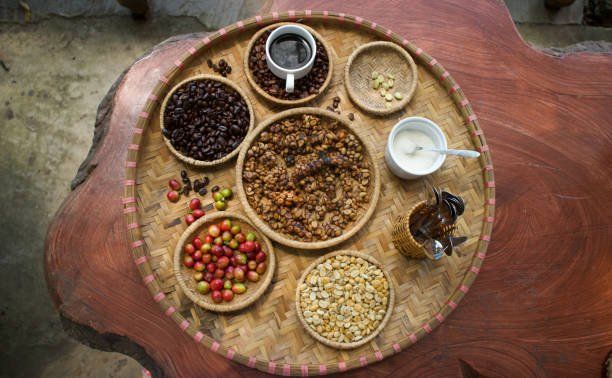
Possible Coffee Processing Stages
- Picking ripe coffee cherries
- Removing outer fruit
- Washing
- Drying
- Removing dried layers
- Sorting coffee beans
- Roasting
- Grinding
- Brewing and tasting
Not every processing stage is available on every date, particularly because coffee harvesting follows seasonal cycles.
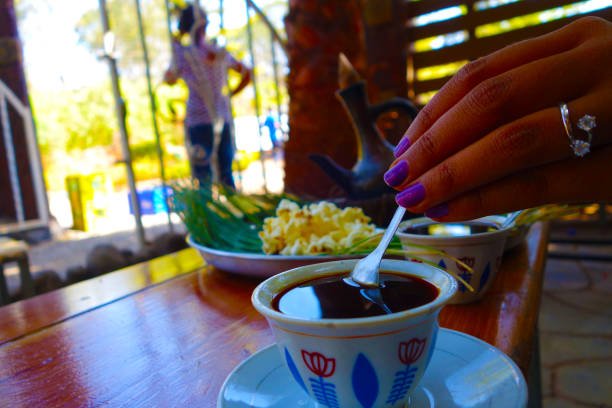
When roasting and brewing are included, enjoy a cup of locally prepared coffee before continuing the cycling experience.
Coffee Tasting
Fresh coffee may be prepared when included in the confirmed program.
Processing
Available stages depend on farm setup and season.
STEP
05
LOCAL FARMING
Bananas, Vegetables and Mixed Farming
Coffee farms around Kilimanjaro are often part of broader agricultural landscapes.
Depending on the farm, travellers may see bananas, vegetables, fruit trees and other crops growing alongside coffee.
Other Crops You May See
- Bananas
- Maize
- Beans
- Leafy vegetables
- Fruit trees
- Herbs
- Seasonal household crops
The guide or farmer can explain how mixed farming supports household food and local income.
Farming
Learn about coffee within a broader local farming system.
STEP
06
LOCAL LUNCH
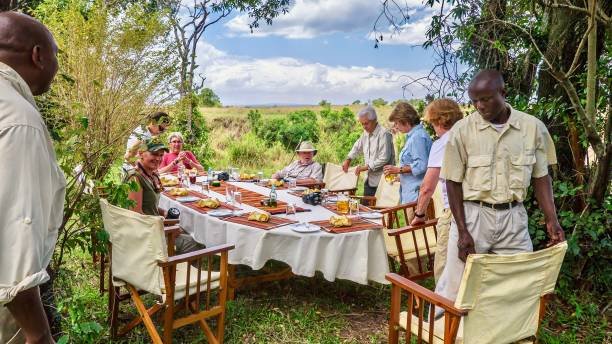
Enjoy a Local Lunch or Refreshment Stop
Depending on the confirmed program, stop for a local lunch or refreshments before beginning the return cycling route.
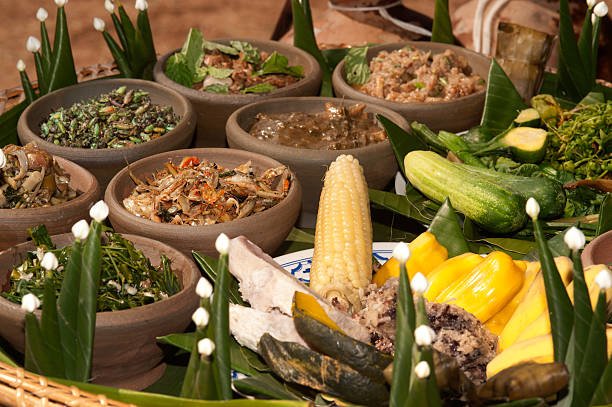
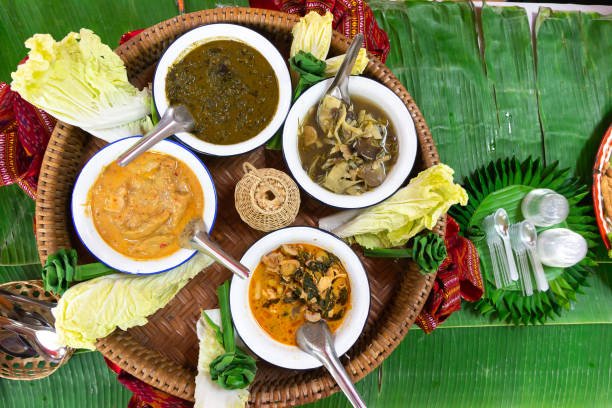
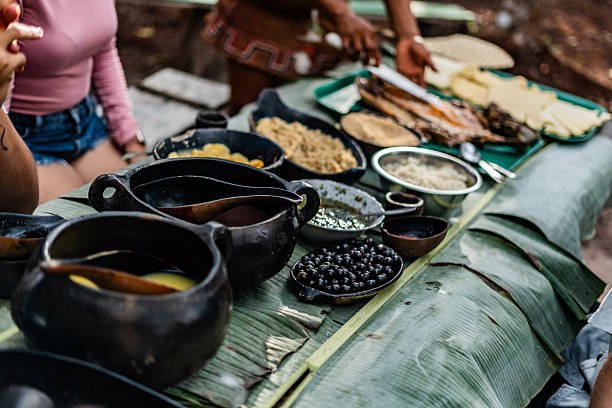
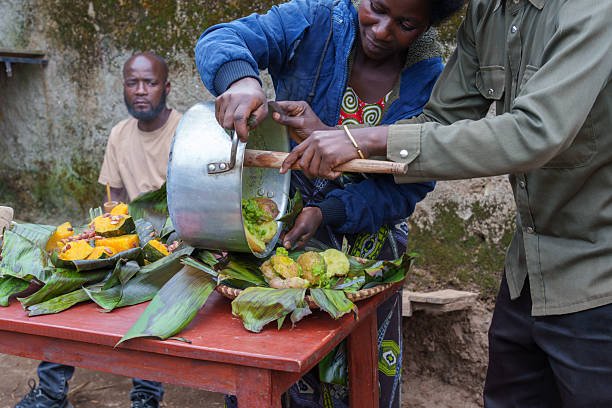
The meal can include selected Tanzanian dishes prepared using locally available ingredients.
Possible Local Lunch Dishes
- Rice
- Beans
- Ugali
- Seasonal vegetables
- Cooking bananas
- Chapati
- Fresh seasonal fruit
The exact menu varies and dietary requirements should be communicated before the tour.
Meals
Local lunch or refreshments according to the confirmed program.
Dietary Requirements
Should be provided before the tour date.
STEP
07
RETURN RIDE
Cycle Back Toward Moshi
After the farm and coffee experience, begin cycling back toward the starting area.
Where practical, the guide may use a different route to provide additional village and landscape views.
Complete the ride, return the bicycles and continue to your Moshi hotel or another agreed destination.
Final Destination
Moshi hotel or another agreed nearby location.
Transfer
Return transportation according to the confirmed package.
Coffee Farming Around Mount Kilimanjaro
Coffee has long been grown in suitable areas around Mount Kilimanjaro.
The combination of elevation, rainfall, fertile soils and local farming knowledge supports coffee cultivation in parts of the region.
Many farms are relatively small and may combine coffee with bananas, fruit trees, vegetables and other crops.
The Kilimanjaro Coffee Farm Cycling Tour helps travellers understand this agricultural landscape while moving through it by bicycle.
Coffee Plants and Coffee Cherries
Coffee plants may produce white flowers before developing green and eventually ripening cherries.
The exact stage visible during your visit depends on season and farm conditions.
During harvest periods, some farms may have ripe cherries available for demonstration or picking.
Harvesting cannot be guaranteed throughout the year.
From Coffee Cherry to Bean
A detailed farm experience may explain how the outer coffee fruit is removed and how the beans are processed, dried and prepared before roasting.
Methods vary between farms and producers.
The aim is to help travellers understand that considerable work takes place before coffee reaches the cup.
Coffee Roasting and Grinding
Some programs can include roasting and grinding coffee using locally available methods.
This can provide a practical demonstration of how green or dried coffee beans become aromatic roasted coffee.
Exact roasting activities should be confirmed because not every farm offers the same program.
Fresh Kilimanjaro Coffee Tasting
A cup of freshly prepared local coffee can be included when the farm program offers roasting and brewing.
The host may explain how roast level, preparation and bean quality influence flavour.
The coffee experience should be treated as part of the cultural and agricultural visit rather than a formal professional coffee grading session unless specifically arranged.
Coffee and Banana Mixed Farming
Coffee and banana plants can often be seen in the same broader farming landscapes around Kilimanjaro.
Banana plants can contribute shade while also providing food and income.
Mixed farming may also include beans, vegetables, fruit trees and other crops.
The exact farming system varies from one household to another.
Cycling Through Kilimanjaro Villages
The cycling route can pass through working communities rather than specially built tourist environments.
Travellers may see homes, farms, local shops, schools, transport and everyday village activity along the route.
This makes respectful behaviour particularly important.
Can You See Mount Kilimanjaro?
Some routes and coffee farm locations may provide views toward Mount Kilimanjaro when weather conditions are clear.
Cloud often covers the mountain, particularly during parts of the day.
A clear view should therefore never be guaranteed as part of the Kilimanjaro Coffee Farm Cycling Tour.
How Difficult Is the Kilimanjaro Coffee Farm Cycling Tour?
The difficulty depends on cycling distance, elevation, road surface and the location of the selected coffee farm.
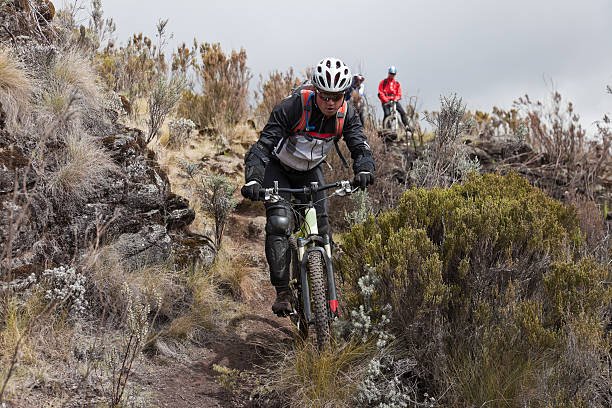
Some routes are suitable for recreational cyclists, while farms higher on the slopes may require more climbing.
Cycling Difficulty Factors
- Total route distance
- Uphill cycling
- Road surface
- Weather
- Heat
- Mud or dust
- Rider fitness
- Number of cultural stops
Beginner Friendly Coffee Cycling Tour
Travellers who are comfortable cycling but do not ride regularly can request a shorter route with less climbing.
Additional rest stops can also be included where practical.
Participants should still be able to control a bicycle confidently on normal roads and occasional uneven surfaces.
Longer Coffee Cycling Route
Experienced cyclists can request a longer route with additional village and farm sections.
Longer routes may include more hills and unpaved surfaces.
The route should still be selected according to safety and practical road conditions rather than distance alone.
Private Kilimanjaro Coffee Farm Cycling Tour
The Kilimanjaro Coffee Farm Cycling Tour can be arranged privately for one travelling party.
A private tour makes it easier to adjust cycling pace, farm visit duration and cultural stops according to the riders.
This format can be useful for couples, families and travellers with specific interests in coffee or agriculture.
Small Group Coffee Cycling Tour
A shared small group may be possible when travellers have compatible dates and cycling abilities.
The group should ride at a pace that allows the guide to manage road safety effectively.
Shared availability should be confirmed in advance.
Coffee Cycling Tour for Solo Travellers
Solo travellers can request a private tour or join an available compatible group.
The guided format provides local route knowledge and access to suitable coffee and cultural stops.
Coffee Cycling Tour for Couples
Couples can arrange the tour privately and choose a cycling pace suited to both riders.
The coffee farm experience adds a cultural component that can complement Kilimanjaro or safari travel.
Coffee Cycling Tour for Families
Families can participate when children are confident riders and suitable bicycle sizes are available.
Child ages, heights and cycling experience should be provided before booking.
A shorter route can be more practical for family groups.
Bicycles and Cycling Equipment
Bicycle type depends on the route and equipment available.
Equipment to Confirm
- Bicycle type
- Available bicycle sizes
- Helmet
- Brakes
- Gears
- Repair equipment
- Spare tube arrangements
- Water carrying options
Cycling Safety
The cycling route takes place in a real transport and village environment.
Travellers should follow the guide's instructions throughout the ride.
Important Cycling Safety Guidelines
- Follow your guide's route and riding instructions.
- Wear the provided helmet when included.
- Maintain safe spacing between riders.
- Slow down on rough, wet or steep sections.
- Watch for vehicles, pedestrians and livestock.
- Do not use a phone while actively riding.
- Tell the guide if you are tired.
- Drink water regularly.
- Allow the guide to change the route when conditions require it.
Best Time for the Kilimanjaro Coffee Farm Cycling Tour
The tour can be arranged at different times of year, but cycling and coffee conditions vary seasonally.
Seasonal Considerations
- Coffee cherries are seasonal.
- Harvesting cannot be experienced year round.
- Rain can make dirt roads muddy.
- Dry conditions can make roads dusty.
- Farm landscapes change throughout the year.
- Kilimanjaro visibility depends on cloud conditions.
Morning Coffee Farm Cycling Tour
A morning start can provide cooler cycling conditions and may offer more comfortable riding before the warmest part of the day.
It can also leave the afternoon available for another Moshi activity.
Coffee Cycling Tour Before Kilimanjaro
The Kilimanjaro Coffee Farm Cycling Tour can be arranged before a mountain climb.
A moderate cycling route can provide a cultural introduction to the communities around Kilimanjaro.
The activity should not be unnecessarily strenuous immediately before trekking, and enough time should remain for briefing, equipment checks and rest.
Coffee Cycling Tour After Kilimanjaro
The experience can also be arranged after a Kilimanjaro trek.
Because climbers may have tired legs, a shorter and easier route can be selected.
Travellers should choose the cycling distance according to their recovery after the mountain.
Combine Coffee Cycling with a Cooking Class
The cycling and coffee experience can be extended with traditional Tanzanian cooking.
This can connect coffee and farming landscapes with local ingredients and food preparation.
Combine Coffee Cycling with a Village Tour
A longer cultural program can include more village interaction and discussion about farming, food and everyday life.
The bicycle provides transportation between selected community and farm stops.
Combine Coffee Cycling with a Safari
The Kilimanjaro Coffee Farm Cycling Tour can be followed by a northern Tanzania safari.
Travellers can cycle through farms and villages around Moshi before continuing to Tarangire, Serengeti, Ngorongoro or Lake Manyara.
This combination creates a broader itinerary covering culture, agriculture and wildlife.
Combine with Zanzibar
The cycling tour can also form part of a longer Tanzania holiday ending in Zanzibar.
After Kilimanjaro cultural experiences and safari, travellers can continue to Zanzibar for beaches and island activities.
What to Wear
- Comfortable cycling clothing
- Secure sports shoes
- Lightweight trousers or shorts suitable for cycling
- Sun protection
- Light rain jacket when appropriate
- Modest clothing suitable for village visits
What to Bring
- Sunscreen
- Sunglasses
- Camera or phone
- Reusable water bottle
- Personal medication
- Light rain protection
- Small amount of personal spending money if desired
- Small day bag suitable for cycling
Typical Kilimanjaro Coffee Farm Cycling Tour Inclusions
- Bicycle according to the confirmed package
- Helmet when included
- Local cycling guide
- Guided cycling route
- Coffee farm visit stated in the itinerary
- Coffee farming explanation
- Coffee tasting when included
- Cultural and farming explanations
- Drinking water according to the confirmed package
- Local lunch or refreshments when specifically included
- Pickup or return transportation when stated in the package
Typical Exclusions
- Hotel accommodation
- Airport transfers unless specifically included
- Kilimanjaro trekking services
- Safari services
- Meals not stated in the itinerary
- Alcoholic beverages
- Personal coffee or farm purchases
- Additional activities not stated in the confirmed program
- Tips
What Affects the Tour Price?
The price of the Kilimanjaro Coffee Farm Cycling Tour depends on the number of riders, route distance, bicycle arrangements and the coffee experience included.
Main Price Factors
- Number of riders
- Private or shared arrangement
- Cycling distance
- Bicycle type
- Coffee farm location
- Coffee processing activities
- Coffee tasting
- Local lunch
- Pickup and return transport
- Additional cultural activities
Responsible Coffee Farm Visits
Coffee farms are working agricultural areas and should be treated with respect.
Responsible Farm Guidelines
- Follow the farmer or guide's instructions.
- Do not pick coffee cherries without permission.
- Stay on appropriate paths.
- Ask before photographing people.
- Respect homes and private areas.
- Treat farming as a real livelihood rather than a staged attraction.
Photography During the Tour
The route can provide opportunities to photograph farms, coffee plants, banana groves, villages and mountain scenery.
Travellers should stop the bicycle safely before taking photographs.
Permission should be requested before photographing identifiable residents, farmers or private property.
Important Information About the Kilimanjaro Coffee Farm Cycling Tour
The Kilimanjaro Coffee Farm Cycling Tour combines guided cycling with coffee farming and local culture around Moshi and the Kilimanjaro region.
The route should be confirmed according to cycling ability, weather and road conditions.
Participants should already know how to ride a bicycle confidently.
Bicycle sizes and equipment should be confirmed before the tour.
Child ages, heights and cycling experience should be provided before booking.
The coffee farm location depends on the confirmed program and availability.
Coffee cherries, harvesting and processing stages are seasonal.
Not every stage of coffee production can be guaranteed on every date.
Coffee roasting and tasting may be included depending on the farm program.
Banana plants, vegetables and other crops may also be seen.
Farm and village routes may include uneven, dusty or muddy roads.
Rain can require changes to the cycling route.
A clear view of Mount Kilimanjaro cannot be guaranteed.
Local lunch or refreshments should be confirmed as part of the package.
Vegetarian and vegan food may be possible when requested in advance.
Food allergies should be communicated before the tour.
Travellers should stop safely before using cameras or phones.
Photography of local people should only be done with permission.
The experience can be arranged before or after Kilimanjaro.
It can also be combined with cooking, village tours, northern Tanzania safari or Zanzibar.
Before booking, confirm the travel date, number of riders, rider heights, cycling experience, preferred route length and coffee activities required.
Why Book the Kilimanjaro Coffee Farm Cycling Tour?
The Kilimanjaro Coffee Farm Cycling Tour offers an active way to explore the agricultural and cultural landscapes surrounding Mount Kilimanjaro.
Travellers can cycle from Moshi toward coffee and banana growing areas, meet local farmers and learn how coffee moves from the plant toward the finished cup.
The combination of cycling, farming and village culture makes the experience different from both a standard town tour and a conventional coffee farm visit.
It can also fit naturally before or after Kilimanjaro, alongside a safari or within a broader cultural itinerary around Moshi.
Frequently Asked Questions
What is the Kilimanjaro Coffee Farm Cycling Tour?
It is a guided bicycle experience combining coffee farms, village landscapes and local agricultural culture around Moshi and the Kilimanjaro region.
Where does the tour start?
The tour normally starts from Moshi or another agreed nearby location.
Do I need to know how to ride a bicycle?
Yes. Participants should be able to balance, steer, brake and ride independently before joining the tour.
Is the cycling difficult?
Difficulty depends on distance, hills, road surfaces and the location of the selected coffee farm. Easier routes can be requested.
Can the cycling route be shortened?
Yes. The route can normally be adapted according to cycling ability and available time.
Are bicycles provided?
Bicycles can be provided according to the confirmed package and available sizes.
Are helmets provided?
Helmets can be included according to the confirmed equipment arrangement.
Do we visit a real coffee farm?
The tour can include a working coffee farm or suitable coffee growing area according to the confirmed itinerary.
Can we see coffee cherries?
Coffee cherries may be visible depending on the season and stage of the coffee cycle.
Can we pick coffee?
Coffee picking may be possible during suitable harvest periods and with the farmer's permission, but it cannot be guaranteed year round.
Will we learn how coffee is processed?
Yes. The host can explain processing stages, although the exact hands on activities depend on the farm and season.
Can we roast coffee?
Roasting may be included when offered by the selected farm and stated in the confirmed program.
Can we taste fresh coffee?
Coffee tasting can be included when the farm experience provides brewing as part of the program.
Will we see banana farms?
Banana growing areas are common in parts of the Kilimanjaro region and may form part of the cycling route.
Will we cycle through villages?
Suitable village and community roads can be included depending on the selected route.
Can we see Mount Kilimanjaro?
Some routes may offer Kilimanjaro views when conditions are clear, but cloud can hide the mountain and visibility cannot be guaranteed.
Is lunch included?
A local lunch can be included when it is stated in the confirmed itinerary.
Can vegetarian food be arranged?
Vegetarian food can often be arranged when requested before the tour.
Can vegan food be arranged?
A vegan meal may be possible when requested in advance and confirmed with the lunch provider.
Can children join?
Children may participate when they are confident cyclists and suitable bicycle sizes and routes are available.
Can solo travellers book?
Yes. Solo travellers can request a private tour or join a suitable shared departure when available.
Can couples book privately?
Yes. A private cycling and coffee experience can be arranged for couples.
What happens if it rains?
The route may be adjusted, shortened or postponed when rain makes cycling surfaces unsafe.
Are there hills?
Some coffee growing areas are on higher ground, so certain routes may include uphill cycling. Easier alternatives can be requested.
Can the tour avoid difficult climbs?
The route can often be adjusted to reduce climbing when a suitable coffee farm and road network are available.
Can we take photographs?
Yes, but riders should stop safely before using cameras or phones and should ask permission before photographing local people.
Can the tour be done before Kilimanjaro?
Yes. A moderate route can be arranged before the climb while leaving enough time for rest and mountain preparation.
Can the tour be done after Kilimanjaro?
Yes. A shorter or flatter route may be preferable while recovering from the trek.
Can it be combined with a cooking class?
Yes. A Tanzanian cooking experience can be added to create a longer cultural day.
Can it be combined with a safari?
Yes. The cycling experience can be followed by a safari to Tarangire, Serengeti, Ngorongoro, Lake Manyara or other destinations.
Is hotel pickup included?
Pickup or return transportation can be included according to the confirmed starting point and package.
How do I book the Kilimanjaro Coffee Farm Cycling Tour?
Provide your preferred date, number and ages of riders, rider heights, cycling experience, Moshi hotel location, preferred cycling distance and whether you would like coffee processing, tasting or local lunch included.
Request Your Kilimanjaro Coffee Farm Cycling Tour
Cycle through the Kilimanjaro countryside with a local guide, explore coffee and banana farms, learn how coffee moves from plant to cup and customise the day with local lunch, village visits, cooking, Kilimanjaro or a northern Tanzania safari.
Book Your Kilimanjaro Coffee Cycling Tour