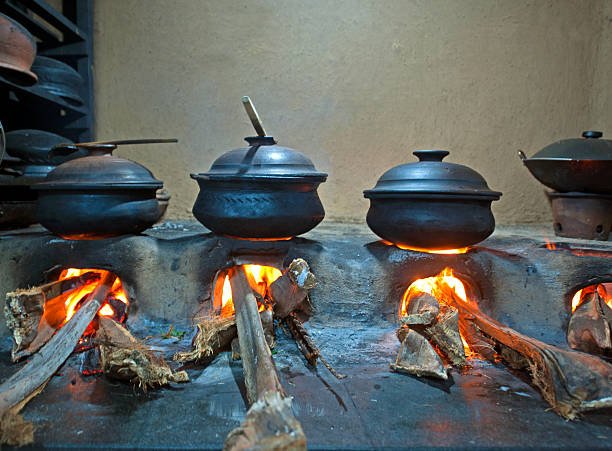
Kilimanjaro Culinary Cultural Tour
The Kilimanjaro Culinary Cultural Tour offers travellers an interactive way to experience local food and everyday cultural traditions around Moshi and the Kilimanjaro region.
Rather than simply eating at a restaurant, participants can become involved in the preparation process and learn how selected Tanzanian dishes are made.
The activity may include an introduction to locally used ingredients, preparation techniques, cooking methods and the cultural role of food according to the confirmed program.
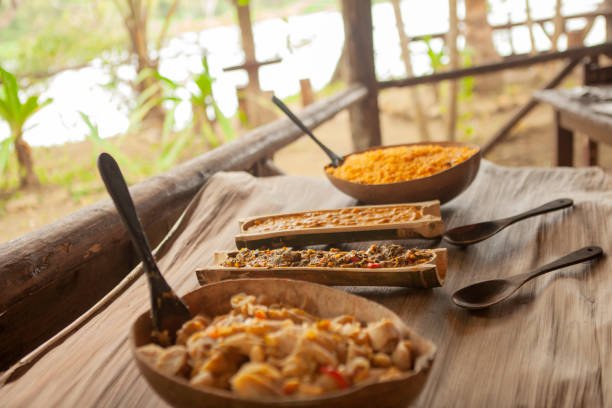
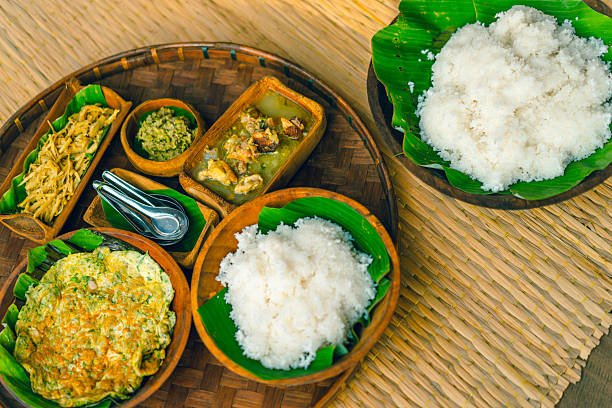
After helping prepare the dishes, participants can sit together and enjoy the completed meal.
The tour can also be combined with additional cultural activities such as a local market visit, coffee related experience or community interaction when these are specifically included.
This type of experience works well for travellers staying in Moshi before or after Mount Kilimanjaro and for visitors wanting to add a cultural component to a safari or Tanzania holiday.
The exact menu, location, duration, transportation and additional activities depend on the confirmed package.
Kilimanjaro Culinary Cultural Tour at a Glance
- Region: Moshi and the Kilimanjaro area
- Experience: Culinary and cultural activity
- Main Focus: Tanzanian food preparation and local culture
- Participation: Hands on cooking according to the confirmed program
- Meal: Enjoy the dishes prepared during the activity
- Optional Additions: Market, coffee or community activities where confirmed
- Suitable For: Solo travellers, couples, families and small groups
Kilimanjaro Culinary Cultural Tour Experience
STEP
01
WELCOME
Welcome and Introduction to Local Food Culture
The experience begins at the confirmed culinary location around Moshi or the wider Kilimanjaro region.
Participants are introduced to the host, the planned menu and the ingredients that will be used during the cooking session.
This introduction can also include discussion about everyday Tanzanian meals, ingredient availability and how food preparation fits into family and community life.
Travellers can ask questions about local cooking practices and the differences between dishes commonly prepared for everyday meals and those used for special occasions.
The exact cultural topics depend on the host and confirmed program.
Experience Highlights
- Meet the local cooking host
- Introduction to selected dishes
- Learn about local ingredients
- Discuss everyday food traditions
- Ask questions about Tanzanian cooking
STEP
02
INGREDIENTS
Discover Local Ingredients
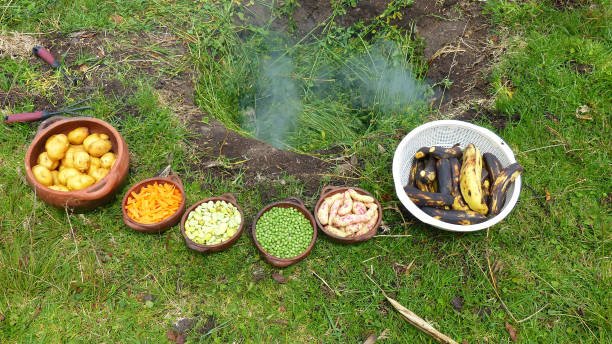
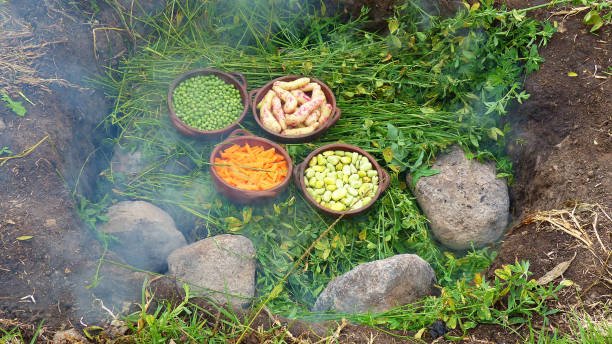
Participants learn about the ingredients selected for the day’s menu before the main cooking begins.
Depending on the dishes, these may include vegetables, grains, legumes, herbs, spices and other locally available foods.
The host can explain how different ingredients are selected, cleaned and prepared.
Some ingredients may be familiar to international travellers while others may be used in combinations that reflect local cooking traditions.
Ingredient availability can vary, so the exact menu should be confirmed rather than assumed in advance.
You May Learn About
- Locally available vegetables
- Grains and staple foods
- Legumes
- Herbs and spices
- Ingredient preparation
- Seasonal food availability
STEP
03
PREPARATION
Hands On Food Preparation
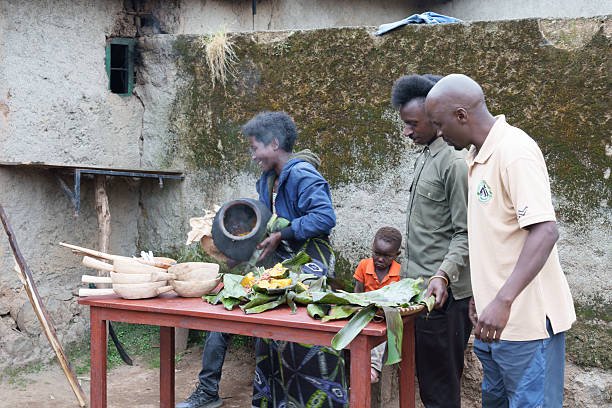
The culinary tour is designed to be participatory rather than simply observational.
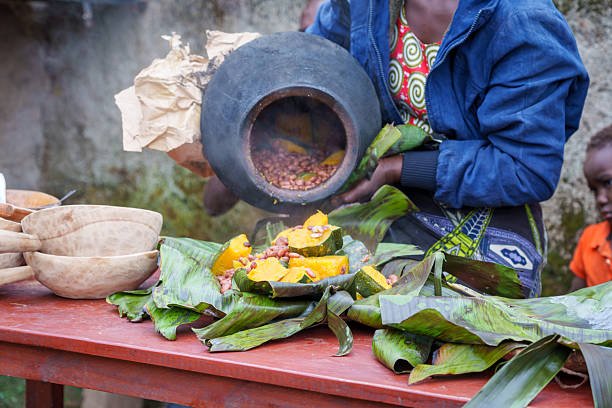
Participants may help peel, cut, mix, clean or prepare ingredients according to the dishes selected for the session.
The host demonstrates practical preparation techniques and explains the order in which ingredients are used.
Travellers can participate according to their comfort level and previous cooking experience is not normally required.
The hands on element can make the experience especially engaging for travellers who enjoy food, culture and practical activities.
STEP
04
COOKING
Cook Selected Tanzanian Dishes
Once the ingredients are prepared, the group moves into the main cooking stage.
The selected dishes are prepared using techniques appropriate to the menu.
These may involve boiling, simmering, frying, mixing or other methods according to the recipes being prepared.
The host can explain how cooking time, seasoning and ingredient combinations influence the finished meal.
Participants can continue helping throughout the process according to the practical setup of the class.
STEP
05
SHARED MEAL
Enjoy the Food You Helped Prepare
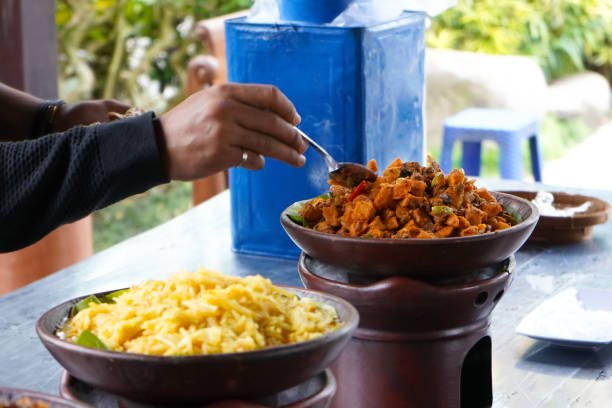
After the cooking is complete, participants can sit down and enjoy the dishes they helped prepare according to the confirmed program.
The meal provides an opportunity to experience the flavours, textures and ingredient combinations discussed during the class.
It also creates time for relaxed conversation and additional cultural questions.
After the meal, travellers continue with the agreed transfer, hotel return or additional cultural activity.
Why Choose a Culinary Cultural Tour in Kilimanjaro?
The Kilimanjaro region is internationally associated with Mount Kilimanjaro, but visitors can also explore local communities, agriculture and food traditions.
A culinary cultural tour provides a different perspective by focusing on everyday ingredients and preparation rather than only sightseeing.
It can also create more direct interaction than activities experienced mainly through a vehicle or viewpoint.
Main Culinary Cultural Highlights
- Hands on Tanzanian cooking
- Local ingredient introduction
- Cultural interaction
- Traditional food preparation techniques
- Shared meal after cooking
- Optional market visit
- Optional coffee experience
- Possible community or village extension
Food and Culture around Moshi
Moshi is a practical base for cultural experiences around the Kilimanjaro region.
Travellers staying in town before or after climbing Mount Kilimanjaro can add a culinary experience without needing a long multi day excursion.
The experience can introduce aspects of local life that may not be visible during trekking or safari travel.
Kilimanjaro Regional Food Traditions
Food traditions around the Kilimanjaro region are connected with locally available crops, household cooking and community life.
The exact dishes and traditions presented during the tour depend on the host and selected program.
Where included, the host may discuss food traditions associated with local Kilimanjaro communities and explain how agriculture influences daily meals.
Chagga Cultural Food Experience
The Kilimanjaro region has long been associated with Chagga communities living around the mountain.
Where specifically included in the confirmed program, the culinary experience may introduce aspects of Chagga food culture, farming traditions or household cooking.
The exact cultural interpretation should come from the local host and should reflect the actual activity offered rather than a fixed menu assumed in advance.
Local Market Experience
A market visit can be added when it forms part of the confirmed program.
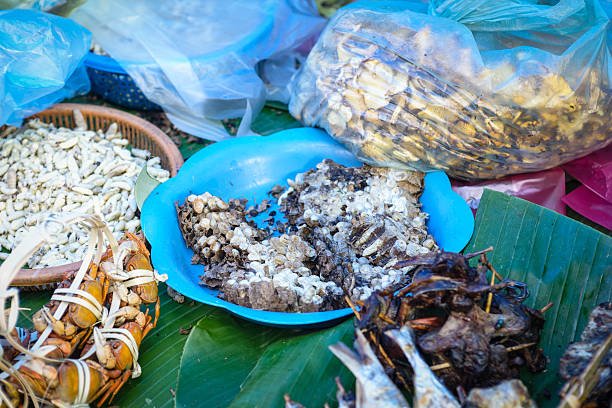
This can introduce travellers to vegetables, fruits, grains, spices and other ingredients sold locally.
The market visit can also help participants understand where ingredients used during the cooking session are sourced.
However, a market visit should not automatically be assumed to be included in every culinary tour.
Coffee Cultural Experience
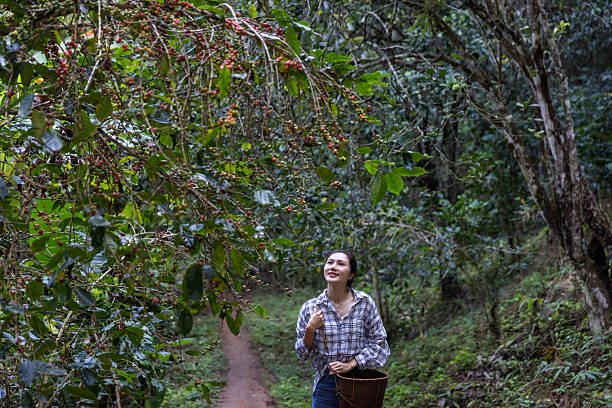
Coffee is an important agricultural product associated with parts of the Kilimanjaro region.
A coffee related cultural activity may be combined with the culinary tour according to the confirmed package.
This can provide an additional opportunity to learn about farming, processing or preparation depending on the experience offered.
The exact coffee program and location should be confirmed before booking.
Village Cultural Extension
The culinary experience may also be combined with a village or community visit where such an activity is available.
This can provide a broader look at agriculture, local routines and the relationship between food production and everyday life.
The activities included depend on the confirmed cultural itinerary.
Farm to Table Experience
Some culinary programs may include an agricultural or garden component where ingredients are grown locally.
Where included, this can help travellers understand the journey from locally produced food to the finished meal.
A farm or garden visit should only be described as included when specifically confirmed in the package.
What Food Can Be Prepared?
The exact dishes vary according to the selected culinary program, ingredient availability and dietary requirements.
Meals may use combinations of vegetables, grains, legumes, sauces, spices and other ingredients commonly available in Tanzania.
Because menus can change, travellers should confirm the selected dishes before the activity if they have specific culinary interests.
Vegetarian Culinary Experience
Vegetarian options can often be incorporated because many meals can use vegetables, grains and legumes.
Vegetarian preferences should still be communicated before the activity so the host can plan the menu accordingly.
Vegan Culinary Experience
Vegan options may be possible depending on the selected dishes and available ingredients.
Travellers should communicate vegan requirements before confirmation rather than assuming every dish can be adapted.
Food Allergies and Dietary Requirements
Any serious food allergy should be communicated clearly before booking.
The cooking host needs to understand the requirement before ingredient preparation begins.
Travellers should also repeat important allergy information at the start of the activity.
The ability to accommodate a particular allergy depends on the kitchen environment, menu and available ingredients.
Tell Us about Dietary Requirements in Advance
Vegetarian, vegan and allergy related requirements should be communicated before the tour so the host can confirm whether the selected culinary program can accommodate them appropriately.
Culinary Tour before Climbing Kilimanjaro
The culinary tour can be arranged before a Mount Kilimanjaro climb.
This can work particularly well for travellers who want a relaxed cultural experience before several days of trekking.
The activity should be planned around the mountain briefing, equipment check and sufficient rest before departure.
Culinary Tour after Climbing Kilimanjaro
The experience can also be arranged after completing the climb.
For some travellers, a relaxed food and cultural activity can provide an enjoyable change of pace after several days on the mountain.
The final timing should consider recovery, safari plans and onward flights.
Combine the Culinary Tour with Safari
The Kilimanjaro culinary experience can be combined with a northern Tanzania safari.
Possible safari destinations include Tarangire National Park, Lake Manyara National Park and Ngorongoro Crater.
Travellers with additional days can also continue toward Serengeti National Park.
The safari section should be designed separately according to available time, budget and accommodation preference.
Combine Cooking, Coffee and Safari
A broader cultural and wildlife itinerary can combine hands on cooking, a coffee related activity and safari game drives.
This creates three contrasting experiences: food preparation, agricultural culture and wildlife viewing.
The exact sequence depends on available days and transportation logistics.
Private Kilimanjaro Culinary Cultural Tour
A private culinary experience may be arranged according to availability.
This can be suitable for couples, families or small groups wanting a more personal cooking session.
A private format may also provide greater flexibility around the timing of other activities.
Shared Culinary Experience
A shared cooking experience may be available depending on the program and confirmed participants.
This can create a social environment where travellers prepare food and enjoy the meal together.
Availability and group size should be confirmed before booking.
Culinary Tour for Solo Travellers
Solo travellers can join according to availability or arrange a private experience.
The hands on format can provide an enjoyable opportunity to interact with local hosts and other participants.
Culinary Tour for Couples
Couples can prepare selected dishes together and enjoy the finished meal as part of their Kilimanjaro region itinerary.
The experience can be combined with a private cultural program or other activities according to preference.
Culinary Tour for Families
Families can request the activity where the venue and cooking setup are suitable.
Children may enjoy helping with simple food preparation tasks under appropriate supervision.
Age, allergies and other family requirements should be communicated before confirmation.
Culinary Tour for Groups
Small groups can arrange the culinary experience together.
Larger groups should confirm venue capacity, equipment, meal arrangements and transportation in advance.
The activity can also be used as a relaxed group experience before or after a Kilimanjaro climb.
How Physically Demanding Is the Tour?
The culinary activity is generally less physically demanding than hiking or safari excursions involving long road travel.
Participants may spend periods standing, preparing ingredients and moving around the cooking area.
Travellers with mobility requirements should communicate them before booking so the suitability of the venue can be checked.
What Is Normally Included?
- Culinary experience according to the confirmed program
- Local cooking host or instructor
- Ingredients required for the selected dishes
- Hands on food preparation
- Cooking equipment available at the venue
- Cultural explanation according to the program
- Prepared meal according to the confirmed menu
- Agreed transportation where specifically included
Possible Exclusions
- International flights
- Tanzania visa
- Travel insurance
- Hotel accommodation unless specified
- Airport transfers unless specified
- Market visit unless specifically included
- Coffee experience unless specifically included
- Village or community activities unless specifically included
- Safari activities unless specifically included
- Alcoholic beverages unless specifically included
- Personal purchases
- Tips
Kilimanjaro Culinary Cultural Tour Price
The exact price depends on the number of participants, private or shared arrangement, cooking venue, selected menu, transportation and any additional cultural activities.
A simple cooking session can have a different cost structure from a package including market, coffee or village experiences.
Private experiences may also have a different per person cost from shared activities.
The confirmed quotation should clearly identify the culinary program, transportation, meal, inclusions, exclusions and final price.
What Affects the Tour Cost?
- Number of participants
- Private or shared experience
- Selected menu
- Ingredients required
- Cooking venue
- Transportation arrangements
- Market visit if included
- Coffee experience if included
- Village or community activities
- Additional safari or tour extensions
What to Wear
Comfortable casual clothing is generally suitable for the culinary experience.
Comfortable secure footwear can be practical around food preparation and cooking areas.
Travellers combining the activity with walking, coffee or community visits should dress appropriately for the additional activities.
What to Bring
- Comfortable clothing
- Comfortable footwear
- Camera or smartphone if desired
- Personal drinking water if required
- Personal medication
- Information about allergies
- Information about vegetarian or vegan requirements
- Small amount of personal spending money if desired
How to Plan Your Kilimanjaro Culinary Cultural Tour
Culinary Tour Booking Checklist
- Confirm your preferred date
- Confirm the number of participants
- Confirm the cooking location
- Confirm the approximate duration
- Confirm the planned menu
- Declare food allergies
- Declare vegetarian or vegan requirements
- Confirm private or shared format
- Confirm pickup and return arrangements
- Check whether a market visit is included
- Check whether coffee activities are included
- Check whether village or community activities are included
- Coordinate the activity with Kilimanjaro or safari plans
Frequently Asked Questions
What is the Kilimanjaro Culinary Cultural Tour?
It is a cultural food experience around the Kilimanjaro region that can include learning about local ingredients, hands on cooking, cultural interaction and enjoying a prepared Tanzanian meal.
Where does the tour take place?
The experience can be arranged around Moshi and the wider Kilimanjaro region according to the confirmed venue and program.
Do we actually cook?
Yes. The experience can include hands on preparation and cooking of selected dishes under guidance from the local host.
Do we eat the food afterwards?
Yes. The meal prepared during the activity can be enjoyed according to the confirmed program.
Do I need cooking experience?
No. The culinary activity can be suitable for beginners because the host explains and demonstrates the preparation process.
Which dishes are prepared?
The dishes depend on the confirmed menu, seasonal ingredient availability and dietary requirements.
Does the tour include Chagga food culture?
The program may introduce aspects of Chagga or other Kilimanjaro regional food traditions when this is part of the confirmed local cultural experience.
Is a market visit included?
A local market visit is not automatically included and should be specifically confirmed in the itinerary.
Can we include a coffee experience?
Yes. A coffee cultural activity may be added where available and confirmed as part of the package.
Can we include a village experience?
A village or community activity may be added where available and specifically included in the confirmed itinerary.
Are vegetarian dishes available?
Vegetarian options can often be arranged, but the requirement should be communicated before confirmation.
Can vegan dishes be arranged?
Vegan dishes may be possible depending on the menu and ingredient availability and should be requested in advance.
What if I have a food allergy?
Food allergies should be communicated clearly before booking so the host can determine whether the requirement can be accommodated safely.
Can solo travellers join?
Yes. Solo travellers can join according to availability or request a private culinary experience.
Can couples join?
Yes. Couples can participate together in the cooking and cultural experience.
Can families join?
Yes, where the venue and activity are suitable for the ages of the children. Family requirements should be communicated before booking.
Can we do the tour before Kilimanjaro?
Yes. The culinary tour can be arranged before a Kilimanjaro climb when sufficient time remains for briefing, equipment checks and rest.
Can we do the tour after Kilimanjaro?
Yes. The culinary activity can also be arranged after the climb according to the traveller’s recovery and onward travel schedule.
Can the culinary tour be combined with safari?
Yes. The activity can be combined with a northern Tanzania safari to destinations such as Tarangire, Lake Manyara, Ngorongoro or Serengeti according to the available number of days.
Is hotel pickup included?
Hotel pickup is not automatically included unless it is specifically listed in the confirmed package.
Are airport transfers included?
Airport transfers are not automatically included unless specifically confirmed in the package.
Are tips included?
Tips are normally separate unless the confirmed quotation specifically states otherwise.
How do I book the Kilimanjaro Culinary Cultural Tour?
Provide your preferred date, number of participants, hotel or pickup location, dietary requirements and any additional interests such as a market, coffee, village, Kilimanjaro or safari experience. The final program can then confirm the itinerary, menu, transportation, inclusions, exclusions and price.
Experience the Flavours and Culture of Kilimanjaro
Discover local ingredients, prepare Tanzanian dishes and connect with everyday culture around Moshi through a personalised Kilimanjaro Culinary Cultural Tour.
Request Your Culinary Cultural Tour