Kilimanjaro Cooking Class and Safari
The Kilimanjaro Cooking Class and Safari combines local food culture around Mount Kilimanjaro with a wildlife safari through northern Tanzania.
The cultural section can introduce travellers to traditional ingredients, cooking methods, local produce and selected Chagga food traditions before they prepare and share a meal with local hosts.
Depending on the selected program, the experience can begin with a market visit, farm walk or ingredient introduction before moving into the cooking area.
After the cooking experience, the itinerary can continue toward Tarangire National Park, Lake Manyara National Park, Ngorongoro Crater, Serengeti National Park or another selected destination.
This combination is suitable for travellers who want to experience Tanzania through both local culture and wildlife rather than focusing on safari alone.
Kilimanjaro Cooking Class and Safari at a Glance
- Location: Kilimanjaro region with northern Tanzania safari extension.
- Cultural activity: Guided local cooking class.
- Food focus: Local ingredients, traditional dishes and Chagga food culture.
- Possible additions: Market visit, farm walk, coffee and banana experience.
- Safari destinations: Tarangire, Lake Manyara, Ngorongoro and Serengeti.
- Tour style: Food, culture, community and wildlife.
- Duration: Flexible according to the selected itinerary.
- Suitable for: Solo travellers, couples, families and groups.
Why Choose a Kilimanjaro Cooking Class and Safari?
A cooking class provides a different way to experience Tanzania because travellers do not simply taste local food; they also learn how selected dishes are prepared.
Visitors can discover ingredients, participate in preparation and ask questions about food traditions around the Kilimanjaro region.
The safari then adds a completely different experience through wildlife viewing and national park landscapes.
Combining both activities creates an itinerary that includes people, food, agriculture and wildlife within one journey.
Cooking Class and Safari Highlights
- Hands on local cooking experience
- Fresh ingredients and local produce
- Traditional food preparation
- Chagga cultural explanations
- Banana and coffee traditions
- Market or farm visit where included
- Shared meal after cooking
- Professional safari guide
- Northern Tanzania game drives
- Wildlife viewing opportunities
- Landscape photography
- Flexible private itinerary
Local Ingredients Around Mount Kilimanjaro
The Kilimanjaro region contains productive agricultural areas where communities cultivate bananas, coffee, vegetables, maize, beans and other crops.
Selected ingredients used during the cooking class can reflect what is available locally and seasonally.
The guide or host can explain where different foods come from and how they are used within everyday meals.
Ingredients May Include
- Bananas
- Beans
- Maize
- Rice
- Potatoes
- Tomatoes
- Onions
- Leafy vegetables
- Seasonal fruits
- Spices and herbs
Market Visit Before the Cooking Class
The cooking experience can begin with a visit to a local market where travellers see ingredients before they are prepared.
A local guide can explain fruits, vegetables, grains, spices and household food products while introducing the daily rhythm of market life.
The exact market experience depends on the selected itinerary and time available.
Where appropriate, ingredients for the cooking class can be discussed or selected during the visit.
Farm to Kitchen Experience
A farm visit can also be incorporated for travellers wanting to understand where selected foods originate.
Visitors may walk through banana, coffee or mixed crop areas around Kilimanjaro before continuing to the cooking session.
This creates a clear connection between agriculture and the meal prepared later in the day.
From Farm to Plate
The experience can connect farming, food preparation and cultural learning within one program.
Travellers can see selected crops, learn how ingredients are grown and then participate in preparing food using products associated with the Kilimanjaro region.
Chagga Food Culture
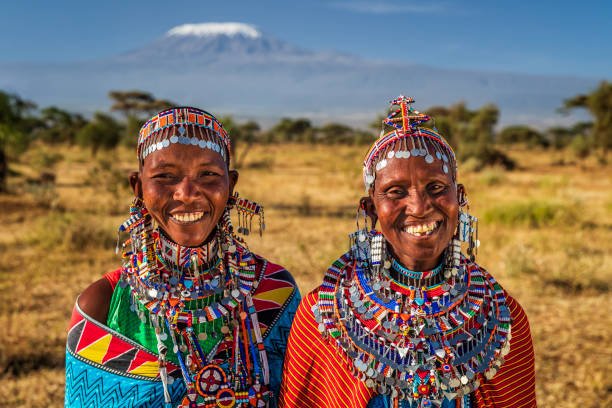
The Chagga people have longstanding agricultural traditions around Mount Kilimanjaro.
The cooking class can introduce selected aspects of Chagga food culture through bananas, vegetables, beans, coffee and other locally used ingredients.
Cultural practices vary between communities and households, so the exact dishes and preparation methods depend on the hosts and location.
Bananas in Kilimanjaro Cooking
Bananas are an important agricultural crop in many areas around Kilimanjaro.
Different varieties may be grown for eating fresh or for cooking.
The host can explain how selected varieties are used and how banana farming connects with Chagga agriculture and household food traditions.
Traditional Cooking Techniques
The cooking class can include practical preparation rather than only demonstrations.
Travellers may help wash, cut, mix, season or prepare selected ingredients under guidance from local hosts.
The exact level of participation depends on the dishes being prepared and the selected program.
Cooking Activities May Include
- Preparing vegetables
- Sorting grains or beans
- Peeling and preparing bananas
- Mixing ingredients
- Learning local seasoning methods
- Preparing sauces or accompaniments
- Learning cooking techniques
- Serving the finished meal
Preparing a Local Meal
The main part of the experience involves preparing selected dishes with guidance from local hosts.
The menu can depend on available ingredients, cultural focus and dietary requirements.
Visitors can ask questions throughout the preparation process and learn why different ingredients are combined.
The class is designed as a cultural experience rather than a professional culinary course.
Share the Meal You Prepare
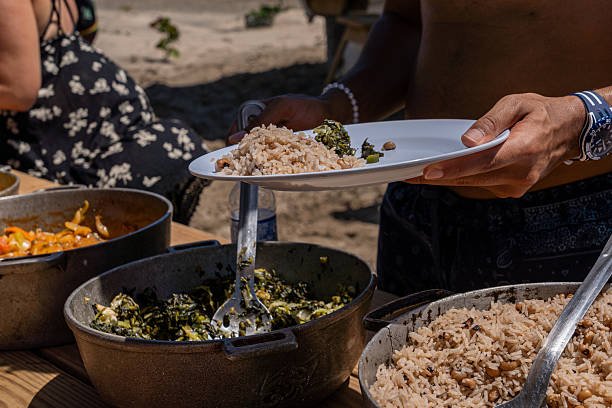
After the cooking session, travellers can sit down and enjoy the food prepared during the experience.
This provides time to continue conversations with the host and guide about local life, farming and food culture.
Sharing the finished meal also creates a natural conclusion to the cooking class before continuing to the next activity.
Kilimanjaro Coffee Experience
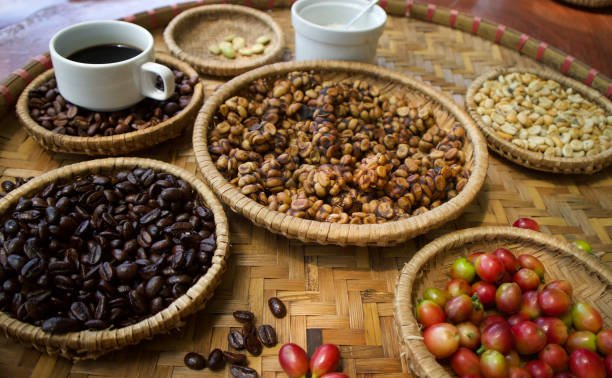
Coffee can be added to the cooking experience because it is closely connected with agriculture around Mount Kilimanjaro.
Visitors can learn about coffee growing, processing and traditional preparation according to the selected itinerary.
Where included, the experience may continue with roasting, grinding, brewing and tasting coffee.
Coffee from Bean to Cup
- Learn about coffee cultivation
- Discover harvesting and processing
- Prepare the coffee beans
- Roast coffee where included
- Grind the roasted beans
- Brew fresh coffee
- Taste the finished cup
Vegetarian Cooking Class Options
Vegetarian cooking experiences can often be arranged because many locally available ingredients are plant based.
Beans, vegetables, bananas, maize, rice and other crops can form part of the selected meal.
Dietary preferences should be communicated before the tour so the menu can be planned where possible.
Dietary Requirements and Food Allergies
Travellers should provide information about allergies, intolerances and dietary requirements before the cooking class.
This allows the hosts to determine whether suitable dishes and ingredient substitutions can be arranged.
Availability depends on the selected location and ingredients available at the time.
From Cooking Class to Safari
After exploring Kilimanjaro food culture, the itinerary can continue into northern Tanzania's wildlife areas.
The number of safari destinations depends on the available days.
A shorter program can include one park, while longer itineraries can combine several national parks and conservation areas.
Possible Safari Destinations
- Arusha National Park
- Tarangire National Park
- Lake Manyara National Park
- Ngorongoro Crater
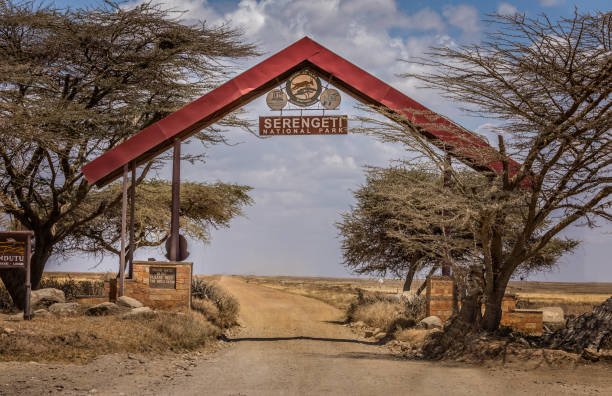
- Serengeti National Park
Kilimanjaro Cooking Class and Tarangire Safari
Tarangire National Park can be combined with the cooking experience for travellers wanting a short culture and wildlife itinerary.
After preparing and enjoying a local meal, visitors can continue toward Tarangire for guided game drives according to the selected schedule.
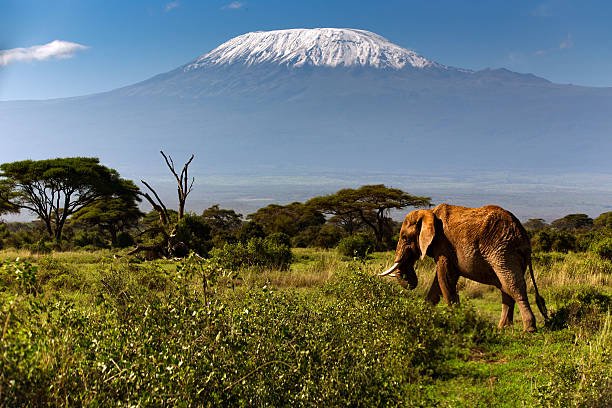
The park is associated with baobab landscapes and opportunities to observe elephants, giraffes, zebras, antelopes and other wildlife.
Kilimanjaro Cooking Class and Lake Manyara Safari
Lake Manyara can also be incorporated into the itinerary.
The journey provides a transition from cultural activities around Kilimanjaro into a protected wildlife environment.
Lake Manyara can also be combined with Ngorongoro for a longer safari.
Kilimanjaro Cooking Class and Ngorongoro Safari
Travellers can combine the cooking class with an Ngorongoro safari for a cultural and wildlife itinerary.
After the food experience, the journey can continue toward Karatu or the Ngorongoro highlands before a crater game drive.
The safari introduces a very different landscape from the farming and community areas around Kilimanjaro.
Kilimanjaro Cooking Class and Serengeti Safari
Travellers with more time can continue into Serengeti National Park.
The cooking experience can be followed by a multi day safari through Ngorongoro and into the Serengeti ecosystem.
This option provides a broader combination of local culture, food and wildlife exploration.
Wildlife You May See
Wildlife depends on the selected parks, season, habitat and natural animal movement.
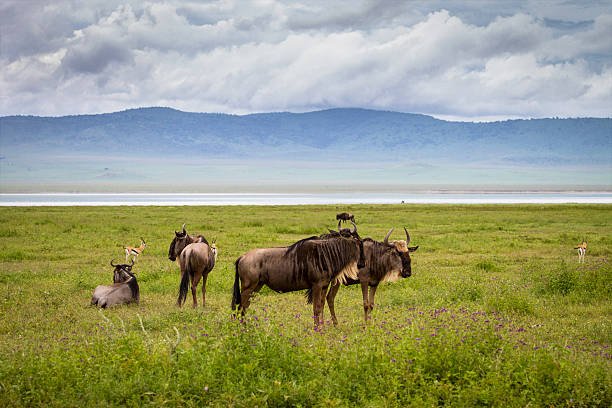
Possible sightings can include elephants, giraffes, zebras, wildebeest, buffalo, antelopes, monkeys and numerous bird species.
Predators such as lions, leopards or cheetahs may also be encountered in suitable areas, although sightings are never guaranteed.
Safari Highlights
- Professional safari guide
- Guided game drives
- Wildlife viewing
- Bird watching
- Savannah landscapes
- Crater or highland scenery where included
- Wildlife photography
- Flexible multi park extensions
Sample Kilimanjaro Cooking Class and Safari Itinerary
STOP
01
START
Meet Your Local Cultural Guide
Meet your guide in Moshi or at another agreed location around Kilimanjaro.
Receive an introduction to the cooking experience, local ingredients and cultural program.
Continue toward the selected market, farm or cooking location.
STOP
02
INGREDIENTS
Market or Farm Experience
Explore local ingredients and learn how selected foods are grown or traded.
Discover bananas, vegetables, grains, beans and spices according to the selected program.
Continue to the cooking location with your guide.
STOP
03
COOKING
Hands On Traditional Cooking Class
Meet the local host and receive an introduction to the dishes being prepared.
Participate in preparing selected ingredients and learn traditional cooking techniques.
Ask questions about food, family traditions and agriculture around Kilimanjaro.
STOP
04
MEAL
Enjoy the Meal You Prepared
Sit down and enjoy the finished meal with your hosts or guide.
Discuss Chagga food culture and the ingredients used during the cooking class.
Where included, finish with locally connected Kilimanjaro coffee.
STOP
05
SAFARI
Continue to Northern Tanzania Safari
Meet your safari guide and continue toward the selected national park according to the itinerary.
The safari can begin the same day or the following morning depending on driving time.
Enter the wildlife circuit and continue with guided game drives.
STOP
06
WILDLIFE
Game Drive and Wildlife Viewing
Explore the selected park with your professional safari guide.
Search for wildlife while learning about habitats, landscapes and animal behaviour.
Continue to your safari accommodation or onward destination according to the program.
2 Day Kilimanjaro Cooking Class and Safari
A 2 day program can combine one cultural cooking experience with one nearby safari destination.
The first day can focus on ingredients, cooking and local food, while the following day is dedicated to wildlife.
Tarangire, Arusha National Park or another suitable destination can be selected according to the route.
3 Day Kilimanjaro Cooking Class and Safari
A 3 day program provides more flexibility for combining culture and wildlife.
The itinerary can include a cooking class followed by two safari days in destinations such as Tarangire and Ngorongoro.
The final arrangement should reflect driving times and accommodation preferences.
4 Day Cooking Class and Safari Package
A 4 day itinerary can combine the cooking experience with several wildlife destinations.
Possible combinations can include Tarangire, Lake Manyara and Ngorongoro depending on traveller priorities.
This creates a balanced culture and safari itinerary without requiring a very long trip.
5 Day Cooking Class and Serengeti Safari
Travellers with additional time can continue into Serengeti National Park.
The cultural experience can be followed by a longer safari through Ngorongoro and Serengeti.
This option combines community culture, food preparation and several days of wildlife exploration.
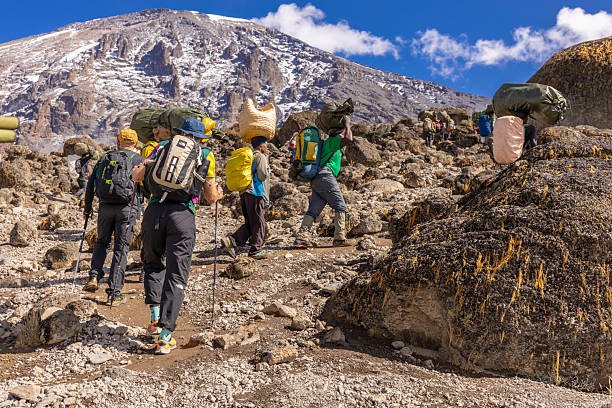
Before Climbing Kilimanjaro
The cooking class can be arranged before beginning a Mount Kilimanjaro trek.
It provides an introduction to local culture before climbers spend several days on the mountain.
The activity should be coordinated with equipment checks, trekking briefings and adequate rest.
After Climbing Kilimanjaro
The cooking class can also be arranged after descending from Mount Kilimanjaro.
Travellers can enjoy a relaxed cultural experience before beginning their safari.
This creates a natural transition from mountain trekking into food, community and wildlife activities.
Combine Cooking, Kilimanjaro Trekking and Safari
Travellers planning a longer Tanzania holiday can combine all three experiences.
The program can begin with a cultural cooking class, continue with a Kilimanjaro climb and finish with a wildlife safari.
The order can also be adjusted according to travel dates and preferred pacing.
Local Hosts and Cultural Guide
The cooking experience works best when travellers can learn directly from local hosts and a knowledgeable cultural guide.
The guide can explain ingredients and traditions while helping with communication and cultural context.
Cultural Guide and Host Roles May Include
- Introducing local ingredients
- Explaining Chagga food traditions
- Demonstrating preparation methods
- Helping travellers participate safely
- Explaining farming connections
- Sharing coffee and banana traditions
- Answering questions about local life
- Helping coordinate the wider cultural program
Professional Safari Guide
The wildlife section is led by a professional safari guide who manages game drives and provides information about wildlife and habitats.
The guide can help identify animals, birds and different landscapes throughout the selected national parks.
Wildlife sightings depend on natural conditions and cannot be guaranteed.
What to Wear
Comfortable lightweight clothing is suitable for most cooking and cultural activities.
Closed or comfortable shoes are useful when visiting markets or farms.
For safari, a warmer layer can be useful during early morning or evening drives.
What to Bring
- Comfortable walking shoes
- Lightweight clothing
- Warm layer for safari
- Sun hat
- Sunglasses
- Sunscreen
- Reusable water bottle
- Small daypack
- Camera or phone
- Binoculars where available
- Personal medication
- Small amount of local currency for optional purchases
Typical Kilimanjaro Cooking Class and Safari Inclusions
- Transport according to the confirmed itinerary
- Local cultural guide
- Cooking host or instructor
- Cooking class ingredients
- Hands on food preparation
- Meal prepared during the cooking class
- Market visit where included
- Farm visit where included
- Coffee experience where specifically included
- Professional safari guide
- Safari vehicle according to the package
- National park fees according to the confirmed itinerary
- Game drives listed in the program
- Safari accommodation where specifically included
- Safari meals according to the confirmed program
- Drinking water according to the package
Typical Tour Exclusions
- International flights
- Tanzania visa
- Travel insurance
- Accommodation not listed in the itinerary
- Airport transfers unless specifically included
- Optional market purchases
- Optional activities not included in the package
- Personal expenses
- Tips for cultural hosts, guides and safari crew
Private Kilimanjaro Cooking Class and Safari
The package can be arranged privately for solo travellers, couples, families and groups.
A private experience provides flexibility with cooking interests, dietary requirements, safari destinations and accommodation.
The itinerary can also be coordinated with Kilimanjaro trekking, airport transfers and onward travel to Zanzibar.
For Solo Travellers
Solo travellers can arrange a private cooking experience followed by a personalised safari.
The program can be adapted according to available time and the number of safari destinations preferred.
For Couples
Couples can enjoy a private hands on cooking experience before continuing on safari.
Coffee, village or farm activities can be added according to interest.
For Families
A cooking class can provide an interactive cultural experience for families.
Children can participate in suitable food preparation activities according to age and supervision.
The safari section can then provide opportunities to discover Tanzania's wildlife and landscapes.
Best Time for the Kilimanjaro Cooking Class and Safari
The package can be arranged during different periods of the year.
Fresh produce and farming activities vary seasonally, while safari conditions depend on rainfall, vegetation and wildlife movement.
The itinerary can therefore be adapted according to travel dates and selected wildlife destinations.
Responsible Cultural Tourism
Cooking classes, farms and markets are connected with local communities and should be visited respectfully.
Travellers should follow host instructions, ask before photographing people and respect private spaces.
Responsible Wildlife Tourism
The safari section should follow national park regulations and responsible wildlife viewing practices.
Visitors should avoid disturbing animals and follow instructions from their professional safari guide.
Responsible Visitor Guidelines
- Follow local host and guide instructions.
- Ask permission before photographing people.
- Respect farms, kitchens and private spaces.
- Communicate food allergies in advance.
- Follow national park regulations.
- Do not feed wildlife.
- Avoid disturbing animals for photographs.
- Dispose of waste responsibly.
Why Book the Kilimanjaro Cooking Class and Safari?
The Kilimanjaro Cooking Class and Safari combines local culture and wildlife within one varied northern Tanzania itinerary.
Travellers can discover ingredients, prepare traditional food and learn about Chagga agricultural traditions before continuing into national parks for guided wildlife viewing.
The package can be customised according to travel dates, preferred dishes, cultural interests, safari destinations and the number of available days.
Frequently Asked Questions
What is the Kilimanjaro Cooking Class and Safari?
It is a combined cultural and wildlife experience featuring a local cooking class around Kilimanjaro followed by a northern Tanzania safari.
Is the cooking class hands on?
Yes. Travellers can participate in selected food preparation activities under guidance from local hosts.
Will I eat the food I prepare?
Yes. The experience can include sharing the meal prepared during the cooking class.
Can a market visit be included?
Yes. A local market visit can be included to introduce ingredients and everyday food shopping before the cooking class.
Can a farm visit be included?
Yes. A banana, coffee or mixed farm experience can be incorporated according to the selected program.
Will I learn about Chagga culture?
Yes. The experience can introduce selected Chagga food, farming, banana and coffee traditions around Mount Kilimanjaro.
Can coffee be included?
Yes. A Kilimanjaro coffee experience can be added, including traditional preparation where available.
Are vegetarian cooking options available?
Vegetarian menus may be possible using vegetables, grains, beans, bananas and other plant based ingredients.
What if I have food allergies?
All allergies and dietary restrictions should be communicated before the experience so suitable menu options can be discussed where possible.
Which safari parks can be included?
The itinerary can include Tarangire, Lake Manyara, Ngorongoro Crater, Serengeti or other suitable northern Tanzania destinations.
Can this be a 2 day package?
Yes. A short program can combine the cooking experience with one selected safari destination.
Can I include Ngorongoro Crater?
Yes. Ngorongoro can be incorporated into a longer culture and safari itinerary.
Can I include Serengeti?
Yes. Longer packages can continue through Ngorongoro and into Serengeti National Park.
Can I combine the package with Kilimanjaro climbing?
Yes. The cooking class and safari can be arranged before or after a Mount Kilimanjaro trek.
Can solo travellers book the package?
Yes. Solo travellers can arrange a private cooking class and safari according to their travel dates.
Is it suitable for families?
Yes. Families can participate in suitable cooking activities and continue to a wildlife safari, with the itinerary adapted according to children's ages.
Can the itinerary be customised?
Yes. Cooking activities, market or farm visits, coffee experiences, safari parks, accommodation and number of days can all be adapted according to the confirmed package.
Plan Your Kilimanjaro Cooking Class and Safari
Discover local ingredients, prepare traditional food with Kilimanjaro hosts and continue into northern Tanzania's national parks for a guided wildlife safari.
Choose your preferred travel dates, cooking experience and safari destinations to create a personalised culture, food and wildlife itinerary.
Plan Your Cooking Class and Safari