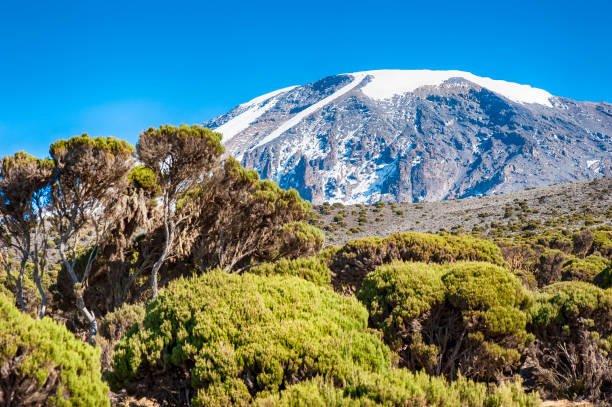
Lemosho Route Kilimanjaro Success Rate
The Lemosho Route Kilimanjaro Success Rate is frequently discussed by travellers comparing routes to climb Mount Kilimanjaro.
Lemosho is normally completed over seven or eight days, although different itinerary variations can exist.
The longer schedule, gradual western approach, Shira Plateau progression and higher altitude acclimatisation stages are important reasons the route is associated with favourable summit outcomes.
However, no Kilimanjaro itinerary can guarantee that every climber will reach Uhuru Peak.
Altitude response differs between individuals, and summit results are also affected by health, walking pace, hydration, weather, route duration, guide decisions and how well the climber prepared before arriving in Tanzania.
Lemosho Success Rate at a Glance
- Route: Lemosho Route
- Mountain: Mount Kilimanjaro
- Common durations: 7 day and 8 day itineraries
- Published 8 day estimates: commonly around 90%
- Important factor: More acclimatisation time on longer itineraries
- Key altitude stage: Lava Tower followed by descent to Barranco
- Summit camp: Barafu in standard itineraries
- Important: No summit percentage can be guaranteed for an individual climber
What Is the Lemosho Route Summit Success Rate?
Published success rates differ between Kilimanjaro operators because there is no single current universal route specific figure that applies to every expedition.
Many published estimates place the eight day Lemosho itinerary around the 90% range, while seven day estimates are generally lower.
Individual operators can also publish higher or lower figures based on their own client records.
When comparing percentages, travellers should therefore ask how the figure was calculated, which itinerary length it applies to and whether the statistic represents one company or a wider estimate.
Why Success Rate Figures Vary
- Different itinerary lengths
- Different operator records
- Different definitions of summit success
- Different climber experience levels
- Individual altitude response
- Weather and trail conditions
- Guide and expedition management
- Health issues during the climb
8 Day Lemosho Route Success Rate
The eight day Lemosho Route is frequently associated with a strong summit success rate because it gives climbers more time to progress through the mountain's altitude zones.
Published industry estimates commonly place the eight day version at approximately 90%, although this should be understood as an estimate rather than a guaranteed outcome.
The itinerary normally includes separate nights at Shira 1, Shira 2 and Karanga before reaching Barafu.
This gives climbers more mountain time than shorter variations and creates additional opportunities to observe altitude response before summit night.
Typical 8 Day Lemosho Progression
- Day 1: Lemosho trailhead to Mti Mkubwa
- Day 2: Mti Mkubwa to Shira 1
- Day 3: Shira 1 to Shira 2
- Day 4: Shira 2 via Lava Tower to Barranco
- Day 5: Barranco to Karanga
- Day 6: Karanga to Barafu
- Day 7: Summit attempt and descend to Mweka
- Day 8: Mweka Gate and return to Moshi
7 Day Lemosho Route Success Rate
The seven day Lemosho itinerary follows much of the same route but compresses part of the schedule.
Published operator estimates commonly place seven day success below the eight day version, often around the 80% to 85% range.
The precise figure varies between operators and should not be interpreted as a guarantee.
The seven day itinerary can still provide a useful acclimatisation profile, but climbers have one fewer mountain day than those following the eight day schedule.
7 Day vs 8 Day Lemosho Success Rate
The main difference is the additional mountain day available on the eight day itinerary.
The extra day can provide a more gradual progression and additional time before the summit stage.
This is why published success estimates are generally higher for the eight day version.
7 Day vs 8 Day Lemosho
- 7 day: More compact itinerary
- 8 day: Additional mountain day
- 8 day: Separate Shira progression in common itineraries
- 8 day: Separate Karanga overnight
- Both: Use Lava Tower and Barranco in standard programs
- Both: Require careful altitude monitoring
Why Lemosho Has a Favourable Acclimatisation Profile
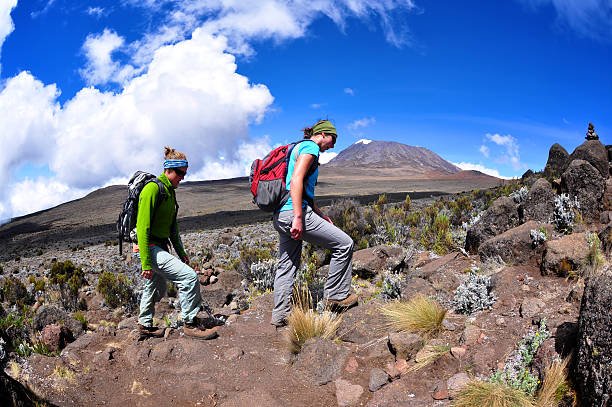
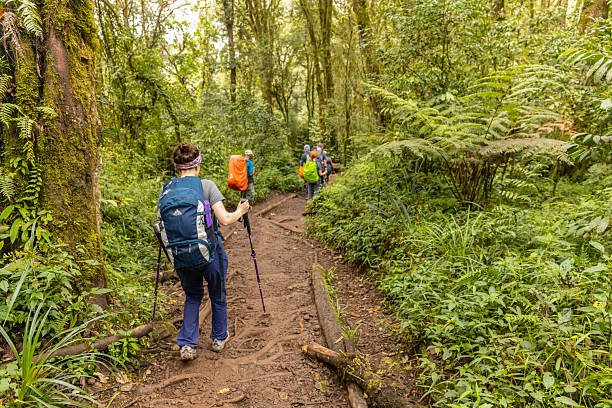
The Lemosho Route begins relatively gradually on western Kilimanjaro and spends several days progressing through increasingly high terrain.
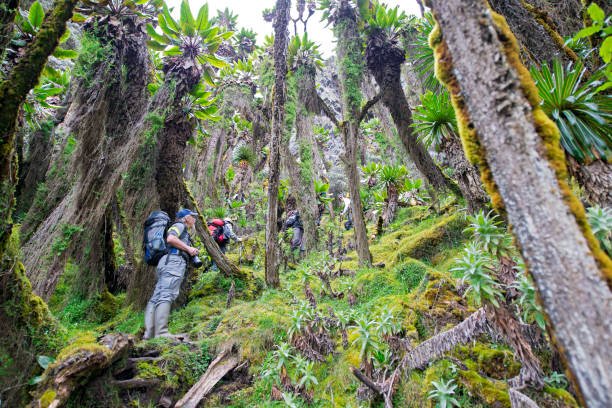
Rather than moving immediately to very high camps, climbers pass through rainforest, heath, moorland and the Shira Plateau before reaching the southern circuit.
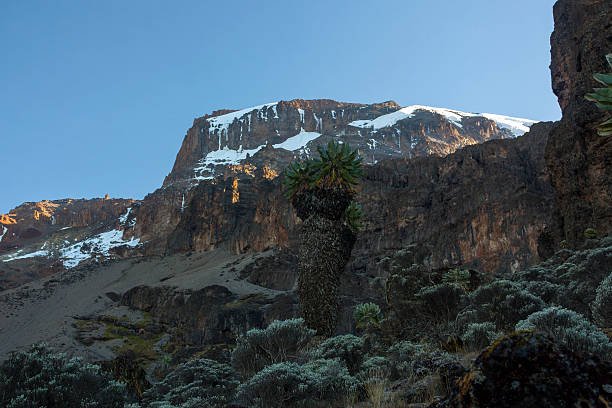
The route also includes an important high altitude stage at Lava Tower before descending to sleep at Barranco.
This type of higher daytime exposure followed by a lower sleeping elevation is one of the reasons Lemosho is frequently selected by travellers who prioritise acclimatisation time.
Lava Tower and Summit Success
Lava Tower is an important section of the standard Lemosho itinerary.
Climbers trek to a substantially higher elevation before descending to Barranco Camp.
This gives the body exposure to higher altitude before sleeping lower.
However, reaching Lava Tower comfortably does not guarantee that a climber will later reach Uhuru Peak.
Important Acclimatisation Stages
- Gradual western approach
- Shira Plateau trekking
- Higher daytime exposure at Lava Tower
- Descent toward Barranco
- Karanga overnight on common eight day itineraries
- Barafu summit preparation
Does Barranco Wall Affect the Success Rate?
Barranco Wall is one of the best known features of the Lemosho Route.
The established trail involves steep trekking and sections where climbers may use their hands for balance, but it is not normally treated as technical rock climbing.
For many climbers, the wall looks more intimidating from camp than it feels once they begin ascending with the guide.
Barranco Wall is physically demanding, but altitude rather than the wall itself is usually the more important factor affecting whether a climber reaches the summit.
Karanga Camp and Acclimatisation
The common eight day Lemosho itinerary includes a separate overnight at Karanga.
This separates the Barranco Wall day from the final approach to Barafu.
The additional overnight gives climbers another day on the mountain before reaching summit camp.
Shorter variations may combine part of this progression.
Barafu Camp and Summit Preparation
Barafu is the standard summit preparation camp for the Lemosho Route.
By this stage, climbers have already spent several days at altitude.
After arriving at Barafu, the focus turns to eating, hydrating, organising summit clothing and resting before the final ascent.
How a climber feels at Barafu is more important than pressure to continue simply because the summit is close.
Summit Night and Success
Summit night is normally the most demanding part of the Lemosho expedition.
Climbers leave the high camp and ascend slowly through cold, high altitude terrain toward Stella Point and then Uhuru Peak.
The combination of low temperatures, fatigue, darkness and reduced oxygen availability makes the final ascent challenging even for physically fit people.
A controlled pace and close communication with the guide are essential.
Summit Night Factors
- Altitude response
- Walking pace
- Temperature
- Wind and weather
- Hydration
- Energy levels
- Sleep and recovery
- Guide assessment
Altitude Is More Important Than Fitness Alone
Climbers sometimes assume that being extremely fit guarantees success on Kilimanjaro.
Fitness is important because the route requires several consecutive days of trekking and a long summit stage.
However, physical fitness does not make a climber immune to altitude illness.
Very strong hikers still need to move slowly and allow the body time to adapt.
Walking Slowly Can Improve the Expedition
A controlled pace is fundamental on Kilimanjaro.
The goal is not to reach each camp as quickly as possible.
Walking steadily helps reduce unnecessary exertion and allows guides to observe how climbers are responding to altitude.
Trying to compete with faster trekkers can waste energy needed later in the expedition.
Hydration and Nutrition
Eating and drinking consistently throughout the trek helps climbers maintain energy and support normal physical function.
Altitude can reduce appetite, making it important to communicate with the guide if eating becomes difficult.
Travellers with dietary requirements should inform the operator before the climb so meal planning can be adjusted where practical.
Sleep and Recovery
Recovery between trekking days becomes increasingly important as the route reaches higher elevations.
A suitable sleeping bag, warm clothing and comfortable camping equipment can improve rest.
Some climbers sleep poorly at altitude, so one difficult night does not automatically mean the expedition cannot continue.
The guide should consider the climber's overall condition rather than one factor alone.
Daily Health Monitoring
Regular communication about health is an important part of a well managed Kilimanjaro expedition.
Guides may conduct health checks according to expedition procedures.
Climbers should report headaches, nausea, dizziness, unusual fatigue, confusion, breathing difficulty or other concerning symptoms promptly.
Hiding symptoms in an attempt to protect a summit goal can create unnecessary risk.
The Role of Professional Kilimanjaro Guides
A summit percentage does not tell the complete story about expedition quality.
Professional guides are responsible for managing the route, pace, daily briefings, health observations and summit decisions.
They must also recognise when a climber should stop ascending or descend.
A responsible guide may sometimes turn a climber around even when the summit is close because health is more important than preserving a success statistic.
Guide Support That Matters
- Controlled trekking pace
- Daily route briefings
- Health observations
- Altitude awareness
- Summit preparation
- Weather assessment
- Decision making when descent is required
Training and Lemosho Summit Success
Training cannot eliminate altitude risk, but it can improve the climber's ability to handle long trekking days.
Preparation should focus on walking endurance, hills, leg strength and the ability to move comfortably for several hours while carrying a daypack.
Where possible, training hikes on consecutive days can help prepare the body for multi day trekking.
Recommended Training Focus
- Regular walking and hiking
- Hill or stair training
- Long endurance sessions
- Leg strength
- Core stability
- Walking with a daypack
- Consecutive hiking days
- Recovery and rest
Does Previous Altitude Experience Help?
Previous trekking experience at altitude can help a traveller understand how their body has responded in the past.
However, a previous successful high altitude trip does not guarantee the same response on Kilimanjaro.
Every expedition should still be approached conservatively.
Weather and Summit Success
Weather can affect the difficulty of the climb.
Rain on lower trails, wind at high elevation and very cold summit conditions can increase physical and mental demands.
Good clothing and waterproof equipment are therefore important regardless of the month selected.
Does the Best Season Guarantee Success?
No climbing season can guarantee a summit.
Weather is only one factor among many.
A climber can experience favourable weather and still struggle with altitude, while another expedition can encounter challenging weather but progress safely.
Lemosho Success Rate for Beginners
The route is frequently selected by first time high altitude trekkers because longer itinerary options provide more mountain time.
Technical climbing experience is not normally required for the standard Lemosho trail.
Beginners still need appropriate training, equipment and realistic expectations about the physical demands of the route.
Lemosho Success Rate for Older Climbers
Age alone does not determine whether someone will reach the summit.
Health, fitness, acclimatisation and individual altitude response are more relevant considerations.
Travellers with medical concerns should obtain appropriate professional medical advice before undertaking a high altitude expedition.
Private vs Group Lemosho Success
Both private and group joining climbs can use the same Lemosho route and acclimatisation schedule.
The important factors are route duration, appropriate guide coverage, pace and expedition management.
A private climb can provide more flexibility around departure dates and group structure, while group joining can provide a social expedition and shared logistics.
What Happens if One Group Member Cannot Continue?
Climbers within the same group can respond differently to altitude.
If one participant needs to descend, guide support should be managed according to the expedition structure and safety requirements.
Other healthy participants may be able to continue when sufficient guide coverage remains available.
Exact procedures should be discussed during the pre climb briefing.
Lemosho vs Machame Success Rate
Lemosho and Machame share much of the upper southern circuit but have different early approaches.
Lemosho begins farther west and typically uses longer seven or eight day schedules.
Machame is commonly completed over six or seven days.
When comparing success figures, the number of mountain days is therefore often as important as the route name itself.
Lemosho vs Marangu Success Rate
Marangu uses a different approach and hut accommodation, while Lemosho uses camping.
Short Marangu itineraries can progress more rapidly in altitude than longer Lemosho schedules.
Travellers comparing the routes should consider itinerary duration and acclimatisation profile rather than selecting a route only because one published percentage appears higher.
Lemosho vs Northern Circuit Success Rate
The Northern Circuit generally uses an even longer itinerary and traverses Kilimanjaro's northern side after the western approach.
Lemosho follows the southern circuit through Barranco, Karanga and Barafu.
Both can provide extended acclimatisation schedules when sufficient days are allocated.
Published success estimates for both routes are often favourable, but route choice should also consider available travel time, scenery, budget and preferred itinerary.
Lemosho vs Rongai Success Rate
Rongai approaches from northern Kilimanjaro while Lemosho begins from the west.
The routes have different acclimatisation profiles and camp sequences.
Longer itinerary versions of either route generally provide more time for adjustment than compressed alternatives.
How to Improve Your Chances on Lemosho
Practical Summit Preparation
- Choose an itinerary with adequate mountain time
- Train consistently before travelling
- Use suitable trekking equipment
- Walk at a controlled pace
- Eat regularly
- Stay appropriately hydrated
- Keep warm and dry
- Communicate symptoms immediately
- Follow guide instructions
- Be prepared to descend if health requires it
Choosing Between 7 Day and 8 Day Lemosho
Travellers with sufficient time can compare the longer eight day program with the more compact seven day version.
The extra day increases the total trip duration and package cost but also provides additional mountain time.
Budget should therefore be considered together with acclimatisation and itinerary structure rather than in isolation.
Success Is More Than Reaching Uhuru Peak
Reaching Uhuru Peak is an important goal for most Kilimanjaro climbers, but safe expedition management remains more important than preserving a statistic.
A responsible climb should consider safe ascent, appropriate health monitoring and safe descent as fundamental parts of the experience.
If a guide determines that descending is necessary, turning around should not be viewed as an expedition management failure.
Questions to Ask an Operator About Success Rates
- Does the percentage apply specifically to Lemosho?
- Is it for the 7 day or 8 day itinerary?
- What period does the data cover?
- How many climbers are included?
- What counts as summit success?
- Is the figure operator specific or an industry estimate?
- How are climbers monitored for altitude problems?
- How is guide coverage organised on summit day?
Frequently Asked Questions
What is the Lemosho Route Kilimanjaro success rate?
Published estimates vary between operators and itinerary lengths. Eight day Lemosho climbs are commonly estimated around 90%, but this is not a guaranteed individual outcome.
What is the 8 day Lemosho success rate?
Published operator estimates commonly place the eight day version around 90%, although figures vary according to data source and operator.
What is the 7 day Lemosho success rate?
Published estimates commonly place the seven day version below the eight day program, often around 80% to 85%, depending on the source.
Is the success rate official?
Current universal route specific success figures are not consistently published as official statistics, so travellers should treat operator and industry percentages as estimates.
Why does 8 day Lemosho usually have a higher reported success rate?
The eight day itinerary provides additional mountain time and a more gradual progression before summit day.
Does Lava Tower help acclimatisation?
Lava Tower provides higher daytime altitude exposure before the route descends to Barranco, forming an important part of the standard Lemosho acclimatisation profile.
Does Lemosho include Barranco Wall?
Yes. Standard seven day and eight day Lemosho itineraries normally include Barranco Wall before continuing toward Karanga and Barafu.
Does physical fitness guarantee reaching the summit?
No. Fitness supports endurance, but altitude response varies between individuals and cannot be guaranteed by fitness alone.
Can beginners climb Lemosho?
Yes. Travellers without technical climbing experience can consider Lemosho, but appropriate training, equipment and preparation are still necessary.
Does walking slowly matter?
A controlled pace reduces unnecessary exertion and is an important part of high altitude trekking strategy.
Can weather affect summit success?
Yes. Cold, wind, rain and trail conditions can increase the difficulty of the expedition, although weather is only one factor affecting results.
Is private Lemosho more successful than group joining?
Tour format alone does not determine success. Itinerary length, guide support, pace, health and individual altitude response are more important factors.
What happens if I develop altitude problems?
Inform the guide immediately. Depending on symptoms and condition, the guide may slow the pace, monitor the climber more closely or require descent.
Is reaching the summit guaranteed?
No. No responsible Kilimanjaro operator can guarantee that an individual climber will reach Uhuru Peak.
How can I improve my chances?
Choose an appropriate itinerary, train before travelling, use suitable equipment, walk slowly, communicate symptoms honestly and follow guide instructions throughout the climb.
Should I choose 7 day or 8 day Lemosho?
Travellers with sufficient time can consider the eight day itinerary for its additional mountain day and more gradual progression, while the seven day option provides a shorter overall trip.
Plan Your Lemosho Route Kilimanjaro Climb
Choose a well paced Lemosho itinerary with professional Tanzanian guides, gradual altitude progression, Shira Plateau, Lava Tower, Barranco, Karanga and Barafu summit preparation.
Compare seven day and eight day options and add Moshi hotels, airport transfers, equipment rental, safari or Zanzibar to complete your Tanzania adventure.
Plan Your Lemosho Climb


 Serengeti Safari