Serengeti Safari June to October
A Serengeti Safari June to October takes place during the main dry season and offers some of the most popular wildlife viewing conditions in northern Tanzania.
Rainfall is generally lower than during the main wet months, vegetation can become progressively drier and wildlife may become easier to locate around reliable water sources and productive habitats.
The landscape also changes substantially between June and October. Early in the period, some areas can retain greener vegetation, while later dry season months often produce the classic golden Serengeti scenery associated with wildlife photography.
Great Migration movements can also change significantly during these five months.
Rather than treating June to October as one identical safari season, travellers should choose their Serengeti region according to the specific month and wildlife priorities.
June to October at a Glance
- Season: Main dry season.
- Wildlife: Excellent general game viewing.
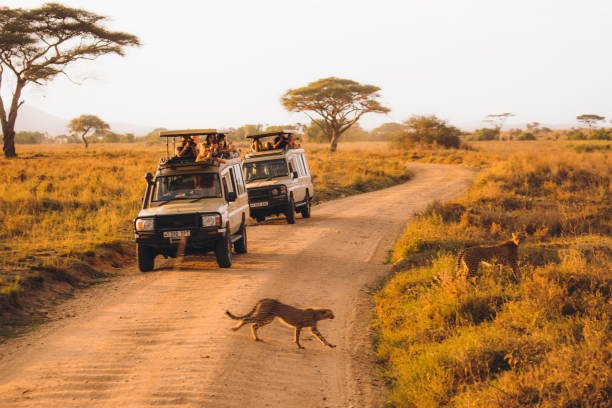
- Predators: Lions, cheetahs, leopards and hyenas may be encountered.
- Migration: Herd locations change throughout the period.
- River crossing interest: Northern Serengeti can become important during suitable migration periods.
- Scenery: Increasingly dry and golden landscapes.
- Photography: Strong wildlife visibility and classic savannah colours.
- Demand: Popular months can require early accommodation booking.
Why Visit Serengeti from June to October?
June through October combines dry season conditions with excellent resident wildlife viewing and changing stages of the Great Migration.
As vegetation becomes drier in many areas, observing animals across open landscapes can become easier.
Water also becomes increasingly important, which can concentrate wildlife around rivers, pools and other dependable water sources.
This period is therefore attractive to first time safari visitors, photographers, families, couples and experienced wildlife travellers.
Main Reasons to Travel June to October
- Dry season wildlife viewing
- Excellent predator opportunities
- Large grazing herds
- Great Migration interest
- Northern Serengeti possibilities
- Mara River migration interest
- Clearer wildlife visibility in many areas
- Classic golden savannah photography
- Generally practical road safari conditions
Serengeti Dry Season Wildlife
Dry season does not mean animals suddenly appear only between June and October.
Serengeti supports resident wildlife throughout the year.
The main difference is that drier conditions can alter vegetation, grazing availability and water dependence, sometimes making wildlife easier to locate.
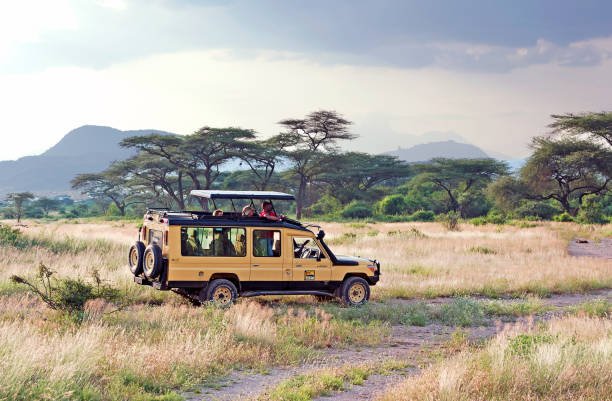
Game drives may search open grassland, river systems, woodland and rocky kopjes depending on where wildlife activity is strongest.
Wildlife You May See
- Lions
- Leopards
- Cheetahs
- Elephants
- Buffalo
- Wildebeest
- Zebra
- Giraffes
- Hippos
- Hyenas
- Jackals
- Gazelles
- Warthogs
- Many bird species
Wildlife remains free ranging, so specific animals or behaviours should never be guaranteed.
June Serengeti Safari
June is a transition month as the ecosystem moves more firmly into dry season conditions.
Some landscapes may still retain vegetation from earlier rains, while wildlife movements continue responding to changing grazing and water conditions.
Migration focused travellers should use current seasonal information when selecting the Serengeti region because herd locations can vary between years.
June can also be a good choice for travellers wanting dry season wildlife without automatically selecting the busiest later months.
June Weather and Conditions
Mornings can feel cool, particularly during early game drives.
Bring a fleece or warm layer that can be removed as temperatures rise.
Rain becomes less dominant compared with the preceding wet period, but occasional showers can still occur.
Never leave rain protection behind simply because the safari takes place during the dry season.
July Serengeti Safari
July is one of the most popular months for Serengeti wildlife safaris.
The landscape becomes increasingly dry, and migration focused itineraries may shift toward western or northern areas depending on the actual movement of the herds.
Resident wildlife remains important throughout central Serengeti, so visitors do not need to follow the migration to enjoy an excellent safari.
Because demand can be high, accommodation should be reserved early where possible.
August Serengeti Safari
August is a classic dry season safari month and attracts considerable interest from travellers following the Great Migration.
Northern Serengeti can become particularly important during suitable migration conditions.
Large herds may move through open landscapes and approach river systems as part of their wider seasonal movement.
This is also a strong month for general predator and resident wildlife viewing.
September Serengeti Safari
September normally remains strongly within the dry season.
Northern Serengeti can continue to attract migration focused travellers while central Serengeti remains rewarding for resident wildlife.
The landscape can be dry and golden, providing the classic visual appearance associated with many Serengeti photographs.
Water sources and river areas can become increasingly important to wildlife.
October Serengeti Safari
October can continue to provide excellent dry season wildlife viewing while the ecosystem begins approaching another seasonal transition.
Migration locations can shift as rainfall patterns start changing and fresh grazing becomes available elsewhere.
Travellers should therefore avoid assuming that wildlife will remain in exactly the same location throughout the entire month.
October is also an excellent period for general Serengeti game drives regardless of the main migration herd location.
June vs July vs August vs September vs October
June: Transition into stronger dry season conditions with changing migration locations.
July: Popular dry season wildlife month with migration interest moving through different western or northern areas depending on conditions.
August: Strong northern Serengeti interest and classic dry season wildlife viewing.
September: Dry landscapes, strong general wildlife viewing and continued northern migration interest.
October: Excellent dry season game viewing with the beginning of another seasonal transition.
Great Migration from June to October
The Great Migration is not one single event that happens at a fixed location.
It is a continuing movement through the Serengeti Mara ecosystem driven largely by rainfall, grazing and water availability.
During June through October, travellers may encounter different stages of this movement depending on the month and seasonal conditions.
This is why accommodation location matters so much for migration focused safaris.
Important Great Migration Planning
- Herd locations vary between years.
- Rainfall affects movement.
- Accommodation should match the expected wildlife area.
- Short safaris should avoid unrealistic driving distances.
- Migration sightings cannot be guaranteed in one exact location.
- River crossings cannot be guaranteed.
Mara River Crossing Safari
One of the most famous migration experiences is seeing wildebeest and zebra moving through the northern Serengeti and potentially crossing the Mara River.
Crossings are completely natural events.
Animals may gather close to a crossing point for a long time without entering the water.
They may suddenly turn away, move to another location or cross when safari vehicles are elsewhere.
No responsible operator should promise a Mara River crossing on a specific date.
How Many Nights for a River Crossing Safari?
Travellers whose main goal is a river crossing should avoid planning only one short game drive in northern Serengeti.
Several nights in the correct region provide more opportunities to follow herd activity and respond to information from guides in the area.
Even with additional days, a crossing remains unpredictable.
Northern Serengeti June to October
Northern Serengeti becomes especially important during parts of the June to October season when migration herds move through the north.
The region includes open grassland, woodland and river systems and can provide excellent resident wildlife even without witnessing a crossing.
Because northern Serengeti is a substantial distance from central areas, travellers should allow sufficient time or consider a suitable fly in arrangement.
Central Serengeti June to October
Central Serengeti remains one of the strongest areas for general wildlife viewing throughout the dry season.
Resident lions, leopards, cheetahs, elephants, giraffes, buffalo and many other animals make it particularly useful for travellers who are not interested only in the migration.
Central Serengeti is also practical for shorter road itineraries from Moshi or Arusha.
Western Serengeti in the Early Dry Season
Western parts of the Serengeti ecosystem may become relevant during earlier stages of the dry season migration movement.
The precise timing changes naturally, so fixed calendar assumptions should be treated as planning guidance rather than guarantees.
A safari designed around migration should use recent wildlife information when finalising game drive areas.
Can You See Lions June to October?
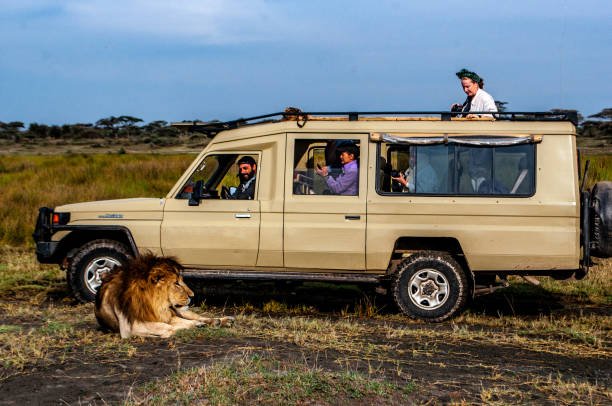
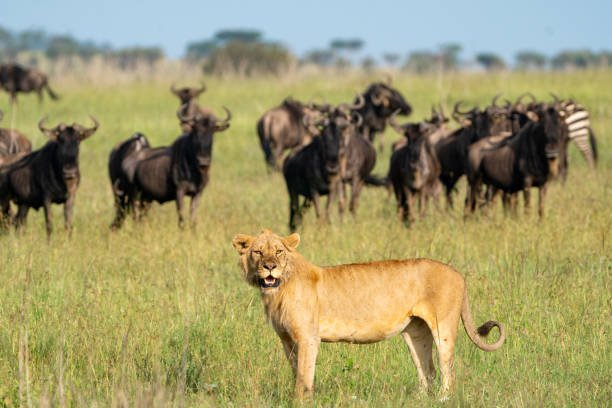
Yes. Lions remain in Serengeti throughout the year.
Dry season landscapes can sometimes improve visibility when grass becomes shorter or wildlife becomes concentrated around productive areas.
Lions may be observed resting, walking, interacting within prides or following prey animals.
No specific behaviour can be guaranteed.
Cheetahs During the Dry Season
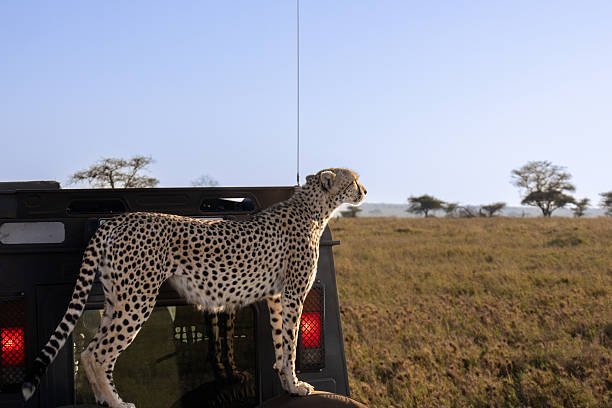
Cheetahs may be encountered in suitable open landscapes throughout the dry season.
Their preference for areas with good visibility can make Serengeti's open plains particularly suitable habitat.
Early morning and later afternoon game drives can provide excellent opportunities when wildlife activity increases.
Leopards June to October
Leopards live within Serengeti throughout the year but remain more elusive than many other large animals.
They may be found around riverine woodland and suitable trees where they can rest or feed.
Good guiding, patience and sufficient game drive time are important.
Elephants During June to October
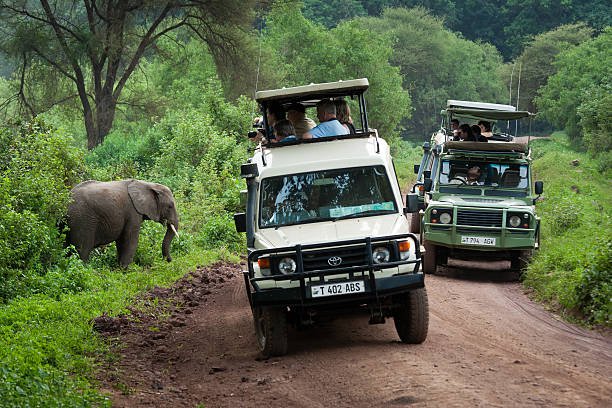
Elephants can also be encountered during Serengeti game drives.
Families and individual elephants move according to food, water and habitat conditions.
Travellers particularly interested in elephants may also consider combining Serengeti with Tarangire.
Best Time of Day for Game Drives
Early mornings can be particularly rewarding because temperatures are cooler and many animals are active.
Late afternoon can also produce excellent wildlife activity and attractive photography light.
A full day game drive provides greater flexibility because the guide can explore farther from the accommodation when worthwhile.
Morning Serengeti Game Drive
Morning game drives often begin after an early breakfast or according to the meal arrangement at the selected camp or lodge.
Temperatures can feel cold when the vehicle roof is open, so a fleece is useful even though the day may later become warm.
Full Day Serengeti Safari
A full day wildlife safari allows the guide to search a larger area without returning to accommodation for lunch.
Packed meals can be used according to the safari arrangement.
This can be especially valuable for photographers and migration focused travellers.
Serengeti Weather June to October
Dry season days can be sunny and comfortable, while mornings and evenings may feel considerably cooler.
Temperature also varies according to elevation, wind and the specific Serengeti region.
Pack layers rather than assuming every safari day will be hot from sunrise to sunset.
Useful Dry Season Clothing
- Lightweight safari shirts
- Comfortable trousers
- Warm fleece
- Light jacket
- Sun hat
- Sunglasses
- Comfortable closed footwear
- Light rain protection
Is June to October Cold?
Daytime conditions can be pleasant or warm, but early mornings can feel cold in an open safari vehicle.
This becomes particularly noticeable if the itinerary also includes the Ngorongoro highlands.
Layered clothing allows you to remove warmer items as the temperature rises.
Photography June to October
Dry season is popular with wildlife photographers because increasingly golden vegetation creates classic Serengeti backgrounds.
Animals may also be easier to see when vegetation is less dense.
Dust can add atmosphere to photographs of moving herds, elephants or predators.
Early morning and late afternoon provide softer light than the middle of the day.
What Camera Equipment Should You Bring?
- Camera body
- Useful zoom lens
- Wide lens for landscapes if desired
- Spare batteries
- Memory cards
- Protective camera bag
- Lens cleaning equipment
- Power bank or charging equipment
Binoculars for Dry Season Safari
Binoculars are valuable even when wildlife visibility is good.
They help with distant predators, birds and herds that are away from safari roads.
They can be especially useful while observing activity near river systems without disturbing animals.
Safari Crowds June to October
June through October includes some of Serengeti's most popular travel periods.
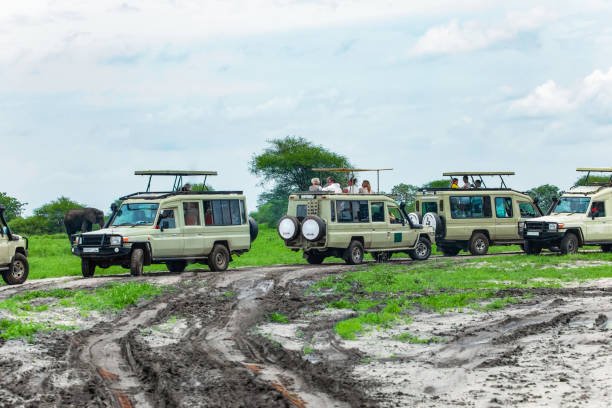
Areas containing major migration herds or river crossing activity can attract many safari vehicles.
Central Serengeti can also become busy around major predator sightings.
An experienced guide can balance important sightings with exploration of less congested areas when wildlife conditions allow.
How to Avoid Crowds
No itinerary can guarantee an empty Serengeti during popular dry season months.
However, several planning decisions can improve the experience.
- Spend more than one night in the wildlife area.
- Start game drives early.
- Use a private vehicle when budget permits.
- Stay close to the area you intend to explore.
- Allow your guide flexibility to leave congested sightings.
- Do not build the entire safari around one migration crossing point.
Serengeti Lodge Safari June to October
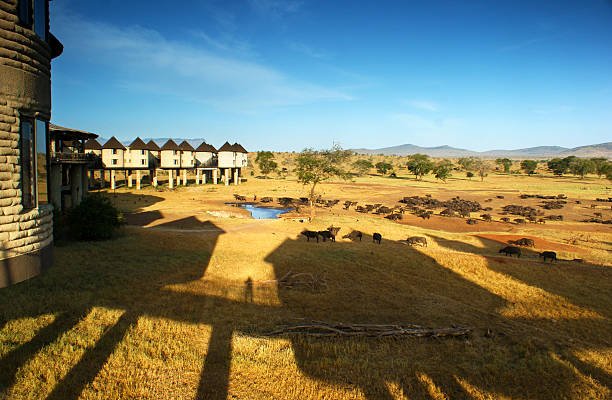
Lodge accommodation is popular during the dry season because it combines wildlife viewing with permanent rooms and comfortable facilities.
Popular properties can fill early, especially in migration focused areas.
Lodge selection should consider location as well as comfort because a beautiful property far from the intended game drive region can create unnecessary travel.
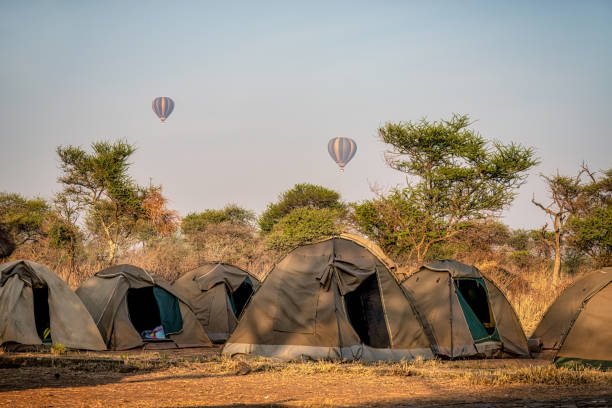
Tented Camp Safari June to October
Tented camps provide another popular dry season accommodation style.
Permanent and seasonal camps can place travellers close to major wildlife areas while still offering comfortable beds and private facilities depending on the property.
Seasonal camps may be positioned according to different stages of migration movement.
Camping Safari June to October
Dry season can be a particularly enjoyable period for travellers choosing traditional camping.
Lower rainfall generally simplifies outdoor camp life, although nights can feel cold.
A warm layer, headlamp and suitable sleeping equipment are important.
Private Safari June to October
A private safari provides your booking party with its own vehicle and driver guide.
This can be especially useful during migration season because the daily game drive can focus on your own priorities rather than those of unrelated travellers.
Private travel is also attractive to photographers, families and couples.
Group Joining Safari June to October
Group joining can reduce safari costs by sharing the vehicle with other travellers.
Because June through October is popular, scheduled group departures may be available on selected dates.
Confirm the exact itinerary because a central Serengeti group safari may not automatically visit northern migration areas.
Safari from Moshi June to October
A Serengeti safari can begin directly from Moshi during the dry season.
This is convenient for travellers staying near Kilimanjaro or completing a mountain trek before safari.
Pickup can be arranged from the confirmed Moshi accommodation according to the package.
Safari from Arusha June to October
Arusha is another major starting point for northern Tanzania safaris.
Road itineraries can travel through the northern circuit toward Serengeti, while fly in options can also be considered for travellers targeting distant Serengeti regions.
Road Safari or Fly In Safari?
A road safari provides the opportunity to combine Serengeti with Ngorongoro, Tarangire and Lake Manyara.
A fly in safari can reduce long road transfers, particularly when travelling to northern Serengeti.
Some itineraries combine road transport in one direction with a domestic flight in the other.
Serengeti and Ngorongoro June to October
Serengeti and Ngorongoro Crater form an excellent dry season combination.
Serengeti provides expansive wildlife landscapes, while Ngorongoro offers concentrated game viewing within the crater environment.
A four or five day road itinerary can combine the two, while additional days provide more Serengeti exploration.
Serengeti and Tarangire June to October
Tarangire is an excellent dry season addition because wildlife can become increasingly dependent on the Tarangire River and other remaining water sources.
The combination can provide strong elephant viewing opportunities in Tarangire together with Serengeti predators and plains wildlife.
Serengeti, Ngorongoro and Tarangire
These three destinations form one of the classic northern Tanzania dry season safari combinations.
Five to six days provides a more balanced itinerary than trying to include all three within an extremely short safari.
Serengeti and Lake Manyara June to October
Lake Manyara can add forest, Rift Valley and lake habitats to a Serengeti itinerary.
This is useful for travellers wanting more landscape variety within their northern circuit safari.
Kilimanjaro and Serengeti June to October
The dry season is also a popular period for combining Kilimanjaro with a wildlife safari.
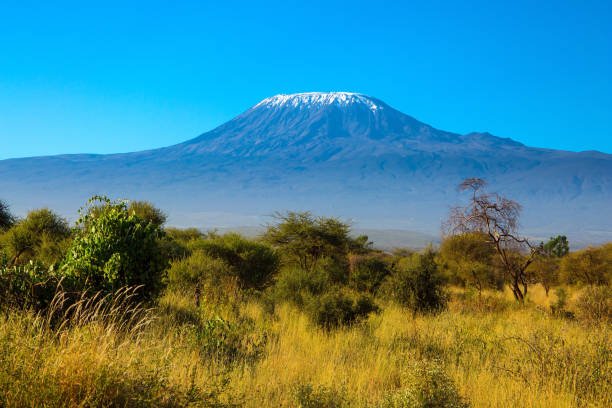
After completing Machame, Lemosho, Marangu or another Kilimanjaro route, travellers can recover in Moshi before beginning the Serengeti portion of the trip.
The safari area should be selected according to the exact month and wildlife priorities.
Serengeti and Zanzibar
Zanzibar can be added after the safari for travellers wanting a wildlife and beach combination.
Domestic flights can connect the safari circuit with Zanzibar according to the route and available schedules.
Baggage restrictions should be checked when using smaller safari aircraft.
How Many Days for Serengeti June to October?
The correct duration depends on the Serengeti region being targeted.
Central Serengeti can fit within shorter northern circuit itineraries.
Northern migration focused safaris generally benefit from additional days because of the greater distances involved.
Suggested Planning Approach
3 days: Short and fast paced; best planned carefully around road distances.
4 days: Can combine Serengeti with Ngorongoro while providing more wildlife time.
5 days: Strong balance for Serengeti plus another northern circuit destination.
6 days or more: Better flexibility for additional Serengeti nights, photography or migration focused regions.
Northern river crossing focus: Allow several nights in the relevant region rather than relying on one game drive.
What to Pack for June to October
- Lightweight safari clothing
- Warm fleece or jacket
- Comfortable trousers
- Sun hat
- Sunglasses
- Sunscreen
- Comfortable closed shoes
- Camera equipment
- Binoculars
- Personal medication
- Power bank
- Small day bag
- Light rain protection
Should You Book Early?
June through October includes popular Tanzania safari months.
Migration focused camps, northern Serengeti properties and well located lodges can fill well in advance.
Booking early provides more accommodation choice, especially for families needing specific room arrangements or travellers wanting particular camps.
Frequently Asked Questions About Serengeti Safari June to October
Is June to October a good time for Serengeti?
Yes. June through October is the main dry season and is widely chosen for general wildlife viewing and migration focused safaris.
Is June good for Serengeti?
Yes. June can provide excellent wildlife viewing as the ecosystem transitions more firmly into dry season conditions.
Is July good for Serengeti?
Yes. July is a popular dry season month with strong general wildlife viewing and seasonal migration interest.
Is August good for Serengeti?
Yes. August is one of the major dry season safari months and can be particularly important for northern Serengeti migration itineraries.
Is September good for Serengeti?
Yes. September generally offers dry conditions, golden landscapes and excellent wildlife viewing.
Is October good for Serengeti?
Yes. October can provide excellent general wildlife viewing while seasonal conditions gradually begin changing.
Is June to October dry season?
Yes. These months fall within Serengeti's main dry season, although occasional rainfall can still occur.
Can I see the Great Migration?
Yes, migration focused safaris can be planned during this period, but the correct Serengeti region depends on the month, rainfall and actual herd movement.
Can I see a Mara River crossing?
You may have an opportunity during suitable northern migration periods, but crossings are natural events and can never be guaranteed.
Which month is best for river crossings?
Northern Serengeti migration periods between roughly the middle and later part of the dry season commonly attract crossing focused travellers, but exact timing varies naturally.
Are river crossings guaranteed?
No. Wildebeest may wait, change direction or cross unexpectedly, so no safari operator can guarantee a particular crossing day.
How many nights should I stay in northern Serengeti?
Several nights provide greater flexibility for migration focused game drives and reduce reliance on one short opportunity.
Can I see lions?
Yes. Lions live in Serengeti year round and may be encountered during dry season game drives, although sightings cannot be guaranteed.
Can I see cheetahs?
Cheetahs occur in suitable Serengeti habitats and may be encountered during June to October.
Can I see leopards?
Leopards live in Serengeti throughout the year but can be elusive, so sufficient game drive time and good guiding are important.
Is the park crowded during this season?
Some areas can be busy, especially around migration concentrations, river crossing zones and major predator sightings.
Is June quieter than August?
Visitor levels vary by region and year, but later peak migration periods can create greater demand in some northern areas.
Is it cold in Serengeti during June to October?
Early mornings and evenings can feel cool, so a fleece or warm jacket is recommended even when daytime conditions become warm.
Does it rain during the dry season?
Rainfall is generally lower, but occasional showers remain possible, so lightweight rain protection is still useful.
Is June to October good for photography?
Yes. Dry landscapes, wildlife visibility, golden vegetation and strong early morning and evening light can provide excellent photography conditions.
Should I bring binoculars?
Yes. Binoculars are useful for distant predators, birds and migration herds that remain away from the road.
Can I camp during June to October?
Yes. Dry season can be particularly suitable for camping, although nights may be cold and proper sleeping equipment is important.
Are lodges available?
Yes. Serengeti has lodge and tented camp options in different regions, but popular properties can fill early during peak dry season dates.
Can I start the safari from Moshi?
Yes. Pickup can be arranged from a confirmed Moshi hotel for road safaris according to the package.
Can I combine Serengeti with Ngorongoro?
Yes. Serengeti and Ngorongoro Crater form one of the most popular northern Tanzania wildlife combinations.
Can I add Tarangire?
Yes. Tarangire is an excellent dry season addition, particularly for travellers interested in elephants and baobab landscapes.
Can I climb Kilimanjaro and then visit Serengeti?
Yes. Kilimanjaro and Serengeti can be combined, with a recovery night in Moshi often useful before starting the safari.
Can I go to Zanzibar after Serengeti?
Yes. Zanzibar can be added after the safari using suitable domestic flight and transfer arrangements.
Should I book June to October early?
Yes. Popular lodges, tented camps and migration focused accommodation can fill early during peak dry season dates.
Which month between June and October should I choose?
Choose according to your priorities. June offers an early dry season transition, July through September are popular for dry season and migration focused travel, while October provides excellent wildlife viewing as another seasonal transition begins.
Plan Your Serengeti Safari from June to October
Experience Serengeti during the main dry season with professional wildlife game drives, carefully selected accommodation and an itinerary designed around your month, migration interests, wildlife priorities and preferred safari style.
Plan Your Dry Season Serengeti Safari

 Serengeti Safari
.jpg "Tanzania Safari for Two People 2026-2027")