Tanzania Photography Safari
A Tanzania Photography Safari focuses on giving photographers enough time, suitable vehicle positioning and access to varied wildlife habitats across northern Tanzania.
Serengeti National Park, Ngorongoro Conservation Area, Tarangire National Park and Lake Manyara National Park can all provide different photographic opportunities.
One destination may be stronger for open landscapes, another for elephants, another for predators or birdlife.
A photography focused itinerary should therefore be designed around the type of images the traveller wants to create rather than simply visiting as many parks as possible.
Private safari vehicles are often particularly useful for photographers.
They give the photographer more control over how long to remain at suitable sightings and make it easier to discuss vehicle position directly with the guide.
Early morning and late afternoon light may also be prioritized where park rules, accommodation location and the daily itinerary allow.
Longer stays in fewer wildlife areas can often be more useful for serious photography than changing accommodation every day.
Wildlife remains completely natural.
No safari can guarantee lions, leopards, cheetahs, black rhinos, river crossings, kills, hunts, births or any other specific photographic event.
Tanzania Photography Safari at a Glance
- Best for: Wildlife, bird and landscape photographers
- Recommended safari style: Private vehicle for greater flexibility
- Main destinations: Serengeti, Ngorongoro, Tarangire and Lake Manyara
- Good timing: Early morning and late afternoon where practical
- Seasonal options: Migration, calving and northern Serengeti photography
- Vehicle priority: Window access, viewing roof and practical camera space
- Wildlife: Natural and never guaranteed
Why Choose Tanzania for Wildlife Photography?
Tanzania contains a wide variety of ecosystems within one safari circuit.
Photographers can move between open Serengeti plains, Tarangire's baobab landscapes, Ngorongoro's highland and crater environments and Lake Manyara's forest and wetland habitats.
This variety creates opportunities for wildlife portraits, wider environmental images, landscapes, bird photography and behavioural photography.
The strongest itinerary depends on the photographer's specific interests.
Private Tanzania Photography Safari
A private safari is often the best arrangement for serious photographers.
The vehicle is dedicated to the confirmed traveller or private group.
This means the photographer does not need to leave a promising wildlife sighting because unrelated guests want to move elsewhere.
The guide can also position the vehicle according to light, animal direction and photographic priorities within park rules and safe viewing practices.
Why Private Vehicles Help Photographers
A dedicated vehicle provides more control over waiting time, positioning and wildlife priorities, which can be especially important when a photographer prefers to remain at one sighting rather than continuously moving between animals.
Can Photographers Join a Group Safari?
Yes.
A group joining safari can still provide photography opportunities.
However, the photographer must share the vehicle, viewing space and daily decisions with other guests.
Some travellers may prefer to move frequently while a photographer may want to wait for better behaviour or better light.
For casual photography, a shared safari may be sufficient.
For more specialized work, a private arrangement generally provides greater control.
Best Tanzania Parks for Photography
Each major northern safari destination provides a different photographic environment.
There is no single park that is automatically best for every photographer.
The route should depend on the subjects, scenery and seasonal conditions that matter most to the traveller.
Serengeti Photography Safari
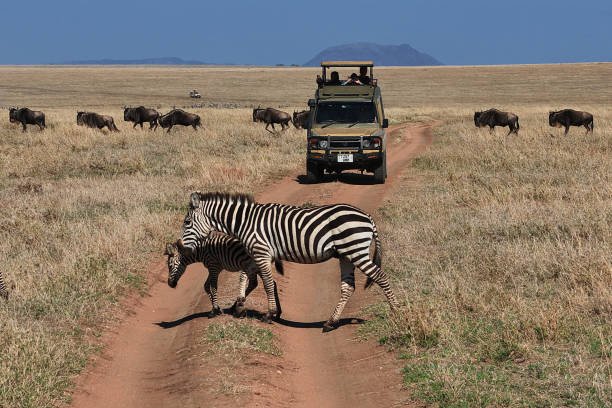
Serengeti National Park is one of Tanzania's most important destinations for wildlife photographers.
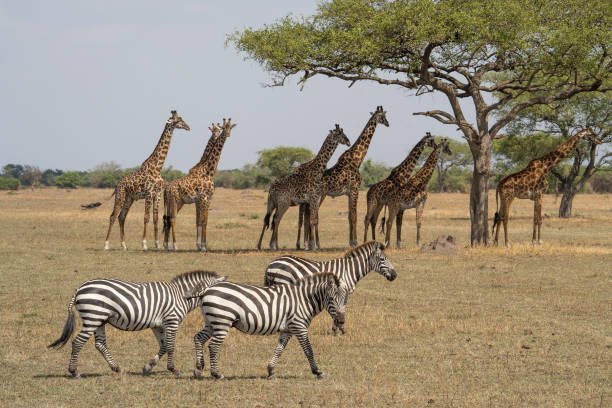
The park offers open plains, kopjes, river systems, acacia landscapes and broad horizons.
Possible subjects include lion, cheetah, leopard, elephant, giraffe, buffalo, wildebeest, zebra, hyena, gazelle and many bird species.
Its open environments can be useful for environmental portraits and action photography where wildlife is present.
Multiple nights in Serengeti can increase the amount of available photography time and reduce daily travel between accommodations.
Central Serengeti Photography
Central Serengeti can provide year round photography opportunities because of resident wildlife and varied habitats.
Rocky kopjes, open grassland and river areas can create different compositions within the same region.
The exact wildlife encountered changes daily.
Spending several nights in one area can allow photographers to revisit productive locations.
Northern Serengeti Photography
Northern Serengeti can be particularly attractive for photographers interested in seasonal migration movement and river environments.
The area may host large concentrations of wildebeest and zebra during suitable seasonal conditions.
However, the exact position of herds varies.
River crossings cannot be predicted precisely and should never be sold as guaranteed photographic events.
Southern Serengeti and Ndutu Photography
The southern Serengeti and Ndutu ecosystem can provide strong photographic opportunities during the broader green and calving season.
Large herds may be present when rainfall and grazing conditions are suitable.
Young animals and predator activity may create interesting behavioural photography opportunities.
Exact births, hunts and predator interactions remain unpredictable.
Great Migration Photography Safari
A Great Migration photography safari should be planned around broad seasonal patterns rather than one fixed location.
The migration is a continuous natural movement.
Rainfall, grazing conditions and herd behaviour determine where animals are concentrated.
A photography itinerary may therefore need to focus on different Serengeti regions at different times of year.
Mara River Crossing Photography
River crossing photography can produce dramatic images when the event occurs.
It also requires patience.
Herds may gather near the river without crossing.
They may move away, cross at another point or cross when conditions do not allow ideal vehicle positioning.
Photographers should therefore treat the event as a possibility rather than the sole reason for the entire safari.
Never Build a Photography Safari around One Guaranteed Event
Migration crossings, hunts, kills and births are unpredictable. A strong photography itinerary provides many possible subjects rather than depending on one event that may not happen during the visit.
Ngorongoro Photography Safari
Ngorongoro provides a different photographic environment from Serengeti.
Where a crater game drive is included, photographers can work with grassland, wetlands, forest edges and crater landscapes.
Possible wildlife includes lion, buffalo, zebra, wildebeest, elephant, hyena, hippo, gazelle and black rhino.
Black rhino can be distant and may require longer lenses.
The crater walls can also provide a distinctive landscape background.
Tarangire Photography Safari
Tarangire is particularly attractive for photographers who enjoy combining wildlife with strong landscapes.
Baobab trees can create distinctive environmental compositions.
Elephant viewing opportunities can be strong depending on season and wildlife movement.
Possible additional subjects include giraffe, zebra, wildebeest, buffalo, warthog, antelope, monkeys and birds.
The park can also provide opportunities for wider scenic images rather than only tight wildlife portraits.
Lake Manyara Photography Safari
Lake Manyara provides forest, woodland, wetland and lake influenced photography opportunities.
Possible subjects include elephant, giraffe, buffalo, zebra, hippo, baboons, blue monkeys and birdlife.
The park can be particularly interesting for photographers who want more vegetation and habitat variation.
Flamingo presence changes according to lake conditions.
Bird Photography in Tanzania
Tanzania can provide strong bird photography opportunities alongside mammal focused game drives.
Wetlands, woodland, grassland and forest habitats support different species.
Photographers interested mainly in birds should tell the guide before the safari so smaller subjects receive more attention during game drives.
Long lenses can be useful because many birds remain at a distance.
Predator Photography
Lions, cheetahs, leopards and hyenas can provide some of the most sought after safari photographs.
They should never be guaranteed.
A guide may search areas where predators are often encountered, but animals move freely.
Patience can be more useful than continually moving between distant reports.
Elephant Photography
Tarangire is widely associated with elephant viewing opportunities, while elephants may also be photographed in other northern parks.
Large animals can work well with both telephoto and wider lenses.
Wide compositions can include baobabs, plains or other environmental features.
Photographers should avoid pressuring the guide to position too close to animals.
Landscape Photography on Safari
Tanzania photography is not limited to wildlife portraits.
Serengeti horizons, Ngorongoro highlands, Tarangire baobabs and Rift Valley scenery can all provide landscape opportunities.
A wide angle or standard zoom lens can therefore be useful even when the main purpose of the trip is wildlife photography.
Best Light for Safari Photography
Early morning and late afternoon often provide softer, warmer light than the middle of the day.
Animals may also be active during cooler periods.
Actual game drive timing depends on park rules, accommodation location and the confirmed itinerary.
Photographers should choose accommodation that supports efficient access to productive areas where possible.
Midday Photography
Midday light can be harsher, but photography opportunities still exist.
Wildlife behaviour, interactions and unexpected encounters do not follow ideal lighting schedules.
Cloud cover can also change conditions significantly.
A flexible photographer should be ready to work with the light available.
Photography Safari Vehicle
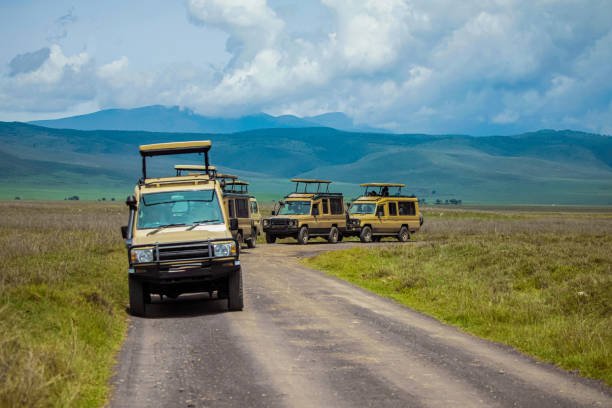
The safari vehicle is a major part of a photography focused trip.
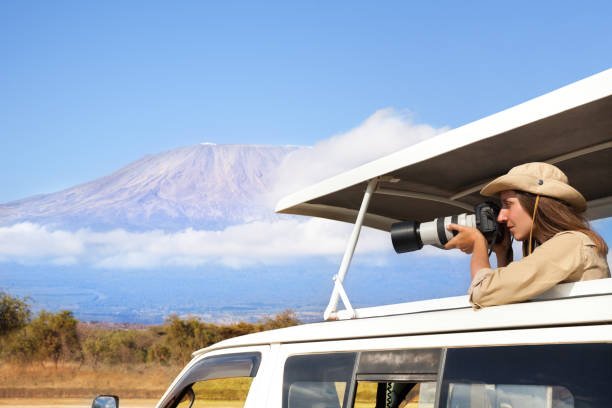
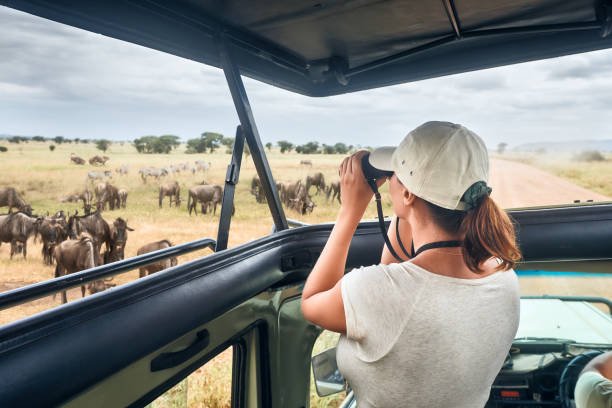
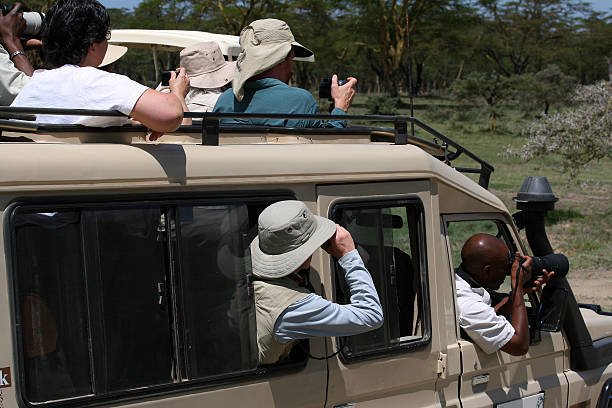
A viewing roof can provide elevated shooting positions when appropriate.
Open windows allow lower angle opportunities from seated positions.
Vehicle occupancy matters because photographers often carry more equipment than standard safari guests.
A private vehicle gives more space for camera bodies, lenses and bags.
Window Seat Access
Photographers should consider how many people will share the vehicle.
Too many guests can make it harder to move between viewing positions.
A private safari removes this problem and allows the photographer to use multiple sides of the vehicle when wildlife position permits.
Bean Bags and Camera Support
Bean bags or other suitable supports can help stabilize longer lenses on vehicle windows or roof edges where appropriate.
Availability should be confirmed before the safari.
Photographers who rely on a particular support system may prefer to bring their own lightweight solution.
Tripods on Safari
Tripods can be useful for landscapes or certain lodge based photography.
Inside a safari vehicle, a full tripod may be less practical than other support methods.
Travellers should consider how much equipment they genuinely need because vehicle and flight luggage space can be limited.
Recommended Camera Lenses
The best lens combination depends on the photographer's style.
A longer telephoto lens is useful for distant wildlife and birds.
A medium telephoto zoom can provide flexibility for animals at varying distances.
A wider lens can help with landscapes, camps, large herds and animals close to the vehicle.
Photographers should avoid bringing so much equipment that changing lenses becomes difficult during fast wildlife encounters.
Two Camera Bodies
Some photographers prefer travelling with two camera bodies fitted with different lenses.
This can reduce the need to change lenses in dusty conditions and allows quicker response when wildlife distance changes suddenly.
It also provides redundancy if one camera develops a technical problem.
Camera Dust and Protection
Safari environments can be dusty.
Camera bags should close securely.
Photographers may also want basic cleaning equipment suitable for their cameras and lenses.
Changing lenses should be done carefully, especially in dry and dusty conditions.
Memory Cards and Storage
Wildlife photographers may create many images each day.
Bring enough memory cards for the planned trip.
Some travellers also carry a laptop or storage device for backups.
Backup strategy should be planned before arrival rather than after memory cards begin filling during the safari.
Charging Camera Batteries
Battery charging facilities depend on the safari accommodation and vehicle arrangement.
Lodges and tented camps may provide charging according to their facilities.
Photographers should confirm this before booking, especially when travelling with several batteries.
Power banks and spare batteries can provide additional security.
Electricity at Safari Camps
Some camps may use generators or solar power and may not provide unrestricted electricity throughout the day.
This matters for photographers carrying cameras, phones, laptops and other electronic equipment.
Ask about charging facilities for each confirmed accommodation where this is important.
Photography Safari Luggage
Camera equipment can make luggage planning more complicated.
Photographers should review vehicle space and any domestic flight baggage limits before finalizing equipment choices.
Heavy hard cases may be less practical where soft sided luggage is recommended.
Critical camera equipment should be packed carefully according to airline requirements.
Domestic Flights and Camera Gear
Fly in safari sectors can reduce road travel but may introduce stricter baggage limits.
Photographers carrying heavy camera equipment should confirm the actual luggage policy before booking flights.
Do not assume international airline baggage allowances will apply to smaller domestic aircraft.
Photography Safari Accommodation
Accommodation location can be as important as luxury level.
A camp close to productive wildlife areas may reduce driving time and improve access to morning or evening light.
Photographers should therefore compare location, charging facilities and road access alongside room comfort.
Tented Camps for Photographers
Tented camps can provide strong access to wildlife areas while maintaining comfortable sleeping arrangements according to the property.
Some seasonal camps move according to broader wildlife patterns.
This can be useful for migration focused photography where the accommodation location matches the expected seasonal region.
Lodge Photography Safari
Lodges can provide established rooms, dining areas and charging facilities.
The tradeoff is that some properties may be farther from particular wildlife zones.
The correct choice depends on whether comfort, location or both are the priority.
Camping Photography Safari
Camping can reduce accommodation costs and keep photographers closer to certain safari environments according to the route.
However, charging equipment and storing camera gear may require additional planning.
Photographers choosing camping should confirm power, security and luggage arrangements before departure.
How Many Days for a Tanzania Photography Safari?
Photography generally benefits from additional time.
A short safari can still produce excellent images, but changing destinations every day reduces the amount of time spent waiting for behaviour or revisiting productive locations.
Photographers may prefer several nights in Serengeti rather than trying to cover every northern park in a short itinerary.
Short Photography Safari
A shorter itinerary may focus on Tarangire and Ngorongoro.
This can provide elephants, landscapes and varied wildlife environments within a limited number of days.
The route should remain realistic and avoid unnecessary transfers.
Classic Photography Safari
A classic itinerary can combine Tarangire, Serengeti and Ngorongoro.
Photographers may then allocate additional nights to Serengeti for more wildlife time.
This creates a balance between habitat variety and depth of photography.
Long Photography Safari
A longer safari can include different Serengeti regions and multiple full game drive days.
This is useful for photographers interested in behavioural images, migration movement or specific wildlife categories.
Longer stays also improve the chance of experiencing varied weather and light conditions.
Best Time for Tanzania Photography Safari
There is no single photography season that is best for every subject.
Different seasons create different landscapes and wildlife patterns.
Drier months may provide dusty atmospheric conditions and concentrations around water.
Greener months can create lush backgrounds and dramatic skies.
Migration focused photographers need to consider the seasonal location of the herds.
Dry Season Photography
Drier periods can provide open visibility in some habitats and wildlife concentration around water sources.
Dust can create atmospheric images but may also require more equipment care.
Popular safari areas can be busier during certain parts of the dry season.
Green Season Photography
Green season can produce fresh landscapes and colourful backgrounds.
Clouds and changing weather may create dramatic light.
Birdlife can also be an important photography subject during suitable seasonal conditions.
Rain may affect roads and game drive planning in some areas.
Photography during Calving Season
The broader calving period can provide opportunities to photograph large herds and young animals in the southern Serengeti ecosystem.
Predator activity may also occur.
Photographers should remember that neither births nor hunts happen on schedule for visitors.
Ethical Wildlife Photography
Strong wildlife photography should not come at the expense of animal welfare.
Do not pressure guides to drive too close, block animal movement or disturb resting wildlife.
Flash use and other photography practices should follow guide instructions and applicable park rules.
Photographers should respect the fact that wildlife behaviour is more important than obtaining one image.
The Photograph Is Never More Important Than the Animal
Good safari photography works within park rules and respectful viewing distances. Wildlife should never be blocked, chased or disturbed simply to improve a composition.
Photographing People and Communities
If a photography itinerary includes cultural experiences, photographers should ask permission before taking close portraits or photographing private activities.
Community visits should be arranged respectfully through participating hosts.
A person should not be treated as a photographic subject without regard for consent or context.
Photography Safari from Moshi
A photography safari can begin from Moshi for travellers staying in the Kilimanjaro region.
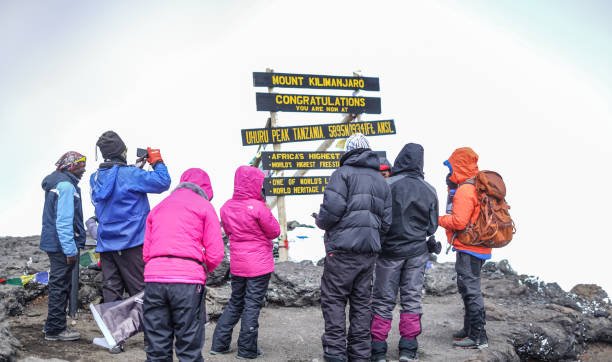
This is especially convenient after a Mount Kilimanjaro climb.
Pickup can be arranged from the confirmed accommodation according to the package.
The route then continues toward the northern safari circuit.
Photography Safari from Arusha
Arusha is another common starting point.
The exact starting location should be confirmed before booking because transfer arrangements differ between Arusha and Moshi.
Photographers arriving through Kilimanjaro International Airport can organize the appropriate transfer according to their first hotel and safari schedule.
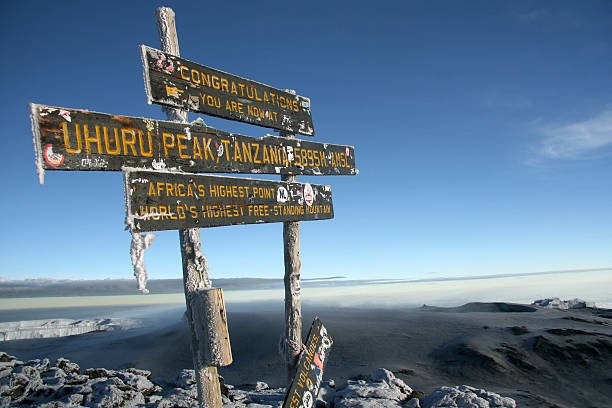
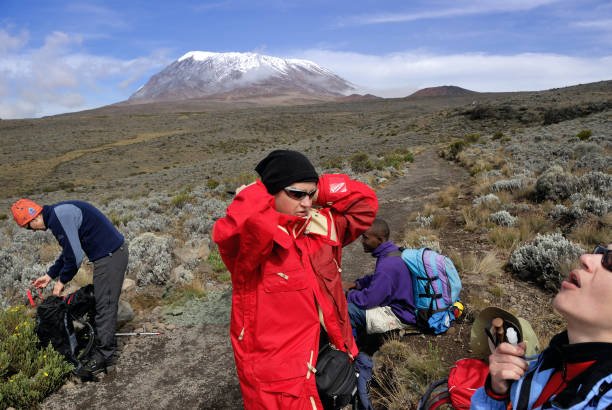
Kilimanjaro and Photography Safari
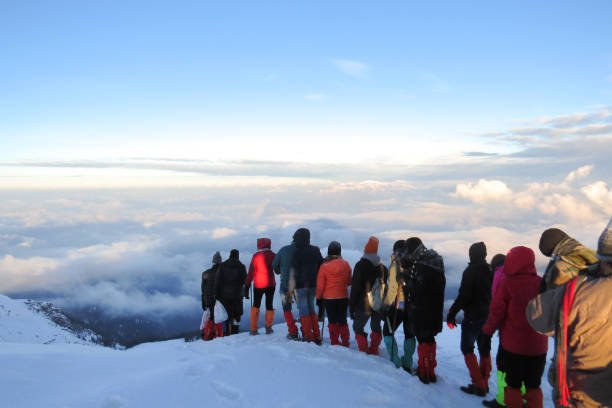
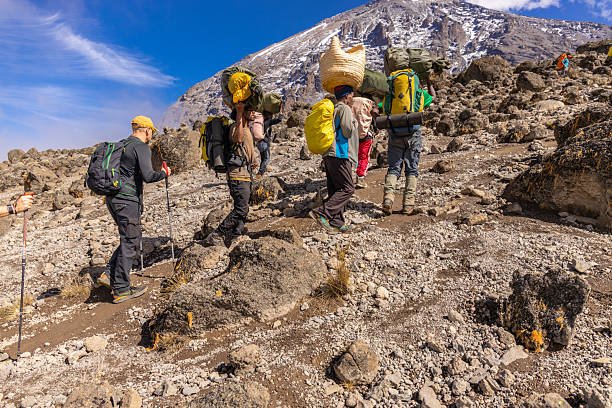
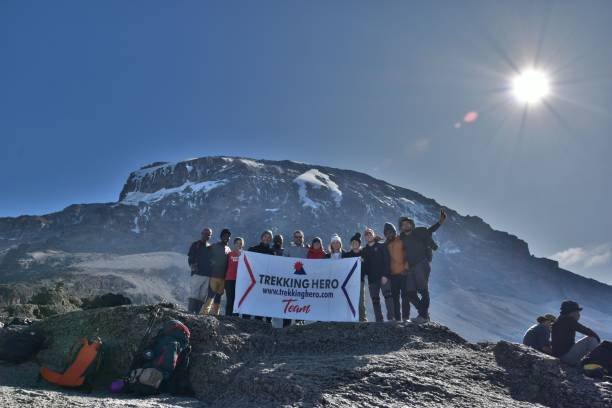
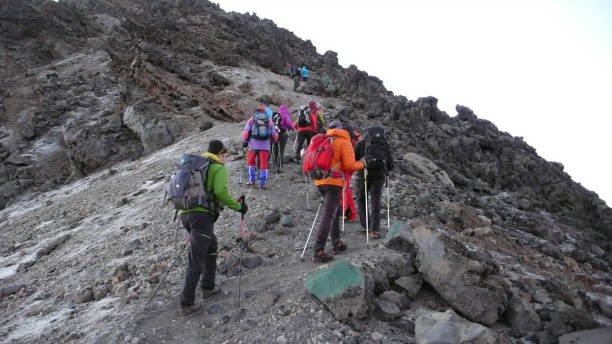
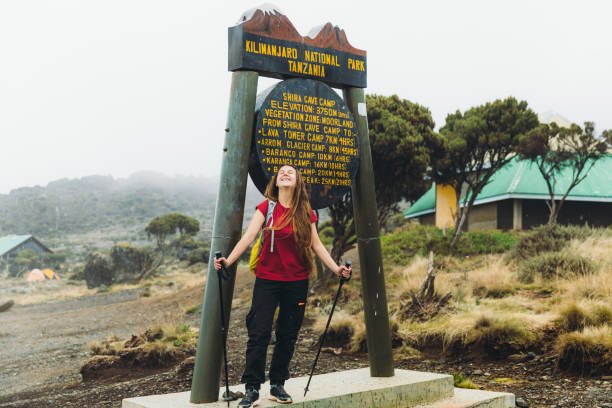
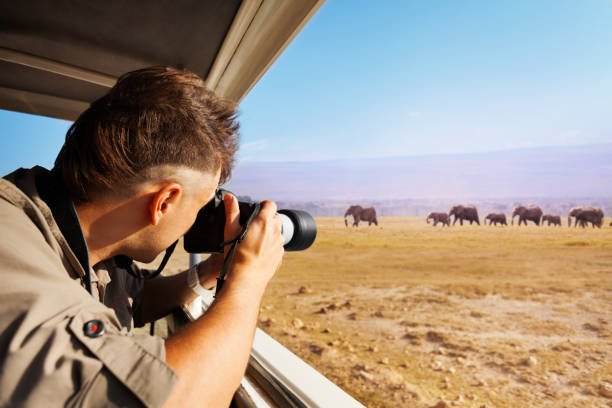
Travellers can combine Mount Kilimanjaro with a wildlife photography safari.
After the mountain trek, a recovery night may be useful before beginning the safari.
Mountain equipment not required for safari can be stored according to the confirmed arrangement.
Camera equipment should be kept separate from trekking gear to simplify luggage handling.
Photography Safari and Zanzibar
Zanzibar can be added after a wildlife photography safari.
The island provides additional subjects such as coastal landscapes, architecture and locally hosted experiences where appropriately arranged.
Photographers should be particularly respectful when photographing people and ask permission where appropriate.
Travel Insurance for Camera Equipment
Photographers may travel with expensive equipment.
Travel insurance should be reviewed carefully to understand coverage for cameras, lenses and electronics.
Do not assume a standard policy covers the full value of professional equipment.
Travellers should also review medical and cancellation coverage according to their needs.
Tanzania Photography Safari Cost
The price depends on safari duration, parks visited, accommodation, season, vehicle arrangement and group size.
A private vehicle normally costs more than joining a shared departure but can provide significantly more flexibility for photography.
Seasonal Serengeti locations, premium camps and domestic flights can also affect the final cost.
The correct comparison is therefore value for the photography experience rather than only the lowest package price.
What Affects Photography Safari Price?
- Number of safari days
- Private or shared vehicle arrangement
- Number of photographers sharing the vehicle
- Serengeti regions included
- Park and conservation arrangements
- Accommodation category and location
- Season
- Domestic flights
- Specialized vehicle or equipment arrangements where available
- Additional luggage requirements
Budget Photography Safari
A photography safari does not have to use premium accommodation.
Costs can be reduced through camping, value lodges or sharing a vehicle with another photographer who has similar priorities.
The key is ensuring the group shares the same approach to waiting time and photography.
A general sightseeing group may not be ideal for a photographer who wants to spend hours at one location.
Small Group Photography Safari
A small group of photographers can share one vehicle and reduce the cost of a fully private solo safari.
The group should remain small enough that each photographer has practical access to suitable shooting positions.
Participants should also have similar wildlife and photography priorities.
Typical Photography Safari Inclusions
- Agreed safari transport
- Professional safari guide
- Private or shared safari 4x4 according to the confirmed package
- Applicable park and conservation arrangements where specified
- Game drives according to the itinerary
- Ngorongoro crater arrangements where specifically included
- Accommodation where specified
- Meals according to the confirmed program
- Drinking water where specified
- Final transfer according to the agreed itinerary
Typical Exclusions
- International flights
- Tanzania visa
- Travel insurance
- Tips
- Camera equipment
- Camera equipment insurance
- Additional baggage charges unless specified
- Domestic flights unless specified
- Alcoholic and personal drinks unless specified
- Personal expenses
- Optional activities and upgrades
Photography Safari Packing List
- Camera body or bodies
- Telephoto lens
- Medium zoom lens
- Wide angle or standard lens
- Spare batteries
- Battery chargers
- Multiple memory cards
- Camera cleaning equipment
- Protective camera bag
- Laptop or backup device where required
- Power bank where practical
- Bean bag or support system if preferred
- Lens cloths
- Comfortable safari clothing
- Sun protection
- Personal medication
Tanzania Photography Safari Booking Checklist
Confirm before Booking
- Main photography subjects
- Preferred safari season
- Private or shared vehicle
- Number of photographers per vehicle
- Serengeti region or seasonal focus
- Accommodation location
- Charging facilities
- Vehicle space for camera equipment
- Domestic flight baggage limits
- Pickup and final drop off
- Meals included
- Park and conservation arrangements
- Complete inclusions and exclusions
- Payment and cancellation conditions
Frequently Asked Questions
Is Tanzania good for wildlife photography?
Yes. Northern Tanzania offers varied habitats, wildlife and landscapes across Serengeti, Ngorongoro, Tarangire, Lake Manyara and other areas.
Should photographers choose a private safari?
A private safari is often useful because it gives photographers more control over waiting time, vehicle positioning and wildlife priorities.
Can I join a group photography safari?
Yes. A small group of photographers with similar priorities can share costs while still maintaining a photography focused itinerary.
Which park is best for photography?
There is no single best park. Serengeti is strong for open wildlife environments, Tarangire for elephants and baobabs, Ngorongoro for varied crater habitats and Lake Manyara for forest and wetland scenes.
Can I photograph the Great Migration?
Yes. A safari can target the broader seasonal region where migration activity is expected, but exact herd locations cannot be guaranteed.
Can you guarantee a Mara River crossing?
No. River crossings are unpredictable and may not happen during the time a photographer is present.
Can I photograph calving in Ndutu?
The southern Serengeti and Ndutu ecosystem can provide calving season opportunities, but exact births and herd positions cannot be guaranteed.
Can I photograph lions and cheetahs?
Lions and cheetahs may be encountered in suitable habitats, but predator sightings are natural and cannot be guaranteed.
What lens should I bring?
Many photographers use a long telephoto lens for wildlife, a medium zoom for flexible distances and a wider lens for landscapes and close subjects.
Should I bring two camera bodies?
Two bodies can be useful for keeping different lenses ready and reducing lens changes in dusty conditions, although this depends on personal equipment preference.
Can I charge camera batteries on safari?
Charging facilities vary by lodge and camp. Photographers should confirm power arrangements for each accommodation before travelling.
Do safari vehicles have enough space for camera gear?
A private vehicle generally provides more space for equipment. Group vehicle space depends on the number of guests and luggage arrangement.
Can I use a tripod?
Tripods may be useful in some situations, but they can be less practical inside a safari vehicle. Bean bags or other supports may be easier for long lenses during game drives.
Do domestic flights limit camera baggage?
Domestic flights may have stricter luggage limits than international airlines, so photographers should confirm the actual policy before booking fly in sectors.
What is the best time of day for photography?
Early morning and late afternoon often provide softer light, although wildlife opportunities can occur at any time of day.
Can I photograph birds?
Yes. Tanzania supports diverse birdlife, and photographers should tell the guide if bird photography is a major priority.
Can I combine photography safari with Kilimanjaro?
Yes. A photography safari can begin after a Kilimanjaro climb according to the confirmed travel plan.
Can I combine photography safari with Zanzibar?
Yes. Zanzibar can add coastal, architectural and travel photography opportunities after the wildlife safari.
Should I insure my camera equipment?
Photographers should review insurance carefully and confirm whether the policy adequately covers the value of cameras, lenses and other electronics.
Can I photograph local communities?
Where a cultural visit is arranged, photographers should ask permission before close portraits or photographing private activities and respect the participating community's preferences.
How many days should a photography safari be?
More days usually provide greater flexibility, especially for photographers who want to wait for behaviour or revisit productive areas. The ideal duration depends on budget and photographic goals.
How much does a Tanzania Photography Safari cost?
The price depends on duration, private or shared vehicle arrangements, group size, parks, accommodation, season, domestic flights and any specialized photography requirements.
What is the most important Tanzania photography safari advice?
Choose an itinerary with enough time in productive areas, avoid overloading the route with too many destinations, use a private or very small group vehicle where possible and remain patient because the strongest wildlife photographs often depend on waiting for natural behaviour.
Plan Your Tanzania Photography Safari
Build a photography focused itinerary around the wildlife, landscapes, seasonal conditions and safari regions that matter most to you, with enough time and vehicle flexibility to work patiently with natural behaviour.
Plan Your Photography Safari

 Kilimanjaro Climb