Tanzania Traditional Food Tour
The Tanzania Traditional Food Tour introduces travellers to local ingredients, markets, farming traditions, cooking methods and regional food experiences through locally guided activities.
Tanzania's food traditions vary between regions, communities and households, so the experience should not be understood as one fixed national menu.
Depending on the destination and confirmed program, travellers can explore a local market, visit farms, learn about ingredients, participate in selected cooking activities and enjoy a locally prepared meal.
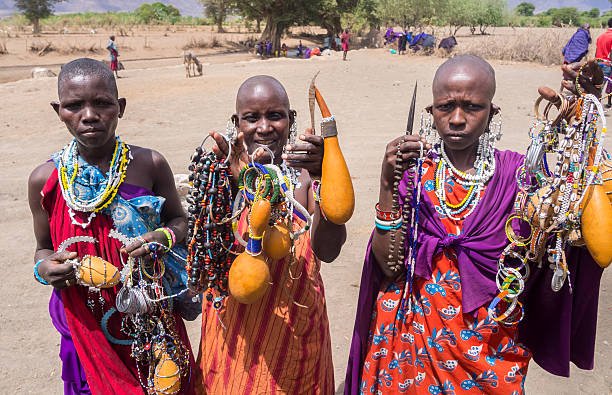
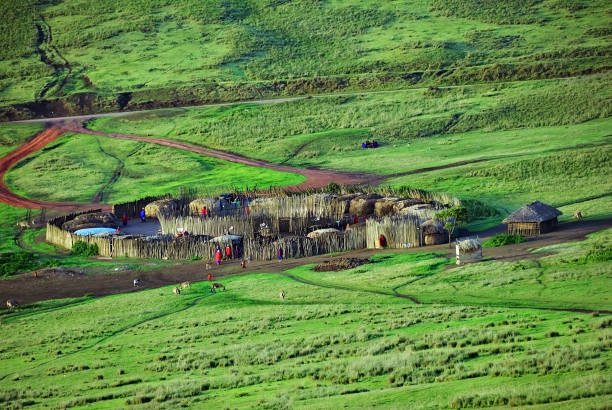
The tour is designed around respectful cultural learning, with community hosts, cooks, farmers and traders treated as partners rather than attractions.
Tanzania Traditional Food Tour at a Glance
- Main focus: Local food, ingredients, markets and cultural learning.
- Possible activities: Market visits, cooking experiences, farm visits and shared meals.
- Destinations: Flexible according to the confirmed itinerary.
- Possible locations: Moshi, Arusha, Mto wa Mbu and other suitable destinations.
- Duration: Half day, full day or customised.
- Tour style: Private or customised.
- Possible extensions: Kilimanjaro, Lake Manyara, Tarangire, Ngorongoro, Serengeti and Zanzibar.
- Suitable for: Couples, families, solo travellers and private groups.
Why Choose a Tanzania Traditional Food Tour?
Food can provide an accessible way to learn about agriculture, trade, household life and cultural traditions.
A food tour can connect the ingredients found in markets and farms with the dishes prepared in homes, community kitchens or selected local food venues.
Rather than presenting Tanzanian cuisine as one fixed tradition, the experience can highlight regional differences, locally available ingredients and the preferences of individual hosts.
Main Tanzania Traditional Food Tour Highlights
- Locally guided food experience
- Local market visit when included
- Fresh fruits and vegetables
- Regional ingredients and spices
- Cooking experience when included
- Farm or food production visit when available
- Shared local meal when included
- Community and cultural learning
- Food related small businesses when included
- Optional safari and Kilimanjaro extensions
Main Tanzania Food and Cultural Experiences
MARKET
01
LOCAL INGREDIENTS
Traditional Market Experience
A local market can provide an introduction to the ingredients used in everyday cooking.
Depending on the destination and season, travellers may see fruits, vegetables, grains, legumes, spices and other locally traded food products.
The guide can explain selected ingredients, how they are used and where they come from.
COOK
02
FOOD PREPARATION
Traditional Cooking Experience
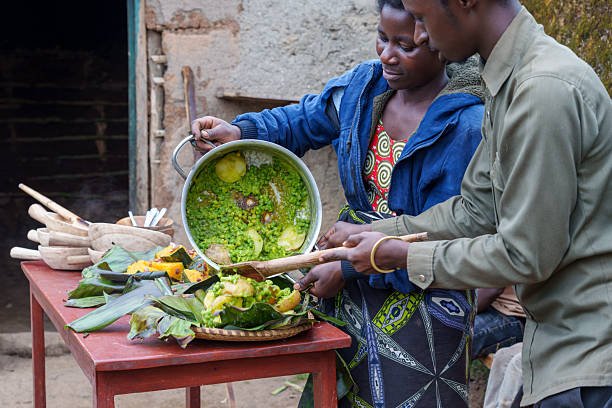
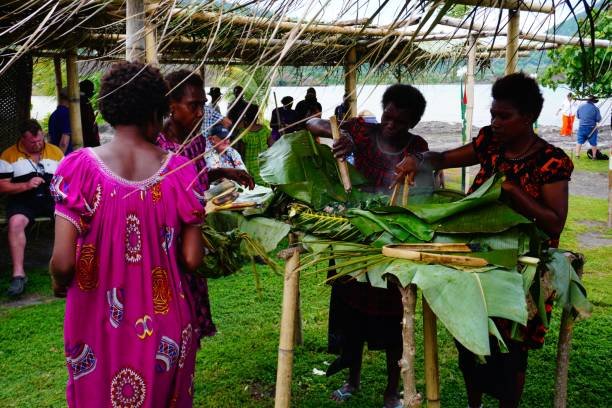
Selected food tours can include a cooking experience hosted by local cooks or community members.
Travellers may observe or participate in selected preparation stages while learning about ingredients and cooking techniques.
Possible Cooking Experience Themes
- Preparing vegetables and fresh ingredients
- Learning about grains, legumes and staple foods
- Using selected herbs and spices
- Learning household cooking techniques
- Preparing selected regional dishes
- Sharing the finished meal when included
The exact dishes and activities depend on the destination, hosts, available ingredients and confirmed program.
FARM
03
FOOD PRODUCTION
Farm and Ingredient Experience
Some Tanzania food tours can include farms, plantations or other food production areas when available.
A local guide can explain how selected crops are grown and how agricultural products connect with markets and household cooking.
Possible Farming Themes
- Bananas
- Vegetables
- Fruits
- Coffee when included in suitable regions
- Seasonal crops
- Small scale agriculture
The crops visible during a tour vary according to location, season and the farm included.
MEAL
04
SHARED FOOD
Traditional Meal Experience
A shared meal can be included as part of the tour when specified in the itinerary.
The dishes served depend on the host, destination, season, ingredients and dietary arrangements.
Travellers can use the meal as an opportunity to learn more about how food connects with family life, farming and regional traditions.
Traditional Tanzanian Foods
Tanzanian food varies widely between regions, communities and households.
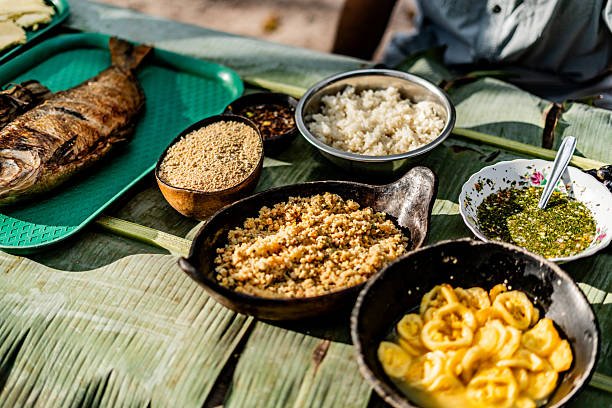
Depending on the tour location and confirmed menu, travellers may encounter meals based on grains, maize, rice, bananas, vegetables, legumes, meat, fish or other locally available ingredients.
No single dish or menu should be presented as representing every community in Tanzania.
Ugali and Everyday Food Traditions
Ugali is one food travellers may encounter during a Tanzania food experience.
When included, hosts can explain how it is prepared and how it may be served alongside vegetables, beans, meat or other accompaniments depending on local preferences.
The exact meal arrangement varies between households and regions.
Rice and Regional Food Experiences
Rice dishes can also form part of selected food experiences.
Preparation, spices, accompaniments and serving styles differ by region and household, allowing travellers to learn about food as a living and changing tradition rather than a fixed recipe.
Bananas and Local Food Culture
Bananas are important in the food and agricultural traditions of several parts of Tanzania.
In suitable destinations, travellers may visit banana growing areas and learn how different varieties can be used for eating, cooking or other local purposes.
The available experience depends on region, season and the confirmed itinerary.
Fresh Fruits and Vegetables
Local markets can provide opportunities to discover seasonal fruits and vegetables.
Availability changes throughout the year, making each market and food experience different according to harvest cycles and local supply.
Tanzanian Spices and Flavours
Spices and seasonings used in Tanzanian cooking vary by destination and dish.
A food guide or host can explain selected spices, how they are used and how regional food traditions have developed through local agriculture, trade and cultural exchange.
Traditional Food and Local Markets
Markets are an important part of many Tanzania food experiences because they connect farming areas with households, restaurants and small businesses.
A guided market visit can help travellers understand ingredients, seasonal availability, pricing, trade and everyday shopping practices.
From Farm to Market to Kitchen
A well planned food tour can connect several stages of the local food system.
- Farm: Learn how selected ingredients are grown.
- Market: See how produce is bought and sold.
- Kitchen: Learn how ingredients are prepared.
- Meal: Taste selected dishes when included.
- Community: Understand how food connects with local livelihoods.
Example Tanzania Traditional Food Tour Itinerary
The exact schedule depends on destination, local arrangements, season and the activities included.
Meet Your Local Guide
Meet the local guide or food host and receive an introduction to the destination and the day's food experiences.
Local Market Visit
Explore a market when included and learn about fresh produce, spices, grains and other ingredients.
Farm or Food Production Experience
Visit a farm, plantation or food production area when included and learn where selected ingredients come from.
Ingredient Preparation
Learn how selected ingredients are cleaned, prepared and organised before cooking.
Cooking Experience
Observe or participate in selected cooking stages when hands on participation forms part of the confirmed program.
Enjoy the Meal
Taste the prepared food when a meal is included and discuss the ingredients, preparation and regional food traditions.
Community or Craft Experience
Continue with selected cultural activities, local businesses or craft experiences when included.
Return or Continue
Return to your accommodation or continue toward another cultural, mountain or safari destination according to the confirmed itinerary.
Half Day Tanzania Traditional Food Tour
A half day experience can focus on a market, local ingredients, selected food preparation and a meal when included.
This format can work well for travellers wanting a cultural activity alongside another excursion.
Full Day Tanzania Traditional Food Tour
A full day tour can include more time for markets, farms, cooking, community activities and a relaxed meal.
The longer format allows travellers to explore the connection between food production, trade and cooking in greater depth.
Private Tanzania Food Tour
A private food tour provides greater flexibility with timing, dietary preferences, walking pace and additional cultural activities.
The itinerary can be customised for solo travellers, couples, families and private groups.
Tanzania Food Tour from Moshi
Moshi can be used as a base for a food and cultural experience in the Kilimanjaro region.
The itinerary can include markets, local food, farming or coffee experiences depending on the confirmed program.
Tanzania Food Tour from Arusha
Arusha can also provide a starting point for local food and market experiences.
The tour can remain within the Arusha area or connect with Mto wa Mbu and the northern Tanzania safari circuit.
Tanzania Food Tour in Mto wa Mbu
Mto wa Mbu can offer opportunities to combine markets, farming, banana growing areas, local cooking and community experiences.
The exact activities depend on local arrangements and can be combined with nearby Lake Manyara.
Tanzania Traditional Food Tour and Kilimanjaro
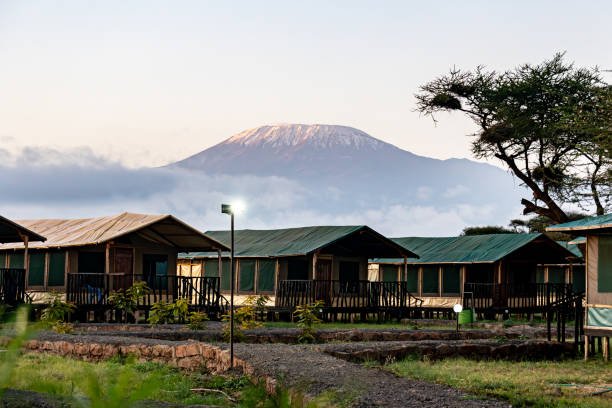
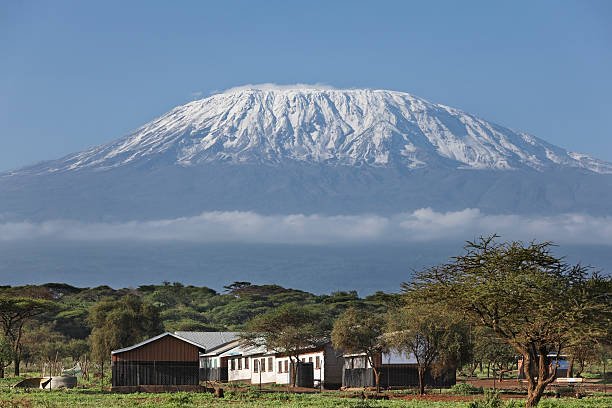
A food experience can be added before or after a Kilimanjaro climb or day hike.
This combination allows travellers to experience mountain landscapes alongside local farming, markets and food traditions.
Tanzania Traditional Food Tour and Lake Manyara
Lake Manyara can be combined with a food and cultural experience in nearby Mto wa Mbu.
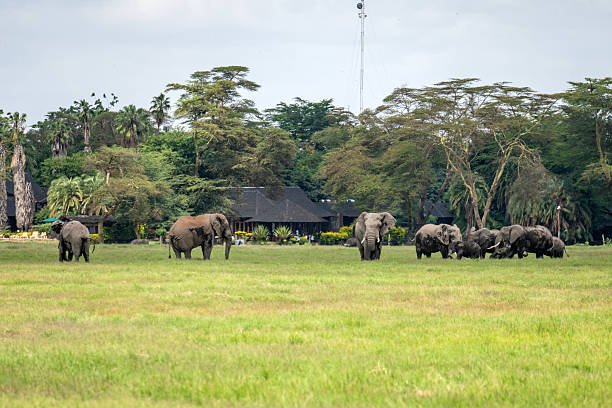
This can create a journey that combines wildlife viewing, community life and regional food experiences.
Tanzania Traditional Food Tour and Tarangire
Tarangire can be added for travellers wanting to combine local food experiences with northern Tanzania wildlife.
The itinerary can include a cultural food program before or after a Tarangire safari.
Tanzania Traditional Food Tour and Ngorongoro
A food and cultural experience can be combined with a journey toward Karatu and Ngorongoro.
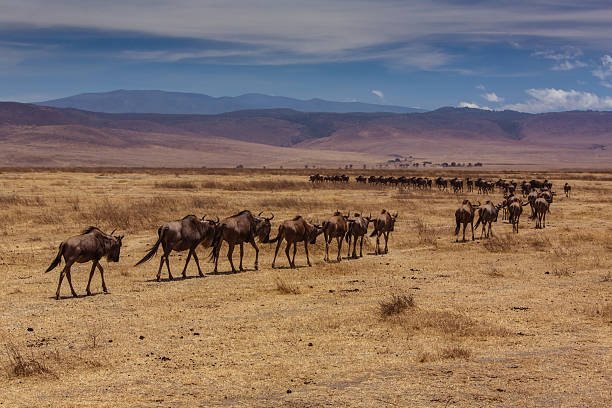
This creates a wider itinerary combining local culture, food traditions, landscapes and wildlife.
Tanzania Traditional Food Tour and Serengeti
Travellers can add a food experience before or after a Serengeti safari.
The combination provides cultural context alongside wildlife viewing and northern Tanzania landscapes.
Tanzania Traditional Food Tour and Zanzibar
Zanzibar can add another regional dimension to a Tanzania food journey.
Travellers can combine mainland food experiences with Swahili coastal cooking, markets, spice experiences and other locally guided activities when included.
Vegetarian Tanzania Food Tour
Vegetarian food arrangements may be possible depending on the location, hosts and ingredients available.
Dietary preferences should be communicated before the tour so the confirmed program can be planned appropriately.
Vegan and Special Dietary Requirements
Vegan or other dietary arrangements may be possible depending on the destination and local ingredients.
Travellers should provide dietary requirements in advance, particularly where a cooking activity or shared meal is included.
Food Allergies
Food allergies should be communicated clearly before the tour.
Hosts and guides can then explain what can reasonably be accommodated within the selected experience.
Travellers with severe allergies should discuss their requirements carefully because kitchen environments and ingredient handling can vary.
Responsible Tanzania Food Tourism
A responsible food tour should respect hosts, traders, farmers and community spaces.
Responsible Visitor Guidelines
- Follow guidance from local hosts and guides.
- Ask permission before photographing people.
- Ask before photographing kitchens or private homes.
- Avoid disrupting traders during busy market periods.
- Respect farms and working areas.
- Support local producers fairly when purchasing products.
- Do not treat everyday food preparation as staged entertainment.
- Treat community members as hosts and cultural partners.
Photography During the Food Tour
Photography may be possible, but permission and privacy should always come first.
- Ask before photographing individuals.
- Ask before photographing inside homes or kitchens.
- Respect anyone who declines a photograph.
- Avoid interrupting cooking, farming or trading activities.
- Follow advice from the local guide.
Best Time for a Tanzania Traditional Food Tour
Food tours can be arranged during different periods of the year.
Fresh produce, fruits, crops and ingredients change according to region, rainfall and harvest seasons.
The experience may therefore differ throughout the year, which can be part of the value of exploring local seasonal food traditions.
What to Wear
- Comfortable walking shoes
- Lightweight clothing
- Comfortable trousers or shorts
- Light long sleeves for sun protection
- Sun hat
- Sunglasses
- Light sweater when required
- Rain protection during wetter conditions
What to Bring
- Reusable water bottle
- Small daypack
- Sunscreen
- Sun hat
- Camera or phone
- Personal medication
- Details of dietary requirements
- Details of food allergies
- Cash for optional locally made products
Typical Tanzania Traditional Food Tour Inclusions
- Local guide or food host
- Market experience when included
- Cooking activity when included
- Ingredients according to the confirmed program
- Farm visit when included
- Local meal when specifically included
- Community activities when stated
- Drinking water when included
- Transportation when stated
- Hotel pickup and drop off when specifically included
Typical Tour Exclusions
- International flights
- Tanzania visa
- Travel insurance
- Accommodation unless stated
- Meals not listed in the confirmed program
- Alcoholic beverages
- Personal expenses
- Optional activities
- Crafts and souvenirs
- Tips
- Safari park fees unless specifically included
Tanzania Traditional Food Tour Cost Factors
The final price depends on the destination, number of travellers, transportation and activities included.
Main Cost Factors
- Number of travellers
- Destination
- Half day or full day experience
- Transportation and fuel
- Local guide or host
- Market activities
- Cooking experience
- Food ingredients and meal
- Farm or plantation visits
- Safari or cultural extensions
Tanzania Traditional Food Tour for Families
The tour can be suitable for families interested in food, markets, farming and cultural learning.
Cooking participation and walking distances can be adjusted where possible according to children's ages and the host setting.
Tanzania Traditional Food Tour for Couples
Couples can arrange a private food and cultural experience and combine it with Kilimanjaro, wildlife safari destinations or Zanzibar.
The tour can also form part of a longer honeymoon itinerary.
Tanzania Traditional Food Tour for Solo Travellers
Solo travellers can arrange a private food experience according to the selected destination and available local arrangements.
The tour can also be added to a wider Tanzania itinerary.
Who Is the Tanzania Traditional Food Tour Best For?
- Travellers interested in local food
- Visitors interested in cooking
- Travellers interested in markets
- Visitors interested in farming and food production
- Safari travellers wanting a cultural extension
- Kilimanjaro travellers wanting a local experience
- Couples
- Families
- Solo travellers
- Private groups
Important Information About the Tanzania Traditional Food Tour
The Tanzania Traditional Food Tour is a flexible cultural experience, and exact activities vary according to destination, hosts, ingredients, season and local arrangements.
Travellers should not expect one fixed menu to represent all Tanzanian food traditions.
Dietary requirements and allergies should be communicated before the tour.
Photography should always be requested respectfully, especially in private kitchens, homes, farms and market stalls.
The confirmed itinerary should clearly state the destination, transportation, food activities, meals, guide services and any additional safari or cultural experiences.
Why Book a Tanzania Traditional Food Tour?
The Tanzania Traditional Food Tour provides an opportunity to explore Tanzania through ingredients, markets, farming, cooking and shared meals.
Travellers can learn how local food systems connect farms, traders, kitchens and communities while experiencing regional traditions in a respectful way.
The tour can remain a focused food experience or be combined with Kilimanjaro, Lake Manyara, Tarangire, Ngorongoro, Serengeti, Mto wa Mbu or Zanzibar.
Frequently Asked Questions
What is a Tanzania Traditional Food Tour?
It is a locally guided cultural experience focused on Tanzanian ingredients, markets, cooking, farming and food traditions.
Will I learn how to cook Tanzanian food?
Cooking participation can be included when it forms part of the confirmed program.
Which traditional foods will I try?
The menu depends on destination, hosts, season, available ingredients and dietary arrangements.
Can I visit a local market?
Yes. Market visits can be included depending on the selected destination and confirmed itinerary.
Can I visit a local farm?
Farm or plantation visits may be included in suitable destinations when available.
Is a meal included?
A meal can be included when specifically stated in the confirmed food tour program.
Can vegetarians join the tour?
Vegetarian arrangements may be possible when communicated in advance and supported by the selected menu.
Can vegan food be arranged?
Vegan arrangements may be possible depending on destination, hosts and locally available ingredients.
What should I do if I have food allergies?
Provide full allergy information before the tour so the host can explain what can reasonably be accommodated.
Can I book the food tour in Moshi?
Yes. Food and cultural experiences can be arranged around Moshi depending on the confirmed program.
Can I book the food tour from Arusha?
Yes. Arusha can be used as a starting point for local food experiences or trips toward Mto wa Mbu.
Can I combine the tour with Mto wa Mbu?
Yes. Mto wa Mbu can offer market, farming, cooking and community experiences depending on the confirmed program.
Can I combine the food tour with Kilimanjaro?
Yes. A food experience can be added before or after a Kilimanjaro climb or day hike.
Can I combine it with a safari?
Yes. Lake Manyara, Tarangire, Ngorongoro and Serengeti can be included in a wider cultural and wildlife itinerary.
Can I combine it with Zanzibar?
Yes. Zanzibar can add Swahili coastal food, market and spice experiences to a wider Tanzania food journey.
Can I take photographs during the food tour?
Photography may be possible, but permission should always be requested before photographing people, kitchens, private homes or market stalls.
Is the Tanzania food tour suitable for families?
It can be suitable for families when cooking activities, walking distance and supervision are planned according to children's ages.
Can solo travellers book?
Yes. Solo travellers can arrange a private Tanzania Traditional Food Tour according to available local arrangements.
Are all food activities guaranteed?
No. Markets, farms, ingredients, cooking activities and meals depend on destination, local schedules, season and the confirmed program.
How do I request a Tanzania Traditional Food Tour?
Provide your preferred travel date, number of travellers, starting location, dietary requirements and any safari, Kilimanjaro or Zanzibar experiences you would like included.
Request Your Tanzania Traditional Food Tour
Share your preferred travel date, number of travellers, starting location and dietary requirements to receive a personalised Tanzania Traditional Food Tour combining markets, local ingredients, cooking, farming and optional cultural or wildlife experiences.
Book Your Tanzania Traditional Food Tour