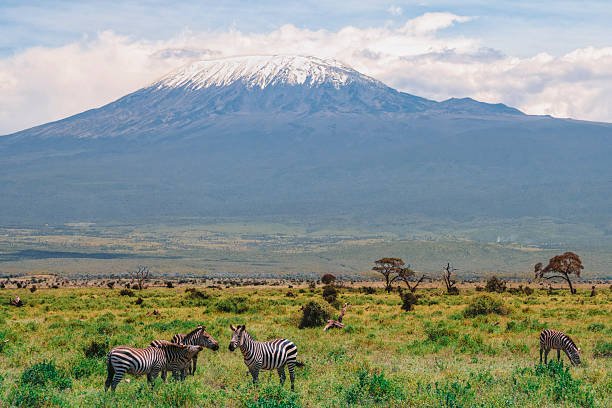
3 Day Kilimanjaro Group Trek
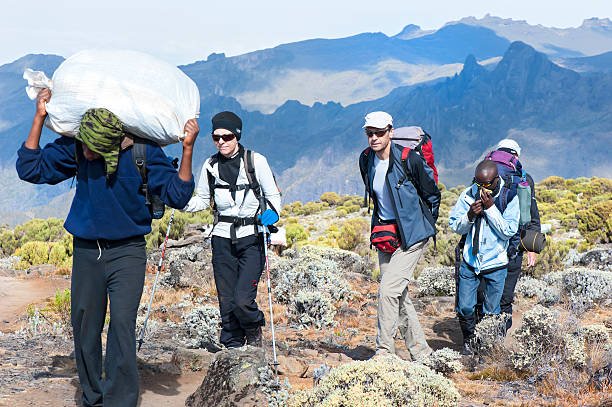
The 3 Day Kilimanjaro Group Trek is a guided short Mount Kilimanjaro experience for travellers who want to share the mountain journey with other hikers without joining a complete summit expedition.
The trek commonly uses the Marangu Route because its Mandara and Horombo overnight stages create a practical three day progression. Day 1 begins at Marangu Gate and climbs through rainforest to Mandara Hut. Day 2 continues through heath and open moorland toward Horombo Hut. Day 3 completes the entire descent through Mandara to Marangu Gate.
For solo travellers, a group departure can provide the social experience of trekking with other visitors while also allowing selected operational costs to be shared according to the confirmed package. Couples and friends can also join together without necessarily booking a completely private mountain arrangement.
A good group trek is not simply several strangers placed on the same trail. The itinerary requires suitable guide organization, clear communication, realistic group pacing, coordination of overnight luggage, meals and accommodation, and a plan for situations where trekkers have different fitness levels or altitude responses.
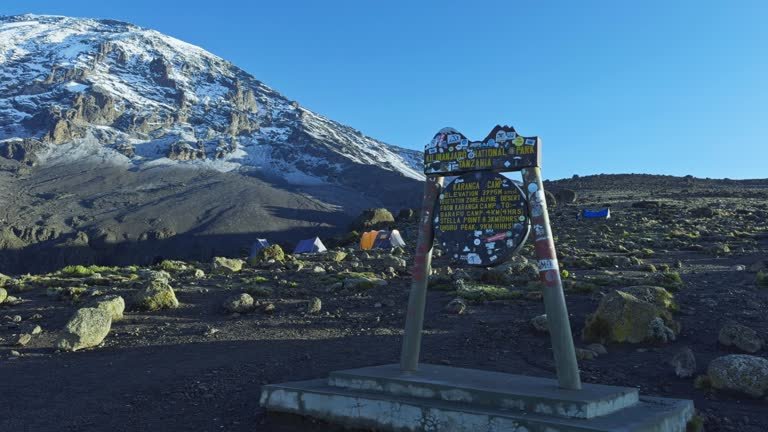
The three day format is deliberately non summit. Horombo is the planned high stage. The group does not continue toward Kibo, Gilman's Point, Stella Point or Uhuru Peak.
3 Day Kilimanjaro Group Trek at a Glance
- Duration: 3 trekking days / 2 mountain nights
- Route: Marangu Route
- Booking style: Group joining or shared departure where available
- Day 1: Marangu Gate → Mandara Hut
- Mandara elevation: Around 2,700 metres
- Day 2: Mandara Hut → Horombo Hut
- Horombo elevation: Around 3,700 metres
- Day 3: Horombo → Mandara → Marangu Gate
- Mountain accommodation: Marangu huts according to booking
- Main environments: Rainforest, heath and moorland
- Group experience: Shared trekking progression with professional guide management
- Technical climbing: No
- Summit attempt: No
What Is a Kilimanjaro Group Trek?
A Kilimanjaro group trek combines travellers into one organized departure where the route, dates and main mountain itinerary are shared.
The people in the group may include solo travellers, couples, friends or small parties who booked independently but are comfortable completing the same mountain itinerary together.
The exact group structure should always be confirmed before booking because “group trek” can mean different things between operators.
A Group Trek May Share
- The same departure date
- The same route
- Professional guide team
- Selected crew arrangements
- Road transportation according to package
- Mountain meal logistics
- Daily briefing times
- Planned overnight locations
What Is Not Necessarily Shared?
Joining a group does not automatically mean every single service is communal.
- Personal daypack
- Personal clothing
- Personal medication
- Personal rental equipment
- Hotel room before or after the trek unless arranged
- Airport transfer unless included in the group package
- Sleeping bag unless specifically shared or supplied
- Private services requested separately
Is a Group Trek the Same as a Private Trek?
No.
A private trek is organized around one booking party. A group trek can combine travellers who booked independently but are following the same scheduled route.
Why Choose a Group Trek?
Possible Advantages
- Meet other travellers
- Useful option for solo trekkers
- Share the experience with people following the same itinerary
- Potentially share selected operational costs
- Enjoy social meal and rest periods
- Have a scheduled departure structure
- Experience teamwork during several consecutive mountain days
Is a Group Trek Always Cheaper?
Not automatically.
Group joining can allow certain logistics to be distributed across more travellers, but price also depends on group size, guide structure, transfers, mountain charges, accommodation, meals and other inclusions.
Always compare the complete package rather than assuming the word “group” guarantees the lowest possible rate.
Is a 3 Day Group Trek a Summit Trek?
No. This itinerary is specifically designed as a short non summit Kilimanjaro experience.
The Standard Three Day Group Itinerary Does Not Reach
- Kibo Hut
- Gilman's Point
- Stella Point
- Uhuru Peak
Why Is Marangu Practical for a Group Trek?
The route provides a clear three day progression through established mountain stages.
Everyone begins at Marangu Gate, works toward the same Mandara overnight, continues toward Horombo on the second day and follows the same broad descent route on Day 3.
This shared structure makes it easier to coordinate a scheduled group than an itinerary where participants expect completely different daily objectives.
How Big Is a Kilimanjaro Group?
There is no single group size that applies to every departure.
A group can be relatively small or contain more travellers depending on confirmed bookings, operator policy and guide arrangements.
If group size matters to you, ask for the current number of confirmed trekkers and the intended maximum before paying.
Should the Maximum Group Size Be Confirmed?
Yes, particularly if you prefer a smaller social experience or want to understand how the guide structure will work.
Can the Number of Group Members Change?
Potentially. More travellers may confirm before the booking deadline where places remain available.
Can Solo Travellers Join the Group?
Yes where the departure accepts solo bookings.
A scheduled group can be especially useful for solo visitors who want to trek with other people rather than booking an entirely private mountain operation.
Can Couples Join?
Yes. A couple can join other confirmed travellers while still booking together.
Can Friends Join Together?
Yes, subject to available places on the departure.
Can Families Join?
Potentially, subject to age, fitness, applicable mountain requirements and whether the group structure is appropriate.
Group Pace: Does Everyone Have to Walk at Exactly the Same Speed?
No group of travellers naturally walks at precisely the same speed.
A responsible trekking arrangement should use sustainable pacing and professional guide management rather than forcing every person to race behind the fastest participant.
Good Group Pacing Means
- Beginning at a sustainable speed
- Allowing reasonable differences in natural pace
- Maintaining communication with the guide team
- Using practical rest stops
- Avoiding unnecessary racing
- Monitoring slower and faster members
- Giving health and safety priority over group pressure
What Happens if I Am the Slowest Person?
Being slower does not automatically mean you are unsuitable for the group.
What matters is whether you can continue safely at a sustainable pace within the professional guide structure.
Should You Walk Faster Because Other People Are Waiting?
No. Group pressure should not encourage unsafe pacing.
What if I Am Much Faster Than the Group?
A group trek requires some flexibility. Being the fastest participant does not mean walking far ahead independently.
Follow guide instructions and remember that the trip is an organized mountain group rather than an individual speed challenge.
Can the Group Split Into Different Speeds?
This depends on group size, available guide structure, route conditions and professional decisions.
Do not assume different pace groups will automatically be available unless the arrangement has been confirmed.
3 Day Kilimanjaro Group Trek Itinerary
Before Day 1 – Group Briefing
Meet the Guide Team
Meet the professional mountain team responsible for the departure.
Meet Other Trekkers
Introduce yourselves and understand who will be sharing the three day route.
Confirm Group Size
Understand the current number of participants.
Review the Route
Confirm Mandara on Day 1, Horombo on Day 2 and the full descent on Day 3.
Discuss Walking Experience
Tell the guide whether you are an experienced trekker or this is your first multi day hike.
Discuss Previous Altitude Experience
Mention previous exposure to higher elevation where relevant.
Check Hiking Boots
Make sure footwear is suitable before entering the mountain.
Check Rainwear
Keep waterproof layers accessible.
Check Warm Clothing
Prepare for cooler conditions around Horombo.
Check Sleeping Equipment
Confirm whether a sleeping bag is included, rented or brought personally.
Group Trek Rule Number One
Your group members are companions, not competitors. The mountain itinerary should never become a race between trekkers.
Day 1 – Group Pickup and Transfer to Marangu Gate
Depending on the package, group members may be collected from one agreed location or several nearby accommodations before travelling toward Marangu Gate.
Pickup arrangements should be confirmed in advance so one traveller does not delay the entire departure.
Day 1 Morning – Group Departure
Be Ready at the Confirmed Time
Group logistics work best when every traveller is prepared before the vehicle arrives.
Load Trekking Equipment
Keep luggage clearly identified to avoid confusion with other group members' bags.
Check the Daypack
Water, rainwear, medication and personal essentials should remain accessible.
Travel Toward Marangu Gate
Begin the road journey according to the package.
Possible Mountain Views
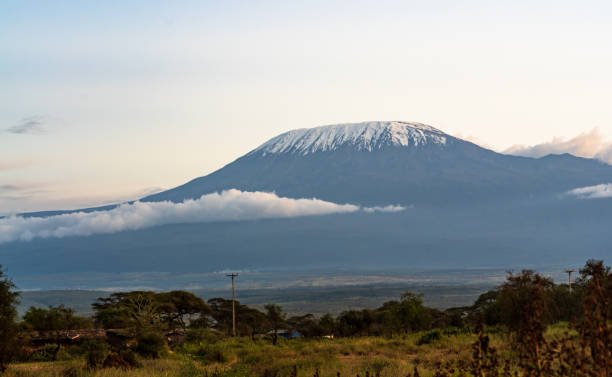
Kilimanjaro may appear during clear weather, but visibility cannot be guaranteed.
Arrive at Marangu Gate
Reach the trailhead and prepare the entire trekking group for entry procedures.
Group Etiquette: Be Ready on Time
A private traveller can sometimes absorb a small personal delay more easily. In a group departure, one late person affects everyone.
Prepare equipment the evening before and respect the agreed briefing, meal and departure times.
Day 1 – Marangu Gate Group Preparation
Prepare the Group for the Trail
Complete Applicable Mountain Procedures
Follow the confirmed operator and guide arrangements.
Identify Your Luggage
Use clear identification where several similar trekking bags are present.
Confirm Porter Arrangements
Know which luggage stays with you and which follows the crew arrangement.
Keep Personal Medication in Your Daypack
Do not place essential medication in another group member's bag or inaccessible overnight luggage.
Keep Rainwear Accessible
Rainforest weather can change while the group is walking.
Confirm Meeting Procedures
Understand what to do if the trekking party naturally becomes more spread out.
Begin Together
Start the first mountain stage at a sustainable group pace.
Day 1 – Marangu Gate to Mandara Hut
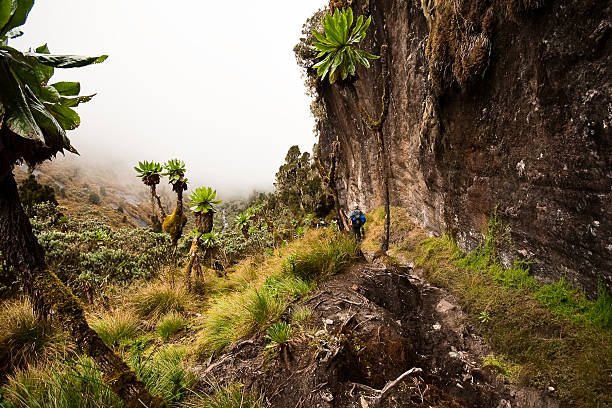
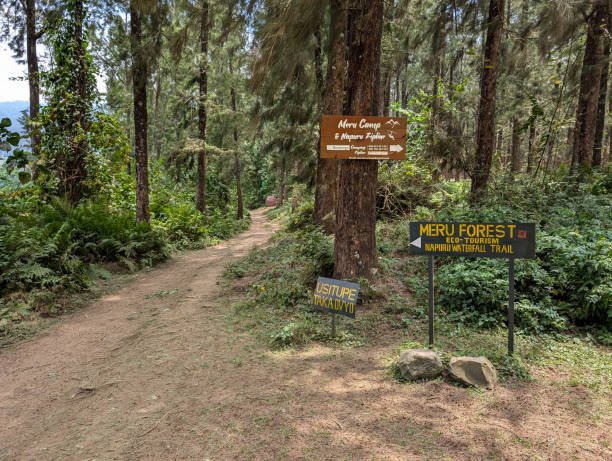
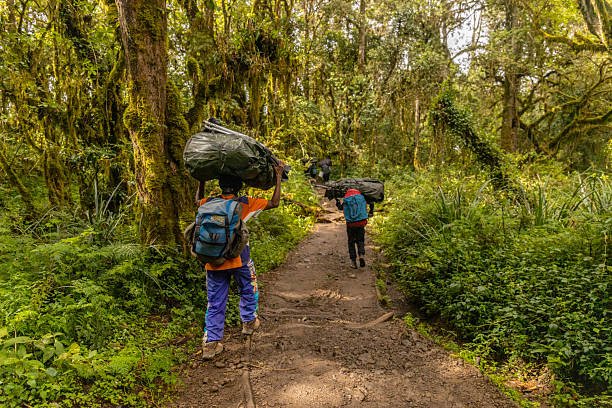
The first day introduces the group to Kilimanjaro's montane rainforest.
This stage is useful for the guides because it allows them to observe each traveller's natural pace, footwear comfort and general trekking style before the higher Day 2 ascent.
Day 1 Group Rainforest Trek
Enter the Montane Forest
Begin beneath Kilimanjaro's dense lower mountain canopy.
Walk Uphill Gradually
The route climbs steadily rather than remaining a flat nature trail.
Allow the Group to Find Its Rhythm
Natural differences in speed usually become clear during the first walking stage.
Follow Guide Instructions
Do not move far ahead simply because your natural pace is faster.
Expect Roots and Stones
Natural trail requires attention to foot placement.
Expect Possible Rain
Weather can change independently of conditions in Moshi or Arusha.
Expect Possible Mud
Wet trail may slow the entire group.
Possible Wildlife
Forest wildlife may occasionally be encountered, but sightings cannot be guaranteed.
Continue Hydrating
Each participant should maintain an appropriate drinking routine.
Reach Mandara Hut Area
Complete the first day's group objective around 2,700 metres where conditions permit.
Day 1 Group Objective
The goal is not to discover who reaches Mandara first. The goal is to establish a sustainable group rhythm before the higher second day.
What Happens if Someone Walks Much Slower on Day 1?
The professional guide team should assess the situation rather than allowing social pressure to determine the pace.
Available options depend on group size, guide structure, timing and the person's condition.
Should Faster Hikers Complain About Waiting?
A group departure requires reasonable patience from everyone.
At the same time, pacing should be professionally managed so that the entire itinerary remains practical.
Day 1 Optional – Maundi Crater
An additional Mandara area walk may be possible where time, weather, group fitness and guide judgment permit.
It should not be assumed that every group must participate in every optional activity.
Maundi Crater Group Decision
Check Arrival Time
A late arrival may make the optional walk impractical.
Check Group Energy
Day 2 remains the main uphill challenge.
Check Weather
Poor visibility can reduce the value of additional walking.
Follow Guide Direction
Do not pressure other group members into unnecessary additional distance.
Return to Mandara
Allow enough time for food, organization and rest.
Day 1 Evening – Group Life at Mandara
The first overnight is where travellers begin experiencing the social side of a group trek beyond simply walking together.
First Group Mountain Night
Settle Into the Confirmed Accommodation
Follow the mountain sleeping arrangement assigned to the booking.
Respect Shared Space
Keep personal equipment organized and avoid spreading belongings unnecessarily.
Change Damp Clothing
Move into dry layers after hiking where necessary.
Eat According to the Group Meal Plan
Follow the meal arrangements confirmed for the departure.
Continue Hydrating
Prepare for greater elevation on Day 2.
Tell the Guide About Problems Privately if Preferred
You do not need to announce personal health concerns to the entire group before speaking with the guide.
Prepare Day 2 Equipment
Have warm layers, waterproof clothing and daypack essentials ready.
Respect Quiet Time
Other trekkers also need rest before the higher second day.
Group Hut Etiquette
A group trek does not mean unlimited noise or unlimited use of shared space. Keep equipment organized, respect other visitors and allow everyone a reasonable opportunity to rest.
Is Mandara Hut Private for the Group?
No. A group booking does not make mountain facilities exclusive to your departure.
Will Everyone in Our Group Sleep in One Room?
Do not assume a particular occupancy arrangement. The accommodation setup should be confirmed with the operator.
Can a Solo Traveller Request Special Accommodation?
Potentially where such an arrangement is available, but it should be confirmed before booking rather than assumed.
Day 2 – Mandara to Horombo
Day 2 is where group management becomes especially important.
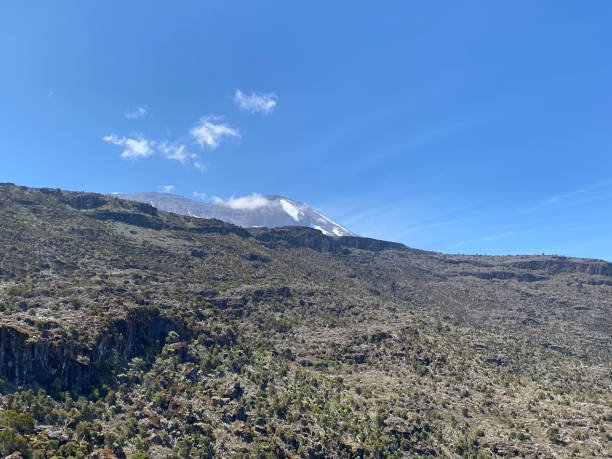
The route climbs considerably higher, vegetation becomes more open and individual differences in fitness and altitude response can become more noticeable.
Group Altitude Rule
No participant should hide symptoms because they are worried about disappointing the group.
Health information should be communicated honestly to the professional guide.
Day 2 Morning – Group Health and Equipment Check
Wake at Mandara
Begin the second day after the first mountain night.
Check How You Feel
Notice headache, nausea, dizziness, unusual weakness or other concerns.
Tell the Guide Honestly
Do not compare your symptoms with another participant and decide to remain silent.
Check Feet and Blisters
Address developing problems before beginning the longer climb.
Breakfast Where Included
Eat according to the group meal plan.
Prepare Water
Follow the confirmed water arrangement.
Prepare Warm and Waterproof Layers
The trail becomes more exposed above the forest.
Begin Together
Start the Day 2 climb at the pace established by the guide team.
Can One Group Member Have Altitude Symptoms While Everyone Else Feels Fine?
Yes. Altitude response varies between individuals.
One traveller feeling strong does not prove that another person's symptoms are unimportant.
Report Concerns Such As
- Unusual or worsening headache
- Nausea
- Vomiting
- Dizziness
- Unusual weakness
- Poor coordination
- Unusual breathing difficulty
- Any rapidly worsening condition
What if One Person Cannot Continue?
The professional guide team should make the appropriate decision according to the person's condition, guide structure, location and mountain circumstances.
The group should never pressure somebody to continue simply because the other participants want to reach Horombo.
Will the Whole Group Always Turn Around if One Person Does?
Not necessarily. The outcome depends on professional staffing, group structure, safety and the actual situation.
Ask before booking how the operator manages a situation where one participant needs to descend while other trekkers remain able to continue.
Day 2 – Leave the Rainforest
Group Trek Through Heath and Moorland
Climb Above Mandara
Continue higher on the established Marangu Route.
Watch the Vegetation Change
Dense rainforest gradually gives way to lower vegetation.
Enter Heath
The group begins experiencing a more open landscape.
Enter Moorland
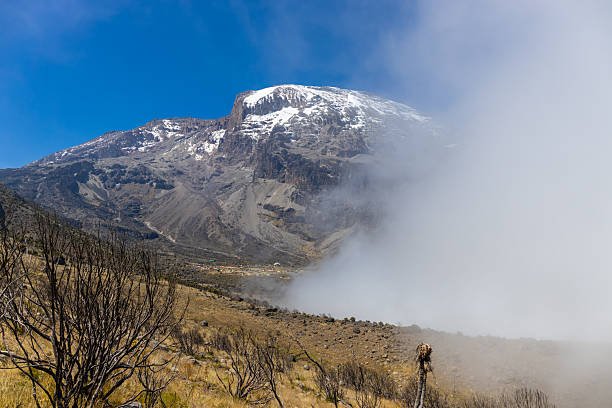
Broader high mountain views become possible when weather clears.
Possible Kibo Views
The upper mountain may become visible, but views cannot be guaranteed.
Possible Mawenzi Views
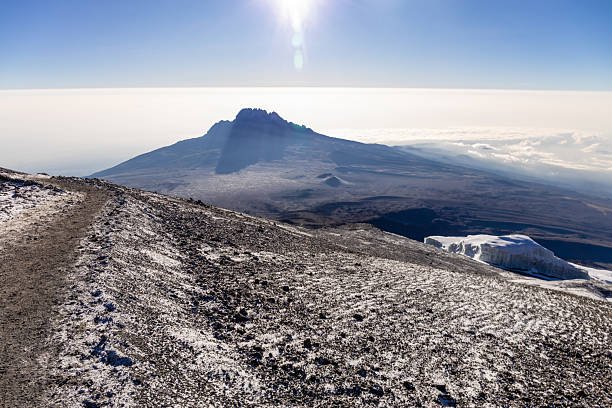
Mawenzi may appear from suitable sections during clear conditions.
Adjust Clothing Individually
Not every participant feels hot or cold at the same time.
Continue at the Guide Managed Pace
Avoid allowing the strongest member to set an unnecessarily aggressive speed.
Day 2 Group Highlight
The transition from dense rainforest into open moorland gives the group a shared sense of progression as the mountain environment changes dramatically during the same route.
Should the Group Stop Every Time One Person Wants a Photo?
Reasonable photography stops are part of the experience, but constant unplanned stopping can disrupt the walking rhythm.
Use practical opportunities identified by the guide rather than repeatedly delaying the entire group.
Should Everyone Eat at Exactly the Same Time?
Follow the meal plan and guide instructions for the departure. Coordinated meals can make group logistics easier.
Day 2 – Main Trek Toward Horombo
Managing Different Group Speeds
Maintain a Sustainable Core Pace
The objective is a safe and manageable arrival rather than maximum speed.
Communicate if the Pace Is Too Fast
Do not struggle silently simply because everyone else appears comfortable.
Communicate if Equipment Is Causing Problems
Loose backpack straps or painful footwear should be addressed early.
Use Practical Breaks
Rest enough to recover without repeatedly disrupting the day's schedule.
Keep Hydrating
Each person should follow an appropriate hydration routine.
Monitor Altitude Symptoms
The higher trail can affect different group members differently.
Continue Toward Horombo
Progress through open moorland toward the second overnight.
Day 2 – Reach Horombo Hut
Group Arrival at the Highest Planned Stage
Maintain the Same Pace
Do not turn the final approach into a race to the hut.
Continue Health Communication
Tell the guide about new or worsening symptoms.
Reach Horombo Hut Area
Arrive around 3,700 metres where health and mountain conditions permit.
Regroup
Allow all appropriately continuing members to settle into the second overnight stage.
End the Upward Route Progression
Horombo is the planned high stage of this short group trek.
Highest Planned Group Objective: Horombo
The group trek reaches a meaningful high altitude stage without continuing into the much longer summit itinerary.
Is Every Group Member Guaranteed to Reach Horombo?
No.
Individual health, altitude response, fitness, weather and professional mountain decisions can affect each person's final outcome.
Can Group Pressure Become a Problem?
Yes if travellers begin believing they must continue because everyone else is doing well.
A professional group culture should make it normal to communicate honestly about how each person feels.
Day 2 Afternoon – Group Life at Horombo
Recover After the Main Ascent
Rest
Allow time to recover from the higher Day 2 climb.
Change Into Dry Layers
Avoid remaining in damp trekking clothes.
Add Warm Clothing
Horombo can feel substantially colder than lower elevations.
Continue Hydrating
Maintain sensible fluid intake.
Eat According to the Confirmed Meal Plan
Follow the scheduled mountain meal arrangement.
Respect Other Group Members' Recovery
Some trekkers may want to talk while others need quiet rest.
Discuss Day 3
Understand the full descent plan before the final mountain night.
Can the Group Add a Higher Afternoon Walk?
Only where specifically planned and considered appropriate by the guide.
The fact that some members feel strong does not mean the whole group should automatically add more altitude or distance.
Day 2 Evening – Second Group Mountain Night
Prepare for the Final Descent
Dinner Where Included
Eat according to the group's confirmed meal structure.
Stay Warm
Use dry insulation during the colder evening.
Prepare Trekking Poles
They can be helpful during the prolonged downhill route.
Prepare Rainwear
The final day eventually returns through rainforest.
Organize Personal Equipment
Do not make the group wait while searching for equipment the next morning.
Use Your Power Bank
Do not depend on reliable mountain charging.
Respect Quiet Time
Everyone needs appropriate rest before the long descent.
Group Trek Lesson From Horombo
A group can share the same route without sharing the same physical experience. One traveller may feel strong while another is tired or affected by altitude. Respect those differences.
Day 3 – Horombo to Marangu Gate
The final day is the complete mountain descent.
Because travellers may have different downhill speeds, this stage again requires effective group management.
Do Faster Trekkers Descend Much Faster?
Not necessarily. Downhill speed should remain controlled because tired legs, rocks, roots and wet trail can increase slipping risk.
Day 3 Morning – Group Departure From Horombo
Wake for the Final Mountain Day
Begin after two nights on Mount Kilimanjaro.
Check Health
Report remaining symptoms, blisters, sore knees or other concerns.
Breakfast Where Included
Eat according to the group meal arrangement.
Pack Personal Equipment
Be ready at the agreed group departure time.
Prepare Trekking Poles
Use them where helpful for stability.
Check Rainwear
The lower trail may be wet even if Horombo is dry.
Begin the Descent
Leave Horombo at a controlled group pace.
Day 3 – Horombo to Mandara
Group Descent Through Moorland
Leave the Horombo Area
Begin moving down through open terrain.
Possible Final Kibo Views
Clear weather may offer another view of the upper mountain.
Possible Mawenzi Views
Mawenzi may remain visible from suitable sections.
Control Downhill Speed
Do not race other group members.
Use Trekking Poles Where Helpful
Poles can improve stability on long downhill sections.
Watch for Knee or Foot Pain
Tell the guide before discomfort becomes more serious.
Continue Hydrating
The trekking effort continues until the gate.
Return to Mandara
Pass through the first overnight area before the final rainforest descent.
Can the Group Become Spread Out During Descent?
Potentially. Downhill pace can vary significantly.
Participants should follow the guide team's instructions rather than disappearing far ahead simply because descending feels easier.
Day 3 – Mandara to Marangu Gate
Final Group Rainforest Stage
Leave Mandara
Begin the last trail section.
Reenter Dense Forest
Return beneath Kilimanjaro's montane canopy.
Expect Possible Mud
Wet conditions may reduce walking speed.
Watch Slippery Roots
Tired legs make careful foot placement important.
Allow Natural Pace Differences
The group may not remain in one perfectly compact line.
Continue Following Guide Instructions
Do not leave the organized trekking structure near the end simply because the gate feels close.
Reach Marangu Gate
Complete the three day group trekking route.
3 Day Group Trek Complete
The group has completed rainforest trekking to Mandara, the higher moorland stage to Horombo, two mountain nights and the full descent to Marangu Gate.
Day 3 – Group Return Transfer
After Reaching the Gate
Complete Applicable Exit Procedures
Finish the required mountain arrangements.
Collect Personal Luggage
Make sure you take your own bag rather than another group member's equipment.
Separate Rental Equipment
Return rental items according to the agreed arrangement.
Meet the Group Vehicle
Where shared road transportation is included, regroup at the agreed location.
Return to the Confirmed Destination
Travel toward Moshi, accommodation or another destination stated in the package.
Allow Flexible Final Timing
The vehicle may need to wait until the agreed trekking group has completed the mountain stage.
Why Group Return Timing Can Differ From a Private Trek
A private booking only needs to coordinate the travellers in that party. A group departure may involve participants descending at slightly different speeds before the shared road transfer can leave.
This is another reason to avoid an unnecessarily tight flight after Day 3.
Can I Leave the Group and Take My Own Vehicle?
Potentially where an alternative transfer is arranged, but it should be discussed in advance rather than assumed.
Group Trek Accommodation
The Marangu Route uses mountain hut accommodation in this itinerary.
Travellers should not interpret “group trek” as meaning their booking receives an entire hut privately.
Are Huts Shared With Other Groups?
Potentially, yes. Mountain facilities can be used by travellers outside your own organized departure.
Is a Private Room Guaranteed?
No. Confirm the actual sleeping arrangement before booking if occupancy is important to you.
Does Group Trek Mean Sharing a Sleeping Bag?
No. Sleeping bags are personal sleeping equipment unless an unusual arrangement is specifically stated.
Should Everyone Label Their Equipment?
It is useful, particularly when several travellers have similar duffels, trekking poles or rental equipment.
Group Trek Meals
Meals can become an important social part of a group trek.
Dietary requirements should be communicated before the mountain so appropriate arrangements can be considered within the confirmed package.
Can Vegetarians Join the Group?
Potentially where dietary requirements are communicated and confirmed in advance.
Can Different Group Members Have Different Dietary Needs?
Potentially, but requirements should be disclosed before departure rather than only after reaching the mountain.
Should You Share Personal Snacks?
That is optional. Each traveller should carry the personal snacks they specifically want or need where appropriate.
Group Trek Porter Arrangements
Porter services should follow the confirmed package and crew structure.
A group booking does not mean several trekkers can combine unlimited luggage into one large mountain load.
Does Everyone Have a Personal Porter?
Not necessarily. Crew structure depends on the actual mountain operation.
Can One Group Member Use Another Person's Luggage Allowance?
Do not assume this. Follow the luggage rules provided for the booking.
Group Trek Guide Structure
The required guide arrangement can change according to group size and mountain operating requirements.
Before booking a larger departure, ask how the guide team is structured and how different walking speeds or an early descent would be managed.
Is One Guide Enough for Every Possible Group Size?
Do not assume so. Guide requirements and professional staffing should reflect the actual group arrangement.
What Happens if Somebody Needs to Descend?
This is one of the most useful questions to ask before joining a group.
Ask the Operator
- How many guides are assigned?
- How is a slower trekker supported?
- What happens if one person needs to descend?
- Can the remaining group continue where safe and appropriate?
- How are different pace groups managed?
- What communication procedures are used?
Can a Group Trek Be Suitable for Beginners?
Potentially for reasonably fit beginners who understand the shared nature of the departure.
A beginner should not join expecting the entire group schedule to become a private personalized itinerary, but they should also not feel pressured into unsafe pacing.
Can Experienced Trekkers Join Beginners?
Potentially. The key is realistic expectations and professional group management.
How Fit Should You Be?
Travellers should be comfortable with several hours of walking on consecutive days.
Regular walking, hills, stairs and cardiovascular preparation can improve comfort.
Does Group Support Make Altitude Easier?
Social encouragement can be positive, but the presence of other trekkers does not change how your body physically responds to elevation.
Can Fit Group Members Experience Altitude Problems?
Yes.
Should Group Members Diagnose Each Other?
No. Tell the professional guide about concerns rather than depending on another traveller's personal opinion.
3 Day Kilimanjaro Group Trek Packing List
Recommended Personal Equipment
- Comfortable hiking boots
- Hiking socks
- Trekking trousers
- Breathable hiking shirts
- Warm fleece or mid layer
- Additional insulated layer
- Waterproof jacket
- Waterproof trousers
- Warm hat
- Sun hat
- Warm gloves
- Personal daypack
- Overnight luggage according to porter arrangement
- Suitable sleeping bag where required
- Headlamp
- Personal toiletries
- Personal medication
- Water according to package arrangements
- Personal snacks where useful
- Sunglasses
- Sun protection
- Trekking poles
- Phone or camera
- Power bank
- Waterproof protection for electronics and dry clothing
- Required travel and mountain documents
Should Group Members Share Essential Equipment?
Do not depend on another traveller for essential personal clothing, medication or basic weather protection.
You may be travelling together, but each person should still arrive appropriately prepared.
Do You Need a Tent?
Not normally for the standard Marangu hut based itinerary described here.
Do You Need a Sleeping Bag?
Potentially. Confirm whether it is supplied, rented or brought personally.
Do You Need Trekking Poles?
They can be particularly useful during Day 3.
Can Group Members Share Trekking Poles?
It is better to organize required personal equipment before departure rather than depending on another traveller who may need the same item.
Can Phones Be Charged on the Mountain?
Do not depend on reliable mountain charging. Each traveller should manage their own battery needs with an appropriate power bank.
Weather on a Group Trek
Every person in the group experiences the same general weather, but people can feel temperature differently.
Possible Conditions
- Humid rainforest
- Rain
- Mud
- Mist
- Strong sunshine
- Wind
- Cooler temperatures around Horombo
- Rapid visibility changes
Should You Copy Another Trekker's Clothing?
No. One person may be comfortable in a light layer while another needs additional insulation.
Learn to adjust your own clothing according to conditions and guide advice.
What Can Be Included in a 3 Day Kilimanjaro Group Trek?
Group Package Services to Confirm
- Scheduled group departure
- Professional mountain guide team
- Applicable mandatory mountain related charges
- Pickup arrangement
- Transfer to Marangu Gate
- Day 1 guided trek to Mandara
- Mandara accommodation
- Day 2 guided trek to Horombo
- Horombo accommodation
- Day 3 guided descent
- Porter and crew services where included
- Meals listed in the itinerary
- Drinking water according to package
- Return transfer from Marangu Gate
What Is Not Automatically Included?
- International flights
- Domestic flights
- Visa expenses
- Travel insurance
- Personal trekking clothing
- Sleeping bag unless confirmed
- Other rental equipment unless confirmed
- Pre trek hotel unless confirmed
- Post trek hotel unless confirmed
- Airport transfers unless confirmed
- Private vehicle unless confirmed
- Private mountain accommodation
- Private portable toilet unless confirmed
- Tips where separate
- Personal expenses
- Safari or Zanzibar extensions unless included
Does Group Joining Include Airport Transfers?
Not automatically.
Does It Include a Moshi Hotel?
Only where specifically stated.
Does It Include a Hotel After the Trek?
Only where confirmed.
Does It Include Rental Equipment?
Only items written into the package should be considered included.
Does It Include a Private Portable Toilet?
Only where specifically confirmed.
Can One Person Add a Private Service Without the Rest of the Group?
Potentially where the service is operationally compatible with the group departure. Confirm availability and any additional cost before booking.
3 Day Kilimanjaro Group Trek Price Logic
Group joining can sometimes provide a more economical structure because selected guide, transport or operational costs can be distributed across several trekkers.
However, the final rate still depends on the actual departure.
Price Can Depend On
- Number of confirmed trekkers
- Guide and crew structure
- Applicable visitor category
- Mountain charges
- Mandara and Horombo accommodation
- Meals and water
- Road transfers
- Equipment rental
- Hotels where included
- Airport transfers where included
Can the Group Price Change if People Cancel?
Potentially depending on the quotation terms and minimum group structure.
Ask whether your confirmed rate is fixed after booking or dependent on a minimum number of participants.
Is There a Minimum Group Size?
This depends on the specific departure.
What Happens if the Minimum Group Size Is Not Reached?
The operator should explain this before deposit payment. Possible arrangements can differ between departures and should not be guessed.
Can a Confirmed Group Departure Become Private?
Only where a new arrangement is agreed with the operator.
Group Trek Social Etiquette
Help Make the Group Experience Better
- Be ready at agreed times
- Respect different walking speeds
- Do not pressure somebody to continue when unwell
- Keep shared accommodation organized
- Respect quiet time
- Communicate dietary requirements before the trek
- Do not use another traveller's equipment without permission
- Keep your luggage clearly identifiable
- Follow the guide team's instructions
- Treat crew members and fellow trekkers respectfully
Should You Expect Everyone to Become Friends?
No. A good group experience does not require every traveller to have the same personality.
Basic respect, cooperation and shared mountain expectations are more important.
Can You Have Personal Time During a Group Trek?
Yes. Joining a group does not mean every rest period or evening must become a social activity.
Can Group Trekking Be Good for Solo Travellers?
Yes. It can provide companionship without requiring the traveller to arrive with their own trekking partner.
Can Group Trekking Be Good for Couples?
Yes, particularly for couples who enjoy meeting other travellers.
When Might Private Trekking Be Better?
Private trekking may be more suitable when travellers strongly prefer their own booking party, require a highly customized pace or have specific logistics that do not fit comfortably within a scheduled group.
Can a Group Trek Be Combined With Safari?
Yes. Travellers can finish the group mountain departure and then continue independently or together into a wider Tanzania itinerary.
Can You Add Tarangire?
Yes.
Can You Add Ngorongoro?
Yes.
Can You Add Serengeti?
Yes.
Can You Continue to Zanzibar?
Yes as part of a wider Tanzania itinerary.
Does the Whole Trekking Group Have to Book the Same Safari?
No. The group structure can end when the mountain itinerary is complete unless a combined arrangement has been specifically booked.
Should You Fly Immediately After the Group Trek?
Avoid an unnecessarily tight same day flight.
A group transfer can depend on the trekking pace of several travellers as well as mountain procedures and road conditions.
3 Day Kilimanjaro Group Trek Booking Checklist
Confirm Before Joining the Group
- Exact departure date
- Current confirmed group size
- Maximum planned group size
- Minimum group size where applicable
- What happens if minimum numbers are not reached
- Marangu Route confirmation
- Professional guide structure
- How different walking speeds are managed
- What happens if one participant must descend
- Pickup location
- Shared or private gate transfer
- Applicable mandatory mountain related charges
- Day 1 Mandara itinerary
- Mandara accommodation arrangement
- Day 2 Horombo itinerary
- Horombo accommodation arrangement
- Day 3 full descent
- Porter services
- Crew arrangement
- Luggage allowance
- Sleeping bag arrangement
- Rental equipment
- Day 1 meals
- Day 2 meals
- Day 3 meals
- Drinking water arrangement
- Dietary requirements
- Return transfer
- Final drop off location
- Pre trek hotel where applicable
- Post trek hotel where applicable
- Airport transfers where applicable
- Private portable toilet where requested
- Total group trek price
- Whether the confirmed rate can change with group size
- Deposit requirement
- Balance due date
- Cancellation conditions
- Rescheduling conditions
Common 3 Day Kilimanjaro Group Trek Mistakes
Avoid These Group Trek Mistakes
- Not asking the current group size
- Not asking the maximum group size
- Assuming group joining is always cheapest
- Assuming every participant walks at the same speed
- Trying to keep up with the fastest trekker
- Walking far ahead without guide approval
- Pressuring slower members
- Hiding altitude symptoms to avoid delaying the group
- Not asking what happens if somebody needs to descend
- Assuming group huts are private
- Assuming a private room is included
- Not labelling similar luggage
- Being late for group departure times
- Not declaring dietary requirements
- Depending on another trekker for essential gear
- Assuming a private toilet is included
- Assuming airport transfers are included
- Trying to turn Horombo into a summit attempt
- Underestimating the Day 3 descent
- Booking an extremely tight flight after the group return
Mistake: Treating the Group Like a Race
The strongest walker does not automatically determine the correct mountain pace.
Mistake: Staying Silent Because You Do Not Want to Delay Others
Your health is more important than avoiding a short group discussion. Tell the guide about symptoms and problems early.
Mistake: Assuming Group Joining Means No Personal Preparation
The guide and crew organize the mountain operation, but each traveller still needs suitable personal clothing, footwear and essential equipment.
Mistake: Assuming Everyone Wants the Same Social Experience
Some people enjoy constant conversation while others prefer quiet walking. Respect both styles.
Mistake: Thinking Three Days Means Summit
The route reaches Horombo and returns. A proper summit itinerary requires additional mountain days.
3 Day Kilimanjaro Group Trek FAQs
What is a 3 Day Kilimanjaro Group Trek?
It is a scheduled short Kilimanjaro trek where suitable travellers share the same three day mountain itinerary.
Which route is used?
The itinerary described here uses the Marangu Route.
Where does Day 1 go?
Marangu Gate through rainforest to Mandara Hut.
Where does Day 2 go?
Mandara through heath and moorland toward Horombo Hut.
What happens on Day 3?
The group descends from Horombo through Mandara to Marangu Gate.
How many mountain nights are there?
Two.
Can solo travellers join?
Potentially, yes.
Can couples join?
Yes.
Can friends join together?
Yes where enough places remain on the departure.
Can families join?
Potentially subject to age, fitness and applicable requirements.
How many people are in the group?
Group size varies by departure and should be confirmed before booking.
Should I ask the maximum group size?
Yes if group size matters to you.
Can more people join after I book?
Potentially where available places remain.
Is there a minimum group size?
This depends on the specific departure.
Is a group trek cheaper than private?
Potentially, but not automatically.
Is the group trek private?
No. Group joining and private trekking are different booking structures.
Does everyone walk at the same speed?
Not naturally. The guide team manages sustainable group pacing.
What if I am slower?
Communicate with the guide and follow the professional pace arrangement.
What if I am faster?
Do not walk far ahead independently unless the guide arrangement permits it.
Can the group split?
Potentially depending on guide structure, group size and professional decisions.
What if somebody needs to descend?
The guide team should manage the situation according to health, staffing and mountain conditions.
Does everybody have to descend if one person turns around?
Not necessarily. The outcome depends on the professional guide structure and situation.
Should I hide symptoms because I do not want to delay the group?
No.
Can altitude affect only one person in the group?
Yes.
Can fit people experience altitude symptoms?
Yes.
Is Horombo guaranteed?
No.
How high is Horombo?
Around 3,700 metres.
Does the group reach Kibo Hut?
No.
Does it reach Gilman's Point?
No.
Does it reach Stella Point?
No.
Does it reach Uhuru Peak?
No.
Can we turn the group trek into a summit climb?
Not within the standard three day itinerary.
Do we stay in huts?
The standard Marangu itinerary uses mountain huts.
Are the huts private for our group?
No.
Can other trekking groups use the same accommodation area?
Yes.
Do I need a tent?
Not normally for the standard Marangu hut itinerary described here.
Do I need a sleeping bag?
Potentially. Confirm whether one is supplied, rented or brought personally.
Can I rent equipment?
Potentially where suitable rental equipment is available.
Should I label my luggage?
It can be useful when several similar bags are travelling with the group.
Do I carry my own daypack?
Follow the confirmed porter arrangement, but personal immediate trail essentials should remain accessible.
Are porters included?
Only where porter services are stated in the package.
Does every trekker get an individual porter?
Not necessarily.
Are meals included?
Only meals listed in the confirmed itinerary should be considered included.
Can vegetarians join?
Potentially where dietary requirements are communicated and confirmed.
Is drinking water included?
Only where specifically confirmed.
Are mountain charges included?
Only where stated in the written quotation.
Are gate transfers included?
Only where specifically confirmed.
Is the road transfer shared?
Potentially on a group departure, but confirm the exact arrangement.
Are hotels included?
Not automatically.
Are airport transfers included?
Not automatically.
Is a private portable toilet included?
Only where specifically confirmed.
Can only one traveller request additional private services?
Potentially where the service can be added without conflicting with group operations.
Is the group trek suitable for beginners?
Potentially for reasonably fit beginners.
Do I need technical climbing skills?
No technical climbing is part of this itinerary.
Should I train?
Regular walking, hills, stairs and cardiovascular activity can improve comfort.
Can the rainforest be muddy?
Yes.
Can it rain?
Yes.
Can Horombo be cold?
Yes.
Can it be windy?
Yes in open terrain.
Can the group see Kibo?
Potentially when weather is clear.
Are Kibo views guaranteed?
No.
Can the group see Mawenzi?
Potentially from suitable higher sections.
Can we see wildlife?
Potentially in the lower forest, but sightings cannot be guaranteed.
Should everyone use trekking poles?
They are optional but can be particularly helpful during the long descent.
Can we charge phones on the mountain?
Do not depend on reliable mountain charging; carry personal power banks.
Can group members share power banks?
They can choose to, but each traveller should ideally manage their own essential battery needs.
Do I have to socialize all evening?
No. Respectful personal quiet time is completely reasonable.
Do I need to know the other trekkers before joining?
No.
Can I join alone and meet the group there?
Potentially according to the departure's pickup and meeting arrangements.
Can the group trek be combined with safari?
Yes.
Does everyone need to book the same safari?
No.
Can I add Tarangire?
Yes.
Can I add Ngorongoro?
Yes.
Can I add Serengeti?
Yes.
Can I continue to Zanzibar?
Yes as part of a wider Tanzania itinerary.
Should I book a tight flight after Day 3?
Avoid an unnecessarily tight onward flight because group descent and return timing can vary.
What is the biggest misunderstanding about a 3 Day Kilimanjaro Group Trek?
The biggest misunderstanding is thinking that a group trek means every traveller becomes one identical unit. A group shares the route, departure structure and professional mountain operation, but individual fitness, walking pace, equipment needs and altitude response remain different. One person may walk more slowly, another may feel colder, another may develop a blister and another may experience altitude symptoms despite being very fit. Good group trekking therefore depends on professional guide management and respectful communication rather than forcing everybody to perform identically. The second major misunderstanding is assuming three days are enough for a Kilimanjaro summit climb. This itinerary deliberately reaches Horombo and returns rather than continuing toward Kibo and Uhuru Peak.
Why choose a 3 Day Kilimanjaro Group Trek?
A group trek can be especially attractive for solo travellers, couples or friends who enjoy meeting other people during their mountain journey. Day 1 gives the group time to establish a shared pace while climbing through rainforest to Mandara. The first mountain night provides an opportunity to learn how everyone responds to the trail and mountain routine. Day 2 moves into the more exposed heath and moorland environment toward Horombo, where professional pace and altitude management become increasingly important. The second night creates a genuine multi day group experience before Day 3 completes the long descent. The result is a social but still physically meaningful Kilimanjaro adventure without requiring a full summit expedition.
Is a group trek better than a private trek?
Neither arrangement is automatically better for every traveller. Group joining can provide companionship and may allow selected operational costs to be shared. Private trekking can provide a booking structure focused entirely on your own travel party. The right choice depends on whether you enjoy meeting other travellers, how much flexibility you want, your preferred group size and whether you have special logistical needs. Regardless of booking style, Kilimanjaro trails, mountain facilities and weather remain part of a shared mountain environment.
Is the 3 Day Kilimanjaro Group Trek suitable for solo travellers?
It can be an excellent structure for solo travellers who want company on the mountain without needing to find a trekking partner before travelling to Tanzania. A solo participant can join the scheduled departure, meet the guide team and other trekkers during the briefing and follow the same Mandara and Horombo itinerary. Personal equipment, health needs and travel arrangements still remain individual, so solo travellers should confirm accommodation, transfers, luggage storage and equipment requirements before joining.
So what is the 3 Day Kilimanjaro Group Trek?
The 3 Day Kilimanjaro Group Trek is a guided short non summit Marangu Route experience in which suitable travellers share the same scheduled mountain itinerary. Before departure, the participants meet the professional guide team, confirm the current group size, review the route and check personal mountain equipment. Solo travellers, couples, friends and other booked participants may all be part of the same departure. Day 1 begins with pickup according to the confirmed arrangement and road transportation toward Marangu Gate. At the trailhead, applicable mountain procedures are completed, personal daypacks are organized and overnight luggage follows the confirmed porter and crew structure. The trekking group then enters Kilimanjaro's montane rainforest. The route climbs steadily over natural terrain that can include earth, roots, rocks, steps and muddy sections. During this first stage the guides can observe different natural walking speeds and help establish a sustainable group rhythm. Faster participants should not treat the trek like a race, while slower participants should communicate if the pace becomes uncomfortable. The main Day 1 objective is Mandara Hut around 2,700 metres where conditions permit. The group settles into the confirmed mountain accommodation and follows the meal and evening arrangements provided by the package. Travellers should respect shared space, keep equipment organized and understand that mountain facilities can also be used by people outside their own booking group. An optional walk toward Maundi Crater may be possible where time, weather, group fitness and guide judgment allow, but it should never be forced simply because some participants want additional walking. Day 2 begins with breakfast where included and an individual health check. Although everyone shares the same route, altitude affects people differently. Headache, nausea, dizziness, unusual weakness or other concerning symptoms should therefore be communicated honestly rather than hidden to avoid delaying the group. The route leaves Mandara and gradually exits the dense rainforest. Heath and then open moorland create a broader mountain landscape. Clear conditions may provide views toward Kibo or Mawenzi, but visibility cannot be guaranteed. The professional guide team manages the pace as the route continues higher toward Horombo. Some participants may naturally walk faster or slower, and the exact way these differences are managed depends on group size and guide structure. Where health and mountain conditions permit, the group reaches Horombo Hut around 3,700 metres. Horombo is the highest planned point of the three day group trek. The route does not continue toward Kibo, Gilman's Point, Stella Point or Uhuru Peak. At Horombo, participants recover, change into warm dry clothing, take the meals included in the package and prepare for the final descent. Day 3 begins after the second mountain night and follows the Marangu Route downhill through moorland toward Mandara. Clear conditions may provide final views of the higher mountain. Trekking poles can be helpful because sustained downhill movement places repeated stress on tired legs. After passing Mandara, the route enters the rainforest again. Mud and slippery roots can require careful movement, and faster group members should not disappear far ahead without following guide instructions. The trek finishes when participants reach Marangu Gate and complete the applicable exit arrangements. Where shared transportation is included, the group then regathers for the road journey to the confirmed destination. The final departure time can depend on the progress of several trekkers, which is why an unnecessarily tight onward flight should be avoided. Professional guide services, applicable mountain related charges, Mandara and Horombo accommodation, porter and crew arrangements, meals, drinking water, gate transfers, rental equipment, hotels, airport transfers and any additional private services should all be checked in the written quotation. The defining character of the 3 Day Kilimanjaro Group Trek is the combination of a genuine three day mountain itinerary with the social experience of travelling alongside other trekkers. The route gives participants rainforest, high moorland, two mountain nights and the Horombo objective while maintaining an honest non summit structure and giving professional mountain decisions priority over group pressure.
Join a 3 Day Kilimanjaro Group Trek
Meet other travellers, trek through rainforest to Mandara, continue through open moorland to Horombo, spend two nights on Mount Kilimanjaro and complete the full descent together.
Join the 3 Day Kilimanjaro Group Trek