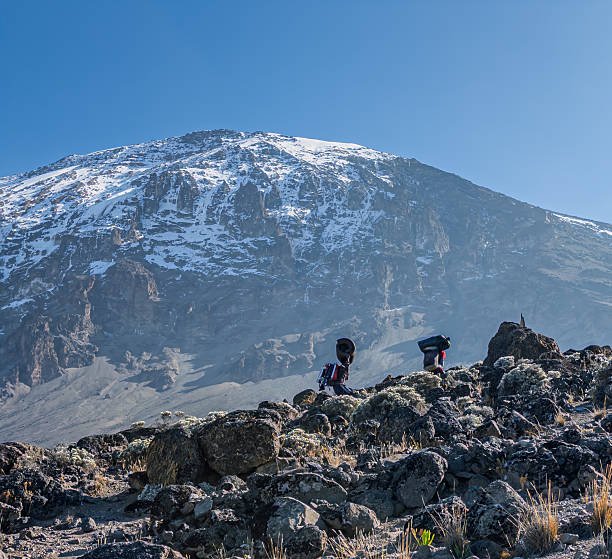
3 Day Kilimanjaro Trek for Beginners
The 3 Day Kilimanjaro Trek for Beginners is a short guided Mount Kilimanjaro experience for travellers who want to discover multi day mountain trekking without committing immediately to a complete summit expedition.
For a beginner focused three day itinerary, the Marangu Route offers a practical progression. The first day climbs through rainforest from Marangu Gate to Mandara Hut, the second continues substantially higher through heath and moorland toward Horombo Hut, and the third completes the entire return to Marangu Gate.
The itinerary is beginner friendly in the sense that it does not require technical climbing, glacier skills or a summit night. It should not, however, be described as effortless. Travellers still need to walk uphill for several hours, sleep on the mountain for two nights, adapt to changing weather and manage the effects of higher elevation.
For many first time trekkers, the most important lesson is that success is not about walking fastest. Comfortable pacing, suitable footwear, hydration, honest communication with the guide and realistic expectations can matter more than trying to prove fitness.
The purpose of this three day beginner trek is therefore to experience Kilimanjaro responsibly: learn how multi day trekking feels, understand mountain routines, spend a night at Mandara and another around Horombo, experience rainforest and moorland, and complete the full descent safely.
3 Day Kilimanjaro Trek for Beginners at a Glance
- Duration: 3 trekking days / 2 mountain nights
- Route: Marangu Route
- Day 1: Marangu Gate → Mandara Hut
- Mandara elevation: Around 2,700 metres
- Day 2: Mandara Hut → Horombo Hut
- Horombo elevation: Around 3,700 metres
- Day 3: Horombo → Mandara → Marangu Gate
- Accommodation: Mountain huts according to booking
- Main environments: Rainforest, heath and moorland
- Technical climbing: No
- Main beginner challenge: Sustained walking, Day 2 altitude and Day 3 descent
- Summit attempt: No
Is Kilimanjaro Suitable for Beginners?
Yes, beginners can experience Mount Kilimanjaro without immediately attempting Uhuru Peak.
A short Marangu trek allows a first time hiker to experience the mountain gradually over several days while avoiding the much longer summit schedule and overnight summit push required by full climbing itineraries.
The most important distinction is between a beginner friendly itinerary and an easy itinerary. They are not the same thing.
Beginner Friendly Does Not Mean Effortless
Beginners Still Need to Be Ready For
- Several hours of walking each day
- Sustained uphill sections
- Uneven natural trail
- Roots, stones and steps
- Possible rain and mud
- Changing temperatures
- Higher elevation around Horombo
- Two mountain nights away from normal hotel comfort
- A long downhill Day 3
Why Is Marangu Practical for First Time Trekkers?
Marangu provides a clear trail progression and uses established mountain hut stages rather than tent camping in the standard itinerary described here.
For a beginner who has never slept outdoors or organized a mountain camp before, hut based accommodation can remove part of the unfamiliar camping routine while still providing a genuine overnight mountain experience.
The route also gives beginners a clear three day objective: Mandara first, Horombo second and the full descent on the final day.
Why Not Use Three Days to Attempt the Summit?
A beginner trek should not be turned into a summit shortcut.
Reaching Uhuru Peak requires a completely different itinerary with additional mountain days, higher camps, more acclimatization and a summit stage.
This Beginner Trek Does Not Reach
- Kibo Hut
- Gilman's Point
- Stella Point
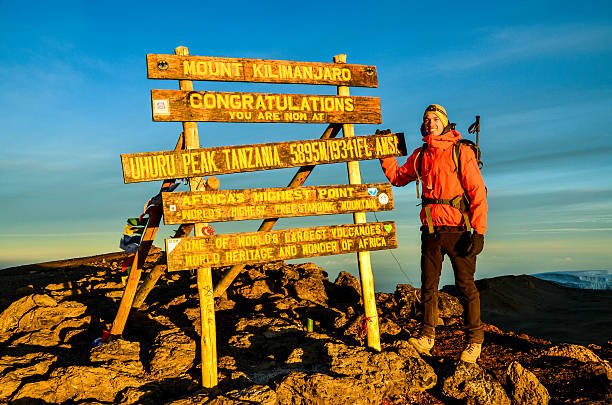
- Uhuru Peak
Who Is This Beginner Trek Best For?
The itinerary can suit first time hikers who already have a reasonable basic level of fitness and are willing to prepare properly.
Potentially Suitable For
- First time mountain trekkers
- Travellers comfortable walking for several hours
- People who exercise regularly but have little trekking experience
- Solo travellers wanting a first Kilimanjaro experience
- Couples
- Friends travelling together
- Families where age and fitness are appropriate
- Travellers unsure whether they want to attempt a future full summit climb
Who Should Think Carefully Before Booking?
A traveller who struggles with ordinary walking, has significant mobility limitations or cannot comfortably spend several hours on their feet should not choose the trek simply because the word beginner appears in the title.
Individual health concerns should be discussed with an appropriate medical professional before travel where needed.
How Fit Should a Beginner Be?
You do not need to be an elite athlete. You should, however, be comfortable with sustained walking and be able to recover sufficiently to walk again the next morning.
The useful question is not “Can I walk one difficult day?” but “Can I walk for several hours on three consecutive days?”
Simple Beginner Training Plan
Useful Preparation Before Kilimanjaro
- Regular brisk walking
- Longer weekend walks
- Hill walking where available
- Stair climbing
- Basic cardiovascular exercise
- Walking with the daypack you plan to use
- Practising in your trekking boots
- Completing back to back walking days before departure
Do Beginners Need a Gym?
No. Consistent walking, hills, stairs and general cardiovascular conditioning can provide useful preparation.
Should You Train in Your Hiking Boots?
Yes. Kilimanjaro is not the right place to discover that new footwear creates blisters after several hours.
Should You Practice With a Daypack?
Yes. Carrying the same type of daypack during training helps you adjust straps and understand how the weight feels over several hours.
What Should a Beginner Carry Personally?
The exact arrangement depends on the package, but your personal daypack should keep items you may need while walking accessible.
Typical Daypack Essentials
- Drinking water according to the package arrangement
- Waterproof jacket
- Waterproof trousers
- Warm layer
- Sun protection
- Sunglasses
- Personal medication
- Snacks where appropriate
- Phone or camera
- Small personal essentials
What Does a Porter Carry?
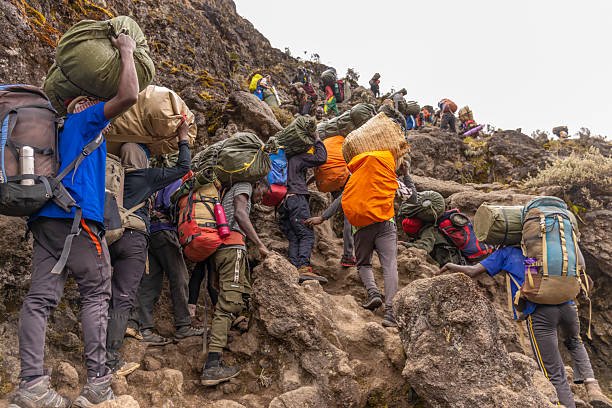
Where porter services are included, overnight luggage and assigned equipment are handled according to the confirmed crew plan.
A beginner should still carry their own immediate essentials rather than putting rainwear, water or important medication inside luggage that is travelling separately.
3 Day Kilimanjaro Trek for Beginners Itinerary
Before Day 1 – Beginner Briefing and Equipment Check
Meet the Professional Mountain Guide
Use the briefing to ask questions rather than pretending to understand unfamiliar mountain procedures.
Review the Route
Understand that Day 1 reaches Mandara, Day 2 progresses toward Horombo and Day 3 completes the full descent.
Discuss Previous Hiking Experience
Tell the guide whether this is your first multi day trek.
Discuss Previous Altitude Experience
It is perfectly acceptable to say you have never been at similar elevation before.
Check Hiking Boots
Make sure they fit comfortably with the socks you intend to wear.
Check Waterproof Layers
Do not assume a sunny forecast means rain protection is unnecessary.
Check Warm Clothing
Prepare enough insulation for the higher second mountain night.
Check Sleeping Bag Arrangement
Confirm whether it is included, rented or brought personally.
Check Trekking Poles
Beginners often find poles particularly useful during the final descent.
Adjust the Daypack
Shoulder and waist straps should feel comfortable before starting.
Beginner Rule Number One
Ask questions before the mountain. There is no advantage in arriving at the gate unsure which clothes, water, medication or equipment should remain in your daypack.
Day 1 – Transfer to Marangu Gate
The first day normally begins with road transportation from the confirmed pickup location toward Marangu Gate.
For many beginners, the transfer is the moment when Kilimanjaro changes from an idea into a real mountain trek.
Day 1 Morning – Getting to the Mountain
Pickup From the Confirmed Location
Begin from the hotel, lodge or meeting point written into the booking.
Load Trekking Equipment
Separate mountain luggage from belongings that can remain safely at the hotel where storage is available.
Travel Toward Marangu
Use the transfer specified in the package.
Possible Kilimanjaro Views
Clear weather may reveal the mountain, but cloud can hide it completely.
Arrive at Marangu Gate
Reach the established starting area and prepare for the first trekking stage.
What Should Beginners Expect at Marangu Gate?
Do not expect to step from the vehicle and immediately begin walking. The operating team needs time for applicable procedures, crew organization and equipment preparation.
Day 1 – Final Gate Preparation
Complete Applicable Mountain Procedures
Follow the confirmed booking and guide instructions.
Organize Overnight Luggage
Make sure overnight items are packed appropriately according to the crew arrangement.
Keep Rainwear With You
Do not place immediate weather protection inside inaccessible luggage.
Keep Water With You
Follow the package's drinking water arrangement.
Keep Personal Medication With You
Medication required during the day belongs in the personal daypack.
Use the Toilet Before Starting Where Appropriate
Simple practical preparation can make the first trail section more comfortable.
Begin With the Guide
Leave at a calm pace rather than following faster hikers from another group.
Beginner Mistake: Starting Too Fast
Excitement makes many first time hikers walk faster than necessary during the first hour.
The correct pace is one that can be sustained comfortably rather than one that proves how fit you are at the gate.
Beginner Pacing Principles
- Follow the guide's pace
- Use smaller comfortable steps
- Do not race other trekkers
- Drink regularly according to your needs
- Adjust clothing before becoming excessively hot or cold
- Mention problems early rather than waiting until they become severe
Day 1 – Marangu Gate to Mandara Hut
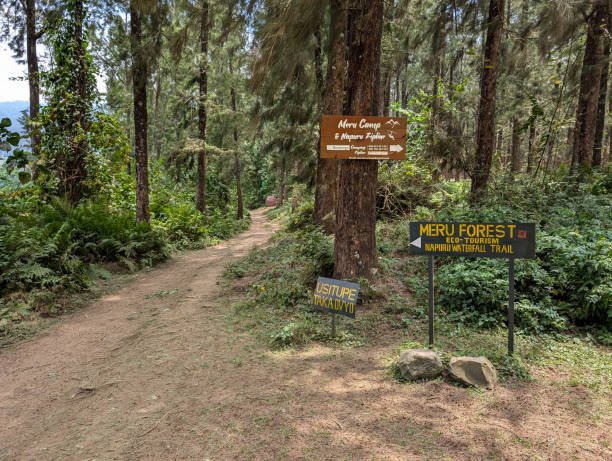
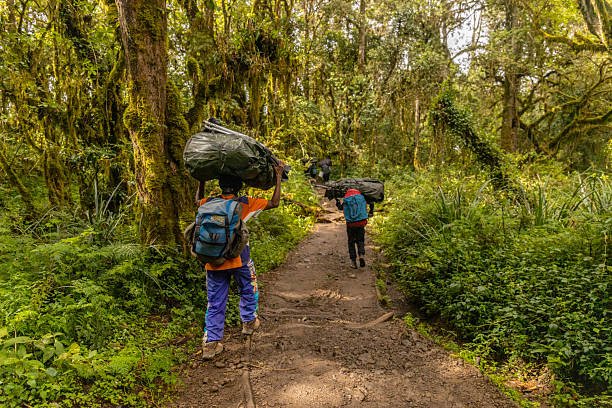
The first mountain stage enters Kilimanjaro's montane rainforest and introduces beginners to sustained trail walking.
The route is not technically difficult, but wet conditions, uphill walking and natural surfaces can make the day more demanding than a normal city walk.
Day 1 – Beginner Rainforest Trek
Enter the Montane Forest
Begin beneath a dense green canopy in Kilimanjaro's lower mountain zone.
Walk Uphill Gradually
Expect a sustained climb rather than a level sightseeing path.
Learn Your Comfortable Pace
The first day is a good opportunity to understand how your body feels during several hours of uphill walking.
Watch Roots and Stones
Natural trail requires attention to foot placement.
Expect Possible Mud
Rainforest sections can become wet and slippery.
Use Trekking Poles Where Helpful
Poles can provide additional confidence on uneven or slippery sections.
Take Practical Breaks
Short useful stops can help without completely losing the walking rhythm.
Continue Hydrating
Do not wait until you feel very thirsty.
Possible Wildlife
Forest wildlife may occasionally be encountered, but no particular animal sighting can be promised.
Reach Mandara Hut Area
Complete the first day's objective around 2,700 metres where conditions permit.
Day 1 Beginner Goal
Finish the day feeling that you could have walked a little more. Conserving energy is more useful than arriving at Mandara exhausted.
What Is Mandara Hut Like for a Beginner?
Mandara introduces travellers to mountain accommodation without requiring the complete tent camping routine used on other Kilimanjaro routes.
Beginners should still expect simple mountain facilities rather than normal hotel comfort.
Do Beginners Need a Sleeping Bag at Mandara?
Potentially. Confirm whether a suitable sleeping bag is included, rented or brought personally.
Is a Hotel Style Private Room Guaranteed?
No. Mountain hut accommodation should not be confused with hotel accommodation.
Can Beginners Visit Maundi Crater?
Potentially where arrival time, weather, energy and guide judgment allow.
Optional Day 1 – Maundi Crater
Check Energy First
Do not add extra walking merely because another group is doing it.
Check Weather
Poor visibility can reduce the value of the excursion.
Check Time
Allow enough time to eat, organize equipment and rest before Day 2.
Walk Where Suitable
The optional excursion can provide a different perspective from the rainforest.
Return to Mandara
Prepare properly for the higher second day.
Beginner Mistake: Adding Every Optional Walk
A first mountain trek does not need to include every possible extra objective.
The main route should remain the priority, particularly because Day 2 is substantially more demanding.
Day 1 Evening – First Mountain Night
Beginner Mountain Routine at Mandara
Change Out of Damp Clothing
Dry clothing helps you remain more comfortable after hiking.
Add Warm Layers
Temperature can feel cooler when active walking stops.
Organize the Sleeping Bag
Prepare before you become tired and cold.
Eat the Confirmed Evening Meal
Use the meal arrangement provided by the package.
Continue Hydrating
Prepare for higher elevation the following day.
Tell the Guide About Problems
Mention headache, nausea, unusual fatigue, blisters or equipment issues before morning.
Prepare Day 2 Clothing
Place warm and waterproof layers where they can be reached easily.
Prepare the Daypack
Avoid rushing to repack everything the next morning.
Rest
The second day is the main uphill challenge.
Beginner Lesson From Night 1
Good organization makes mountain life easier. Keep wet clothes separate, know where your headlamp is and prepare the clothing needed for the next morning before going to sleep.
Day 2 – Mandara Hut to Horombo Hut
Day 2 is the most important stage for beginners because the route climbs significantly higher and the scenery changes from forest to open mountain terrain.
This is also where many beginners learn that altitude and walking speed are separate issues. Someone who is naturally fast at lower elevation may still need to slow down substantially as the trail climbs.
Beginner Rule: Slow Is Not Weak
Walking slowly on Kilimanjaro is not a sign of poor fitness.
A sustainable pace conserves energy, reduces unnecessary fatigue and gives the guide more opportunity to observe how the group is responding during the ascent.
Day 2 Morning – Beginner Check at Mandara
Wake and Assess How You Feel
Notice headache, nausea, unusual weakness, dizziness or poor sleep.
Tell the Guide Honestly
Do not hide symptoms because you are worried about appearing inexperienced.
Check Your Feet
Address developing blisters before beginning the longer Day 2 stage.
Check Weather
Prepare for more exposed conditions above the forest.
Breakfast Where Included
Eat according to the confirmed meal arrangement.
Pack Water and Layers
Do not rely on overnight luggage for items needed while walking.
Begin Slowly
Use the first part of the morning to settle into a sustainable rhythm.
What Is Altitude Like for a Beginner?
Altitude response varies between individuals, including people with similar age and fitness.
The important beginner habit is not trying to diagnose yourself from internet stories while on the trail. Tell the professional guide how you feel and allow the mountain team to make appropriate decisions.
Beginner Altitude Rule
- Do not hide symptoms
- Do not race
- Do not assume fitness guarantees altitude tolerance
- Do not copy another traveller's pace
- Stay appropriately hydrated
- Follow guide decisions
- Understand that turning around can be the correct mountain decision
Symptoms Beginners Should Report
- Unusual or worsening headache
- Nausea
- Vomiting
- Dizziness
- Unusual weakness
- Poor coordination
- Unusual breathing difficulty
- Any symptom that is rapidly worsening or feels concerning
Can Very Fit Beginners Experience Altitude Symptoms?
Yes. Strong cardiovascular fitness can improve hiking comfort but cannot guarantee how an individual responds to altitude.
Is Turning Around Failure?
No. Reaching the planned destination is never more important than making responsible mountain decisions.
Day 2 – Leave the Rainforest
From Forest to Open Mountain
Climb Above Mandara
Continue farther along the established Marangu Route.
Watch the Forest Change
Tall dense vegetation gradually becomes lower.
Enter Heath
The route begins to feel more open and exposed.
Continue Into Moorland
Broader mountain landscapes replace the enclosed rainforest environment.
Use Sun Protection
Open terrain provides less shade.
Keep Warm Layers Available
Wind and cloud can make the higher trail feel cooler quickly.
Keep Rainwear Available
Mountain weather can change within the same walking stage.
Beginner Scenic Highlight
Day 2 allows first time trekkers to experience how quickly Kilimanjaro changes character as dense rainforest gives way to open heath and moorland.
Can Beginners See Kibo?
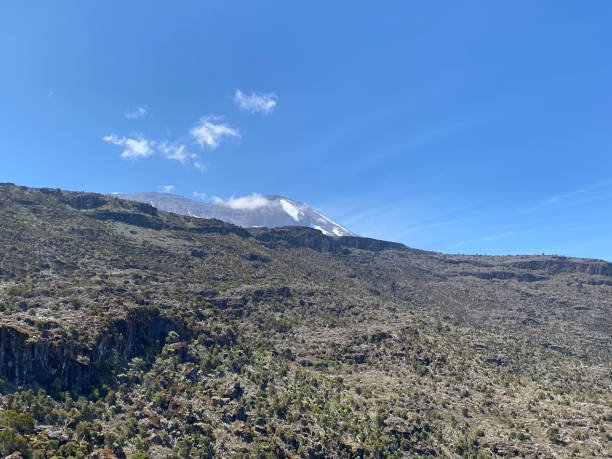
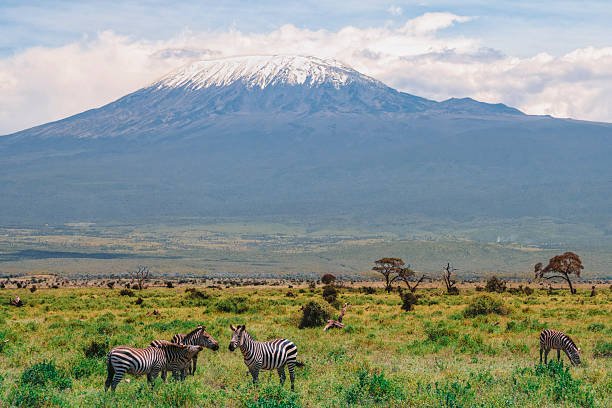
Potentially from suitable open sections when cloud permits, but Kibo views cannot be guaranteed.
Can Beginners See Mawenzi?
Potentially from suitable higher sections during clear conditions.
Should You Expect Perfect Mountain Views?
No. Weather can hide the mountain even when the trek itself is progressing well.
Day 2 – Main Moorland Trek
Beginner Approach to the Higher Trail
Continue at the Guide's Pace
Ignore faster hikers from unrelated groups.
Use Shorter Steps
Consistent movement can feel easier than repeated bursts of speed.
Drink Regularly
Follow an appropriate hydration routine.
Eat Where Planned
Use the confirmed meal and snack structure to support the day's effort.
Monitor Your Energy
Do not use all available energy during the first half of the day.
Monitor Your Feet
Small discomfort can develop into significant blisters over several hours.
Monitor Temperature
Adjust clothing before becoming excessively hot or cold.
Continue Toward Horombo
Progress steadily toward the second mountain night.
Beginner Mistake: Copying Someone Else's Pace
Another traveller may have different fitness, experience, body size or altitude response.
Your correct pace is the pace that your guide considers appropriate for you and the group.
Day 2 – Final Approach to Horombo Hut
Reaching the Main Beginner Objective
Keep the Pace Controlled
Do not speed up merely because the destination appears close.
Continue Reporting Symptoms
Altitude concerns remain relevant during the final approach.
Maintain Hydration
Continue drinking appropriately.
Use Layers as Needed
Open conditions may become cooler or windier.
Reach Horombo Hut Area
Arrive around 3,700 metres where health, weather and mountain conditions permit.
Stop the Upward Progression
Horombo is the planned high stage of this beginner itinerary.
Beginner Achievement: Horombo
Reaching Horombo after beginning at Marangu Gate provides a meaningful first high altitude trekking experience without requiring beginners to continue into the summit route.
Is Horombo Guaranteed?
No. A planned itinerary does not override health, weather, pace or professional mountain decisions.
Can a Beginner Continue Toward Kibo if Feeling Good?
Not as part of the standard three day itinerary described here.
Why Stop at Horombo?
The purpose of the itinerary is to provide a strong first multi day Kilimanjaro experience. Continuing farther would change the route design and altitude demands rather than simply adding a short optional walk.
Day 2 Afternoon – Beginner Routine at Horombo
After Arriving at Horombo
Rest
Allow your body to recover from the main ascent.
Change Into Dry Clothing
Avoid sitting in damp hiking layers.
Add Warm Clothing
Higher elevation can make the evening considerably cooler.
Eat Where Included
Use the confirmed mountain meal arrangement.
Continue Hydrating
Maintain sensible fluid intake.
Tell the Guide How You Feel
Do not hide symptoms merely because you have reached the planned destination.
Inspect Your Feet
Prepare for many hours of downhill walking on Day 3.
Prepare Trekking Poles
They may be particularly helpful during the final descent.
Should Beginners Add an Acclimatization Walk From Horombo?
Only where specifically built into the itinerary and considered suitable by the guide.
A three day beginner trek does not need to become more difficult simply because additional terrain exists above Horombo.
Day 2 Evening – Second Mountain Night
Prepare for the Long Descent
Dinner Where Included
Eat according to the confirmed package.
Stay Warm
Use dry warm layers throughout the evening.
Prepare the Sleeping Bag
Organize the sleeping system before becoming tired.
Prepare Day 3 Clothes
The final day can move through several temperature zones.
Prepare Waterproof Layers
Rainforest conditions may be wet even if Horombo is dry.
Prepare Trekking Poles
Have them accessible before beginning the descent.
Use Your Power Bank
Do not rely on mountain charging.
Rest
Day 3 remains a substantial hiking day.
Beginner Lesson From Night 2
Reaching the highest point of the itinerary does not mean the physical work is finished. A strong beginner trek includes enough energy and concentration for the entire descent.
Day 3 – Horombo Hut to Marangu Gate
Beginners sometimes assume the last day will be easy because almost all of the movement is downhill.
In reality, prolonged descent can place substantial strain on the thighs, knees and feet. The final rainforest section can also become slippery when wet.
Why Is Downhill Hiking Hard for Beginners?
People who train mainly on flat roads may be surprised by how much repeated downhill movement affects the legs.
This is why hills, stairs and downhill walking can be useful parts of beginner preparation.
Day 3 Morning – Leave Horombo
Wake for the Final Mountain Day
Begin after two nights on Kilimanjaro.
Check Your Health
Report continuing altitude symptoms or other concerns.
Check Knees and Feet
Deal with blisters or discomfort before starting the long descent.
Breakfast Where Included
Eat before beginning the final trekking stage.
Adjust Clothing Layers
Expect conditions to become warmer as elevation decreases.
Keep Rainwear Accessible
The lower forest can remain wet.
Begin Slowly
Do not start by running downhill.
Day 3 – Horombo to Mandara
Beginner Descent Through Moorland
Leave Horombo
Begin descending through the open mountain environment.
Possible Final Kibo Views
Clear conditions may provide another view of the upper mountain.
Possible Mawenzi Views
Mawenzi may remain visible from suitable sections.
Use Short Controlled Steps
Avoid repeatedly braking with large downhill steps.
Use Trekking Poles Where Helpful
Poles can provide stability and confidence.
Continue Hydrating
Physical effort continues even while descending.
Take Practical Breaks
Rest where needed without cooling down for unnecessarily long periods.
Return to Mandara
Pass through the first overnight area before entering the final rainforest stage.
Beginner Mistake: Running Downhill
Reaching lower elevation faster does not make the trek more successful.
Controlled descent can be easier on tired legs and reduces unnecessary slipping risk on uneven terrain.
Day 3 – Mandara to Marangu Gate
Final Beginner Rainforest Stage
Leave Mandara
Begin the final trail section toward the gate.
Reenter Dense Rainforest
The open Day 2 environment disappears beneath the forest canopy.
Expect Possible Mud
Wet conditions can make the final kilometres slower.
Watch Slippery Roots
Tired legs require careful foot placement.
Adjust Clothing
Lower elevation may feel warmer and more humid.
Continue Hydrating
The trek is not finished until the gate.
Do Not Rush for the Vehicle
Maintain a safe pace during the final downhill section.
Reach Marangu Gate
Complete the three day beginner Kilimanjaro trek.
Beginner Trek Complete
You have completed three consecutive mountain days, slept at Mandara and Horombo, experienced rainforest and moorland, learned high altitude trekking routines and returned to Marangu Gate without needing a summit attempt.
Day 3 – Return Transfer
After the Trek
Complete Applicable Exit Procedures
Finish the required mountain arrangements.
Collect Overnight Luggage
Reorganize personal equipment.
Separate Rental Gear
Return equipment according to the agreed arrangement.
Meet the Confirmed Vehicle
Use the return transportation included in the package where confirmed.
Return to the Agreed Destination
Travel toward Moshi, the hotel or another confirmed location.
Allow Flexible Timing
Walking speed, gate procedures, weather and road conditions can affect final arrival.
Should Beginners Fly Immediately After Day 3?
Avoid an unnecessarily tight same day flight.
The final day includes a long descent before road transportation begins, and beginners may walk more slowly than experienced trekkers.
Beginner Gear: What Matters Most?
Beginners do not need to own the most expensive mountain equipment available. They do need equipment that is appropriate, comfortable and suitable for changing Kilimanjaro conditions.
Beginner Packing Essentials
- Comfortable broken in hiking boots
- Suitable hiking socks
- Breathable trekking shirts
- Comfortable trekking trousers
- Warm fleece or mid layer
- Additional insulated layer
- Waterproof jacket
- Waterproof trousers
- Warm hat
- Sun hat
- Warm gloves
- Comfortable personal daypack
- Overnight luggage according to porter arrangement
- Suitable sleeping bag where required
- Headlamp
- Personal medication
- Personal toiletries
- Water according to package arrangements
- Snacks where useful
- Sunglasses
- Sun protection
- Trekking poles
- Power bank
- Waterproof protection for electronics and dry clothes
- Required travel and mountain documents
Do Beginners Need Expensive Boots?
Price alone does not determine suitability. Fit, comfort, traction and appropriate protection matter more than choosing footwear simply because it is expensive.
Can Beginners Wear Brand New Boots?
It is better to test and use trekking footwear before the trip.
Are Running Shoes Enough?
Natural mountain terrain, mud and uneven surfaces make suitable trekking footwear a better choice than relying only on ordinary road running shoes.
Do Beginners Need Trekking Poles?
They are not technical climbing equipment, but many beginners find them helpful for stability and the long Day 3 descent.
Do Beginners Need Gaiters?
They may be useful during wet or muddy conditions but are not automatically essential for every trek.
Do Beginners Need a Headlamp?
A headlamp is useful around mountain accommodation before sunrise or after dark.
Can Beginners Charge Phones on the Mountain?
Do not depend on reliable mountain charging. Carry an appropriate power bank.
Beginner Clothing: Use Layers
One of the most useful skills for a first time trekker is learning to add and remove layers rather than wearing one extremely heavy outfit all day.
Simple Layering Logic
- Light hiking layer while active
- Warm mid layer when temperature drops
- Insulated layer during colder periods
- Waterproof outer layer during rain or wet conditions
What Weather Should Beginners Expect?
Possible Conditions During the Three Days
- Warm lower elevation weather
- Humid rainforest
- Rain
- Mud
- Mist
- Strong sunshine
- Wind in open terrain
- Cooler temperatures around Horombo
- Rapid changes in visibility
Can Beginners Trek in Rain?
Rain does not automatically cancel a normal mountain trekking day, but suitable waterproof clothing and careful movement become more important.
Can the Trail Be Muddy?
Yes, particularly in the rainforest.
Can Horombo Be Cold?
Yes. Beginners should pack for the mountain rather than judging clothing needs from temperatures in Moshi or Arusha.
Can Beginners See Wildlife?
Wildlife may occasionally be encountered in the lower forest, but no particular animal sighting should be guaranteed.
Can Beginners See Kibo?
Potentially when weather is clear.
Are Kibo Views Guaranteed?
No.
Can Beginners See Sunrise?
Potentially, but a clear sunrise is not guaranteed.
What Can Be Included in a Beginner Kilimanjaro Trek?
Beginner Package Services to Confirm
- Professional mountain guide
- Applicable mandatory mountain related charges
- Pickup from the confirmed location
- Transfer to Marangu Gate
- Day 1 guided trek to Mandara
- Mandara mountain accommodation
- Day 2 guided trek to Horombo
- Horombo mountain accommodation
- Day 3 guided descent
- Porter services where included
- Meals listed in the itinerary
- Drinking water according to the package
- Return transfer from Marangu Gate
- Rental equipment where specifically included
What Is Not Automatically Included?
- International flights
- Domestic flights
- Visa expenses
- Travel insurance
- Personal trekking clothing
- Sleeping bag unless confirmed
- Rental equipment unless confirmed
- Pre trek hotel unless confirmed
- Post trek hotel unless confirmed
- Airport transfers unless confirmed
- Private vehicle unless confirmed
- Private mountain facilities
- Private portable toilet unless confirmed
- Tips where separate
- Personal expenses
- Safari or Zanzibar extensions unless specified
Do Beginners Need Porters?
Follow the confirmed package and crew structure. Porter services can make a multi day trek more manageable because the traveller can focus on carrying immediate trail essentials rather than all overnight luggage.
Are Meals Included?
Only meals specifically listed in the itinerary should be treated as included.
Is Drinking Water Included?
Only where specifically confirmed.
Can Beginners Rent Equipment?
Potentially where suitable rental equipment is available.
Should Beginners Rent Everything?
Not necessarily. Personal items such as footwear should be selected