5 Day Affordable Kilimanjaro Climb
The 5 Day Affordable Kilimanjaro Climb is designed for travellers who want to attempt Mount Kilimanjaro while keeping the overall trip practical, transparent and budget conscious.
Affordable does not mean removing essential mountain support. A properly organized Kilimanjaro climb still requires professional guiding, appropriate crew support, mountain accommodation, applicable compulsory charges, food, drinking water arrangements, transportation and responsible safety procedures.
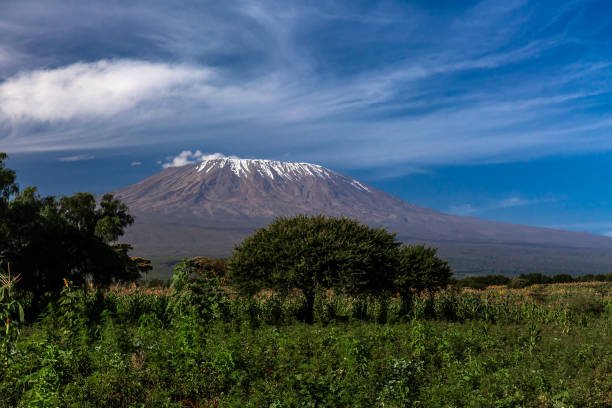
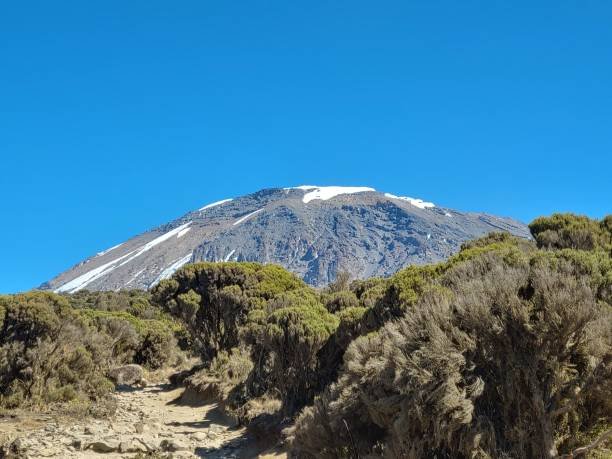
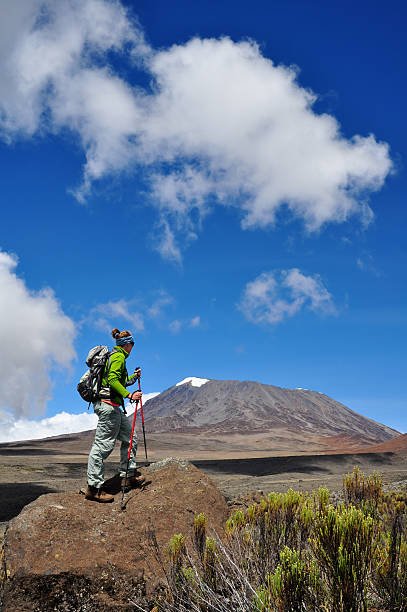
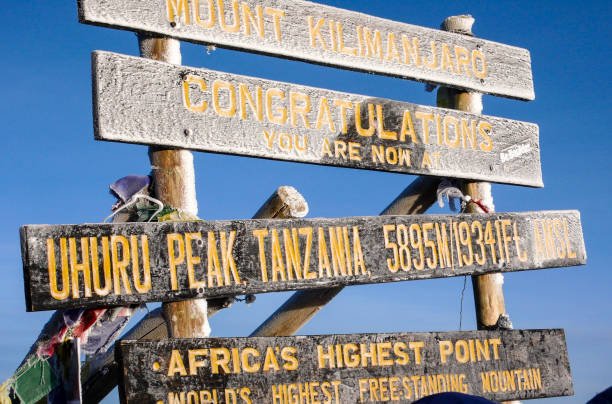
The standard five day itinerary uses the Marangu Route and follows a direct summit progression from Marangu Gate through Mandara Hut, Horombo Hut and Kibo Hut before the overnight attempt toward Gilman's Point and potentially Uhuru Peak at 5,895 metres.
After the summit attempt, climbers descend through Kibo to Horombo and complete the final descent to Marangu Gate on Day 5.
The goal of an affordable package should therefore be good value rather than extreme cost cutting. Travellers can reduce unnecessary expenses while preserving the essential mountain structure needed for a professional expedition.
5 Day Affordable Kilimanjaro Climb at a Glance
- Destination: Mount Kilimanjaro, Tanzania
- Route: Marangu Route
- Mountain duration: 5 days
- Mountain nights: 4
- Accommodation: Mountain huts
- Day 1: Marangu Gate to Mandara Hut
- Day 2: Mandara Hut to Horombo Hut
- Day 3: Horombo Hut to Kibo Hut
- Day 4: Summit attempt and descent to Horombo
- Day 5: Horombo to Marangu Gate
- Highest objective: Uhuru Peak, 5,895 m
- Budget style: Practical and value focused
- Best savings: Appropriate shared logistics and removal of unnecessary extras
- Do not compromise: Required fees, guides, food, water or essential safety support
What Does Affordable Kilimanjaro Really Mean?
An affordable Kilimanjaro climb is not automatically the cheapest advertisement found online.
A genuinely affordable package balances three priorities:
- Essential mountain services remain protected.
- Unnecessary optional expenses are controlled.
- The final quotation is transparent enough to prevent surprise costs later.
Affordable Does Not Mean Unsafe
Budget conscious travellers sometimes assume that lowering the price requires removing guides, reducing essential crew support, cutting food or excluding required mountain services.
That is not the right approach.
The better strategy is to keep the essential mountain operation intact and reduce costs around optional accommodation, private upgrades, unnecessary rental equipment and additional travel services.
Budget Smart, Not Cheap at Any Cost
Reasonable savings: Group joining, simpler hotels, bringing personal gear and removing unnecessary optional transfers.
Poor savings: Eliminating required mountain services, inadequate food, insufficient staff or unsuitable safety arrangements.
Why Marangu Works for a 5 Day Affordable Kilimanjaro Climb
Marangu provides a straightforward five day summit structure using mountain huts rather than standard tent camps.
The established sequence of Mandara, Horombo and Kibo creates a direct itinerary that can reduce overall mountain duration compared with longer routes.
Does Hut Accommodation Automatically Make Marangu Cheap?
No.
Although standard sleeping tents are normally unnecessary on Marangu, climbers still require guides, crew, hut accommodation, meals, transportation, applicable mountain charges and summit support.
Is the 5 Day Marangu Route Easy?
No.
The route is shorter in duration than many other Kilimanjaro programs, but shorter does not mean easier. The five day schedule has relatively limited acclimatization time and a demanding overnight summit stage.
Complete 5 Day Affordable Kilimanjaro Itinerary
5 Day Marangu Summit Plan
Day 1: Marangu Gate → rainforest → Mandara Hut.
Day 2: Mandara Hut → heath and moorland → Horombo Hut.
Day 3: Horombo Hut → alpine desert → Kibo Hut.
Day 4: Kibo → Gilman's Point → possible Uhuru Peak → Kibo → Horombo.
Day 5: Horombo → Mandara area → Marangu Gate.
Day 1 – Marangu Gate to Mandara Hut
The trek begins at Marangu Gate after the applicable entry and operational arrangements have been completed.
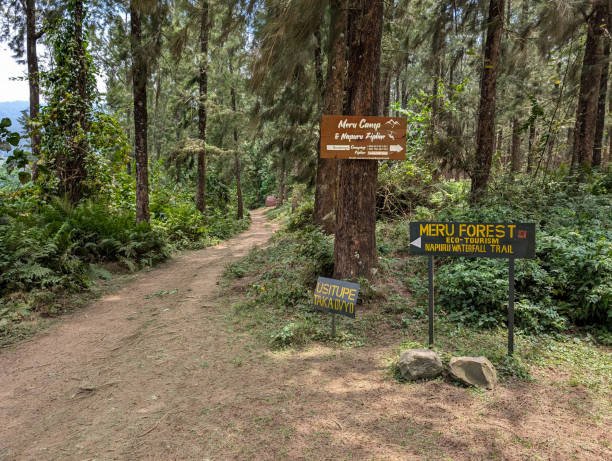
The route enters montane rainforest and climbs steadily toward Mandara Hut at approximately 2,700 metres.
Day 1 Goal
Reach Mandara comfortably, establish a slow sustainable pace and avoid wasting energy that will be needed much higher on the mountain.
Rainforest Experience
The lower mountain can be humid and wet. Rain, mud, roots and uneven natural surfaces are possible.
Wildlife
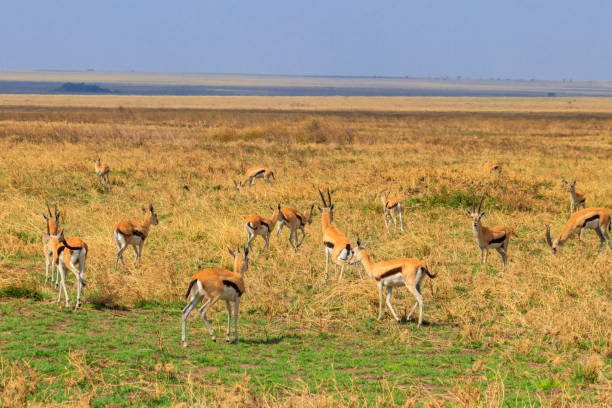
Wildlife may occasionally be encountered in the forest, but specific sightings cannot be guaranteed.
Why Good Boots Matter
The route may be non technical, but five consecutive trekking days make comfortable, tested footwear one of the most important personal equipment choices.
Night 1 – Mandara Hut
Mandara provides the first mountain night and introduces climbers to the Marangu hut system.
- Change into dry clothing
- Organize sleeping equipment
- Eat according to the mountain plan
- Hydrate appropriately
- Check feet and boots
- Prepare clothing for Day 2
- Report health concerns
- Rest
Optional Maundi Crater Area
Where time, weather, fitness and professional guide judgment permit, a short exploration around Mandara or the Maundi Crater area may be possible.
Optional walking should never reduce valuable recovery time unnecessarily.
Day 2 – Mandara Hut to Horombo Hut
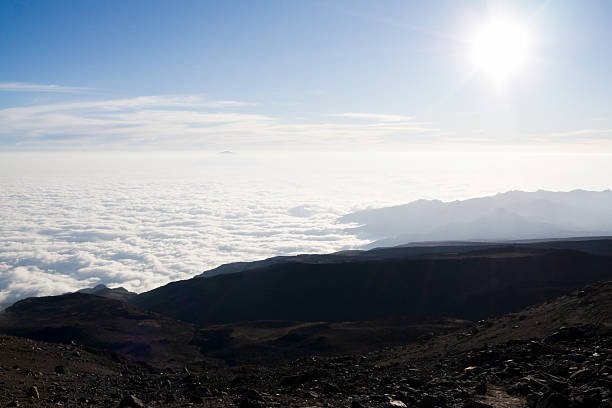
Day 2 leaves the rainforest and progresses through heath and open moorland toward Horombo Hut at approximately 3,700 metres.
Day 2 Goal
Reach Horombo with energy remaining while beginning to monitor altitude response more carefully.
Landscape Change
Dense forest gradually gives way to lower vegetation and more open mountain scenery.
Possible Kibo and Mawenzi Views
Clear conditions may provide views toward the higher mountain, although cloud can completely obscure both peaks.
Altitude at Horombo
Horombo is a major transition because the body is now sleeping around 3,700 metres above sea level.
Report Concerning Symptoms
- Worsening headache
- Nausea
- Vomiting
- Dizziness
- Unusual weakness
- Poor coordination
- Confusion
- Unusual breathing difficulty
- Any rapidly worsening condition
Affordable Should Never Mean Hiding Health Problems
The money already spent on the climb should never pressure a traveller into hiding symptoms to avoid turning around.
A summit attempt is worthwhile only while continued ascent remains appropriate.
Night 2 – Horombo Hut
Horombo Priorities
Eat
Maintain energy for the high mountain stages.
Hydrate Appropriately
Follow sensible mountain guidance.
Stay Warm
Temperatures can fall after sunset.
Report Symptoms
Be honest before the route moves considerably higher.
Review Summit Gear
Check warm layers, headlamp, gloves and other essential equipment before Kibo.
Rest
Day 3 and summit night follow quickly.
Why the Affordable Five Day Option Has a Tradeoff
A five day itinerary can reduce total mountain duration and therefore reduce some operating costs compared with adding another day.
However, the standard five day Marangu schedule normally does not include a separate additional acclimatization day at Horombo.
The financial saving should therefore be considered alongside the faster altitude progression.
Day 3 – Horombo Hut to Kibo Hut
Day 3 climbs from Horombo into increasingly sparse and barren alpine terrain.
The route crosses the high landscape between Kibo and Mawenzi before reaching Kibo Hut at approximately 4,700 metres.
Day 3 Goal
Reach Kibo slowly and preserve energy for the summit attempt rather than trying to prove fitness by walking quickly.
The Kibo Mawenzi Saddle
The broad saddle creates one of the most distinctive sections of the Marangu Route.
The landscape can look straightforward, but the elevation makes ordinary walking increasingly demanding.
Why Day 3 Can Feel Difficult
- Higher altitude
- Lower available oxygen
- Cold wind
- Strong sunshine
- Dry alpine conditions
- Accumulated fatigue
- Limited time before summit night
Arrival at Kibo Hut
Kibo is the final summit base and the highest sleeping point in the standard five day route.
Climbers usually have only limited time to eat, hydrate, organize summit clothing and rest.
Summit Preparation at Kibo
Prepare Before Resting
- Base layers
- Warm mid layers
- Insulated summit jacket
- Weather resistant outer layer
- Warm hat
- Warm gloves
- Headlamp
- Reliable batteries
- Water
- Energy snacks
- Trekking poles
- Personal medication
Should You Save Money on Summit Clothing?
The objective should be suitable clothing rather than expensive branding.
A less expensive jacket that provides appropriate insulation and weather protection can be more useful than premium fashion equipment chosen only for its label.
However, inadequate insulation should never be accepted simply because it costs less.
Day 4 – Kilimanjaro Summit Attempt
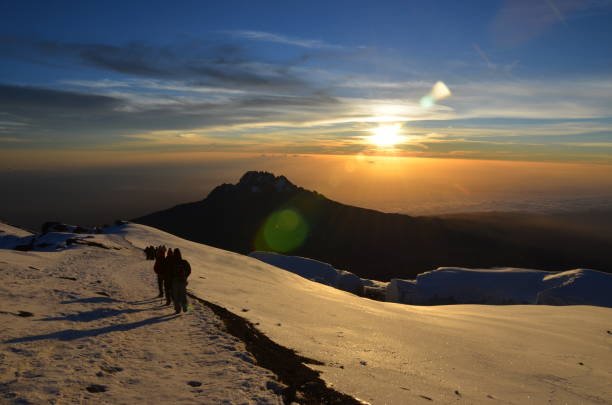
Summit day begins during the night according to the professional guide's operating plan.
Climbers leave Kibo under headlamps and begin the demanding climb toward the crater rim.
Day 4 Goal
Attempt Gilman's Point and continue toward Uhuru Peak only when altitude response, health, weather, timing, energy and professional guide judgment permit.
Kibo to Gilman's Point
The route becomes increasingly demanding as climbers progress through darkness and extreme altitude toward Kilimanjaro's crater rim.
Why Summit Night Is Hard
- Very high altitude
- Cold conditions
- Darkness
- Limited sleep
- Accumulated fatigue
- Long climbing duration
- Long descent still remaining
Gilman's Point
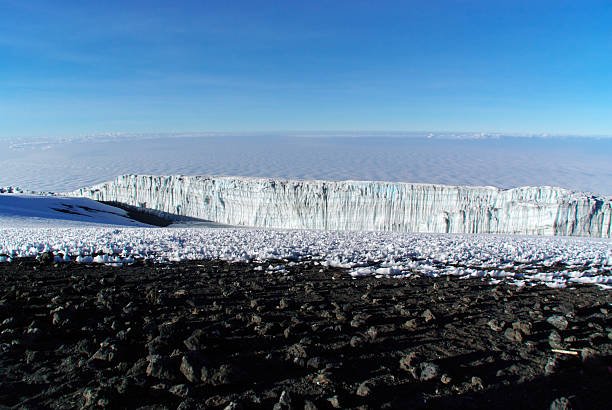
Gilman's Point is an important crater rim milestone on the Marangu summit approach.
Reaching it does not automatically mean that every climber should continue toward Uhuru Peak.
Gilman's Point to Uhuru Peak
Climbers who remain healthy and strong enough may continue toward Uhuru Peak.
The additional summit section remains at extreme altitude after many hours of climbing.
Uhuru Peak – 5,895 Metres
Uhuru Peak is the planned highest point of the five day climb.
Affordable Does Not Mean a Guaranteed Summit
Every traveller pays for an organized summit attempt rather than a guaranteed arrival at Uhuru Peak. The guide can require descent whenever altitude, illness, exhaustion, weather or another safety issue makes further ascent inappropriate.
Do Not Measure Value Only by Reaching Uhuru
A safe turnaround can be the correct professional outcome even after a traveller has paid for a complete summit package.
Summit Descent
After reaching the highest safe point, climbers return toward Kibo.
The group then continues much farther down to Horombo for the final mountain night.
Why Summit Day Is Longer Than Expected
- Wake during the night
- Leave Kibo under headlamps
- Climb toward Gilman's Point
- Potentially continue toward Uhuru
- Descend toward Kibo
- Rest briefly where appropriate
- Continue the descent to Horombo
Night 4 – Horombo Hut
The lower elevation can feel more comfortable after Kibo, but climbers are often physically tired after the summit stage.
Day 5 – Horombo Hut to Marangu Gate
The final day completes the long descent through moorland, heath, Mandara and rainforest.
Day 5 Goal
Complete the entire mountain safely before beginning the return road transfer.
Why Day 5 Is Still Physically Demanding
Lower altitude can make breathing easier, but tired thighs, knees, ankles and feet still need to handle prolonged downhill movement.
Trekking poles can be especially useful during this stage.
How to Make Kilimanjaro More Affordable
The biggest savings often come from choosing the right package structure rather than compromising the mountain operation.
Smart Ways to Reduce Your Total Cost
- Join a suitable scheduled group
- Travel with friends and share appropriate operational costs
- Bring suitable gear you already own
- Rent only equipment you genuinely need
- Choose practical hotel accommodation
- Remove unnecessary optional hotel nights where appropriate
- Arrange your own airport transfer where practical and allowed
- Avoid unnecessary private upgrades
- Avoid luxury add ons that do not improve the mountain experience
- Compare quotations line by line
1. Consider a Group Joining Departure
Group joining can be one of the most effective ways for solo travellers or couples to reduce some shared operational costs.
A group departure can share appropriate transportation and operating expenses across several climbers while maintaining the required mountain structure.
Does Group Joining Mean a Huge Group?
Not necessarily. Group size depends on the scheduled departure and bookings.
Travellers should confirm the expected group structure before paying.
2. Travel With Friends
A private climb for several friends can have a different per person operating cost than a private solo departure because some transportation and logistical expenses are shared.
3. Bring Equipment You Already Own
Travellers who already own appropriate mountain clothing can avoid unnecessary rental expenses.
Do not bring unsuitable lightweight equipment simply to avoid renting an appropriate item.
4. Rent Only What You Need
Rental can be cost effective for specialist items that would otherwise be expensive to purchase for one trip.
Common Rental Equipment
- Sleeping bag
- Duffel bag
- Trekking poles
- Gaiters
- Insulated jacket
- Waterproof jacket
- Waterproof trousers
5. Do Not Automatically Rent Hiking Boots
Boot fit is highly personal. Where possible, use appropriate boots that have already been tested during training.
A badly fitting cheap or rented boot can create blisters that affect the entire trek.
6. Choose Practical Accommodation Before the Climb
A traveller does not need a luxury hotel to prepare successfully for Kilimanjaro.
A clean, practical hotel with suitable rest, shower facilities and convenient departure logistics may provide better value for a budget focused trip.
7. Understand Whether Hotels Are Included
Some packages include pre climb and post climb accommodation while others cover only the five mountain days.
Removing a hotel that you genuinely do not need may reduce cost, but do not accidentally create a stressful arrival schedule merely to save one night.
8. Compare Airport Transfer Options
Airport transportation can be included or charged separately depending on the package.
Travellers should compare the convenience and total cost before removing transfers purely to reduce the advertised package price.
9. Avoid Unnecessary Luxury Upgrades
An affordable climb can remain focused on the actual mountain experience rather than premium hotel rooms, unnecessary private vehicles or other upgrades that do not materially improve the trek.
10. Compare Complete Packages, Not Starting Prices
A low starting price can become expensive after adding services that another package already includes.
Compare Like With Like
- Same five day route
- Same visitor category
- Same group size
- Same private or group arrangement
- Same compulsory mountain charges
- Same hut nights
- Comparable guide structure
- Comparable crew support
- Same meals and water
- Same gate transfers
- Same hotel nights
- Same airport transfers
- Same rental equipment
What Should Never Be Removed to Make Kilimanjaro Cheaper?
Essential Mountain Services Are Not Optional Cost Cuts
- Required park and mountain charges
- Professional guide structure
- Necessary porter and crew support
- Required hut accommodation
- Adequate mountain meals
- Appropriate drinking water arrangements
- Suitable summit clothing
- Essential first aid and safety arrangements
- Necessary gate transportation
Affordable vs Cheapest Kilimanjaro Climb
The word affordable should describe value relative to the services included.
The word cheapest focuses only on the smallest number.
For Kilimanjaro, the first concept is usually much more useful than the second.
Why an Extremely Cheap Quote Deserves Questions
- Are all applicable compulsory mountain charges included?
- Are hut charges included?
- Is professional guiding included?
- Are necessary crew services included?
- Are meals included?
- Is drinking water included?
- Are gate transfers included?
- Are there mandatory payments due later?
- Are hotel nights excluded?
- Are airport transfers excluded?
- Is rental equipment excluded?
What Can Be Included in an Affordable Kilimanjaro Package?
Core Services to Confirm
- Professional licensed mountain guide
- Assistant guides according to group structure
- Porter services
- Mountain crew
- Applicable compulsory mountain charges
- Mandara Hut accommodation
- Horombo Hut accommodation
- Kibo Hut accommodation
- Mountain meals according to the package
- Drinking water arrangements
- Gate transfers where confirmed
- First aid and safety equipment where confirmed
- Guided summit attempt
- Return transportation where confirmed
What Can Remain Outside the Affordable Package?
- International flights
- Domestic flights unless included
- Visa expenses
- Travel insurance
- Personal trekking clothes
- Sleeping bag unless included
- Rental gear unless included
- Pre climb hotel unless included
- Post climb hotel unless included
- Airport pickup unless included
- Airport drop off unless included
- Private portable toilet unless included
- Tips where separate
- Personal expenses
- Safari unless included
- Zanzibar extension unless included
Affordable Private Kilimanjaro Climb
A private climb can still be budget conscious, particularly when several friends or family members travel together and divide appropriate operational costs.
A private solo climb usually has fewer people sharing those costs and can therefore have a higher per person price.
Affordable Group Joining Kilimanjaro Climb
Group joining is often attractive to solo travellers because it allows them to share a scheduled departure with other climbers where availability exists.
Is Group Joining Less Safe Than Private?
Group format alone does not determine the quality or safety of the operation.
Travellers should evaluate professional guiding, group structure, itinerary, crew support and operational standards.
Does Private Mean Private Huts?
No. Private generally refers to the booking party, not exclusive mountain facilities.
Does Affordable Mean Shared Huts?
Marangu hut facilities can be shared regardless of whether the booking itself is private, premium or budget focused.
5 Day vs 6 Day Affordable Kilimanjaro
The five day itinerary can have a lower total cost because it includes one fewer mountain day than a six day Marangu program.
However, the additional day commonly provides more acclimatization time around Horombo.
Which Provides Better Value?
5 Day: Lower total duration and potentially lower total price.
6 Day: Additional cost, but commonly more time for acclimatization before Kibo.
Should Budget Travellers Automatically Choose Five Days?
No.
Travellers should compare the savings from one fewer mountain day with the potential value of additional acclimatization time.
How Difficult Is the Affordable 5 Day Climb?
- Five consecutive trekking days
- Fast altitude progression
- Limited acclimatization time
- Cold high mountain conditions
- Night trekking
- Extreme summit altitude
- Limited sleep before the summit
- Long summit day
- Long descent
Training Is a Budget Friendly Investment
Good preparation does not require an expensive gym membership or specialist expedition facility.
Low Cost Training Options
- Long outdoor walks
- Local hill hiking
- Stair climbing
- Walking with a loaded daypack
- Bodyweight strength exercises
- Back to back hiking days
- Long downhill practice
Can Beginners Choose an Affordable 5 Day Climb?
Some first time climbers attempt five day Marangu, but the route should not be selected simply because it may cost less.
Beginners should understand the compressed altitude schedule and prepare accordingly.
Do You Need Expensive Branded Gear?
Not necessarily.
The priorities are suitable fit, warmth, weather resistance and reliability rather than expensive logos.
Where Quality Matters Most
Do Not Compromise on Critical Personal Gear
- Comfortable hiking boots
- Suitable sleeping bag
- Waterproof outer layers
- Adequate summit insulation
- Warm gloves
- Reliable headlamp
- Suitable water carrying system
Complete Affordable Kilimanjaro Packing List
- Hiking boots
- Hiking socks
- Base layers
- Hiking shirts
- Trekking trousers
- Warm mid layers
- Insulated summit jacket
- Waterproof jacket
- Waterproof trousers
- Warm hat
- Sun hat
- Warm gloves
- Daypack
- Duffel or porter bag according to arrangement
- Suitable sleeping bag
- Headlamp
- Reliable batteries
- Trekking poles
- Water bottles or hydration system
- Sunglasses
- Sun protection
- Personal medication
- Personal toiletries
- Power bank
- Waterproof packing
Can You Save Money by Bringing Your Own Sleeping Bag?
Potentially, if your sleeping bag is genuinely suitable for the mountain and rental would otherwise be charged separately.
Can You Save Money by Bringing Trekking Poles?
Yes where you already own suitable poles and rental would otherwise be required.
Can You Charge Your Phone on the Mountain?
Do not depend on reliable mountain charging. Bringing a charged power bank is usually the practical approach.
Does an Affordable Package Include WiFi?
Continuous mountain internet should not be treated as a guaranteed inclusion in any package.
Pre Climb Hotel and Budget Planning
A pre climb hotel can be useful even for budget travellers because it gives time to recover from travel, attend the briefing and resolve equipment problems.
Removing this night purely to reduce cost can create unnecessary pressure if an international flight arrives shortly before the climb.
Post Climb Hotel and Budget Planning
A post climb hotel is not automatically necessary for every itinerary, but it can provide valuable recovery time after summit day and the final descent.
Should You Book a Cheap Flight Immediately After Day 5?
Avoid creating a tight connection simply to save one hotel night.
The mountain descent, gate procedures and road transfer must all be completed first, and exact timing can vary.
Travel Insurance Is Not a Good Place to Cut Costs Blindly
Travel insurance is normally separate from the mountain package unless explicitly stated otherwise.
Travellers should evaluate suitable coverage for their itinerary rather than selecting the lowest premium without understanding what it covers.
Visa and Flight Budget
International flights and visa expenses usually sit outside the mountain quotation and should be included when calculating the complete Tanzania trip budget.
Tips and Gratuities
Travellers should ask for current tipping guidance and confirm whether gratuities are outside the package price.
Payment Processing Costs
Bank transfers, card processors and currency conversion can create additional transaction costs.
Ask whether these are included or payable separately.
Affordable Kilimanjaro + Safari
Combining Kilimanjaro with safari can sometimes simplify Tanzania logistics, but safari remains a separate major cost unless provided inside a combined quotation.
Kilimanjaro + Tarangire
Tarangire can provide a compact post climb wildlife extension for travellers with limited time.
Kilimanjaro + Ngorongoro
Ngorongoro can be included in a short or longer Northern Tanzania safari.
Kilimanjaro + Serengeti
Serengeti generally requires additional days and should be budgeted according to the full safari itinerary.
Affordable Kilimanjaro + Zanzibar
Budget conscious travellers can also continue to Zanzibar, but flights, hotels, transfers and activities should be compared separately unless included in one combined package.
How to Compare Affordable Kilimanjaro Quotes
Price Comparison Checklist
- Is it genuinely five mountain days?
- Is it Marangu Route?
- Are all applicable compulsory mountain charges included?
- Are four hut nights included?
- Is professional guiding included?
- What is the assistant guide structure?
- What crew is included?
- Are mountain meals included?
- Is drinking water included?
- Are gate transfers included?
- Are hotels included?
- Are airport transfers included?
- Is sleeping bag rental included?
- Are trekking poles included?
- Are other rental items included?
- Are tips separate?
- Are payment transaction charges separate?
Budget Booking Checklist
- Confirm exact travel dates
- Confirm number of travellers
- Confirm visitor category where applicable
- Compare private and group joining
- Confirm all mountain charges
- Confirm hut accommodation
- Confirm guides and crew
- Confirm meals and water
- Confirm gate transportation
- Confirm luggage allowance
- List only rental equipment actually required
- Confirm pre climb hotel
- Confirm post climb hotel
- Confirm airport pickup
- Confirm airport drop off
- Budget for insurance
- Budget for tips where applicable
- Check payment charges
- Read cancellation conditions
- Read rescheduling conditions
Common Affordable Kilimanjaro Mistakes
Avoid False Economy
- Choosing only the lowest headline price
- Not checking compulsory mountain charges
- Removing essential support
- Buying unsuitable cheap boots
- Using inadequate summit clothing
- Assuming all gear is included
- Assuming hotels are included
- Assuming airport transfers are included
- Forgetting rental costs
- Forgetting tips
- Ignoring insurance
- Choosing five days solely because it is cheaper
- Ignoring the acclimatization tradeoff
- Expecting summit success because the trek was paid for
- Booking an unnecessarily tight onward flight to avoid accommodation cost
Mistake: Cheap Gear That Must Be Replaced
Buying inappropriate equipment simply because it has the lowest price can eventually cost more if it must be replaced or rented again in Tanzania.
Mistake: Removing a Pre Climb Night When Your Flight Arrives Late
Saving one hotel night can create expensive problems if baggage is delayed or equipment cannot be checked before the climb.
Mistake: Assuming Budget Means Poor Food
Adequate mountain nutrition is an operational requirement, not a luxury upgrade.
Mistake: Assuming Affordable Means No Porters
Necessary crew services should follow the confirmed mountain operation rather than being eliminated to create a lower marketing price.
Mistake: Choosing Five Days Only to Save Money
Five day Marangu normally has less acclimatization time than the six day alternative. Cost should not be the only factor in deciding between them.
5 Day Affordable Kilimanjaro Climb FAQs
Is a 5 Day Kilimanjaro climb affordable?
It can be organized as a budget conscious package by controlling optional expenses while preserving the essential mountain operation.
Does affordable mean cheapest?
No. Affordable means good value within a realistic budget rather than automatically being the lowest available price.
Which route is used?
The standard five day summit itinerary described here uses the Marangu Route.
Why is Marangu suitable for five days?
It has an established direct summit structure using Mandara, Horombo and Kibo huts.
Does Marangu use tents?
The standard route uses mountain huts.
Does that mean no sleeping bag is needed?
No. Climbers still need appropriate sleeping insulation.
Can I rent a sleeping bag?
Potentially where suitable rental equipment is available.
Can I rent trekking poles?
Potentially where available.
How can solo travellers reduce cost?
A suitable group joining departure may allow some operational expenses to be shared.
Is group joining always cheaper?
Not automatically, but it can produce a different per person cost structure.
Can couples climb privately?
Yes where a private arrangement is available.
Does private mean private huts?
No.
Can bringing my own gear save money?
Yes where it eliminates rental items and the equipment is suitable for the mountain.
Should I buy the cheapest hiking boots?
Fit and suitability matter more than simply choosing the lowest price.
Should I rent hiking boots?
Using well tested personal boots is often preferable where possible because fit is highly individual.
Can I remove hotels from the package?
Potentially where hotel accommodation is optional.
Should I remove the pre climb hotel to save money?
Only if your arrival schedule still leaves sufficient time for rest, briefing and equipment preparation.
Are airport transfers automatically included?
No.
Can I arrange my own airport transportation?
Potentially where the package allows it.
Are guides included?
Professional guiding should be clearly confirmed as part of the mountain operation.
Are porters included?
Confirm the porter and crew services in the written quotation.
Are mountain fees included?
The applicable compulsory mountain charges should be clearly identified in the quotation.
Are hut charges included?
Confirm all applicable hut accommodation charges before booking.
Are meals included?
Only meals stated in the confirmed package should be treated as included.
Is drinking water included?
Confirm the exact mountain water arrangement.
Can affordable packages still include safety equipment?
Budget positioning should not require removing appropriate mountain safety support.
Is five day Marangu easy?
No.
Does it include an acclimatization day?
Not normally in the standard five day structure.
Is six day Marangu more expensive?
It can cost more because it adds another mountain day and associated operating services.
Why might six days still be better value?
It commonly provides additional acclimatization time before continuing toward Kibo.
Can beginners do five days?
Some do, but the itinerary should not be selected only because it may be cheaper.
Do I need technical climbing skills?
The standard Marangu route is primarily a high altitude trek rather than technical rock climbing.
How high is Uhuru Peak?
5,895 metres.
Is Uhuru Peak guaranteed?
No.
Does paying more improve the summit guarantee?
There is no summit guarantee at any package price.
Can the guide turn me around?
Yes whenever health or mountain safety requires descent.
What happens on Day 1?
Climbers trek from Marangu Gate through rainforest to Mandara Hut.
What happens on Day 2?
The route climbs through heath and moorland toward Horombo Hut.
What happens on Day 3?
Climbers continue through high alpine terrain to Kibo Hut.
What happens on Day 4?
The summit attempt begins during the night toward Gilman's Point and potentially Uhuru Peak before descending to Horombo.
What happens on Day 5?
The trek descends from Horombo through the lower mountain to Marangu Gate.
Can I charge my phone?
Do not rely on dependable mountain charging. Carry a power bank.
Can an affordable trip include safari?
Yes where safari is added to the quotation, although it creates additional trip cost.
Can I add Tarangire?
Yes.
Can I add Ngorongoro?
Yes.
Can I add Serengeti?
Yes.
Can I add Zanzibar?
Yes as part of a wider Tanzania itinerary.
Should I book a flight immediately after Day 5 to save a hotel night?
Avoid an unnecessarily tight connection because the complete descent, gate procedures and road transfer must happen first.
What is the biggest difference between affordable and cheap Kilimanjaro climbing?
An affordable climb controls unnecessary costs while protecting the core mountain operation. A package can use practical accommodation, shared group logistics and selective equipment rental while still providing the required guiding, crew, meals, huts, transportation and mountain services. Extreme cost cutting becomes a problem when essential support is removed merely to advertise the smallest possible number.
What is the best way to lower the price without lowering the mountain experience?
Start by examining optional expenses. Consider a group joining departure, bring mountain equipment that you already own, rent only genuinely necessary items and choose practical accommodation before and after the climb. Compare airport transfer options and avoid luxury upgrades that are not important to your goals. Essential mountain services should remain protected.
Why can the cheapest advertised Kilimanjaro package eventually cost more?
The lowest advertised price can exclude hotel nights, airport transfers, sleeping bag rental, trekking poles, other equipment or additional transportation. Once the traveller adds everything actually required, the final amount can exceed another package that looked more expensive initially but already contained those services.
Is five day Marangu the best budget choice for everybody?
No. Five days can reduce overall duration and some related costs, but it normally provides less acclimatization time than a six day Marangu itinerary. Travellers should evaluate both financial budget and altitude strategy before deciding.
What should I request before paying for an affordable Kilimanjaro climb?
Request a written quotation showing the exact route, dates, number of travellers, private or group joining arrangement, compulsory mountain charges, hut accommodation, professional guides, crew, meals, drinking water, gate transfers, hotels, airport transfers, rental equipment, optional services, total price, deposit, remaining balance and cancellation conditions.
So what is the complete 5 Day Affordable Kilimanjaro Climb?
The complete 5 Day Affordable Kilimanjaro Climb is a budget conscious Marangu Route summit expedition that controls unnecessary travel expenses without removing the core services required for a professionally organized mountain journey. The itinerary begins at Marangu Gate and climbs through montane rainforest to Mandara Hut around 2,700 metres. The first day establishes the slow walking rhythm that should continue throughout the climb. Mandara provides the first hut night and gives climbers time to eat, change into dry clothing, organize equipment and rest. Day 2 leaves the rainforest and continues through heath and open moorland toward Horombo Hut around 3,700 metres. The mountain becomes increasingly exposed and possible views toward Kibo and Mawenzi depend on weather. Altitude becomes more important, and climbers should communicate headaches, nausea, dizziness, unusual weakness or other concerning symptoms honestly. Day 3 proceeds directly from Horombo to Kibo because the standard five day itinerary normally does not contain a separate acclimatization day. Vegetation becomes sparse as the route crosses the high alpine landscape between Kibo and Mawenzi. The objective is to reach Kibo around 4,700 metres slowly and with enough energy remaining for summit night. Climbers eat, hydrate, prepare their warmest clothing, gloves, headlamp, trekking poles, water and snacks and attempt to rest. Day 4 begins during the night with the ascent toward Kilimanjaro's crater rim. Darkness, cold, fatigue and extreme altitude make this the hardest part of the climb for many travellers. Where health and mountain conditions permit, the route reaches Gilman's Point. Climbers who remain strong enough can potentially continue toward Uhuru Peak at 5,895 metres. Uhuru is the objective but never a guaranteed outcome. The guide can require descent whenever altitude symptoms, illness, exhaustion, weather or timing make continued ascent inappropriate. After reaching the highest safe point, climbers descend to Kibo and continue much farther down to Horombo for the final mountain night. Day 5 completes the descent through moorland, heath, Mandara and rainforest before the group reaches Marangu Gate. The affordable nature of the package should come from sensible planning around this mountain structure. Travellers can consider group joining instead of a private solo departure, share suitable operational costs with friends, bring personal equipment they already own, rent only necessary items and choose practical hotel accommodation rather than luxury upgrades. They can also compare airport transfer options and remove genuinely unnecessary services. What should not be sacrificed are the required mountain charges, professional guide structure, necessary crew support, adequate meals, water arrangements, appropriate hut accommodation and essential mountain safety procedures. Personal equipment also needs to remain suitable even when purchased or rented on a budget. Expensive brands are not compulsory, but suitable waterproof clothing, summit insulation, tested boots, gloves, a reliable headlamp and an appropriate sleeping bag remain important. Travellers should also calculate expenses that may sit outside the mountain package, including international flights, visa costs, travel insurance, tips, rental equipment and personal spending. Five day Marangu can have a lower total trip cost than six days because it contains one fewer mountain day, but it also normally provides less acclimatization time. The final decision should therefore balance budget, time and altitude strategy. The strongest affordable Kilimanjaro package is not the one that simply advertises the lowest number. It is the package that clearly explains what is included, protects the essential mountain operation, removes unnecessary extras and gives the traveller a realistic understanding of the complete cost before booking.
Plan Your 5 Day Affordable Kilimanjaro Climb
Choose a practical Marangu Route package that keeps essential mountain services intact while controlling unnecessary accommodation, transfer and equipment costs.
Request Your Affordable Kilimanjaro Package