5 Day Kilimanjaro Climbing Experience via Marangu Route
The 5 Day Kilimanjaro Climbing Experience offers travellers the opportunity to experience several of Mount Kilimanjaro's major ecological zones within a compact summit itinerary.
The journey starts in the rainforest at Marangu Gate, climbs through heath and moorland to Horombo Hut, crosses exposed alpine terrain toward Kibo Hut and then continues into the summit zone during an overnight ascent.
Unlike shorter Kilimanjaro hiking experiences that finish below the summit area, this five day climb includes a genuine attempt to reach Gilman's Point and continue toward Uhuru Peak at 5,895 metres when conditions and participant health allow.
5 Day Kilimanjaro Climbing Experience at a Glance
- Route: Marangu Route
- Duration: 5 trekking days and 4 mountain nights
- Day 1: Marangu Gate to Mandara Hut
- Day 2: Mandara Hut to Horombo Hut
- Day 3: Horombo Hut to Kibo Hut
- Day 4: Summit attempt and descent to Horombo Hut
- Day 5: Horombo Hut to Marangu Gate
- Accommodation: Permanent mountain huts
- Highest objective: Uhuru Peak at 5,895 m
- Summit attempt: Included but not guaranteed
- Experience style: Rainforest, moorland, alpine desert and summit terrain
What Makes the 5 Day Kilimanjaro Climbing Experience Special?
The five day Marangu journey is more than a summit attempt. It is also a rapid transition through several dramatically different mountain environments.
Climbers begin among humid forest vegetation, move into open moorland, cross the dry alpine landscape below Kibo and eventually reach cold volcanic terrain near the crater rim.
The change in scenery over only a few days is one of the defining features of climbing Kilimanjaro.
The Marangu Route adds another distinctive element because overnight accommodation is provided in established mountain huts rather than personal sleeping tents.
5 Day Kilimanjaro Climbing Experience Itinerary
DAY
01
RAINFOREST EXPERIENCE
Moshi to Marangu Gate and Mandara Hut
Your 5 Day Kilimanjaro Climbing Experience normally begins with morning transport from Moshi to Marangu Gate.
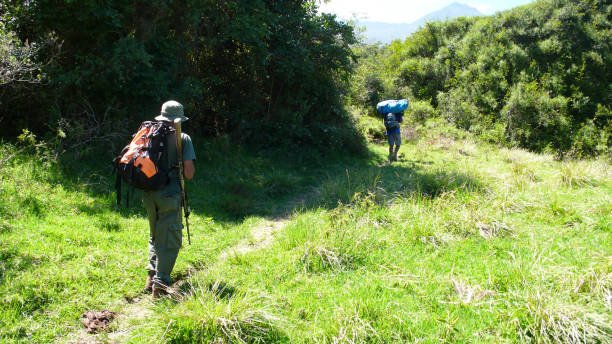
After Kilimanjaro National Park registration, begin walking into the dense montane rainforest on the lower slopes of the mountain.
Tall trees, mosses, ferns and thick vegetation create a humid environment that feels completely different from the dry upper mountain you will experience later in the trek.
Rainfall can make some sections muddy, so waterproof hiking boots and easily accessible rain protection are important.
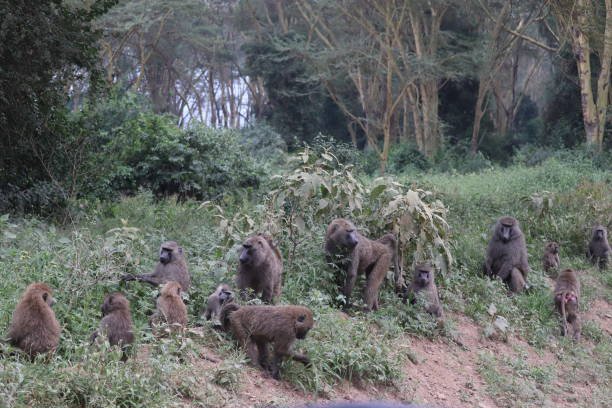
Monkeys and birds may occasionally be seen or heard along the route, although sightings depend on conditions and cannot be guaranteed.
The first day is also an introduction to the rhythm of Kilimanjaro trekking: walking slowly, taking regular breaks and allowing the mountain guide to set a sustainable pace.
Reach Mandara Hut at approximately 2,700 metres and settle into your first night on the mountain.
Day 1 Experience Highlights
- Marangu Gate arrival
- Kilimanjaro rainforest
- Dense tropical mountain vegetation
- Possible monkey and bird encounters
- Introduction to Kilimanjaro trekking pace
- Mandara Hut overnight
Accommodation
Mandara Hut at approximately 2,700 m.
Meals
Lunch and dinner during the mountain program.
Trekking
Approx. 8 km | around 4–5 hours | Marangu Gate at about 1,860 m to Mandara Hut at about 2,700 m.
DAY
02
MOORLAND EXPERIENCE
Mandara Hut to Horombo Hut
After breakfast at Mandara Hut, continue climbing toward Horombo Hut.
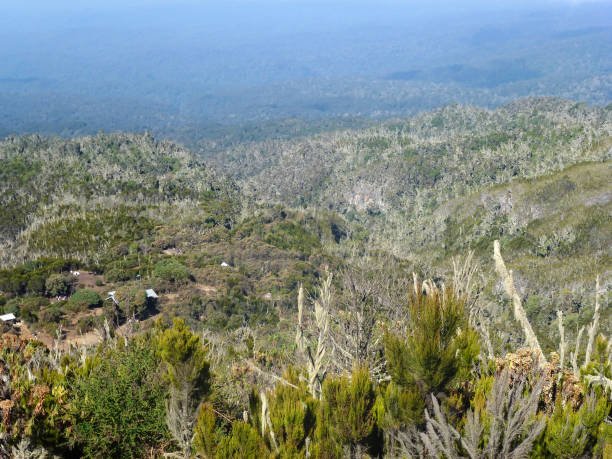
The rainforest gradually thins before giving way to heath and then open moorland.
The transition is one of the most noticeable landscape changes of the climb, with the dense forest replaced by wide mountain views and lower vegetation.
On clear days, Kibo and Mawenzi may appear across the open terrain.
The climb also becomes more demanding as elevation increases and the air becomes thinner.
Your guide maintains a controlled walking pace while encouraging regular hydration and rest stops.
Reach Horombo Hut at approximately 3,720 metres and spend the second night of the climbing experience.
Day 2 Experience Highlights
- Leaving the rainforest
- Heath and moorland scenery
- Wider mountain views
- Possible Kibo and Mawenzi views
- First stronger feeling of altitude
- Horombo Hut overnight
Accommodation
Horombo Hut at approximately 3,720 m.
Meals
Breakfast, lunch and dinner.
Trekking
Approx. 11–12 km | around 5–7 hours | Mandara Hut to Horombo Hut.
DAY
03
ALPINE DESERT EXPERIENCE
Horombo Hut to Kibo Hut
Day 3 introduces climbers to one of Kilimanjaro's starkest environments.
After leaving Horombo, vegetation becomes progressively sparse as the route climbs into dry alpine desert.
The trail crosses the broad high altitude terrain between Mawenzi and Kibo, creating a completely different atmosphere from the rainforest experienced only two days earlier.
Temperatures can feel colder and the effects of reduced oxygen become increasingly noticeable.
Continue slowly toward Kibo Hut at approximately 4,700 metres.
This is the final staging point before summit night, so conserving energy is more important than walking quickly.
After arriving, eat, hydrate and organise your summit jacket, thermal layers, gloves, headlamp and water.
Rest before the overnight departure while your guide explains summit pacing, expected conditions and safety procedures.
Day 3 Experience Highlights
- High alpine landscape
- Sparse vegetation
- Terrain between Mawenzi and Kibo
- Increasing effects of altitude
- Arrival at Kibo Hut
- Summit preparation
Accommodation
Kibo Hut at approximately 4,700 m.
Meals
Breakfast, lunch and dinner before summit preparation.
Trekking
Approx. 9–10 km | around 5–7 hours | Horombo Hut to Kibo Hut.
DAY
04
SUMMIT EXPERIENCE
Kibo Hut to Gilman's Point, Uhuru Peak and Horombo Hut
The summit stage is the most demanding and memorable part of the five day Kilimanjaro climbing experience.
After a short period of rest at Kibo Hut, climbers normally begin ascending during the night.
Headlamps illuminate the trail as the route climbs steeply across loose volcanic terrain.
The combination of darkness, cold, fatigue and extreme altitude makes progress much slower than on the lower sections of the mountain.
The first major summit objective is Gilman's Point at approximately 5,685 metres on the crater rim.
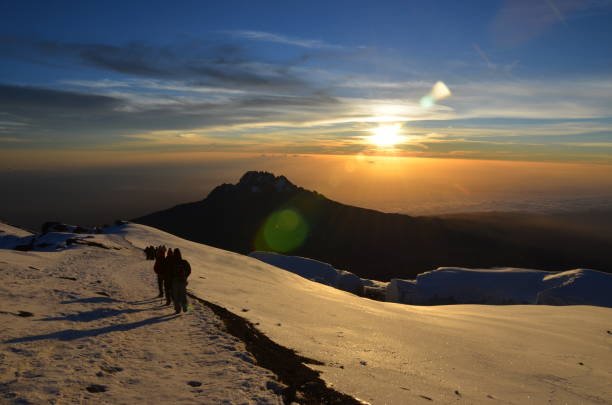
Reaching the crater rim can coincide with early morning light, although sunrise timing depends on walking pace and conditions.
Climbers who remain in suitable condition may continue around the crater rim toward Uhuru Peak at 5,895 metres.
The final journey toward Uhuru takes place at extreme altitude, so even experienced hikers can find the section very demanding.
After reaching the highest safe point, begin the long descent through Kibo Hut and continue to Horombo Hut.
The Summit Experience Is Never Guaranteed
The itinerary includes a genuine attempt to reach Uhuru Peak, but altitude symptoms, exhaustion, weather or another safety concern may require an earlier turnaround. The guide's safety decision should always take priority over continuing higher.
Day 4 Experience Highlights
- Overnight summit departure
- Headlamp ascent through darkness
- Steep volcanic terrain
- Gilman's Point at approximately 5,685 m
- Uhuru Peak attempt at 5,895 m
- Possible sunrise from the crater rim
- Long descent to Horombo Hut
Accommodation
Horombo Hut after the summit attempt.
Highest Objective
Uhuru Peak at 5,895 m when safely reached.
Summit Stage
A long overnight ascent and descent with duration depending on pace, altitude response, conditions and turnaround point.
DAY
05
FINAL MOUNTAIN EXPERIENCE
Horombo Hut to Marangu Gate and Moshi
The final day brings the journey back through several landscapes experienced during the ascent.
After breakfast, descend from Horombo through open moorland toward the Mandara area.
As elevation decreases, vegetation becomes progressively greener and the trail eventually returns to dense rainforest.
The descent is long and legs may remain tired after summit day.
Trekking poles can help reduce strain on knees and provide additional stability on wet or uneven sections.
Reach Marangu Gate and complete the required Kilimanjaro National Park exit procedures.
Meet your transfer vehicle and return to Moshi after completing the five day Kilimanjaro climbing experience.
Day 5 Experience Highlights
- Descent from Horombo Hut
- Return through moorland
- Pass through Mandara area
- Return to rainforest
- Marangu Gate arrival
- Completion of the mountain journey
- Return to Moshi
Accommodation
Return to Moshi after completing the climb.
Meals
Breakfast and lunch during the mountain program.
Trekking
Long descent from Horombo Hut through Mandara to Marangu Gate.
Kilimanjaro's Changing Landscapes
One of the most memorable aspects of the five day climbing experience is how quickly the environment changes with elevation.
- Rainforest: Humid lower slopes with dense vegetation and possible wildlife.
- Heath: Transitional terrain as the forest becomes thinner.
- Moorland: Open mountain scenery around Horombo Hut.
- Alpine desert: Dry, sparse terrain approaching Kibo Hut.
- Summit zone: Cold volcanic terrain, crater rim scenery and extreme altitude.
The Rainforest Climbing Experience
The climb begins in one of Kilimanjaro's greenest environments.
The rainforest can be humid, wet and atmospheric, with towering vegetation surrounding the trail.
This stage feels very different from the exposed upper mountain and provides an impressive introduction to Kilimanjaro's ecological diversity.
The Moorland Experience Around Horombo
Horombo Hut sits within a much more open landscape than Mandara.
The broad moorland can provide views toward Mawenzi and Kibo when the weather is clear.
The environment also marks the stage where many climbers begin to feel the effects of altitude more strongly.
The Alpine Desert Experience
The approach toward Kibo Hut takes climbers through a stark high altitude environment with little vegetation.
The landscape feels increasingly remote and exposed as the mountain's upper cone dominates the route ahead.
Walking becomes slower because of the elevation, and conserving energy becomes increasingly important before summit night.
The Kibo Hut Experience
Kibo Hut at approximately 4,700 metres is the final overnight point before the summit attempt.
It is not a normal relaxing mountain evening because climbers arrive knowing that they will depart again during the night.
The focus is on eating, hydrating, preparing equipment and trying to rest before the most demanding section of the climb.
The Gilman's Point Experience
Gilman's Point at approximately 5,685 metres is located on Kilimanjaro's crater rim.
Reaching this point after the steep overnight ascent is an important achievement and provides a first experience of the summit crater area.
Some climbers continue toward Uhuru Peak, while others may need to descend depending on their condition.
The Uhuru Peak Experience
Uhuru Peak at 5,895 metres is the highest point on Mount Kilimanjaro and the principal objective of the climb.
For climbers who remain healthy enough to continue beyond Gilman's Point, the route follows the crater rim toward the summit.
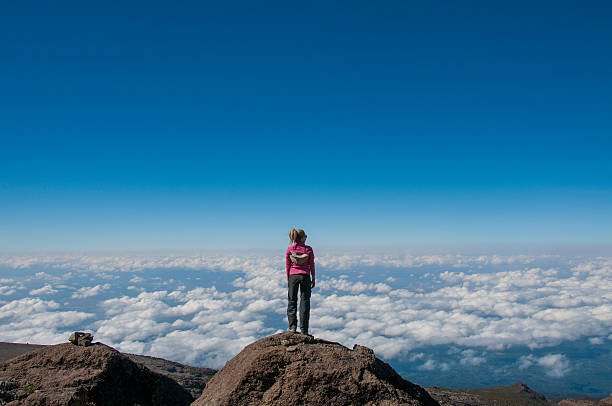
The experience can include snow, ice, expansive high mountain views and dramatic early morning light depending on current conditions.
However, reaching Uhuru Peak is never guaranteed.
The Mountain Experience Is Bigger Than the Summit
Uhuru Peak is the main objective, but Kilimanjaro also offers rainforest, moorland, high alpine scenery, mountain hut life and the challenge of adapting to increasing altitude. A safe climb remains valuable even when a summit attempt ends before the highest point.
What Is It Like Sleeping in Marangu Huts?
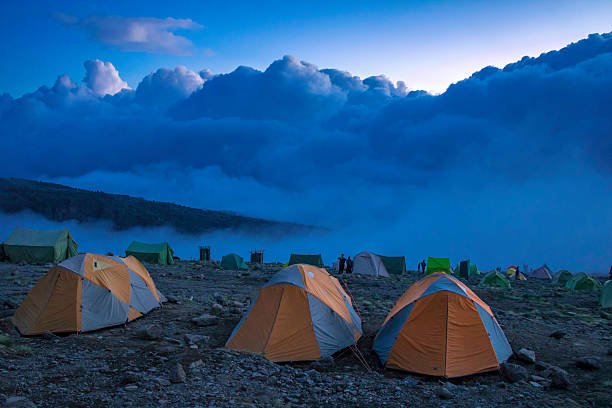
The Marangu Route uses permanent huts instead of normal sleeping tents.
The five day itinerary normally includes Mandara Hut, Horombo Hut and Kibo Hut, followed by another night at Horombo after summit day.
The facilities are practical mountain accommodation rather than luxury lodging.
A suitable sleeping bag remains essential because temperatures can become very cold at higher elevations.
How Difficult Is the 5 Day Kilimanjaro Climbing Experience?
The five day Marangu itinerary is physically demanding despite being a trekking route rather than a technical mountaineering expedition.
The challenge comes from rapid altitude gain, multiple consecutive hiking days, cold upper mountain conditions and the long summit stage.
The summit ascent begins during the night and is followed by a substantial descent to Horombo Hut.
Good cardiovascular fitness and hiking endurance are useful preparation.
Altitude and Acclimatisation Experience
The five day route gains elevation quickly.
Climbers progress from Mandara Hut at approximately 2,700 metres to Horombo at about 3,720 metres and Kibo at approximately 4,700 metres before attempting the summit.
The standard schedule does not normally include a separate acclimatisation day around Horombo.
This means the five day itinerary provides less time for altitude adjustment than the six day Marangu Route.
Fitness does not prevent altitude sickness, so climbers should report symptoms honestly to their guide.
Altitude Changes the Experience
Walking at 4,000 to 5,000 metres can feel very different from hiking at lower elevation. A slower pace, reduced appetite, colder temperatures and increased fatigue are common reasons why summit preparation needs to be taken seriously.
5 Day vs 6 Day Kilimanjaro Climbing Experience
5 Day Experience: Mandara → Horombo → Kibo → summit attempt → Horombo → Marangu Gate.
6 Day Experience: Normally adds an additional acclimatisation day around Horombo before the climb continues toward Kibo Hut.
The extra day makes the six day itinerary longer but provides additional time at elevation before summit night.
Travellers with schedule flexibility should consider acclimatisation when choosing between the two experiences.
Is the 5 Day Climbing Experience Suitable for Beginners?
A fit and well prepared beginner can consider the five day Marangu itinerary.
The route itself does not normally involve technical rock climbing, but altitude creates a serious physical challenge.
First time high altitude travellers with enough time may prefer a longer Kilimanjaro itinerary that provides more opportunity for acclimatisation.
Who Is the 5 Day Kilimanjaro Climbing Experience Best For?
- Fit and active travellers
- Adventure travellers
- Experienced hikers
- First time Kilimanjaro climbers
- Travellers with limited climbing time
- People interested in changing mountain landscapes
- Travellers who prefer hut accommodation
- Solo travellers
- Couples
- Friends and private groups
Professional Guides and the Climbing Experience
Professional guides play an important role in shaping the overall mountain experience.
They manage route progress, walking pace, daily timing, participant monitoring and summit procedures.
Guides also help climbers understand what to expect as the terrain and altitude change.
During summit night, their responsibility includes deciding whether a participant remains suitable to continue higher.
Private Kilimanjaro Climbing Experience
The five day climb can be organised privately for solo travellers, couples, friends or suitable groups.
A private arrangement gives the guide team greater opportunity to focus on one travelling party's walking pace and daily routine.
The mountain environment and altitude remain unchanged, so private service cannot guarantee summit success.
Group Kilimanjaro Climbing Experience
Travellers can also join a suitable group departure when available.
Group climbing adds a social element to the experience as participants share hiking days, meals and summit preparation with other travellers.
Individual altitude response still needs to be monitored separately because not every participant should necessarily continue at the same pace or reach the same height.
What to Pack for the 5 Day Kilimanjaro Climbing Experience
- Waterproof trekking boots
- Waterproof jacket
- Waterproof trousers
- Warm insulated summit jacket
- Thermal base layers
- Fleece and insulating layers
- Trekking trousers
- Warm hat
- Sun hat
- Warm gloves
- Hiking socks
- Daypack
- Warm sleeping bag
- Headlamp with spare batteries
- Sunglasses and sunscreen
- Reusable water bottles or hydration system
- Trekking poles
- Personal medication
- Duffel bag according to the confirmed climbing arrangement
Typical 5 Day Kilimanjaro Climbing Experience Inclusions
- Kilimanjaro National Park charges stated in the confirmed package
- Professional Kilimanjaro mountain guides
- Mountain support crew as specified
- Mandara Hut accommodation
- Horombo Hut accommodation
- Kibo Hut accommodation
- Mountain meals as specified
- Drinking water during the climb
- Moshi to Marangu Gate transfer
- Marangu Gate to Moshi return transfer
- Mountain support services stated in the confirmed package
Typical 5 Day Kilimanjaro Climbing Experience Exclusions
- International flights
- Tanzania visa fees
- Travel and medical insurance
- Guide and crew tips
- Personal trekking equipment unless specified
- Equipment rental unless included
- Personal expenses
- Hotel accommodation unless stated
- Airport transfers unless included
- Safari or Zanzibar extensions unless included
Best Time for the Kilimanjaro Climbing Experience
Mount Kilimanjaro can be climbed throughout much of the year, although January to early March and approximately June through October are commonly selected periods.
December is also popular for Christmas and New Year climbs.
Every season can bring changing mountain conditions, so climbers should prepare for rain, sunshine, wind and freezing temperatures near the summit.
Combine Kilimanjaro with a Tanzania Safari Experience
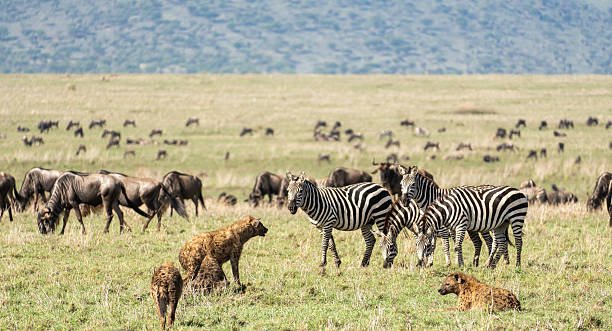
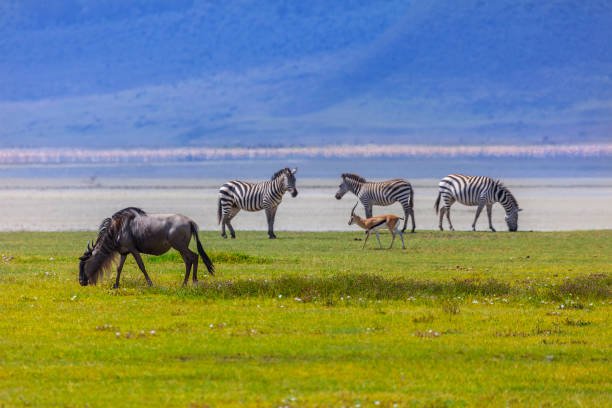
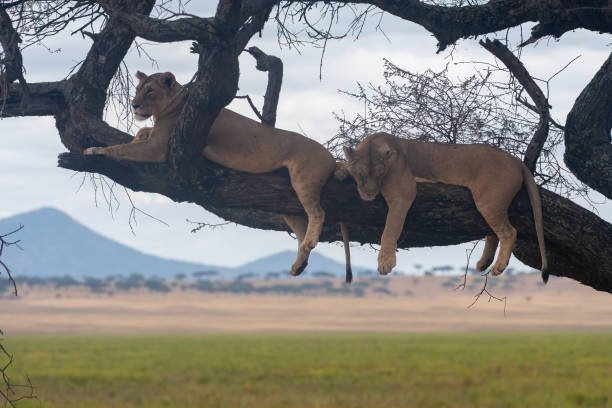
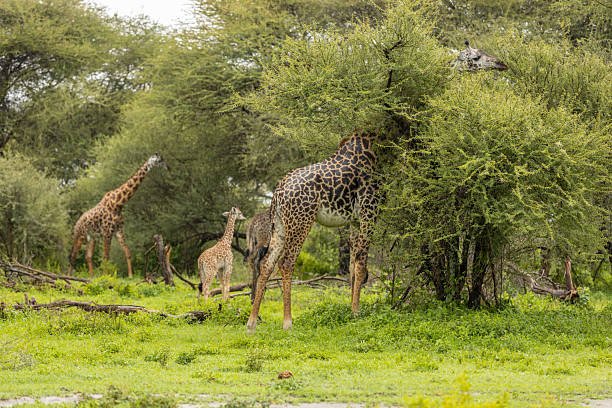
After completing the mountain and returning to Moshi, travellers can continue with a Tanzania wildlife safari.
Popular destinations include Tarangire National Park, Ngorongoro Crater, Serengeti National Park and Lake Manyara.
A Zanzibar extension can also be added after the Kilimanjaro and safari experience.
Frequently Asked Questions
What is a 5 Day Kilimanjaro Climbing Experience?
It is a five day Mount Kilimanjaro summit itinerary normally following the Marangu Route through rainforest, moorland, alpine desert and the summit zone.
Which route is used?
The standard five day climbing experience normally follows the Marangu Route.
What landscapes will I experience?
The route passes through rainforest, heath, moorland, alpine desert and the cold summit environment near Kilimanjaro's crater rim.
Where do climbers sleep?
The Marangu Route uses permanent mountain huts including Mandara Hut, Horombo Hut and Kibo Hut.
Does the experience include a summit attempt?
Yes. Climbers normally attempt Gilman's Point and may continue toward Uhuru Peak at 5,895 metres when conditions allow.
Is Uhuru Peak guaranteed?
No. Summit success depends on altitude response, physical condition, weather and professional guide assessment.
What is summit night like?
Summit night normally involves a cold and steep overnight ascent from Kibo Hut using headlamps, followed by a long descent after reaching the highest safe point.
How difficult is the five day experience?
It is physically demanding because of rapid altitude gain, consecutive trekking days and the long summit stage.
Is the five day climb suitable for beginners?
Fit and well prepared beginners can consider it, but travellers with more time may prefer a longer itinerary with additional acclimatisation.
What is the difference between the 5 and 6 day Marangu experiences?
The six day Marangu itinerary normally adds an acclimatisation day around Horombo before continuing toward Kibo Hut.
Can the experience be private or group joining?
Yes. The itinerary can be organised privately or as a shared departure when a suitable group is available.
Can I add a safari after the Kilimanjaro experience?
Yes. After returning to Moshi, travellers can continue to Tarangire, Ngorongoro Crater, Serengeti, Lake Manyara or Zanzibar.
Plan Your 5 Day Kilimanjaro Climbing Experience
Share your preferred climbing date, number of travellers and whether you prefer a private or group departure to receive your personalised 5 Day Kilimanjaro Climbing Experience itinerary, inclusions, exclusions and complete quotation.
Plan Your Kilimanjaro Experience