6 Day Mount Kilimanjaro Climb via Machame Route
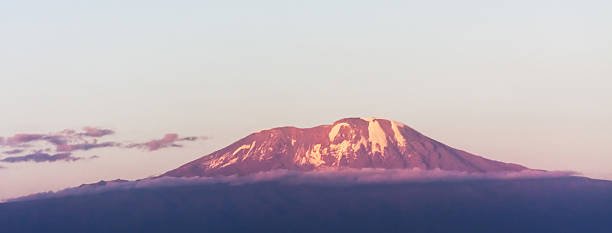
The 6 Day Mount Kilimanjaro Climb follows the Machame Route, one of the established approaches to the summit of Mount Kilimanjaro.
The itinerary begins in the rainforest on the southern side of the mountain and gradually moves through moorland, the Shira Plateau, Lava Tower, Barranco Valley and the high alpine terrain around Barafu Camp.
The main objective is Uhuru Peak at 5,895 metres, reached during an overnight summit attempt via Stella Point when altitude response, weather and participant condition allow.
6 Day Mount Kilimanjaro Climb at a Glance
- Route: Machame Route
- Duration: 6 trekking days and 5 mountain nights
- Starting point: Machame Gate
- Night 1: Machame Camp
- Night 2: Shira Camp
- Night 3: Barranco Camp
- Night 4: Barafu Camp
- Night 5: Mweka Camp after summit attempt
- Acclimatisation feature: Ascent toward Lava Tower before descending to Barranco
- Summit route: Barafu → Stella Point → Uhuru Peak
- Highest objective: Uhuru Peak at 5,895 m
- Accommodation: Mountain camping
Why Choose a 6 Day Kilimanjaro Climb?
A six day Kilimanjaro itinerary provides more mountain time than the fastest summit schedules while remaining compact enough for travellers working with limited holiday time.
The Machame Route has a varied altitude profile and includes an important ascent toward Lava Tower before descending to sleep lower at Barranco Camp.
This profile can support acclimatisation, although no itinerary can completely remove the risk of altitude sickness.
The route also provides dramatic scenery, including rainforest, Shira Plateau, the Barranco Wall, high alpine desert and the upper slopes of Kibo.
6 Day Mount Kilimanjaro Climb Itinerary
DAY
01
RAINFOREST ASCENT
Moshi to Machame Gate and Machame Camp
Your 6 Day Mount Kilimanjaro Climb normally begins with morning transport from Moshi to Machame Gate.
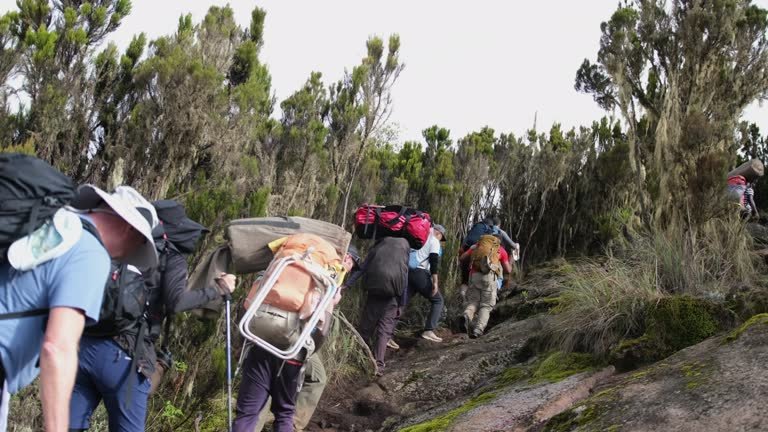
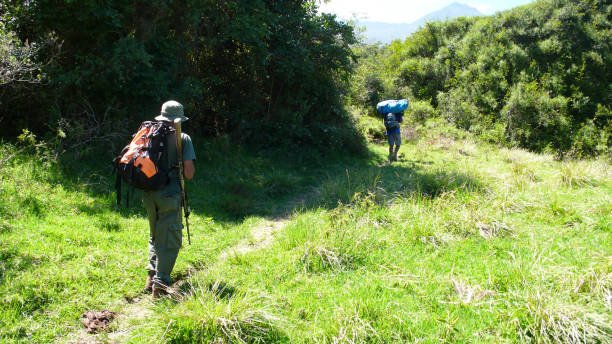
After completing Kilimanjaro National Park registration and organising the mountain crew, begin trekking through dense montane rainforest.
The first section can be humid and muddy, particularly after rainfall, so waterproof trekking boots and rain protection should be easily accessible.
The trail climbs gradually through tall trees, ferns and thick vegetation while your guide establishes a controlled mountain pace.
Continue toward Machame Camp at approximately 2,835 metres for your first night on Kilimanjaro.
Day 1 Highlights
- Transfer from Moshi
- Machame Gate registration
- Montane rainforest trekking
- Introduction to mountain pace
- Machame Camp overnight
Accommodation
Machame Camp at approximately 2,835 m.
Meals
Lunch and dinner during the mountain program.
Trekking
Approximately 5–7 hours depending on trail conditions and group pace.
DAY
02
SHIRA PLATEAU
Machame Camp to Shira Camp
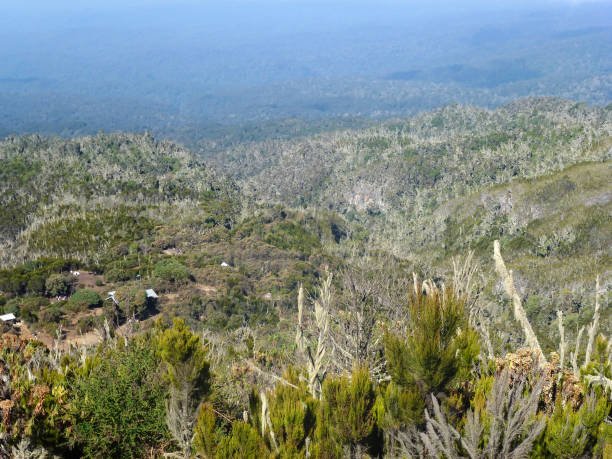
After breakfast, leave Machame Camp and climb out of the rainforest into heath and moorland.
The vegetation becomes progressively shorter as the trail gains elevation and provides broader views across the surrounding landscape.
The route climbs toward the Shira Plateau, part of an ancient volcanic landscape on Kilimanjaro's western side.
In clear weather, trekkers can enjoy impressive views of Kibo and the surrounding high mountain terrain.
Reach Shira Camp at approximately 3,750 metres and settle into the second mountain night.
Altitude may become more noticeable, so continue drinking regularly and report unusual symptoms to your guide.
Day 2 Highlights
- Leaving the rainforest
- Heath and moorland trekking
- Shira Plateau scenery
- Possible Kibo views
- Higher altitude overnight
- Shira Camp
Accommodation
Shira Camp at approximately 3,750 m.
Meals
Breakfast, lunch and dinner.
Trekking
Approximately 4–6 hours with substantial elevation gain toward the Shira Plateau.
DAY
03
CLIMB HIGH, SLEEP LOWER
Shira Camp to Lava Tower and Barranco Camp
Day 3 is an important acclimatisation stage on the six day Machame Route.
Leave Shira and continue east into increasingly dry and exposed high altitude terrain.
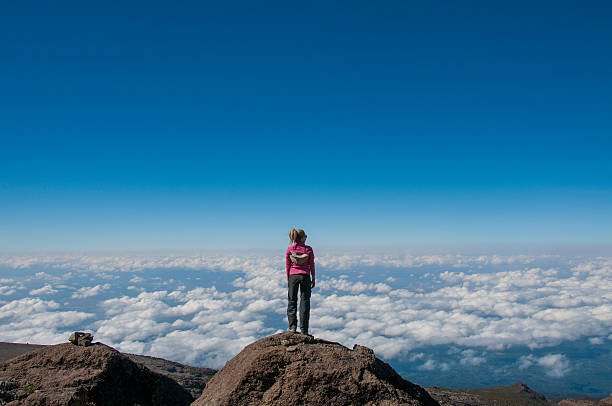
The route climbs toward Lava Tower at approximately 4,600 metres, providing significant exposure to higher altitude.
Depending on the day's program and conditions, the group can stop in the Lava Tower area before beginning the descent toward Barranco Valley.
Descending to sleep lower after reaching a higher elevation creates the well known climb high, sleep lower profile of the Machame Route.
Reach Barranco Camp at approximately 3,900 metres beneath the dramatic Barranco Wall.
Important Acclimatisation Day
Ascending toward approximately 4,600 metres at Lava Tower and then descending to sleep around 3,900 metres at Barranco provides useful altitude exposure. It does not guarantee protection from altitude sickness, so symptoms must still be monitored carefully.
Day 3 Highlights
- High alpine trekking
- Lava Tower at approximately 4,600 m
- Important acclimatisation profile
- Descent into Barranco Valley
- Views of the southern side of Kibo when clear
- Barranco Camp overnight
Accommodation
Barranco Camp at approximately 3,900 m.
Highest Stage
Lava Tower area at approximately 4,600 m before descending.
Trekking
Approximately 6–8 hours depending on pace, conditions and route procedures.
DAY
04
BARRANCO WALL & BARAFU
Barranco Camp to Barafu Camp via Karanga
After breakfast, begin the day with the ascent of the Barranco Wall.
Despite its dramatic appearance, the wall is normally negotiated as a steep trekking and scrambling section rather than a technical rock climb.
Your guide helps manage the group through tighter and steeper sections before the route reaches higher terrain above Barranco.
Continue through the Karanga area, crossing undulating alpine terrain before climbing toward Barafu Camp.
On the six day schedule, Karanga is normally passed during the day rather than used for an additional overnight.
Reach Barafu Camp at approximately 4,670 metres and prepare for the overnight summit attempt.
Eat, hydrate, organise summit clothing and equipment, and rest as much as possible before departure.
Day 4 Highlights
- Barranco Wall ascent
- Steep scrambling sections
- Karanga area
- High alpine terrain
- Arrival at Barafu Camp
- Summit briefing and preparation
Accommodation
Barafu Camp at approximately 4,670 m.
Meals
Breakfast, lunch and dinner before summit preparation.
Trekking
A demanding day through Barranco Wall and Karanga toward the high summit camp.
DAY
05
SUMMIT DAY
Barafu Camp to Stella Point, Uhuru Peak and Mweka Camp
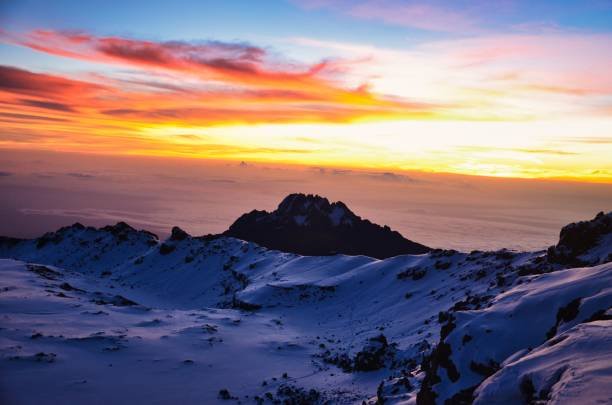
Summit day normally begins during the night after a limited period of rest at Barafu Camp.
Dress in warm summit layers, prepare your headlamp and begin climbing slowly under the guidance of the mountain team.
The ascent crosses steep volcanic terrain while darkness, cold temperatures and reduced oxygen make progress physically demanding.
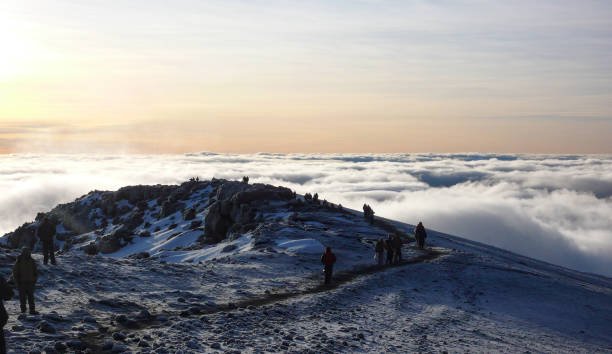
The first major objective is Stella Point at approximately 5,756 metres on the crater rim.
Climbers who reach Stella Point in suitable condition may continue around the crater rim toward Uhuru Peak at 5,895 metres.
The final section is less steep than parts of the ascent but remains demanding because it takes place at extreme altitude.
After reaching the highest safe point, begin descending toward Barafu Camp for a short rest before continuing significantly lower to Mweka Camp.
Summit Safety
The itinerary includes an attempt to reach Uhuru Peak but does not guarantee summit success. Altitude symptoms, exhaustion, weather or another safety concern can require an earlier turnaround. Professional guide decisions should always be followed.
Day 5 Highlights
- Overnight departure from Barafu
- Steep summit ascent
- Stella Point at approximately 5,756 m
- Uhuru Peak attempt at 5,895 m
- Possible sunrise around the crater rim
- Descent through Barafu Camp
- Continue lower to Mweka Camp
Accommodation
Mweka Camp after the summit attempt.
Highest Objective
Uhuru Peak at 5,895 m when safely reached.
Summit Stage
A very long ascent and descent day with timing depending on pace, weather, altitude response and turnaround point.
DAY
06
FINAL DESCENT
Mweka Camp to Mweka Gate and Moshi
After breakfast at Mweka Camp, begin the final descent through the lower slopes of Kilimanjaro.
Vegetation becomes progressively greener as the route descends into montane rainforest.
Sections can become muddy or slippery after rain, and tired legs from summit day can make the descent more demanding than expected.
Continue toward Mweka Gate and complete the required Kilimanjaro National Park exit procedures.
Meet your vehicle and return to Moshi after completing the six day Mount Kilimanjaro climb.
Day 6 Highlights
- Final morning on Kilimanjaro
- Rainforest descent
- Mweka Gate arrival
- National park exit procedures
- Completion of the climb
- Return transfer to Moshi
Accommodation
Return to Moshi after completing the mountain itinerary.
Meals
Breakfast and lunch during the mountain program.
Route
Mweka Camp through rainforest to Mweka Gate.
6 Day Mount Kilimanjaro Climb Highlights
Main Climbing Highlights
- Machame Route summit climb
- Six trekking days
- Montane rainforest
- Shira Plateau
- Lava Tower acclimatisation stage
- Barranco Valley
- Barranco Wall
- Karanga area
- Barafu summit camp
- Stella Point
- Uhuru Peak attempt at 5,895 m
- Mweka descent route
Why the Machame Route Works for a 6 Day Climb
The Machame Route approaches Kilimanjaro from the south and follows a varied trail through several ecological zones.
One of its important features is that the route does not simply climb continuously upward each day.
The Lava Tower and Barranco stage provides higher altitude exposure followed by a descent to sleep lower, creating a useful acclimatisation pattern.
The route later passes the Barranco Wall and Karanga area before reaching Barafu Camp for the summit attempt.
Machame Route Camping Experience
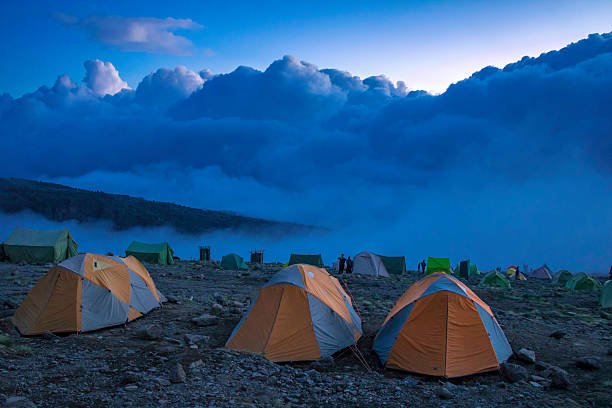
Unlike the Marangu Route, the Machame Route uses mountain camps rather than permanent sleeping huts.
Climbers sleep in trekking tents at established camps throughout the ascent and descent.
The standard six day itinerary normally uses Machame, Shira, Barranco, Barafu and Mweka Camps.
Camping allows climbers to experience the changing landscapes of Kilimanjaro closely throughout the expedition.
Shira Plateau on the 6 Day Climb
The Shira Plateau is reached after leaving the rainforest and ascending into more open heath and moorland.
This broad volcanic landscape provides a dramatic contrast to the dense vegetation of Day 1.
When clouds clear, Kibo can dominate the skyline and give climbers their first strong sense of the upper mountain ahead.
Lava Tower and Acclimatisation
Lava Tower sits at approximately 4,600 metres and is an important feature of the Machame altitude profile.
Climbers ascend significantly higher than the previous night's camp before descending to sleep around 3,900 metres at Barranco.
This provides useful exposure to higher elevation without remaining there overnight.
However, acclimatisation varies by individual and the Lava Tower stage does not guarantee that a climber will avoid altitude sickness.
The Barranco Wall Experience
The Barranco Wall is one of the best known features of the Machame Route.
From camp it can appear extremely steep, but most of the ascent involves trekking and controlled scrambling rather than technical climbing.
Some sections require climbers to use their hands for balance while guides help manage movement through narrower parts of the trail.
The top provides rewarding views when conditions are clear.
Barafu Camp Before Summit Night
Barafu Camp at approximately 4,670 metres is the final base before the summit attempt.
The environment is exposed, rocky and cold, and climbers often feel the effects of altitude strongly.
The focus after arrival is on food, hydration, equipment preparation and rest.
Summit clothing should be organised carefully because the departure normally takes place during the night.
Stella Point at Approximately 5,756 Metres
Stella Point is situated on Kilimanjaro's crater rim and is the first major summit milestone reached from Barafu Camp.
The ascent to Stella Point is steep, cold and physically demanding.
Reaching the crater rim is a significant achievement, but climbers aiming for Uhuru Peak need to continue farther around the rim.
Uhuru Peak at 5,895 Metres
Uhuru Peak is the highest point on Mount Kilimanjaro and the summit objective of the six day climb.
Climbers who reach Stella Point in suitable condition may continue toward Uhuru Peak.
The final section is completed at extreme altitude, so progress can remain slow despite the terrain becoming less steep in places.
Reaching Uhuru Peak depends on participant condition, altitude response, weather and professional guide assessment.
Summit Success Is Never Guaranteed
The purpose of the itinerary is to provide a professionally organised opportunity to attempt Uhuru Peak. A guide may require a climber to turn around earlier when altitude symptoms, exhaustion or mountain conditions make continuing unsafe.
How Difficult Is the 6 Day Mount Kilimanjaro Climb?
The six day Machame Route is a demanding high altitude trek.
Technical mountaineering skills are normally not required, but climbers need enough fitness for consecutive trekking days, steep trail sections and a very long summit stage.
The Barranco Wall adds some scrambling, while summit night combines darkness, freezing temperatures, steep volcanic terrain and very low oxygen levels.
Good cardiovascular conditioning, regular hiking and leg strengthening can help prepare travellers for the physical demands.
Altitude and Acclimatisation
Altitude is usually the greatest challenge on Kilimanjaro.
The Machame Route provides a useful altitude profile through Lava Tower, but six days is still a relatively compact summit schedule.
Fitness does not prevent altitude sickness, and very strong athletes can still experience significant symptoms.
Climbers should communicate headache, nausea, dizziness, unusual weakness, confusion or coordination problems to the guide immediately.
Walk Slowly and Monitor Altitude
A controlled pace, appropriate hydration and honest communication with your mountain guide are important throughout the climb. Continuing higher should never take priority over a safe descent when serious symptoms develop.
6 Day vs 7 Day Machame Route
6 Day Machame: Barranco Camp → Barranco Wall → Karanga area → Barafu Camp in one trekking day before summit night.
7 Day Machame: Commonly adds an overnight at Karanga Camp before continuing to Barafu, providing another mountain day before the summit attempt.
The seven day itinerary gives climbers more time on the mountain and can provide a more gradual schedule before summit night.
Travellers with enough time should consider the benefits of an additional acclimatisation day rather than selecting an itinerary only according to price or trip length.
Is the 6 Day Kilimanjaro Climb Suitable for Beginners?
Fit and well prepared beginners can climb Kilimanjaro via the six day Machame Route.
The route normally does not require technical mountaineering experience, although the Barranco Wall includes scrambling and summit night is physically demanding.
Beginners should train consistently before travelling and understand that altitude rather than technical difficulty is often the main obstacle.
Travellers with more time may prefer a longer itinerary for additional acclimatisation.
Who Is the 6 Day Mount Kilimanjaro Climb Best For?
- Fit and active travellers
- Adventure travellers
- Experienced hikers
- Well prepared first time climbers
- Travellers who enjoy camping
- Climbers wanting varied Kilimanjaro scenery
- Solo travellers joining suitable groups
- Couples
- Friends and private groups
- Travellers with six mountain days available
Professional Kilimanjaro Guides
Professional mountain guides accompany climbers throughout the six day route.
They manage daily pacing, route procedures, altitude monitoring, summit preparation and turnaround decisions.
Guides also coordinate with the wider support crew responsible for camp and mountain operations.
During summit night, professional guide assessment becomes especially important because climbers may respond very differently to extreme altitude.
Private 6 Day Kilimanjaro Climb
The Machame Route can be organised privately for solo travellers, couples, friends or suitable groups.
A private climb allows the guide team to focus on one travelling party and provides greater control over group composition.
The route, altitude and physical challenge remain the same, so private service cannot guarantee summit success.
Group 6 Day Kilimanjaro Climb
Travellers can also join a scheduled group departure when availability matches their travel dates.
A group climb can be attractive to solo travellers and people who enjoy meeting other climbers during the expedition.
Participants may walk at slightly different speeds, particularly on summit night, and altitude response must always be managed individually.
What to Pack for a 6 Day Mount Kilimanjaro Climb
- Waterproof trekking boots
- Waterproof jacket and trousers
- Warm insulated summit jacket
- Thermal base layers
- Fleece and insulating layers
- Trekking trousers
- Warm hat
- Sun hat
- Warm gloves
- Hiking socks
- Daypack
- Warm sleeping bag
- Headlamp with spare batteries
- Sunglasses and sunscreen
- Reusable water bottles or hydration system
- Trekking poles
- Personal medication
- Duffel bag according to the confirmed climbing arrangement
Typical 6 Day Mount Kilimanjaro Climb Inclusions
- Kilimanjaro National Park charges stated in the confirmed package
- Professional Kilimanjaro mountain guides
- Mountain support crew as specified
- Mountain camping accommodation
- Camping equipment stated in the confirmed package
- Mountain meals as specified
- Drinking water during the climb
- Moshi to Machame Gate transfer
- Mweka Gate to Moshi return transfer
- Mountain support services stated in the confirmed package
Typical 6 Day Kilimanjaro Climb Exclusions
- International flights
- Tanzania visa fees
- Travel and medical insurance
- Guide and crew tips
- Personal trekking equipment unless specified
- Equipment rental unless included
- Personal expenses
- Hotel accommodation unless stated
- Airport transfers unless included
- Safari or Zanzibar extensions unless included
Best Time for a 6 Day Kilimanjaro Climb
Mount Kilimanjaro can be climbed during much of the year, although January to early March and approximately June through October are commonly selected periods.
December is also popular for Christmas and New Year summit departures.
Conditions remain variable in every season, and climbers should prepare for rain, sunshine, wind and freezing summit temperatures.
Combine Kilimanjaro with a Tanzania Safari
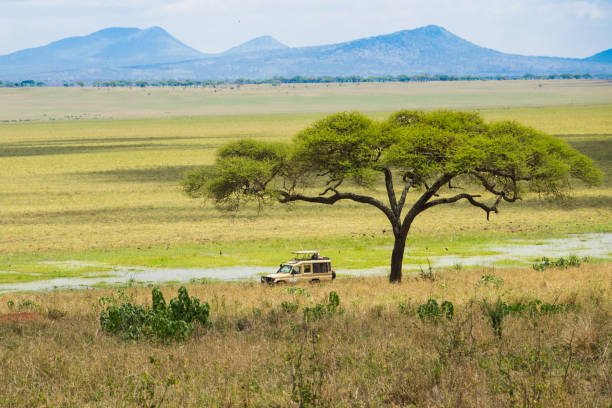
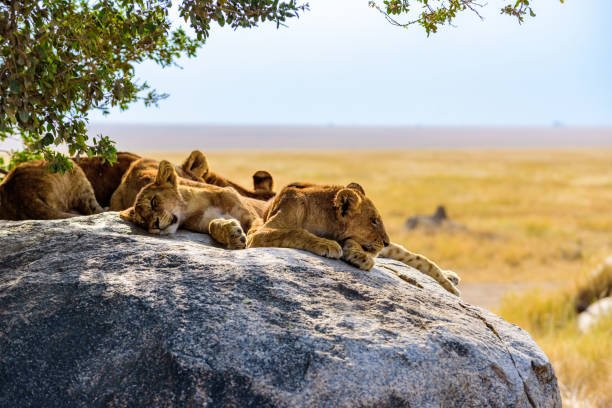
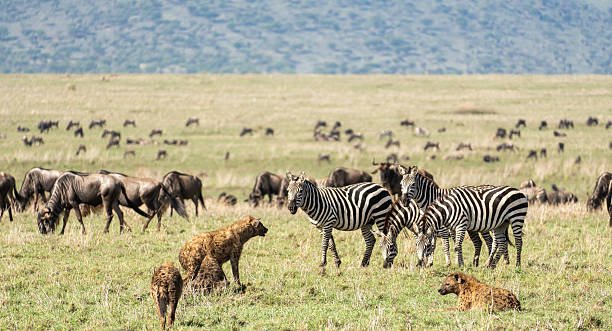
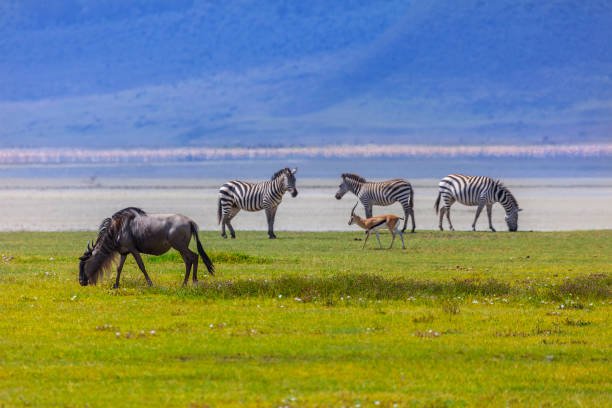
After descending through Mweka Gate and returning to Moshi, travellers can continue with a Tanzania wildlife safari.
Popular northern circuit destinations include Tarangire National Park, Ngorongoro Crater, Serengeti National Park and Lake Manyara.
A Zanzibar extension can also be arranged after the mountain and safari experience.
Frequently Asked Questions
What is the 6 Day Mount Kilimanjaro Climb?
It is a six day Kilimanjaro summit itinerary commonly completed via the Machame Route from Machame Gate to Barafu Camp, followed by a summit attempt and descent through Mweka.
Which route is used for the six day climb?
The Machame Route is a common choice for a six day Mount Kilimanjaro summit itinerary.
Does the six day climb include Uhuru Peak?
Yes. The itinerary includes an attempt to reach Uhuru Peak at 5,895 metres via Stella Point when conditions and participant health allow.
Where do climbers sleep?
The Machame Route uses mountain camps, normally including Machame, Shira, Barranco, Barafu and Mweka Camps on this six day itinerary.
What is Lava Tower?
Lava Tower is a high altitude feature at approximately 4,600 metres commonly reached during the climb from Shira toward Barranco.
Why is Lava Tower important for acclimatisation?
The route climbs high toward Lava Tower before descending to sleep lower at Barranco, providing useful exposure to higher altitude before the overnight camp.
Is the Barranco Wall technical climbing?
The Barranco Wall normally involves steep trekking and scrambling rather than technical mountaineering, although climbers may use their hands for balance in some sections.
Where does summit night begin?
Summit night normally begins from Barafu Camp at approximately 4,670 metres.
What is Stella Point?
Stella Point is located on Kilimanjaro's crater rim at approximately 5,756 metres and is reached before continuing toward Uhuru Peak.
Is the 6 day Machame Route suitable for beginners?
Fit and well prepared beginners can consider it, although the route is demanding and travellers with more time may prefer a longer itinerary with additional acclimatisation.
Is 7 days better for acclimatisation than 6 days?
A seven day Machame itinerary commonly adds another mountain night around Karanga, providing additional time before the summit attempt.
Can I add a safari after the Kilimanjaro climb?
Yes. After returning to Moshi, travellers can continue to Tarangire, Ngorongoro Crater, Serengeti, Lake Manyara or Zanzibar.
Plan Your 6 Day Mount Kilimanjaro Climb
Share your preferred climbing date, number of travellers and whether you prefer a private or group departure to receive your personalised 6 Day Mount Kilimanjaro Climb itinerary, inclusions, exclusions and complete quotation.
Plan Your Kilimanjaro Climb