6 Day Rongai Route Kilimanjaro
The 6 Day Rongai Route Kilimanjaro offers a distinctive way to climb Africa's highest mountain from the northern side of Kilimanjaro.
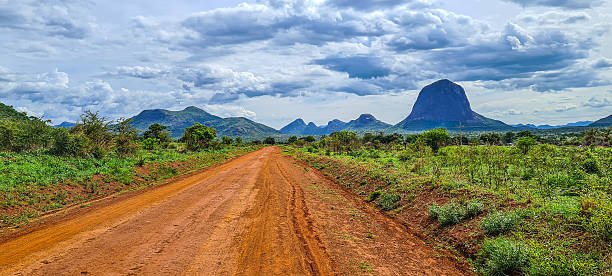
The route begins close to the Kenya border and approaches the mountain through quieter landscapes before passing beneath Mawenzi and continuing toward Kibo.
Unlike Machame, which approaches from the south, Rongai gives climbers a different perspective of Kilimanjaro and normally descends through the Marangu side after the summit stage.
The route uses camping accommodation during the ascent, while the descent passes through the established Marangu trail toward Marangu Gate.
A complete package can include professional guides, assistant guides, porters, cooks, mountain meals, tents, transport and the mountain arrangements required for the expedition.
6 Day Rongai Route at a Glance
- Mountain: Mount Kilimanjaro.
- Route: Rongai Route.
- Duration: 6 trekking days.
- Approach: Northern side of Kilimanjaro.
- Accommodation: Camping during the ascent.
- Summit preparation: Kibo area.
- Descent: Marangu side.
- Local base: Moshi.
Why Choose the 6 Day Rongai Route?
Rongai can appeal to travellers looking for a less commonly used approach to Mount Kilimanjaro.
The northern starting point creates a different route experience from Machame, Lemosho and Umbwe.
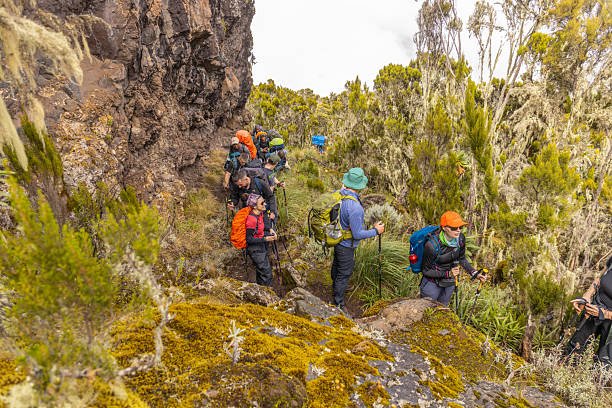
The landscape changes gradually from lower vegetation into open mountain terrain before the route approaches Mawenzi and Kibo.
The climb also provides the experience of ascending from one side of Kilimanjaro and descending from another.
6 Day Rongai Route Highlights
- Northern Kilimanjaro approach
- Quieter trekking environment
- Camping accommodation
- Mawenzi mountain scenery
- High altitude Kibo landscape
- Uhuru Peak summit objective
- Descent through the Marangu side
- Private and selected group joining options
6 Day Rongai Route Day by Day Overview
- Day 1: Northern trailhead to Simba Camp
- Day 2: Simba Camp to Second Cave area
- Day 3: Second Cave area to Kikelewa Camp
- Day 4: Kikelewa area toward Mawenzi and Kibo summit preparation area
- Day 5: Summit stage and descent toward Horombo
- Day 6: Horombo area to Marangu Gate and return to Moshi
The exact camping sequence can vary slightly according to the confirmed operator itinerary, mountain conditions and route arrangements, so travellers should review their final day by day program before departure.
Before Starting the Rongai Route
Travellers normally stay in Moshi before beginning the trek.
The northern trailhead requires a longer road transfer than some routes beginning closer to Moshi, so departure day logistics should be organised in advance.
The pre climb briefing provides time to meet the guide, review equipment, organise luggage and discuss the route.
Pre Climb Preparation
- Meet the mountain guide
- Review the Rongai itinerary
- Check trekking equipment
- Prepare mountain luggage
- Confirm dietary requirements
- Review altitude awareness
- Prepare summit clothing
- Confirm northern trailhead transfer
Day 1: Northern Rongai Trailhead to Simba Camp
Begin the Northern Kilimanjaro Approach
After breakfast in Moshi, travel toward the northern side of Mount Kilimanjaro with your guide and mountain team.
Because Rongai begins farther from Moshi than Machame or Marangu, the road journey forms an important part of the first day's logistics.
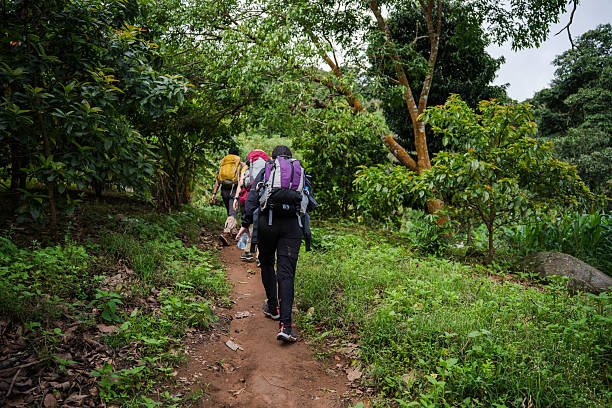
After completing the required mountain entry procedures, begin trekking through the lower northern slopes.
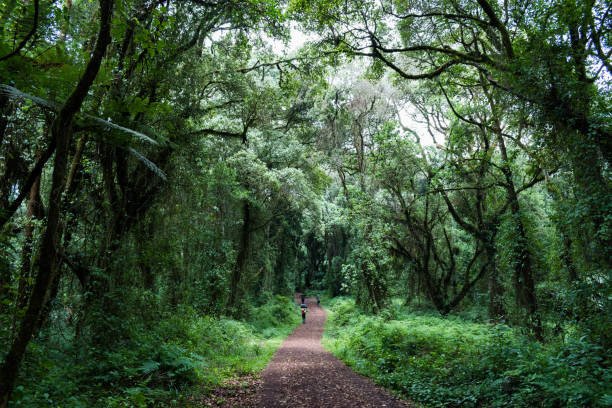
The environment gradually changes as the trail climbs toward the first campsite.
The objective is Simba Camp, where the crew prepares the tents and evening meal.
Climbers should focus on hydration and a relaxed walking pace from the beginning of the trek.
Day 2: Simba Camp to Second Cave Area
Open Northern Mountain Landscapes
After breakfast, continue climbing through increasingly open terrain.
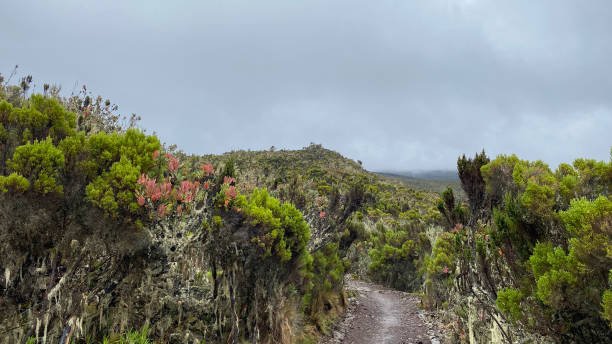
The landscape becomes broader as vegetation gradually changes with altitude.
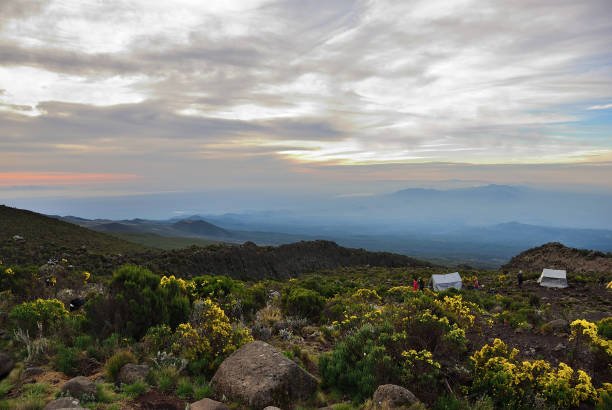
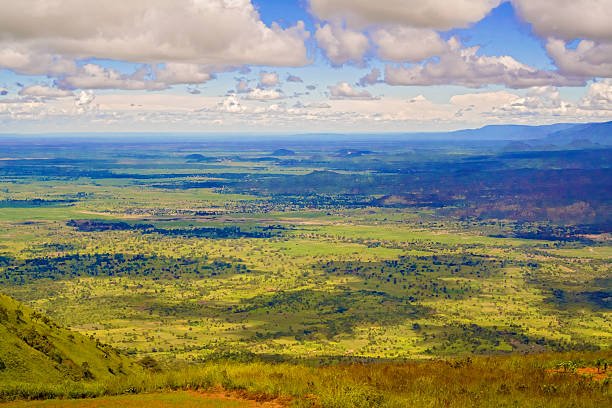
Depending on weather conditions, climbers may begin to experience views toward Kibo and the surrounding northern plains.
The pace should remain deliberately slow as elevation increases.
The day's camp is around the Second Cave area according to the confirmed route program.
Day 3: Second Cave Area to Kikelewa Camp
Toward Mawenzi
The route continues across the northern and northeastern side of Kilimanjaro.
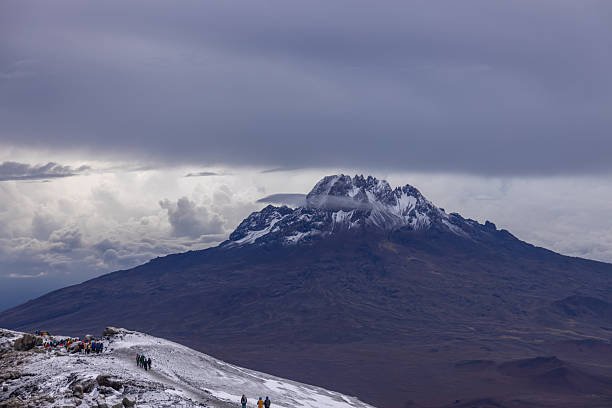
As the group progresses, Mawenzi becomes an increasingly important feature of the landscape.
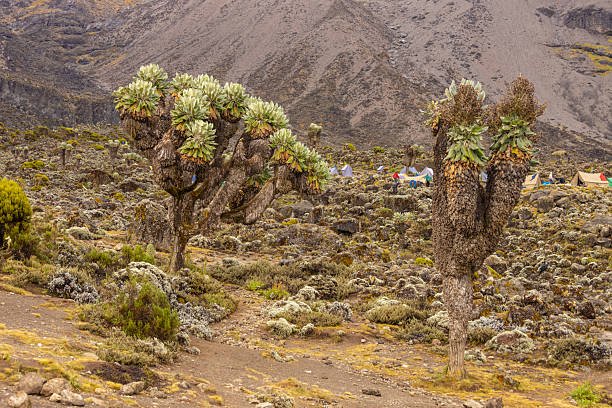
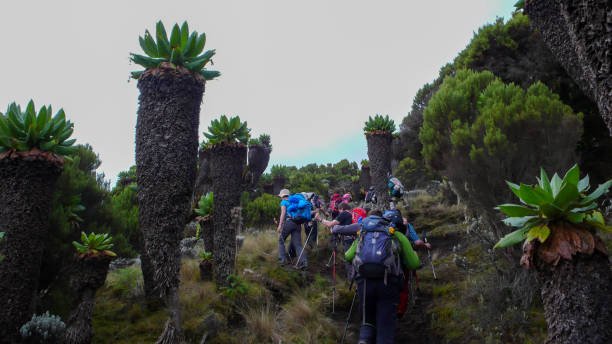
The trekking environment becomes more alpine and vegetation becomes more limited.
Climbers should continue paying close attention to hydration, food intake and any altitude related symptoms.
The overnight is generally around the Kikelewa area according to the confirmed six day route arrangement.
Altitude Becomes Increasingly Important
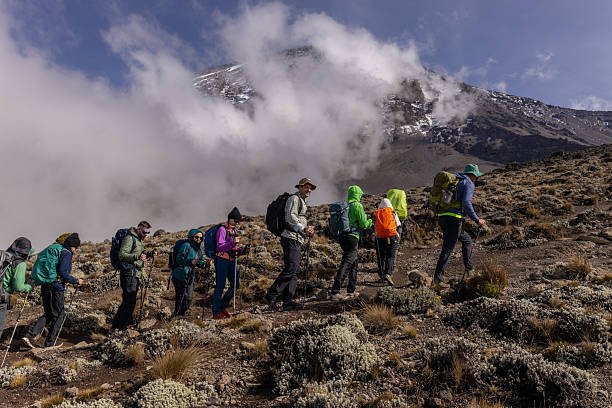
As the Rongai Route moves higher, climbers should maintain a slow pace, drink regularly, eat properly and report unusual symptoms to their guide rather than comparing themselves with other trekkers.
Day 4: Kikelewa Area Toward Mawenzi and Kibo
High Altitude Trekking and Summit Preparation
The fourth day moves into the higher and more exposed part of Kilimanjaro.
The Mawenzi landscape provides some of the most distinctive scenery of the Rongai approach.
The exact route sequence can vary, but the day's objective is to progress toward the Kibo side and prepare for the summit stage.
Vegetation becomes sparse and temperatures can fall significantly, particularly when wind increases.
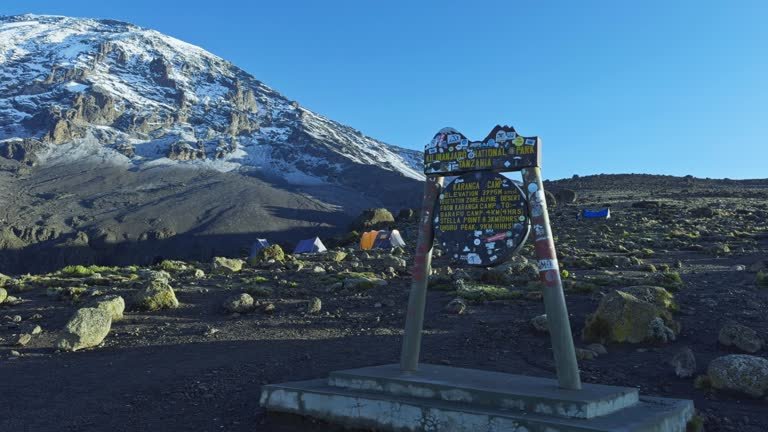
Once the group reaches the summit preparation area, climbers organise warm clothing, headlamps, water and other essential equipment.
The guide provides a detailed summit briefing before the group eats and rests.
Prepare for the Summit Stage
- Warm base layers
- Insulated jacket
- Waterproof outer clothing
- Warm gloves
- Warm hat
- Headlamp
- Water
- Trekking poles
- Snacks where recommended
- Sun protection for the descent
Day 5: Kibo Summit Stage and Descent to Horombo
The Kilimanjaro Summit Attempt
The summit stage is the most physically demanding section of the Rongai Route.
The climb begins according to the guide's planned schedule and continues toward the crater rim.
Progress is normally slow because of the combination of steep terrain, cold temperatures and high altitude.
Climbers should follow the guide's pace rather than trying to move faster than the group.
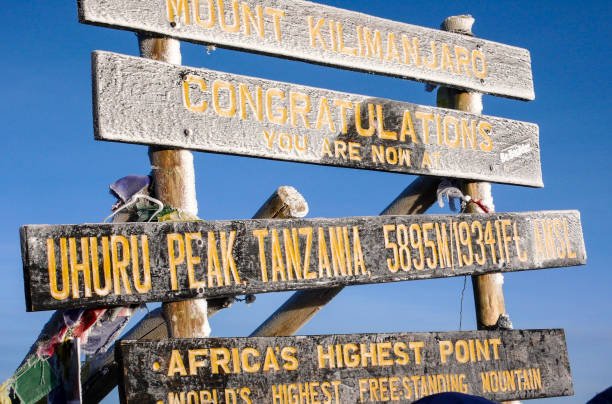
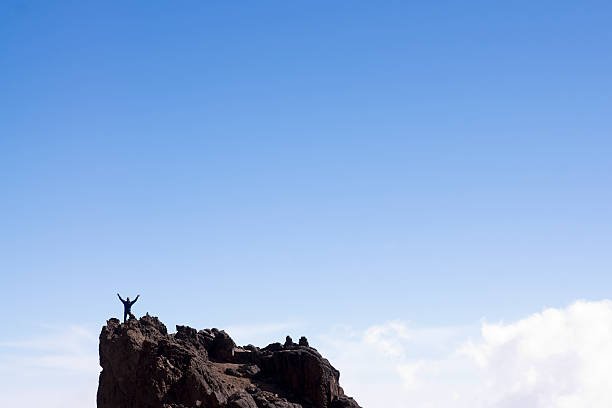
Those who remain healthy enough to continue proceed toward Uhuru Peak, the highest point on Mount Kilimanjaro.
Reaching the summit should never take priority over health, and climbers may need to turn around according to guide advice and personal condition.
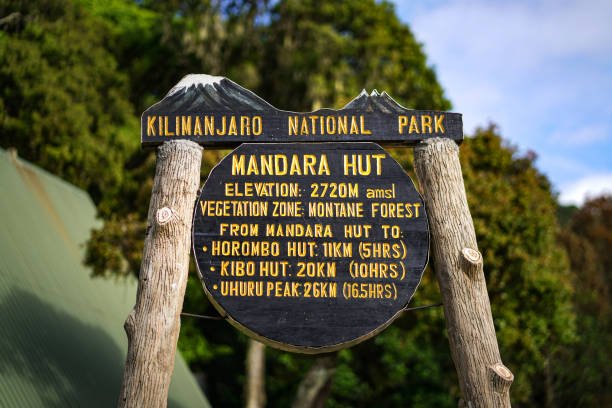
After the summit section, the route descends through the Kibo side and continues toward Horombo on the Marangu descent trail.
The long descent makes this one of the most demanding days of the entire trek.
Summit Day Guidelines
- Walk slowly and steadily.
- Follow your guide's instructions.
- Keep warm.
- Drink when practical.
- Report symptoms honestly.
- Do not compete with other climbers.
- Accept descent when necessary for safety.
Day 6: Horombo Area to Marangu Gate
Final Descent and Return to Moshi
After breakfast, continue descending along the Marangu side of Kilimanjaro.
The landscape gradually changes from open mountain terrain to moorland and eventually rainforest.
The long downhill trail can place pressure on knees and legs, making trekking poles useful.
At Marangu Gate, complete the required mountain exit procedures and meet the transfer vehicle.
Return to Moshi for a hotel stay, luggage collection, safari or onward travel according to the confirmed itinerary.
Rongai Camping Accommodation
The ascent uses camping accommodation.
The mountain crew transports tents, food and other group equipment between overnight locations.
Climbers normally carry their own daypacks containing water, clothing and personal items required during the day's trek.
A suitable sleeping bag remains essential because nighttime temperatures become increasingly cold at higher elevations.
Simba Camp
Simba Camp is commonly the first overnight stop after beginning from the northern trailhead.
It marks the start of the camping experience and provides time for climbers to settle into the expedition routine.
Second Cave Area
The Second Cave area is part of the gradual movement into more open northern Kilimanjaro landscapes.
Climbers continue gaining altitude while adapting to the changing mountain environment.
Kikelewa Camp
Kikelewa provides an overnight stop as the route moves closer to Mawenzi.
The surrounding scenery becomes increasingly alpine and rugged.
Mawenzi Scenery
Mawenzi is one of the defining visual features of the Rongai Route.
Its rugged peaks create a dramatic contrast with the broad dome of Kibo.
The northern and eastern approach allows climbers to experience this part of Kilimanjaro before moving toward the summit preparation area.
Kibo Summit Preparation
The route eventually joins the higher terrain leading toward Kibo.
This is where climbers organise summit equipment, eat, rest and receive the final briefing before the demanding summit stage.
Rongai Descent Through Marangu
One of the interesting features of Rongai is that climbers do not normally descend along the same northern trail used for the ascent.
After the summit section, the expedition descends toward Horombo and eventually Marangu Gate.
This gives climbers a chance to experience different sides of Mount Kilimanjaro within one trek.
6 Day Rongai vs 7 Day Rongai
The main difference is the amount of time available within the mountain schedule.
A 7 day Rongai itinerary can provide an additional day for a more gradual progression or acclimatisation according to the selected route program.
The six day version is more compact and can suit travellers with less available time.
Before Choosing 6 Days, Consider
- Your available travel time
- Previous trekking experience
- Previous altitude experience
- Your physical preparation
- The route's altitude progression
- Whether a longer itinerary fits your schedule
Rongai vs Machame Route
Rongai and Machame provide noticeably different approaches to Kilimanjaro.
Rongai begins on the northern side and generally sees fewer climbers than the busiest southern approach routes.
Machame starts on the southern side and passes through Shira and Barranco before reaching Barafu.
Both use camping during the ascent, but the scenery, route profile and summit approach differ.
Rongai vs Marangu Route
Rongai uses camping during the ascent, while Marangu uses huts throughout its standard itinerary.
Rongai begins on the northern side but eventually descends through the Marangu side after the summit.
Travellers choosing between the two should consider accommodation style, route scenery, starting location and overall itinerary.
Altitude and Acclimatisation
High altitude is one of the main challenges of the Rongai Route.
The route gains elevation over several consecutive trekking days before reaching the summit stage.
Climbers should maintain a slow pace, stay hydrated and communicate symptoms early.
Good fitness can help with endurance but does not guarantee good acclimatisation.
Daily Health Monitoring
Guides may conduct regular health checks according to expedition procedures.
Climbers should report headaches, nausea, dizziness, unusual fatigue or difficulty recovering after trekking.
Guide decisions about resting, continuing or descending should be respected.
Physical Preparation
Regular hiking, hill walking, stairs and cardiovascular training can help prepare for Rongai.
Training on consecutive days can also help climbers become accustomed to repeated physical activity.
Walking with a loaded daypack during training can prepare shoulders and legs for the mountain routine.
Mental Preparation
The six day trek requires patience as well as physical strength.
Camping, cold temperatures, altitude and summit night can be mentally demanding.
Climbers should expect slow progress and focus on following the guide's pace rather than rushing.
What to Pack for the 6 Day Rongai Route
Essential Personal Equipment
- Trekking boots
- Daypack
- Base layers
- Warm mid layers
- Insulated summit jacket
- Waterproof jacket and trousers
- Warm gloves
- Warm hat
- Headlamp
- Trekking poles
- Suitable sleeping bag
- Water bottles or hydration system
- Sun protection
Kilimanjaro Gear Rental
Selected trekking equipment can be rented in Moshi where available.
Rental can be useful for travellers who do not own specialist cold weather gear.
All items should be checked for suitable sizing and condition before the transfer to the northern trailhead.
Sleeping Bag
A suitable sleeping bag is important on the Rongai Route because the ascent uses camping accommodation.
Temperatures become much colder at higher camps.
Travellers can bring their own sleeping bag or ask about suitable rental equipment.
Mountain Meals
Mountain meals can be included throughout the six day expedition according to the confirmed package.
Breakfast, lunch and dinner help support climbers through consecutive trekking days.
Dietary requirements should be communicated before the trip.
Professional Kilimanjaro Guides
The guide leads the expedition, manages daily pacing and provides route and summit briefings.
Assistant guides can support larger groups according to expedition requirements.
During the summit stage, the guide team also manages climbers according to pace, health and mountain conditions.
Rongai Porters and Cooks
Porters carry tents, food, group equipment and climber duffels according to mountain arrangements.
Cooks prepare meals during the camping portion of the itinerary.
Climbers normally carry their own daypacks containing water, clothing and personal equipment required while walking.
Typical 6 Day Rongai Package Inclusions
- Professional Kilimanjaro guide
- Assistant guides according to group size
- Porters and mountain crew
- Mountain cook
- Mountain meals
- Camping equipment where included
- Park and mountain arrangements listed in the package
- Transport to the Rongai starting point where included
- Marangu Gate to Moshi transfer where included
- Pre climb briefing
- Equipment check
- Safety equipment according to expedition setup
Typical Package Exclusions
- International flights
- Tanzania visa
- Travel and evacuation insurance
- Personal trekking clothing
- Rental equipment unless included
- Hotel nights not listed in the package
- Airport transfers unless included
- Private toilet unless included
- Single tent supplement where applicable
- Personal expenses
- Mountain crew tips
- Safari or Zanzibar unless added separately
Private 6 Day Rongai Route
Rongai can be arranged as a private climb for solo travellers, couples, families or groups.
A private departure provides greater flexibility with starting dates and wider Tanzania travel arrangements.
This can be useful because Rongai group departures may be less frequent than those on some other routes.
6 Day Rongai Group Joining Tour
Group joining departures may be available on selected dates.
Solo travellers can reserve a place and share the expedition with other climbers when a suitable group is confirmed.
Travellers interested in joining should check departure dates and current group size before booking flights.
6 Day Rongai Route Price
The price depends on group size, private or group joining arrangements and the services included within the package.
The longer road transfer to the northern starting area can also affect logistics compared with routes beginning closer to Moshi.
Travellers should compare complete quotations including hotels, transfers, mountain services and additional expenses.
Moshi Hotel Before Rongai
A hotel night before the trek provides time for rest, briefing and equipment preparation.
This is especially useful before the longer road journey to the northern side of Kilimanjaro.
Moshi Hotel After Rongai
After finishing at Marangu Gate, climbers can return to Moshi for a hotel stay.
This provides time to shower, recover and organise luggage before safari or onward travel.
Airport Transfers
Kilimanjaro International Airport transfers can be included or arranged separately.
Travellers should provide accurate flight details before arrival so transport can be organised correctly.
Private Toilet
A private portable toilet can be added on camping routes where available.
The service requires additional equipment and porter support, so it may be charged separately unless included in the package.
Single Tent Option
Solo travellers should confirm whether their package includes a single tent or a tent sharing arrangement.
A private tent may be available for an additional charge depending on the departure.
6 Day Rongai and Safari
After descending through Marangu Gate, travellers can continue directly into a northern Tanzania safari itinerary.
The safari can be short or extended according to available time and budget.
Popular Safari Extensions
- Tarangire National Park
- Lake Manyara National Park
- Ngorongoro Crater
- Serengeti National Park
- Arusha National Park
6 Day Rongai and Ngorongoro
A shorter Ngorongoro extension can be arranged after the Kilimanjaro climb.
This can suit travellers who want wildlife viewing without adding a long safari schedule.
6 Day Rongai and Serengeti
Travellers with more time can continue to Serengeti after the mountain.
The safari can also include Tarangire or Ngorongoro according to the selected number of days.
6 Day Rongai and Zanzibar
Zanzibar can be added after the climb or after a combined Kilimanjaro and safari itinerary.
The island offers an opportunity to relax after the physical demands of the mountain.
Who Is the 6 Day Rongai Route Best For?
The Rongai Route can suit travellers who want a northern Kilimanjaro approach and prefer a quieter trekking environment.
It can also suit travellers who enjoy camping and want to experience the Mawenzi side of the mountain.
The six day version is relatively compact, so climbers should prepare physically and understand the demands of altitude.
The 6 Day Rongai Route May Suit Travellers Who
- Prefer a quieter Kilimanjaro route
- Want a northern approach
- Enjoy camping
- Want Mawenzi scenery
- Have six mountain days available
- Are physically prepared for high altitude trekking
Frequently Asked Questions
What is the 6 Day Rongai Route Kilimanjaro?
It is a six day Kilimanjaro itinerary approaching from the northern side before joining the Kibo summit area and descending through the Marangu side.
Where does Rongai start?
Rongai begins on the northern side of Mount Kilimanjaro near the Kenya border region.
Where does Rongai finish?
The route normally descends through the Marangu side and finishes at Marangu Gate.
Does Rongai use tents?
Yes. The ascent uses camping accommodation.
Is Rongai quieter than Machame?
Rongai is generally chosen by travellers seeking a less frequently used northern approach compared with the popular Machame Route.
Can I see Mawenzi on Rongai?
Yes. Mawenzi forms an important part of the route scenery as climbers move through the northeastern side of Kilimanjaro.
Is the 6 Day Rongai Route difficult?
Yes. It includes consecutive trekking days, camping, high altitude and a demanding summit stage.
Is six days enough for Rongai?
Six days is an established Rongai itinerary, although travellers with more time can also consider a longer schedule for additional time on the mountain.
Do I need a sleeping bag?
Yes. A suitable warm sleeping bag is required for the camping itinerary.
Are tents included?
Mountain tents can be included according to the confirmed Rongai package.
Are meals included?
Mountain meals can be included throughout the route according to the confirmed package.
Are guides and porters included?
Professional guides and porter support can be included according to group size and expedition arrangements.
Can I climb Rongai privately?
Yes. Private Rongai departures can be arranged for solo travellers, couples and groups.
Can I join a Rongai group?
Group joining departures may be available on selected dates and should be confirmed before booking flights.
Can I rent equipment in Moshi?
Selected Kilimanjaro trekking equipment can often be rented in Moshi subject to availability and suitable sizing.
Are Moshi hotels included?
Some Rongai packages include accommodation before and after the climb, while mountain only packages can exclude hotels.
Can safari be added after Rongai?
Yes. Tarangire, Lake Manyara, Ngorongoro, Serengeti and other safari destinations can be added after Kilimanjaro.
Can Zanzibar be added?
Yes. Zanzibar can be added after the climb or after a combined Kilimanjaro and safari itinerary.
Plan Your 6 Day Rongai Route Kilimanjaro
Approach Kilimanjaro from the quieter northern side, trek through Mawenzi scenery and continue toward Kibo before descending through the Marangu side.
Add Moshi hotels, airport transfers, equipment rental, private or group joining arrangements and a Tanzania safari extension to complete your trip.
Plan Your 6 Day Rongai Climb