7 Day Lemosho Route Daily Itinerary
The 7 Day Lemosho Route Daily Itinerary provides a detailed look at what climbers can expect each day while trekking Mount Kilimanjaro from the western Lemosho approach to Uhuru Peak and descending through the Mweka Route.
This seven day variation combines scenic landscapes, gradual altitude exposure, professional mountain support and several important acclimatization stages before summit night.
The route begins in Kilimanjaro's western forest, crosses the broad Shira landscape and joins the southern circuit. Climbers then pass Lava Tower, Barranco, Karanga and Barafu before attempting Uhuru Peak at approximately 5,895 metres.
After the summit stage, the route descends toward Mweka Camp and finishes at Mweka Gate on the final day.
7 Day Lemosho Daily Itinerary at a Glance
- Day 1: Western trailhead to Mti Mkubwa Camp.
- Day 2: Mti Mkubwa to Shira 2 Camp across the Shira landscape.
- Day 3: Shira 2 to Lava Tower and down to Barranco Camp.
- Day 4: Barranco Camp to Karanga Camp via Barranco Wall.
- Day 5: Karanga Camp to Barafu Camp.
- Day 6: Barafu to Uhuru Peak and descend to Mweka Camp.
- Day 7: Mweka Camp to Mweka Gate and return to Moshi.
Day 1: Western Kilimanjaro Trailhead to Mti Mkubwa Camp
Starting point: Western Lemosho trail area
Overnight: Mti Mkubwa Camp
Approximate walking time: 3 to 4 hours
Typical distance: Around 6 to 7 km
Environment: Montane rainforest
Meals: Lunch and dinner on the mountain according to arrival schedule
After breakfast in Moshi, meet your Kilimanjaro mountain team and travel toward the western side of Mount Kilimanjaro. Registration and mountain entry formalities are completed before continuing toward the Lemosho trekking area.
The first hiking stage begins through Kilimanjaro's montane forest. The trail can be damp or muddy depending on recent weather, making waterproof footwear and trekking poles useful.
Your guide establishes a slow and controlled walking rhythm from the beginning. There is no advantage in walking quickly on the first day because the objective is to conserve energy and allow the body to begin adapting gradually.
As the group moves through the forest, vegetation is dense and noticeably different from the open terrain that appears later in the trek.
On arrival at Mti Mkubwa Camp, the crew prepares the sleeping area and evening meal. Climbers organise their tents, change into dry clothing, eat dinner and complete the first evening health assessment.
What to Expect on Day 1
The first day is normally one of the shorter trekking stages. It is an opportunity to become familiar with your boots, daypack, trekking poles and the guide's walking pace.
Rain is possible in the forest zone, so waterproof equipment should remain accessible in your daypack rather than packed inside the porter carried duffel.
Drink regularly even if the weather feels cool.
Day 2: Mti Mkubwa Camp to Shira 2 Camp
Starting camp: Mti Mkubwa
Overnight: Shira 2 Camp
Approximate walking time: 7 to 9 hours depending on pace and conditions
Typical distance: Approximately 15 to 17 km
Environment: Forest transitioning to heath and moorland
Meals: Breakfast, lunch and dinner
After breakfast, leave the forest and begin climbing into increasingly open vegetation. The trail moves through heath and moorland as views expand across the western side of Kilimanjaro.
This is a longer walking day in this common seven day variation because the itinerary continues across the Shira landscape toward Shira 2 Camp.
The terrain includes gradual climbs, rolling sections and broad open views when cloud conditions permit.
Kibo may begin to dominate the skyline, giving climbers their first strong visual impression of the upper mountain.
The longer day requires steady energy management. Eat during breaks, keep drinking and avoid trying to match a faster climber's pace.
After arriving at Shira 2 Camp, change into warm clothing because temperatures can drop quickly when the sun disappears.
Shira Plateau Experience
The Shira area is one of the defining landscapes of the Lemosho Route.
The broad high altitude terrain is the remains of an older volcanic formation and provides open views across the mountain when weather conditions are clear.
The change from rainforest to open moorland also makes the increase in elevation more noticeable.
Day 2 Health and Acclimatization
Day 2 creates a significant change in altitude compared with the first camp.
Walk slowly, keep eating and report persistent headache, nausea, unusual fatigue or other concerns to your guide.
Regular health monitoring becomes increasingly important as the trek moves higher.
Day 3: Shira 2 Camp to Barranco Camp via Lava Tower
Starting camp: Shira 2
High point: Lava Tower area, approximately 4,600 metres
Overnight: Barranco Camp, approximately 3,900 metres
Approximate walking time: 6 to 8 hours
Typical distance: Around 10 km
Environment: Moorland and alpine desert
Meals: Breakfast, lunch and dinner
Day 3 is one of the most important acclimatization stages of the 7 Day Lemosho Route.
After breakfast, trek eastward toward progressively higher and more barren terrain. Vegetation becomes increasingly sparse as the route approaches Lava Tower.
The group reaches a substantially higher elevation during the day before descending toward Barranco Camp for the night.
This higher daytime exposure followed by sleeping lower is an important feature of the southern circuit itinerary.
Some climbers may begin noticing the altitude more clearly around Lava Tower. Symptoms should be communicated honestly rather than hidden.
After the high point, descend into the Barranco Valley. The landscape changes dramatically and giant high altitude vegetation can appear in sections of the valley.
Barranco Camp sits beneath dramatic mountain terrain with the Barranco Wall forming the next morning's challenge.
Why Lava Tower Matters
The purpose of the Lava Tower stage is not simply to reach another landmark.
It gives climbers exposure to a higher elevation before descending to sleep lower at Barranco.
How each individual responds varies, and no acclimatization strategy can guarantee that altitude symptoms will not occur.
Barranco Camp Evening
Once at camp, prioritise warm clothing, food, fluids and rest.
Your guide can complete the evening health assessment and discuss the following day's Barranco Wall section.
Day 4: Barranco Camp to Karanga Camp
Starting camp: Barranco
Overnight: Karanga Camp
Approximate walking time: 4 to 5 hours
Typical distance: Around 5 to 6 km
Major feature: Barranco Wall
Environment: High alpine terrain
Meals: Breakfast, lunch and dinner
After breakfast, leave Barranco Camp and approach the Barranco Wall.
This steep section looks intimidating from camp but is normally crossed as part of the standard trekking route rather than as technical rock climbing.
Climbers use their hands for stability at some points and should follow guide instructions carefully.
After completing the wall, continue through undulating high altitude terrain toward Karanga Valley and Karanga Camp.
Although the day's distance is shorter than Day 2 or summit day, the changing altitude and terrain still require controlled pacing.
Karanga provides an important overnight before the group progresses toward the final high camp.
Crossing the Barranco Wall
Do not treat Barranco Wall as a race.
The route can become busy when several groups leave camp around similar times, so patience and careful movement are more useful than speed.
Listen to your guide when hand and foot placement requires extra attention.
Karanga Camp and Recovery
Use the afternoon and evening to eat, drink and rest.
By this point in the climb, individual altitude response is more important than comparing yourself with stronger or faster group members.
Day 5: Karanga Camp to Barafu Camp
Starting camp: Karanga
Overnight: Barafu Camp
Approximate altitude: Around 4,600 to 4,700 metres at the high camp area
Approximate walking time: 3 to 4 hours
Typical distance: Around 4 km
Environment: Alpine desert
Meals: Breakfast, lunch and early dinner
Day 5 is relatively short in distance but important because you are moving into the high altitude summit environment.
Leave Karanga and climb gradually toward Barafu. Vegetation becomes very limited and the landscape is increasingly dominated by rock and volcanic terrain.
Upon arrival, the priority changes from trekking to summit preparation.
Organise your headlamp, warm summit layers, gloves, water, snacks, trekking poles and other essential equipment before trying to rest.
Your guide completes another health assessment and explains the planned summit departure time.
Eat even if altitude has reduced your appetite because summit night requires substantial energy.
Summit Preparation at Barafu
- Prepare all summit clothing before sleeping.
- Check headlamp and batteries.
- Prepare drinking water.
- Pack accessible personal snacks.
- Keep gloves and warm hat accessible.
- Follow the guide's health assessment honestly.
- Try to rest even if sleep is limited.
Day 6: Barafu Camp to Uhuru Peak and Down to Mweka Camp
Starting camp: Barafu
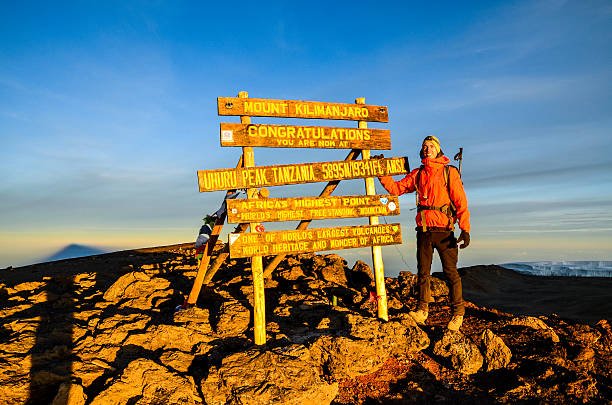
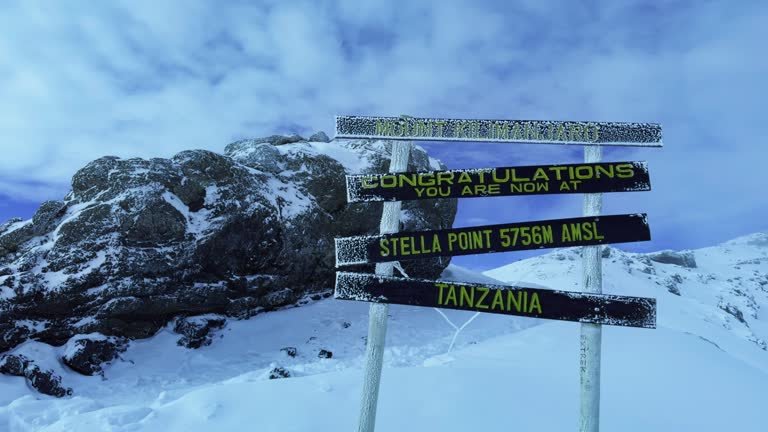
Summit objective: Uhuru Peak, approximately 5,895 metres
Overnight: Mweka Camp
Approximate total activity: 12 to 16 hours depending on pace and conditions
Environment: Arctic summit zone followed by alpine and moorland descent
Meals: Meals according to summit and descent schedule
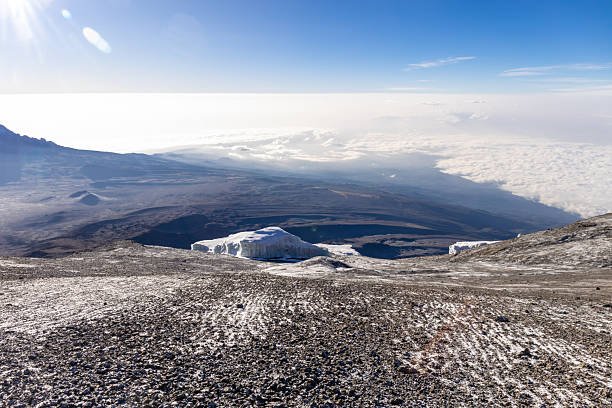
Day 6 is summit day and usually the longest, coldest and most demanding stage of the expedition.
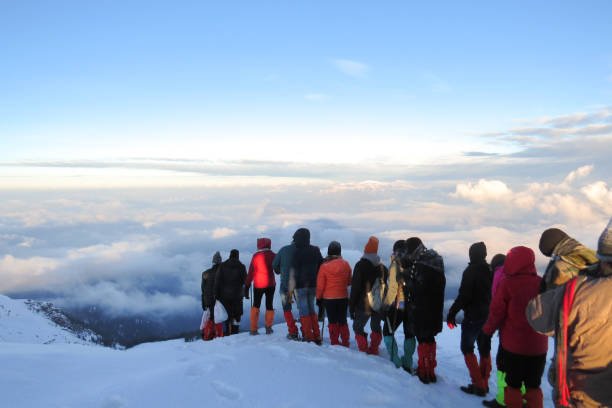
Wake during the night, dress in your summit layers and begin climbing slowly under headlamp light.
The route ascends through steep high altitude terrain toward the crater rim. Pace is deliberately slow to conserve energy and manage the effects of altitude.
After reaching the rim, climbers who remain in suitable condition continue toward Uhuru Peak.
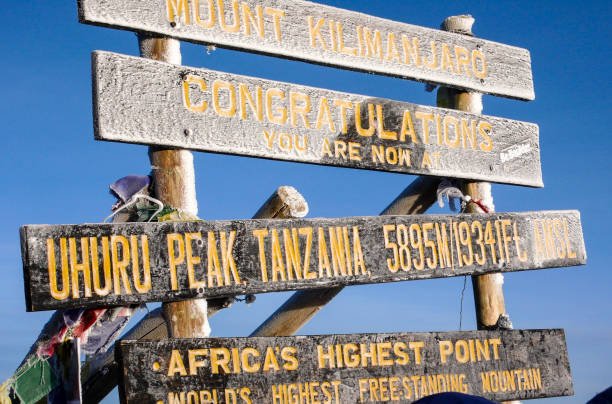
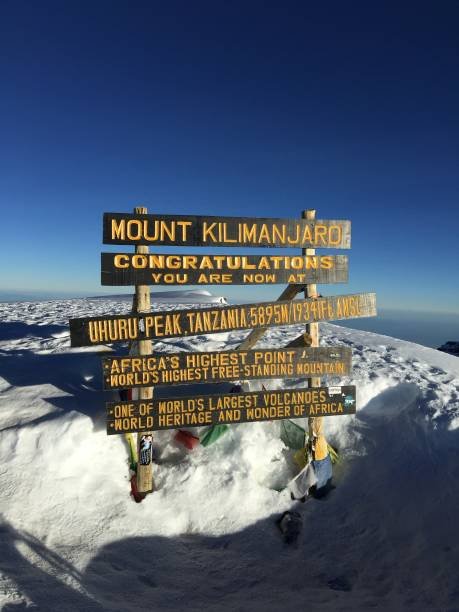
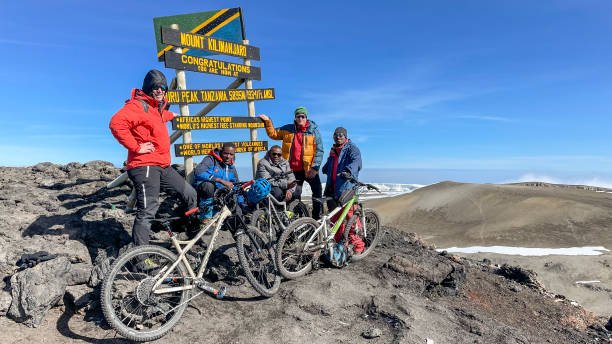
Uhuru Peak is the highest point on Mount Kilimanjaro and the main summit objective, but reaching it is never guaranteed.
Weather, individual health, acclimatization and guide assessment determine whether continuing is appropriate.
After the summit stage, begin the long descent back toward Barafu and continue lower toward Mweka Camp.
The descent can be tiring on knees and legs, making trekking poles useful.
Once at Mweka Camp, eat, rehydrate and rest after a very long mountain day.
Summit Night Pace
Summit night should not become a competition between climbers.
Group members can respond differently to altitude and may naturally separate into different pace groups when guide coverage allows.
Our typical planning uses approximately one guide for every two climbers, with additional summit assistance arranged according to the expedition structure.
Emergency Oxygen on Summit Day
Emergency oxygen is carried as part of our mountain safety equipment.
It is intended for emergency management and should never be used as a reason to continue ascending when safe descent is necessary.
Health takes priority over reaching Uhuru Peak.
What If a Climber Cannot Continue?
A climber who develops significant altitude symptoms or another safety concern may need to turn back.
When staffing and conditions permit, guide support can accompany that person downward while other suitable climbers continue.
Turning around is sometimes the correct mountain decision and should not be treated as a failure of the expedition team.
Day 7: Mweka Camp to Mweka Gate and Return to Moshi
Starting camp: Mweka Camp
Finishing point: Mweka Gate
Approximate walking time: 3 to 4 hours
Typical distance: Around 10 km
Environment: Montane forest
Final transfer: Mweka Gate to Moshi
Meal: Breakfast, with additional meals according to the confirmed package
After breakfast, begin the final descent through increasingly dense vegetation toward Mweka Gate.
The air becomes warmer and richer in oxygen as elevation decreases.
The forest trail can be wet or muddy, so careful footing remains important even though the major altitude challenge is behind you.
At Mweka Gate, complete the necessary exit procedures and meet the arranged vehicle.
Return to Moshi for a shower, meal and well earned rest according to your post climb arrangements.
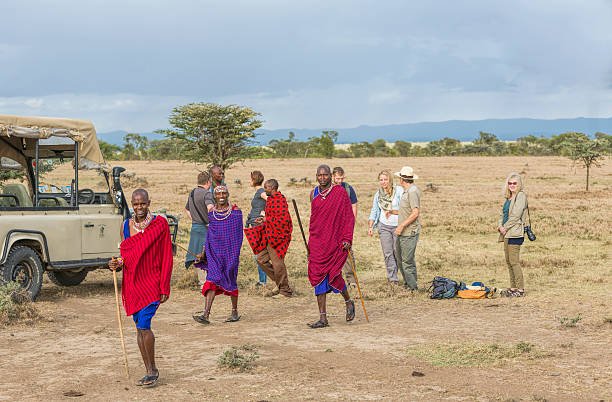
Travellers can then continue to a hotel, airport transfer, Tanzania safari or Zanzibar extension.
Daily Health Monitoring Throughout the Trek
Health monitoring is not limited to summit night.
Our mountain procedures include regular checks throughout the expedition, with guides considering headache, nausea, appetite, sleep, fatigue, breathing and overall walking condition.
A pulse oximeter can provide additional information, but readings should be interpreted alongside symptoms and general condition.
Safety Support During the 7 Day Lemosho Trek
- Professional Kilimanjaro guides
- Regular health assessments
- Pulse oximeter monitoring
- Emergency oxygen
- First aid equipment
- Controlled walking pace
- Altitude symptom monitoring
- Descent support when required
Mountain Camping During the Itinerary
Lemosho uses tented mountain camps.
Sleeping tents and mattresses are provided according to our standard camping arrangements.
Climbers need a suitably warm sleeping bag, which can be brought from home or rented subject to availability.
Mountain Meals Each Day
A mountain cook prepares meals throughout the expedition.
Breakfast, lunch and dinner are organised around the day's trekking schedule.
On summit day, meal timing differs because climbers begin during the night and spend many hours moving before reaching the lower camp.
Vegetarian and other dietary requirements should be communicated before departure.
Porter Carried Duffel
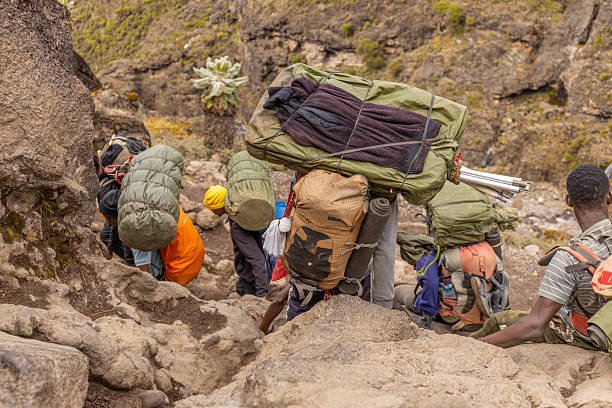
Porters carry shared expedition equipment and permitted client duffel luggage.
Our standard allowance for porter carried client luggage is approximately 15 kg per climber.
You carry your personal daypack throughout each trekking day.
What Goes in Your Daypack?
- Drinking water
- Waterproof jacket
- Waterproof trousers
- Warm layer
- Gloves
- Warm hat
- Sun hat
- Sunglasses
- Sunscreen
- Personal snacks
- Personal medication
- Phone or camera
- Headlamp when needed
How Difficult Is the 7 Day Lemosho Route?
The route does not normally require technical mountaineering skills, but it remains a demanding high altitude trek.
The challenge comes from consecutive trekking days, changing weather, cold temperatures, altitude and the long summit stage.
Physical training before travel improves your ability to manage repeated hiking days, but fitness alone does not prevent altitude illness.
Who Is This Daily Itinerary Suitable For?
The seven day Lemosho itinerary can suit prepared first time climbers, experienced hikers, solo travellers, couples and small groups.
Travellers should be comfortable walking for several hours on consecutive days and should prepare for cold, rain, uneven trails and high altitude conditions.
Arrival before Day 1
International travellers should arrive in Moshi before the actual mountain departure.
This provides time for rest, a mountain briefing and complete equipment inspection.
Gear such as sleeping bags, trekking poles and gaiters can be rented subject to size and availability.
After Day 7
Once you return to Moshi, you can stay overnight, transfer to Kilimanjaro International Airport or continue with another Tanzania experience.
A post climb hotel night is useful for travellers who want to recover before a long international flight.
Safari after the Lemosho Route
A northern Tanzania safari can follow the climb.
- 2 days: Tarangire and Ngorongoro.
- 3 days: Tarangire, Ngorongoro and Lake Manyara.
- 4 days: Tarangire, Serengeti and Ngorongoro.
- 5 days: Tarangire, Serengeti, Ngorongoro and Lake Manyara.
Zanzibar after Kilimanjaro
Zanzibar can be added after the mountain or after a combined Kilimanjaro and safari itinerary.
Your domestic flights and airport transfers can be coordinated around the final travel schedule.
Frequently Asked Questions
What is the 7 Day Lemosho Route daily itinerary?
A common seven day itinerary runs from the western Lemosho approach to Mti Mkubwa, Shira 2, Barranco via Lava Tower, Karanga, Barafu, Uhuru Peak, Mweka Camp and finally Mweka Gate.
Does every 7 Day Lemosho itinerary use exactly the same camps?
No. Seven day variations can differ slightly in how the early Shira stages or higher camps are divided. Always use the detailed itinerary issued with your confirmed booking.
Where does the Lemosho Route start?
The route approaches Kilimanjaro from the western side through the Lemosho and Londorossi area.
Where does the route finish?
The standard descent finishes through Mweka Gate before transportation back to Moshi.
Where do we sleep on Day 1?
A common seven day configuration uses Mti Mkubwa Camp for the first overnight.
What happens on Day 2?
In this seven day variation, climbers leave Mti Mkubwa and make a longer ascent across changing vegetation toward Shira 2 Camp.
Which day goes through Lava Tower?
Day 3 commonly climbs toward Lava Tower before descending to Barranco Camp.
Which day crosses Barranco Wall?
Barranco Wall is normally crossed on Day 4 while travelling from Barranco toward Karanga Camp.
Is Barranco Wall technical climbing?
It is normally treated as a steep trekking and scrambling section rather than technical mountaineering, although hands are used for stability in places.
Where do we sleep before summit night?
Barafu Camp is commonly used as the high camp before the standard Lemosho summit attempt.
Which day is summit day?
In this seven day schedule, Day 6 is the summit day, followed by a substantial descent to Mweka Camp.
How long is summit day?
Summit day is normally the longest stage and can involve roughly 12 to 16 hours of combined ascent and descent depending on pace, weather and conditions.
Do we sleep at the summit?
No. Standard seven day Lemosho itineraries normally descend substantially after the summit attempt rather than sleeping at Uhuru Peak.
What happens on Day 7?
The final day descends from Mweka Camp through the forest toward Mweka Gate, followed by transportation back to Moshi.
Are meals included every day?
Mountain meals are provided according to the confirmed package, with meal timing adjusted around trekking and summit schedules.
Are tents included?
Yes. Lemosho uses mountain camping, and sleeping tents are provided under our standard camping arrangements.
Are mattresses included?
Yes. Sleeping mattresses are provided under our standard camping arrangements.
Can I rent a sleeping bag?
Yes. Sleeping bags can be rented subject to size and availability.
Are health checks performed every day?
Our mountain procedures include regular health assessments throughout the trek and pulse oximeter monitoring as part of the overall evaluation.
Is emergency oxygen carried?
Yes. Emergency oxygen is carried as part of our mountain safety equipment.
Does this itinerary guarantee reaching Uhuru Peak?
No. Summit success cannot be guaranteed and depends on individual health, acclimatization, weather, mountain conditions and guide assessment.
Can solo travelers join this itinerary?
Yes. Solo travellers can join an available scheduled group or request a private seven day Lemosho climb.
Can airport pickup be included?
Yes. Kilimanjaro International Airport pickup can be arranged according to your confirmed package and flight information.
Can I add a safari after Day 7?
Yes. Tarangire, Ngorongoro, Serengeti and Lake Manyara can be added according to your available travel time.
Can I go to Zanzibar after the climb?
Yes. Zanzibar can be added after Kilimanjaro or after a combined mountain and safari itinerary.
How do I book this 7 Day Lemosho daily itinerary?
Send your preferred climbing date, number of travellers and whether you prefer a group joining or private departure. You can also request airport pickup, Moshi hotel accommodation, rental equipment, a single tent, private toilet, safari or Zanzibar extension as part of your complete Tanzania itinerary.
Book Your 7 Day Lemosho Route
Follow a complete seven day Kilimanjaro itinerary from the western forest and Shira landscape through Lava Tower, Barranco and Barafu to the summit attempt and Mweka descent with professional mountain support.
Request the 7 Day Lemosho Itinerary

 Kilimanjaro Climb