5 Day Marangu Route Kilimanjaro 2026-2027
The 5 Day Marangu Route Kilimanjaro is a short hut-based trek that follows Marangu Gate, Mandara Hut, Horombo Hut and Kibo Hut before the summit attempt toward Gilman’s Point and Uhuru Peak at 5,895 metres.
It is the shortest commonly used Marangu itinerary and appeals to climbers who want to avoid camping and complete the mountain within five trekking days.
However, the schedule is more compressed than longer Kilimanjaro itineraries, which means acclimatization time is limited.
For that reason, the route should be chosen because it suits your schedule and experience rather than simply because it is the quickest option.
5 Day Marangu Route at a Glance
- Route: Marangu Route
- Mountain days: 5 days
- Highest point: Uhuru Peak, 5,895 metres
- Starting gate: Marangu Gate
- Accommodation: Mountain huts
- Summit approach: Kibo Hut to Gilman’s Point and Uhuru Peak
- Best for: Climbers with limited time who prefer huts
- Main concern: Fast acclimatization schedule
Why Choose the 5 Day Marangu Route?
The biggest advantage of five day Marangu is its simplicity.
The route uses permanent huts, follows a relatively direct trail and requires fewer mountain days than many other Kilimanjaro itineraries.
This can make it attractive to travellers with limited holiday time or those who strongly dislike sleeping in tents.
The main tradeoff is reduced acclimatization time.
Why Climbers Choose 5 Day Marangu
- Shortest standard Marangu itinerary
- Hut accommodation
- No tent camping
- Direct trail structure
- Convenient access from Moshi
- Suitable for travellers with limited time
5 Day Marangu Route Itinerary
The standard five day route moves from Marangu Gate to Mandara Hut, then Horombo Hut and Kibo Hut before summit night.
After reaching the crater rim and, where possible, Uhuru Peak, climbers descend back through Horombo before finishing at Marangu Gate.
Day 1 – Marangu Gate to Mandara Hut
The expedition begins with a road transfer from Moshi to Marangu Gate.
After registration and final preparation, climbers enter the rainforest and begin walking toward Mandara Hut.
The trail is generally well established and climbs steadily through dense forest.
Rain and mud are possible even during relatively dry periods.
Day 1 Highlights
- Marangu Gate registration
- Rainforest trekking
- First experience of hut accommodation
- Introduction to the mountain crew and trekking rhythm
- Possible forest wildlife and birdlife
Mandara Hut
Mandara Hut is the first overnight stop on the standard Marangu Route.
The accommodation is basic and shared rather than hotel-style.
Climbers should bring a warm sleeping bag even though they are staying inside a permanent structure.
Day 2 – Mandara Hut to Horombo Hut
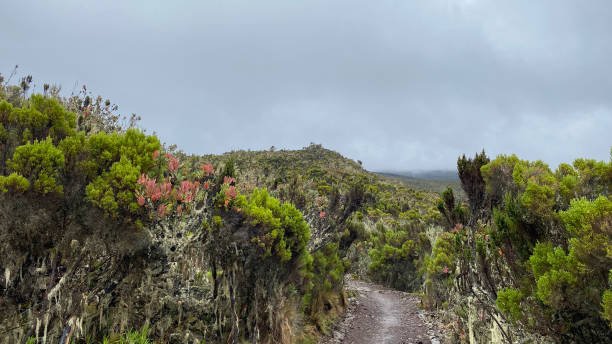
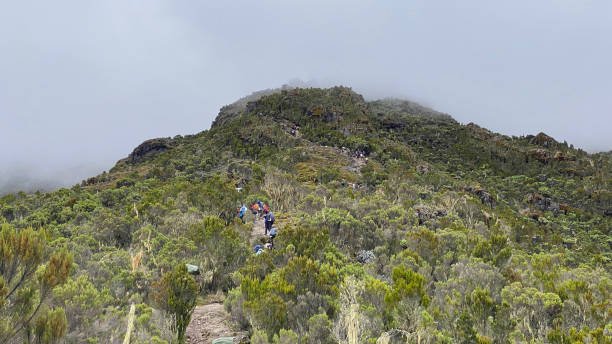
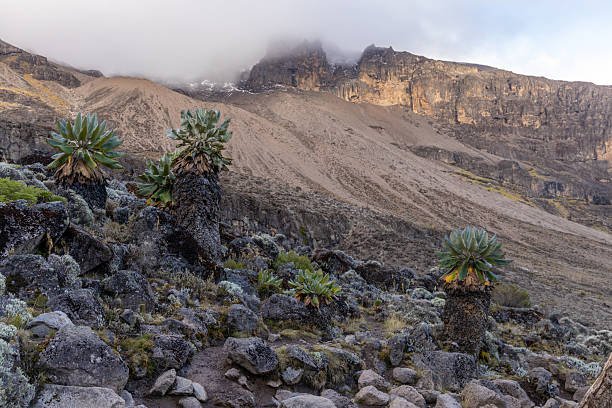
The second day leaves the rainforest and enters heath and moorland.
The landscape becomes increasingly open as climbers gain altitude.
Horombo Hut sits significantly higher than Mandara and marks the point where some climbers begin noticing more obvious altitude effects.
Slow pacing becomes increasingly important.
Horombo Hut
Horombo is one of the busiest locations on the Marangu Route because it is used during both ascent and descent.
The camp provides extensive views when weather is clear.
On the five day itinerary, climbers do not normally spend an additional full acclimatization day here before continuing upward.
Why Horombo Matters
- Major altitude transition
- Important guide health-check stage
- Moorland scenery
- Used on ascent and descent
- Location of additional acclimatization time on longer Marangu itineraries
Day 3 – Horombo Hut to Kibo Hut
Day three continues toward the alpine desert.
Vegetation becomes sparse and the route crosses increasingly barren terrain.
The air becomes noticeably thinner as climbers approach Kibo Hut.
This is the final sleeping location before the summit attempt.
Kibo Hut
Kibo Hut is a high-altitude staging point for summit night.
Climbers normally arrive, eat, organize summit equipment and rest for several hours before waking late in the evening.
Because of the altitude, sleep may be difficult.
Prepare at Kibo Hut
- Prepare thermal clothing
- Check insulated jacket
- Organize gloves and warm hat
- Check headlamp and batteries
- Prepare drinking water
- Eat before resting
- Attend summit briefing
- Report altitude symptoms honestly
Day 4 – Kibo Hut to Uhuru Peak and Down to Horombo Hut
Summit day normally begins late at night or around midnight.
The route climbs slowly through darkness toward the crater rim.
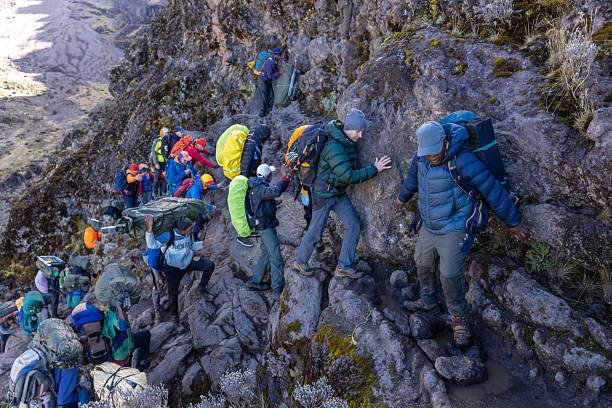
This is the hardest section of the expedition because climbers must manage steep terrain, severe cold, fatigue and extreme altitude.
The first major target is Gilman’s Point.
Kibo Hut to Gilman’s Point
The ascent from Kibo toward Gilman’s Point can feel long and repetitive.
Much of the route crosses loose volcanic terrain.
Climbers move slowly and steadily while guides monitor their condition.
Reaching Gilman’s Point means reaching the crater rim, but Uhuru Peak is still farther away.
Gilman’s Point to Uhuru Peak
Climbers who remain healthy and strong enough continue around the crater rim toward Uhuru Peak.
The gradient becomes less steep in sections, but the altitude remains extremely challenging.
Uhuru Peak stands at 5,895 metres and is the highest point on Mount Kilimanjaro.
Summit Day Challenges
- Extreme altitude
- Freezing temperatures
- Loose volcanic terrain
- Nighttime ascent
- Long walking hours
- Limited sleep beforehand
- Long descent after the summit
Descending to Horombo Hut
After the summit, climbers descend back toward Kibo.
Following a short rest and meal, the descent continues farther down toward Horombo Hut.
This makes the summit day extremely long.
Trekking poles can be useful for reducing strain during the descent.
Day 5 – Horombo Hut to Marangu Gate
The final day descends from Horombo through moorland and rainforest.
The air becomes warmer as altitude decreases.
After reaching Marangu Gate, climbers complete the park exit procedures and normally transfer back to Moshi.
The tipping ceremony and summit certificate arrangements are usually completed around the end of the expedition.
Kilimanjaro Summit Certificate on Marangu
Climbers reaching recognized crater-rim or summit points may receive Kilimanjaro certificates according to the highest point achieved.
Your guide or operator explains the certificate process after completing the trek.
How Difficult Is the 5 Day Marangu Route?
The route is not technically difficult, but it is physically demanding because of its compressed altitude schedule.
The walking trail can appear straightforward, which sometimes creates the false impression that five day Marangu is easy.
The real challenge is ascending from relatively low elevation to almost 5,900 metres in only a few days.
Main 5 Day Marangu Challenges
- Rapid altitude gain
- Limited acclimatization time
- Long summit night
- Cold high-altitude temperatures
- Steep ascent toward Gilman’s Point
- Long descent after summit
Can Beginners Do the 5 Day Marangu Route?
Yes, but beginners should understand the limitations of the short itinerary.
Being physically fit does not guarantee good altitude adaptation.
For many first-time high-altitude trekkers, the six day Marangu itinerary can be a more sensible choice because it adds acclimatization time.
5 Day vs 6 Day Marangu Route
The most important difference is acclimatization time.
Six Day Marangu normally adds an extra mountain day, often around Horombo, before moving higher.
This allows more time for the body to adapt.
Five days is more suitable for travellers prioritizing minimum duration, while six days is generally preferable when altitude adaptation is the priority.
5 Day vs 6 Day Marangu
- 5 Day Marangu: Shorter schedule
- 5 Day Marangu: Lower overall route duration
- 6 Day Marangu: Additional acclimatization time
- 6 Day Marangu: More gradual summit preparation
- Best for many first timers: 6 Day Marangu
5 Day Marangu vs 7 Day Machame
Seven Day Machame provides two additional trekking days and generally a stronger acclimatization profile.
Machame also includes more varied terrain, Lava Tower and Barranco Wall.
Five Day Marangu has the advantage of hut accommodation and a shorter trip.
For climbers prioritizing acclimatization rather than speed, Seven Day Machame usually offers the stronger overall schedule.
Accommodation on the 5 Day Marangu Route
Marangu is the main Kilimanjaro route using permanent huts for climber accommodation.
The huts provide shared sleeping areas and shelter from direct rain and wind.
They are not luxury lodges, and climbers still need a warm sleeping bag.
Marangu Hut Accommodation
- Mandara Hut
- Horombo Hut
- Kibo Hut
- Shared sleeping arrangements
- Basic mountain facilities
- Warm sleeping bag still required
Is Marangu More Comfortable Than Camping Routes?
For travellers who dislike sleeping in tents, yes.
Permanent structures provide more protection from rain and wind while sleeping.
However, the huts are still basic and can be busy during popular climbing periods.
Comfort should therefore be understood in mountain terms rather than hotel terms.
Acclimatization on 5 Day Marangu
Acclimatization is the biggest weakness of the five day itinerary.
The route gains significant altitude over a relatively short period.
There is little spare time for the body to adapt before reaching Kibo Hut and beginning the summit attempt.
This is why climbers should maintain a slow pace and report symptoms honestly.
Altitude Sickness on the Marangu Route
Altitude sickness can affect anyone regardless of age or fitness.
Symptoms may include headache, nausea, dizziness, fatigue and reduced appetite.
More serious symptoms require immediate guide attention.
Continuing higher should never take priority over health.
Altitude Safety on 5 Day Marangu
- Walk slowly
- Drink adequately
- Eat regular meals
- Attend health checks
- Report symptoms immediately
- Do not hide headaches or nausea
- Follow guide decisions
- Descend when medically necessary
5 Day Marangu Summit Success
No responsible operator can guarantee summit success.
The five day schedule generally provides less acclimatization time than longer Kilimanjaro itineraries.
Fitness, altitude response, weather, illness and guide decisions can all affect the result.
Travellers wanting to improve the acclimatization schedule should consider six day Marangu or a longer route.
How Fit Do You Need to Be?
You should be comfortable hiking for several hours on consecutive days.
Summit night is considerably longer and more demanding than the earlier trekking days.
Strong fitness helps manage physical fatigue, but it does not prevent altitude sickness.
Training for 5 Day Marangu
Training should focus on endurance rather than speed.
Regular long walks and hill hikes are particularly valuable.
Stair climbing, cardiovascular exercise and leg-strength work can also help.
Recommended Training
- Long-distance hiking
- Hill walking
- Stair climbing
- Inclined treadmill walking
- Squats and lunges
- Step ups
- Cardiovascular endurance
- Back-to-back hiking days
Best Time for 5 Day Marangu
Marangu can be climbed throughout the year.
January to February and June through October are commonly popular because conditions are often relatively drier.
The southeastern side of Kilimanjaro can receive significant rain during wetter periods.
Waterproof clothing remains essential even when sleeping in huts.
Weather on Marangu Route
The route begins in warm, humid rainforest.
Conditions become cooler around Horombo and increasingly cold and dry toward Kibo.
Summit night can be extremely cold and windy.
Climbers should prepare for both heavy rain and freezing temperatures during the same expedition.
What to Pack for 5 Day Marangu
Although you sleep in huts, you still need a complete high-altitude trekking kit.
Essential Marangu Gear
- Broken-in trekking boots
- Warm sleeping bag
- Thermal base layers
- Warm mid layers
- Insulated jacket
- Waterproof jacket
- Waterproof trousers
- Warm gloves or mittens
- Warm hat or balaclava
- Headlamp and spare batteries
- Trekking poles
- Daypack
- Duffel bag
Can You Rent Gear in Moshi?
Yes. Selected Kilimanjaro equipment can normally be rented before the climb.
Common items include sleeping bags, trekking poles, duffel bags, gaiters and selected warm layers.
Complete a full equipment check before travelling to Marangu Gate.
Meals on the Marangu Route
The mountain cook prepares meals during the expedition.
Meals should provide energy for the daily trekking schedule.
Altitude can reduce appetite, so climbers should make an effort to eat when possible.
Personal snacks can also be useful during longer trekking sections.
Drinking Water on Marangu
The mountain team arranges drinking water according to expedition procedures.
Climbers carry their daily supply in the daypack.
Insulated bottles can be useful on summit night when temperatures fall below freezing.
Porters on the 5 Day Marangu Route
Although Marangu uses huts instead of tents, porters are still an essential part of the expedition.
They transport climbers' duffel bags, food, kitchen equipment and other mountain supplies.
The exact crew size depends on the number of climbers.
Tipping on 5 Day Marangu
Guides, assistant guides, cooks and porters are normally tipped at the end of the trek.
The overall gratuity is generally lower than a longer route simply because the crew works fewer days, although the exact amount depends on the final crew size.
Ask for current tipping guidance before departure.
Safety on the Marangu Route
Professional guide support is especially important on a short itinerary because altitude increases quickly.
Typical Mountain Safety Support
- Professional mountain guides
- Assistant guides according to group size
- Daily health monitoring
- Pulse oximeter checks where used
- Emergency oxygen
- First aid equipment
- Emergency descent procedures
- Summit support where required
What Is Usually Included in a 5 Day Marangu Package?
Package inclusions vary by operator, but full-service climbs normally cover the primary mountain logistics.
Typical Package Inclusions
- Professional mountain guides
- Assistant guides according to group size
- Porters and cook
- Kilimanjaro park fees
- Hut accommodation fees
- Mountain meals
- Drinking water
- Transfers to and from Marangu Gate
- Emergency oxygen where included
- First aid equipment
- Hotel nights when stated
- Airport transfers when stated
- Summit certificate
Typical Exclusions
- International flights
- Visa expenses
- Travel insurance
- Personal trekking gear
- Gear rental unless specified
- Mountain crew tips
- Personal expenses
- Safari or Zanzibar extensions unless included
Who Should Choose the 5 Day Marangu Route?
The route is best suited to climbers with limited time who strongly prefer huts and understand the disadvantages of a shorter acclimatization schedule.
It may also appeal to trekkers with previous altitude experience.
Travellers who have an extra day available should compare the itinerary with Six Day Marangu before making a final decision.
5 Day Marangu for Solo Travellers
Solo travellers can join group departures or arrange a private climb.
Group joining can help reduce some shared operational costs.
Marangu can be attractive to solo travellers who want simpler hut accommodation rather than tent camping.
5 Day Marangu for Couples
Couples can arrange a private expedition or join a larger group.
A private climb gives greater control over the departure date and group atmosphere.
The altitude schedule remains the same, so a private climb does not remove the need for careful acclimatization.
5 Day Marangu for Private Groups
Friends and organized groups can book private departures on preferred dates.
The crew size is adjusted according to the number of climbers.
Larger groups should still maintain a slow pace and allow guides to monitor climbers individually.
Arrival Before the Marangu Climb
Arriving in Moshi at least one day before departure is recommended.
This allows time to recover from international travel, attend the mountain briefing and complete the equipment check.
It also provides time to rent missing gear before the trek.
5 Day Marangu From Moshi
Moshi is a convenient base for climbing the Marangu Route.
Climbers normally transfer from their Moshi hotel to Marangu Gate on the morning of day one.
After completing the route, they return to Moshi from the same gate area.
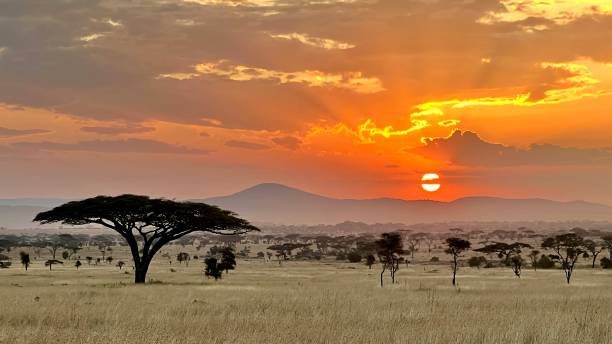
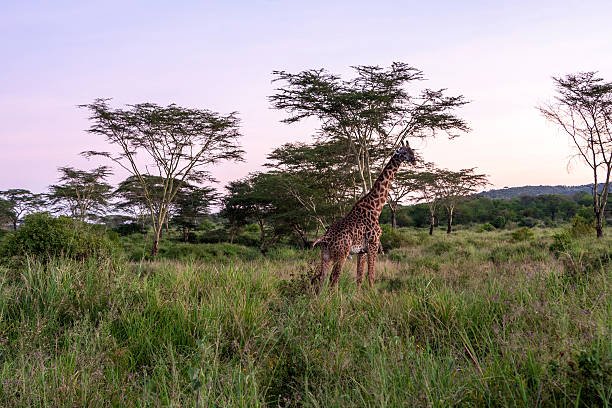
5 Day Marangu With Tanzania Safari
A safari can easily be added after the climb.
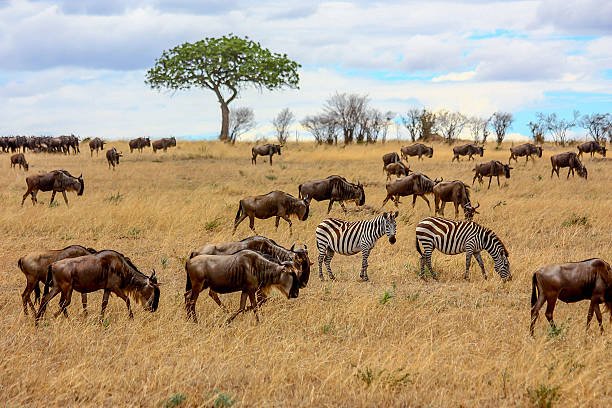
Popular northern Tanzania destinations include Tarangire, Ngorongoro Crater, Lake Manyara and Serengeti National Park.
Many travellers prefer to complete the physically demanding mountain section first and then continue with safari.
Popular Post-Marangu Safari Options
- 2 Day Tarangire and Ngorongoro Safari
- 3 Day Serengeti and Ngorongoro Safari
- 4 Day Northern Tanzania Safari
- 5 Day Serengeti, Ngorongoro and Tarangire Safari
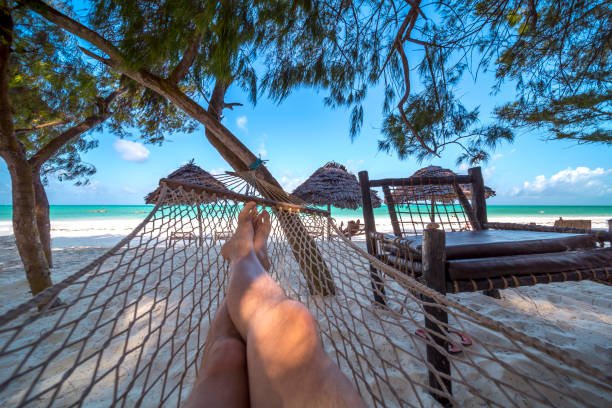
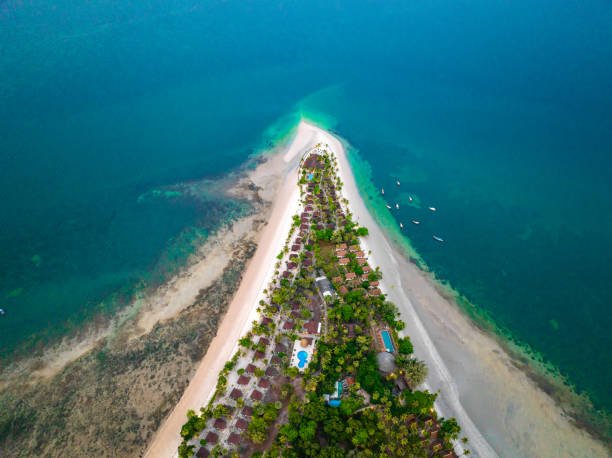
5 Day Marangu With Zanzibar
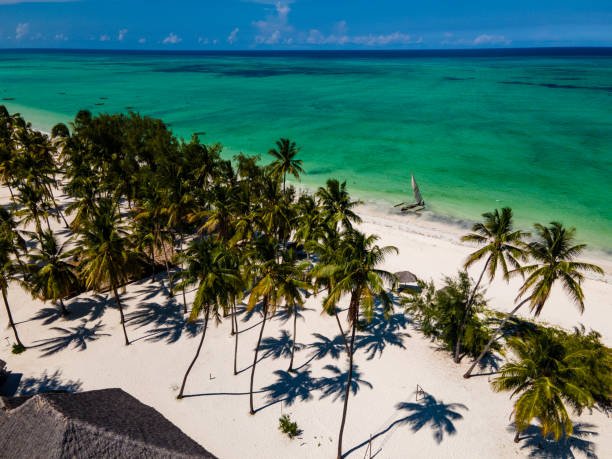
Zanzibar can also be added after Kilimanjaro.
Travellers can fly to the island after returning to Moshi or combine Kilimanjaro, safari and Zanzibar in one longer itinerary.
How Many Total Days Do You Need?
Although the trek itself lasts five days, the complete Tanzania schedule should include extra time before and after the mountain.
An arrival night before the climb and a hotel night after descent are useful.
Travellers should therefore normally allow at least seven days for the Kilimanjaro-only portion, with more time if flight schedules require it.
Is 5 Day Marangu Worth It?
It can be worthwhile for the right climber.
The route offers hut accommodation, straightforward logistics and a shorter schedule.
However, the reduced acclimatization time is a serious tradeoff.
If you can add another mountain day, the six day itinerary is generally worth comparing before you book.
Why Book 5 Day Marangu Route Kilimanjaro 2026-2027?
The five day route is attractive because it provides a complete Kilimanjaro expedition within a compact schedule.
You experience rainforest, Horombo's moorland, Kibo's alpine desert and the final summit journey toward Gilman’s Point and Uhuru Peak.
Its greatest advantage is convenience, while its greatest limitation is acclimatization time.
Choose it only after understanding that shorter does not necessarily mean easier at high altitude.
Frequently Asked Questions About 5 Day Marangu Route Kilimanjaro
Is 5 days enough for Marangu Route?
Five days is a standard Marangu itinerary, but it provides limited acclimatization time. Travellers with another day available may prefer Six Day Marangu.
Can beginners climb 5 Day Marangu?
Yes, but beginners should understand that the short itinerary creates a faster altitude schedule. Six Day Marangu may be more suitable for many first-time high-altitude climbers.
Is 5 Day Marangu easy?
No. The trail may appear straightforward, but the rapid altitude gain and summit night make the route physically demanding.
Do you sleep in huts on Marangu?
Yes. Marangu uses permanent mountain huts instead of camping tents for climber accommodation.
What huts are used on 5 Day Marangu?
The standard ascent uses Mandara Hut, Horombo Hut and Kibo Hut, with Horombo also commonly used during descent.
What is the highest point of the route?
The highest point is Uhuru Peak at 5,895 metres above sea level.
Does Marangu reach Gilman’s Point?
Yes. Standard Marangu summit attempts normally reach Gilman’s Point on the crater rim before continuing toward Uhuru Peak.
Does 5 Day Marangu include Barranco Wall?
No. Barranco Wall is found on southern routes such as Machame and Lemosho, not standard Marangu.
Which is better, 5 Day or 6 Day Marangu?
Six Day Marangu is generally preferable when acclimatization is the priority because it provides an additional mountain day.
Which is better, 5 Day Marangu or 7 Day Machame?
Seven Day Machame generally provides more acclimatization time and more varied scenery, while Five Day Marangu is shorter and offers hut accommodation.
What is the best time for 5 Day Marangu?
January to February and June through October are commonly popular because they often provide relatively drier trekking conditions.
Do I need a sleeping bag in Marangu huts?
Yes. The huts provide shelter but are not heated hotel rooms, so a warm sleeping bag is still essential.
Can I rent gear in Moshi?
Yes. Sleeping bags, trekking poles, duffel bags, gaiters and selected mountain clothing can commonly be rented before departure.
Do porters support Marangu climbs?
Yes. Porters carry personal duffel bags, food and mountain equipment even though climbers sleep in huts.
Can solo travellers join 5 Day Marangu?
Yes. Solo travellers can join scheduled group departures or arrange a private climb.
Can I combine Marangu with safari?
Yes. Tarangire, Ngorongoro, Lake Manyara and Serengeti safari extensions can be added after the climb.
Can I visit Zanzibar after Marangu?
Yes. Zanzibar can be added directly after Kilimanjaro or after a Tanzania safari.
Who should choose the 5 Day Marangu Route Kilimanjaro 2026-2027?
Choose Five Day Marangu if you have limited time, strongly prefer hut accommodation and understand that the shorter itinerary provides less time for altitude acclimatization than longer Kilimanjaro routes.
Plan Your 5 Day Marangu Route Kilimanjaro 2026-2027
Climb Kilimanjaro through rainforest, Horombo moorland and the alpine desert before the summit attempt from Kibo Hut toward Gilman’s Point and Uhuru Peak. Choose the five day itinerary when time is limited, or compare it with Six Day Marangu for additional acclimatization time.
Book 5 Day Marangu Route

 Serengeti Safari