7 Day Lemosho Route Packing Guide
The 7 Day Lemosho Route Packing Guide is designed to help climbers prepare for seven trekking days and six nights on Mount Kilimanjaro.
Good equipment does not need to be complicated, but it must help you stay warm, dry, comfortable and organised as the route moves through several very different mountain environments.
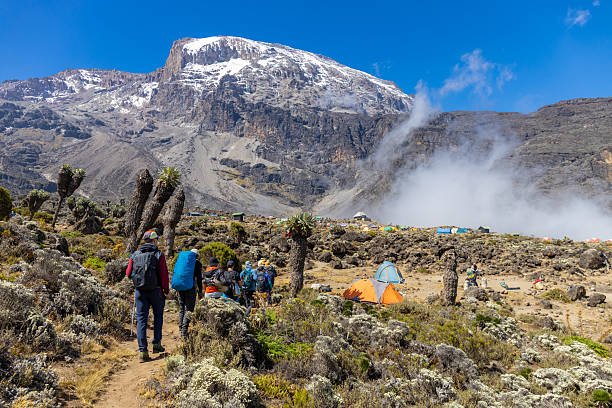
Lemosho begins on the western side of Kilimanjaro and progresses through forest, moorland, alpine terrain and the cold high altitude summit zone. A climber may therefore experience warm daytime temperatures, rain, wind and very cold conditions during the same expedition.
The most effective packing strategy is based on layering. Rather than relying on one extremely heavy item of clothing, climbers carry several layers that can be added or removed as weather, altitude and activity levels change.
Equipment should be tested before travelling to Tanzania, especially trekking boots, socks, daypacks, waterproof clothing and summit gloves.
7 Day Lemosho Packing Guide at a Glance
- Route: Lemosho Route.
- Duration: 7 mountain days and 6 nights.
- Accommodation: Mountain camping.
- Main packing system: Daypack plus porter duffel.
- Key priorities: Warmth, waterproofing, comfortable footwear and organised layers.
- Summit essentials: Warm jacket, gloves, thermal layers, headlamp and suitable boots.
- Possible rentals: Sleeping bags, trekking poles, gaiters and selected clothing according to availability.
- Important: Test major equipment before arriving in Tanzania.
How to Pack for the 7 Day Lemosho Route
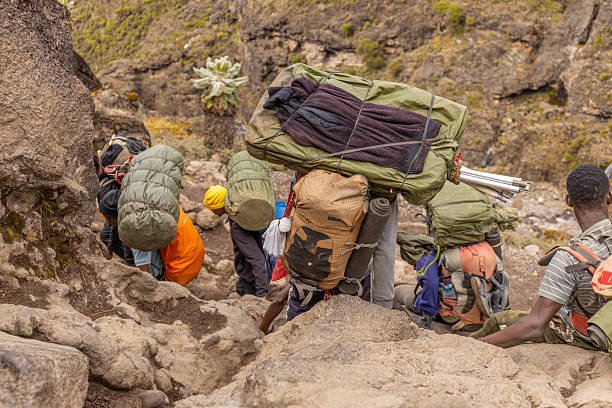
Your mountain luggage is generally divided into two categories: the daypack you carry yourself and the main duffel transported by the mountain crew according to the permitted luggage arrangement.
The daypack should contain everything you may need during the trekking day because the main duffel may not be accessible until camp.
Your duffel should contain sleeping equipment, spare clothing, toiletries and other items needed mainly at camp.
Two Bag Packing System
Daypack
- Water
- Waterproof jacket
- Warm layer
- Sun protection
- Personal snacks
- Camera or phone
- Personal medication
- Gloves and hat when required
- Other items needed during the trekking day
Main Duffel
- Sleeping bag
- Spare clothing
- Summit layers
- Camp clothing
- Toiletries
- Additional socks and underwear
- Other overnight equipment
Essential Trekking Boots
Your boots are among the most important pieces of equipment for the seven day Lemosho Route.
They should fit properly, provide suitable ankle support and already be comfortable before you arrive in Tanzania.
New boots should not be saved for Kilimanjaro without prior use. Wear them during training walks and longer hikes so you understand how they feel after several hours.
Climbers should also test boots with the trekking socks they intend to wear on the mountain.
Good Boot Characteristics
- Comfortable fit
- Broken in before the climb
- Reliable grip
- Suitable ankle support
- Water resistant or waterproof construction
- Enough room for warm socks without excessive tightness
Trekking Socks
Bring several pairs of comfortable trekking socks rather than relying on ordinary cotton socks.
Different weights can be useful because lower mountain sections may feel warmer while summit conditions require additional insulation.
Some climbers also prefer thin liner socks beneath their main trekking socks.
Whatever system you choose, test it during training before the climb.
Base Layers
Base layers sit directly against the body and help manage moisture while providing insulation.
Bring both upper and lower thermal layers for the colder parts of the route, especially summit night.
Avoid relying entirely on cotton for cold high altitude conditions because it can remain damp once wet.
- Thermal long sleeve top
- Thermal leggings
- Lightweight trekking base layers
- Additional warm base layer for summit conditions if needed
Mid Layers
Mid layers provide insulation between the base layer and outer shell.
A fleece or similar insulating layer can be useful during cool mornings, evenings and higher altitude trekking.
Several moderate layers often provide more flexibility than one extremely bulky garment.
Warm Summit Jacket
A warm insulated jacket is essential for the upper mountain and summit attempt.
Temperatures can become very cold, particularly during the night and early morning.
The jacket should fit comfortably over your base and mid layers without restricting movement.
Keep it dry throughout the trek so it is ready when you reach the higher camps.
Waterproof Jacket
A reliable waterproof outer jacket should be easily accessible in your daypack.
Rain can occur on Kilimanjaro even when general seasonal conditions appear favourable.
The jacket should be large enough to fit over insulating layers and should protect against wind as well as precipitation.
Waterproof Trousers
Waterproof trousers are also important, especially in the forest and during periods of rain or strong wind.
They should fit over your trekking trousers and boots comfortably enough to put on when weather changes.
Trekking Trousers
Comfortable trekking trousers should allow good movement during long walking days.
Bring enough options to manage both warmer lower elevations and cooler conditions higher on the mountain.
Some climbers prefer lightweight trousers for lower sections and warmer trekking trousers for higher elevations.
Warm Trousers for Summit Night
Summit night requires significantly more insulation than ordinary trekking days.
Climbers commonly combine thermal leggings with warmer trekking trousers and a protective outer layer.
The exact layering system depends on individual cold tolerance and clothing design.
Warm Gloves
Cold hands can make summit night extremely uncomfortable.
Bring warm insulated gloves or mittens appropriate for cold high altitude conditions.
Many climbers use a lightweight inner glove combined with a heavier insulated outer glove.
Warm Hat and Sun Hat
You need head protection for both cold and sun.
A warm hat helps conserve heat at higher elevations, while a sun hat or cap is useful during exposed daytime trekking.
Neck Protection
A lightweight neck gaiter, scarf or similar item can provide additional protection against cold air, dust, sun and wind.
It can be especially useful during summit night and exposed high altitude sections.
Sunglasses
Quality sunglasses are important because sunlight can be intense at altitude.
Bring a secure pair that fits comfortably and provides suitable protection for bright mountain conditions.
Keep them somewhere easily accessible in your daypack.
Sun Protection
- Sunscreen
- Lip protection
- Sunglasses
- Sun hat or cap
- Long sleeves where appropriate
Daypack for the Lemosho Route
Your daypack should be comfortable enough to carry for several hours every day.
It should hold water, clothing layers, rain gear, snacks and personal items without being unnecessarily heavy.
Adjust the shoulder straps and hip belt before travelling and train with the pack loaded.
What to Carry in Your Daypack
- Water
- Waterproof jacket
- Waterproof trousers when conditions require
- Warm fleece or insulating layer
- Sun hat
- Warm hat
- Gloves
- Sunglasses
- Sunscreen
- Personal snacks
- Personal medication
- Phone or camera
- Small personal first aid items
Main Duffel Bag
The main duffel contains equipment transported between camps according to the mountain luggage arrangement.
A durable waterproof or water resistant duffel is helpful, but individual items should still be packed inside waterproof liners or dry bags.
Travellers should confirm the permitted porter luggage weight before final packing and avoid bringing unnecessary items onto the mountain.
Waterproof Packing System
Even a waterproof duffel can become vulnerable during prolonged rain or repeated handling.
Important clothing should therefore be separated into waterproof bags inside the duffel.
Items Worth Keeping Especially Dry
- Thermal base layers
- Warm summit jacket
- Summit gloves
- Sleeping clothes
- Spare socks
- Sleeping bag
- Electronics
Sleeping Bag
A suitable sleeping bag is important because nighttime temperatures become much colder as elevation increases.
The bag should be designed for cold mountain camping rather than ordinary warm weather travel.
Travellers who do not own suitable equipment can ask about sleeping bag rental before the climb.
Sleeping Mattress
A camping mattress may be provided as part of the mountain package according to the operator's equipment arrangement.
Travellers should confirm this before purchasing or carrying their own additional mattress.
Headlamp
A reliable headlamp is essential for summit night and useful around camp after dark.
Bring spare batteries or another suitable power solution and check the lamp before leaving home.
Do not rely only on a mobile phone flashlight for the summit attempt.
Trekking Poles
Trekking poles can improve balance and reduce stress on the legs during long descents.
They are especially useful after the summit attempt when climbers are tired.
If you intend to use poles, practise with them during training.
Rental poles can be requested according to availability.
Gaiters
Gaiters can help keep dust, mud, loose material and moisture away from the top of the boots.
They are optional for many climbers but can be useful depending on trail conditions.
Rental options may be available.
Water Bottles and Hydration
Climbers need a practical system for carrying enough drinking water during each trekking day.
Reusable water bottles, hydration systems or a combination of the two may be used depending on personal preference.
For summit night, climbers should consider that exposed drinking systems can be affected by very cold conditions, so insulated bottles can be useful.
Personal Snacks
Mountain meals provide the main nutrition during the trek, but climbers may also bring familiar personal snacks.
- Energy bars
- Nuts
- Dried fruit
- Chocolate or sweets
- Electrolyte products
- Other familiar trekking snacks
Choose foods you already know you enjoy rather than experimenting with unfamiliar products during the climb.
Personal Medication
Bring enough of any personal prescription medication for the entire trip and keep important medicine accessible.
Travellers with medical concerns should discuss high altitude trekking with an appropriate medical professional before travelling.
Do not rely on the mountain team to carry personal prescription medication specifically for you.
Personal First Aid Items
A small personal kit can be useful for minor issues.
- Blister treatment
- Personal medication
- Lip balm
- Small plasters
- Any personal medical supplies normally required
Toiletries
Keep toiletries simple and lightweight.
- Toothbrush and toothpaste
- Biodegradable wipes where appropriate
- Hand sanitiser
- Toilet paper or tissues for personal backup
- Moisturiser
- Lip balm
- Personal hygiene products
Personal Hygiene on the Mountain
There are no normal hotel style shower facilities at mountain camps.
Travellers should therefore plan for basic mountain hygiene rather than expecting full bathing facilities.
Fresh socks, underwear, wipes and organised sleeping clothes can help maintain comfort over seven days.
Packing for Women
Female climbers should bring enough personal hygiene supplies for the full trek and extra items in case the trip overlaps with menstruation unexpectedly.
Products should be stored securely and carried out according to mountain waste procedures rather than left on the trail.
A private portable toilet can also be requested for additional privacy at camp according to availability.
Electronics and Power
Mountain camps do not provide the same charging convenience as a hotel.
Travellers should therefore prepare enough power for phones, cameras, headlamps and other small electronics.
- Power bank
- Charging cables
- Spare batteries where appropriate
- Phone
- Camera if desired
- Waterproof storage bag
Cold temperatures can reduce battery performance, so keep important electronics protected from severe cold where practical.
Documents and Money
Important travel documents should be organised before leaving for the mountain.
Items not required during the trek can normally remain securely stored according to the hotel or operator's luggage arrangements.
- Passport
- Travel insurance information
- Emergency contact information
- Required travel documents
- Payment method and appropriate personal spending money
What to Wear on Day 1
The lower Lemosho trail can feel considerably warmer than the upper mountain.
A lightweight trekking layer, trousers and waterproof protection carried in the daypack can provide flexibility.
Do not pack every warm item deep inside the duffel because weather can change during the walking day.
What to Wear on Shira Plateau
The environment becomes more open and exposed as climbers reach the Shira area.
Wind and cooler temperatures can make additional layers useful.
Keep a fleece or similar warm layer accessible rather than waiting until camp to retrieve warm clothing.
Packing for Lava Tower and Barranco
The Lava Tower day reaches higher terrain and can feel significantly colder than earlier stages.
Climbers should have enough accessible insulation to adjust during the day.
Waterproof protection should also remain in the daypack because conditions can change quickly.
Packing for Barranco Wall
Barranco Wall requires freedom of movement and good footwear.
A bulky daypack can make the section less comfortable, so avoid carrying unnecessary weight.
Gloves can also be useful in cool conditions because climbers may occasionally use their hands for balance.
Packing for Karanga and Barafu
As the route reaches higher camps, warm equipment becomes increasingly important.
By Barafu, all summit equipment should be organised and ready before climbers go to sleep.
This avoids searching through bags immediately before the summit departure.
Summit Night Packing Checklist
Essential Summit Equipment
- Thermal base layer
- Warm mid layer
- Insulated summit jacket
- Waterproof and wind resistant outer jacket
- Thermal leggings
- Warm trekking trousers
- Protective outer trousers
- Warm socks
- Trekking boots
- Warm inner gloves
- Insulated outer gloves or mittens
- Warm hat
- Neck protection
- Headlamp
- Water
- Personal snacks
- Trekking poles
- Sunglasses for daylight after the ascent
- Sunscreen
- Personal medication
Do Not Overpack for Summit Night
Summit night requires enough equipment for warmth and safety, but carrying excessive unnecessary weight can increase fatigue.
Your guide can help confirm what should remain in your summit daypack and what can stay at camp.
Clothing for the Final Descent
After summit night, the route descends rapidly toward warmer elevations.
Layering allows climbers to remove insulation gradually as conditions become warmer.
Do not pack every lightweight item away before summit night because you will still need suitable clothing for the final descent.
What Can Be Rented for the Lemosho Route?
Travellers do not necessarily need to purchase every mountain item for a single Kilimanjaro trek.
Selected equipment can often be rented according to available sizes and stock.
Common Rental Requests
- Sleeping bags
- Trekking poles
- Gaiters
- Warm jackets
- Waterproof clothing
- Other selected trekking gear according to availability
What Should You Bring Yourself?
Items that depend strongly on personal fit and comfort are usually better brought from home.
Trekking boots are the clearest example because badly fitting footwear can create serious discomfort during seven consecutive trekking days.
Personal medication, prescription glasses, favourite base layers and well tested socks are also better prepared in advance.
Pre Climb Equipment Check
An equipment check before the mountain provides an opportunity to identify missing items before departure.
The guide can review important clothing, boots, sleeping equipment, waterproof protection and summit layers.
If an essential item is missing, rental or replacement options can be discussed before travelling to the trailhead.
Common Packing Mistakes
- Bringing brand new trekking boots
- Packing only one heavy layer instead of a layering system
- Leaving waterproof clothing in the porter duffel
- Using an uncomfortable daypack
- Failing to waterproof important clothing inside the duffel
- Bringing too many unnecessary items
- Forgetting spare headlamp batteries
- Not testing trekking poles before the climb
- Bringing insufficient warm gloves
- Packing summit clothing where it becomes difficult to access
Pack Light but Do Not Underpack
Kilimanjaro climbers should avoid carrying unnecessary luxury items, but essential warm and waterproof clothing should never be removed simply to save a small amount of weight.
The objective is to remove duplication while keeping everything necessary for changing mountain conditions.
Leave Unnecessary Luggage at the Hotel
Travellers combining Kilimanjaro with safari, Zanzibar or a longer Tanzania holiday may arrive with significantly more luggage than they need on the mountain.
Suitcases, safari clothing and other unnecessary items can often remain stored according to the confirmed hotel or operator arrangement while the traveller completes the climb.
Complete 7 Day Lemosho Packing Checklist
Clothing
- Thermal base layer tops
- Thermal leggings
- Lightweight trekking shirts
- Fleece or insulating mid layer
- Warm summit jacket
- Waterproof jacket
- Waterproof trousers
- Trekking trousers
- Warm summit trousers or suitable layering system
- Trekking underwear
- Trekking socks
- Warm summit socks
Footwear and Accessories
- Broken in trekking boots
- Optional camp footwear
- Trekking poles
- Optional gaiters
- Warm gloves
- Optional inner gloves
- Warm hat
- Sun hat
- Neck gaiter or scarf
- Sunglasses
Bags and Sleeping Equipment
- Comfortable daypack
- Mountain duffel
- Waterproof inner bags or dry bags
- Suitable sleeping bag
- Camp mattress if not already provided
Daily Essentials
- Water bottles or hydration system
- Headlamp
- Spare batteries
- Sunscreen
- Lip balm
- Personal snacks
- Personal medication
- Basic personal first aid items
- Toiletries
- Personal hygiene products
- Phone or camera
- Power bank
Frequently Asked Questions About the 7 Day Lemosho Route Packing Guide
What should I pack for the 7 Day Lemosho Route?
Pack trekking boots, layered clothing, waterproof protection, warm summit gear, gloves, headlamp, daypack, sleeping equipment, water containers, personal medication and basic toiletries.
Do I carry all my luggage myself?
Normally you carry a personal daypack while permitted main mountain luggage is transported according to the porter arrangement.
What should go in my daypack?
Carry water, rain gear, warm layers, sun protection, snacks, personal medication and other items you may need during the walking day.
Do I need waterproof clothing?
Yes. Bring both a waterproof jacket and suitable waterproof trousers because mountain weather can change quickly.
Do I need a warm jacket?
Yes. A suitable insulated jacket is especially important for higher camps and summit night.
Can I wear new boots on Kilimanjaro?
It is better to use boots that have already been worn during training so you know they fit comfortably over long distances.
Do I need trekking poles?
They are not essential for every climber, but many people find them useful for balance and long descents.
Can I rent trekking poles?
Yes. Trekking poles can often be rented according to current equipment availability.
Do I need a sleeping bag?
Yes. Lemosho is a camping route, so you need a sleeping bag suitable for cold mountain conditions.
Can I rent a sleeping bag?
Yes. Sleeping bag rental can often be arranged according to size and available stock.
Is a mattress provided?
A mountain sleeping mattress can be provided depending on the confirmed climbing package. Check before bringing additional equipment.
Do I need a headlamp?
Yes. A headlamp is essential for summit night and useful around camp after dark.
Should I bring spare batteries?
Yes. Bring spare batteries or another appropriate backup power solution for your headlamp.
Do I need sunglasses?
Yes. Sunglasses are important for bright high altitude conditions and should remain easily accessible.
Should I bring sunscreen?
Yes. Sun exposure can be strong at altitude, so sunscreen and lip protection should be part of the daily packing system.
Do I need warm gloves?
Yes. Suitable insulated gloves or mittens are especially important for summit night.
Do I need gaiters?
Gaiters are optional for many climbers but can help protect the boots from dust, mud and loose material.
Should I bring snacks?
Yes. Personal snacks can supplement the mountain meals and provide familiar foods during long trekking days or summit night.
Can I charge my phone on the mountain?
Do not depend on normal hotel style charging facilities at mountain camps. Bring suitable power banks and charging equipment for your needs.
Should I bring a camera?
You can bring a camera if desired, but consider its weight, battery requirements and waterproof protection.
Can I leave my suitcase at the hotel?
Luggage not required for Kilimanjaro can often be stored according to the confirmed hotel or operator arrangements during the climb.
Should I pack everything in waterproof bags?
Important clothing and sleeping equipment should be protected inside waterproof liners or dry bags even when the main duffel is water resistant.
Can equipment be checked before the climb?
Yes. A pre climb equipment check can identify missing or unsuitable items before departure for the Lemosho trailhead.
Can I rent missing equipment after the check?
Selected items can often be rented according to available sizes and stock.
What is most important for summit night?
Reliable warm layers, suitable boots, insulated gloves, head protection, waterproof outer clothing, headlamp, water and a comfortable daypack are among the most important summit items.
Should I overpack for cold weather?
Bring enough suitable insulation but avoid unnecessary duplicate items. A flexible layering system is generally more useful than carrying excessive bulky clothing.
How do I prepare my 7 Day Lemosho Route packing list?
Start with essential boots, clothing layers, waterproof protection, sleeping gear and daypack equipment, test everything during training and complete a final equipment check before the mountain departure.
Prepare for Your 7 Day Lemosho Route
Use this 7 Day Lemosho Route Packing Guide to prepare your boots, clothing, summit layers, daypack and sleeping equipment, and arrange rental gear or optional mountain services before your Kilimanjaro departure.
Plan Your Lemosho Climb

 Kilimanjaro Climb