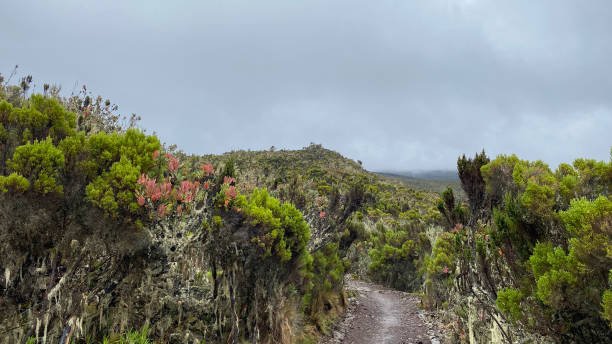
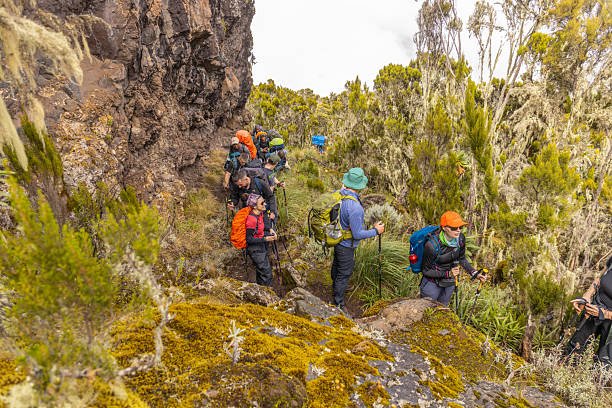
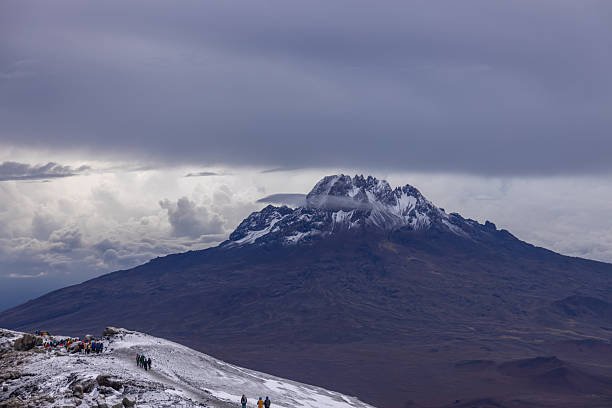
7 Day Machame Route Summit Success
The 7 Day Machame Route Summit Success potential is one of the main reasons climbers compare the seven day itinerary with the shorter six day version. The additional mountain day creates a less compressed schedule and allows climbers to overnight separately at Karanga Camp before progressing to Barafu and the summit attempt.
Machame also provides useful altitude exposure during the journey from Shira toward Lava Tower. Climbers reach substantially higher terrain during the day and then descend toward Barranco for the night.
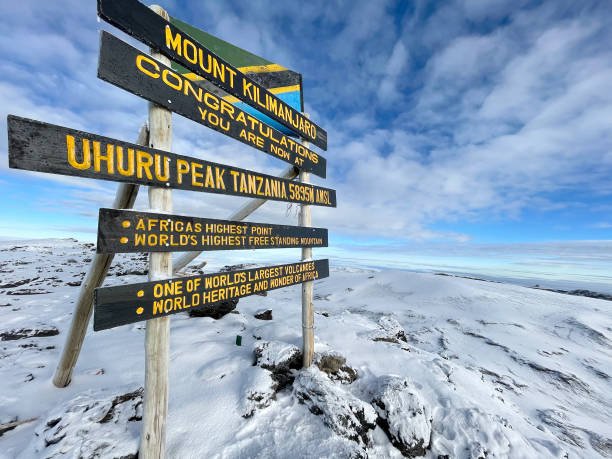
This combination of progressive ascent, higher daytime exposure and additional mountain time can support acclimatization before attempting Uhuru Peak at approximately 5,895 metres.
However, no route duration can guarantee a successful summit. Individual health, altitude response, weather, fitness, hydration, food intake, pacing and guide assessment all remain important.
7 Day Machame Summit Success at a Glance
- Route: Machame Route
- Duration: 7 mountain days
- Summit objective: Uhuru Peak, approximately 5,895 metres
- Accommodation: Mountain camping
- Important acclimatization stage: Lava Tower
- Additional overnight: Karanga Camp
- Summit camp: Barafu Camp on the standard itinerary
- Descent: Mweka Route
- Summit guarantee: No
What Is the 7 Day Machame Summit Success Rate?
Travellers frequently search for one exact percentage, but Kilimanjaro summit statistics should be interpreted carefully.
There is no single current independently verified route wide percentage that applies to every operator running the 7 Day Machame Route.
Commercial companies publish different estimates because they work with different clients, guide teams, procedures and definitions of summit success.
Some published estimates place seven day Machame above shorter Machame schedules, but these numbers should be treated as planning information rather than a promise that an individual climber will reach Uhuru Peak.
The more useful question is why the seven day itinerary can provide stronger acclimatization opportunities than a compressed six day schedule.
What Influences Summit Success?
- Individual acclimatization
- Route duration
- Walking pace
- Altitude symptoms
- General health
- Physical preparation
- Hydration
- Nutrition
- Sleep and recovery
- Cold and weather conditions
- Equipment
- Guide assessment and safety decisions
Why Seven Days Can Improve Acclimatization Opportunities
The seven day Machame itinerary adds mountain time compared with the common six day version.
This is important because acclimatization requires time. Your body cannot be forced to adapt simply because you are physically strong or determined to reach the summit.
The additional day normally allows Karanga to remain a separate overnight camp rather than combining the Barranco, Karanga and Barafu stages into one longer day.
This gives climbers another night at altitude and a shorter approach toward Barafu immediately before summit night.
7 Day versus 6 Day Machame for Summit Preparation
| Feature |
6 Day Machame |
7 Day Machame |
| Mountain days |
6 |
7 |
| Karanga overnight |
Commonly combined with onward trek |
Separate overnight |
| Pre summit schedule |
More compressed |
Additional mountain time |
| Lava Tower altitude exposure |
Yes |
Yes |
| Summit guarantee |
No |
No |
Typical 7 Day Machame Acclimatization Flow
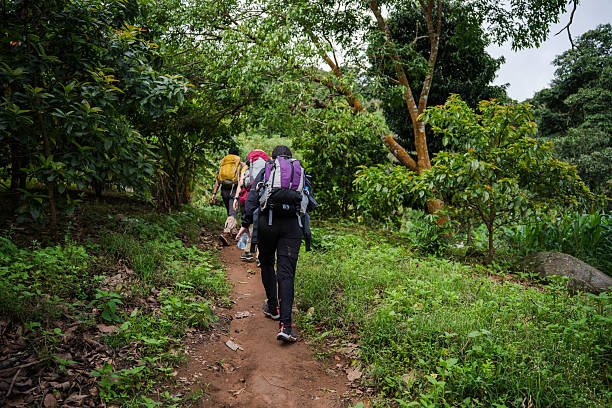
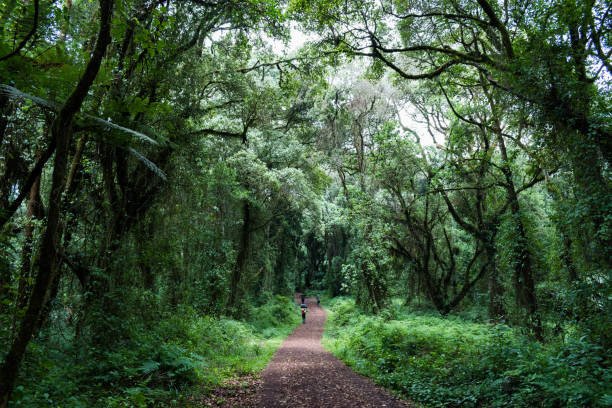
- Day 1: Machame Gate to Machame Camp through rainforest.
- Day 2: Machame Camp toward Shira and increasing altitude.
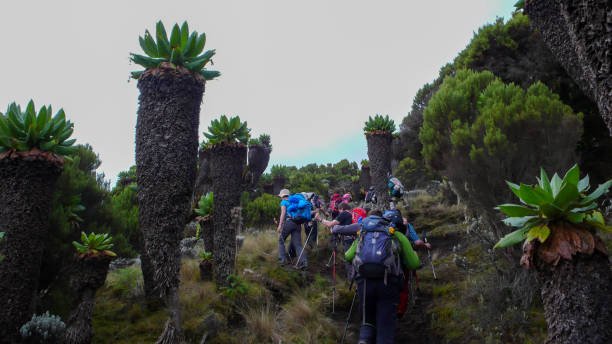
- Day 3: Higher exposure at Lava Tower before descending to Barranco.
- Day 4: Barranco Wall and separate overnight at Karanga.
- Day 5: Karanga to Barafu and summit preparation.
- Day 6: Summit attempt toward Uhuru Peak and major descent.
- Day 7: Final descent through Mweka to the gate.
Lava Tower and Acclimatization
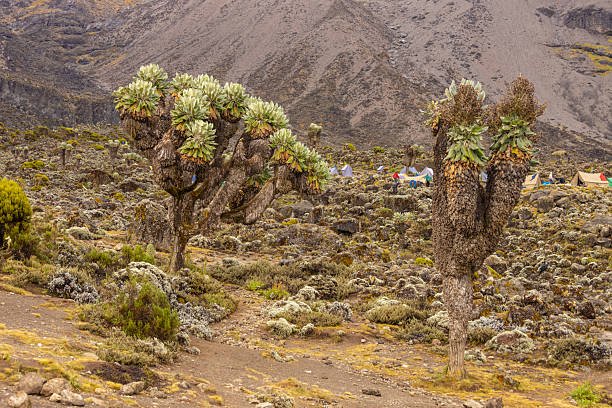
Lava Tower is one of the most important sections of the Machame Route from an acclimatization perspective.
Climbers normally reach approximately 4,600 metres during the day before descending toward Barranco Camp at a lower elevation.
This provides exposure to higher altitude without immediately sleeping at the day's highest point.
Some climbers may notice headache, appetite changes, fatigue or nausea during this stage. Symptoms should be reported to the guide rather than hidden.
Why Sleeping at Karanga Can Help
The separate Karanga overnight gives the body another night on the mountain before moving to Barafu.
It also allows the Barranco to Karanga stage to remain shorter instead of forcing climbers to continue immediately to summit camp.
Once at Karanga, use the afternoon and evening to eat, drink and rest rather than wasting energy on unnecessary activity.
Barranco Wall and Energy Conservation
Barranco Wall is steep and visually dramatic, but it is normally completed as a trekking and scrambling section rather than technical mountaineering.
The objective is not to climb the wall as quickly as possible.
Use controlled movement, follow your guide's instructions and conserve energy for the higher mountain.
Karanga to Barafu
The journey from Karanga to Barafu is relatively short in distance, but altitude makes the effort more noticeable.
The benefit of the seven day schedule is that climbers reach this stage after spending the previous night at Karanga rather than completing one long day directly from Barranco.
Once at Barafu, summit preparation becomes the priority.
Preparing at Barafu Camp
Before Summit Night
- Prepare warm base layers.
- Organise insulation layers.
- Prepare the summit jacket.
- Check gloves and warm hat.
- Check your headlamp and batteries.
- Prepare water according to guide instructions.
- Keep snacks accessible.
- Prepare trekking poles.
- Eat even if appetite is reduced.
- Complete the guide health assessment honestly.
Summit Night and Uhuru Peak
Summit night is normally the most physically and mentally demanding stage of the 7 Day Machame Route.
The ascent begins during the night when temperatures are cold and visibility depends heavily on headlamps.
Progress becomes deliberately slow as elevation increases.
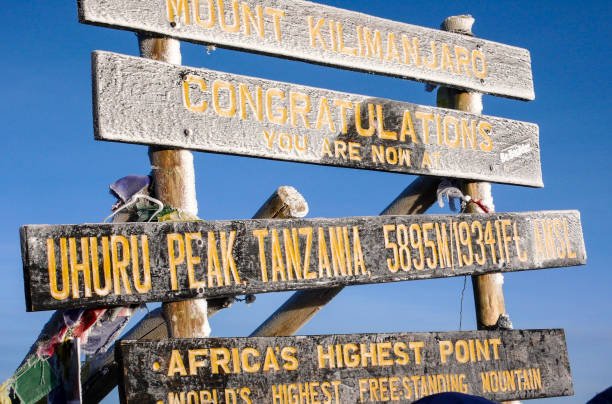
Climbers who remain in suitable condition continue toward the crater rim and onward toward Uhuru Peak at approximately 5,895 metres.
The summit should never become more important than health. If altitude symptoms or another safety concern make continuation inappropriate, descent may be required even when the climber is relatively close to the summit.
Reaching the Summit Is Only Part of Summit Day
Summit day does not finish when you reach the highest point.
After the summit attempt, climbers must descend substantially through Barafu and toward Mweka Camp.
This long descent requires remaining energy, stable footing and concentration.
Trekking poles can be useful, particularly when legs become tired.
Daily Health Monitoring
Summit preparation begins from the first day rather than only at Barafu.
Our mountain procedures include regular individual health assessments throughout the expedition.
Guides consider headache, nausea, appetite, sleep, breathing, fatigue and general walking condition.
Changes over several days can provide useful information about how a climber is adapting to altitude.
Pulse Oximeter Monitoring
A pulse oximeter forms part of our health monitoring procedures.
The reading is considered together with symptoms and overall condition rather than treated as one universal number that automatically allows or prevents a summit attempt.
Climbers should therefore communicate honestly even if they believe an individual reading looks acceptable.
Mountain Safety Support
- Professional Kilimanjaro guides
- Controlled walking pace
- Regular health assessments
- Pulse oximeter monitoring
- Emergency oxygen
- First aid equipment
- Altitude symptom monitoring
- Summit support according to expedition requirements
- Descent assistance when necessary
Emergency Oxygen and Summit Safety
Emergency oxygen forms part of our Kilimanjaro safety equipment.
It is intended for emergency management rather than as a way to force an unwell climber toward Uhuru Peak.
If descent is necessary, oxygen does not replace the need to descend.
Guide Support on Summit Night
Different climbers can move at different speeds once the summit ascent begins.
Our typical mountain planning uses approximately one guide for every two climbers, with additional summit support arranged according to expedition requirements.
This can provide flexibility where one climber needs additional attention or the party naturally separates into different pace groups.
Walking Slowly Can Matter More Than Being Fast
Kilimanjaro is not a speed competition.
Some physically strong climbers make the mistake of walking very quickly at lower altitude because the early trail feels easy.
Using unnecessary energy during the first few days provides little advantage.
A slow, controlled rhythm helps preserve energy as oxygen availability decreases with elevation.
Fitness and Summit Success
Good physical conditioning is valuable because the expedition involves several consecutive trekking days and a demanding summit ascent and descent.
However, fitness and altitude tolerance are not the same thing.
A strong runner, cyclist or gym athlete can still experience significant altitude symptoms.
Fitness makes the walking demands more manageable but cannot guarantee successful acclimatization.
Training for the 7 Day Machame Route
- Regular walking
- Long weekend hikes
- Hill walking
- Stair climbing
- Cardiovascular training
- Leg strengthening
- Core strengthening
- Training with your intended daypack
- Testing your hiking boots
- Consecutive hiking days where practical
Hydration
Drink consistently throughout the trekking day rather than waiting until you feel extremely thirsty.
Proper hydration supports general mountain performance, although drinking large quantities of water cannot guarantee protection from altitude illness.
Follow your guide's water management advice throughout the climb.
Food and Energy
A mountain cook prepares meals according to the trekking schedule.
Altitude can reduce appetite, particularly as the expedition moves higher, but the body still needs energy.
Try to maintain food intake and report significant nausea or inability to eat to your guide.
Personal snacks that you know you enjoy can be useful on longer trekking stages and summit night.
Sleep and Recovery
Sleep can become lighter or more interrupted at altitude.
Use your time at camp for recovery rather than unnecessary activity.
The separate Karanga overnight gives climbers another opportunity to rest before moving toward Barafu.
Weather Conditions
Kilimanjaro weather can change rapidly.
Rain at lower elevations, strong wind and very cold summit conditions can all make the climb more demanding.
Proper layering and waterproof equipment help prevent avoidable problems caused by exposure.
Equipment and Summit Success
Equipment cannot guarantee Uhuru Peak, but unsuitable clothing or footwear can create difficulties that have nothing to do with altitude.
Important Summit Equipment
- Well fitted hiking boots
- Warm base layers
- Insulating layers
- Warm summit jacket
- Waterproof outer shell
- Warm gloves
- Warm hat
- Headlamp
- Trekking poles
- Water containers
- Personal snacks
Camping and Recovery
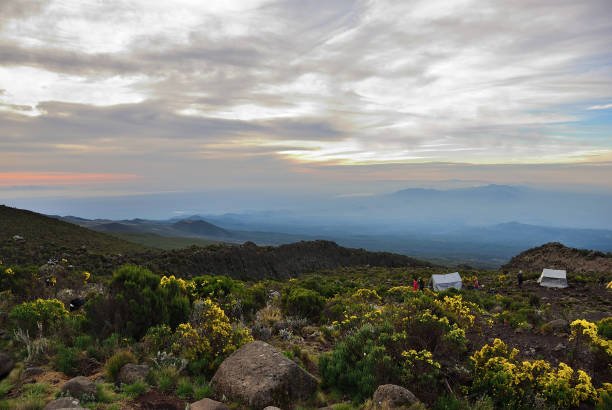
Machame is a camping route.
Sleeping tents and mattresses are provided under our standard camping arrangements.
A suitably warm sleeping bag is important because poor sleep caused by unnecessary cold can make recovery more difficult.
Porter Support
Porters transport shared expedition equipment, food, tents and permitted client duffel luggage between camps.
Our standard porter carried personal client luggage allowance is approximately 15 kg per climber.
This allows climbers to walk with a smaller personal daypack rather than carrying all seven days of equipment themselves.
Can Beginners Reach the Summit on 7 Day Machame?
Properly prepared beginners can attempt the 7 Day Machame Route.
The standard route does not normally require technical mountaineering experience, although Barranco Wall involves scrambling and summit night remains physically demanding.
The additional day can make the schedule more suitable for travellers who prefer more mountain time than the six day version.
Do Experienced Hikers Have Guaranteed Success?
No.
Previous hiking experience helps with fitness, equipment management and familiarity with long walking days, but even experienced hikers can experience altitude problems.
The mountain should therefore be approached with the same respect regardless of previous trekking experience.
What If One Climber Needs to Turn Around?
A climber experiencing significant altitude symptoms or another health concern may need to descend.
Where guide numbers, location and conditions permit, appropriate support can accompany the descending climber while other healthy members continue.
Turning around when necessary is a responsible mountain decision rather than something that should be avoided at all costs.
Frequently Asked Questions
What is the 7 Day Machame Route summit success rate?
There is no single current official route wide percentage that applies to every operator. Published commercial estimates vary, so they should be treated as guidance rather than a guarantee.
Does 7 Day Machame have better acclimatization than 6 days?
The seven day itinerary provides an additional mountain day and normally keeps Karanga as a separate overnight, creating a less compressed pre summit schedule.
Why is Lava Tower important?
Lava Tower provides higher daytime altitude exposure before climbers descend toward Barranco to sleep lower.
Why is Karanga Camp important?
On the seven day schedule, Karanga provides a separate overnight and another period for rest, nutrition, hydration and altitude monitoring before Barafu.
Does seven days guarantee Uhuru Peak?
No. Additional mountain time can support acclimatization but cannot guarantee summit success.
What is the hardest part of the route?
Summit night is normally the most demanding stage because of high altitude, cold temperatures, darkness and the long combination of ascent and descent.
Can a fit person still struggle with altitude?
Yes. Physical fitness improves trekking ability but does not make a climber immune to altitude related illness.
Are daily health checks performed?
Our mountain procedures include regular individual health assessments throughout the expedition.
Is a pulse oximeter used?
Yes. Pulse oximeter readings form part of our overall health monitoring and are interpreted together with symptoms and general condition.
Is emergency oxygen carried?
Yes. Emergency oxygen forms part of our Kilimanjaro mountain safety equipment.
Can emergency oxygen guarantee that I continue?
No. Emergency oxygen is a safety resource and does not replace descent when descending is necessary.
Does walking slowly help?
A controlled pace helps conserve energy and supports a responsible acclimatization strategy as altitude increases.
Does drinking water prevent altitude sickness?
Regular hydration is important for general trekking performance, but hydration alone cannot guarantee protection from altitude illness.
Can beginners climb the 7 Day Machame Route?
Yes. Properly prepared beginners can attempt the route because standard Machame is a trekking itinerary rather than a technical mountaineering ascent.
Does hiking experience guarantee the summit?
No. Hiking experience can improve preparation and endurance but cannot guarantee successful altitude acclimatization.
Where does summit night begin?
Barafu Camp is commonly used as the final high camp before the standard Machame summit attempt.
How high is Uhuru Peak?
Uhuru Peak is approximately 5,895 metres above sea level.
Do we stay at Uhuru Peak?
No. Climbers spend only limited time at the summit area before beginning the long descent toward lower elevation.
What happens if I cannot continue?
If significant altitude symptoms or another safety concern develop, your guide may recommend descent rather than continuing toward the summit.
Can other climbers continue if one person descends?
Where sufficient guide coverage and safe operating conditions remain, other suitable participants may continue while appropriate support accompanies the descending climber.
Are tents and mattresses provided?
Yes. Sleeping tents and mattresses are provided under our standard Machame camping arrangements.
Can I rent a sleeping bag and trekking poles?
Yes. Selected trekking equipment can be rented subject to size and availability.
Can airport pickup and Moshi hotels be included?
Yes. Kilimanjaro International Airport transfers and pre or post climb Moshi accommodation can be included according to your package.
How should I prepare for the 7 Day Machame summit attempt?
Train before travelling, test your hiking equipment, follow your guide's pace, eat and drink consistently, communicate altitude symptoms honestly and treat every health assessment seriously. These steps improve preparation without creating a guarantee of reaching Uhuru Peak.
Prepare for Your 7 Day Machame Summit Attempt
Use the additional mountain day, Lava Tower altitude exposure and Karanga overnight to approach the Machame summit attempt gradually with professional guide support and a safety focused climbing strategy.
Request the 7 Day Machame Package

 Kilimanjaro Climb