Chagga Cooking Class Kilimanjaro
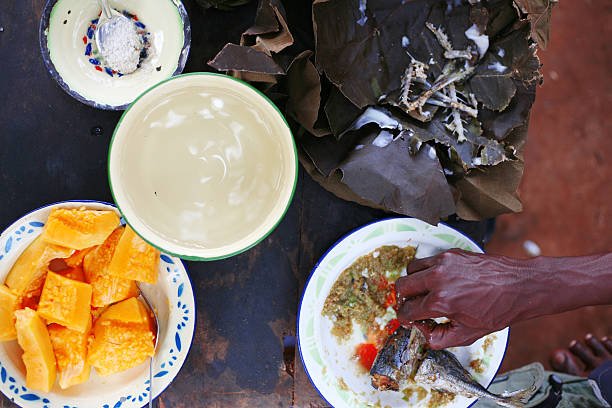
The Chagga Cooking Class Kilimanjaro offers travellers a practical and cultural introduction to local food traditions around Mount Kilimanjaro.
Instead of only tasting a finished meal, visitors can take part in selected preparation and cooking stages while learning how ingredients are chosen, prepared and combined within local households.
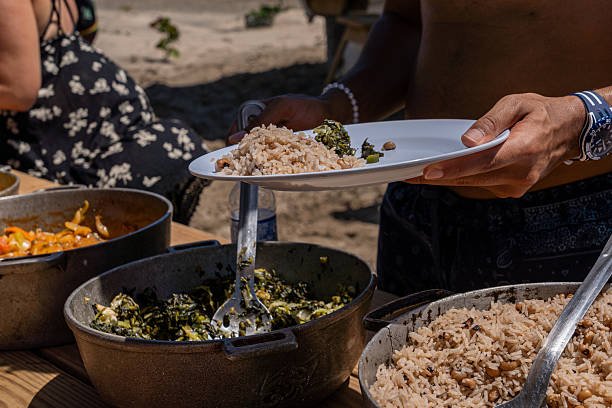
The experience can include bananas, beans, grains, vegetables, spices and other seasonal ingredients depending on the host community and confirmed program.
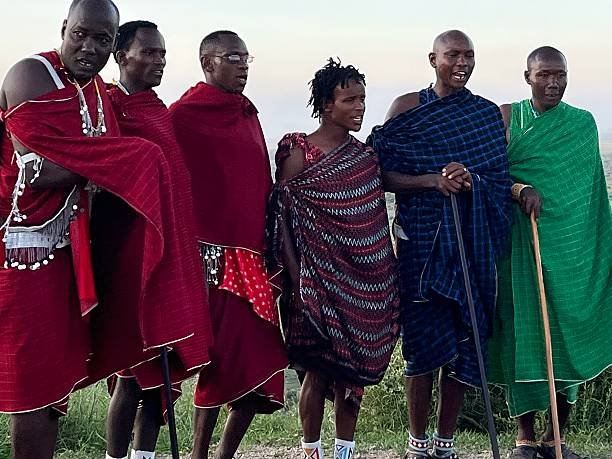
A local guide or host can explain how food connects with agriculture, family life and the wider Chagga cultural landscape around Kilimanjaro.
The cooking class can be arranged as a half day activity or expanded into a full day experience with a market visit, coffee preparation, banana farm or village walk.
Chagga Cooking Class Kilimanjaro at a Glance
- Location: Selected community around Mount Kilimanjaro.
- Main activity: Guided local cooking experience.
- Food focus: Local ingredients and selected Chagga inspired dishes.
- Possible ingredients: Bananas, beans, vegetables, grains and spices.
- Tour style: Food, culture, agriculture and community.
- Duration: Half day or full day according to the selected program.
- Starting point: Moshi hotel or another agreed location.
- Suitable for: Solo travellers, couples, families and groups.
Why Choose a Chagga Cooking Class Near Kilimanjaro?
A cooking class provides a different cultural experience from a normal village tour because travellers participate directly in preparing food.
Visitors can learn about ingredients before they are cooked and understand how agriculture connects with household meals.
The experience also provides time to ask questions about food, daily life and farming traditions around Mount Kilimanjaro.
For travellers interested in authentic community experiences, the cooking class can create a more personal and interactive way to learn about local culture.
Cooking Class Highlights
- Hands on cooking experience
- Local ingredients
- Banana based food traditions
- Beans, vegetables and grains
- Traditional preparation methods
- Community interaction
- Chagga cultural explanations
- Farm to table connections
- Optional market visit
- Optional coffee experience
- Enjoy the meal you help prepare
- Photography where appropriate
Local Ingredients from the Kilimanjaro Region
The cooking experience can introduce travellers to ingredients commonly available within farming communities and markets around Kilimanjaro.
Depending on the season and host, the class may use bananas, beans, vegetables, grains, fresh herbs and other locally available ingredients.
A guide or host can explain where selected products come from and how they are used in everyday household cooking.
The exact menu can vary because the experience is connected with seasonal food availability and local preferences.
Ingredients May Include
- Bananas
- Beans
- Leafy vegetables
- Tomatoes
- Onions
- Grains
- Fresh herbs
- Selected spices
Bananas in Chagga Food Culture
Bananas are closely connected with many farming areas around Mount Kilimanjaro and can be used in different local dishes.
During the cooking class, visitors may learn how selected banana varieties are prepared and how they differ from bananas commonly eaten raw.
A host can explain how bananas fit into household food traditions and wider farming systems.
A banana farm visit can also be added for travellers interested in seeing the crop before it reaches the kitchen.
Vegetables, Beans and Everyday Meals
Vegetables and beans can form another important part of the cooking experience.
Travellers can assist with washing, cutting and preparing selected ingredients while learning how they are combined within local meals.
The exact dish depends on the host, seasonal ingredients and confirmed program.
This flexibility helps keep the experience connected with real food practices rather than presenting one fixed menu as representative of every household.
From Kilimanjaro Farm to Cooking Pot
Many ingredients used in local cooking are connected with farms and household gardens around Mount Kilimanjaro.
The cooking class helps travellers understand the complete connection between agriculture, ingredients, preparation and the meal served at the table.
Preparing the Ingredients
The class can begin with preparing the ingredients before cooking starts.
Visitors may wash vegetables, peel selected produce, cut ingredients or assist with other preparation tasks according to the host's instructions.
This stage provides time to identify unfamiliar ingredients and ask questions about their use.
Participation can be adapted according to traveller comfort and food safety requirements.
Traditional Cooking Methods
The host can demonstrate selected preparation methods used within the community.
Cooking equipment and techniques can vary from one household or community to another.
The experience should therefore reflect the actual methods used by the selected host rather than presenting one method as universal across all Chagga communities.
Travellers can participate in suitable stages under guidance.
Cooking Together with a Local Host
One of the main features of the experience is cooking alongside a local host rather than simply watching from a distance.
Visitors can help with selected tasks, observe how ingredients change during cooking and ask questions throughout the process.
The host can also explain how meals are normally prepared for family or community settings.
Learning About Chagga Food Traditions
Food traditions can provide insight into agriculture, family life and community culture around Kilimanjaro.
A local guide can explain selected dishes and ingredients while recognising that cooking styles vary between households and communities.
The experience focuses on the specific food and traditions shared by the host rather than suggesting that every Chagga family prepares meals in exactly the same way.
Cultural Topics May Include
- Household cooking traditions
- Seasonal ingredients
- Banana farming
- Coffee farming
- Food preparation
- Farm to table relationships
- Family meals
- Community agriculture
Enjoying the Meal Together
After the cooking is complete, visitors can sit down and enjoy the meal they helped prepare.
This creates a natural conclusion to the experience and allows additional time for conversation with the host or guide.
The meal can include several selected dishes according to the program and ingredient availability.
Travellers with dietary requirements should communicate them in advance so suitable arrangements can be discussed.
Optional Moshi Market Visit
The cooking class can begin with a visit to a local market in Moshi.
Visitors can see fresh vegetables, bananas, grains, beans, spices and other ingredients before travelling to the cooking location.
A guide can explain how selected ingredients are purchased and how local markets connect farmers, traders and households.
This creates a market to kitchen cultural experience.
Market to Kitchen Experience
A market visit allows travellers to see ingredients before they are prepared.
After exploring fresh produce and local food products, the experience continues to the kitchen where selected ingredients become part of the meal.
Chagga Cooking and Coffee Experience
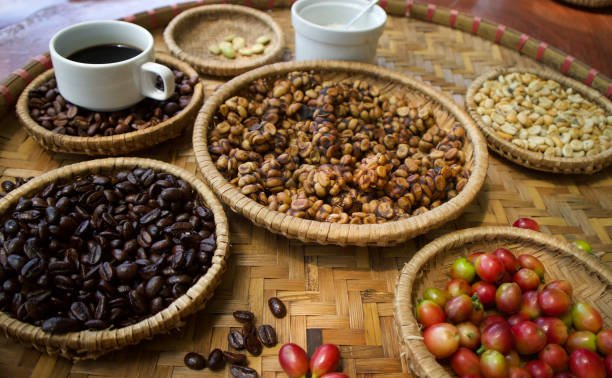
Coffee can be combined naturally with the cooking class.
Visitors can learn about coffee cultivation and selected traditional preparation methods before or after cooking.
Where included, the coffee experience can involve roasting, grinding and brewing fresh coffee.
This creates a broader food and agriculture experience around Mount Kilimanjaro.
Chagga Cooking and Banana Farm Experience
A banana farm visit can be added before the cooking class.
Visitors can walk through selected plantations and learn how bananas are cultivated before seeing how some varieties are prepared as food.
This creates a strong farm to table connection within the cultural experience.
Chagga Cooking and Village Walk
A village walk can also be added to the program.
Visitors can explore selected community areas and farming landscapes before joining the cooking activity.
The guide can explain agriculture, local livelihoods and selected cultural traditions along the way.
Chagga Cooking and Materuni Experience
Selected Materuni cultural activities can be combined with the cooking class when sufficient time is available.
The program can include village surroundings, coffee, local food and other agreed cultural activities.
The final schedule should allow enough time for cooking and eating without rushing the experience.
Sample Chagga Cooking Class Kilimanjaro Itinerary
Meet your local guide at your Moshi hotel or another agreed location.
Receive an introduction to the day's cultural and cooking activities.
Continue toward the selected community or market depending on the confirmed itinerary.
STOP
02
INGREDIENTS
Market or Farm Ingredient Introduction
Learn about the main ingredients planned for the cooking class.
Where included, explore a local market, garden or farm area to see where selected products come from.
Ask questions about bananas, vegetables, grains, beans and seasonal ingredients.
STOP
03
PREPARATION
Prepare the Ingredients
Join the host in preparing selected ingredients for the meal.
Wash, peel, cut or prepare foods according to the host's instructions and the confirmed menu.
Learn why certain ingredients are prepared in particular ways.
STOP
04
COOKING
Cook with Your Local Host
Participate in selected cooking stages while learning how the meal comes together.
Discuss food traditions, household cooking and agriculture around Mount Kilimanjaro.
Where appropriate, observe or help with traditional preparation methods used by the host.
STOP
05
MEAL
Enjoy the Food You Prepared
Sit down and enjoy the meal prepared during the class.
Continue conversations about food, culture and everyday community life.
After the meal, return to Moshi or continue to another agreed cultural activity.
Half Day Chagga Cooking Class
A half day program can focus on ingredient preparation, cooking and the shared meal.
This option suits travellers with limited time before or after another activity.
A short market or farm introduction can also be included when practical.
Full Day Chagga Food and Culture Experience
A full day provides more time for a market visit, farm walk, cooking and cultural discussions.
Travellers can explore where ingredients come from before preparing them with the host.
Coffee, banana farming or a village walk can also be added according to the final program.
Vegetarian Cooking Options
Vegetarian menus can often be arranged using vegetables, beans, grains, bananas and other available ingredients.
Travellers should communicate dietary preferences before booking so the host can plan suitable dishes.
The final menu depends on ingredient availability and the selected community.
Food Allergies and Dietary Requirements
Food allergies and dietary restrictions should always be communicated in advance.
This allows the guide and host to discuss which ingredients can be used and whether suitable alternatives are possible.
Travellers with serious allergies should provide clear information about ingredients that must be avoided.
Please Share in Advance
- Food allergies
- Vegetarian preferences
- Vegan preferences
- Religious dietary requirements
- Ingredients you cannot eat
- Any other important dietary needs
For Families with Children
The cooking class can provide an educational cultural experience for families.
Children can participate in suitable preparation tasks according to age and supervision requirements.
Activities involving heat, sharp tools or other kitchen risks should remain under adult and host supervision.
The pace of the experience can be adjusted for families where practical.
For Couples
Couples can enjoy a private cooking experience combining food, culture and community interaction.
The class can be paired with coffee, a banana farm or village walk to create a broader cultural day.
For Solo Travellers
Solo travellers can join a private cooking experience with a local host and guide.
The program can be adapted according to available time and personal interests in food, agriculture or culture.
Private Chagga Cooking Class Kilimanjaro
A private class provides greater flexibility with timing, pace and additional activities.
It also allows travellers to spend more time asking questions about ingredients and household cooking.
The final menu can be discussed according to dietary needs and ingredient availability.
Before Climbing Kilimanjaro
The cooking class can be arranged before beginning a Mount Kilimanjaro trek.
It provides climbers with an introduction to food and community life around the mountain before entering the trekking environment.
The schedule should leave sufficient time for equipment checks, mountain briefing and rest.
After Climbing Kilimanjaro
The experience can also be arranged after completing a Kilimanjaro climb.
A relaxed cooking class can provide a cultural and social activity after several days on the mountain.
The program can be kept shorter for travellers who prefer additional recovery time.
Before or After a Tanzania Safari
The Chagga Cooking Class Kilimanjaro can be arranged before or after a northern Tanzania safari.
This adds food and community culture to an itinerary focused on wildlife destinations.
The experience can be coordinated with transfers toward Arusha or other safari starting points.
Kilimanjaro, Local Food and Safari
The cooking class can form part of a wider Tanzania itinerary combining Mount Kilimanjaro, Chagga culture and northern Tanzania wildlife.
Travellers can experience local food traditions before continuing to mountain or safari adventures.
Professional Local Guide and Host
The experience can be led by a local cultural guide together with the selected cooking host.
Guide and Host Responsibilities May Include
- Introducing the cooking experience
- Explaining ingredients
- Demonstrating preparation techniques
- Guiding safe participation
- Explaining selected food traditions
- Providing cultural context
- Answering questions about agriculture and community life
- Coordinating additional cultural activities where included
What to Wear
Comfortable casual clothing is suitable for the cooking experience.
Closed shoes are recommended, especially if the program includes a market, farm or village walk.
Clothing should be practical for food preparation and easy movement.
What to Bring
- Comfortable clothing
- Closed walking shoes
- Sun hat if outdoor activities are included
- Sunscreen
- Reusable water bottle
- Camera or phone
- Small day bag
- Personal medication
- Dietary information if required
Typical Chagga Cooking Class Kilimanjaro Inclusions
- Professional local cultural guide
- Local cooking host
- Cooking ingredients
- Guided food preparation
- Selected cooking activities
- Meal prepared during the class
- Selected drinks where included
- Market or farm visit where included
- Transport where specifically included
- Applicable community activity fees where included
Typical Tour Exclusions
- International flights
- Tanzania visa
- Travel insurance
- Accommodation unless specifically included
- Personal purchases
- Food and drinks not listed in the confirmed program
- Additional activities not included in the itinerary
- Tips for guides and local hosts
Best Time for a Chagga Cooking Class
The experience can be arranged during different periods of the year.
Seasonal ingredient availability can influence the menu and farm activities.
This variation can make the experience different depending on travel dates.
The starting time can be selected according to the confirmed cooking program and other planned activities.
Responsible Cultural Tourism
The cooking class takes place within a real community environment and should be approached respectfully.
Visitors should follow the guidance of the local host and avoid treating homes, kitchens or farms as staged attractions.
Responsible Visitor Guidelines
- Follow the host's cooking instructions.
- Wash hands before food preparation.
- Use kitchen tools only as instructed.
- Ask permission before photographing people or private spaces.
- Respect household routines.
- Do not pick crops without permission.
- Respect local customs and community privacy.
- Dispose of waste responsibly.
Why Book the Chagga Cooking Class Kilimanjaro?
The Chagga Cooking Class Kilimanjaro offers travellers a direct and interactive way to experience local food culture around Mount Kilimanjaro.
Visitors can learn about ingredients, assist with preparation, cook alongside a local host and enjoy the meal they help prepare.
The experience can be booked independently or combined with a Moshi market visit, coffee farming, banana farms, Chagga village culture, Materuni, Kilimanjaro trekking and northern Tanzania safari activities.
Frequently Asked Questions
What is the Chagga Cooking Class Kilimanjaro?
It is a guided cultural cooking experience where travellers learn about local ingredients, participate in food preparation and enjoy the meal they help prepare.
What food will we cook?
The menu depends on the host, season and confirmed program and may include bananas, beans, vegetables, grains and other locally available ingredients.
Is the class hands on?
Yes. Visitors can participate in selected preparation and cooking stages under the guidance of the local host.
Will I eat the food I prepare?
Yes. The shared meal normally forms the final part of the cooking experience.
Can vegetarians join?
Vegetarian options can often be arranged when dietary requirements are communicated in advance.
Can vegan food be arranged?
Vegan requirements can be discussed in advance and suitable options arranged where possible according to available ingredients.
What if I have food allergies?
All allergies should be communicated clearly before booking so the guide and host can assess whether suitable arrangements are possible.
Can children join the cooking class?
Yes. Families can join, and children can participate in age appropriate activities under adult and host supervision.
How long is the cooking class?
The experience can be arranged as a half day activity or expanded into a full day food and cultural program.
Can the class start from my Moshi hotel?
Yes. Pickup from a Moshi hotel or another agreed location can be arranged according to the confirmed itinerary.
Can a local market visit be included?
Yes. A market visit can be added so travellers can see selected ingredients before the cooking activity.
Can a coffee experience be included?
Yes. Traditional Kilimanjaro coffee preparation can be combined with the cooking class.
Can a banana farm be included?
Yes. A banana farm visit can be added for travellers interested in seeing where some local food ingredients originate.
Can I combine the class with a Chagga village walk?
Yes. A village walk can be added to create a broader community and food experience.
Can I take photographs during the class?
Photography is generally possible where appropriate, but permission should be requested before photographing people or private household areas.
Is the experience private?
A private Chagga Cooking Class Kilimanjaro can be arranged for solo travellers, couples, families and groups.
Can solo travellers book?
Yes. Solo travellers can arrange a private cooking and cultural experience.
Can I do the cooking class before Kilimanjaro?
Yes. The experience can provide a cultural introduction to the Kilimanjaro region before beginning a mountain trek.
Can I do it after Kilimanjaro?
Yes. A cooking class can provide a relaxed cultural activity after completing a Kilimanjaro climb.
Can I combine the cooking class with safari?
Yes. The experience can be arranged before or after a northern Tanzania wildlife safari.
Can the menu be customised?
The menu can be discussed according to dietary needs, local ingredient availability and the dishes offered by the selected host.
Plan Your Chagga Cooking Class Kilimanjaro
Prepare local ingredients, cook alongside a Chagga host and enjoy a cultural food experience surrounded by the farming traditions of Mount Kilimanjaro.
Choose your preferred date, duration and optional market, coffee, banana farm or village activities to create a personalised Kilimanjaro cooking experience.
Plan Your Chagga Cooking Class Kilimanjaro