Kilimanjaro Cooking Class After Trek
The Kilimanjaro Cooking Class After Trek is a relaxed cultural activity designed for travellers who have completed a Kilimanjaro climb and would like to experience everyday Tanzanian food, hospitality and cooking traditions before continuing their journey.
After several demanding days on the mountain, many climbers prefer an activity that is interesting but does not require another physically challenging excursion.
A local cooking class provides an opportunity to slow down, meet local people, prepare traditional food and enjoy a meal in the Moshi or greater Kilimanjaro area.
The experience may include an introduction to common Tanzanian ingredients, optional market exploration, food preparation, cooking instruction, cultural conversation and a shared meal.
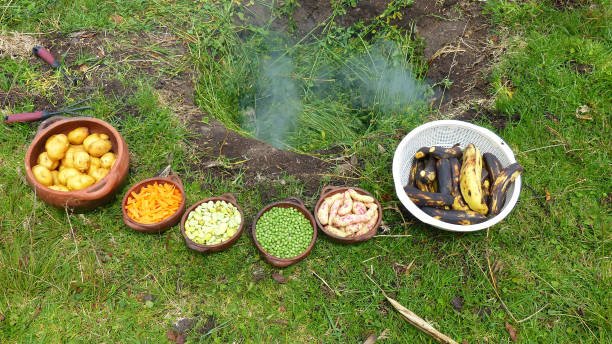
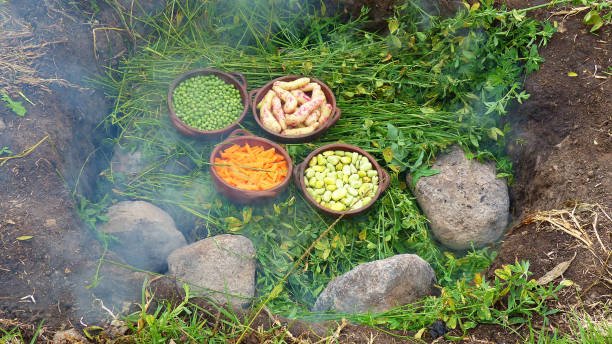
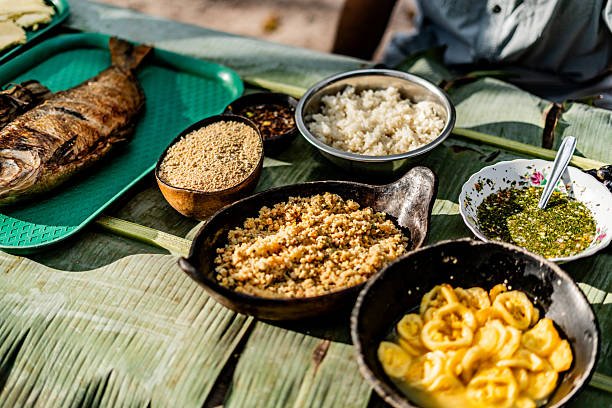
Typical dishes can include ugali, rice, beans, vegetables, banana based dishes, chapati, sauces, seasonal produce and other local recipes depending on ingredient availability and the agreed menu.
The Kilimanjaro Cooking Class After Trek can normally be arranged privately for couples, families, friends and solo travellers, while small shared experiences may also be possible depending on availability.
The exact menu should be confirmed in advance when travellers have vegetarian, vegan, gluten related, allergy related or other dietary requirements.
Kilimanjaro Cooking Class After Trek at a Glance
- Location: Moshi or the surrounding Kilimanjaro area.
- Experience: Tanzanian cooking and cultural interaction.
- Activity level: Easy and suitable for many post trek travellers.
- Format: Private or small group depending on availability.
- Food: Traditional dishes prepared with local ingredients.
- Meal: Enjoy the food prepared during the experience.
- Optional element: Market or ingredient introduction where practical.
- Timing: Flexible according to recovery and onward travel plans.
- Suitable for: Solo travellers, couples, families and small groups.
Why Choose a Cooking Class After Kilimanjaro?
Completing Kilimanjaro is physically demanding, and many travellers want something slower and more social after leaving the mountain.
A cooking experience allows you to continue discovering Tanzania without immediately beginning another demanding hike or long excursion.
Post Trek Experience Highlights
- Relax after the Kilimanjaro climb
- Learn about Tanzanian food traditions
- Prepare local dishes with guidance
- Discover common local ingredients
- Enjoy a freshly prepared meal
- Spend time with local hosts
- Ask questions about food and everyday life
- Enjoy a flexible activity before onward travel
Kilimanjaro Cooking Class After Trek Itinerary
STEP
01
POST TREK PICKUP
Hotel Pickup and Relaxed Start
Your Kilimanjaro Cooking Class After Trek begins with pickup from your agreed hotel or meeting location in Moshi or the surrounding area.
The starting time can be coordinated around your post trek recovery, hotel arrangements and onward travel schedule.
Post Trek Planning
- Allow time for breakfast and rest if needed.
- Wear comfortable casual clothing.
- Advise the host about dietary requirements in advance.
- Confirm onward flight, safari or transfer times before starting.
Starting Point
Agreed hotel or meeting location in Moshi or the Kilimanjaro area.
Activity Level
Easy and generally suitable after a mountain trek.
Timing
Flexible according to your confirmed travel schedule.
STEP
02
LOCAL INGREDIENTS
Ingredient and Market Introduction
Depending on the confirmed program, the experience may begin with an introduction to ingredients commonly used in Tanzanian cooking.
A local market visit may be included when practical, allowing you to see vegetables, fruits, grains, spices and other products used in local kitchens.
Ingredients You May Learn About
- Maize flour
- Rice
- Beans
- Bananas used for cooking
- Leafy vegetables
- Tomatoes and onions
- Fresh herbs
- Local spices
- Seasonal fruits and vegetables
The exact ingredients depend on the selected menu and seasonal availability.
Cultural Element
Learn how commonly available ingredients are used in Tanzanian homes.
Market Visit
Can be included when suitable for the confirmed program.
STEP
03
HANDS ON COOKING
Prepare Traditional Tanzanian Food
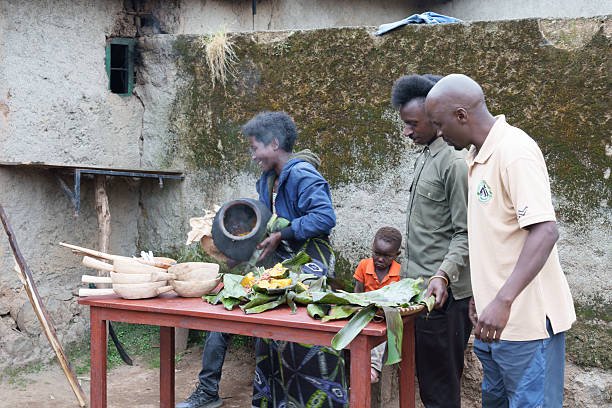
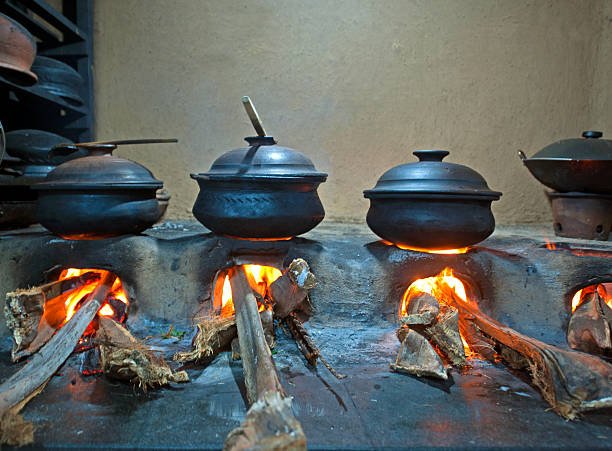
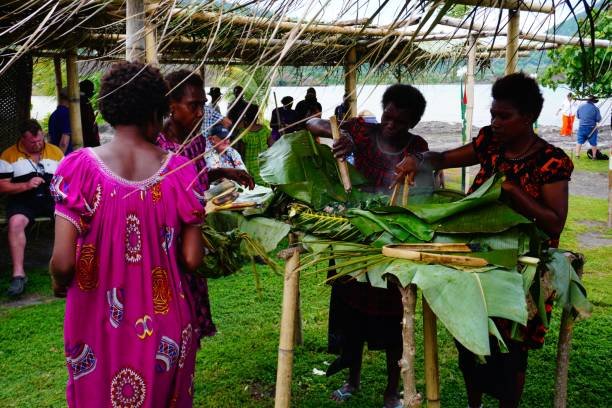
The main part of the experience is hands on food preparation with guidance from your local host.
You can learn how ingredients are cleaned, chopped, seasoned, mixed and cooked using methods commonly found in Tanzanian homes.
Possible Cooking Activities
- Prepare vegetables and fresh ingredients.
- Learn how ugali is prepared.
- Cook beans or a vegetable dish.
- Prepare rice or pilau style dishes depending on the menu.
- Learn chapati preparation when included.
- Prepare banana based local food where available.
- Discuss local spices and flavour combinations.
The menu can vary according to available ingredients, host traditions and dietary requirements.
Experience
Hands on Tanzanian cooking with local guidance.
Menu
Based on the confirmed dishes, season and dietary needs.
STEP
04
LOCAL MEAL
Sit Down and Enjoy What You Cooked
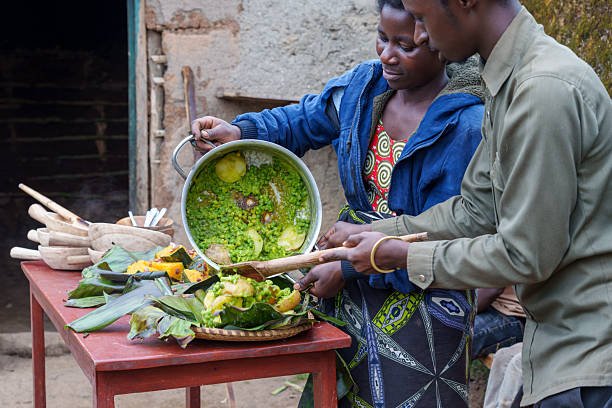
After preparing the dishes, sit down with your host and enjoy the meal.
This is also an opportunity to ask questions about Tanzanian food, ingredients, family meals, celebrations and daily life in the Kilimanjaro region.
Shared Meal Experience
- Taste the dishes you helped prepare.
- Discuss Tanzanian eating traditions.
- Learn how meals may differ between households and regions.
- Ask questions about local food and everyday life.
- Enjoy a relaxed post Kilimanjaro atmosphere.
Meal
Freshly prepared Tanzanian food from the cooking experience.
Cultural Exchange
Conversation about food, traditions and everyday life.
STEP
05
RETURN TRANSFER
Return to Your Hotel or Continue Your Journey
After your meal and cultural experience, return to the agreed hotel or continue according to your confirmed travel plan.
The activity can be coordinated with an afternoon hotel stay, safari departure, airport transfer or another local experience when timing allows.
Return
Agreed hotel or another confirmed destination.
Onward Travel
Can be coordinated with safari, Zanzibar or airport travel plans.
Traditional Tanzanian Food You May Prepare
The exact cooking menu can change according to local availability, season, dietary requirements and the host preparing the experience.
Possible Tanzanian Dishes
- Ugali: A common maize flour staple served with different accompaniments.
- Beans: Frequently prepared with tomatoes, onions and seasonings.
- Rice: Served plain or prepared with spices depending on the selected recipe.
- Pilau: Spiced rice preparation that may be included in selected classes.
- Chapati: Flatbread commonly eaten with stews, vegetables or tea.
- Vegetables: Seasonal greens and locally available produce.
- Banana dishes: Cooking bananas may form part of selected local menus.
- Fresh fruit: Seasonal fruit may accompany the meal.
The dishes listed above are examples rather than a guaranteed fixed menu.
Learn How Ugali Is Prepared
Ugali is one of the foods many visitors associate with everyday meals in Tanzania.
It is commonly prepared from maize flour and water and served alongside vegetables, beans, meat, fish or sauces depending on the household and region.
During the cooking experience, travellers may learn the preparation technique and how ugali is commonly served with other dishes.
Learn to Prepare Chapati
Chapati may be included in the cooking menu when agreed in advance.
The experience can introduce mixing, rolling and cooking techniques used to create this popular flatbread.
Chapati can be served alongside beans, vegetables, stews or other dishes.
Tanzanian Rice and Pilau
Rice is widely used in Tanzanian cooking and can be prepared in different ways.
Pilau uses spices to create a more aromatic rice dish and may be included depending on the selected menu.
The host can explain the ingredients and cooking process used in the particular recipe being prepared.
Local Vegetables and Seasonal Ingredients
The cooking class can introduce vegetables and ingredients commonly purchased in local markets.
Seasonal availability affects which vegetables, fruits and herbs are used.
This is one reason the precise menu may differ between travellers visiting at different times.
Optional Local Market Visit
A market visit can add context to the Kilimanjaro Cooking Class After Trek by showing where many everyday ingredients are purchased.
Depending on timing and the confirmed program, travellers may walk through a market with a local host or guide and learn about vegetables, grains, fruits and spices.
The market portion can be reduced or omitted for travellers who are particularly tired after Kilimanjaro or have limited time before onward travel.
Is This Suitable Immediately After Kilimanjaro?
For many travellers, a cooking class can be a comfortable activity after completing Kilimanjaro because it involves far less physical exertion than another hike.
However, recovery varies between travellers.
If you feel extremely tired after the climb, the activity can be scheduled later in the day or on the following day when travel arrangements allow.
Post Trek Comfort Tips
- Rest after returning from the mountain.
- Drink sufficient water.
- Wear comfortable clothing and shoes.
- Choose a later start if you need more recovery time.
- Keep the market walking portion short if your legs are tired.
- Confirm onward transportation before beginning the activity.
Private Cooking Class
The Kilimanjaro Cooking Class After Trek can be arranged privately for one booking.
A private format can be particularly useful for couples, families or travellers who want the cooking pace and menu adapted to their interests.
Private arrangements can also make it easier to coordinate the activity around hotel checkout, safari departure or flight schedules.
Cooking Class for Solo Travellers
Solo travellers can join a private cooking experience or a suitable small group when available.
The activity provides an opportunity to interact with local hosts and learn about Tanzanian food even when travelling alone.
Cooking Class for Couples
Couples can enjoy the experience together as a relaxed cultural activity following Kilimanjaro.
Preparing and sharing a local meal can provide a different experience from the physically demanding days spent on the mountain.
Cooking Class for Families
Families can also enjoy the cooking experience when the program and kitchen environment are suitable for the ages of participating children.
Parents should provide child ages when booking so the host can advise whether the planned activities are appropriate.
Vegetarian Cooking Class
Many Tanzanian meals use beans, vegetables, rice, maize, bananas and other plant based ingredients.
A vegetarian menu can often be arranged when requested in advance.
The exact dishes should be confirmed before the activity.
Vegan Cooking Class
A vegan menu may also be possible using suitable plant based ingredients.
Travellers should clearly communicate vegan requirements before the experience so the host can plan the menu and ingredients appropriately.
Food Allergies and Dietary Requirements
Food allergies and dietary restrictions should always be communicated before the cooking class.
Tell Us Before the Cooking Class If You Have
- Food allergies
- Vegetarian requirements
- Vegan requirements
- Gluten related dietary requirements
- Nut allergies
- Dairy restrictions
- Religious dietary requirements
- Other important food restrictions
Not every kitchen can guarantee complete separation from every allergen, so travellers with serious allergies should communicate the exact requirement clearly before booking.
How Long Is the Cooking Class?
The duration can vary according to the selected menu, whether a market visit is included and how much time the travellers have available.
A shorter program can focus mainly on food preparation and lunch, while a longer experience can include ingredient introductions and additional cultural conversation.
The exact start and finishing time should be confirmed according to the final program.
Morning Cooking Class After Kilimanjaro
A morning experience can suit travellers who have rested overnight after the trek and have the rest of the afternoon available.
It may also work well for travellers continuing to a nearby hotel or beginning another activity later in the day.
Afternoon Cooking Class After Kilimanjaro
An afternoon cooking class can be useful for climbers who want extra recovery time in the morning.
It can also suit travellers returning from the mountain late on the previous day and wanting a relaxed cultural activity after breakfast and rest.
Cooking Class Before a Safari
The experience can fit between a Kilimanjaro climb and a northern Tanzania safari.
Travellers can complete the mountain, rest, enjoy the cooking class and then begin their safari according to the confirmed schedule.
This provides a cultural experience in addition to mountain and wildlife activities.
Cooking Class Before Zanzibar
The Kilimanjaro Cooking Class After Trek can also be arranged before travelling to Zanzibar.
Flight and airport transfer times should be confirmed first so sufficient time is allowed for the cooking experience and transportation.
Cooking Class Before an International Flight
Travellers with an evening or later flight may be able to include a cooking class before travelling to the airport.
This depends on the available time between hotel checkout and airport departure.
A comfortable safety margin should always be allowed for road transportation and airport check in.
What to Wear
- Comfortable casual clothing
- Comfortable walking shoes or sandals
- Light layers depending on weather
- Clothing suitable for food preparation
- Sun protection if a market walk is included
What to Bring
- Camera or phone
- Drinking water if desired
- Personal medication
- Small amount of personal spending money if required
- Sun hat if a market visit is included
- Curiosity and willingness to participate
Typical Kilimanjaro Cooking Class After Trek Inclusions
- Pickup from the agreed location according to the confirmed program
- Local cooking host or guide
- Cooking ingredients
- Food preparation experience
- Traditional Tanzanian cooking instruction
- Meal prepared during the class
- Cultural conversation and local food explanation
- Return transfer according to the confirmed arrangement
Typical Exclusions
- Accommodation unless specifically included
- Airport transfer unless included in the confirmed package
- Safari transportation
- Alcoholic beverages unless specifically included
- Personal purchases at a market
- Optional activities not stated in the confirmed program
- Tips
What Affects the Cooking Class Price?
The price of the experience can vary according to group size, transport requirements, menu, program duration and whether additional activities are included.
Main Price Factors
- Number of participants
- Private or shared arrangement
- Pickup location
- Return destination
- Selected menu
- Number of dishes
- Market visit arrangements
- Program duration
- Additional cultural activities
Combine the Cooking Class with a Coffee Experience
The Kilimanjaro region is also associated with coffee farming, and a cooking experience can sometimes be combined with a separate coffee activity when sufficient time is available.
A combined program may require a longer day and additional transportation depending on the selected location.
This option should be confirmed in advance rather than assumed to be part of the standard cooking class.
Combine the Cooking Class with a Village Experience
Travellers interested in a broader cultural experience can request a program combining cooking with a village walk or another suitable community activity.
The exact itinerary depends on the location, available hosts, time and onward travel arrangements.
Responsible Cultural Tourism
A local cooking experience should be respectful toward hosts, households, markets and community spaces.
Ask before photographing people, especially inside homes, kitchens or market stalls.
Listen to your host's instructions when using cooking equipment and respect local customs.
A cultural activity is most meaningful when it is approached as an opportunity to learn rather than as a staged performance.
Important Information About the Kilimanjaro Cooking Class After Trek
The Kilimanjaro Cooking Class After Trek is intended as a relaxed cultural experience following a Kilimanjaro climb.
The activity normally takes place in Moshi or the surrounding Kilimanjaro area.
The exact program can include ingredient introduction, food preparation, hands on cooking, a shared meal and cultural conversation.
A market visit can be included when practical but is not necessarily part of every program.
The exact dishes depend on seasonal ingredients, host traditions and dietary requirements.
Ugali, beans, rice, vegetables, chapati, pilau style dishes and banana based meals are examples of foods that may be included rather than a guaranteed fixed menu.
Vegetarian and vegan menus may be possible when requested in advance.
Allergies and serious dietary restrictions must be communicated before the activity.
The experience can normally be adjusted around post trek recovery.
Travellers who are particularly tired can request a later start or a shorter program when practical.
The activity can be coordinated before a safari, Zanzibar trip or airport transfer when sufficient time is available.
Flight and onward transportation schedules should always be confirmed before the final cooking class timing is set.
Private arrangements can be especially practical for travellers with limited post trek time.
The final quotation should clearly state transportation, ingredients, meal arrangements and any additional activities included.
Why Book This Kilimanjaro Cooking Class After Trek?
The Kilimanjaro Cooking Class After Trek offers a gentle way to experience another side of Tanzania after completing the mountain.
Instead of immediately moving from Kilimanjaro to another physically demanding activity, travellers can spend time learning about food, ingredients and local cooking traditions.
The hands on format makes the experience more interactive than simply ordering Tanzanian food in a restaurant.
It can also fit naturally between a Kilimanjaro climb and a safari, Zanzibar holiday or international flight when the schedule allows.
Frequently Asked Questions
What is the Kilimanjaro Cooking Class After Trek?
It is a local Tanzanian cooking and cultural experience designed to be enjoyed after completing a Kilimanjaro climb.
Where does the cooking class take place?
The activity can be arranged in Moshi or another suitable location within the Kilimanjaro area according to the confirmed program.
Is the cooking class suitable after climbing Kilimanjaro?
Yes. It is generally a low intensity cultural activity and can be adjusted around your recovery and energy level.
Can I do the cooking class on the same day I finish Kilimanjaro?
It may be possible depending on the time you return, how you feel and your hotel arrangements, although many travellers may prefer to rest first.
Can I do it the morning after my climb?
Yes. The following morning can be a practical time if you have rested overnight and do not have an early onward departure.
What food will we cook?
Possible dishes include ugali, rice, beans, vegetables, chapati, pilau style rice and banana based dishes depending on the confirmed menu and ingredient availability.
Is the menu always the same?
No. The menu can vary according to available ingredients, host traditions, season and dietary requirements.
Will we actually cook the food?
Yes. The experience is designed to include hands on participation rather than only watching the host cook.
Do we eat the food afterward?
Yes. The meal prepared during the cooking experience is normally enjoyed after the cooking session.
Is a market visit included?
A local market or ingredient visit may be included depending on the confirmed program, timing and traveller preference.
Can I skip the market visit?
Yes. The program can often focus directly on the cooking class when you are tired after Kilimanjaro or have limited time.
Is vegetarian food available?
A vegetarian menu can often be arranged when requested before the activity.
Can a vegan menu be arranged?
A vegan menu may be possible using suitable plant based ingredients when requested in advance.
What if I have a food allergy?
Tell the operator and host before booking. Serious allergies should be described clearly so the kitchen arrangement can be assessed before confirmation.
Is the cooking class private?
A private cooking class can be arranged, while small shared experiences may also be possible depending on availability.
Can solo travellers book?
Yes. Solo travellers can arrange a private class or join a suitable shared experience when available.
Is the cooking class suitable for couples?
Yes. It can be a relaxed shared cultural activity for couples after their Kilimanjaro trek.
Can families join?
Yes, depending on the ages of the children and the suitability of the kitchen activities. Child ages should be provided before booking.
Do I need cooking experience?
No. The class can be suitable for beginners as well as travellers who already enjoy cooking.
How physically difficult is the activity?
The cooking experience itself is generally easy, although a market walk can involve additional standing and walking.
Can the start time be flexible?
Yes. Timing can normally be coordinated around post trek recovery, hotel arrangements and onward travel when availability allows.
Can I do the cooking class before a safari?
Yes. It can be arranged between a Kilimanjaro climb and a safari when the schedule provides sufficient time.
Can I do it before flying to Zanzibar?
Yes, provided the cooking class and airport transfer can be completed comfortably before your flight check in time.
Can it be arranged before an evening international flight?
It may be possible depending on the flight time, airport, road transfer and the duration of the cooking program.
Is transport included?
Local pickup and return transportation can be included according to the confirmed package and locations.
Can the cooking class be combined with coffee?
Yes. A separate coffee experience may be added when sufficient time is available and the required locations can be coordinated.
Can it be combined with a village tour?
Yes. A broader cultural program can be arranged depending on the selected location and available time.
Should I bring cash to the market?
You may bring a small amount for personal purchases if a market visit is included, although necessary cooking ingredients are normally arranged as part of the confirmed class.
Can I take photographs?
Photography is generally possible, but always ask permission before photographing hosts, households or market vendors.
What should I wear?
Comfortable casual clothing and practical footwear are suitable. Sun protection can be useful when the program includes outdoor walking.
How do I book the Kilimanjaro Cooking Class After Trek?
Provide your preferred date, number of travellers, hotel location, dietary requirements, preferred starting time and onward travel plans so the cooking experience can be arranged around your Kilimanjaro itinerary.
Request Your Kilimanjaro Cooking Class After Trek
Add a relaxed cultural experience to your Kilimanjaro journey with hands on Tanzanian cooking, local ingredients, traditional dishes, a shared meal and flexible arrangements around your safari, Zanzibar or airport travel plans.
Book Your Kilimanjaro Cooking Class