Morning: Meet Your Local Guide
Begin from your hotel or agreed pickup location and meet your local cultural or food guide.
Receive an introduction to the planned activities, cooking experience and local etiquette.

Discover a Tanzania Cooking Cultural Experience with locally guided market visits, fresh ingredients, traditional cooking, farm activities, local meals and community life across northern Tanzania.
The Tanzania Cooking Cultural Experience offers travellers a locally guided introduction to traditional cooking, fresh ingredients, markets, farming and everyday food culture in northern Tanzania.
Visit local markets, learn about regional ingredients, join selected food preparation activities and enjoy a locally prepared meal while discovering how agriculture and community traditions influence Tanzanian cuisine.
The experience can be arranged privately from Arusha or Moshi and combined with Mto wa Mbu, Lake Manyara, Tarangire, Ngorongoro, Serengeti, Lake Eyasi, Mount Kilimanjaro or Zanzibar.
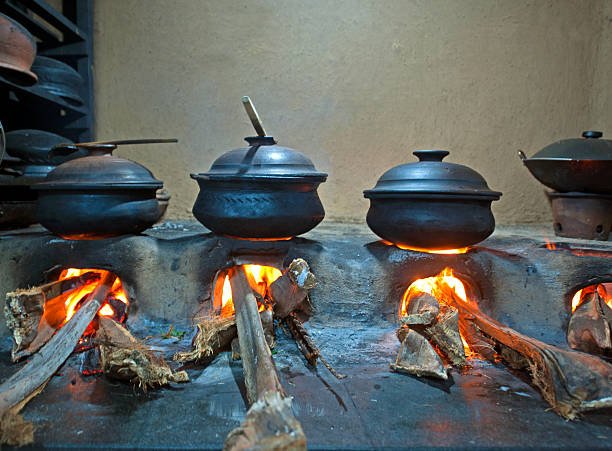
The Tanzania Cooking Cultural Experience offers travellers an opportunity to discover Tanzanian food through local ingredients, markets, farms, traditional cooking methods and community interaction.
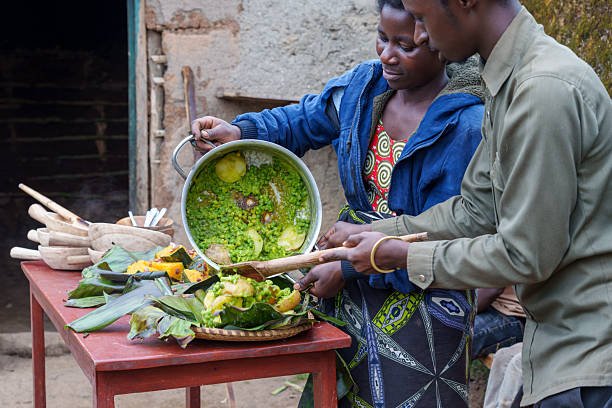
Depending on the selected program, the experience can include a local market visit, ingredient introduction, farm or banana plantation visit, food preparation and a locally prepared meal.
Rather than simply eating a finished dish, travellers can learn how selected ingredients are sourced, prepared and combined while hearing about the role food plays in everyday household and community life.
The exact dishes, ingredients and cooking activities vary according to location, season, local arrangements and the participating hosts.
A cooking experience offers a practical introduction to Tanzanian culture through food.
Travellers can learn about ingredients, preparation methods and household cooking traditions while spending time with participating local hosts.
The experience can also connect food with farming, markets, local trade and everyday family life.
Begin from your hotel or agreed pickup location and meet your local cultural or food guide.
Receive an introduction to the planned activities, cooking experience and local etiquette.
Where included, visit a local market and learn about fruits, vegetables, grains, spices and other ingredients used in Tanzanian cooking.
Your guide can explain selected ingredients and how they are commonly used in local meals.
Market activity varies according to the day, season and location.
Learn about selected ingredients that may be used during the cooking experience.
These can include vegetables, grains, fruits, herbs, spices and other locally available foods depending on the program.
Where arranged, visit a local farm or plantation and learn about selected crops used in household meals or local trade.
Participating hosts may explain cultivation, irrigation, harvesting and seasonal production.
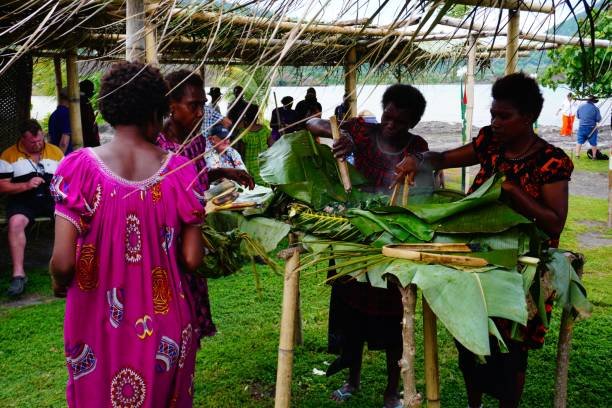
Begin preparing selected ingredients with guidance from your host where participation is included.
The activity may involve washing, cutting, grinding, mixing or preparing ingredients depending on the dish and kitchen setup.
Participation is adapted to the host's arrangements and safety considerations.
Observe the preparation of selected dishes while your host explains cooking techniques and ingredient combinations.
The methods demonstrated vary according to the meal, location and facilities available.
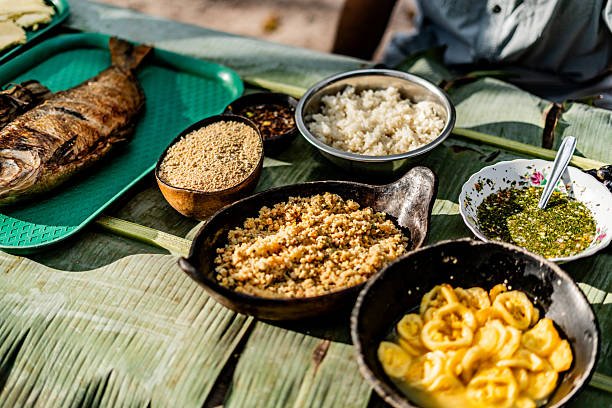
Sit down and enjoy the locally prepared meal or tasting included in your program.
The exact menu depends on location, host, season and ingredient availability.
Dietary requirements should be communicated before the experience.
Where appropriate, discuss how food connects with farming, local markets, household routines and community traditions.
Your guide can assist with interpretation and provide additional cultural context.
Add a guided village walk to explore farms, neighbourhoods, markets or small businesses connected with the local food experience.
Tanzanian cooking varies by region, household, available ingredients and cultural influences.
A cooking cultural experience provides a practical way to learn about these differences through locally prepared food and conversations with participating hosts.
Local ingredients form the foundation of the experience.
Travellers can learn about selected vegetables, grains, fruits, herbs and spices and how they are incorporated into everyday meals.
The ingredients available change naturally with season and location.
A market visit can help travellers understand where many ingredients are purchased before cooking begins.
The guide may explain selected produce, seasonality and how different ingredients are used in local kitchens.
Markets are active working spaces, so visitors should follow local guidance and request permission before photographing individuals.
Selected programs can connect agriculture with cooking by including a farm or plantation visit before food preparation.
This can help travellers understand how ingredients move from local production into household meals and market trade.
In destinations such as Mto wa Mbu, selected programs can include a banana plantation or growing area.
Visitors may learn about cultivation and selected culinary uses depending on the host and local program.
Some programs allow travellers to participate in selected food preparation tasks.
The level of participation varies according to the dish, kitchen environment and host arrangements.
Travellers should follow instructions carefully and respect the working kitchen space.
The meal is often one of the main highlights of the cooking experience.
Guests can enjoy the food they have observed or helped prepare while learning more about the ingredients and cooking techniques.
The menu should not be treated as fixed unless specific dishes are confirmed in advance.
Vegetarian cooking experiences may be arranged depending on location and host availability.
Travellers should communicate dietary requirements in advance so appropriate ingredients can be requested.
Vegan options may also be possible in selected programs.
Advance notice is important so the host can discuss suitable ingredients and meal preparation.
Travellers with allergies or intolerances should provide detailed information before booking.
Because some local kitchens use shared utensils, preparation areas and cooking equipment, guests with severe allergies should discuss available arrangements carefully in advance.
Mto wa Mbu can be a suitable destination for combining cooking with markets, farming and village activities.
Selected programs may include a market visit, banana plantation, farm experience and locally prepared food.
Arusha can be used as a starting point for food and cooking experiences in the city or surrounding communities.
The experience can also be combined with a safari toward Tarangire, Lake Manyara, Ngorongoro or Serengeti.
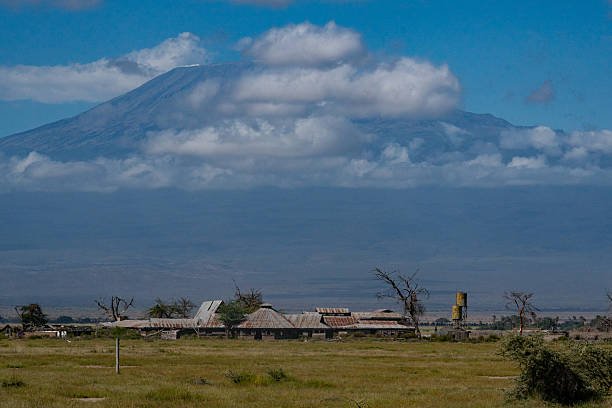
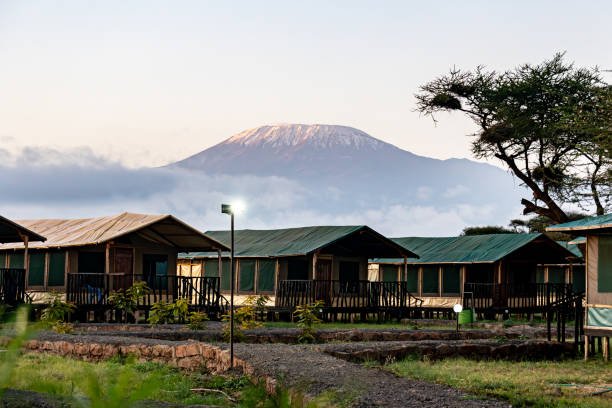
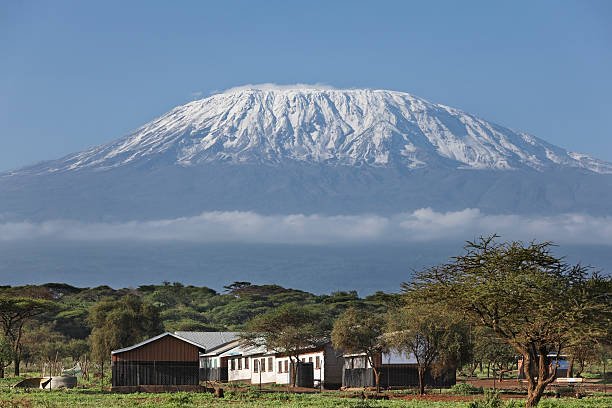
Moshi can provide a convenient base for travellers combining local cooking with Mount Kilimanjaro and community experiences.
The itinerary can continue afterward toward Arusha and the northern safari circuit.
A half day program can focus on ingredient introduction, cooking activities and a locally prepared meal.
A market visit can also be included where time and local arrangements allow.
A full day provides more time for a market, farm or plantation visit before cooking begins.
The longer program can provide a stronger connection between agriculture, ingredients, cooking and community life.
A 2 day program can combine cooking with village activities or a nearby safari destination.
For example, travellers can explore Mto wa Mbu food culture before continuing to Lake Manyara or Karatu.
A private cooking experience provides flexibility with timing, activities, dietary requirements and travel pace.
Private programs can be arranged for solo travellers, couples, families and groups.
Couples can arrange a private market, cooking and meal experience as part of a wider cultural or safari itinerary.
The program can be customised according to food interests and preferred duration.
Families can select activities according to children's ages and interest in food preparation.
Ingredient introductions and selected simple cooking activities can provide an educational cultural experience when arranged appropriately.
Solo travellers can arrange a private cooking experience or include it within a broader Tanzania itinerary.
Private transportation can have a higher per person cost when vehicle expenses are not shared.
A cooking experience around Mto wa Mbu can be combined conveniently with Lake Manyara.
This provides both community food culture and wildlife game viewing within the same general area.
Tarangire can be added before or after the cooking experience.
The combination offers wildlife safari together with markets, farms and local food traditions.
A Tanzania cooking experience can be included before continuing through Karatu toward Ngorongoro.
This creates a varied itinerary combining food culture and wildlife safari.
A cooking experience can be included before or after a longer Serengeti safari.
Travellers can combine local markets and food traditions with several days of wildlife game viewing.
Lake Eyasi can be added for travellers interested in additional cultural experiences.
Separately arranged Hadzabe and Datoga visits can offer different perspectives on livelihoods, local knowledge and food traditions.
A cooking cultural experience can be arranged before or after a Mount Kilimanjaro climb or day hike.
This can provide a relaxed cultural activity before or after the mountain adventure.
Zanzibar can be added after the mainland itinerary for travellers interested in coastal food traditions.
Spice farms, local markets and Swahili influenced cuisine can provide a contrasting food experience.
Cooking experiences should be locally guided, respectful and arranged with participating hosts.
Homes, kitchens, farms and markets are active working and living spaces and should be treated accordingly.
Photography can be part of the experience but should always be respectful.
Visitors should ask permission before photographing hosts, cooks, market vendors, homes, farms or private kitchen areas.
Your local guide can help explain when photography is appropriate.
The experience can be arranged during much of the year.
Seasonal rainfall influences farming and the availability of some ingredients, fruits and vegetables.
The cooking experience therefore changes naturally throughout the year according to local production and market supply.
The final cost depends on the number of travellers, starting location, duration, transportation and activities included.
The Tanzania Cooking Cultural Experience allows travellers to explore local food through ingredients, preparation, markets, farms and community traditions.
Visitors can learn how selected meals are prepared while gaining a wider understanding of the relationship between food, agriculture and everyday life.
The experience can also be combined with Mto wa Mbu, Lake Manyara, Tarangire, Ngorongoro, Serengeti, Lake Eyasi, Mount Kilimanjaro or Zanzibar.
It is a locally guided experience focused on Tanzanian ingredients, food preparation, cooking traditions and community food culture.
Some programs include selected hands on food preparation activities depending on the host and kitchen arrangements.
A local market visit can be included where stated in the confirmed program.
Yes. Selected programs can include a farm or plantation visit where arranged.
Yes. The experience can include an introduction to selected ingredients used during the cooking activity.
Where a meal is included, guests can normally enjoy the locally prepared food after the cooking activity.
The exact dishes vary according to location, host, season and ingredient availability.
Vegetarian options may be arranged when requested in advance.
Vegan options may be possible depending on the location and host arrangements and should be requested in advance.
Provide detailed allergy information during booking so available arrangements can be discussed before the experience.
Yes. Selected activities can be adapted according to children's ages and the safety requirements of the kitchen environment.
Yes, but permission should be requested before photographing hosts, cooks, market vendors, homes or private kitchen areas.
Yes. A half day program can focus on ingredients, cooking activities and a meal.
Yes. A full day can include a market or farm visit before food preparation and lunch.
Yes. Mto wa Mbu can be suitable for combining markets, farms, banana plantations and locally arranged cooking experiences.
Yes. Arusha can be used as a starting point for cooking and cultural programs in the city or surrounding areas.
Yes. Moshi can be used as a starting point and can be combined with Mount Kilimanjaro experiences.
Yes. A cooking experience around Mto wa Mbu can be combined conveniently with Lake Manyara safari.
Yes. Tarangire can be added before or after the cooking cultural experience.
Yes. The cooking experience can be included before continuing through Karatu toward Ngorongoro.
Yes. A Tanzania cooking experience can be included before or after a longer Serengeti safari.
Yes. Lake Eyasi can add separately arranged Hadzabe and Datoga cultural experiences to a broader itinerary.
Yes. The experience can be arranged before or after a Mount Kilimanjaro climb or day hike.
Yes. Zanzibar can be added for additional spice, food and Swahili coastal cultural experiences.
Provide your travel date, number of travellers, starting location, preferred duration, dietary requirements and whether you want Mto wa Mbu, safari, Kilimanjaro or Zanzibar included.
Explore local ingredients, markets, cooking traditions and community life through a locally guided Tanzania food experience that can be combined with safari, Kilimanjaro or Zanzibar.
Request Your Tanzania Cooking Cultural ExperienceAfrican Trek & Travel is a leading Tanzania tour operator in Moshi and Arusha for 2026–2027, specializing in Kilimanjaro treks, safaris, and tailor-made adventures. With deep local expertise and a strong commitment to safety and quality, we deliver unforgettable travel experiences across East Africa.
Discover popular Safaris, Serengeti Migration, Kilimanjaro Climbing & Zanzibar Beach Holidays. Plan your perfect adventure today!
 Popular
Experience the wildebeest migration across the vast Serengeti and Ngorongoro plains. Perfect for wildlife lovers and photography enthusiasts.
Book Now New
Climb Africa’s highest peak via scenic routes with expert guides and safe treks. Experience adventure with full support and accommodation included.
Book Now Popular
Relax in paradise with pristine white beaches, spice tours, and cultural charm. Ideal for families and honeymooners seeking luxury and tranquility.
Book Now




We collaborate with top tour operators to provide the best experiences for Kilimanjaro treks, safaris, and adventures.