Kilimanjaro Photography Mistakes at High Altitude 2026-2027
Kilimanjaro Photography Mistakes at High Altitude 2026-2027 are most commonly caused by cold temperatures, poor battery management, excessive equipment, dust, moisture, limited charging opportunities and trying to operate cameras while tired at high altitude. The safest and most practical approach is to carry lightweight equipment, protect batteries from cold, prepare the camera before summit night and never allow photography to interfere with acclimatization or mountain safety.
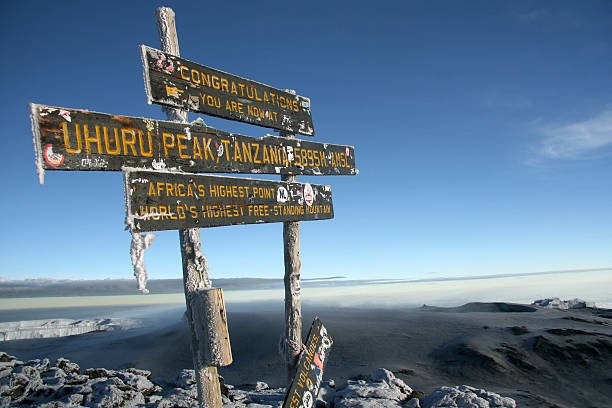
Mount Kilimanjaro provides exceptional photography opportunities. Climbers pass through rainforest, heath and moorland, alpine desert and arctic summit environments before reaching Uhuru Peak at 5,895 metres.
These changing environments also create very different challenges for cameras and smartphones. Equipment that works perfectly at the lower elevations may behave differently when temperatures fall dramatically near the summit.
Understanding these challenges before the climb allows photographers to concentrate on documenting the journey rather than solving avoidable equipment problems on the mountain.
Kilimanjaro Photography at a Glance
- Main challenges: Cold, altitude, wind, dust, rain and limited charging
- Equipment approach: Lightweight and practical
- Battery preparation: Carry several charged spares
- Storage: Bring sufficient memory for the complete trek
- Weather protection: Keep camera equipment protected from rain and dust
- Summit photography: Prepare settings before leaving camp
- Main priority: Mountain safety always comes before photography
Why Photography on Kilimanjaro Is Different
Kilimanjaro is not a normal sightseeing destination where photographers can return to a hotel every evening to recharge batteries, clean equipment and organize photographs.
Most climbing routes require several consecutive days on the mountain, and climbers move through dramatically different temperatures and environments.
Rainforest sections can be humid and wet. Higher elevations become increasingly dry, windy and dusty. Summit night can bring freezing temperatures and difficult operating conditions.
Photographers therefore need equipment that is not only capable of producing good images but also practical enough to carry and operate throughout a high altitude expedition.
Mistake 1: Carrying Too Much Camera Equipment
One of the most common Kilimanjaro photography mistakes is packing too much equipment.
A camera body, several lenses, tripod, filters, batteries, chargers, accessories and additional video equipment can create a surprisingly heavy photography kit.
At lower elevations the extra weight may feel manageable, but every unnecessary item becomes more noticeable as altitude increases and walking becomes more demanding.
A lightweight camera system with one versatile lens is often more practical than carrying several specialized lenses that may rarely leave the bag.
Practical Kilimanjaro Photography Equipment
- Camera or capable smartphone
- One versatile lightweight lens where possible
- Several spare batteries
- Additional memory cards
- Protective camera pouch
- Waterproof bag or camera cover
- Microfiber lens cloth
- Suitable power bank for compatible devices
Mistake 2: Underestimating Battery Drain in Cold Weather
Cold temperatures are one of the biggest challenges for photography equipment at high altitude.
Camera and smartphone batteries can appear to lose charge significantly faster when exposed to freezing conditions.
This becomes especially important on summit night when climbers may spend several hours walking in very low temperatures before reaching Stella Point, Gilman's Point or Uhuru Peak.
Carry several fully charged batteries and keep spare batteries close to your body whenever possible. An inside jacket pocket is generally better than leaving batteries exposed in an external backpack pocket.
Mistake 3: Using Too Much Battery Before Summit Night
Many climbers use their cameras and smartphones heavily during the first several days and arrive at high camp with limited remaining power.
Repeated image reviewing, video recording, maximum screen brightness, Bluetooth, Wi-Fi and unnecessary background functions can consume considerable battery power.
Summit night is normally the period when battery preservation matters most.
Photographers should therefore manage power consumption throughout the expedition instead of waiting until Barafu, Kosovo or another high camp to think about battery conservation.
Mistake 4: Forgetting Spare Memory Cards
A Kilimanjaro climb can produce hundreds or even thousands of photographs.
Climbers recording video can consume storage considerably faster, especially when using high-resolution settings.
Memory cards weigh almost nothing compared with many other pieces of mountain equipment, so bringing additional storage is an easy precaution.
Using several cards can also reduce the risk of losing an entire expedition's photographs if one memory card becomes damaged.
Mistake 5: Failing to Protect the Camera from Rain
Kilimanjaro's lower slopes can receive considerable rainfall, and weather can change unexpectedly throughout the climb.
Even cameras described as weather resistant should not be left unnecessarily exposed to persistent rain.
A simple waterproof camera cover, protective dry bag or waterproof compartment inside the daypack can provide important additional protection.
Climbers should be able to protect equipment quickly rather than searching through the entire backpack after rain has already started.
How to Protect Camera Equipment on Kilimanjaro
- Use a waterproof camera cover
- Carry equipment inside a padded pouch
- Keep memory cards dry
- Protect spare batteries from moisture
- Carry a clean microfiber cloth
- Avoid unnecessary lens changes during rain
- Store equipment carefully inside the tent
Mistake 6: Changing Lenses in Dusty Conditions
Higher sections of Kilimanjaro can become dry, dusty and windy.
Repeatedly changing lenses in these conditions increases the possibility of dust reaching the camera sensor.
Dust spots may then appear repeatedly across photographs for the remainder of the climb.
Using a versatile lens and reducing unnecessary lens changes can make photography considerably easier in the alpine environment.
Mistake 7: Ignoring Condensation
Rapid changes between extremely cold and warmer conditions can create condensation on photography equipment.
Moisture may appear on the outside of lenses and potentially inside equipment if temperature changes occur suddenly.
Instead of immediately opening or handling extremely cold equipment in a warmer environment, photographers can allow it to adjust gradually inside its protective bag.
This is particularly important after very cold summit conditions.
Mistake 8: Carrying a Heavy Tripod Without Needing It
A tripod can be useful for astrophotography, long exposures and carefully planned landscape photography.
However, a large tripod adds weight and may be used far less frequently than expected during an active trekking expedition.
Photographers should have a specific reason for bringing one.
If the main goal is documenting the climb, a lightweight camera or smartphone may provide greater practical value than carrying heavy specialist equipment.
Mistake 9: Packing the Camera Too Deep Inside the Daypack
Kilimanjaro scenery can change quickly as climbers move along the trail.
If the camera is buried beneath clothing, water, snacks and other equipment, many spontaneous opportunities may disappear before the camera can be reached.
Equipment should remain protected while also being reasonably accessible.
A padded pouch positioned near the top of the backpack or another secure system can make photography easier without leaving expensive equipment exposed.
Mistake 10: Letting Photography Slow the Group Constantly
Kilimanjaro climbing depends on maintaining an appropriate walking pace.
The guides normally use a slow and controlled rhythm to support acclimatization and keep the group together.
Stopping repeatedly for complicated photography setups can interrupt this rhythm.
Photographers who need additional time should communicate with the guide rather than repeatedly falling behind without explanation.
Photography Must Never Replace Mountain Safety
- Follow guide instructions
- Maintain the recommended walking pace
- Drink water regularly
- Watch the trail while moving
- Stop before taking photographs on difficult terrain
- Never walk backward for photographs on steep trails
- Communicate with your guide when you need to stop
Mistake 11: Taking Photographs While Walking
Trying to photograph while continuing to walk can be dangerous on rocky, uneven or steep mountain terrain.
A climber concentrating on the camera screen may fail to notice loose rocks, roots or changes in the trail.
The safest method is to stop at an appropriate location before composing the photograph.
This becomes particularly important during the summit descent when climbers are tired and trail surfaces can be loose.
Mistake 12: Ignoring Altitude Symptoms for Photography
High altitude can affect concentration, energy and physical performance.
A photographer focused heavily on capturing images may pay less attention to developing symptoms such as headache, nausea, unusual fatigue or dizziness.
Always answer the guide's health questions accurately.
No photograph should take priority over proper acclimatization or a guide's decision concerning a climber's safety.
Mistake 13: Failing to Prepare the Camera Before Summit Night
Summit night often begins around midnight or during the very early morning.
Climbers may already be wearing several layers of clothing, gloves and headlamps while preparing to leave camp.
This is not the ideal moment to discover that a memory card is full, the battery is nearly empty or the required camera settings have not been prepared.
Photography equipment should be organized before sleeping or resting at high camp.
Mistake 14: Removing Gloves Too Often
Operating small camera buttons while wearing thick summit gloves can be difficult.
However, repeatedly removing gloves can cause hands and fingers to become extremely cold.
Practice using essential camera controls before the expedition and learn which functions can be operated while wearing gloves.
Thin liner gloves under heavier outer gloves may also make brief camera operation easier.
Mistake 15: Depending on a Smartphone Without Planning Battery Use
Modern smartphones are capable of producing excellent photographs and videos.
For many travellers, a smartphone may be the most practical Kilimanjaro photography system because it eliminates the weight of a separate camera.
The mistake is assuming the phone's normal battery performance will remain unchanged throughout the climb.
Cold conditions, photography, video and screen usage can consume substantial power, so smartphone photographers should carry appropriate backup power.
Mistake 16: Leaving Smartphones Exposed to Freezing Temperatures
Smartphones can experience rapid battery loss or temporarily shut down when exposed to very cold temperatures.
Keep the phone protected when it is not actively being used.
An inside pocket can help maintain a warmer operating temperature compared with an exposed external pocket.
Bring the phone out when needed and return it to protection afterwards.
Mistake 17: Photographing Only Uhuru Peak
Uhuru Peak is naturally one of the most important photographic moments of the expedition, but Kilimanjaro offers much more than a summit sign.
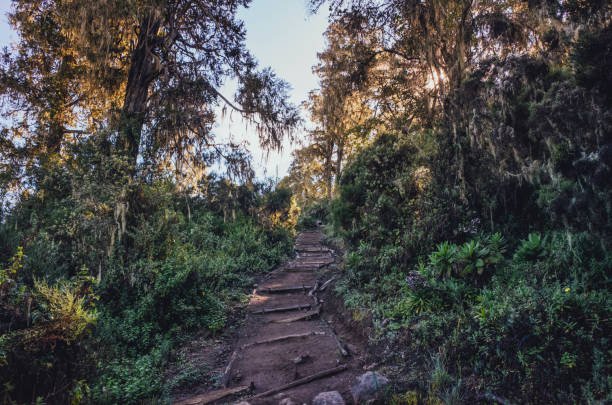
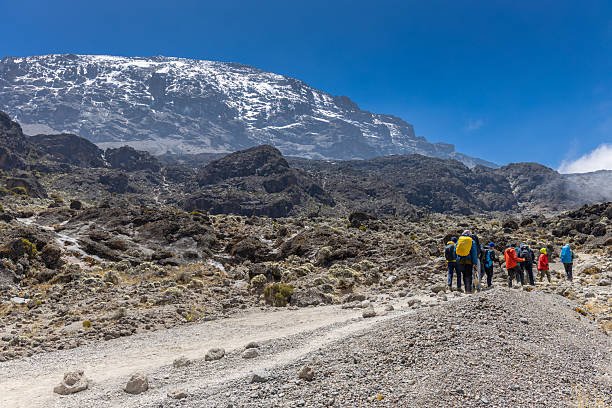
The route itself provides rainforest, giant groundsels, volcanic landscapes, dramatic camps, Mawenzi, Kibo, changing cloud formations and extraordinary sunrise and sunset conditions.
Documenting the complete journey creates a much stronger visual story than photographing only the summit.
Best Subjects to Photograph on Kilimanjaro
- Rainforest trails
- Giant groundsels and mountain vegetation
- Mountain camps
- Kibo Peak
- Mawenzi Peak
- Alpine desert scenery
- Glaciers and summit ice
- Sunrise above the clouds
- Uhuru Peak
- Guides, porters and climbing companions
Mistake 18: Forgetting to Photograph the People
The landscapes are spectacular, but photographs of the people sharing the expedition often become some of the most meaningful memories.
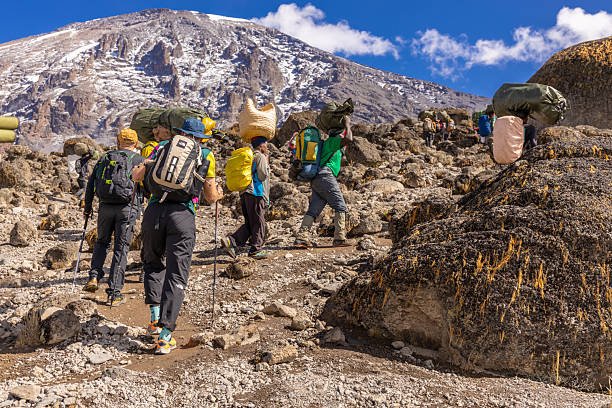
Climbing companions, guides, cooks, porters and everyday camp moments help document what the expedition actually felt like.
Photography should remain respectful, particularly when taking individual portraits of crew members.
When appropriate, ask before taking close or personal photographs.
Mistake 19: Recording Too Much Video Without Checking Storage
High-resolution video consumes considerably more storage than ordinary photographs.
A traveller recording large amounts of video may unexpectedly fill a memory card or smartphone storage before reaching summit day.
Review available storage before entering the national park and decide which resolution is genuinely required.
Carry backup memory cards when using a dedicated camera.
Mistake 20: Reviewing Every Photograph Immediately
Constantly reviewing images consumes battery power and can distract from the mountain experience.
It is useful to check important exposures occasionally, but there is rarely a need to study every photograph while trekking.
Detailed image selection can wait until the climb has finished and reliable charging is available again.
Photography During Kilimanjaro's Rainforest Zone
The rainforest provides lush vegetation, narrow trails and atmospheric light.
It can also be one of the wettest parts of the expedition.
Photographers should keep waterproof protection readily available and remember that lower light levels under the forest canopy may require different camera settings from open mountain terrain.
A camera that is easy to access and protect quickly is particularly useful in this environment.
Photography in the Heath and Moorland Zone
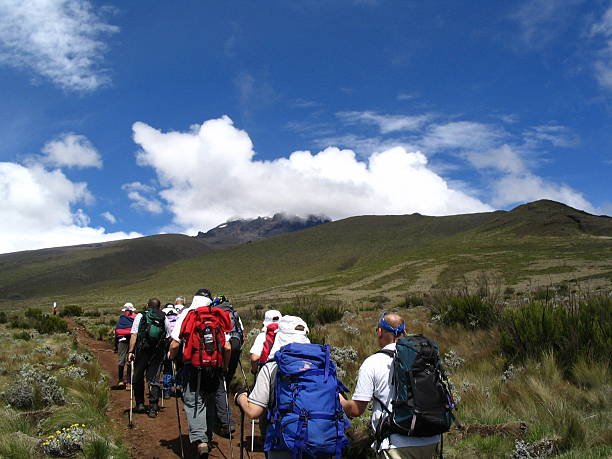
The heath and moorland landscape introduces some of Kilimanjaro's most distinctive vegetation.
Giant groundsels, lobelias and increasingly open views create very different photographic possibilities from the rainforest.
The broader landscape also makes it easier to photograph other climbers against Kilimanjaro's dramatic surroundings.
Photography in Kilimanjaro's Alpine Desert
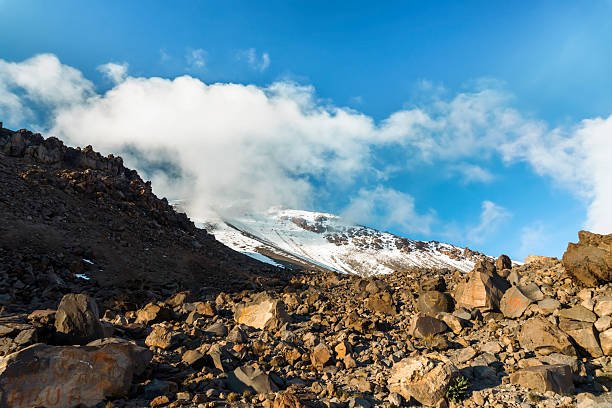
The alpine desert produces dramatic volcanic scenery and increasingly clear views toward Kibo and Mawenzi.
The main equipment problems in this zone can include wind and dust rather than rainforest moisture.
Avoid unnecessary lens changes during dusty conditions and keep the camera protected when it is not being used.
Photography on Summit Night
Summit night combines darkness, freezing temperatures, high altitude, physical fatigue and limited time for photography.
The simplest approach is usually the most successful.
Prepare batteries, memory cards and essential camera settings before leaving camp.
Keep equipment accessible enough for quick photographs without repeatedly opening the entire backpack.
Summit Night Photography Checklist
- Fully charge the camera or smartphone
- Prepare spare batteries
- Check available memory
- Clean the lens before departure
- Prepare basic camera settings
- Keep spare batteries warm
- Practice using controls with gloves
- Keep equipment easily accessible
- Follow the guide's pace
- Stop in a safe position before photographing
Photographing the Kilimanjaro Summit Sunrise
The changing light around sunrise can produce some of the most memorable photographs of the entire climb.
Depending on weather and climbing pace, climbers may see changing colors over Mawenzi, cloud formations and the distant plains below Kilimanjaro.
Because temperatures remain extremely cold, the camera should already be prepared.
Making only small adjustments allows the climber to photograph the moment without stopping for an unnecessarily long period.
Taking Photographs at Uhuru Peak
Uhuru Peak sits at 5,895 metres and is the highest point on Mount Kilimanjaro.
Most climbers naturally want individual and group photographs at the summit sign.
Time at this altitude should not be unnecessarily extended simply to produce many different photographic arrangements.
Take several photographs quickly, check that at least one is usable and follow your guide's instructions regarding when to begin descending.
DSLR vs Mirrorless Camera on Kilimanjaro
Both DSLR and mirrorless cameras can produce excellent Kilimanjaro photographs.
The best system is usually the one the photographer already understands well and can operate confidently under difficult conditions.
Mirrorless systems can offer useful weight advantages depending on the camera and lens combination, while some photographers prefer the controls and battery characteristics of familiar DSLR systems.
Avoid changing to an unfamiliar camera immediately before the expedition simply because it appears more advanced.
Can You Photograph Kilimanjaro Using Only a Smartphone?
Yes. For many climbers, a smartphone is sufficient for documenting the entire Kilimanjaro journey.
Modern phones can produce excellent photographs in daylight and increasingly strong results in difficult lighting conditions.
The main advantages are reduced weight and convenience.
The main challenges are battery performance, cold temperatures, limited charging and storage space if large amounts of video are recorded.
Power Banks and Charging on Kilimanjaro
Climbers should not assume normal electrical charging will be available at mountain camps.
A suitable power bank can help keep smartphones and compatible devices operating throughout the trek.
However, power banks also add weight and can lose performance in cold conditions.
Rather than carrying excessive amounts of backup power, estimate realistic device usage and combine adequate battery capacity with sensible power conservation.
Protecting Camera Equipment Inside the Tent
The tent should not automatically be treated as a completely dry equipment environment.
Wet clothing, boots, breathing and changing temperatures can create moisture inside.
Keep photography equipment inside a protective bag and away from water bottles or areas where it may accidentally be stepped on.
Batteries and memory cards should remain organized so they can be located quickly the following morning.
How to Keep Camera Equipment Lightweight
Before travelling to Tanzania, examine every item in the photography kit and ask whether it is likely to be used enough to justify carrying it.
A single versatile lens often provides more practical value than multiple overlapping lenses.
Likewise, a compact camera support can sometimes replace a heavy professional tripod for travellers who only expect occasional stabilized photographs.
Reducing equipment weight can make the entire climb more comfortable.
Kilimanjaro Photography Etiquette
Good photography etiquette means respecting the mountain crew, fellow climbers and the pace of the expedition.
Avoid blocking narrow trails, delaying the entire group repeatedly or stepping into another climber's summit photograph without consideration.
When taking individual portraits of crew members or other people, asking permission is respectful.
Photography should add to the Kilimanjaro experience rather than interfere with other people's enjoyment of it.
Backing Up Kilimanjaro Photographs
Complete backup systems may be impractical during a lightweight mountain expedition.
One simple approach is to divide photographs between multiple memory cards rather than storing the entire trek on a single card.
Smartphone users should not depend on continuous cloud backup because reliable internet access cannot be assumed throughout the route.
After descending from Kilimanjaro, create an additional backup as soon as practical.
Final Kilimanjaro Photography Checklist 2026-2027
Before Starting Your Kilimanjaro Climb
- Choose lightweight camera equipment
- Fully charge every battery
- Pack several spare batteries
- Bring sufficient memory cards
- Prepare rain protection
- Carry lens cleaning materials
- Practice essential camera controls
- Plan battery conservation for summit night
- Protect equipment from dust and moisture
- Prioritize mountain safety over photography
Frequently Asked Questions About Kilimanjaro Photography Mistakes at High Altitude
Can I take a camera to the summit of Kilimanjaro?
Yes. Cameras are commonly taken to Uhuru Peak, but batteries and equipment need protection from cold conditions.
Do camera batteries drain faster at high altitude?
Cold temperatures associated with the higher mountain environment can reduce battery performance considerably, particularly during summit night.
How should I keep spare batteries warm?
Keep spare batteries close to your body inside an inner clothing pocket until they are required instead of leaving them exposed to very cold temperatures.
Is a smartphone enough for Kilimanjaro photography?
Yes. A good smartphone can document the complete climb, provided battery life, storage, rain protection and cold weather performance are managed carefully.
Should I bring a DSLR or mirrorless camera?
Either can work well. Choose a system that you already know how to operate and that is light enough for you to manage comfortably during several days of trekking.
Should I carry a tripod on Kilimanjaro?
Only if your photography requires one. Large tripods add weight and are unnecessary for many climbers who mainly want to document the expedition.
Can I charge my camera or phone every day?
Normal charging should not be assumed throughout the mountain trek. Carry adequate spare batteries or suitable backup power for your planned usage.
How do I protect my camera from Kilimanjaro rain?
Use a waterproof camera cover, dry bag or protected backpack compartment and keep the equipment covered whenever wet conditions develop.
Should I change lenses frequently on Kilimanjaro?
Frequent lens changes are best avoided during dusty, windy or wet conditions because they can expose the camera sensor and internal components.
What should I photograph besides Uhuru Peak?
Photograph the rainforest, moorland vegetation, camps, Kibo, Mawenzi, alpine desert, glaciers, cloud formations, sunrise, guides, porters and fellow climbers.
What is the biggest photography mistake on Kilimanjaro?
The biggest mistake is allowing photography to interfere with safe walking, hydration, acclimatization or instructions from the mountain guide.
Can cold weather damage my photographs?
Cold primarily affects battery performance and equipment operation, while sudden temperature changes can also create condensation that photographers should manage carefully.
How can I avoid Kilimanjaro photography mistakes in 2026-2027?
Carry lightweight equipment, bring spare batteries and memory cards, protect cameras from rain and dust, conserve power for summit night, prepare equipment before leaving high camp and always put mountain safety first.
Prepare for Better Kilimanjaro Photography in 2026-2027
Prepare your camera, batteries, storage and weather protection before climbing Mount Kilimanjaro so you can capture rainforest, alpine landscapes, glaciers, summit sunrise and Uhuru Peak without allowing photography to interfere with a safe and successful trek.
Plan Your Kilimanjaro Climb

 Serengeti Safari