Marangu Route Kilimanjaro Success Rate
The Marangu Route Kilimanjaro Success Rate is strongly influenced by the number of days used to climb Mount Kilimanjaro.
Marangu is commonly completed over five or six days, with the six day itinerary adding an important acclimatisation day around Horombo Hut.
This difference may appear small on a calendar, but an additional mountain day can substantially change the way the body is exposed to increasing altitude before reaching Kibo and the summit stage.
Historical success percentages often quoted for Marangu are based on older records and should not be interpreted as guaranteed current results for every operator or climber.
Altitude response, route duration, guide management, pace, hydration, health, weather and personal preparation all influence whether a climber reaches Uhuru Peak.
Marangu Success Rate at a Glance
- Route: Marangu Route
- Mountain: Mount Kilimanjaro
- Common durations: 5 day and 6 day itineraries
- Accommodation: Mountain huts
- Important difference: 6 day itinerary includes additional acclimatisation time at Horombo
- Summit preparation: Kibo Hut
- Summit objective: Uhuru Peak
- Important: No responsible operator can guarantee an individual summit result
What Is the Marangu Route Kilimanjaro Success Rate?
There is no single current percentage that applies equally to every Marangu expedition.
Many figures published online originate from older Kilimanjaro statistics or individual operator records.
These numbers can be useful for understanding the importance of itinerary length, but they should not be presented as guaranteed modern results.
The most consistent lesson from Marangu success statistics is that climbers using a longer itinerary generally have more acclimatisation time than those following the shortest schedule.
Why Marangu Success Figures Vary
- 5 day versus 6 day itinerary
- Different operator records
- Climber altitude response
- Guide experience and expedition management
- Walking pace
- Physical condition during the climb
- Weather and summit conditions
- Preparation before arriving in Tanzania
5 Day Marangu Route Success Rate
The five day Marangu itinerary is the shortest standard version of the route.
Historical statistics commonly cited for this schedule show comparatively low summit results.
The main concern is not that the walking trail is technically difficult, but that the schedule provides limited time for the body to adapt to the rapid increase in elevation.
On the five day version, climbers normally move from Horombo toward Kibo without using an additional acclimatisation day.
This creates a faster overall altitude progression before summit night.
6 Day Marangu Route Success Rate
The six day Marangu itinerary adds another mountain day, usually around Horombo Hut.
This additional time can provide an acclimatisation walk and another night before progressing to Kibo Hut.
Because of this, the six day schedule is generally associated with stronger summit outcomes than the five day itinerary.
The additional day does not guarantee success, but it creates a more conservative altitude schedule.
Typical 6 Day Marangu Schedule
- Day 1: Marangu Gate to Mandara Hut
- Day 2: Mandara Hut to Horombo Hut
- Day 3: Horombo acclimatisation day
- Day 4: Horombo Hut to Kibo Hut
- Day 5: Kibo to summit and descend to Horombo
- Day 6: Horombo to Marangu Gate
5 Day vs 6 Day Marangu Success Rate
The most important difference between the two schedules is the additional acclimatisation day.
The five day version moves relatively quickly from Horombo toward Kibo, while the six day version normally allows climbers to spend another day around Horombo.
This additional time can help the body adjust before moving higher.
5 Day vs 6 Day Marangu
- 5 day: Shorter mountain schedule
- 5 day: Less acclimatisation time
- 6 day: Additional day at Horombo
- 6 day: Opportunity for an acclimatisation hike
- 6 day: Another night before moving to Kibo
- Both: Require careful altitude monitoring
Why the Horombo Acclimatisation Day Matters
Horombo is an important stage on the Marangu Route.
On the six day itinerary, climbers can remain in the area for an additional day rather than progressing immediately toward Kibo.
An acclimatisation walk can take climbers higher during the day before they return to sleep at Horombo.
This creates useful altitude exposure while still allowing another night at the lower sleeping elevation.
The exact acclimatisation walk should be determined by the guide according to conditions and the health of the group.
Marangu Route Altitude Profile
Marangu begins relatively gradually through rainforest but gains substantial elevation over a comparatively short number of days.
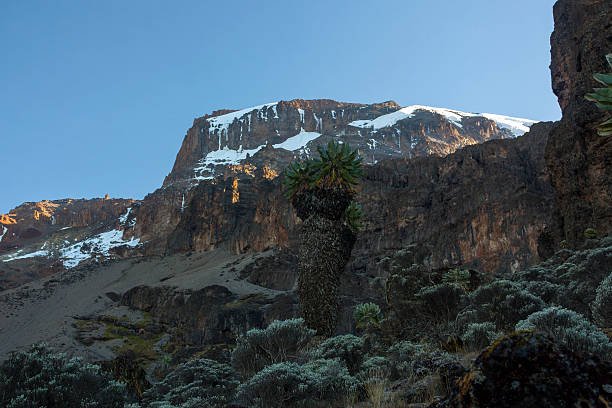
The route moves from Marangu Gate toward Mandara, then Horombo and finally Kibo before the summit attempt.
Although the trail itself can feel straightforward, the altitude profile is what makes Marangu challenging.
Mandara Hut and Early Acclimatisation
Mandara Hut is commonly the first overnight on the route.
The climb from Marangu Gate introduces the body to the first significant increase in elevation.
Travellers should already begin using a controlled walking pace rather than treating the lower trail as a race.
Horombo Hut and Summit Preparation
Horombo is used both during the ascent and after the summit descent.
On the way up, it is one of the most important places for evaluating how climbers are responding to altitude.
The additional day used in a six day itinerary makes Horombo particularly important for acclimatisation.
Kibo Hut and Summit Night
Kibo Hut is the high altitude staging point before the summit attempt.
After reaching Kibo, climbers normally eat, hydrate and prepare their summit clothing and equipment before resting.
The group then begins the summit stage according to the guide's planned schedule.
Summit Equipment to Prepare at Kibo
- Warm base layers
- Insulating layers
- Insulated summit jacket
- Waterproof outer clothing
- Warm gloves
- Warm hat
- Headlamp
- Trekking poles
- Water
- Personal summit snacks where appropriate
Marangu Summit Night Difficulty
The summit stage is normally the most physically demanding part of the route.
Climbers ascend from Kibo through cold, exposed and high altitude terrain toward the crater rim.
The route then continues toward Uhuru Peak for climbers who remain healthy enough to proceed.
The challenge comes from altitude, cold temperatures, fatigue and sustained uphill movement rather than technical climbing.
Factors Affecting Summit Night Success
- Altitude response
- Pacing
- Energy levels
- Cold temperatures
- Wind and weather
- Hydration
- Nutrition
- Guide assessment
Does Hut Accommodation Increase Summit Success?
Marangu is distinctive because climbers sleep in huts rather than tents.
Hut accommodation can provide protection from rain and wind during the night, but accommodation style does not eliminate altitude challenges.
The number of acclimatisation days and the individual climber's response to elevation remain much more important than whether the person sleeps in a hut or tent.
Walking Slowly on Marangu
A gentle lower trail can encourage some climbers to move faster than necessary.
Fast walking does not create an advantage at altitude.
A slow and consistent pace helps conserve energy and allows guides to observe how each climber responds as elevation increases.
The objective is to arrive at camp in good condition rather than as quickly as possible.
Altitude Is More Important Than Fitness Alone
Physical fitness is useful for Kilimanjaro because climbers must walk for several consecutive days.
However, a very fit person can still experience significant altitude symptoms.
Fitness does not replace acclimatisation.
Strong hikers should therefore resist the temptation to move quickly simply because the lower sections feel easy.
Hydration and Nutrition
Maintaining adequate food and fluid intake supports the body throughout the climb.
Altitude can reduce appetite, particularly as the expedition approaches Kibo.
Climbers should communicate with the guide if they are struggling to eat or drink.
Dietary requirements should be discussed before the climb.
Sleep and Recovery
Rest between trekking days becomes increasingly important as elevation increases.
The hut system gives climbers a sheltered sleeping environment, but sleep can still become difficult at altitude.
One poor night's sleep does not automatically prevent further progress, although the climber's complete physical condition should be considered.
Daily Health Monitoring
Health monitoring is particularly important on Marangu because the route can gain elevation quickly.
Guides may conduct health checks according to expedition procedures.
Climbers should report headaches, nausea, dizziness, unusual fatigue, confusion, breathing difficulty or other concerning symptoms promptly.
Symptoms should never be hidden simply because the climber wants to preserve their summit attempt.
Professional Guide Support
Professional Kilimanjaro guides play an important role in managing the route safely.
The lead guide manages the daily walking pace, health observations, summit briefing and decisions concerning continued ascent.
Assistant guides can be assigned according to group size.
A responsible guide may require a climber to descend when health conditions make further ascent unsafe.
Guide Support That Can Improve Expedition Management
- Controlled walking pace
- Daily route briefings
- Health monitoring
- Altitude awareness
- Acclimatisation guidance
- Summit preparation
- Weather assessment
- Descent decisions when required
Training for Marangu Route Success
Training should focus on preparing the body for consecutive trekking days rather than only short, intense exercise.
Walking endurance, hills, stairs and leg strength can all be useful.
Training with the same daypack planned for Kilimanjaro can help climbers become comfortable carrying personal equipment.
Training Focus
- Regular walking
- Long hikes
- Hill training
- Stair training
- Leg strength
- Core stability
- Walking with a daypack
- Consecutive hiking days
Does Previous Altitude Experience Help?
Previous experience at altitude can help a traveller understand how their body has responded before.
However, previous success does not guarantee the same result on Kilimanjaro.
Each climb should still be approached carefully and conservatively.
Weather and Marangu Summit Success
Weather can affect the physical demands of the expedition.
Rain in the forest, cold conditions at Horombo or Kibo and wind during the summit attempt can increase difficulty.
Appropriate clothing and waterproof equipment remain essential regardless of itinerary duration.
Does the Climbing Season Guarantee Success?
No month or season guarantees a successful summit.
Weather is only one part of the expedition.
Altitude response, health, route duration, guide decisions and preparation remain important regardless of when the climb takes place.
Marangu Success Rate for Beginners
Marangu is often considered by first time Kilimanjaro climbers because the trail itself is relatively straightforward and mountain huts are used for accommodation.
However, the absence of technical climbing does not mean the route is easy.
The short altitude schedule can make Marangu demanding, particularly when completed over only five days.
Beginners should consider the longer six day itinerary and prepare carefully before travelling.
Marangu Success Rate for Older Climbers
Age alone does not determine whether someone can reach Uhuru Peak.
Individual health, physical condition, preparation and altitude response are more relevant.
Travellers with medical concerns should obtain appropriate professional medical advice before undertaking a high altitude expedition.
Private vs Group Marangu Success Rate
Private and group joining climbers can follow the same Marangu itinerary.
Tour format alone does not determine whether a climber reaches the summit.
More important factors include itinerary length, guide support, pacing, acclimatisation and individual health.
Marangu vs Lemosho Success Rate
Lemosho normally uses seven or eight days and provides a longer western approach before reaching the summit stage.
Marangu is commonly completed over five or six days.
The difference in available acclimatisation time is one reason longer Lemosho programs are often associated with stronger summit results.
Travellers should compare itinerary duration rather than judging route performance solely from the trail name.
Marangu vs Machame Success Rate
Machame is commonly completed over six or seven days and includes a different altitude profile through Shira, Lava Tower, Barranco and Karanga.
Marangu follows a more direct ascent through Mandara, Horombo and Kibo.
Longer schedules generally provide more opportunities for gradual acclimatisation.
Marangu vs Rongai Success Rate
Rongai approaches from northern Kilimanjaro and can be completed using different itinerary lengths.
Marangu uses the southeastern side and has hut accommodation.
When comparing the routes, climbers should consider duration, altitude profile, accommodation preference and the quality of expedition management.
Marangu vs Northern Circuit Success Rate
The Northern Circuit generally spends considerably more time on the mountain than Marangu.
Its long western and northern traverse provides additional acclimatisation time before summit day.
Marangu can be suitable for travellers who prefer huts, but the itinerary length should be chosen carefully.
How to Improve Your Chances on Marangu
Practical Summit Preparation
- Consider the 6 day itinerary rather than rushing the route
- Use the Horombo acclimatisation day properly
- Train consistently before travelling
- Walk slowly from the beginning
- Eat regularly
- Stay appropriately hydrated
- Use suitable cold weather equipment
- Report symptoms honestly
- Follow guide instructions
- Be willing to descend when health requires it
Should You Choose the 5 Day or 6 Day Marangu Route?
For travellers with sufficient time, the six day itinerary provides an additional acclimatisation day before the move to Kibo.
The five day itinerary reduces both trip duration and mountain time.
When the priority is acclimatisation rather than simply completing the route as quickly as possible, the additional day is an important consideration.
Success Means More Than Reaching Uhuru Peak
Uhuru Peak is an important objective, but safe expedition management is more important than maintaining an impressive summit percentage.
A guide who requires an unwell climber to descend may be making the correct safety decision even though the expedition will not count as a summit success.
Responsible Kilimanjaro operations should prioritise health, safe ascent and safe descent.
Questions to Ask About Marangu Success Rates
- Does the percentage apply specifically to Marangu?
- Is it based on the 5 day or 6 day itinerary?
- What period does the data cover?
- How many climbers were included?
- What is counted as summit success?
- Is the figure historical or based on recent operator records?
- How are climbers monitored at altitude?
- How is summit guide coverage organised?
Frequently Asked Questions
What is the Marangu Route Kilimanjaro success rate?
Published figures vary considerably and many commonly quoted statistics are historical. Summit outcomes depend strongly on whether the route is completed over five or six days and on individual altitude response.
Does 6 day Marangu have a better success rate than 5 day Marangu?
The six day itinerary generally provides better acclimatisation opportunities because it includes an additional day around Horombo before moving to Kibo.
Why can the 5 day itinerary be difficult?
The five day schedule provides limited time for acclimatisation before climbers reach Kibo and begin the summit stage.
What happens on the extra day of 6 day Marangu?
The additional day is commonly spent around Horombo with an acclimatisation walk before returning to sleep at the hut.
Is Marangu an easy Kilimanjaro route?
The trail is generally non technical, but the relatively short altitude schedule can make Marangu challenging. A straightforward path does not mean altitude is easy.
Does Marangu use huts?
Yes. Marangu uses hut accommodation rather than the camping system used on routes such as Machame and Lemosho.
Does hut accommodation improve acclimatisation?
Huts provide a different accommodation experience, but itinerary length and altitude progression are more important to acclimatisation than sleeping in a hut rather than a tent.
Where does summit night begin?
The standard Marangu summit attempt begins from Kibo Hut.
Does fitness guarantee the summit?
No. Fitness improves trekking endurance, but altitude response varies between individuals.
Can beginners climb Marangu?
Yes. Technical climbing skills are not normally required, but beginners still need training, appropriate equipment and sufficient acclimatisation time.
Does walking slowly improve the climb?
A controlled pace helps conserve energy and avoids unnecessary exertion while the body is adapting to increasing altitude.
Can weather affect summit success?
Yes. Rain, wind and very cold summit conditions can increase the difficulty of the expedition.
Is private Marangu more successful than group joining?
Tour format alone does not determine summit success. Itinerary length, guide support, health, pace and altitude response are more important factors.
What happens if I experience altitude problems?
Tell the guide immediately. The guide may change the pace, increase monitoring or require descent depending on the symptoms and overall condition.
Is reaching Uhuru Peak guaranteed?
No. Summit success cannot be guaranteed because altitude response and mountain conditions vary between climbers and expeditions.
How can I improve my chances on Marangu?
Consider sufficient acclimatisation time, train before travelling, walk slowly, eat and drink consistently, use suitable equipment, report symptoms honestly and follow guide instructions.
Should I choose 5 day or 6 day Marangu?
Travellers with sufficient time can consider the six day itinerary because the additional Horombo day provides more acclimatisation time before Kibo and the summit stage.
Plan Your Marangu Route Kilimanjaro Climb
Climb Kilimanjaro through Mandara, Horombo and Kibo with professional Tanzanian guides, mountain hut accommodation and careful summit preparation.
Compare five day and six day Marangu itineraries and add Moshi hotels, airport transfers, equipment rental, safari or Zanzibar to complete your Tanzania journey.
Plan Your Marangu Climb


 Kilimanjaro Climb