STOP
01
01
START
Meet Your Guide in Moshi
Meet your local guide at your hotel or another agreed location.
Receive an introduction to Moshi, market etiquette and the cultural program.
Begin the walking portion toward the selected market area.

Explore the Moshi Market and Coffee Experience with local produce, spices, everyday town life and traditional Kilimanjaro coffee from farm to freshly brewed cup.
The Moshi Market and Coffee Experience combines the colourful atmosphere of local markets with a traditional Kilimanjaro coffee experience near Moshi. Travellers can explore fresh produce, spices, grains and everyday trading areas with a local guide before continuing to a coffee growing community around Mount Kilimanjaro.
The experience can include market walking, explanations of local food ingredients, seasonal fruits and vegetables, coffee cultivation, harvesting information, traditional processing, roasting, grinding and brewing. It offers a practical connection between products sold in Moshi and the farming communities that produce food and coffee within the surrounding Kilimanjaro region.
The Moshi Market and Coffee Experience can be arranged as a half day or full day cultural activity and can be combined with a Chagga village tour, banana farm, Materuni, Kilimanjaro climb or northern Tanzania safari. Local guiding, transport, coffee activities, selected tastings, meals and drinking water can be included according to the confirmed program.
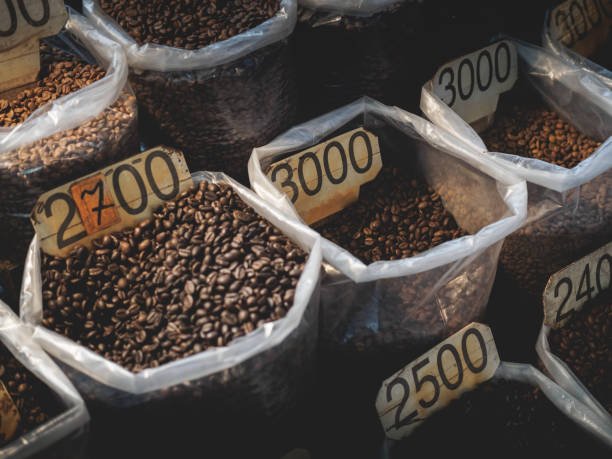
The Moshi Market and Coffee Experience combines everyday town life with traditional coffee culture from the fertile landscapes surrounding Mount Kilimanjaro.
Visitors can begin by walking through selected market areas in Moshi with a knowledgeable local guide while discovering seasonal fruit, vegetables, grains, spices, household foods and other products used within local communities.
The experience then continues beyond town toward a selected coffee growing area where travellers can learn how coffee is cultivated, harvested, processed, roasted, ground and brewed.
This combination creates a useful connection between local markets and the farms that support food production and livelihoods throughout the Kilimanjaro region.
The program can be arranged independently or combined with Chagga village culture, banana farms, Materuni, Kilimanjaro trekking and northern Tanzania safari activities.
This cultural experience brings together two important parts of everyday life around Kilimanjaro: local trade and agriculture.
The market portion introduces travellers to food products, small businesses and daily shopping in Moshi.
The coffee portion then moves into the countryside where visitors can learn how one of the region's best known agricultural products is grown and prepared.
Instead of experiencing the market and farm as separate activities, this program helps visitors understand how farms, local food, trade and community livelihoods are connected.
The market portion of the experience provides an introduction to everyday commerce and food culture in Moshi.
A local guide can lead visitors through selected sections while explaining the different products being sold and how people use them within local households.
Markets can be busy and constantly changing, so the exact stalls and products encountered vary from day to day.
This changing atmosphere is part of the experience and reflects the market's role as a working community space.
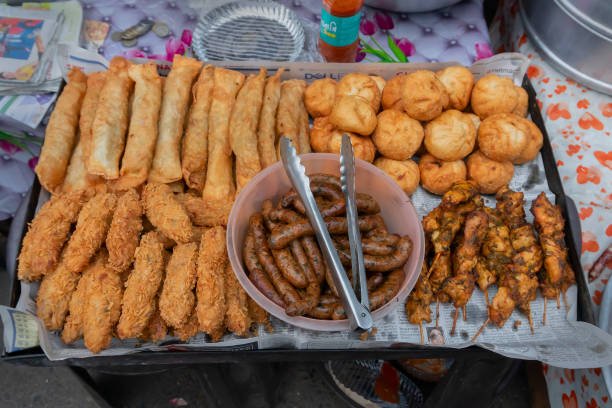
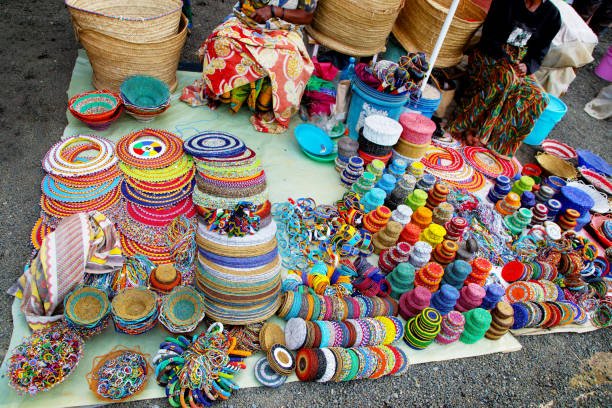
Fresh produce is one of the most visible parts of many local market areas.
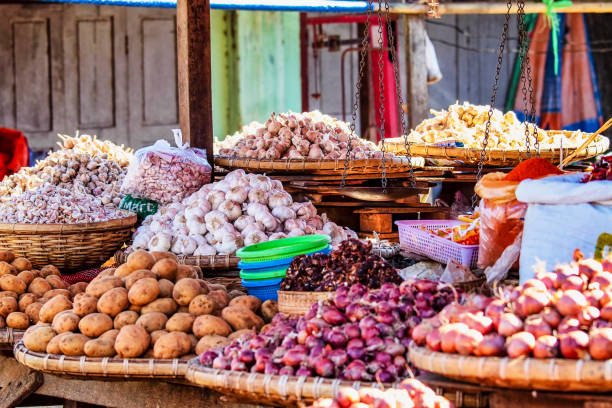
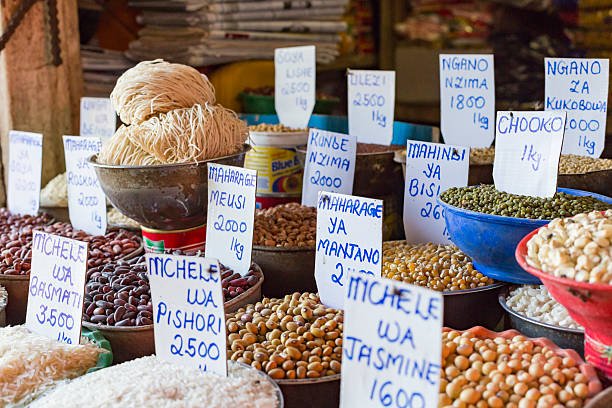
Visitors may see bananas, avocados, tomatoes, onions, leafy vegetables, seasonal fruit and other products depending on availability.
A guide can explain how selected ingredients are used within local meals and where some products are grown.
Selected market areas can include spices, dried ingredients and cooking products.
A knowledgeable guide can help identify unfamiliar items and explain how they may be used within household meals.
This can be especially interesting for travellers interested in local food and cooking traditions.
The exact products available depend on the traders and daily stock.
The market can also introduce travellers to staple foods used within everyday cooking.
Different grains, beans, pulses and other dry ingredients may be displayed in selected sections.
A guide can explain how some of these products are prepared and incorporated into local meals.
This helps visitors understand food culture beyond the dishes they may encounter in hotels or restaurants.
Many products found within Moshi markets are connected with farming communities throughout the Kilimanjaro region.
The market portion helps visitors understand how produce and agricultural goods move from farms into town, while the coffee portion allows travellers to visit one of those farming environments directly.
The experience is not only about products.
Visitors can also observe how traders organise their stalls, how residents shop and how everyday transactions take place.
A local guide can explain appropriate market etiquette and help travellers interact respectfully without interfering with normal business.
The market should always be treated as a working environment rather than a staged visitor attraction.
The walking route can pass small shops and other local businesses around the market area.
These businesses help demonstrate how Moshi functions as a commercial centre for residents and communities across the wider Kilimanjaro region.
A guide can explain selected aspects of town commerce while visitors experience the everyday rhythm of Moshi on foot.
The market provides useful context for understanding food in northern Tanzania.
Instead of only seeing a finished meal, travellers can learn about the ingredients used before they reach a kitchen.
A guide can explain selected fruits, vegetables, grains and spices as well as their common household uses.
After exploring the market, the experience can continue to a selected coffee farming community around Mount Kilimanjaro.
The change from busy town streets to green farming areas creates a natural transition between commerce and agriculture.
During the journey, the guide can explain how coffee farming fits within the wider Kilimanjaro landscape.
The coffee portion introduces visitors to the plant before the beans reach a shop or cup.
Travellers can walk through selected coffee gardens and learn how the plants are cultivated and maintained.
Coffee can be grown within mixed household farming areas alongside bananas, fruit trees and other crops.
The guide can explain how coffee contributes to local livelihoods and agricultural traditions.
Coffee plants change throughout the agricultural cycle.
Depending on the season, visitors may see flowers, developing cherries, green fruit or mature coffee cherries.
A local guide can explain the stage present during the visit and how farmers care for the plants throughout the year.
When coffee cherries are mature, farmers can harvest the ripe fruit from the plants.
A guide can explain how maturity is recognised and how harvesting fits within the wider coffee production process.
Visitors travelling outside the harvesting period can still learn about the process while seeing the current stage of the crop.
Participation in harvesting depends on season and permission from the host farmer.
After harvesting, coffee requires processing before the beans can be roasted.
The cultural experience can demonstrate selected traditional preparation stages according to the methods and materials used by the host.
A guide can explain how the fruit is removed and how the beans are prepared for the next stage.
Roasting transforms prepared coffee beans and develops the colour and aroma associated with brewed coffee.
Where included, visitors can observe or participate in a traditional roasting demonstration.
The guide or host can explain how the beans change during the process and when they are ready for grinding.
After roasting, the coffee beans can be ground for brewing.
The experience may include a traditional grinding method using the equipment available within the selected community.
This interactive stage provides another connection between the agricultural crop and the finished drink.
The experience can finish with freshly brewed coffee prepared from the beans used during the demonstration.
Visitors can enjoy the drink while discussing farming, food and community life with the local guide or host.
This provides a clear contrast with simply purchasing finished coffee because travellers have followed the process from the plant to the cup.
Coffee may be grown within agricultural landscapes that also include bananas and other crops.
Travellers can learn how different plants share the same farming environment and contribute to household livelihoods.
A banana farm component can be included according to the selected program.
The coffee experience can also introduce visitors to selected aspects of Chagga community life.
A local guide can explain how agriculture, food and household livelihoods are connected within communities around Mount Kilimanjaro.
Specific customs and traditions can vary between families and villages, so the experience should reflect the selected community rather than presenting one single tradition.
The Moshi Market and Coffee Experience connects town commerce with the agricultural communities surrounding Mount Kilimanjaro.
Visitors begin among traders, food ingredients and market activity before continuing into the countryside to experience coffee cultivation and preparation at its source.
A locally prepared meal or selected tasting can be included according to the confirmed program.
The food experience can introduce travellers to ingredients similar to those seen earlier during the market walk.
This creates another connection between the market, agriculture and household cooking.
Dietary requirements and food allergies should be communicated before the tour.
Visitors may choose to purchase fruits, spices, coffee or other products during the market experience.
Personal purchases are normally not included in the tour cost.
The guide can assist with communication and explain local pricing practices where appropriate.
Travellers should consider luggage and customs restrictions before purchasing products for international travel.
The market and coffee farm can provide interesting photography opportunities.
Visitors should ask permission before photographing traders, farmers or other individuals closely.
Photography should never interfere with people working or conducting business.
A local guide can advise when photography is appropriate.
Meet your local guide at your hotel or another agreed location.
Receive an introduction to Moshi, market etiquette and the cultural program.
Begin the walking portion toward the selected market area.
Explore selected fruit, vegetable and food sections of the market.
Learn about seasonal produce, spices, grains and household ingredients.
Observe everyday trade while learning how surrounding farms supply Moshi.
Continue from Moshi toward the selected coffee growing community.
Walk through coffee plants and learn about cultivation, crop care and harvesting.
Discover how coffee farming contributes to household livelihoods around Kilimanjaro.
Learn about traditional processing after the coffee has been harvested.
Participate in selected roasting and grinding activities where included.
Brew fresh coffee and enjoy the finished cup.
Where included, enjoy a locally prepared meal or selected tasting.
Ask final questions about coffee, farming and Moshi market culture.
Return to your Moshi hotel or another agreed destination.
A half day program can focus on the main market sections followed by a shorter coffee experience.
This option works well for travellers with limited time before a trekking briefing or another afternoon activity.
The final program should be designed so that both market and coffee activities can be enjoyed without unnecessary rushing.
A full day provides additional time for detailed market exploration and a more complete coffee experience.
Visitors can spend more time learning about local food products before travelling into the countryside for coffee farming, processing and preparation.
A local meal, village walk or banana farm can also be included according to the selected program.
The experience can be expanded with a traditional banana farm visit.
Visitors can learn about banana cultivation and household food uses while exploring mixed farming areas where coffee and bananas may grow within the same landscape.
This creates a broader agricultural experience around Kilimanjaro.
A Chagga village visit can be added to provide additional cultural context beyond the coffee farm.
Travellers can learn more about agriculture, community life, local food and selected traditions within the Kilimanjaro countryside.
The combination provides both an urban and rural cultural experience.
The program can also be expanded into a farm to table experience.
Visitors can begin by seeing ingredients within the market, continue to selected farms and finish by learning how local ingredients are prepared.
A freshly prepared meal can complete the experience according to the confirmed program.
Selected Materuni activities can be added when sufficient time is available.
This creates a broader Kilimanjaro day experience combining town life, coffee culture and countryside activities.
The final schedule should allow realistic travel and activity times.
The Moshi Market and Coffee Experience can be arranged before beginning a Mount Kilimanjaro trek.
It provides climbers with an introduction to Moshi and the farming communities surrounding the mountain.
The program should leave sufficient time for equipment checks, mountain briefing and rest.
The experience can also be arranged after completing a Kilimanjaro climb.
A market walk and relaxed coffee activity can provide a cultural contrast after several days of trekking.
The itinerary can be shortened for travellers who prefer a lighter post climb program.
The market and coffee experience can be combined with a northern Tanzania safari.
It can be arranged before travelling toward Tarangire, Lake Manyara, Ngorongoro or Serengeti or after returning from the safari circuit.
This provides travellers with a cultural and agricultural experience in addition to wildlife viewing.
A knowledgeable local guide provides context during both the market and coffee portions of the experience.
The Moshi market portion is generally an easy walking activity.
Visitors should expect busy market passages, uneven pavements and crowded areas depending on the route.
The coffee farm portion can include uneven paths and agricultural ground.
Comfortable closed walking shoes are therefore recommended.
Comfortable lightweight clothing is suitable for most of the experience.
Closed walking shoes with reasonable grip are recommended for both market streets and farm paths.
A light rain jacket can be useful depending on weather conditions.
The experience can be arranged privately for solo travellers, couples, families and groups.
A private arrangement provides greater flexibility with departure time, market interests and the pace of the coffee activities.
The itinerary can also be coordinated with other Kilimanjaro or safari activities.
Solo travellers can explore Moshi and the surrounding coffee area with a private local guide.
The program can be adapted according to available time and specific interests in food, agriculture or culture.
Couples can enjoy a private market and coffee experience combining town life with the Kilimanjaro countryside.
A local meal or additional village experience can also be included.
The experience can provide an educational introduction to food, farming and coffee production.
Children can see food ingredients in the market before learning how coffee grows on a farm.
The walking route and duration can be adjusted according to children's ages and comfort.
The experience can be arranged during different periods of the year.
Market produce and coffee plant stages vary according to season and agricultural conditions.
Visitors may therefore see different fruits, vegetables and coffee stages depending on their travel dates.
The exact starting time can be selected according to the market program, weather and other planned activities.
The market and coffee farms are working environments used by traders, farmers and local residents.
Visitors should explore respectfully and follow the guidance of their local host or guide.
The Moshi Market and Coffee Experience combines everyday town culture with traditional Kilimanjaro agriculture within one cultural program.
Travellers can explore fresh produce, local ingredients and busy market life before continuing into a coffee growing community to experience the journey from plant to freshly brewed cup.
The experience can be booked independently or combined with Chagga village culture, banana farms, Materuni, Kilimanjaro trekking and northern Tanzania safari activities.
It is a combined cultural experience featuring a guided Moshi market walk followed by a traditional coffee farm and preparation experience around Kilimanjaro.
Visitors may see fresh produce, spices, grains, local food ingredients and everyday traders depending on the selected market area and daily availability.
Yes. A local guide can explain selected ingredients, seasonal produce and household food uses.
Yes. Personal purchases can be made where appropriate, although shopping expenses are normally not included in the tour price.
Yes. The experience can continue to a selected coffee growing area around Mount Kilimanjaro.
Coffee cherries may be visible depending on the agricultural season and stage of the plants during your visit.
Harvesting participation may be possible when cherries are mature and the farm host permits it.
Where included, visitors can participate in selected traditional roasting, grinding and brewing activities.
Yes. Fresh coffee tasting can form the final part of the coffee preparation experience.
The coffee farm experience can introduce selected aspects of Chagga agriculture, community life and traditional farming around Kilimanjaro.
The program can be arranged as a half day or full day activity depending on the market route and coffee activities selected.
Yes. Hotel pickup or an agreed meeting point in Moshi can be arranged according to the confirmed program.
A private Moshi Market and Coffee Experience can be arranged for solo travellers, couples, families and groups.
Yes. The market and coffee activities can be educational for families, and the program can be adjusted where appropriate.
Yes. Solo travellers can arrange the experience privately with a local cultural guide.
Yes. A locally prepared meal or selected food tasting can be included according to the confirmed program.
Yes. A banana farm experience can be combined with the market and coffee activities when sufficient time is available.
Yes. Selected Materuni activities can be added according to available time and the confirmed itinerary.
Yes. The market and coffee experience can provide an introduction to Moshi and Kilimanjaro culture before beginning a trek.
Yes. The cultural program can be arranged after completing a Kilimanjaro climb.
Yes. The experience can be arranged before or after a northern Tanzania safari.
Explore the colourful markets of Moshi, discover local food ingredients and continue into the Kilimanjaro countryside to experience traditional coffee from farm to cup.
Choose your preferred date, duration and additional cultural activities to create a personalised Moshi market and coffee experience.
Plan Your Moshi Market and Coffee ExperienceAfrican Trek & Travel is a leading Tanzania tour operator in Moshi and Arusha for 2026–2027, specializing in Kilimanjaro treks, safaris, and tailor-made adventures. With deep local expertise and a strong commitment to safety and quality, we deliver unforgettable travel experiences across East Africa.
Discover popular Safaris, Serengeti Migration, Kilimanjaro Climbing & Zanzibar Beach Holidays. Plan your perfect adventure today!
 Popular
Experience the wildebeest migration across the vast Serengeti and Ngorongoro plains. Perfect for wildlife lovers and photography enthusiasts.
Book Now New
Climb Africa’s highest peak via scenic routes with expert guides and safe treks. Experience adventure with full support and accommodation included.
Book Now Popular
Relax in paradise with pristine white beaches, spice tours, and cultural charm. Ideal for families and honeymooners seeking luxury and tranquility.
Book Now




We collaborate with top tour operators to provide the best experiences for Kilimanjaro treks, safaris, and adventures.