Northern Serengeti Safari 2026-2027
Northern Serengeti Safari 2026-2027 offers travellers access to one of the most scenic and seasonally important wildlife regions within the Serengeti ecosystem.
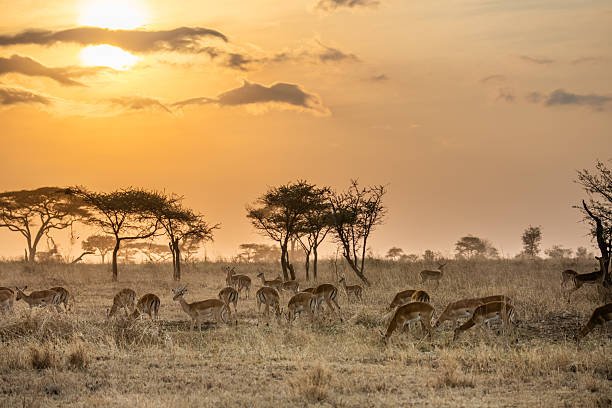
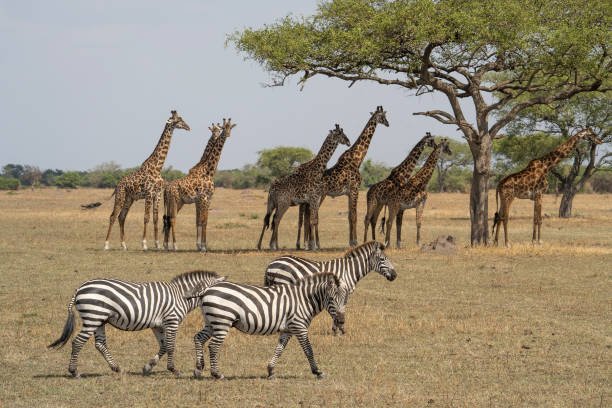
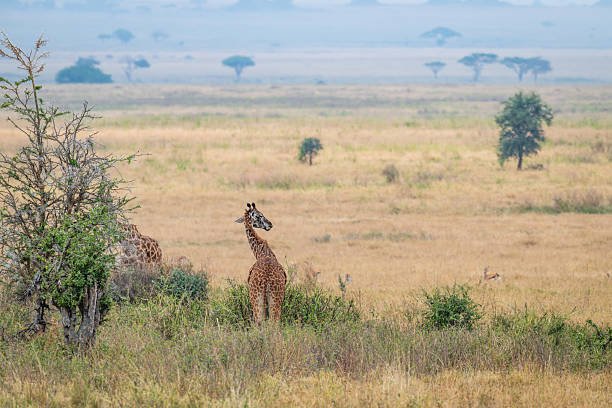
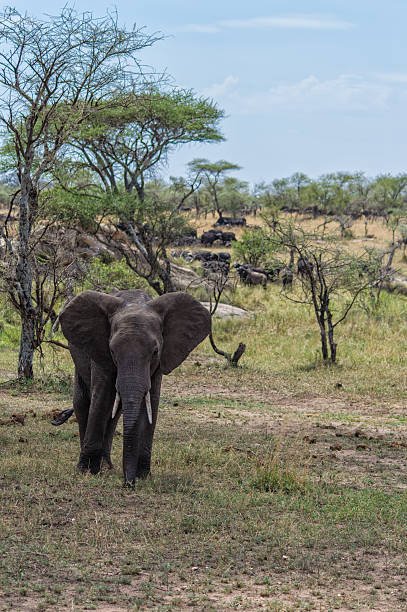
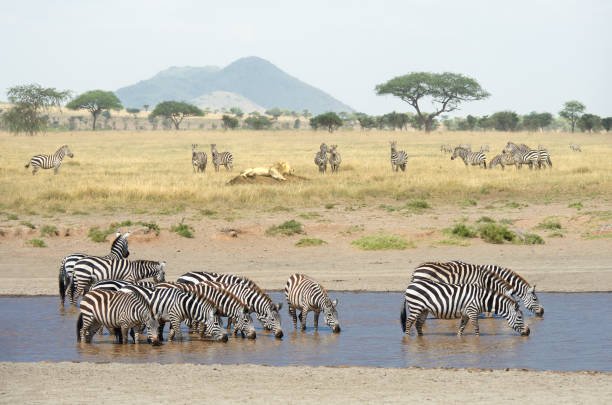
The area is especially famous for Great Migration movement during suitable periods, but it also supports resident wildlife including lions, leopards, elephants, giraffes, buffalo and numerous plains species.
Northern Serengeti is more remote than central Serengeti, so itinerary planning, camp location and transport method are especially important.
Private road safaris, fly-in safaris and combinations with central Serengeti and Ngorongoro can all be arranged depending on travel dates and budget.
Northern Serengeti Safari at a Glance
- Region: Northern Serengeti
- Main wildlife focus: Great Migration, predators and resident wildlife
- Safari style: Private road safari or fly-in safari
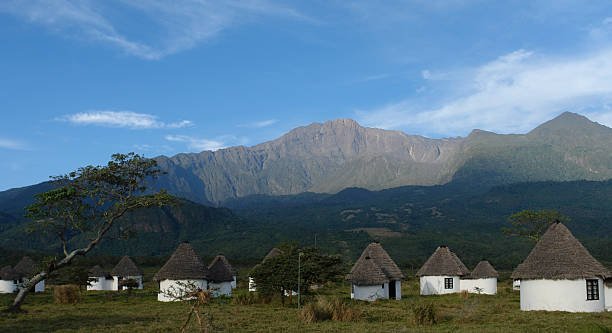
- Accommodation: Seasonal camps, midrange camps and luxury lodges
- Best for: Migration, photography, couples, families and wildlife enthusiasts
- Possible highlight: River crossing activity
- Popular combination: Central Serengeti and Ngorongoro
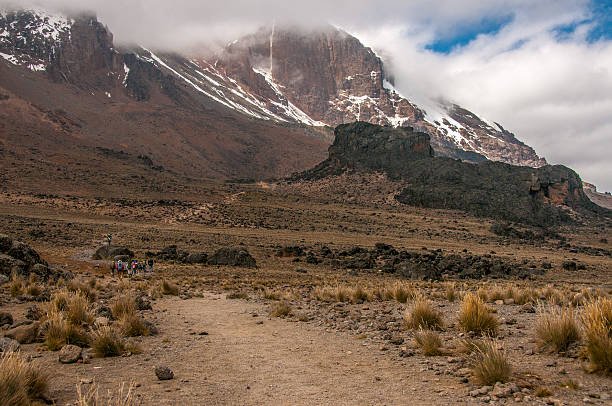
- Optional extension: Zanzibar or Kilimanjaro
What Makes Northern Serengeti Special?
Northern Serengeti combines remote landscapes, abundant wildlife and seasonal migration activity.
The region has a different character from central Serengeti, with broad valleys, river systems, rocky outcrops and open grasslands.
Because it is farther from the main road-based safari gateways, some areas can feel quieter and less crowded.
This makes Northern Serengeti particularly attractive for travellers who want a deeper safari experience rather than simply visiting the most accessible wildlife areas.
Why Choose Northern Serengeti?
- Great Migration wildlife during suitable seasons
- Possible dramatic river crossing activity
- Excellent predator sightings
- Remote safari landscapes
- Strong wildlife photography opportunities
- Lower vehicle density in some areas
- High quality seasonal camps
- Easy combination with central Serengeti
Great Migration in Northern Serengeti
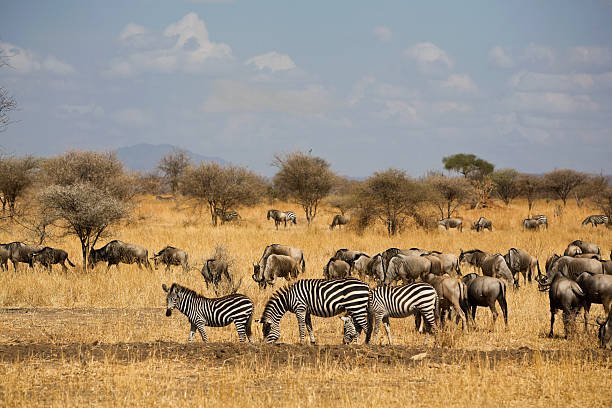
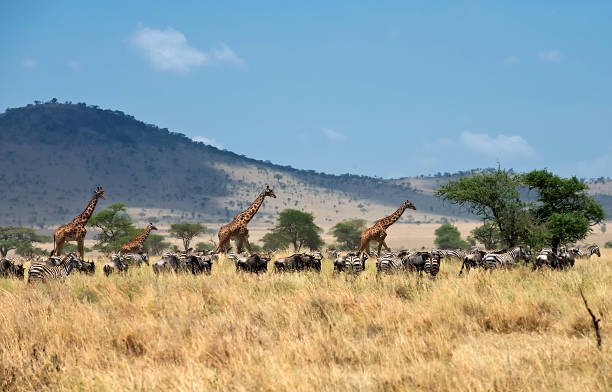
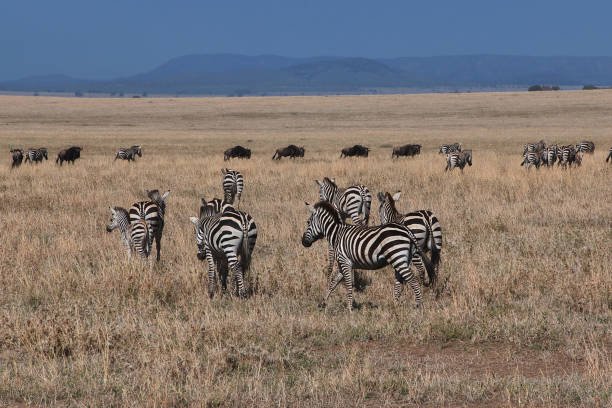
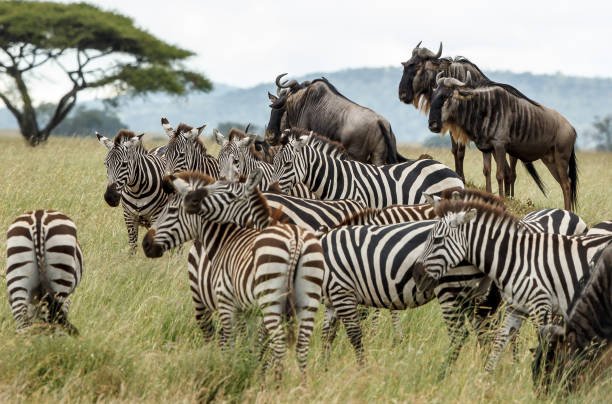
Northern Serengeti becomes one of the most important Great Migration regions when large wildebeest and zebra herds move north through the ecosystem.
The exact timing changes each year because the herds follow rainfall, grass and water availability rather than fixed calendar dates.
During productive periods, travellers may see enormous groups of wildebeest moving through northern grasslands and gathering around river systems.
A migration focused safari should therefore use current wildlife information and allow enough nights in the region for flexibility.
Northern Serengeti River Crossings
River crossings are among the most famous wildlife events associated with Northern Serengeti.
When migration herds gather near river systems, wildebeest and zebras may cross in large numbers as they search for new grazing.
However, these events are completely natural and unpredictable.
Travellers may wait for hours or days while herds approach, retreat and move along the river before eventually crossing at another point.
No responsible safari operator can guarantee an exact crossing date, time or location.
Important River Crossing Expectations
- Crossings cannot be guaranteed
- Herds may wait near rivers for long periods
- Different groups can cross at different locations
- Several nights improve flexibility
- Wildlife viewing remains excellent even without a crossing
Best Time for a Northern Serengeti Safari
The best time depends on the traveller's main wildlife priority.
Migration focused visitors usually choose periods when wildebeest and zebras are expected in the northern ecosystem.
Resident wildlife remains present even outside major migration concentrations.
Travellers should plan around seasonal movement rather than assuming the north provides the same migration experience throughout the year.
Northern Serengeti in July
Northern Serengeti can become increasingly important during July as migration herds move north.
The exact amount of wildlife in the region depends on the progress of the migration.
Some herds may arrive earlier while others remain farther south or west.
Flexible safari planning is especially important during this transition period.
Northern Serengeti in August
August can be one of the strongest periods for migration focused travel in Northern Serengeti.
Large wildebeest and zebra concentrations may be present across northern plains and river areas.
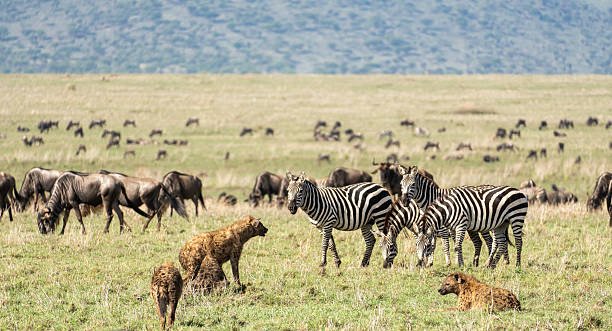
Travellers may also encounter lions, leopards, cheetahs, hyenas and other predators attracted to the abundant prey.
Northern Serengeti in September
September can provide excellent northern wildlife viewing when migration herds remain across the region.
Large herds may move between grazing areas and river corridors.
Several nights in the north are useful for travellers hoping to observe migration behaviour or potential river activity.
Northern Serengeti in October
October can remain productive for migration wildlife, although herd movement may begin changing as seasonal conditions shift.
Some wildebeest groups may remain in northern areas while others begin moving toward different parts of the ecosystem.
Resident predators and general wildlife continue to provide excellent safari experiences even when migration concentrations begin changing.
Northern Serengeti Wildlife
Northern Serengeti is not only about wildebeest.
The region supports an impressive variety of resident wildlife throughout the safari season.
Predators can be particularly interesting because the landscape includes open hunting areas, river habitats and rocky sections.
Wildlife You May See in Northern Serengeti
- Wildebeest
- Zebra
- Lion
- Leopard
- Cheetah
- Spotted hyena
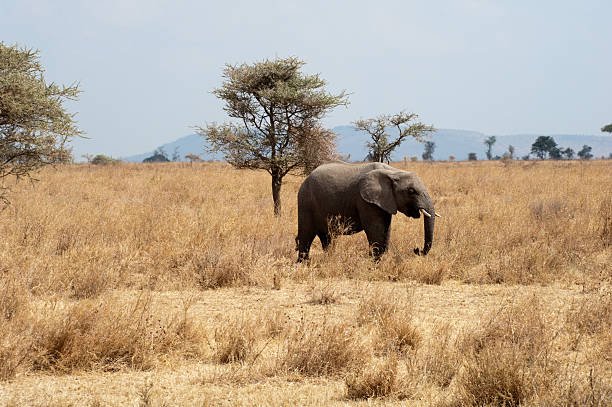
- Elephant
- Buffalo
- Giraffe
- Gazelles and antelopes
- Hippos
- Crocodiles in suitable river habitats
- Numerous bird species
Lions in Northern Serengeti
Lions are among the major predators travellers can encounter in Northern Serengeti.
Pride territories can overlap productive wildlife areas where prey is abundant.
Migration periods may create additional feeding opportunities, while resident prey supports lions throughout other times of the year.
Leopards in Northern Serengeti
Leopards can be encountered in suitable woodland, riverine and rocky habitats.
They are generally more secretive than lions, so sightings require patience and good guiding.
Early morning and late afternoon can provide useful opportunities to search for active predators.
Cheetahs in Northern Serengeti
Cheetahs can be found in open landscapes where visibility supports their hunting strategy.
Travellers may observe cheetahs resting on small rises or searching for gazelles and other suitable prey.
Wildlife encounters remain natural, so sightings cannot be guaranteed.
Northern Serengeti Safari for Wildlife Photography
Northern Serengeti is excellent for photography because of its combination of wildlife, open landscapes and seasonal migration activity.
Large herds provide dramatic wide-angle scenes while predators create opportunities for behavioural photography.
River areas can also produce powerful images when migration wildlife gathers nearby.
A private vehicle is strongly suited to photographers because it provides greater flexibility at selected sightings.
Private Northern Serengeti Safari
A private safari provides a dedicated vehicle and guide for one booking party.
This is especially useful in Northern Serengeti because wildlife locations can change quickly during migration periods.
The guide can adjust game drive routes according to current sightings without following a fixed shared schedule.
Private safaris are suitable for couples, families, photographers and groups of friends.
Northern Serengeti Fly-In Safari
Fly-in safaris are one of the most efficient ways to reach Northern Serengeti.
Domestic flights reduce long road transfers and can place travellers close to their selected camp or wildlife region.
A safari vehicle and professional guide can meet travellers at the appropriate airstrip and begin game viewing soon after arrival.
This option is particularly useful for short safaris, luxury travellers and visitors arriving from Zanzibar.
Ways to Visit Northern Serengeti
- Private road safari: Best for a longer northern Tanzania circuit
- Fly-in safari: Best for saving travel time
- Fly-in and road combination: Useful for Serengeti and Ngorongoro
- Luxury fly-in safari: Premium camps and private guiding
Northern Serengeti Safari from Arusha
A Northern Serengeti safari can begin from Arusha by road or domestic flight.
Road safaris are most suitable for longer itineraries that include Tarangire, Ngorongoro and central Serengeti before reaching the north.
Travellers with limited time can consider flying directly toward Northern Serengeti and beginning wildlife viewing closer to the destination.
Northern Serengeti Safari from Moshi
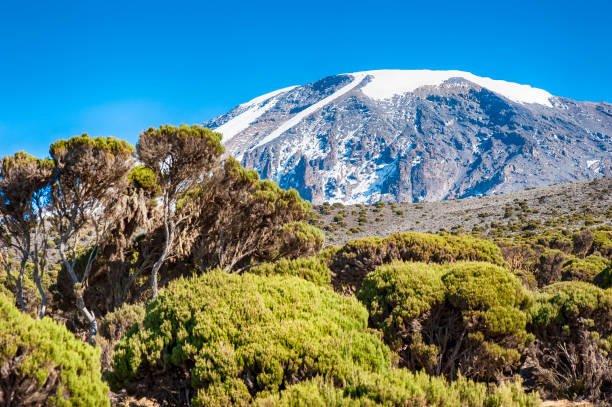
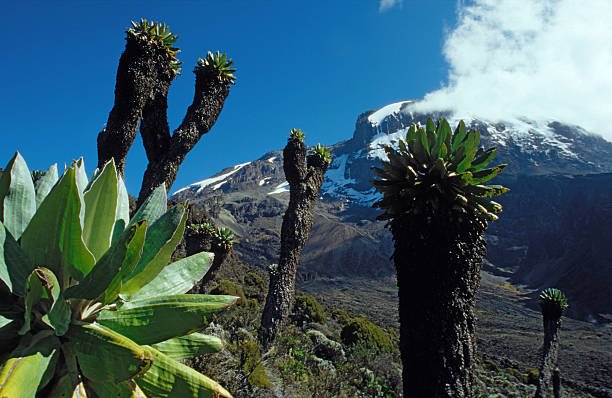
Moshi is a convenient starting point for travellers combining Northern Serengeti with Mount Kilimanjaro.
After finishing a climb, travellers can rest in Moshi and begin a road safari through the northern circuit.
Domestic flight options can also be considered when travellers want to reduce transfer time.
Northern Serengeti Safari from Zanzibar
A fly-in safari is particularly practical for travellers starting from Zanzibar.
Domestic flights can connect the island with suitable Serengeti airstrips depending on the confirmed schedule and itinerary.
Travellers can then spend several nights in Northern Serengeti before flying back to Zanzibar or continuing toward another Tanzania destination.
Northern Serengeti and Central Serengeti Safari
Combining northern and central Serengeti creates a more complete Serengeti experience.
Central Serengeti provides excellent resident predators and general wildlife, while the north adds remote scenery and seasonal migration opportunities.
Travellers with five to seven days or longer can divide their nights between both regions.
Northern Serengeti and Ngorongoro Safari
Northern Serengeti and Ngorongoro provide two very different but complementary wildlife experiences.
Northern Serengeti can focus on migration, predators and open landscapes, while Ngorongoro provides concentrated wildlife inside the crater.
Road and flight combinations can be used to reduce unnecessary travel while maintaining a balanced itinerary.
Northern Serengeti, Ngorongoro and Tarangire Safari
A longer safari can combine Tarangire, Ngorongoro, central Serengeti and Northern Serengeti.
This route provides elephants and baobabs in Tarangire, crater wildlife in Ngorongoro, resident predators in central Serengeti and migration opportunities in the north.
Seven days or longer is generally more suitable for this broader route because of the distances involved.
Popular Northern Serengeti Safari Combination
- Tarangire National Park
- Ngorongoro Crater
- Central Serengeti
- Northern Serengeti
- Optional Zanzibar extension
3 Day Northern Serengeti Safari
A three day Northern Serengeti safari is best arranged as a fly-in itinerary because road travel can use much of the available time.
Travellers can fly into an appropriate airstrip, enjoy afternoon game viewing, spend a full day exploring the region and depart after a final morning safari.
This option is suitable for travellers with limited time who still want a focused migration experience.
5 Day Northern Serengeti Safari
Five days provides more flexibility and can include several nights in Northern Serengeti together with central Serengeti.
This duration is suitable for migration, photography and predator focused travel.
Travellers may also use a combination of road and flight transport.
7 Day Northern Serengeti Safari
A seven day itinerary provides enough time for a deeper northern Tanzania experience.
Travellers can combine Tarangire, Ngorongoro, central Serengeti and Northern Serengeti while maintaining several major game drive days.
This duration is particularly useful for first time visitors and travellers focused on the Great Migration.
Example 7 Day Northern Serengeti Safari Itinerary
Day 1: Arusha or Moshi to Tarangire National Park
Depart after breakfast and travel toward Tarangire National Park.
Enjoy a game drive searching for elephants, giraffes, buffalo, zebras and predators among baobab landscapes.
Continue to the selected accommodation for dinner and overnight.
Day 2: Tarangire to Central Serengeti
Travel through the northern Tanzania highlands toward Serengeti.
Begin wildlife viewing after entering the park and continue toward the selected central Serengeti camp.
Day 3: Full Day Central Serengeti
Spend a full day exploring central Serengeti.
Search for lions, leopards, cheetahs, elephants, buffalo, giraffes and other resident wildlife.
Day 4: Central to Northern Serengeti
Travel north while enjoying game viewing along the route.
As the safari reaches Northern Serengeti, begin searching for migration herds and resident wildlife.
Day 5: Full Day Northern Serengeti Safari
Spend the full day exploring Northern Serengeti.
Follow current wildlife information while searching for wildebeest, zebras, lions, leopards, cheetahs and possible river related migration activity.
Day 6: Northern Serengeti Wildlife Safari
Enjoy another day in the northern region.
The additional time provides more flexibility for migration movement, photography and unpredictable wildlife behaviour.
Day 7: Fly Out or Continue the Safari
Enjoy a final game drive before travelling to the appropriate airstrip for a domestic flight, or continue by road according to the confirmed itinerary.
The safari can finish in Arusha, Kilimanjaro Airport, Zanzibar or another confirmed destination.
Northern Serengeti Safari for Couples
Northern Serengeti works very well for couples seeking a private and scenic safari.
Remote tented camps, private game drives and dramatic landscapes create a strong honeymoon or anniversary experience.
The safari can also be followed by a Zanzibar beach stay.
Northern Serengeti Safari for Families
Families can arrange a private vehicle and suitable accommodation to create a more flexible itinerary.
Fly-in transfers can reduce long road journeys for families travelling with younger children.
Family room arrangements should be confirmed before booking because camp layouts vary.
Northern Serengeti Safari for Solo Travelers
Solo travellers can choose a private fly-in safari or selected group joining arrangements.
Group options can reduce the cost, although fixed itineraries provide less flexibility than a private safari.
Travellers should confirm single room supplements before booking.
Budget Northern Serengeti Safari
A budget Northern Serengeti safari requires careful planning because the region's remoteness can make transport an important part of the total cost.
Travellers can use simpler tented camps, selected group arrangements or road itineraries to control expenses.
The cheapest accommodation is not always the best value if its location creates excessive daily travel.
Midrange Northern Serengeti Safari
A midrange safari provides comfortable tented accommodation while maintaining a more moderate budget than premium luxury camps.
This category is suitable for couples, families and first time visitors who want good wildlife access and comfortable facilities.
Luxury Northern Serengeti Safari
Northern Serengeti is particularly well suited to luxury fly-in safaris.
Premium tented camps can provide comfortable accommodation close to important wildlife areas.
Private vehicles, flights and personalized guiding reduce travel time and increase flexibility.
Luxury itineraries can also be combined with Ngorongoro and Zanzibar.
Northern Serengeti Accommodation Options
- Seasonal migration camps
- Midrange tented camps
- Luxury tented camps
- Premium safari camps
- Fly-in safari properties
How Many Nights Should You Spend in Northern Serengeti?
Two to four nights can work well for many travellers.
Two nights provides an introduction to the region, while three or four nights creates more flexibility for migration movement and photography.
Travellers hoping to observe unpredictable river activity should avoid relying on only one short game drive.
Northern Serengeti vs Central Serengeti
Central Serengeti provides excellent year-round resident wildlife and is easier to include in many standard safari routes.
Northern Serengeti is more remote and becomes especially attractive during periods of major migration activity.
For travellers with enough time, combining both regions is often better than choosing only one.
Northern Serengeti vs Southern Serengeti
Northern and southern Serengeti are important at different stages of the migration cycle.
The north is especially associated with migration movement and potential river activity, while the south becomes particularly important around the calving season.
The best region therefore depends heavily on travel dates.
Northern Serengeti Safari Cost 2026-2027
The cost of a Northern Serengeti safari depends on travel dates, number of nights, transport method, accommodation category and group size.
Fly-in safaris generally cost more because domestic flights are included, while private road safaris require additional driving and vehicle time.
Seasonal migration camps can also have strong demand during important wildlife periods.
Group arrangements and simpler tented camps may reduce costs, while luxury camps and private flights increase the overall package price.
Travellers should compare location, included game drives, transport and number of actual Northern Serengeti nights before judging overall value.
What Is Included in a Northern Serengeti Safari?
The exact inclusions depend on the package, but a complete safari quotation should clearly explain all major services.
Typical Northern Serengeti Safari Inclusions
- Professional safari driver guide
- Safari vehicle
- National park fees
- Safari accommodation
- Meals according to the itinerary
- Drinking water during game drives
- Wildlife game drives
- Transfers according to the package
- Domestic flights when specifically listed
- Ngorongoro fees when included in the itinerary
Typical Safari Exclusions
- International flights
- Visa expenses
- Travel insurance
- Guide gratuities
- Personal expenses
- Alcoholic beverages unless included
- Hot air balloon safari unless specified
- Domestic flights unless specifically included
- Zanzibar accommodation unless included
How to Plan the Best Northern Serengeti Safari
The best Northern Serengeti safari should match travel dates with seasonal wildlife movement while minimizing unnecessary transfer time.
Travellers focused on migration should spend several nights in the region rather than relying on one quick visit.
Accommodation location is particularly important because the north covers a large area and game drive distances can be significant.
Northern Serengeti Safari Planning Tips
- Match the safari dates to seasonal migration movement
- Spend several nights in Northern Serengeti
- Choose accommodation close to productive wildlife areas
- Consider fly-in transport for shorter trips
- Use private guiding for maximum flexibility
- Keep river crossing expectations realistic
- Combine the north with central Serengeti when time allows
- Book popular migration camps early
Frequently Asked Questions About Northern Serengeti Safari
Is Northern Serengeti worth visiting?
Yes. Northern Serengeti offers remote landscapes, strong resident wildlife and outstanding seasonal Great Migration opportunities.
What is Northern Serengeti famous for?
It is particularly famous for seasonal Great Migration herds, possible river crossing activity, predators and remote safari landscapes.
When is the Great Migration in Northern Serengeti?
The northern region becomes important when migration herds move north through the Serengeti ecosystem, but exact timing varies according to rainfall and grazing conditions.
Are river crossings guaranteed?
No. River crossings are natural and unpredictable events, so no specific crossing can be guaranteed for a particular date or time.
How many nights should I stay in Northern Serengeti?
Two to four nights works well for many travellers, with longer stays providing more flexibility for migration and photography.
Can I see lions in Northern Serengeti?
Yes. Lions occur throughout the northern ecosystem, although individual sightings always depend on natural wildlife movement.
Can I see leopards and cheetahs?
Yes. Both species occur in Northern Serengeti, with opportunities depending on habitat and wildlife activity.
Is Northern Serengeti good for photography?
Yes. Remote landscapes, predators, large migration herds and river environments can provide excellent wildlife photography opportunities.
Is it better to fly or drive to Northern Serengeti?
Flying saves time and works well for shorter trips, while driving is suitable for longer safaris that include other northern Tanzania parks and central Serengeti.
Can I fly from Zanzibar to Northern Serengeti?
Yes. Domestic fly-in arrangements can connect Zanzibar with suitable Serengeti airstrips depending on the confirmed route and flight schedule.
Can I combine Northern and Central Serengeti?
Yes. Combining both areas provides a strong balance of resident predators, varied landscapes and seasonal migration wildlife.
Can I combine Northern Serengeti and Ngorongoro?
Yes. This combination provides remote Serengeti wildlife together with concentrated crater game viewing.
Is Northern Serengeti suitable for families?
Yes. Private safaris and fly-in arrangements can make the region practical for families, with accommodation selected according to children's ages and room requirements.
Is Northern Serengeti suitable for honeymooners?
Yes. Remote tented camps, private vehicles and scenic landscapes make Northern Serengeti an excellent honeymoon safari option.
Can I choose budget, midrange or luxury accommodation?
Yes. Different accommodation categories can be arranged, although the region is particularly known for seasonal and premium tented camps.
Can I add Zanzibar after Northern Serengeti?
Yes. Domestic flights can be used to continue from the safari circuit toward Zanzibar for a beach extension.
Can I visit Northern Serengeti after Kilimanjaro?
Yes. Travellers can rest in Moshi after climbing Kilimanjaro and then continue by road or domestic flight into the Serengeti safari circuit.
How do I book a Northern Serengeti Safari 2026-2027?
Provide your travel dates, number of travellers, preferred safari duration, accommodation level and whether your priority is Great Migration wildlife, possible river crossings, predators, photography or a general Northern Serengeti experience. The itinerary can then be designed around seasonal wildlife movement and your additional Tanzania destinations.
Plan Your Northern Serengeti Safari 2026-2027
Explore Northern Serengeti with professional guides, Great Migration game drives, possible river crossing activity, predator sightings, remote safari camps and flexible combinations with central Serengeti, Ngorongoro, Tarangire and Zanzibar.
Plan Your Northern Serengeti Safari

 Serengeti Safari