Marangu Route Huts 2026-2027
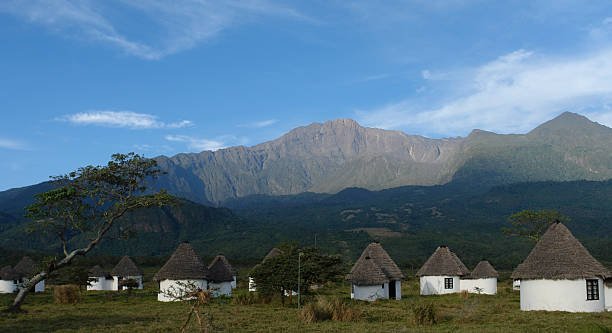
The Marangu Route uses permanent mountain huts instead of camping tents, with climbers normally staying at Mandara Hut, Horombo Hut and Kibo Hut before the summit attempt toward Gilman’s Point and Uhuru Peak.
This hut accommodation system is one of the biggest reasons travellers choose Marangu over Machame, Lemosho and other camping routes.
The huts provide shelter from rain and wind, but they remain simple mountain facilities rather than hotels or lodges.
Climbers still need warm sleeping bags, thermal clothing, waterproof gear and full high-altitude equipment.
Marangu Route Huts at a Glance
- Mandara Hut: First overnight hut
- Horombo Hut: Main intermediate and acclimatization location
- Kibo Hut: Final hut before summit night
- Accommodation type: Shared mountain huts
- Camping required: No, on the standard Marangu itinerary
- Sleeping bag: Still required
- Luxury level: Basic mountain accommodation
- Main advantage: Shelter from direct rain and wind
What Are the Marangu Route Huts?
The Marangu huts are permanent sleeping structures located at designated overnight points on the route.
Unlike Machame, Lemosho and several other Kilimanjaro routes, climbers do not normally sleep in tents.
The huts are shared facilities used by multiple climbers and mountain teams.
They provide a roof and enclosed sleeping space but remain basic.
Main Marangu Hut Sequence
- Marangu Gate
- Mandara Hut
- Horombo Hut
- Kibo Hut
- Gilman’s Point
- Uhuru Peak
- Horombo Hut during descent
- Marangu Gate
Mandara Hut
Mandara Hut is normally the first overnight stop on the Marangu Route.
Climbers reach it after walking through the lower rainforest zone from Marangu Gate.
The environment is greener and more humid than the higher huts.
Temperatures are generally milder than at Horombo or Kibo, although nights can still feel cool.
What to Expect at Mandara Hut
Mandara provides basic shared sleeping accommodation.
The first night allows climbers to begin adjusting to the daily mountain routine.
Meals are normally prepared by the mountain cook, while guides conduct briefings and health checks according to the expedition procedure.
Mandara Hut Highlights
- Rainforest setting
- First Marangu overnight stop
- Shared sleeping space
- Warmer than higher huts
- Good first introduction to mountain routines
Horombo Hut
Horombo Hut is one of the most important locations on the Marangu Route.
It sits higher than Mandara in a more open heath and moorland environment.
Horombo is used during the ascent and is commonly used again after summit day during the descent.
On a six day Marangu itinerary, climbers may also spend additional acclimatization time in this area.
Why Horombo Hut Is Important
Horombo is important because it marks a major transition in altitude.
The landscape becomes more open, and the air becomes noticeably thinner.
It also provides an important location for guides to assess how climbers are adapting before continuing toward Kibo.
Horombo Hut Is Used For
- Standard overnight accommodation
- Acclimatization on longer Marangu itineraries
- Health monitoring
- Meal preparation
- Recovery during descent
Horombo Hut Acclimatization Day
One of the main advantages of choosing a 6 Day Marangu Route is the additional acclimatization time around Horombo.
The extra day can include a controlled walk to a higher elevation before returning to sleep lower.
This gives the body more time to adapt before continuing toward Kibo Hut.
For many first-time climbers, this additional day is more valuable than simply completing the mountain as quickly as possible.
Kibo Hut
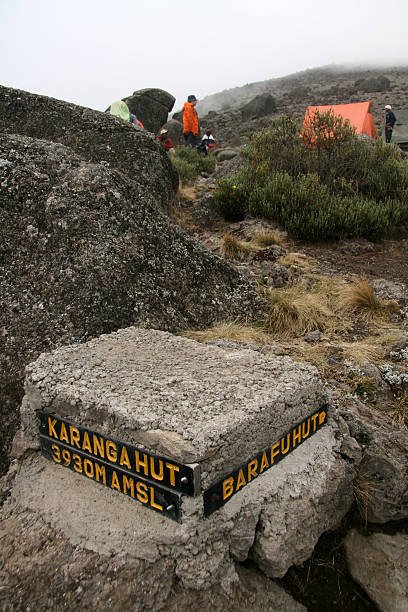
Kibo Hut is the final overnight location before summit night.
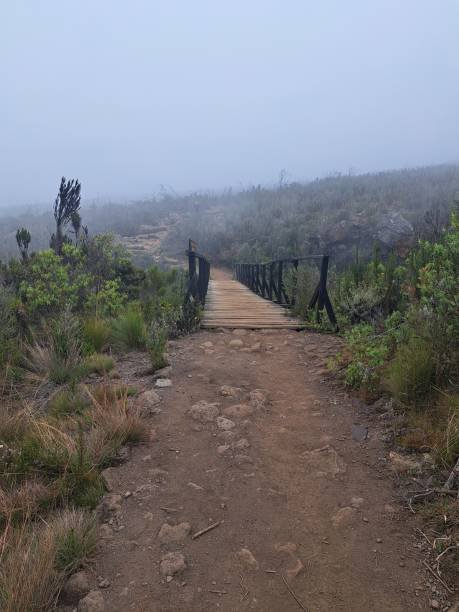
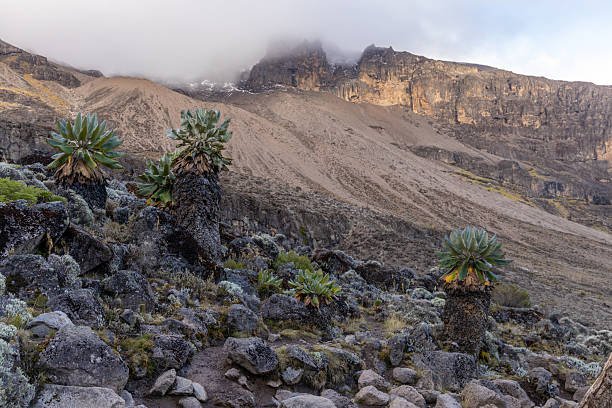
It sits in a much colder, drier and more exposed alpine environment than Mandara or Horombo.
Vegetation is extremely limited and the landscape is dominated by rock and volcanic terrain.
Climbers normally arrive, eat, organize summit gear and rest before beginning the nighttime ascent.
Sleeping at Kibo Hut
Sleeping at Kibo can be difficult because of the high altitude.
Some climbers experience headaches, reduced appetite or poor sleep.
The goal is usually to rest as much as possible before summit departure rather than expect a full night's sleep.
Warm clothing and a suitable sleeping bag are particularly important here.
Prepare at Kibo Hut
- Prepare summit layers
- Organize warm gloves
- Check headlamp and batteries
- Prepare drinking water
- Eat before resting
- Attend the summit briefing
- Report altitude symptoms honestly
Are Marangu Huts Heated?
Climbers should not expect hotel-style heating.
High-altitude huts can become very cold, especially at night.
A warm sleeping bag and thermal layers remain essential.
The main benefit is shelter from direct wind and precipitation rather than indoor warmth.
Do Marangu Huts Have Beds?
The huts provide designated sleeping spaces rather than private hotel beds.
Accommodation is shared with other climbers.
The arrangement is functional and designed for mountain expeditions.
Travellers should be prepared for basic communal sleeping conditions.
Are Marangu Huts Private?
No. Standard hut accommodation is shared.
Private bedrooms should not be expected.
This makes the experience more communal than a private camping setup where two climbers may have their own tent.
What Hut Accommodation Means
- Shared sleeping space
- Basic mountain facilities
- No luxury rooms
- No expectation of hotel-style privacy
- Shelter from direct rain and wind
Do You Need a Sleeping Bag in Marangu Huts?
Yes.
Sleeping inside a hut does not remove the need for a warm mountain sleeping bag.
Temperatures become progressively colder as elevation increases.
Your sleeping bag should be suitable for cold high-altitude conditions.
Can You Rent a Sleeping Bag for Marangu?
Yes. Sleeping bags can normally be rented in Moshi before the climb.
Check the condition and warmth rating before departure.
Travellers should also use clean sleeping clothing and keep the sleeping bag dry throughout the expedition.
Do Marangu Huts Have Toilets?
Basic toilet facilities are available around designated hut areas.
Standards are simple and should not be compared with hotel bathrooms.
Travellers should carry personal toilet paper and hand sanitizer as part of their day-to-day mountain kit.
Do Marangu Huts Have Showers?
Climbers should not expect normal hot showers during the mountain trek.
Personal hygiene is usually managed using limited water, wipes and basic washing routines.
A proper shower normally becomes available after returning to the hotel in Moshi.
Is There Electricity in Marangu Huts?
Climbers should prepare as though reliable electricity will not be available for personal charging.
Carry power banks for phones, cameras and other essential electronics.
Cold temperatures can reduce battery performance, especially at Kibo and during summit night.
Electronics to Prepare Before the Climb
- Phone
- Camera
- Headlamp
- Power bank
- Spare batteries
- Charging cables
Is There Wi-Fi in Marangu Huts?
Travellers should not plan their expedition around reliable internet access.
Connectivity on Kilimanjaro can vary by location, weather and network coverage.
The best approach is to assume that communication may be limited during the climb.
Can You Charge a Phone in the Huts?
You should bring enough portable battery capacity for the duration of the expedition.
Do not depend on hut charging as your primary power source.
Keeping batteries close to the body or inside insulated gear can help preserve power in cold conditions.
Meals at Marangu Route Huts
The mountain cook prepares meals during the expedition.
Climbers normally eat around the hut areas according to the operator's setup.
Meals typically include carbohydrates, vegetables, protein, soups and hot drinks to support trekking energy.
Appetite may decrease at high altitude, particularly near Kibo.
Typical Mountain Meal Types
- Porridge
- Eggs
- Toast or pancakes
- Rice
- Pasta
- Potatoes
- Vegetables
- Soup
- Fruit when available
- Tea, coffee and other hot drinks
Drinking Water at Marangu Huts
The mountain crew organizes water according to the expedition's procedures.
Climbers should refill before each trekking day and follow the guide's hydration recommendations.
During summit night, insulated bottles can be useful because exposed water systems may freeze.
Are the Marangu Huts Comfortable?
Comfort is relative.
Compared with tent camping, the huts provide stronger shelter from wind and rain.
Compared with hotels, they are basic communal mountain accommodation.
Travellers should expect simplicity rather than luxury.
Marangu Huts vs Camping Tents
The hut system is the main reason some travellers choose Marangu over Machame or Lemosho.
| Feature |
Marangu Huts |
Camping Routes |
| Sleeping |
Permanent huts |
Tents |
| Privacy |
Shared sleeping space |
Smaller private tents |
| Rain protection |
Strong shelter while sleeping |
Depends on tent quality |
| Expedition feeling |
More structured |
More traditional camping atmosphere |
Marangu Huts vs Machame Camping
Machame climbers sleep in tents every night, while Marangu climbers sleep in huts.
Machame offers more varied southern-circuit scenery, while Marangu is attractive for travellers who prioritize indoor sleeping shelter.
Seven Day Machame generally provides more acclimatization time than Five Day Marangu.
Marangu Huts vs Lemosho Camping
Lemosho is also a camping route.
It normally provides a longer and more gradual western approach than Marangu.
Marangu has the accommodation advantage for travellers who do not want tents, while Lemosho usually has the advantage for scenery and longer acclimatization schedules.
Do Marangu Huts Make Kilimanjaro Easier?
They can make sleeping arrangements more convenient, but they do not reduce the altitude.
Climbers still ascend to 5,895 metres.
The summit night remains long, cold and demanding.
Hut accommodation should therefore never be confused with an easy climb.
Huts Help With
- Shelter from direct rain
- Shelter from wind while sleeping
- Avoiding tent setup
- Providing a structured sleeping environment
Huts Do Not Remove
- Altitude sickness risk
- Cold summit temperatures
- Long trekking days
- Physical fatigue
- Need for proper acclimatization
5 Day Marangu Hut Schedule
A standard five day Marangu climb normally moves quickly through the hut system.
Climbers progress from Mandara to Horombo and then directly to Kibo before summit night.
This makes the itinerary efficient but limits acclimatization time.
6 Day Marangu Hut Schedule
The six day version adds more time before moving to Kibo.
This commonly allows additional acclimatization around Horombo.
For many climbers, this is the more balanced Marangu itinerary.
Which Marangu Itinerary Is Better?
If schedule and budget allow, Six Day Marangu generally provides the better acclimatization opportunity.
Five days can suit climbers with limited time, but shorter does not necessarily mean easier.
At high altitude, additional time can be valuable.
Altitude at the Marangu Huts
Each hut represents a significant increase in elevation.
As climbers move from Mandara through Horombo to Kibo, oxygen availability decreases and temperatures become colder.
This gradual environmental change is why guides monitor symptoms throughout the route.
Altitude Sickness in the Huts
Sleeping inside a permanent building does not protect against altitude sickness.
Symptoms can develop at Horombo, Kibo or during summit night.
Headache, nausea, unusual fatigue and dizziness should be reported immediately.
Serious symptoms may require descent.
Altitude Safety at Marangu Huts
- Attend daily health checks
- Report headaches
- Report nausea
- Walk slowly
- Hydrate appropriately
- Eat even when appetite decreases
- Follow guide safety decisions
How Cold Are Marangu Route Huts?
Mandara is generally the mildest because it is lower on the mountain.
Horombo can become cold at night.
Kibo can be very cold because of its high altitude and exposed alpine location.
Warm sleeping equipment is therefore essential throughout the route.
What Clothes Should You Wear Inside the Huts?
At lower elevation, lighter clothing may be comfortable during the evening.
As the climb moves higher, climbers commonly need thermal base layers, fleece and insulated clothing.
Keep dry sleeping clothes separate from trekking clothing.
Useful Hut Clothing
- Dry thermal base layer
- Fleece
- Insulated jacket
- Warm hat
- Dry socks
- Comfortable camp footwear if packed
Do You Need Waterproof Gear If You Sleep in Huts?
Yes.
The huts protect you only while you are inside them.
Daytime trekking can still involve heavy rain, particularly in the forest.
Carry a waterproof jacket and trousers in your daypack every day.
Can Your Duffel Bag Stay Dry?
Your main duffel should be protected with waterproof internal liners or dry bags.
Do not assume the outer duffel fabric alone will keep everything dry.
Sleeping clothes and summit layers should receive additional moisture protection.
What Do Porters Carry on Marangu?
Even though climbers do not need personal camping tents, porters still transport significant expedition supplies.
This includes personal duffel bags, food, cooking equipment and other group items.
Climbers normally carry only their daypack.
What Should Be in Your Daypack?
Daily Daypack Essentials
- Drinking water
- Waterproof jacket
- Waterproof trousers
- Warm layer
- Snacks
- Sunscreen
- Sunglasses
- Personal medication
- Phone or camera
- Toilet paper and sanitizer
Marangu Huts During Rainy Season
The huts can be particularly attractive during wetter periods because climbers do not need to sleep in tents.
However, the trails themselves can still become wet and muddy.
Rainproof trekking equipment remains necessary.
Are Marangu Huts Good for Beginners?
They can make the sleeping experience simpler for beginners who are uncomfortable camping.
However, beginners should not confuse hut accommodation with an easier altitude profile.
The six day version is generally a stronger choice than five days when acclimatization is the priority.
Are Marangu Huts Good for Older Climbers?
Some older climbers prefer the enclosed sleeping environment of huts.
The route can therefore be attractive to travellers who want to avoid repeatedly entering and exiting low camping tents.
Fitness and acclimatization should still determine whether the itinerary is appropriate.
Are Marangu Huts Good for Solo Travellers?
Yes. Shared huts can create a social atmosphere, and solo travellers can join scheduled Marangu group departures.
Group joining can also reduce some shared expedition costs.
Privacy at Marangu Huts
Travellers wanting maximum privacy should understand that Marangu huts are communal.
Camping routes can sometimes provide more personal sleeping space because two travellers may share a smaller private tent.
This is an important consideration when choosing between Marangu and camping routes.
Marangu Huts and Summit Night
Kibo Hut is the final preparation point before summit night.
Climbers normally leave late at night and begin ascending toward Gilman’s Point.
Those remaining healthy and strong enough continue around the crater rim toward Uhuru Peak.
After the summit, the descent returns through the Marangu hut system.
Kibo Hut to Gilman’s Point
This is one of the hardest parts of the Marangu climb.
The ascent is steep, cold and completed at very high altitude.
Slow pacing becomes essential.
Reaching Gilman’s Point means reaching the crater rim, but Uhuru Peak remains farther away.
Returning to Horombo Hut After Summit
After the summit attempt, climbers descend back toward Kibo before continuing lower to Horombo.
The lower elevation can feel significantly more comfortable after summit exposure.
Horombo provides the final mountain overnight on many standard Marangu itineraries.
Marangu Huts and Crew Support
The hut system does not eliminate the need for a professional mountain team.
Guides manage safety and pacing, cooks prepare meals and porters transport expedition supplies.
The exact crew size depends on the climbing group.
Are Marangu Huts Included in the Package Price?
Standard full-service Marangu packages generally include the required mountain accommodation charges within the quoted price.
Always check the written inclusions before booking.
You should not assume every advertised price includes all national park and hut-related charges unless clearly stated.
What Is Usually Included in a Marangu Package?
- Professional mountain guides
- Assistant guides according to group size
- Porters
- Mountain cook
- Park fees
- Hut accommodation
- Mountain meals
- Drinking water
- Gate transfers
- Emergency equipment according to package
- Hotel accommodation when stated
- Airport transfers when stated
What Is Usually Excluded?
- International flights
- Travel insurance
- Visa expenses
- Personal trekking gear
- Sleeping bag rental unless included
- Crew gratuities
- Personal expenses
- Safari or Zanzibar extensions unless stated
Who Should Choose the Marangu Route Huts?
The Marangu Route is particularly suitable for travellers who dislike camping, want permanent sleeping shelters and prefer a direct climbing route.
It can suit beginners, solo travellers, couples and private groups.
Travellers should still prioritize a sensible acclimatization schedule.
Who May Prefer Camping Instead?
Travellers wanting more privacy, broader scenery or longer acclimatization itineraries may prefer routes such as Lemosho or Machame.
Camping can also create a stronger expedition atmosphere.
The better accommodation style ultimately depends on personal preference.
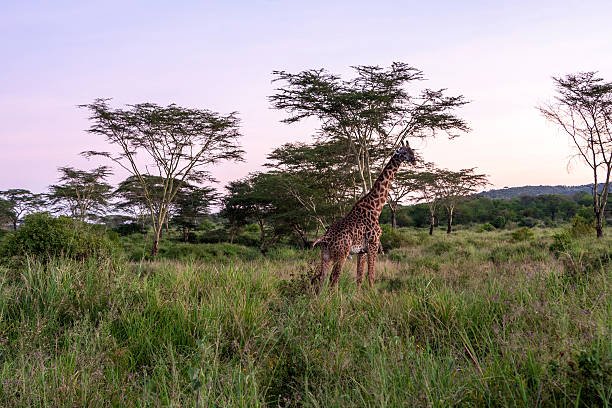
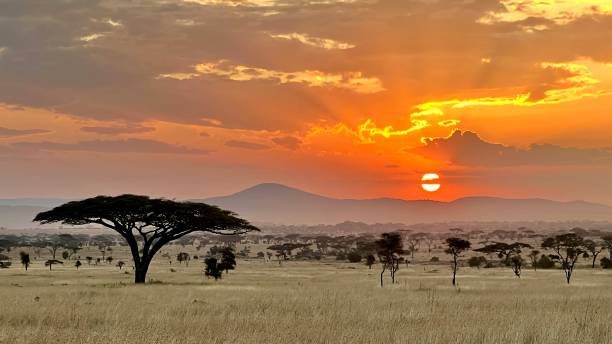
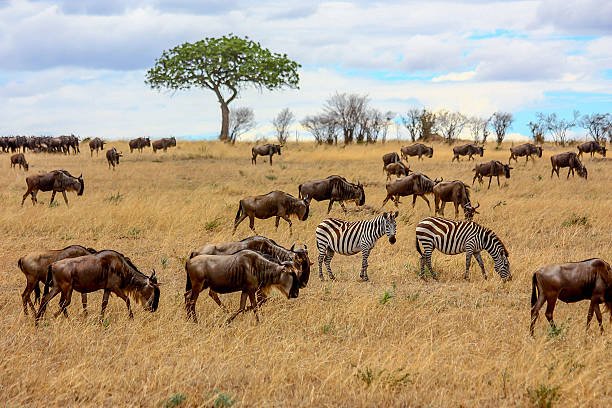
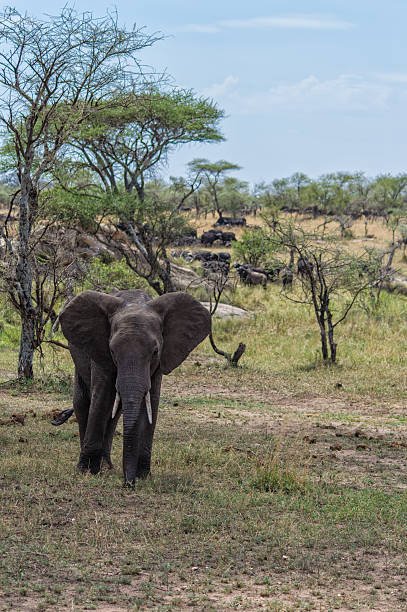
Marangu Huts With Tanzania Safari
A Marangu climb can easily be followed by a northern Tanzania safari.
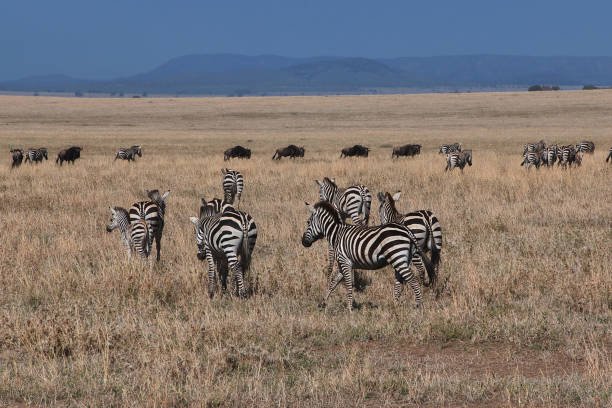
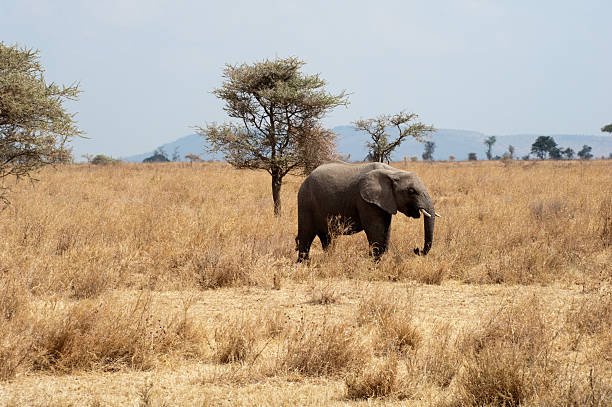
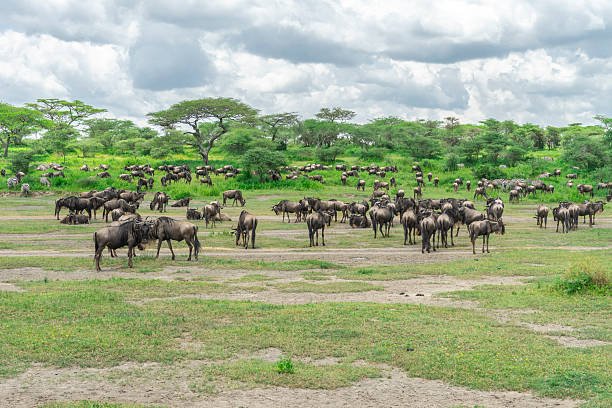
Popular destinations include Tarangire National Park, Ngorongoro Crater, Lake Manyara and Serengeti National Park.
Many travellers prefer to complete the mountain before continuing with safari.
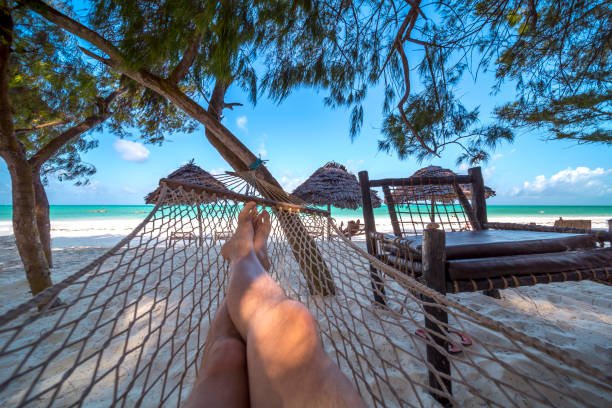
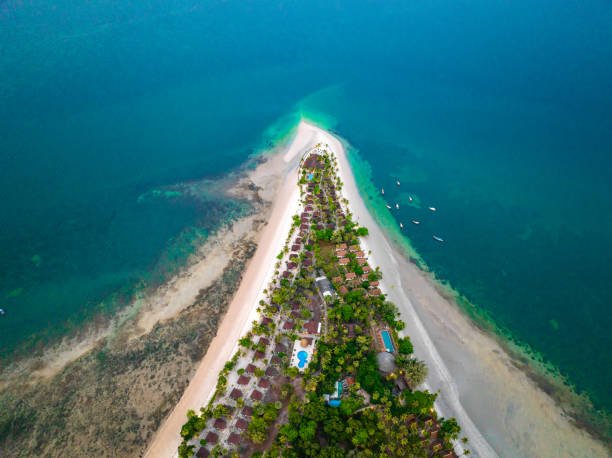
Marangu Huts Before Zanzibar
Zanzibar can also be added after Kilimanjaro.
Travellers can continue directly to Zanzibar or first complete a Tanzania safari.
The combination works well for travellers who want mountain adventure followed by wildlife and beach relaxation.
Our Recommendation for Marangu Route Huts 2026-2027
Choose Marangu if permanent hut accommodation is a major priority.
Do not choose it only because the shorter five day schedule appears easier.
For many first-time climbers, Six Day Marangu is the better option because the extra time around Horombo improves the acclimatization schedule.
Regardless of itinerary, arrive with a warm sleeping bag, proper summit clothing and realistic expectations about basic shared mountain accommodation.
Frequently Asked Questions About Marangu Route Huts
Does the Marangu Route have huts?
Yes. Marangu uses permanent mountain huts instead of camping tents for climber accommodation.
What are the main Marangu huts?
The main overnight huts are Mandara Hut, Horombo Hut and Kibo Hut.
Do you need a sleeping bag in Marangu huts?
Yes. The huts are basic mountain accommodation and can become cold, especially at high altitude.
Are Marangu huts heated?
Climbers should not expect hotel-style heating. Warm sleeping gear remains necessary.
Are the huts private?
No. Standard Marangu hut accommodation is shared with other climbers.
Do Marangu huts have showers?
Climbers should not expect normal hot showers during the mountain expedition. Hygiene is managed with limited water and basic washing routines.
Do Marangu huts have toilets?
Basic toilet facilities are available around the designated hut areas, but facilities are simple.
Can I charge my phone at Marangu huts?
Climbers should carry their own power banks and should not depend on reliable charging facilities during the climb.
Is there Wi-Fi at Marangu huts?
Reliable internet should not be expected. Network availability can vary significantly on the mountain.
Are Marangu huts better than tents?
They are better for travellers who prefer enclosed sleeping accommodation, while tents can provide more privacy and are used on more scenic routes such as Machame and Lemosho.
Do Marangu huts make Kilimanjaro easier?
They can make sleeping more convenient, but they do not reduce altitude, summit-night difficulty or the need for proper acclimatization.
Which Marangu hut is highest?
Kibo Hut is the highest main overnight hut used before the standard summit attempt.
Which hut is used for acclimatization?
Horombo Hut is commonly the key acclimatization location on the Six Day Marangu itinerary.
Where does summit night start on Marangu?
The standard summit attempt begins from Kibo Hut and climbs toward Gilman’s Point before continuing to Uhuru Peak.
Are Marangu huts good during rainy months?
The huts provide useful sleeping shelter during wet weather, although daytime trails can still be rainy and muddy.
Can beginners stay in Marangu huts?
Yes. The hut system is suitable for beginners, but the route duration should still provide enough time for acclimatization.
Can I rent a sleeping bag in Moshi?
Yes. Warm sleeping bags and other selected Kilimanjaro equipment can commonly be rented before the climb.
Who should choose Marangu Route Huts 2026-2027?
Choose Marangu if you strongly prefer permanent hut accommodation over camping, but select enough mountain days for responsible acclimatization and arrive prepared for basic shared facilities and cold high-altitude conditions.
Climb Kilimanjaro Using the Marangu Route Huts 2026-2027
Stay at Mandara Hut, Horombo Hut and Kibo Hut while climbing Kilimanjaro through rainforest, moorland and alpine desert before the summit attempt toward Gilman’s Point and Uhuru Peak. Choose Six Day Marangu when additional acclimatization time is a priority.
Plan Your Marangu Route Climb

 Serengeti Safari