Rongai Route Kilimanjaro 2026-2027
Rongai Route Kilimanjaro 2026-2027 is one of the quieter ways to climb Mount Kilimanjaro and is the main route approaching from the northern side of the mountain.
The trail begins close to the Tanzania and Kenya border area and gives climbers a different perspective from southern routes such as Machame and Lemosho.
Rongai is often selected by travellers who prefer fewer people on the trail, more remote scenery and a comparatively gradual first half of the trek.
The route eventually approaches Kibo before the final summit attempt and normally descends on the Marangu side.
Rongai Route at a Glance
- Approach: Northern side of Mount Kilimanjaro
- Highest point: Uhuru Peak, 5,895 metres
- Accommodation: Mountain tents
- Main character: Quiet and remote
- Scenery: Northern slopes, Mawenzi views and alpine terrain
- Main challenge: High altitude and summit night
- Best for: Climbers wanting fewer crowds
- Descent: Usually via the Marangu side
Why Choose the Rongai Route?
Rongai offers a different Kilimanjaro experience from the popular southern approaches.
The route starts on the northern side and is generally quieter during the early and middle trekking days.
For travellers who value solitude and a less crowded trail environment, this can be one of the main advantages.
Main Advantages of Rongai Route
- Quieter northern approach
- Less crowded early trekking days
- Gradual opening stages
- Excellent Mawenzi views
- Different scenery from Machame and Lemosho
- Suitable for private groups
- Good option for travellers seeking a more remote experience
Where Does the Rongai Route Start?
The route begins on the northern side of Kilimanjaro, closer to the Kenya border than most other major routes.
This means the road transfer from Moshi to the trailhead can be longer than the transfer to routes such as Marangu or Machame.
The different starting side gives Rongai its quieter and more remote character.
Where Does Rongai Finish?
Rongai normally does not descend the same way it ascends.
After summit day, climbers generally descend through the Marangu side.
This means the expedition includes both northern and southeastern mountain landscapes.
Typical Rongai Route Itinerary
The exact number of days and camp arrangement can vary depending on the itinerary selected, but a longer Rongai schedule is generally preferable for acclimatization.
Day 1: Moshi to Rongai Gate and First Camp
The day begins with a road transfer from Moshi toward the northern side of Mount Kilimanjaro.
After registration and crew organization, the trek begins through lower forest and open vegetation.
The first day normally provides a gradual introduction to the mountain environment.
Day 2: First Camp to Higher Moorland Camp
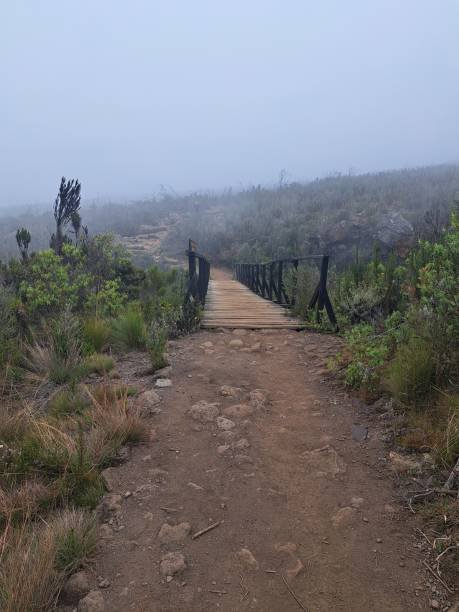
The route continues through increasingly open landscapes.
Vegetation gradually changes as climbers gain elevation and the surrounding views become broader.
The pace should remain slow even during relatively gentle sections because the body is already beginning to adapt to altitude.
Day 3: Continue Toward Mawenzi Area
As the route continues higher, climbers begin experiencing dramatic views toward Mawenzi.
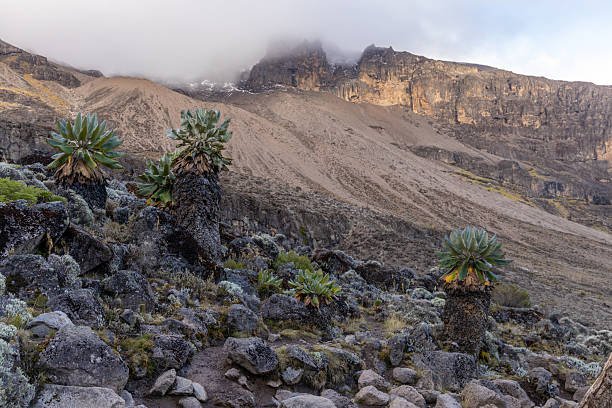
The terrain becomes increasingly alpine and the air becomes noticeably thinner.
Health monitoring becomes increasingly important as elevation rises.
Day 4: Acclimatization and Mawenzi Area
Longer Rongai itineraries can include additional time around the Mawenzi area.
This gives climbers an opportunity to gain altitude gradually and improve acclimatization before approaching Kibo.
Why Extra Acclimatization Time Helps
- Allows more gradual altitude adaptation
- Provides additional recovery time
- Allows guides to monitor climber response
- Reduces the need to rush toward Kibo
- Improves preparation before summit night
Day 5: Mawenzi Area to Kibo
The landscape becomes dry and exposed as climbers move across high alpine terrain toward Kibo.
The elevation makes walking feel slower even when the trail itself is not technically difficult.
After reaching Kibo, climbers eat, prepare summit gear and rest before the nighttime ascent.
Day 6: Kibo to Uhuru Peak and Down
Summit night begins during the night with a slow ascent toward the crater rim.
Climbers progress gradually through cold and high altitude conditions before continuing toward Uhuru Peak at 5,895 metres.
After reaching the summit area, the group descends and continues lower toward the Marangu side.
Summit Night Challenges
- Very high altitude
- Reduced oxygen availability
- Cold temperatures
- Nighttime walking
- Fatigue from previous trekking days
- Long walking duration
- Mental fatigue
Final Day: Descend to Marangu Gate
The final trekking day continues down through lower vegetation toward Marangu Gate.
At the gate, climbers complete park procedures and can receive summit certificates according to the summit point reached.
The group is then transferred back to Moshi for rest and post climb accommodation according to the package.
How Difficult Is the Rongai Route?
Rongai is generally considered a moderate to challenging Kilimanjaro route.
The trail is less technical than people sometimes imagine, but altitude remains the major difficulty.
The route becomes considerably harder as climbers approach Kibo and summit night.
Longer Rongai itineraries are generally more manageable from an acclimatization perspective than shorter versions.
Is Rongai Good for Beginners?
Yes. Rongai can be suitable for properly prepared beginners.
The early sections are often gradual and technical climbing experience is normally not required.
However, beginners should still understand that summit night is physically demanding and altitude response cannot be predicted with certainty.
Rongai Route Acclimatization
Acclimatization depends heavily on the number of mountain days.
A longer itinerary allows more time around the Mawenzi area before progressing toward Kibo.
This is one of the most important reasons to avoid unnecessarily short schedules when time and budget allow.
Rongai Route Success Potential
Rongai can provide strong summit potential when climbed over enough days and supported by proper pacing and professional guides.
There is no single universal summit percentage applying to every operator and itinerary.
The number of trekking days, climber health, altitude response, weather and guide decisions all influence the final outcome.
Rongai Route vs Lemosho
Lemosho approaches from the west and is particularly well known for scenic variety and strong acclimatization opportunities.
Rongai approaches from the north and is usually quieter.
Travellers who prioritize the longest possible acclimatization profile may prefer Lemosho, while travellers seeking a less crowded route may prefer Rongai.
Rongai vs Lemosho
- Rongai: Quieter northern approach
- Lemosho: Longer western approach with strong scenic variety
- Rongai best for: Fewer crowds and remote atmosphere
- Lemosho best for: Extended acclimatization and diverse landscapes
Rongai Route vs Machame
Machame is one of the most popular routes and includes well known sections such as Lava Tower and Barranco Wall.
Rongai avoids much of the crowding associated with the southern side during the early ascent.
Machame can provide stronger climb high, sleep low opportunities, while Rongai appeals more strongly to travellers wanting a quieter route.
Rongai Route vs Marangu
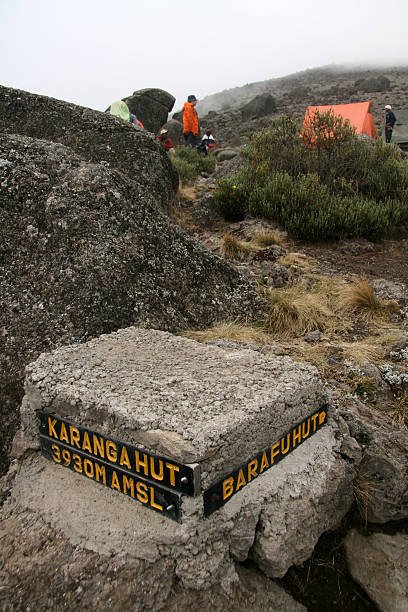
Both routes approach the summit through the Kibo area, but their accommodation and ascent experiences differ.
Marangu uses huts, while Rongai uses tents.
Rongai provides a quieter northern approach before eventually descending through the Marangu side.
Rongai Route vs Northern Circuit
Northern Circuit provides more mountain days and usually offers stronger acclimatization potential.
Rongai is shorter and simpler but still provides the advantage of approaching from the quieter northern side.
Travellers with enough time and budget may prefer Northern Circuit, while those seeking a shorter quiet route may prefer Rongai.
Does Rongai Have Fewer Crowds?
Yes, the northern approach is generally quieter than heavily used routes such as Machame.
This can create a more peaceful trekking environment, especially during the early part of the expedition.
Crowds can increase around Kibo where different routes begin sharing summit infrastructure.
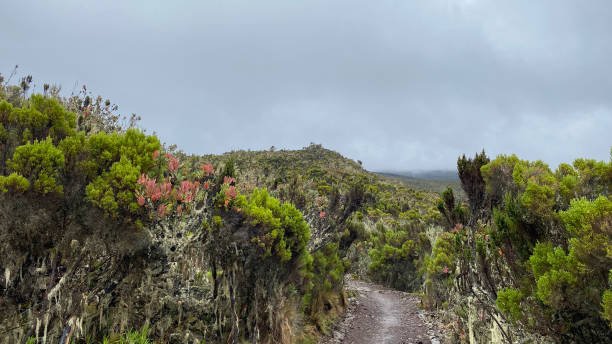
Scenery on the Rongai Route
Rongai offers a different visual experience from western and southern routes.
Climbers move through northern forest, open moorland and alpine landscapes with strong views toward Mawenzi.
The route can feel more open and remote as elevation increases.
Mawenzi Views on Rongai
Mawenzi is one of the major visual highlights of the route.
Its rugged volcanic shape contrasts strongly with the broad dome of Kibo.
Longer Rongai itineraries can provide additional time in the Mawenzi area, making this section especially memorable.
Rongai Route Weather
The northern side of Kilimanjaro can sometimes experience different conditions from the southern slopes.
However, no route should be selected with the assumption that it will remain completely dry.
Climbers should still prepare for rain, wind, cold temperatures and possible snow or ice near the summit.
Weather Conditions to Prepare For
- Rain
- Strong sun
- Cold nights
- Strong wind
- Rapid temperature changes
- Possible snow or ice around summit areas
Training for Rongai Route Kilimanjaro
Training should prepare climbers for several consecutive trekking days and a long summit day.
Useful Rongai Training
- Regular hiking
- Long walking days
- Hill training
- Stair climbing
- Cardiovascular exercise
- Leg strength training
- Walking with a daypack
- Back to back hiking days
- Training in trekking boots
Walking Pace on Rongai
Slow pacing is essential on Kilimanjaro.
The relatively gradual early sections should not encourage climbers to move too quickly.
Conserving energy and maintaining a steady pace can make the upper route more manageable.
Daily Health Monitoring
Professional guides monitor climbers throughout the trek.
Daily checks can include conversations about headache, appetite, nausea, breathing, sleep and energy levels.
Pulse oximeter readings can also be used as part of the overall assessment.
Emergency Oxygen on Rongai
Emergency oxygen can be carried as part of the mountain safety system.
It is intended for emergency support rather than routine use to force continued ascent.
If serious altitude symptoms develop, guides may stop the summit attempt and organize descent according to the climber's condition.
Typical Safety Support
- Professional mountain guides
- Assistant guides according to group size
- Daily health monitoring
- Pulse oximeter checks
- Emergency oxygen
- Basic first aid equipment
- Emergency descent planning
Accommodation on the Rongai Route
Rongai is a camping route.
Climbers sleep in mountain tents at designated campsites throughout the expedition.
A complete package can include sleeping tents, a dining tent, tables, chairs and basic camp equipment depending on the service arrangement.
Climbers usually provide or rent their own sleeping bag.
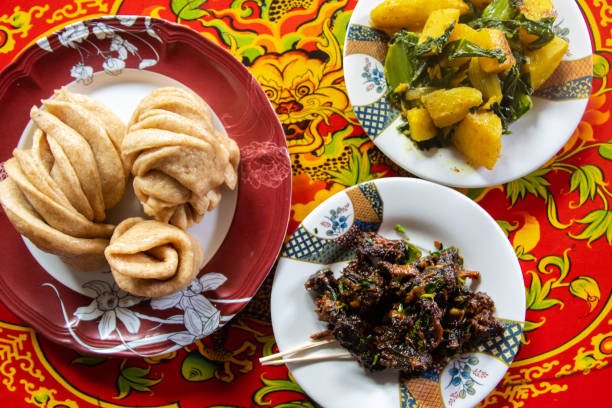
Meals on Rongai
Mountain meals are prepared by the cook throughout the expedition.
Breakfast can include porridge, eggs, pancakes, bread and fruit.
Lunch and dinner can include soup, rice, pasta, potatoes, vegetables and other practical mountain foods.
Vegetarian and other dietary needs can normally be arranged when communicated in advance.
Drinking Water
Prepared drinking water is normally included as part of the mountain service.
Climbers carry reusable bottles or hydration systems in their daypacks.
Good hydration supports trekking performance but should not be viewed as a guarantee against altitude sickness.
What to Pack for Rongai Route
Essential Rongai Gear
- Waterproof trekking boots
- Trekking socks
- Thermal base layers
- Warm fleece or mid layer
- Insulated summit jacket
- Waterproof jacket and trousers
- Warm gloves
- Warm hat
- Sun hat
- Cold weather sleeping bag
- Headlamp
- Trekking poles
- Water bottles or hydration system
- Sunglasses
- Sunscreen
- Daypack
- Duffel bag
- Power bank
Porter Support on Rongai
Porters carry the main duffel bags, tents, food and group equipment between camps.
Climbers normally carry only a personal daypack containing water, rain protection, warm layers, snacks and personal medication.
A common working allowance for personal porter carried luggage is around 15 kilograms, although the final limit should be confirmed before departure.
Rongai Route for Solo Travellers
Solo travellers can join scheduled departures or arrange a private Rongai climb.
Group joining options can reduce some per person operational costs.
A private climb provides greater flexibility with dates and travel planning.
Rongai Route for Couples
Couples can choose either private or shared departure arrangements.
A private climb can be useful for fixed travel dates, honeymoon itineraries or travellers combining Kilimanjaro with safari and Zanzibar.
Private Rongai Route Climb
A private climb provides a dedicated mountain crew for one booking party.
Departure dates can normally be coordinated around international flights and other Tanzania travel plans.
Group Joining Rongai Route
Group joining departures can be suitable for solo travellers and small groups who want to share the mountain experience.
Availability may be less frequent than on routes such as Machame or Lemosho, so travellers should check scheduled dates in advance.
What Is Included in a Rongai Route Package?
Exact inclusions depend on the quotation, but a complete supported climb can cover the main mountain services required for the expedition.
Typical Rongai Package Inclusions
- Professional Kilimanjaro guides
- Assistant guides according to group size
- Mountain cook
- Porters
- Kilimanjaro park related fees
- Camping fees
- Mountain tents
- Dining tent, tables and chairs according to package
- Three meals per trekking day
- Prepared drinking water
- Emergency oxygen
- Pulse oximeter monitoring
- Basic first aid equipment
- Mountain gate transfers
- Summit certificate
- Hotel accommodation and airport transfers when specified
Typical Rongai Route Exclusions
- International flights
- Visa expenses
- Travel insurance
- Personal trekking gear unless included
- Mountain crew gratuities
- Sleeping bag rental unless included
- Optional private toilet unless included
- Personal expenses
- Extra hotel nights
- Safari or Zanzibar extensions unless specified
Rongai Route Cost 2026-2027
The cost depends on the number of trekking days, group size, private or group format, hotel accommodation and airport transfers.
Longer Rongai itineraries cost more because they require additional park days, meals, crew services and camping logistics.
Travellers should compare the complete package rather than simply choosing the lowest advertised price.
Rongai Route Tipping
Mountain crew gratuities are normally separate from the package price.
The final amount depends on trek duration, group size and crew composition.
Travellers should confirm the recommended tipping arrangement before departure and prepare enough cash in advance.
Sleeping Bag Rental
A warm sleeping bag is required because Rongai is a camping route.
Travellers who do not own suitable equipment can normally arrange rental in Moshi subject to availability.
The sleeping bag should be checked before the group travels to the trailhead.
Trekking Pole Rental
Trekking poles can improve stability and reduce pressure on the knees, particularly during the descent.
Climbers can bring their own or arrange rental before the climb where available.
Best Time to Climb Rongai
Rongai can be climbed during different periods of the year.
Seasonal weather affects rain, temperature and visibility, but climbers should prepare for changing mountain conditions at any time.
Popular climbing periods can become busy around summit areas even if the northern approach remains quieter.
Pre Climb Hotel in Moshi
Most climbers stay in Moshi before travelling to the Rongai trailhead.
A pre climb hotel night provides time for rest, a mountain briefing and equipment inspection.
Extra luggage not required on the mountain can normally be stored at the hotel according to the confirmed arrangement.
Transport to the Rongai Trailhead
The road journey to the northern side is longer than transfers to some other Kilimanjaro gates.
This transportation should be included clearly in the package quotation.
The remote starting location is part of what gives Rongai its quieter atmosphere.
After the Rongai Route
After descending to the Marangu side, climbers return to Moshi for rest and recovery.
The trip can then continue with an airport transfer, Tanzania safari or Zanzibar extension.
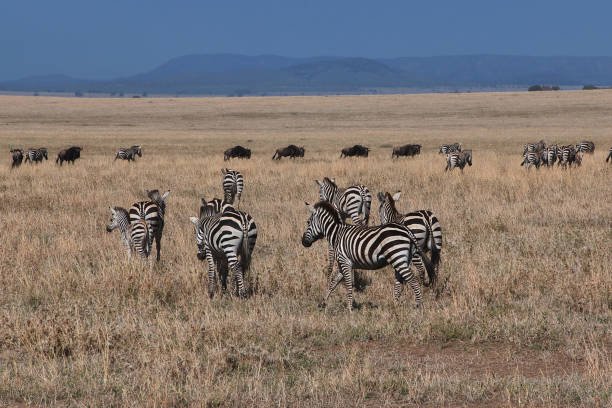
Rongai Route and Tanzania Safari
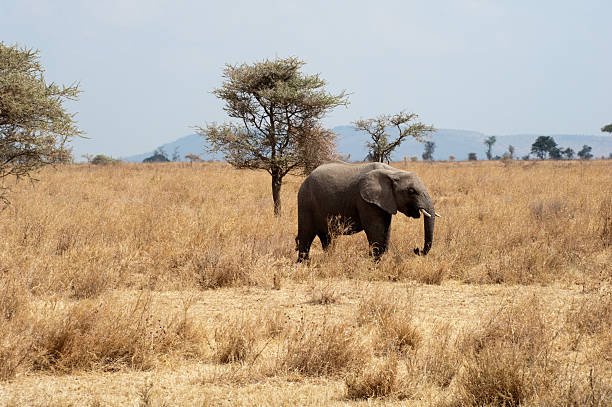
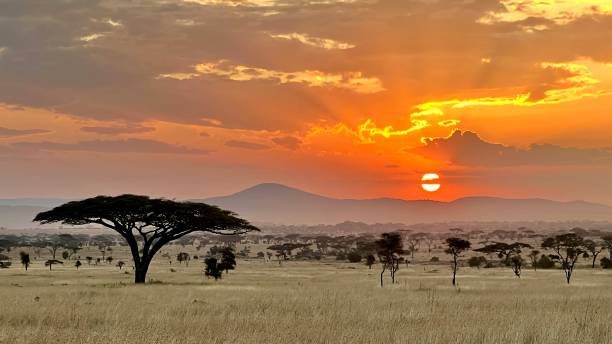
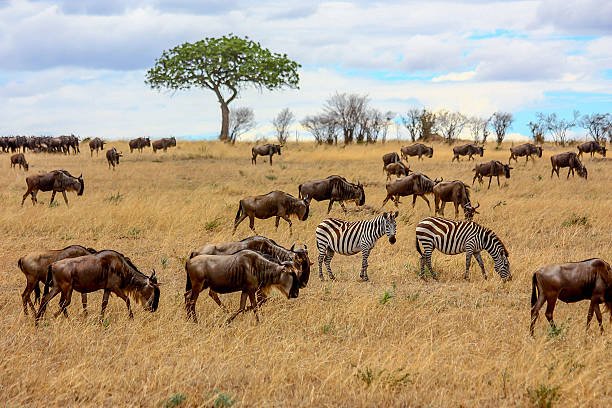
Rongai can be combined easily with a northern Tanzania safari after the climb.
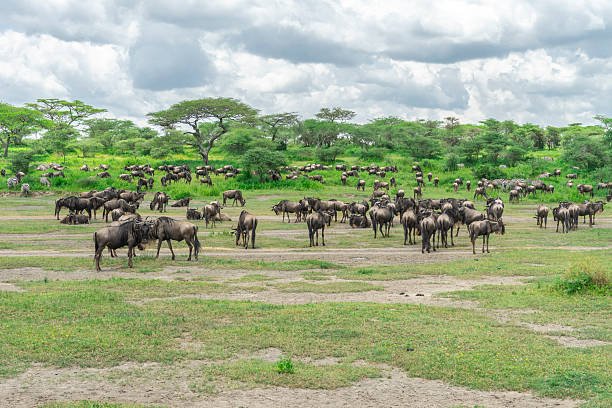
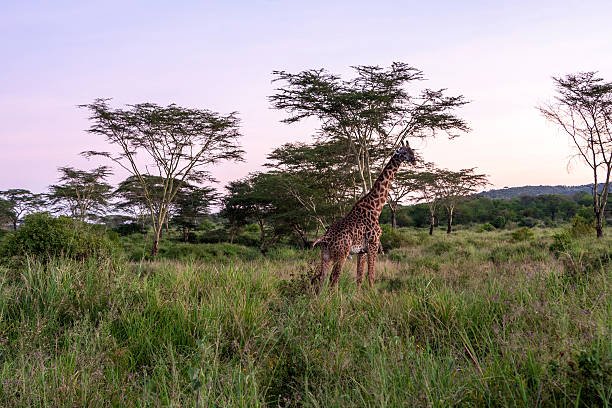
Popular destinations include Tarangire, Lake Manyara, Ngorongoro and Serengeti.
This allows travellers to combine a quieter Kilimanjaro climb with a classic Tanzania wildlife experience.
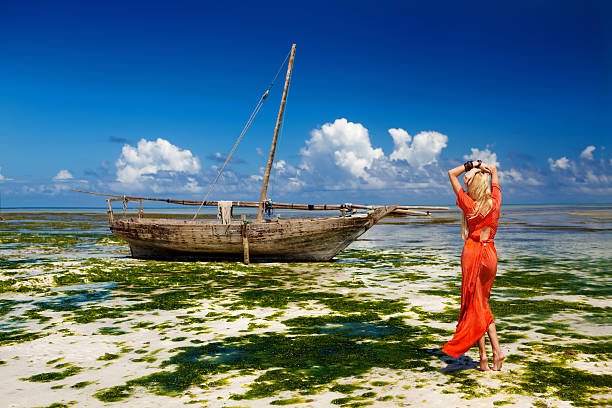
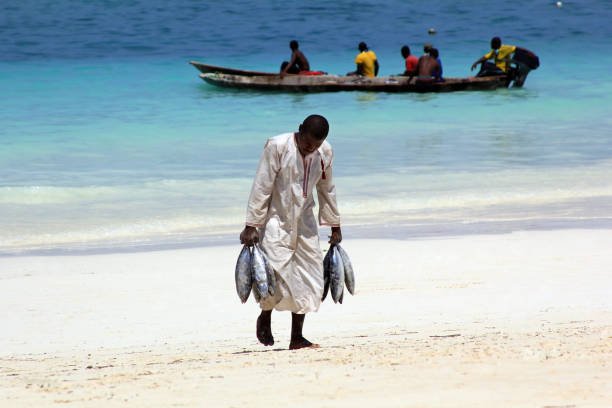
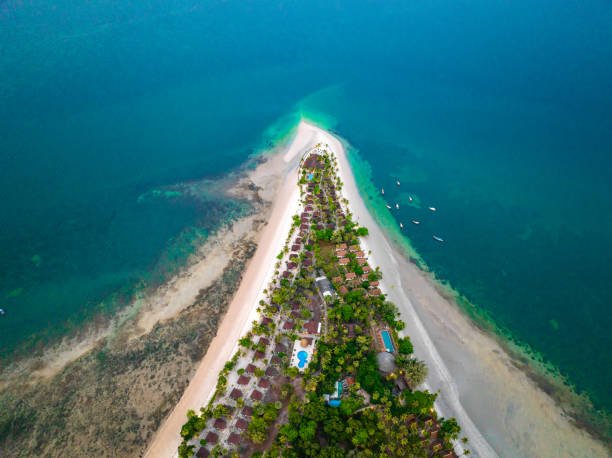
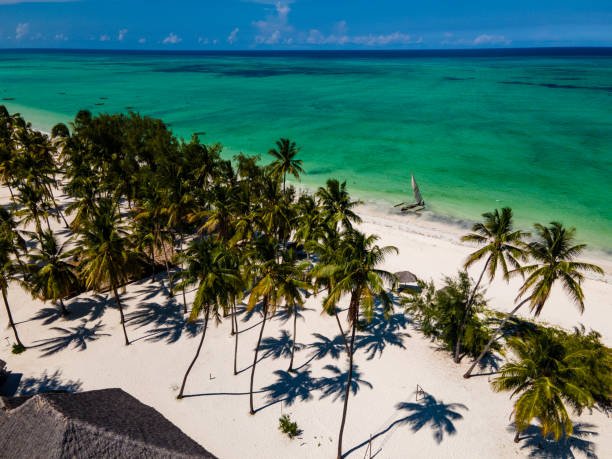
Rongai Route and Zanzibar
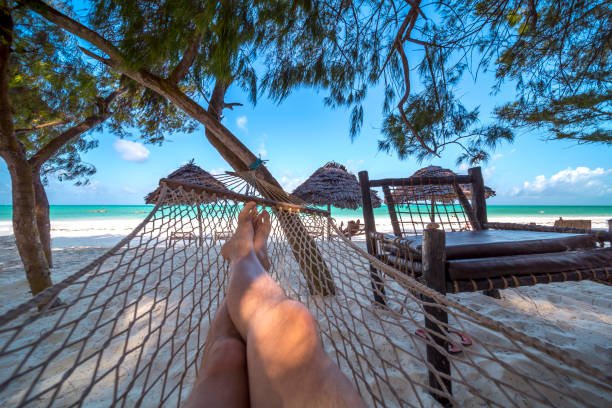
Zanzibar is another popular extension after Kilimanjaro.
Travellers can fly to the island after recovering in Moshi or after completing a safari.
The combination creates a complete mountain, wildlife and beach holiday in Tanzania.
Who Should Choose Rongai Route?
Rongai Is Especially Suitable For
- Travellers wanting a quieter Kilimanjaro route
- Climbers who prefer a northern approach
- First time high altitude trekkers
- Solo travellers
- Couples
- Private groups
- Travellers interested in Mawenzi scenery
- Climbers who prefer camping over hut accommodation
Who Should Consider Another Route?
Travellers who want the strongest possible acclimatization schedule may prefer eight day Lemosho or Northern Circuit.
Those who prefer hut accommodation may choose Marangu instead.
Travellers specifically wanting Barranco Wall and the southern circuit experience may prefer Machame or Lemosho.
Booking Rongai Route Kilimanjaro 2026-2027
To organize the climb, provide your preferred departure date, number of travellers and desired number of trekking days.
It is also useful to indicate whether you prefer a private or group departure.
Hotel nights, airport transfers, rental equipment and optional safari or Zanzibar extensions can then be coordinated around the mountain itinerary.
Frequently Asked Questions About Rongai Route Kilimanjaro
Is Rongai a good Kilimanjaro route?
Yes. Rongai is a strong choice for travellers who value quieter trails, a northern approach and beautiful Mawenzi views.
Is Rongai less crowded?
The northern approach is generally quieter than heavily used routes such as Machame, particularly during the earlier trekking days.
Can beginners climb Rongai?
Yes. Properly prepared beginners can climb Rongai, especially when choosing an itinerary with enough acclimatization time.
Do I need technical climbing experience?
No. Standard Rongai is a trekking route and normally does not require technical mountaineering skills.
Where does Rongai start?
The route starts on the northern side of Mount Kilimanjaro, close to the Tanzania and Kenya border area.
Where does Rongai finish?
Rongai normally descends through the Marangu side after the summit attempt.
Does Rongai use tents?
Yes. Rongai is a camping route and climbers normally sleep in mountain tents.
Is Rongai easier than Machame?
The early Rongai sections can feel more gradual, but summit night and high altitude remain difficult. Overall difficulty depends heavily on itinerary length and acclimatization.
Is Rongai better than Lemosho?
Rongai is generally quieter, while Lemosho offers a longer western approach and stronger acclimatization options on its longer itineraries. The better route depends on the climber's priorities.
What is special about Mawenzi on Rongai?
Rongai provides excellent views of Mawenzi and can include additional acclimatization time around the Mawenzi area on longer itineraries.
Is emergency oxygen carried?
Professional packages can include emergency oxygen together with pulse oximeter monitoring and basic first aid equipment.
Are meals included?
Complete mountain packages normally include three meals per trekking day throughout the expedition.
Is drinking water provided?
Prepared drinking water is normally included while climbers carry reusable bottles or a hydration system.
Who carries my main luggage?
Porters normally carry the main duffel bag and group equipment while climbers carry their personal daypacks.
Can I rent a sleeping bag?
Yes. Suitable cold weather sleeping bags can normally be rented in Moshi subject to availability.
Can solo travellers join Rongai groups?
Yes. Solo travellers can join scheduled departures where available or arrange a private climb.
Can I add a safari after Rongai?
Yes. Tarangire, Lake Manyara, Ngorongoro and Serengeti can be added after the Kilimanjaro climb.
Can I go to Zanzibar after Rongai?
Yes. Zanzibar can be added after Kilimanjaro or after a northern Tanzania safari.
How do I book Rongai Route Kilimanjaro 2026-2027?
Provide your preferred climbing date, number of travellers, desired number of trekking days and whether you prefer a private or group departure. Hotel accommodation, airport transfers, rental gear and optional safari or Zanzibar extensions can then be organized around the climb.
Climb the Rongai Route Kilimanjaro 2026-2027
Experience Kilimanjaro from the quieter northern side with professional mountain guides, porter support, camping, meals, daily health monitoring, Mawenzi scenery and a carefully paced summit attempt to Uhuru Peak.
Plan Your Rongai Route Climb

 Serengeti Safari