Serengeti Safari July August September
A Serengeti Safari July August September takes place during one of the most popular periods for wildlife viewing in northern Tanzania.
These months fall within the main dry season, when many Serengeti landscapes become progressively drier and wildlife may become easier to observe around rivers, permanent water sources and productive grazing areas.
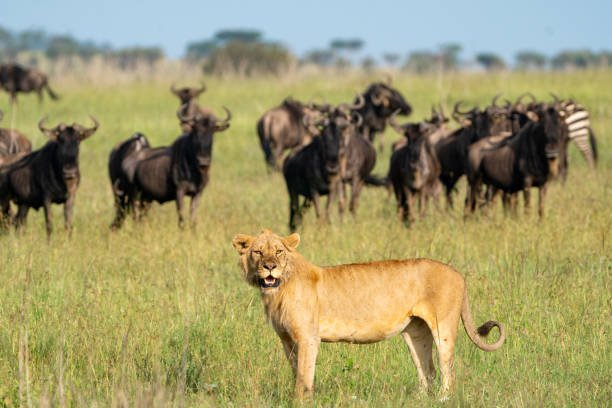
July, August and September are also important months for travellers interested in the Great Migration because large wildebeest and zebra herds can move through different parts of the western and northern Serengeti ecosystem depending on rainfall and grazing conditions.
No month provides a guaranteed migration location, and no safari operator can promise a river crossing on a particular date.
The strongest itinerary therefore combines seasonal planning with enough safari time, suitable accommodation and a professional driver guide who can respond to actual wildlife conditions.
July August September Safari at a Glance
- Season: Main dry season.
- Wildlife: Strong general game viewing.
- Migration: Western and northern areas can become important depending on herd movement.
- River crossing interest: Northern Serengeti and the Mara River.
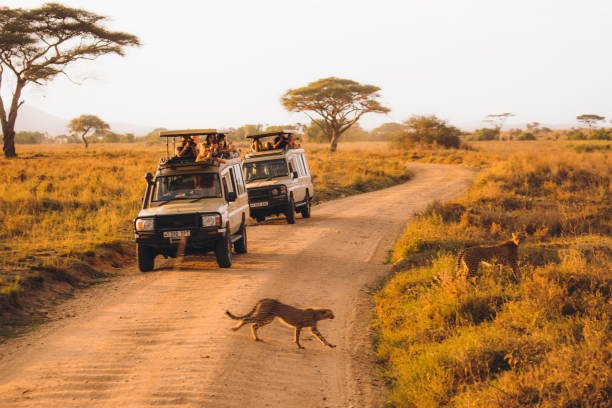
- Predators: Lions, cheetahs, leopards and hyenas may be encountered.
- Scenery: Dry grasslands, golden savannah and open wildlife landscapes.
- Safari styles: Camping, tented camp or lodge.
- Starting points: Moshi or Arusha.
Why Visit Serengeti in July August September?
These three months combine dry season conditions with excellent resident wildlife and important stages of seasonal migration movement.
Vegetation can become less dense in some areas, which may improve visibility across the plains.
Water becomes increasingly important as the dry season develops, potentially concentrating wildlife around rivers and other dependable sources.
The months are also attractive to photographers because dry grass, dust, large skies and golden light create classic Serengeti imagery.
Reasons to Travel July to September
- Dry season wildlife viewing
- Great Migration interest
- Northern Serengeti opportunities
- Potential Mara River crossing activity
- Excellent predator viewing opportunities
- Golden savannah photography
- Generally practical road safari conditions
- Easy combination with Ngorongoro and Tarangire
July Serengeti Safari
July marks a strong dry season period in Serengeti.
Vegetation continues drying and wildlife movements can become increasingly influenced by the availability of water and remaining grazing.
Migration herds may be moving through western and northern parts of the greater ecosystem depending on the year's rainfall pattern.
July can therefore work well for travellers wanting both general wildlife and migration possibilities.
What Is Serengeti Like in July?
July can bring cool mornings, comfortable daytime game drive conditions and increasingly golden landscapes.
A warm fleece or light jacket is useful during early morning drives, especially when travelling in a vehicle with the viewing roof open.
Central Serengeti remains rewarding for resident wildlife, while migration focused travellers may choose accommodation farther west or north according to current herd locations.
Great Migration in July
July is an important migration month, but the exact location of the main herds varies.
Some groups may already be farther north while others can remain in different areas of the ecosystem.
This natural variation is why safari planning should use the travel date together with current seasonal conditions rather than assuming every July follows an identical pattern.
August Serengeti Safari
August is one of the most popular dry season months for Serengeti travel.
Northern Serengeti often becomes an important focus for migration travellers because large herds can be present in the wider Mara River region.
General wildlife remains excellent, including opportunities for lions, elephants, buffalo, giraffes, cheetahs, hyenas and many other species.
Accommodation demand can be high, particularly around northern migration areas.
Great Migration in August
August is frequently selected by travellers hoping to experience enormous migration herds in northern Serengeti.
Some herds may gather near rivers, move repeatedly between grazing areas or cross between different parts of the ecosystem.
Large animal concentrations can create dramatic wildlife scenes even if no river crossing occurs during your visit.
September Serengeti Safari
September usually continues to provide classic dry season safari conditions.
Northern Serengeti can remain highly relevant for migration focused travel, while central Serengeti continues providing strong resident wildlife opportunities.
Grasslands can be dry and golden, creating excellent visibility and photographic conditions.
September is therefore suitable for travellers interested in both migration activity and traditional Serengeti wildlife viewing.
Great Migration in September
Migration herds may remain distributed across northern parts of the wider ecosystem during September depending on rainfall and grazing.
Herds can move back and forth rather than following a perfectly straight northward line.
This means a map showing one fixed migration location for September should be treated as general planning guidance rather than a guarantee.
July vs August vs September
July
Strong dry season wildlife with migration activity progressively involving western and northern parts of the ecosystem depending on natural conditions.
August
A major northern Serengeti migration month with strong interest in large herds and possible Mara River activity.
September
Continued dry season wildlife viewing with strong northern migration possibilities and classic golden landscapes.
Which Month Is Best?
There is no single winner between July, August and September.
July can suit travellers wanting early dry season migration movement, August attracts strong northern migration interest, and September can provide excellent dry season wildlife with continued northern Serengeti opportunities.
Your available dates, preferred accommodation, safari duration and tolerance for busy wildlife areas should influence the decision.
Mara River Migration Crossings
The Mara River is one of the most famous locations associated with the Great Migration.
Large groups of wildebeest and zebra may gather near river crossing points before deciding whether to enter the water.
A herd can wait for a long period, move away completely or suddenly begin crossing.
Crossings therefore cannot be treated like a scheduled safari activity.
River Crossing Expectations
- Crossings are natural events.
- They do not happen at a fixed daily time.
- Herds can change direction.
- Several days may pass without the crossing you expect.
- Additional nights increase flexibility but do not guarantee a crossing.
- Visitors and vehicles must follow park viewing rules.
How Many Nights for Mara River Crossings?
One short northern Serengeti game drive provides limited flexibility.
Travellers whose main objective is migration crossing activity should consider several nights in northern Serengeti.
This gives the driver guide more time to follow herd locations and react to changing wildlife information.
Even with multiple nights, crossing activity remains unpredictable.
Northern Serengeti July August September
Northern Serengeti is especially important during these months for travellers focused on migration activity.
The landscape includes grassland, woodland and river systems and also supports resident wildlife independent of the migration.
Lions, elephants, giraffes, buffalo, hippos and other species can form part of the northern Serengeti experience.
Because northern Serengeti is far from the traditional central road circuit, travellers should allow sufficient safari time.
Central Serengeti July August September
Central Serengeti remains an excellent choice even when the largest migration herds are farther north.
The Seronera region and surrounding habitats support resident wildlife throughout the year.
Predator viewing can be particularly rewarding, making central Serengeti suitable for travellers who want lions, leopards, cheetahs and general wildlife rather than focusing exclusively on migration crossings.
Do You Need Northern Serengeti?
Not every July, August or September safari needs to travel to northern Serengeti.
If you have only a short itinerary and your priority is general wildlife rather than river crossings, central Serengeti can provide an excellent experience with substantially less driving.
Northern Serengeti becomes more important when large migration herds and Mara River activity are your main objectives.
Wildlife During July August September
- Wildebeest
- Zebra
- Lions
- Cheetahs
- Leopards
- Elephants
- Buffalo
- Giraffes
- Hyenas
- Hippos
- Jackals
- Gazelles
- Warthogs
- Numerous bird species
Lion Safari July to September
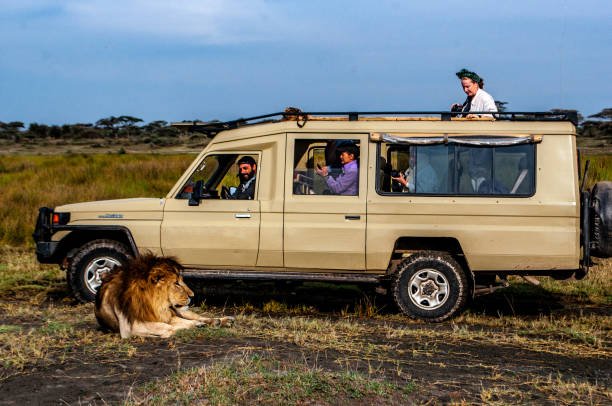
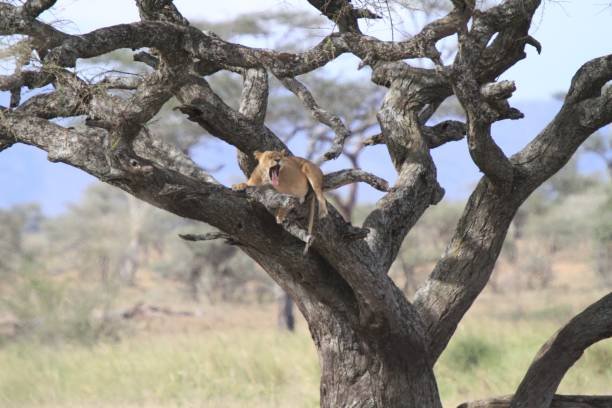
Lions remain in Serengeti throughout the year and can be encountered during all three months.
Dry season conditions can sometimes improve visibility because vegetation may be shorter or less dense.
Lions can be seen resting, travelling, interacting within prides or remaining close to concentrations of prey animals.
Cheetah Viewing
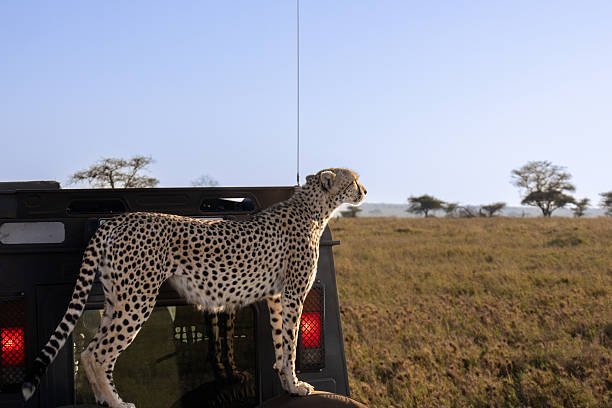
Cheetahs can be encountered in suitable open Serengeti habitats.
Open plains provide the visibility these predators use when scanning for prey and potential threats.
Morning and afternoon game drives can produce good opportunities, but no sighting is guaranteed.
Leopard Viewing
Leopards can be considerably harder to find.
They may use trees, woodland and riverine areas for shelter, resting and hunting.
Patience and an experienced guide can improve the opportunity to locate them.
Hyenas and Other Predators
Hyenas are an important part of the Serengeti ecosystem and may be encountered around prey concentrations, water sources or moving across open landscapes.
Jackals and smaller predators can also add interest to game drives.
Elephants in Serengeti
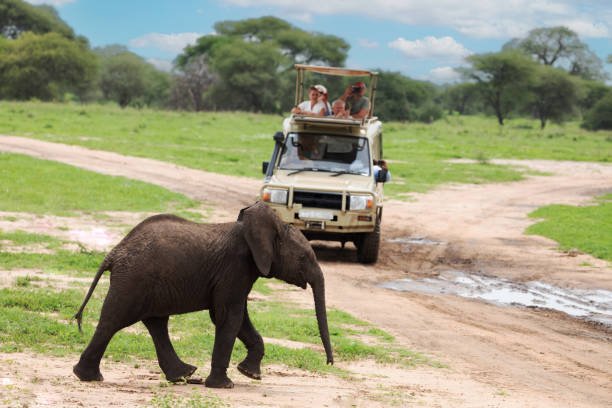
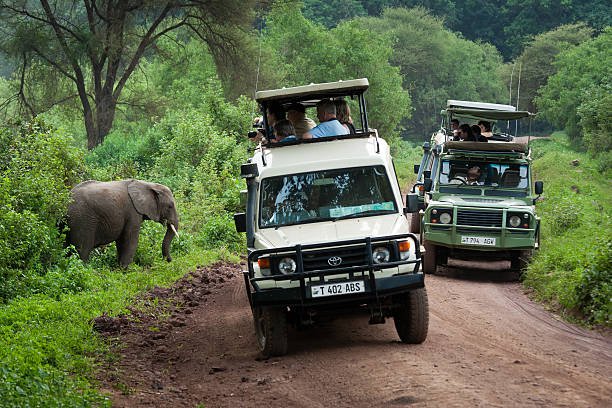
Elephants can be encountered across suitable Serengeti habitats during the dry season.
Travellers especially interested in elephants may also add Tarangire National Park, which creates an excellent combination with Serengeti during these months.
Dry Season Landscapes
July through September progressively produces the dry, golden scenery associated with many classic Serengeti images.
Grass can become pale and dust can rise behind migrating herds or moving safari vehicles.
These conditions provide a very different photographic experience from the green season.
Serengeti Photography July August September
These months are excellent for wildlife photography.
Golden grass, open landscapes and potentially large migration herds provide strong visual opportunities.
Morning and late afternoon light can be particularly attractive.
Photography Equipment
- Camera body
- Zoom lens
- Wide lens if desired for landscapes
- Spare batteries
- Memory cards
- Lens cleaning kit
- Protective camera bag
- Power bank or charging equipment
Morning Game Drives
Early mornings can provide cooler temperatures and active wildlife.
A warm fleece is useful because travelling in an open roof safari vehicle before the sun rises higher can feel surprisingly cold.
Morning light is also excellent for photography.
Full Day Serengeti Game Drive
A full day game drive can be particularly useful for migration and photography focused travellers.
The guide has greater freedom to explore areas farther from the lodge or camp without needing to return for lunch.
A packed lunch can be arranged according to the safari program.
July August September Weather
Daytime conditions are commonly comfortable to warm, while mornings and evenings can feel cool.
Temperatures vary according to elevation, wind and exact location.
Travellers should pack clothing in layers rather than assuming the entire day will be hot.
What to Wear
- Light safari shirts
- Comfortable trousers
- Warm fleece
- Light jacket
- Sun hat
- Sunglasses
- Comfortable closed shoes
- Light rain protection
Safari Crowds July August September
These months are popular, particularly in areas with major migration concentrations.
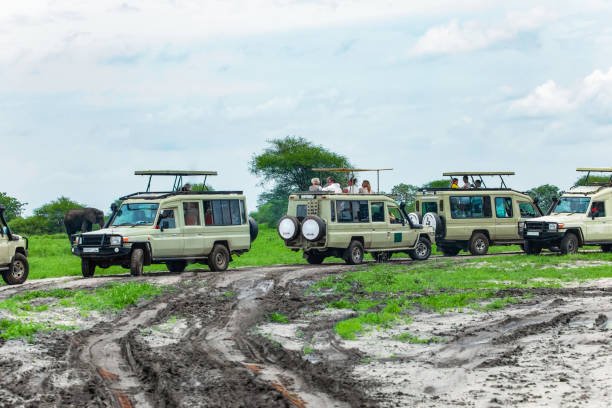
River crossing zones can attract many safari vehicles when herds gather nearby.
Predator sightings in central Serengeti can also become busy.
A professional guide should balance important sightings with opportunities to explore less congested areas when possible.
How to Reduce Crowd Pressure
Staying several nights in the same region gives the guide more flexibility to explore at different times of day.
Starting game drives early can also help.
A private safari vehicle provides additional flexibility because your schedule is not controlled by unrelated travellers.
Lodge Safari July August September
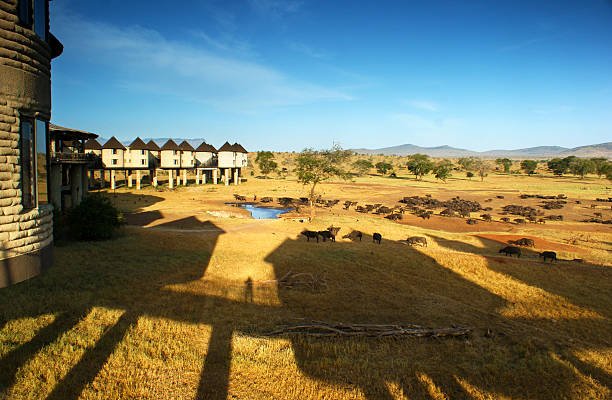
Safari lodges provide permanent rooms and comfortable facilities after game drive days.
Well located properties can be in high demand during these months.
Choosing accommodation based on wildlife location is often more valuable than choosing only by room design or luxury level.
Tented Camp Safari
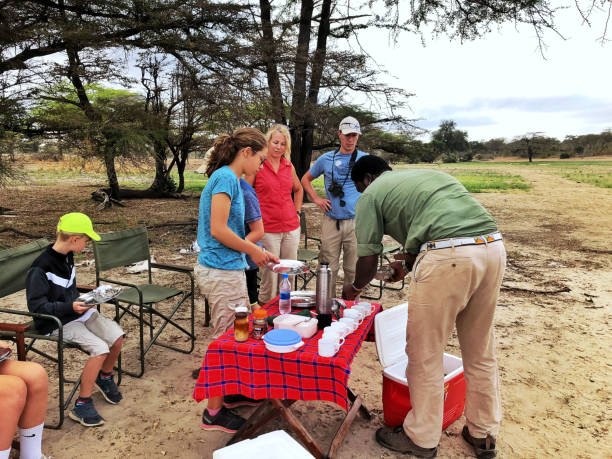
Tented camps provide a strong safari atmosphere while still offering comfortable sleeping arrangements.
Depending on the property, tents can include beds, private bathrooms and dining facilities.
Seasonal camps can be positioned to follow different phases of migration movement.
Camping Safari
Traditional camping can also work particularly well during the dry season.
Lower rainfall generally makes outdoor camp life simpler, although nights can be cool.
Travellers should carry warm clothing, a headlamp and appropriate personal items.
Private Safari
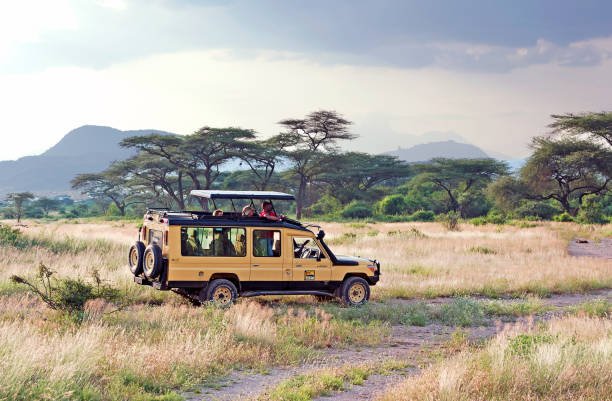
A private safari gives your booking party its own safari vehicle and driver guide.
This is particularly useful for migration focused travellers, photographers and families who want control over game drive priorities.
Group Joining Safari
Group joining can reduce safari costs by sharing the vehicle and guide with other travellers.
Always confirm the actual route because a group advertised as a Serengeti safari may focus on central Serengeti and not travel to the northern migration areas.
Safari from Moshi
A July, August or September Serengeti safari can begin directly from Moshi.
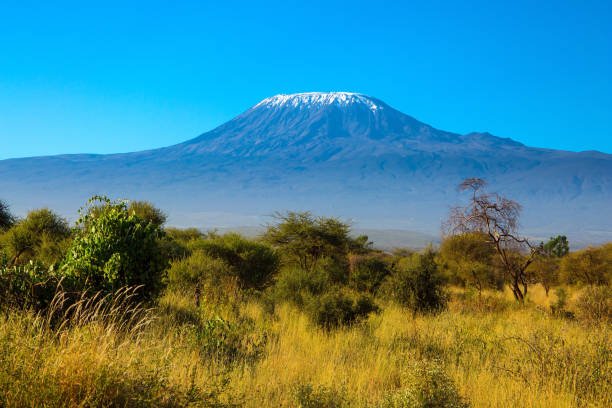
This is particularly convenient for travellers staying near Kilimanjaro or completing a mountain climb before the safari.
Hotel pickup can be arranged according to the confirmed package.
Safari from Arusha
Arusha is another common starting point for road safaris.
Travellers heading directly toward distant northern Serengeti can also consider domestic flights when reducing road travel is important.
Road Safari or Fly In Safari?
A road safari works well when Serengeti is combined with Ngorongoro Crater, Tarangire or Lake Manyara.
A fly in safari can save time when northern Serengeti is the main objective.
Some itineraries use road transport in one direction and a domestic flight for the return.
Serengeti and Ngorongoro July August September
Serengeti and Ngorongoro form an excellent northern Tanzania combination during the dry season.
Serengeti offers extensive plains and migration possibilities while Ngorongoro provides a contrasting crater wildlife experience.
Four to five days can combine the two, although additional days provide more Serengeti time.
Serengeti and Tarangire July August September
Tarangire is an excellent addition during the dry season.
Wildlife can become increasingly dependent on reliable water sources, while the park is particularly attractive to travellers interested in elephants and baobab landscapes.
Serengeti Ngorongoro Tarangire Safari
Combining all three destinations creates a varied northern circuit itinerary.
Travellers can experience elephant country in Tarangire, predators and plains wildlife in Serengeti and the crater ecosystem at Ngorongoro.
Five or more days generally provides a more practical schedule.
Serengeti and Lake Manyara
Lake Manyara can add forest, wetland and Rift Valley scenery to the itinerary.
The combination is suitable for travellers who want broader landscape variety rather than concentrating entirely on open plains.
Kilimanjaro and Serengeti July August September
These months are popular for combining a Kilimanjaro climb with a Serengeti safari.
After completing the mountain, travellers can recover in Moshi before continuing to Serengeti.
Mountain equipment not required on safari can often remain at an agreed storage location.
Serengeti and Zanzibar
A beach stay in Zanzibar can be added after the safari.
Domestic flight arrangements can connect the northern circuit with Zanzibar depending on the final safari location.
Baggage limits should be checked when small safari aircraft are included.
How Many Days Do You Need?
Safari Duration Guide
3 days: Short and fast paced, generally better suited to central areas than distant northern Serengeti.
4 days: Useful for Serengeti and Ngorongoro.
5 days: Provides more Serengeti game drive time and another northern circuit destination.
6 days or more: Greater flexibility for northern Serengeti, photography and seasonal migration areas.
River crossing focus: Several nights in northern Serengeti are preferable to one short visit.
What to Pack
- Comfortable lightweight safari clothing
- Warm fleece or jacket
- Comfortable trousers
- Sun hat
- Sunglasses
- Sunscreen
- Comfortable closed shoes
- Camera
- Binoculars
- Personal medication
- Power bank
- Small day bag
- Light rain protection
Should You Book Early?
July, August and September are popular safari months.
Well located northern Serengeti camps, family rooms and specific lodge categories can fill early.
Booking in advance increases the range of accommodation available and can help keep the itinerary geographically efficient.
Frequently Asked Questions About Serengeti Safari July August September
Are July August and September good months for Serengeti?
Yes. All three months fall within the main dry season and can provide excellent resident wildlife and Great Migration opportunities.
Is July a good month for Serengeti?
Yes. July provides dry season wildlife viewing with migration herds potentially moving through western and northern parts of the ecosystem.
Is August good for Serengeti?
Yes. August is a popular dry season month and northern Serengeti can be especially important for migration focused travel.
Is September good for Serengeti?
Yes. September generally continues to provide dry conditions, excellent wildlife viewing and northern migration opportunities.
Can I see the Great Migration in July?
Yes, but exact herd locations depend on rainfall and grazing conditions and can vary from year to year.
Can I see the Great Migration in August?
Yes. August can provide excellent migration opportunities, particularly when large herds are using northern Serengeti.
Can I see the Great Migration in September?
Yes. Migration herds may remain across northern parts of the wider ecosystem depending on seasonal conditions.
Can I see a Mara River crossing?
You may have an opportunity during suitable northern migration conditions, but river crossings cannot be guaranteed.
What time do wildebeest cross the Mara River?
There is no fixed crossing time. Herds decide naturally when and where to cross and may wait for long periods before moving.
How many nights should I stay in northern Serengeti?
Several nights provide greater flexibility for migration focused game drives than a single short visit.
Do I need northern Serengeti?
Not necessarily. Central Serengeti remains excellent for general wildlife, while northern Serengeti is more important when migration and river crossings are your main priorities.
Can I see lions?
Yes. Serengeti supports lions throughout the year, including July, August and September, although sightings cannot be guaranteed.
Can I see cheetahs?
Cheetahs occur in suitable open Serengeti habitats and may be encountered during game drives.
Can I see leopards?
Yes, although leopards are naturally elusive and sightings should never be promised.
Are July August September dry months?
Yes. They fall within Serengeti's main dry season, although occasional rainfall remains possible.
Is Serengeti cold in these months?
Early mornings and evenings can feel cool, so a fleece or light jacket is recommended.
Are these months good for photography?
Yes. Golden vegetation, dry season visibility, predators and migration herds can provide excellent photographic opportunities.
Is Serengeti crowded in August?
Some migration areas and major wildlife sightings can attract many vehicles because August is a popular safari month.
Can I do a camping safari?
Yes. Dry season camping can be an excellent option, although warm sleeping equipment and clothing are important for cool nights.
Can I stay in safari lodges?
Yes. Lodges are available in different Serengeti regions, although popular properties can fill early.
Are tented camps available?
Yes. Permanent and seasonal tented camps can provide comfortable accommodation close to different wildlife areas.
Can I start from Moshi?
Yes. Road safari pickup can be arranged from a confirmed Moshi hotel according to the package.
Can I start from Arusha?
Yes. Arusha is one of the main starting points for northern Tanzania safaris.
Should I drive or fly to northern Serengeti?
Both are possible. Road travel works well for longer circuit safaris, while domestic flights can reduce travel time when northern Serengeti is the main priority.
Can Ngorongoro Crater be added?
Yes. Serengeti and Ngorongoro are one of the most popular northern Tanzania safari combinations.
Can Tarangire be added?
Yes. Tarangire is an excellent dry season addition, especially for elephant viewing and baobab landscapes.
Can I climb Kilimanjaro before Serengeti?
Yes. Kilimanjaro and Serengeti can be combined, with a recovery night in Moshi often useful before the safari.
Can Zanzibar be added after Serengeti?
Yes. Zanzibar can be added using suitable domestic flight and transfer arrangements.
Should I book July August September early?
Yes. These are popular safari months and well located accommodation can fill well in advance.
How do I plan a Serengeti Safari July August September?
Choose your exact travel month, decide whether your priority is general wildlife or migration activity, select the appropriate Serengeti region and allow enough safari days for the distances involved.
Plan Your July August September Serengeti Safari
Explore Serengeti during the heart of the dry season with professional wildlife game drives, carefully selected accommodation and an itinerary designed around predators, migration movements, northern Serengeti and your preferred safari style.
Plan Your Serengeti Safari

 Serengeti Safari
.jpg "Tanzania Safari for Two People 2026-2027")