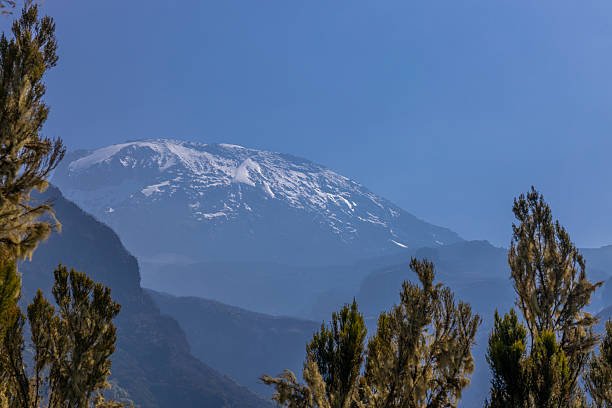
3 Day Kilimanjaro Camping Trek
The 3 Day Kilimanjaro Camping Trek is designed for travellers who want a real overnight tent camping experience on Mount Kilimanjaro without joining a complete summit expedition.
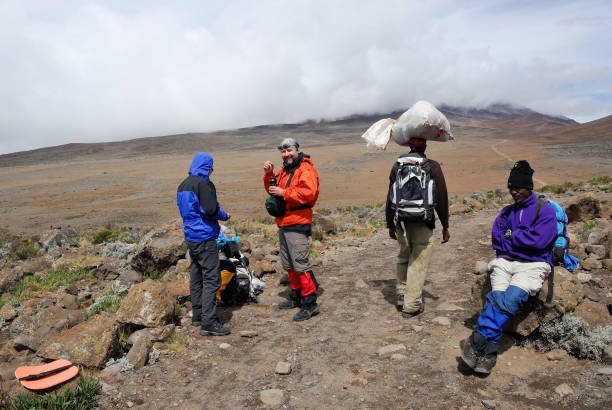
For a short camping itinerary, the western Shira Plateau provides a practical mountain environment. Unlike the Marangu Route, which is associated with hut accommodation, the Shira side allows the trip to be structured around tents, campsite routines, crew logistics and open high altitude trekking.
The experience is very different from a three day Marangu trek. Instead of beginning low in dense rainforest and sleeping in mountain huts, travellers use western access toward the Shira side and enter Kilimanjaro at a much higher elevation. The landscape is more open, volcanic and exposed from the beginning.
That high starting point is also the central challenge. Travellers can move from relatively low elevation around Moshi or another starting town to the Shira Plateau within the same day, so the body receives less gradual altitude progression than on routes beginning much lower on the mountain.
The purpose of the three day camping trek is therefore not to chase the highest possible altitude. It is to experience two nights outdoors on Kilimanjaro, explore the Shira Plateau responsibly, understand mountain camping routines and return safely after a compact high altitude adventure.
3 Day Kilimanjaro Camping Trek at a Glance
- Duration: 3 days / 2 mountain nights
- Trekking style: Short tent camping trek
- Mountain area: Western Kilimanjaro / Shira Plateau
- Access: Western side according to confirmed itinerary
- Terrain: High altitude moorland and volcanic plateau
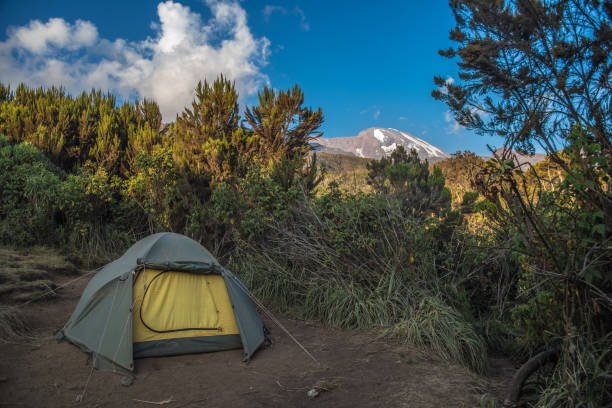
- Accommodation: Tent camping
- Mountain nights: 2 nights at confirmed Shira campsites
- Main challenge: Rapid elevation gain
- Possible exploration: Shira 1, Shira 2 or Shira Cathedral direction according to itinerary
- Guide: Professional mountain guide where confirmed
- Camping crew: According to confirmed package
- Technical climbing: Not part of the short itinerary
- Summit attempt: No
Why Use the Shira Plateau for a 3 Day Camping Trek?
A camping focused short trek should provide a genuine tent based mountain experience. The Marangu Route is primarily associated with hut accommodation, making it less suitable when camping is the defining feature of the package.
Western Kilimanjaro provides access toward the Shira Plateau, allowing a compact trip to reach an open high altitude environment without first spending several days climbing through the lower route stages.
This makes Shira attractive for travellers who want limited duration, mountain camping and high plateau scenery. At the same time, it makes altitude management especially important because travellers begin much higher than they would on a conventional lower gate trek.
Why Shira Works for a Short Camping Experience
- Tent based mountain accommodation
- Western Kilimanjaro access
- Open high altitude scenery
- Volcanic plateau landscapes
- Possibility of two genuine mountain camp nights
- Suitable terrain for a compact non summit itinerary
- Opportunity to experience mountain camp routines
What Makes This a Camping Trek?
Camping should be more than simply sleeping in a tent. The experience includes campsite arrival, tent organization, mountain meals, evening temperatures, sleeping equipment, morning packing and coordination with the guide and camping crew.
A Real Kilimanjaro Camping Experience Can Include
- Mountain sleeping tent
- Sleeping mat where confirmed
- Sleeping bag arrangement
- Campsite setup
- Camping crew according to package
- Mountain meals according to package
- Drinking water arrangement
- Overnight luggage arrangements
- Cold evening preparation
- Morning camp breakdown and departure
Camping Equipment Must Be Confirmed Separately
Do not assume that the words “camping trek” mean every item of equipment is automatically included. The quotation should identify the tent, sleeping mat, sleeping bag and other required equipment separately.
A traveller may own an appropriate sleeping bag while another needs to rent one. Tent occupancy can also vary, so solo travellers and couples should confirm exactly how sleeping arrangements are structured.
Does Camping Mean a Private Campsite?
No. Kilimanjaro campsites can be used by other trekking parties. A private booking does not automatically create an exclusive campsite.
3 Day Kilimanjaro Camping Trek Itinerary
Day 1 – Pickup and Camping Equipment Check
Pickup From the Confirmed Location
Begin from the hotel, lodge or meeting point written into the booking.
Meet the Professional Mountain Guide
Meet the guide responsible for the three day mountain itinerary, pace and safety decisions.
Review the Shira Camping Plan
Understand the intended campsites, hiking objectives and Day 3 exit plan.
Discuss Previous Altitude Experience
This is particularly important because the western Shira approach begins at relatively high elevation.
Check the Sleeping Tent
Confirm the tent arrangement that will be used for both mountain nights.
Check Tent Occupancy
Confirm whether the tent is single occupancy, shared or arranged another way.
Check the Sleeping Mat
A suitable insulating layer between the sleeper and cold ground is important.
Check the Sleeping Bag
Confirm whether it is included, rented separately or brought personally.
Check Waterproof Clothing
Rain and mist remain possible even in open mountain terrain.
Check Warm Layers
High altitude evenings can become cold quickly after sunset.
Camping Trek Rule
Tent, sleeping mat and sleeping bag are three separate items. Confirm all three rather than assuming that the word camping automatically covers the complete sleeping system.
Why Is the Sleeping System Important?
The purpose of the sleeping system is not simply comfort. The combination of tent, mat, sleeping bag and dry sleeping clothing helps protect the traveller from wind, cold ground and lower overnight temperatures.
A comfortable night also improves recovery before the next day's hiking.
Day 1 – Drive Toward Western Kilimanjaro
Leave the Starting Town
Where road transport is included, begin travelling toward western Kilimanjaro.
Approach the Londorossi Side
The western side provides access toward the Shira trekking area according to the confirmed itinerary.
Possible Kilimanjaro Views
The mountain may be visible during clear conditions, but cloud can hide it completely.
Complete Applicable Mountain Procedures
Complete the required entry and trek arrangements according to the approved itinerary.
Organize Crew and Luggage
Confirm how tents, food, overnight luggage and other equipment will be handled.
Why Can the Western Transfer Be Longer Than Marangu?
Western Kilimanjaro access follows different roads and logistics from the Marangu side. Travellers should use the pickup schedule provided by the operator rather than assuming the same travel time as another Kilimanjaro route.
Day 1 – Continue Toward the High Shira Access
Enter the Western Mountain Environment
Continue toward the Shira side according to the approved route and road conditions.
Possible 4x4 Mountain Road
Higher western access can involve rough mountain road travel.
Road Conditions Can Change
Rain and surface conditions may affect how far the vehicle can practically proceed.
Do Not Assume an Exact Vehicle Endpoint
The guide and operating team should follow the actual access conditions and confirmed route plan.
Notice the Rapid Elevation Change
The transition from lower elevation to the Shira Plateau is much faster than walking gradually from a lower trailhead.
The Main Challenge Begins Before the Trek
The Shira camping experience starts high. Travellers should therefore pay attention to how they feel from the moment they reach the plateau rather than waiting until they have walked for several hours.
Why Is Rapid Elevation Gain Important?
Driving high onto Kilimanjaro saves time, which is why Shira can work for a short camping trek. However, the body has less time to adjust gradually to increasing elevation.
This is why the first day's hiking should not become a competition to cover unnecessary distance. A conservative pace and honest communication with the guide are important.
Can Altitude Symptoms Begin on Day 1?
Yes. Headache, nausea, dizziness, unusual weakness or other concerning symptoms should be reported promptly rather than hidden.
Day 1 – Begin the Shira Plateau Trek
Leave the Vehicle Access Area
Begin walking from the point determined by the itinerary and actual road access.
Enter High Altitude Moorland
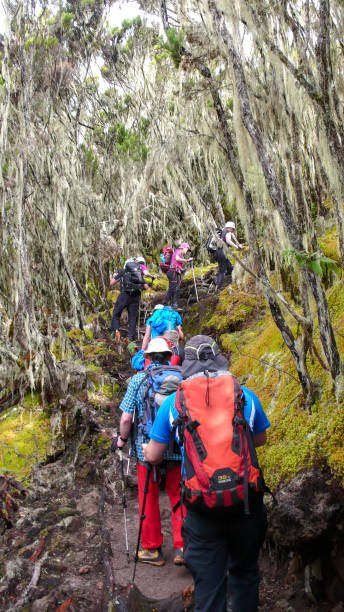
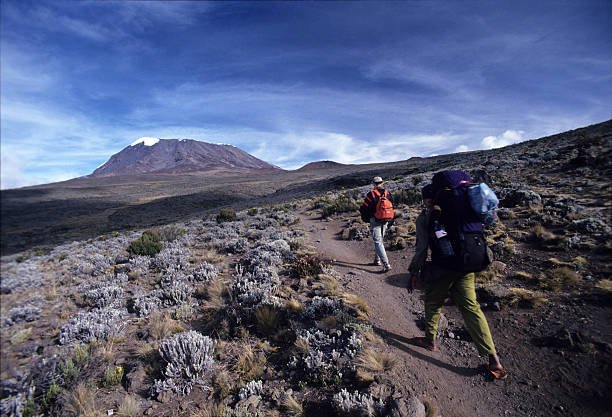
The environment is open and very different from Kilimanjaro's dense lower rainforest.
Walk Through Volcanic Terrain
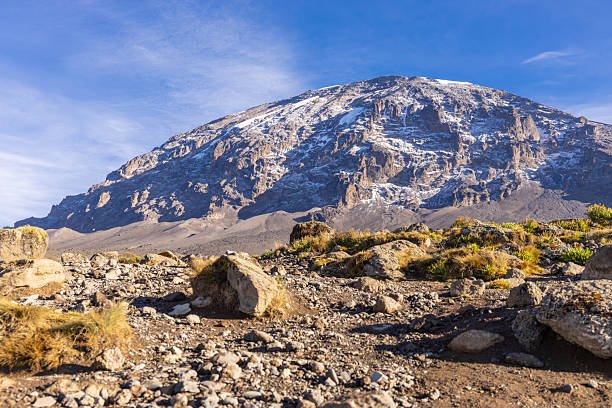
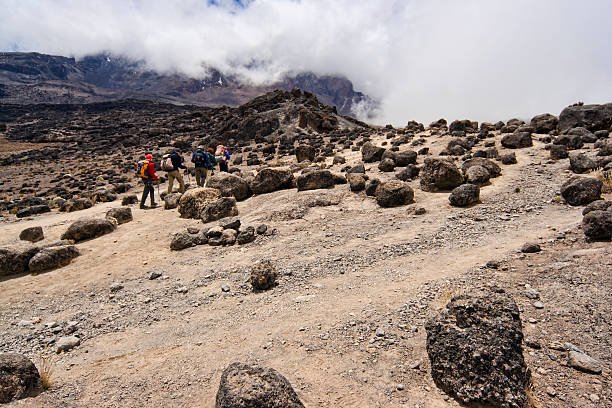
The Shira Plateau reflects Kilimanjaro's volcanic history through ridges, rocks and broad open ground.
Keep the First Hiking Stage Controlled
Avoid using the short itinerary as an excuse to walk unnecessarily fast.
Use Sun Protection
Open terrain can provide more direct sun exposure than forest routes.
Keep Warm Clothing Accessible
Wind and cloud can change how the plateau feels within a short period.
Continue Toward the Confirmed Camp
Reach the campsite stated in the itinerary where conditions permit.
Is Day 1 Always Shira 1 Camp?
Not necessarily. The exact campsite depends on the approved itinerary, access point and operating plan.
A short camping package should therefore state the planned campsite in writing rather than using “Shira Camp” as a vague description.
Can the First Camp Change?
Potentially where road, weather, park or operational conditions require an adjustment.
Day 1 Afternoon – Arrive at Shira Camp
Reach the Confirmed Campsite
Arrive at the camping area selected for the first night.
Locate Your Tent
Identify the sleeping tent allocated according to the package arrangement.
Organize Sleeping Equipment
Arrange the mat, sleeping bag and dry evening clothing before temperatures fall further.
Change Damp Hiking Clothing
Move into dry layers where necessary.
Add Warm Clothing
High altitude camp can become cold when active walking stops.
Continue Hydrating
Maintain sensible fluid intake after reaching camp.
Tell the Guide How You Feel
Altitude related symptoms should be discussed openly during the first afternoon.
First Camping Night Highlight
The defining moment of Day 1 is not simply reaching a high point. It is settling into a tent on Kilimanjaro's open Shira Plateau and experiencing the mountain as an overnight camping environment.
What Is a Kilimanjaro Campsite Like?
A mountain campsite should be approached as functional trekking accommodation rather than a conventional hotel. Facilities are limited and the environment remains exposed to natural weather.
Other trekking parties may also be present, and campsite conditions can feel very different depending on wind, rain, cloud and the number of visitors.
Does the Tent Have a Bed?
Do not assume so. The sleeping mat and sleeping bag arrangements should be confirmed separately.
Is a Sleeping Mat Included?
Only where specifically stated in the package.
Is a Sleeping Bag Included?
Only where confirmed. It may instead be rented or brought personally.
Is the Tent Private?
Only where single occupancy is specifically arranged. Couples or other travellers may share according to the confirmed sleeping plan.
Is the Campsite Private?
No. A private trekking package does not normally mean exclusive use of the entire campsite.
Day 1 Evening – Camp Life on Shira Plateau
Dinner Where Included
Take the evening meal according to the confirmed camping package.
Wear Warm Layers Early
Do not wait until you are already cold before adding insulation.
Protect Electronics
Keep phones, cameras and batteries protected from moisture and cold.
Prepare a Headlamp
Camp movement after dark is easier with hands free lighting.
Prepare Day 2 Clothing
Organize warm, waterproof and sun protective layers before sleeping.
Listen to the Guide's Day 2 Plan
The following day's objective should depend on the approved itinerary and how the group is responding to elevation.
Rest
The second day provides the main exploration stage of the camping trek.
Can You See Stars From Shira Camp?
Potentially during clear weather, but cloud and precipitation can obscure the night sky completely.
Can You See Kibo From Camp?
Potentially from suitable locations during clear conditions. No view should be guaranteed.
Can Sunrise Be Guaranteed?
No.
Can the Night Be Cold?
Yes. Travellers should prepare for cold, wind and changing mountain weather.
Day 2 – Main Shira Plateau Exploration Day
The second day is where the three day format becomes significantly more complete than a short overnight camping trip. Instead of returning after one night, travellers have a full additional mountain day to explore the Shira environment before establishing the second camp.
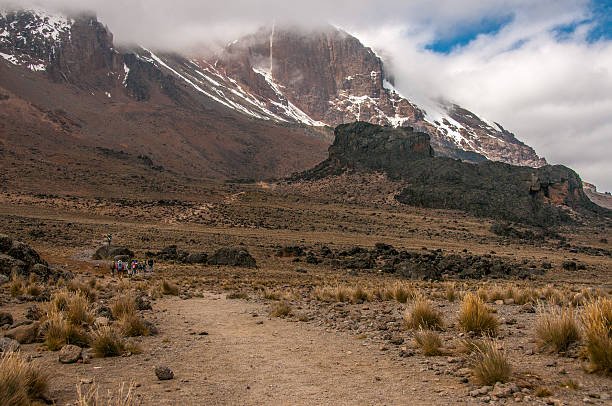
The exact walking objective should follow the confirmed itinerary. Possibilities may involve progression between Shira camps or exploration toward features such as the Shira Cathedral direction where time, weather, altitude response and guide judgment make the plan appropriate.
Day 2 – Wake at Shira Camp
Wake on Mount Kilimanjaro
Begin the morning already surrounded by the Shira Plateau landscape.
Check How You Feel
Report headache, nausea, dizziness, unusual weakness or other concerning symptoms.
Check Weather
Wind, cloud, sun and rain can influence the day's walking objective.
Breakfast Where Included
Eat according to the confirmed camp meal arrangement.
Pack the Daypack
Keep water, waterproof layers, warm clothing, sun protection and personal medication accessible.
Prepare the Camp for Movement
Where the itinerary changes campsite, the crew organizes camp equipment according to the trekking plan.
Begin Slowly
Day 2 should begin at a controlled pace rather than with aggressive altitude gain.
Day 2 Altitude Principle
A short itinerary should not encourage unnecessary climbing simply because more time is available. The professional guide should balance exploration with how the group is actually responding to Shira's elevation.
Can Altitude Feel Different After the First Night?
Yes. Travellers may wake feeling normal, better or worse than they did the previous afternoon. The guide needs honest information before deciding how aggressively Day 2 should progress.
Is Headache Normal Enough to Ignore?
Do not dismiss symptoms simply because other trekkers appear comfortable. Communicate how you feel and allow the professional guide to assess the situation.
Day 2 – Trek Across the Shira Plateau
Enter Open Moorland
Walk through broad high altitude landscapes rather than enclosed rainforest.
Observe Volcanic Terrain
The plateau contains ridges, rocky ground and features shaped by Kilimanjaro's volcanic history.
Possible Kibo Views
Kibo may dominate the skyline when cloud permits.
Possible Shira Ridge Views
The surrounding western landscape may become visible during clear conditions.
Possible Distant Plains Views
Clear air may provide wide perspectives beyond the mountain.
Watch Wind Exposure
Open ground provides less protection than dense forest.
Use Sun Protection
Cloud can change quickly, so sun protection should remain available even during a cool morning.
Continue at a Sustainable Pace
The objective is a good three day experience, not maximum distance.
Day 2 Scenic Highlight
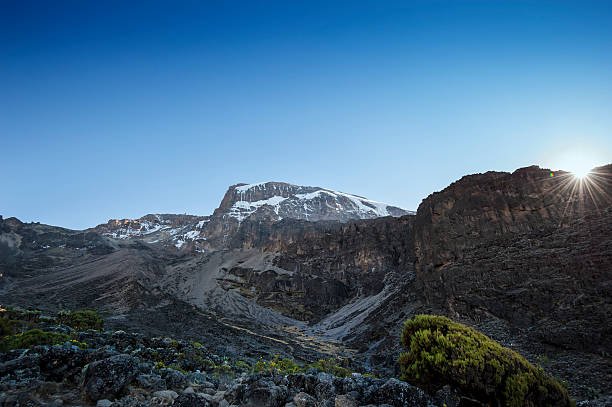
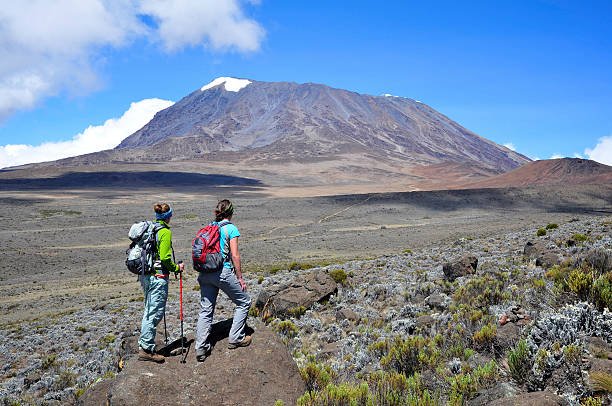
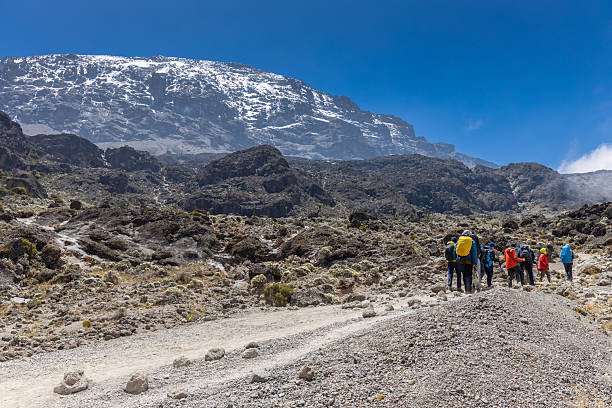
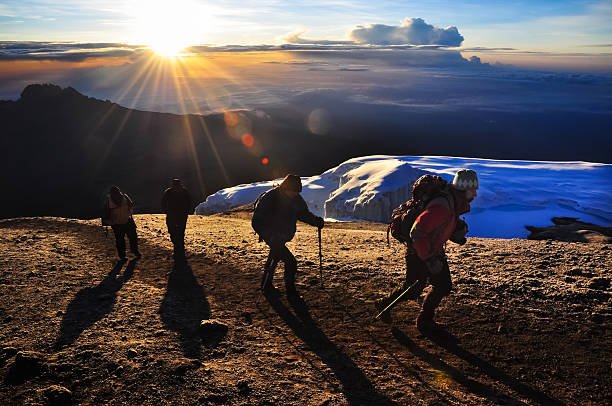
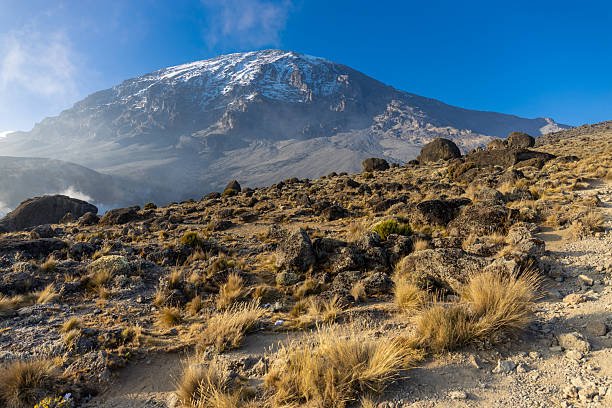
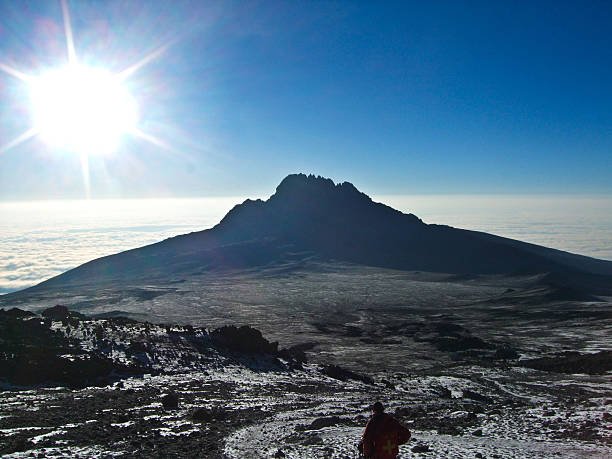
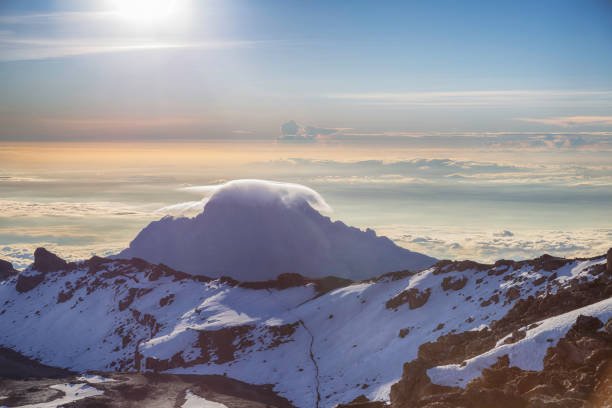
The Shira Plateau gives the camping trek its strongest identity: broad open terrain, volcanic scenery, changing cloud, high altitude vegetation and the possibility of dramatic Kibo views when weather allows.
Can Day 2 Visit Shira 2?
Potentially where Shira 2 forms part of the confirmed three day itinerary. Do not assume it is automatically included simply because the trek takes place on the Shira Plateau.
Can Day 2 Visit Shira Cathedral?
Potentially where the approved itinerary, time, weather, fitness and guide decision make the direction practical.
Is Shira Cathedral Guaranteed?
No.
Does Day 2 Go to Lava Tower?
Not as a standard objective of this short three day camping itinerary.
Why Not Push Toward Lava Tower?
This package is designed as a short Shira camping experience rather than a compressed summit route. Adding much higher objectives can increase altitude stress and distort the purpose of the itinerary.
Day 2 – Continue Toward the Second Camp
Follow the Confirmed Route
Continue according to the campsite and hiking plan established for the package.
Monitor the Group
The guide should continue assessing pace and altitude response.
Use Practical Breaks
Stop where appropriate without allowing the day to become unnecessarily late.
Adjust Layers
Open plateau conditions can shift quickly between warm sun, wind and cloud.
Approach the Confirmed Campsite
Reach the second night's camp where conditions permit.
Stop the Day's Progression
Use the remainder of the afternoon for recovery rather than unnecessary additional altitude.
Is the Second Camp Always Higher?
Not necessarily. Exact campsite elevation depends on the itinerary selected for the trip.
Should You Always Sleep as High as Possible?
No. Higher is not automatically better, particularly during a short high starting itinerary. The guide should consider altitude response and overall route design.
Day 2 Afternoon – Second Camp Setup
Arrive at the Campsite
Reach the confirmed second camp according to the day's plan.
Locate Your Sleeping Tent
Identify your allocated sleeping space.
Organize the Sleeping Bag
Prepare the sleeping system before temperatures fall.
Change Into Dry Layers
Avoid spending the evening in damp trekking clothing.
Add Warm Clothing
The second mountain evening may again be cold and windy.
Continue Hydrating
Maintain sensible fluid intake after trekking.
Tell the Guide How You Feel
Report any change in headache, nausea, dizziness or general condition.
Second Camping Night Highlight
The second night changes this trip from a quick overnight visit into a genuine multi day camping trek. Travellers experience the rhythm of waking, trekking, moving camp and sleeping on Kilimanjaro again.
What Is the Camping Crew's Role?
The exact crew depends on the confirmed package. Trek logistics can involve carrying camp equipment, managing tents, transporting supplies, assisting with water and preparing meals where those services are included.
Is a Cook Included?
Only where the crew arrangement specifically includes one.
Are Porters Included?
Only where specifically stated in the package.
Who Carries the Tents?
The equipment transport arrangement should be explained through the crew plan. Travellers should not assume that they personally carry full camp infrastructure unless that is explicitly the type of trek being offered.
Who Carries My Overnight Bag?
This depends on the porter and luggage arrangement stated in the package.
Day 2 Evening – Final Night on Kilimanjaro
Dinner Where Included
Eat according to the confirmed meal plan.
Prepare for Cold
Use warm dry layers before entering the sleeping bag.
Protect Batteries
Cold conditions can reduce battery performance.
Prepare the Headlamp
Keep it accessible during the night.
Prepare Day 3 Equipment
Organize clothing needed for additional morning hiking and the later descent.
Review the Exit Plan
Understand where the group will walk, where vehicle access is expected and the approximate return structure.
Rest
Day 3 still includes hiking, camp departure and road travel.
Day 3 – Final Shira Plateau Morning
The final day should not simply involve waking and immediately entering a vehicle. Where the itinerary allows, travellers can enjoy additional plateau walking before beginning the return toward the agreed exit or vehicle access point.
The exact morning route should remain conservative because the group still needs to leave the mountain, complete applicable procedures and return by road.
Day 3 – Wake at the Second Shira Camp
Wake for the Final Mountain Day
Begin the morning after the second tent night.
Check Health
Report remaining altitude symptoms or other physical concerns.
Check Weather
Weather can influence the planned morning exploration and road access.
Breakfast Where Included
Eat according to the package meal plan.
Pack Personal Equipment
Make sure no personal items remain inside the tent or around camp.
Prepare for Final Hiking
Keep water, rainwear and warm layers accessible.
Day 3 Principle
The final morning is for completing the Shira experience responsibly, not making a last minute attempt to reach objectives designed for longer summit routes.
Day 3 – Additional Plateau Exploration
Leave Camp According to the Route Plan
Begin the final walking section after camp preparations.
Enjoy Open Moorland
Experience the Shira landscape one final time.
Possible Morning Kibo Views
Clear conditions may provide dramatic views toward Kibo.
Possible Shira Ridge Views
The western volcanic landscape may be visible when cloud allows.
Take Final Photographs Where Practical
Use appropriate stops without delaying the exit unnecessarily.
Begin the Return
Turn toward the agreed western exit or vehicle access point.
Does Day 3 Reach Barranco?
No. Barranco belongs to a different progression used by longer Kilimanjaro climbing itineraries.
Does the Trek Reach Barafu Camp?
No.
Does It Reach Stella Point?
No.
Does It Reach Uhuru Peak?
No.
Can Three Days Be Used as a Summit Shortcut?
No. The itinerary is specifically a short Shira camping trek and should not be converted into an aggressive summit attempt.
Day 3 – Return Toward Vehicle Access
Follow the Professional Guide
Use the exit route stated in the operational plan.
Descend Gradually
Leaving higher elevation can change how travellers feel.
Watch Uneven Terrain
Loose rocks and natural surfaces still require concentration.
Continue Hydrating
Maintain sensible fluid intake until the trekking section is finished.
Reach the Confirmed Pickup Point
Meet the vehicle according to the actual road and route arrangement.
Do Not Assume the Vehicle Can Reach Every Planned Point
Wet weather and mountain road conditions can require practical adjustments.
Camping Trek Complete
After two nights in tents and three days in the Shira environment, travellers leave Kilimanjaro having experienced both high altitude trekking and the practical rhythm of a genuine mountain camping expedition.
Day 3 – Final Road Transfer
Complete Applicable Exit Procedures
Finish the required mountain arrangements according to the confirmed route.
Reorganize Camping Luggage
Separate rental equipment, personal clothing and other belongings.
Meet the Confirmed Transfer
Use the vehicle arranged in the package.
Return to the Confirmed Destination
Travel toward Moshi, the hotel or another agreed location.
Allow Flexible Timing
Mountain road conditions, trekking pace, weather and procedures can influence final arrival.
Avoid Tight Same Day Flights
Do not build the final mountain day around an unnecessarily tight onward flight.
What Can Be Included in a 3 Day Kilimanjaro Camping Trek?
Camping Trek Inclusions to Confirm
- Professional mountain guide
- Applicable mandatory mountain related charges
- Pickup from the agreed location
- Western Kilimanjaro road transfers
- Shira Route or plateau access according to itinerary
- Two mountain campsite nights
- Sleeping tent
- Sleeping mat where confirmed
- Sleeping bag where confirmed
- Camping crew according to package
- Porter services where included
- Meals specifically stated in the itinerary
- Drinking water according to the package
- Day 2 Shira exploration
- Day 3 guided return
- Final road transfer
Possible Exclusions
- International flights
- Domestic flights
- Visa expenses
- Travel insurance
- Personal hiking clothing
- Sleeping bag unless specifically included
- Additional rental equipment unless included
- Private tent occupancy unless confirmed
- Private campsite
- Private portable toilet unless confirmed
- Hotel accommodation unless confirmed
- Airport transfers unless confirmed
- Tips where separate
- Personal expenses
- Activities outside the approved itinerary
Does Camping Trek Mean All Inclusive?
No. Camping describes the accommodation style. Only the written inclusion list determines whether transport, equipment, meals, porters, hotels and other services are included.
Does Camping Trek Mean Private?
No. Private and camping are separate package characteristics.
Does Private Trek Mean Private Campsite?
No.
Does Private Trek Mean Single Tent?
Not automatically. Tent occupancy should be confirmed separately.
Is a Private Portable Toilet Included?
Only where specifically stated in the package.
Are Porters Included?
Only where the package specifically confirms porter services.
Is a Cook Included?
Only where the crew arrangement includes one.
Are Meals Included?
Only meals stated in the package should be considered included.
Is Drinking Water Included?
Only where specifically confirmed.
How Difficult Is the 3 Day Kilimanjaro Camping Trek?
The physical walking may be manageable for reasonably fit trekkers, but the high starting elevation creates an important additional challenge.
Cold, wind, rough ground, two tent nights and consecutive hiking days can also make the experience more demanding than the short duration suggests.
Is It Suitable for Beginners?
Potentially, but the rapid elevation gain should be taken seriously. Travellers with little altitude experience should discuss the itinerary carefully rather than choosing it simply because it is short.
Is It Better for Experienced Hikers?
Travellers already familiar with hiking and altitude may feel more comfortable with the combination of high access and camping, but experience does not eliminate altitude risk.
Do I Need Technical Climbing Experience?
No technical climbing is part of the short Shira Plateau itinerary described here.
Should I Train?
Regular walking, hill hiking, stairs and cardiovascular exercise can improve trekking comfort.
Should I Practice Camping Before Kilimanjaro?
It can be useful for travellers unfamiliar with sleeping in tents, organizing equipment in confined space or getting ready outdoors during cold mornings.
3 Day Kilimanjaro Camping Trek Packing List
Recommended Camping Trek Essentials
- Comfortable hiking boots
- Hiking socks
- Trekking trousers
- Breathable hiking shirts
- Warm fleece or mid layer
- Insulated warm layer
- Waterproof jacket
- Waterproof trousers
- Warm hat
- Sun hat
- Warm gloves
- Comfortable personal daypack
- Overnight luggage according to porter arrangements
- Sleeping tent according to package
- Sleeping mat according to package
- Appropriate sleeping bag
- Headlamp
- Personal toiletries
- Personal medication
- Drinking water according to package arrangements
- Snacks where useful
- Sunglasses
- Sun protection
- Trekking poles
- Phone or camera
- Power bank
- Waterproof protection for electronics
- Dry sleeping clothing
- Required travel and mountain documents
Do You Need a Large Duffel?
Three days require less personal clothing than a full summit expedition, but overnight camping equipment can still add substantial volume. Follow the luggage guidance provided for the actual crew arrangement.
Do You Need Trekking Poles?
They can be useful on uneven volcanic terrain and during descent.
Do You Need Gaiters?
They may be useful in wet, muddy or dusty conditions but are not automatically essential.
Do You Need a Headlamp?
Yes, a headlamp is very useful for moving around camp after dark and before sunrise.
Can You Charge a Phone at Camp?
Do not depend on reliable mountain charging. Carry an appropriate power bank.
Can Batteries Drain Faster in the Cold?
Yes. Keep important electronics protected and manage battery use carefully.
What Weather Should You Prepare For?
Possible Shira Plateau Conditions
- Strong sun
- Cloud
- Mist
- Rain
- Cold evenings
- Wind
- Cold mornings
- Changing visibility
- Wet tent surroundings
- Dry dusty volcanic ground
Can It Rain on the Shira Plateau?
Yes.
Can It Be Windy?
Yes. The open plateau provides less shelter than dense rainforest.
Can It Be Cold at Night?
Yes.
Can Kibo Views Be Guaranteed?
No.
Can Stars Be Guaranteed?
No.
Can Sunrise Be Guaranteed?
No.
Is Wildlife a Major Part of This Camping Trek?
The main focus is the high Shira landscape, camping and mountain trekking. Wildlife should not be promised as a central feature of the itinerary.
Can Solo Travelers Book?
Potentially through a private arrangement or a suitable shared departure where available.
Can Solo Travelers Have Their Own Tent?
Potentially where single tent occupancy is specifically confirmed.
Can Couples Share a Tent?
Yes where the tent and sleeping arrangement is designed and confirmed for two travellers.
Can Families Join?
Potentially, subject to age, fitness, altitude suitability and applicable mountain requirements.
Can the Camping Trek Be Private?
Yes where a private booking arrangement is confirmed.
Can It Be Group Joining?
Potentially where a suitable departure is available.
Can It Be Combined With Safari?
Yes. Three mountain days can fit into a wider Tanzania itinerary where adequate transfer and recovery time is provided.
Can You Add Tarangire?
Yes.
Can You Add Ngorongoro?
Yes.
Can You Add Serengeti?
Yes.
Can You Continue to Zanzibar?
Yes as part of a wider Tanzania itinerary.
Should You Fly Immediately After Day 3?
Avoid an unnecessarily tight same day flight. Mountain road access, hiking pace, weather and final procedures can change the return time.
3 Day Kilimanjaro Camping Trek Booking Checklist
Confirm Before Booking
- Exact trekking dates
- Number of travellers
- Private or group joining arrangement
- Western Kilimanjaro route structure
- Pickup location
- Londorossi or applicable western access procedures
- Vehicle access plan
- Professional mountain guide
- Applicable mountain related charges
- Day 1 campsite
- Day 2 trekking objective
- Day 2 campsite
- Day 3 exit route
- Sleeping tent
- Tent occupancy
- Sleeping mat
- Sleeping bag
- Camping crew
- Porter services
- Cook where applicable
- Luggage arrangement
- Day 1 meals
- Day 2 meals
- Day 3 meals
- Drinking water
- Private toilet where requested
- Rental equipment
- Return road transfer
- Final drop off point
- Hotel accommodation where applicable
- Airport transfers where applicable
- Total package price
- Written inclusions
- Written exclusions
- Deposit requirement
- Balance due date
- Cancellation conditions
- Rescheduling conditions
Common 3 Day Kilimanjaro Camping Trek Mistakes
Avoid These Camping Trek Mistakes
- Assuming a camping trek uses Marangu huts
- Ignoring Shira's high starting elevation
- Walking too aggressively on Day 1
- Ignoring headache or nausea
- Assuming tent means sleeping bag included
- Assuming sleeping mat is included
- Not confirming tent occupancy
- Assuming private trek means private campsite
- Assuming private toilet is included
- Packing inadequate warm clothing
- Ignoring waterproof clothing
- Not bringing a headlamp
- Depending on mountain charging
- Expecting guaranteed Kibo views
- Expecting guaranteed sunrise or stars
- Trying to reach Lava Tower unnecessarily
- Trying to extend toward Barranco
- Treating three days as a summit shortcut
- Not confirming vehicle access conditions
- Booking an extremely tight flight after Day 3
Mistake: Thinking Camping Means Low Altitude
The Shira Plateau begins high, making altitude awareness one of the most important parts of this short camping itinerary.
Mistake: Treating the Tent as the Entire Sleeping System
A tent protects from external weather, but travellers still need appropriate insulation beneath and around the body. Confirm the sleeping mat and sleeping bag separately.
Mistake: Thinking More Altitude Means a Better Trek
The purpose of three days is to enjoy the Shira environment and camping experience, not to achieve the highest possible point.
Mistake: Assuming the Mountain Road Is Always Identical
Rain and road conditions can influence the practical vehicle endpoint. The itinerary should allow operational flexibility.
3 Day Kilimanjaro Camping Trek FAQs
What is a 3 Day Kilimanjaro Camping Trek?
It is a short tent based Mount Kilimanjaro trekking experience commonly focused on the western Shira Plateau.
Why use the Shira Plateau?
Western high access makes it practical to create a short camping focused itinerary without using Marangu hut accommodation.
Is this a Marangu trek?
No. This camping focused itinerary uses the western Shira side.
Why not use Marangu?
Marangu is associated with hut based mountain accommodation rather than the tent camping experience described here.
How many nights are spent camping?
Two mountain nights.
Do we sleep in tents?
Yes.
Is the tent included?
Only where stated in the package.
Is a sleeping mat included?
Only where specifically confirmed.
Is a sleeping bag included?
Only where confirmed.
Can I rent a sleeping bag?
Potentially where suitable rental equipment is available.
Is my tent private?
Only where single occupancy is specifically arranged.
Can couples share a tent?
Yes where the booking confirms shared tent occupancy.
Is the entire campsite private?
No.
Can other climbers camp nearby?
Yes.
Does the trek start high?
Yes, the Shira approach provides relatively high mountain access.
Is rapid elevation gain important?
Yes. It is one of the main considerations of this itinerary.
Can altitude affect me on Day 1?
Yes.
Should I report headache?
Yes, particularly unusual or worsening headache.
Should I report nausea?
Yes.
Can the guide shorten the trek?
Yes where health, weather or safety requires it.
Is turning around early failure?
No.
Is Shira 1 included?
Only where it forms part of the confirmed itinerary.
Is Shira 2 included?
Only where specifically planned.
Can we hike toward Shira Cathedral?
Potentially where the itinerary, weather, fitness and guide judgment permit.
Is Shira Cathedral guaranteed?
No.
Does the trek reach Lava Tower?
Not as a standard objective of this short camping itinerary.
Does it reach Barranco?
No.
Does it reach Barafu?
No.
Does it reach Stella Point?
No.
Does it reach Uhuru Peak?
No.
Can I summit Kilimanjaro in three days?
The standard three day camping trek described here is not a summit expedition.
Do I need technical climbing skills?
No technical climbing is part of this short Shira itinerary.
Is it suitable for beginners?
Potentially, but beginners should understand the rapid elevation gain before choosing the trek.
Should I train?
Regular walking and cardiovascular preparation can improve comfort.
Should I practice camping?
It can be useful if you have never slept outdoors in a tent.
Can it rain?
Yes.
Can it be windy?
Yes.
Can it be cold?
Yes.
Can I see Kibo?
Potentially during clear conditions.
Can Kibo views be guaranteed?
No.
Can I see stars?
Potentially during clear weather.
Is sunrise guaranteed?
No.
Do I need hiking boots?
Suitable hiking footwear with reliable traction is recommended.
Do I need waterproof clothing?
Yes, suitable rain protection is recommended.
Do I need warm clothing?
Yes.
Do I need a headlamp?
A headlamp is very useful around camp.
Do I need trekking poles?
They can be useful.
Do I need gaiters?
They may be useful depending on trail conditions.
Can I charge my phone?
Do not depend on mountain charging; carry a power bank.
Are porters included?
Only where specified in the package.
Is a cook included?
Only where specifically confirmed.
Are meals included?
Only meals written into the package should be considered included.
Is drinking water included?
Only where confirmed.
Are mountain related charges included?
Only where stated in the written quotation.
Are transfers included?
Only where specifically confirmed.
Can road conditions change the itinerary?
Potentially, yes.
Can the vehicle endpoint change?
Potentially where mountain road conditions require it.
Can solo travelers book?
Potentially, yes.
Can couples book?
Yes.
Can families book?
Potentially, subject to age, fitness, altitude suitability and applicable requirements.
Can the camping trek be private?
Yes where a private arrangement is confirmed.
Can it be group joining?
Potentially where a suitable departure is available.
Can it be combined with safari?
Yes.
Can I add Serengeti?
Yes.
Can I add Ngorongoro?
Yes.
Can I add Tarangire?
Yes.
Can I continue to Zanzibar?
Yes as part of a wider Tanzania itinerary.
Should I fly immediately after Day 3?
Avoid an unnecessarily tight same day flight.
What is the biggest misunderstanding about a 3 Day Kilimanjaro Camping Trek?
The biggest misunderstanding is assuming that a short camping trek should simply copy a Marangu itinerary and replace huts with tents. A genuine three day Kilimanjaro camping experience is better structured around a route where camping is part of the normal mountain environment. The western Shira Plateau provides that opportunity, but its high access creates a different challenge. Travellers must pay much closer attention to rapid elevation gain, campsite equipment and how their bodies respond during the first mountain day.
Why choose a 3 Day Kilimanjaro Camping Trek?
The three day format gives travellers enough time to experience more than a single tent night. Day 1 introduces western Kilimanjaro, high altitude moorland and the first Shira campsite. Day 2 provides a fuller plateau trekking experience with possible progression toward another Shira camp or exploration toward the Shira Cathedral direction where the itinerary permits. A second tent night creates a genuine camping rhythm before Day 3 provides additional walking and the final mountain exit. The result is a compact adventure focused on camping, volcanic scenery and life on the mountain rather than summit achievement.
Is the 3 Day Kilimanjaro Camping Trek worth considering?
For travellers who specifically want to sleep outdoors on Mount Kilimanjaro but have limited time, the three day format can provide a meaningful experience. Two mountain nights allow more time to understand tent camping, crew logistics, cold evening routines and high altitude trekking than a single overnight package. The Shira landscape also provides a very different perspective from Kilimanjaro's hut based Marangu experiences.
So what is the 3 Day Kilimanjaro Camping Trek?
The 3 Day Kilimanjaro Camping Trek is a short guided tent based Mount Kilimanjaro experience commonly focused on the western Shira Plateau. Day 1 begins with pickup from the confirmed location and road transportation toward western Kilimanjaro. Applicable mountain procedures are completed according to the approved route before the group continues toward the higher Shira access. The exact vehicle endpoint may depend on the confirmed itinerary and mountain road conditions. Because Shira begins at relatively high elevation, travellers should pay attention to how they feel from the moment they reach the plateau. The trekking section enters open high altitude moorland and volcanic terrain rather than the dense rainforest associated with lower starting routes. Hikers proceed at a controlled pace toward the first confirmed Shira campsite, where the camping crew organizes tents and other equipment according to the package. Travellers settle into their allocated tent, arrange the sleeping mat and sleeping bag, change into dry warm clothing and take the meals specifically included in the booking. Headache, nausea, dizziness, unusual weakness or other concerning symptoms should be discussed openly with the professional mountain guide because rapid elevation gain is one of the defining challenges of the Shira approach. Day 2 begins after the first tent night with breakfast where included, a health check and preparation for the main plateau exploration. The route may progress between Shira camping areas or toward features such as the Shira Cathedral direction where the approved itinerary, weather, fitness, altitude response and guide judgment permit. Travellers walk across open moorland and volcanic terrain with possible views toward Kibo, Shira ridges and surrounding plains. None of these views can be guaranteed because cloud and weather can change rapidly. The guide should avoid unnecessary altitude gain simply to make the itinerary appear more ambitious. Lava Tower, Barranco and other higher summit route objectives are not standard destinations for this short camping package. After reaching the second confirmed campsite, travellers settle into tents for another mountain night. The evening includes warm clothing, sleeping system preparation, camp meals where included, hydration and discussion of the Day 3 exit plan. The second night is one of the main reasons to choose three days rather than a simple overnight camping excursion because travellers experience the complete rhythm of waking at camp, trekking across the plateau, moving or reestablishing camp and sleeping on Kilimanjaro again. Day 3 begins with another health and weather check followed by additional plateau exploration where the itinerary allows. Travellers then begin the return toward the agreed western exit or vehicle access point. Mountain road conditions can affect exactly where the vehicle is able to meet the group, so realistic operational flexibility is important. After completing the trekking section and applicable exit arrangements, the group returns by the transportation stated in the booking. The itinerary does not reach Lava Tower as a standard objective, Barranco, Barafu, Stella Point or Uhuru Peak and should never be promoted as a three day summit shortcut. Professional guiding, applicable mountain related charges, western road transportation, campsites, tents, sleeping mats, sleeping bags, porter services, camping crew, meals, drinking water, private tent occupancy, private toilet arrangements, rental equipment, hotels and airport transfers should all be confirmed separately through the written quotation. The main value of the 3 Day Kilimanjaro Camping Trek is the combination of two genuine tent nights, open Shira Plateau trekking, volcanic mountain scenery and a compact but authentic introduction to Kilimanjaro camping without summit pressure.
Spend Two Nights Camping on Mount Kilimanjaro
Explore the Shira Plateau, sleep in mountain tents, experience high altitude moorland and volcanic landscapes, and complete a genuine three day Kilimanjaro camping adventure.
Book Your 3 Day Kilimanjaro Camping Trek