7 Day Kilimanjaro Summit Climb via Machame Route
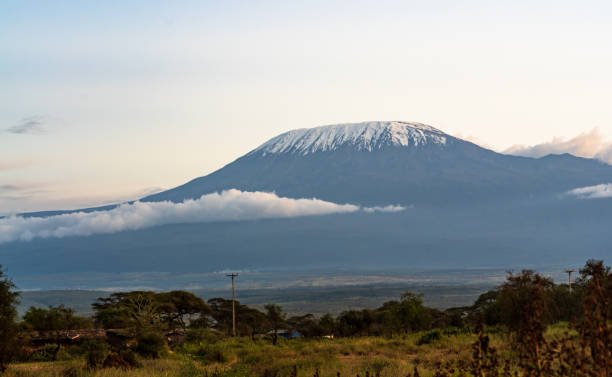
The 7 Day Kilimanjaro Summit Climb follows the Machame Route, one of the established trekking approaches to Mount Kilimanjaro. The journey begins at Machame Gate and progresses through several ecological zones before reaching the high altitude summit environment.
During the seven day expedition, climbers cross Shira Plateau, gain important altitude exposure around Lava Tower, climb Barranco Wall and continue through Karanga toward Barafu Camp.
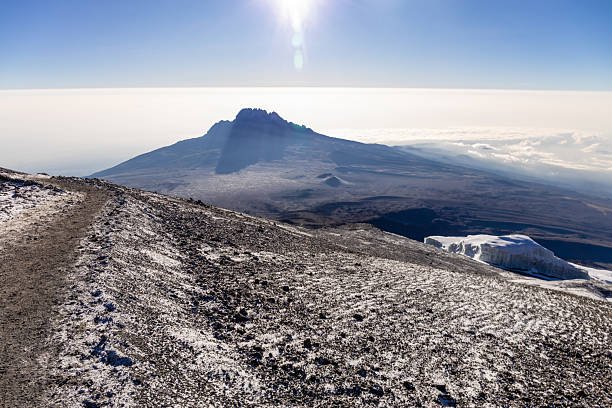
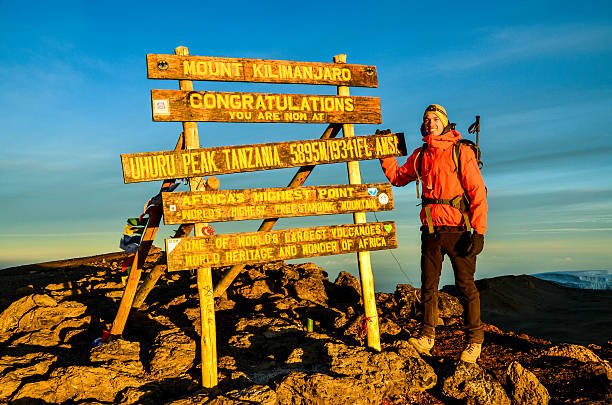
The final ascent normally begins around midnight from Barafu and continues toward Stella Point before reaching Uhuru Peak at 5,895 metres, the highest point on Mount Kilimanjaro.
7 Day Kilimanjaro Summit Climb at a Glance
- Day 1: Machame Gate to Machame Camp
- Day 2: Machame Camp to Shira Camp
- Day 3: Shira Camp to Lava Tower and Barranco Camp
- Day 4: Barranco Camp to Karanga Camp
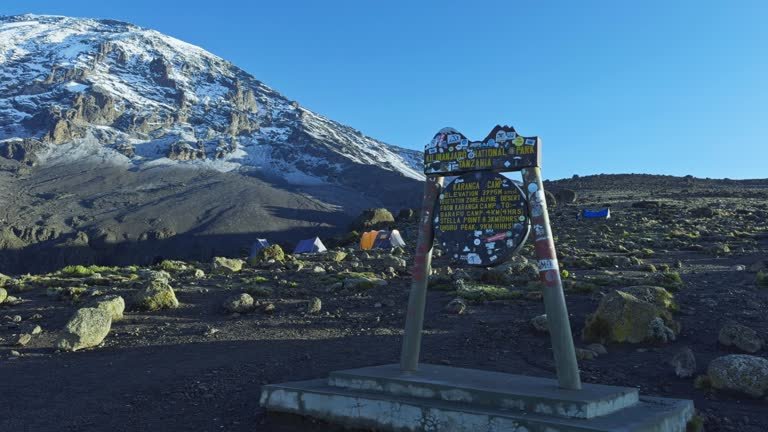
- Day 5: Karanga Camp to Barafu Camp
- Day 6: Barafu Camp to Stella Point, Uhuru Peak and Mweka Camp
- Day 7: Mweka Camp to Mweka Gate
Why Choose a 7 Day Kilimanjaro Summit Climb?
The seven day Machame itinerary provides an additional mountain day compared with the shorter six day schedule. Instead of trekking from Barranco through Karanga and continuing directly to Barafu on the same day, climbers stay overnight at Karanga Camp.
This creates a more gradual progression toward the summit stage and provides additional time for rest, hydration and altitude adjustment before reaching Barafu Camp.
The itinerary also provides varied scenery, important acclimatisation opportunities and professional mountain support throughout the expedition.
Complete 7 Day Kilimanjaro Summit Climb Itinerary
DAY
01
MACHAME GATE
Machame Gate to Machame Camp
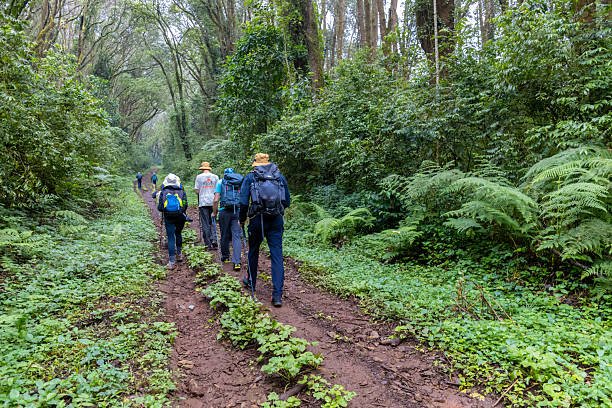
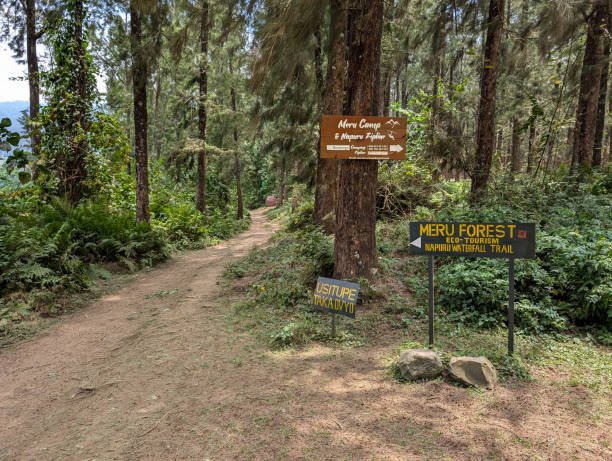
Your Kilimanjaro summit climb begins with transportation to Machame Gate according to the confirmed arrangement. After registration and final mountain preparations, you enter the rainforest and begin trekking.
The trail climbs gradually through dense vegetation, tall trees, moss and ferns. Conditions can be humid and rain is possible, making waterproof clothing important during this stage.
Your professional mountain guides establish a slow pace from the first day to conserve energy and begin the gradual altitude adjustment process.
Later in the day, you reach Machame Camp for dinner and your first night on Mount Kilimanjaro.
Day Highlights
- Machame Gate registration
- Rainforest trekking
- Gradual altitude gain
- First night at Machame Camp
Accommodation
Machame Camp in mountain tents.
Meals
Lunch and dinner.
Terrain
Humid rainforest and steadily ascending trail.
DAY
02
SHIRA PLATEAU
Machame Camp to Shira Camp
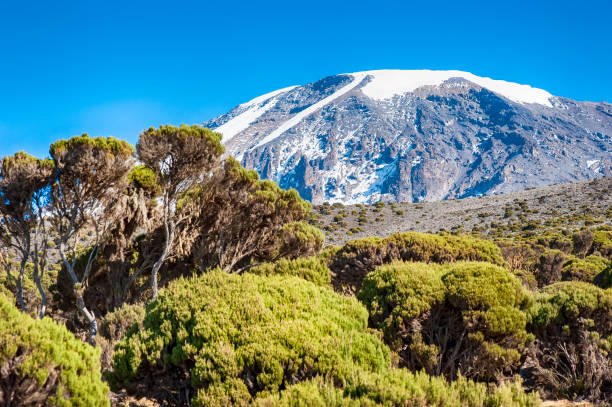
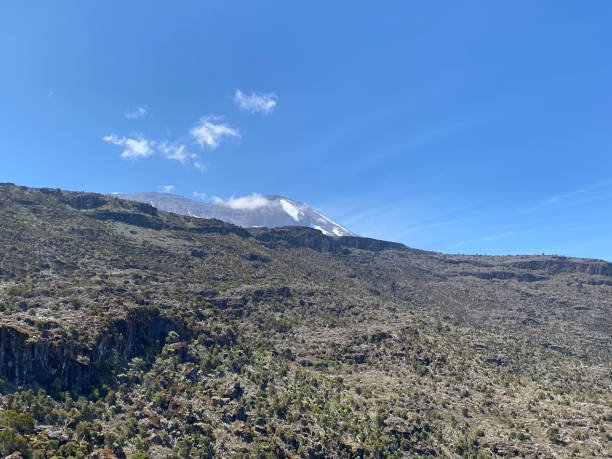
After breakfast, continue climbing as the rainforest gradually disappears and the trail enters heath and moorland.
The route follows rocky ridges toward Shira Plateau, where the landscape becomes increasingly open. When weather conditions are clear, climbers may enjoy views toward Kibo and Mount Meru.
A controlled walking pace, regular hydration and sufficient food intake become increasingly important as altitude rises.
Day Highlights
- Transition from rainforest to moorland
- Shira Plateau
- Open mountain scenery
- Continued altitude progression
Accommodation
Shira Camp in mountain tents.
Meals
Breakfast, lunch and dinner.
Environment
Heath, moorland and open plateau terrain.
DAY
03
LAVA TOWER
Shira Camp to Lava Tower and Barranco Camp
Day three is an important acclimatisation stage. The trail climbs through increasingly dry alpine terrain toward Lava Tower at approximately 4,600 metres.
After reaching the Lava Tower area, climbers normally rest and eat before descending toward Barranco Valley.
This higher daytime exposure followed by a lower sleeping elevation at Barranco Camp provides a useful climb high and sleep lower profile.
Barranco Camp sits beneath the dramatic Barranco Wall, which becomes the first major challenge on the following morning.
Day Highlights
- Lava Tower at approximately 4,600 metres
- Alpine desert
- Important altitude exposure
- Barranco Valley
Accommodation
Barranco Camp in mountain tents.
Meals
Breakfast, lunch and dinner.
Acclimatisation
Higher exposure near Lava Tower before descending to Barranco.
DAY
04
BARRANCO WALL
Barranco Camp to Karanga Camp
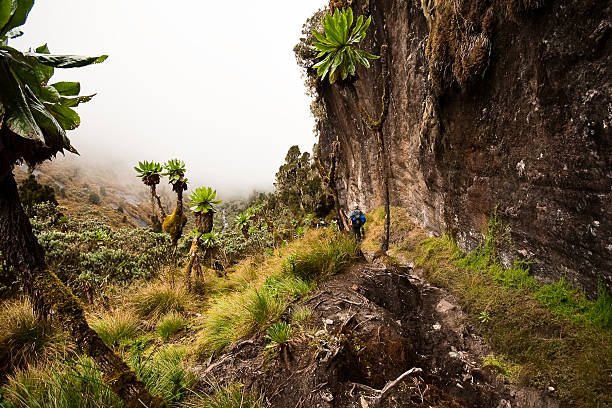
After breakfast, begin climbing Barranco Wall. Although it appears steep from camp, climbers follow an established trekking route through the rocky terrain.
Some sections require using the hands for balance and careful foot placement, but technical climbing equipment is not normally required.
After reaching the top, continue across ridges and through Karanga Valley before climbing to Karanga Camp.
The separate overnight at Karanga provides additional time before climbers continue to the final summit camp.
Day Highlights
- Barranco Wall
- Karanga Valley
- High mountain ridges
- Overnight at Karanga Camp
Accommodation
Karanga Camp in mountain tents.
Meals
Breakfast, lunch and dinner.
Route Stage
Barranco Wall and gradual progression toward summit camp.
DAY
05
BARAFU CAMP
Karanga Camp to Barafu Camp
Leave Karanga after breakfast and continue toward Barafu Camp through increasingly barren alpine terrain.
The trekking stage is shorter than combining Barranco, Karanga and Barafu in a single day, allowing additional time for summit preparation after arrival.
Your guides provide a detailed summit briefing and help check warm clothing, headlamps, water and other essential equipment.
Dinner is normally served early before climbers rest for the midnight departure.
Day Highlights
- High alpine terrain
- Arrival at Barafu Camp
- Final summit briefing
- Equipment preparation
Accommodation
Barafu Camp in mountain tents.
Meals
Breakfast, lunch and dinner.
Preparation
Summit briefing, equipment checks and early rest.
DAY
06
SUMMIT DAY
Barafu Camp to Stella Point, Uhuru Peak and Mweka Camp
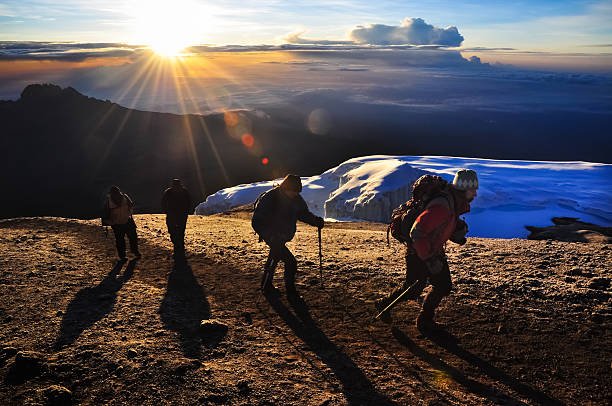
Summit day normally begins around midnight. After a light meal and final preparation, climbers leave Barafu Camp and begin the slow ascent through darkness.
This is the most demanding stage of the expedition because of the steep terrain, cold temperatures, reduced oxygen and accumulated fatigue.
The route climbs toward Stella Point on the crater rim. Reaching Stella Point is an important milestone, but the highest point remains farther along the rim.
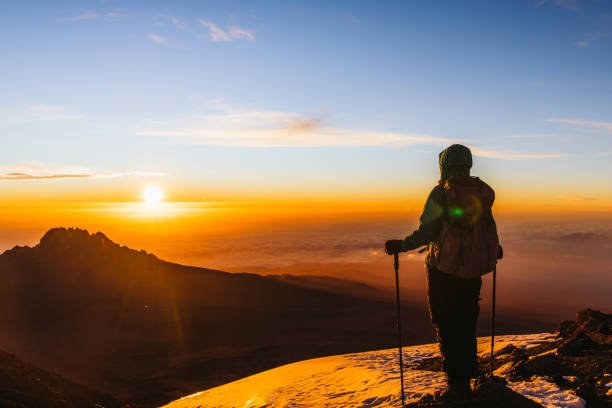
Continue toward Uhuru Peak at 5,895 metres, the highest point on Mount Kilimanjaro and the highest point in Africa.
After reaching the summit, begin the descent toward Barafu Camp. Following rest and food, continue farther down the mountain to Mweka Camp for the final overnight.
Summit Day Highlights
- Midnight summit departure
- Stella Point
- Uhuru Peak at 5,895 metres
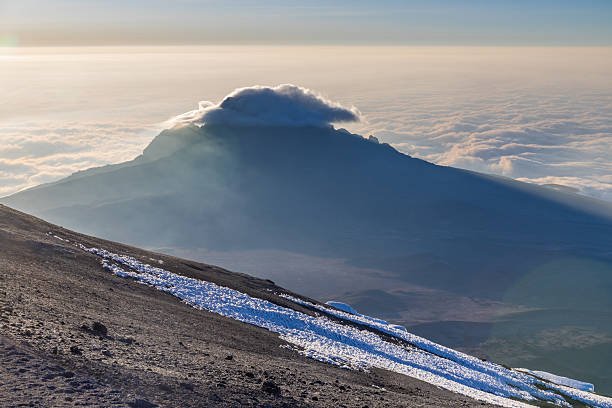
- Possible sunrise over Kilimanjaro
- Long descent toward Mweka Camp
Accommodation
Mweka Camp in mountain tents.
Meals
Meals according to summit timing and the trekking program.
Highest Point
Uhuru Peak at 5,895 metres.
DAY
07
MWEKA GATE
Mweka Camp to Mweka Gate
After breakfast, begin the final descent through the lower mountain environment toward Mweka Gate.
The trail gradually returns to dense rainforest as elevation decreases. Temperatures become warmer and vegetation becomes increasingly rich.
After reaching Mweka Gate, complete the required national park exit procedures and finish your seven day Kilimanjaro summit climb.
Post climb accommodation, airport transportation and onward travel arrangements depend on the services included in the confirmed package.
Day Highlights
- Final rainforest descent
- Arrival at Mweka Gate
- Completion of the summit expedition
- Return transfer according to the confirmed package
Kilimanjaro Summit Climb Highlights
Main Mountain Experiences
- Machame rainforest
- Shira Plateau
- Lava Tower acclimatisation
- Barranco Valley
- Barranco Wall
- Karanga Camp overnight
- Barafu summit camp
- Stella Point
- Uhuru Peak at 5,895 metres
- Mweka rainforest descent
Summit Night on Kilimanjaro
Summit night is the most demanding stage of the seven day Kilimanjaro climb. Climbers normally leave Barafu Camp around midnight and begin moving slowly through the darkness.
Cold temperatures, reduced oxygen, steep terrain and fatigue make a controlled pace essential. The objective is to reach Stella Point on the crater rim and continue toward Uhuru Peak.
Professional guides monitor climber condition throughout the ascent and make safety decisions according to individual wellbeing and mountain conditions.
Uhuru Peak at 5,895 Metres
Uhuru Peak is the highest point on Mount Kilimanjaro at 5,895 metres above sea level.
Reaching the summit is the main objective of the expedition, but summit success can never be guaranteed. Weather, altitude response, physical condition and individual health can all influence the final outcome.
Safe descent remains the priority whenever a guide determines that continuing higher is not appropriate.
Altitude and Acclimatisation
Altitude is the main challenge of climbing Kilimanjaro. The Machame Route provides useful acclimatisation opportunities through its changing elevation profile.
The climb toward Lava Tower at approximately 4,600 metres before descending to Barranco Camp provides an important higher altitude exposure.
The separate night at Karanga Camp also gives climbers additional time before reaching Barafu.
Important Acclimatisation Tips
- Walk slowly throughout the expedition.
- Drink water regularly.
- Eat sufficiently during mountain days.
- Rest whenever possible.
- Keep warm as temperatures fall.
- Report altitude symptoms immediately to your guide.
How Difficult Is the 7 Day Kilimanjaro Summit Climb?
The seven day Machame Route is a demanding high altitude trek requiring several consecutive mountain days and a long summit stage.
Technical mountaineering experience is not normally required on the standard route, but good physical preparation, appropriate mountain clothing and determination are important.
The additional Karanga overnight provides a more gradual itinerary than the common six day version, but it does not remove the challenges associated with high altitude.
Barranco Wall
Barranco Wall is one of the most recognisable features of the Machame Route. Climbers follow a defined trekking path through the rocky terrain.
Some sections require using the hands for balance, but technical climbing equipment is not normally needed.
Camping Accommodation
The Machame Route uses designated mountain camps and trekking tents rather than permanent sleeping huts.
Climbers normally stay at Machame, Shira, Barranco, Karanga, Barafu and Mweka camps.
Tent arrangements and any additional private camping services should be confirmed according to the selected package.
Meals and Drinking Water
A mountain cook prepares meals according to the trekking schedule. Breakfast, lunch and dinner are normally provided during mountain days, with timing adjusted around summit night.
Drinking water is organised during the climb according to the mountain program. Dietary requirements should be communicated before departure.
Professional Guides and Porter Support
Professional Kilimanjaro guides manage the route schedule, trekking pace, health monitoring, daily briefings and summit strategy.
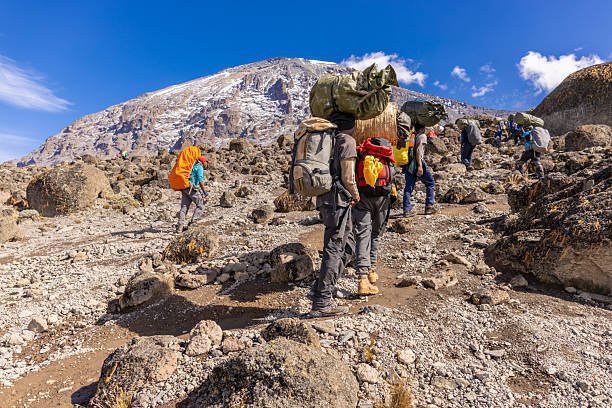
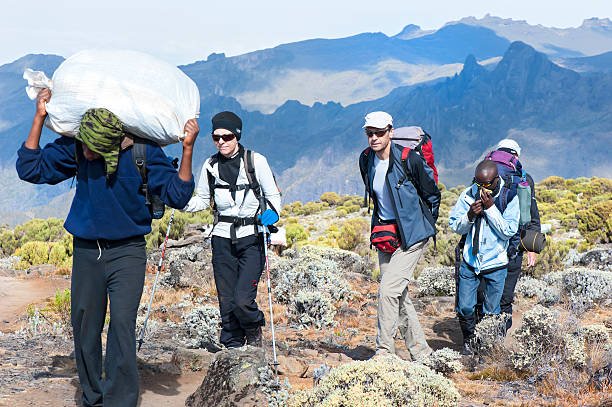
Porters carry shared expedition equipment, food and permitted main luggage while climbers carry smaller personal day bags containing water, waterproof clothing, warm layers and essential personal items.
Kilimanjaro Safety and Health Monitoring
Climber wellbeing is monitored throughout the expedition. Daily health checks may include general observation and pulse oximeter readings according to the mountain operation.
Emergency oxygen may also be carried as part of the mountain safety equipment.
Climbers should report headaches, nausea, dizziness, unusual fatigue or other concerning symptoms immediately rather than waiting for them to become more severe.
What to Pack for Summit Night
- Warm base layers
- Insulated middle layers
- Warm summit jacket
- Waterproof outer shell
- Warm gloves or mittens
- Warm hat
- Headlamp with spare batteries
- Trekking poles
- Water bottles or hydration system
- Energy snacks
- Sunglasses for daylight descent
- Sunscreen
- Personal medication
7 Day Kilimanjaro Summit Climb Inclusions
- Professional Kilimanjaro mountain guides
- Assistant guides according to group size
- Mountain cook
- Porter services
- Kilimanjaro National Park related charges according to the confirmed quotation
- Camping charges according to the confirmed package
- Rescue related park charges according to the quotation
- Mountain tents and shared camping equipment
- Meals during the mountain expedition
- Drinking water during the climb
- Mountain gate transportation when specified
7 Day Kilimanjaro Summit Climb Exclusions
- International flights
- Tanzania visa fees
- Travel and medical insurance
- Tips for guides, porters and cooks
- Personal trekking equipment unless specified
- Equipment rental unless included
- Private portable toilet unless specifically included
- Personal expenses
- Hotel accommodation unless listed
- Airport transfers unless specifically included
- Tanzania safari or Zanzibar extensions unless confirmed
Private and Group Summit Climbs
The seven day Kilimanjaro summit climb can be organised as a private expedition or, when scheduled departures are available, as a group joining climb.
Private climbs are organised for the confirmed party, while group joining departures allow travellers to share selected mountain logistics with other trekkers.
Best Time for a Kilimanjaro Summit Climb
Mount Kilimanjaro can be climbed during much of the year. Many travellers prefer generally drier periods because trail conditions and visibility may be more favourable.
Mountain weather remains unpredictable, so climbers should prepare for rain, wind, freezing temperatures and possible snow or ice near the summit regardless of travel dates.
Frequently Asked Questions
Which route is used for this 7 Day Kilimanjaro Summit Climb?
This itinerary follows the Machame Route from Machame Gate to the summit before descending through Mweka Route.
When does the summit attempt begin?
The summit attempt normally begins around midnight from Barafu Camp on Day 6.
How high is Uhuru Peak?
Uhuru Peak stands at 5,895 metres above sea level and is the highest point on Mount Kilimanjaro.
Is Stella Point the summit?
Stella Point is located on the crater rim and is an important summit milestone. Uhuru Peak at 5,895 metres is the highest point of Mount Kilimanjaro.
Why is summit night difficult?
Summit night combines very high altitude, cold temperatures, darkness, steep terrain and accumulated fatigue from the previous trekking days.
Does the seven day route guarantee reaching Uhuru Peak?
No. More time on the mountain can support acclimatisation, but no Kilimanjaro itinerary can guarantee summit success because individual altitude response and mountain conditions vary.
Does the route include Barranco Wall?
Yes. Barranco Wall is climbed on Day 4 before continuing toward Karanga Camp.
Why choose seven days instead of six?
The seven day Machame itinerary includes a separate overnight stay at Karanga Camp, creating a more gradual progression before Barafu and summit night.
Are guides and porters included?
Professional mountain guides, porters and a mountain cook are normally included in a complete Kilimanjaro package according to the confirmed quotation.
Can I add a Tanzania safari after the summit climb?
Yes. After Kilimanjaro, travellers can continue to Serengeti, Ngorongoro, Tarangire or other Tanzania safari destinations, or combine the climb with a Zanzibar extension.
Plan Your 7 Day Kilimanjaro Summit Climb
Share your preferred climbing dates, number of trekkers and travel requirements to receive a personalised 7 Day Kilimanjaro Summit Climb itinerary with complete mountain details, inclusions and quotation.
Request Your Kilimanjaro Summit Climb